Home Instead in Orange Park, FL

Save
Home Instead

Home Instead in Orange Park, FL

71 College Drive, Orange Park, FL 32065

For more information about senior living options: (844) 490-3973

4.3 from 11 reviews
5 stars
8
4 stars
0
3 stars
2
2 stars
0
1 stars
1

Assisted Living

Overall Review of Home Instead

Pros

  • pro Home Instead staff collaborated on scheduling and accommodated the family's mom's needs.
  • pro The care staff were wonderful and went the extra mile, ensuring meals were provided and helping with cleanup when needed.
  • pro The staff were caring, professional, and understanding, making the mom feel comfortable at all times.
  • pro The aides were described as lovely and did a fine job representing the agency.
  • pro The caregivers were bright, brought positive energy, and were punctual and professional.
  • pro The central office has been responsive and understanding, correcting problems and improving the caregiver experience.
  • pro The caregivers are now more experienced, compassionate, and friendly toward the mom.
  • pro The service kept in good contact with the family about updates and progress.
  • pro The service is highly recommended for home health care.

Cons

  • pro They found it unacceptable that they could not ride in the car with their husband, and that the insurance setup required taking two cars for every appointment.
  • pro The aide not being allowed to help Jim trim bushes was not good.
  • pro The caregivers were completely dishonest, and the reviewer would never use the service again.
  • pro Some of the staff or caregivers could be a little hard-headed.
  • pro There are some staff who do not have a lot of experience.

Review

This Home Instead in Orange Park is best suited for families seeking thorough in-home senior care that emphasizes warmth, reliability, and professional coordination. It works well for an older adult who can stay at home with daily assistance - meal support, light housekeeping help, companionship, and oversight that keeps a care plan on track - while the family relies on a responsive central office to adjust as needs shift. The strongest value shows up when a consistent, personable caregiving team is in place, and families are comfortable with a structure that prioritizes scheduling discipline and clear communication over flexible, on-the-fly transportation arrangements.

Those who should consider alternatives are families for whom mobility and transportation logistics are a primary priority, or who expect the aide to ride along to appointments, run errands, or handle outdoor tasks. The agency's model typically requires the family to manage separate transportation for outings, since the aide cannot accompany a spouse in the car, and some tasks such as yard work may not be within the care scope. For households that want seamless joint trips with the caregiver or hands-on help with yard maintenance, this arrangement can become a significant friction point. Additionally, any family that fears high caregiver turnover or uneven experience levels should proceed with caution, since experiences in the reviews indicate variability from caregiver to caregiver.

The strongest pros - caring, professional staff, and dependable communication - often offset the main drawbacks when a solid match is found. Observed strengths include caregivers who bring genuine warmth, energy, and attentiveness to daily routines, along with punctuality and consistent updates to family members. In moments of challenge, staff have demonstrated the ability to find creative solutions to keep a loved one engaged and fed, and the central office has shown responsiveness by adjusting assignments and increasing caregiver experience when concerns arise. When those conditions align, families report a sense of trust and comfort, knowing the person at home is treated with respect and expertise, and that the care team is coordinated and accountable.

Yet the cons are real and can shape the overall experience. The transportation constraint - two cars needed for many outings because the aide cannot accompany the client - adds logistical and financial overhead and inevitably limits spontaneous or multi-stop trips. This isn't just about convenience; it affects independence and how much a family can safely rely on in-home help for errands and social activities. On the care staff side, there is clear evidence of variability: some caregivers are highly experienced and compassionate, while others may be less seasoned, requiring central office intervention. A few reviews also referenced distrustful or inconsistent experiences with certain aides, underscoring the importance of careful caregiver matching and ongoing supervision.

Practically, families should approach enrollment with a clear playbook: define the essential tasks and transportation expectations up front, request a stable core of experienced caregivers, and insist on a concrete communications plan with the central office. Ask about caregiver training, background checks, and how continuity of care is managed when staff changes occur. Consider starting with a trial period that includes specific metrics for success - e.g., meal assistance, medication reminders, and timely arrival - and plan for regular care conferences to recalibrate goals. If yard work or other non-care tasks are important, explicitly confirm what is permissible within the care plan to avoid misaligned expectations.

Bottom line: this community offers dependable, compassionate in-home care with strong office support for families who can work within its transportation and task boundaries. It is a solid choice for those prioritizing warmth, reliability, and proactive problem-solving from a known care team. However, for families whose top priorities are flexible transportation, cross-appointment accompaniment, or heavy on-site outdoor maintenance, alternatives should be explored - whether other home-care providers with more permissive driving policies or a facility-based option that centralizes transportation and broadens the range of daily tasks. In the right match, the pros clearly outweigh the cons, delivering peace of mind and steady, respectful care at home.

Features

Housing

  • 6 resident community capacity 6 resident community capacity

Types of Care

  • Assisted Living Assisted LivingAssisted living facilities provide crucial support and care for seniors who may need help with daily tasks such as medication management, bathing, and meal preparation. These communities offer a safe and comfortable environment where seniors can maintain their independence while receiving the assistance they need to thrive in their golden years.

Amenities

  • Cable or satellite TV Cable or satellite TVCable or satellite TV is important for seniors because it provides entertainment, news, and companionship, helping to combat loneliness and boredom. It also offers a wide range of programming options tailored to different interests and preferences.
  • Fully furnished Fully furnishedFully furnished senior living communities are important for seniors because they provide convenience, comfort, and a hassle-free moving experience. Seniors can easily settle into their new living space without the stress of having to buy and move furniture. This allows them to focus on enjoying their new home and community.
  • Garden GardenGardens are important for seniors as they provide a peaceful and therapeutic environment for relaxation, physical activity, and socialization. Being in nature has been shown to reduce stress, improve mood, and promote overall well-being. Gardens also offer opportunities for seniors to engage in gardening activities, which can improve mobility, flexibility, and cognitive function. Additionally, gardens create a sense of community and connection with others who share a passion for plants and outdoor spaces.
  • Housekeeping services Housekeeping servicesHousekeeping services are important for seniors because they help maintain a clean and safe living environment, promote independence, and reduce the risk of accidents or illnesses. Additionally, having assistance with household chores can alleviate physical strain and allow seniors to focus on other aspects of their well-being.
  • Move-in coordination Move-in coordinationMove-in coordination is important for seniors because it helps ease the transition into their new living environment. It ensures that all logistics, such as packing, organizing movers, and setting up utilities are taken care of, allowing seniors to focus on settling in and adjusting to their new home. Having a smooth move-in process can alleviate stress and anxiety, making the transition smoother and more enjoyable for seniors.
  • Outdoor space Outdoor spaceOutdoor spaces are important for seniors as they provide opportunities for physical activity, social interaction, exposure to natural light and fresh air, and a sense of connection to nature. Having access to outdoor spaces can improve overall well-being and quality of life for older adults living in senior communities.
  • Wi-Fi/high-speed internet available Wi-Fi/high-speed internet availableWi-Fi/high-speed internet is important for seniors to stay connected with loved ones, access online resources, and participate in virtual activities to combat feelings of loneliness and isolation. It also allows them to easily manage healthcare needs, access entertainment, and engage in lifelong learning opportunities.

Transportation

  • Transportation arrangement Transportation arrangementTransportation arrangements are crucial for seniors as they may face challenges with driving, mobility, or access to public transportation. Having reliable transportation services ensures that seniors can easily attend appointments, social activities, and maintain their independence and quality of life.

Care Services

  • 24-hour supervision 24-hour supervision24-hour supervision is important for seniors to ensure their safety, well-being, and access to immediate assistance in case of emergencies or health issues. This constant support provides peace of mind for both seniors and their loved ones, allowing them to age in place with dignity and security.
  • Activities of daily living assistance Activities of daily living assistanceActivities of daily living assistance are important for seniors because they provide essential support with tasks such as eating, bathing, dressing, and mobility. This assistance helps seniors maintain their independence, dignity, and overall quality of life as they age.
  • Assistance with bathing Assistance with bathingAssistance with bathing is crucial for seniors as it helps maintain personal hygiene, prevents infections, and ensures their overall well-being and comfort. It also provides a sense of dignity and independence for seniors who may struggle with this task on their own.
  • Assistance with dressing Assistance with dressingAssistance with dressing is important for seniors because it helps maintain their independence, promotes personal hygiene, prevents accidents and injuries, and improves overall quality of life. This service ensures that seniors can continue to dress comfortably and confidently, despite any physical limitations they may have.
  • Assistance with transfers Assistance with transfersAssistance with transfers is crucial for seniors as it helps prevent falls and injuries, maintains their independence, and ensures they can safely navigate their living environment. It also provides peace of mind for both seniors and their loved ones.
  • Diabetes diet Diabetes dietA diabetes diet is crucial for seniors as it helps manage blood sugar levels, reduce risks of complications, and improve overall health and well-being. By following a balanced and nutritious diet tailored to their specific needs, seniors can better control their diabetes and enhance their quality of life.
  • Meal preparation and service Meal preparation and serviceMeal preparation and service are crucial for seniors as they may have limited mobility or energy to cook nutritious meals. Having access to healthy and convenient food options can ensure they are getting the proper nutrition needed to maintain their overall health and well-being.
  • Medication management Medication managementMedication management is crucial for seniors to ensure they are taking the right medications at the correct dosages and times. This helps prevent adverse drug interactions, reduces the risk of medication errors, and promotes overall health and well-being. Proactive management also allows for adjustments as needed based on changing health conditions or new prescriptions.
  • Special dietary restrictions Special dietary restrictionsSpecial dietary restrictions are important for seniors because age-related changes in metabolism and health conditions can make it difficult for their bodies to process certain foods. By following a diet tailored to their specific needs, seniors can maintain their overall health and well-being, manage chronic conditions, and reduce the risk of complications such as malnutrition or food interactions with medications.

Dining

  • Diabetes diet Diabetes dietA diabetes diet is crucial for seniors as it helps manage blood sugar levels, reduce risks of complications, and improve overall health and well-being. By following a balanced and nutritious diet tailored to their specific needs, seniors can better control their diabetes and enhance their quality of life.
  • Special dietary restrictions Special dietary restrictionsSpecial dietary restrictions are important for seniors because age-related changes in metabolism and health conditions can make it difficult for their bodies to process certain foods. By following a diet tailored to their specific needs, seniors can maintain their overall health and well-being, manage chronic conditions, and reduce the risk of complications such as malnutrition or food interactions with medications.

Activities

  • Community-sponsored activities Community-sponsored activitiesCommunity-sponsored activities are important for seniors as they provide opportunities for social interaction, mental stimulation, and physical activity. These activities can help improve overall well-being, combat loneliness and isolation, and promote a sense of belonging and purpose among older adults.
  • Scheduled daily activities Scheduled daily activitiesScheduled daily activities are important for seniors because they provide structure, socialization, mental stimulation, and physical activity. Engaging in regular activities can improve overall well-being and quality of life for seniors living in a community setting.

Description

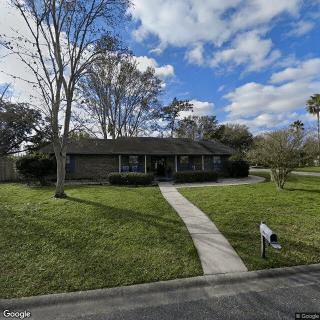
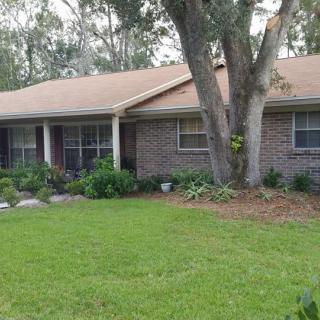
The Home Instead in Orange Park, FL is a fully furnished assisted living community that offers a wide range of amenities and care services to its residents.

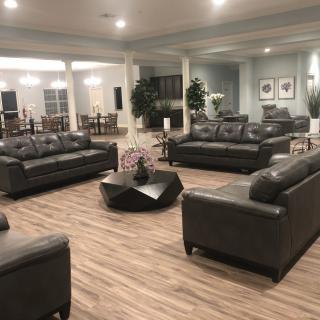
The community provides a comfortable and cozy living environment with beautifully landscaped gardens and outdoor spaces for residents to enjoy. Housekeeping services are provided to ensure that the residences are kept clean and tidy at all times.

For those who need assistance with daily activities, the dedicated staff is available to lend a helping hand. This includes assistance with bathing, dressing, transfers, and medication management. The community also offers specialized care for individuals with diabetes, as well as catered meal preparation and service to accommodate special dietary restrictions.

Residents can stay connected with family and friends as Wi-Fi/high-speed internet is available throughout the community. In addition, move-in coordination services are provided to make the transition into the community as smooth as possible.

To keep residents engaged and active, scheduled daily activities are offered. These activities cater to various interests and provide opportunities for socializing and staying mentally stimulated.

The Home Instead in Orange Park is conveniently located near numerous amenities. There are 5 cafes, 2 parks, 13 pharmacies, 23 physicians' offices, 33 restaurants, 2 theaters, and 4 hospitals nearby. This allows residents easy access to leisurely activities, healthcare providers, dining options, entertainment venues, and medical facilities.

Overall, the assisted living community at Home Instead in Orange Park offers a welcoming atmosphere with comprehensive care services and convenient amenities that enhance the quality of life for its residents.

Nearby Places of Interest

This area of Orange Park, Florida is a convenient and bustling community with easy access to essential services such as pharmacies, restaurants, cafes, physicians, hospitals, parks, theaters, and places of worship. There are several pharmacies nearby including Walmart Pharmacy and CVS Pharmacy for all your medication needs. A variety of dining options are available from fast-food chains like McDonald's and Arby's to casual dining at Panda Express and Mackey's Munchies. For coffee lovers, there are popular cafes like Panera Bread and Starbucks within a short distance. Medical care is readily available with reputable physicians such as First Choice Medical Care and Dermatology & Laser Center in close proximity. Hospitals like St Vincent's Medical Center Clay County are within a few miles for any emergency medical needs. In addition, there are parks for outdoor recreation and entertainment options include theaters like AMC Orange Park 24 for movie enthusiasts. Finally, Sacred Heart Catholic Church is nearby for those seeking spiritual guidance. Overall, this area offers a vibrant community with essential amenities making it a great option for senior living in Orange Park.

Pharmacies

  • Walmart Pharmacy (0.4 miles)
  • CVS Pharmacy (0.6 miles)
  • Winn-Dixie (1.6 miles)
  • Top Care Pharmacy (1.7 miles)
  • Walgreens (1.7 miles)
  • Medplus Pharmacy (3.8 miles)
  • Walgreens (4.3 miles)

Restaurants

  • McDonald's (0.5 miles)
  • Panda Express (0.5 miles)
  • Sonic Drive-In (0.6 miles)
  • Arby's (0.7 miles)
  • Mackey's Munchies (0.9 miles)
  • McDonald's (2.3 miles)
  • Orange Buffet (2.4 miles)

Cafes

  • Panera Bread (1.5 miles)
  • Starbucks (1.7 miles)
  • Panera Bread (4.4 miles)
  • The Urban Bean Coffeehouse Cafe (4.9 miles)
  • Starbucks (5 miles)
  • Starbucks (5.4 miles)

Physicians

  • First Choice Medical Care (1.6 miles)
  • Doctors Inlet Pediatrics And Primary Care (1.7 miles)
  • Dermatology & Laser Center (3.1 miles)
  • Hanif, Zainab Palms Medical Group Orange Park (3.1 miles)
  • Pulmonary Care Specialists (3.2 miles)
  • Family Practice Associates of Orange Park (3.4 miles)
  • T. Michael Hardin, DO (3.5 miles)

Hospitals

  • DaVita Clay County Dialysis (3.7 miles)
  • St Vincent's Healthcare (3.8 miles)
  • St Vincent's Medical Center Clay County (3.9 miles)
  • Fleming Island Surgery Center (4.8 miles)

Parks

  • Clarke House Park (4.2 miles)
  • Moccasin Slough Park (4.5 miles)

Theaters

  • AMC Orange Park 24 (4.3 miles)
  • New Vision Theatres Fleming Island 12 (4.3 miles)

Places of Worship

  • Sacred Heart Catholic Church (6.2 miles)

Frequently Asked Questions

Where is Home Instead?

Nearby Communities

  • Acacia Grove Assisted Living Facility

    Acacia Grove Assisted Living Facility

    Orange Park, FL


    pro Intimate 8-bed setting with 24/7 supervision and personalized care.

  • Acacia Grove

    Acacia Grove

    Orange Park, FL

    2 from 4 reviews
    $3,500 to $4,000 / month

    pro Clean, well-maintained facility with highly personalized, attentive care in an intimate setting.

  • Home Care Assisted Living

    Home Care Assisted Living

    Orange Park, FL

     
    $3,000 to $4,500 / month

    pro Small, intimate 8-bed community with memory care options and comprehensive support (transportation, meals, housekeeping, mental wellness).

  • Spring Gardens Of Orange Park

    Spring Gardens Of Orange Park

    Orange Park, FL

    4.4 from 8 reviews
    $3,000 to $4,000 / month

    pro Compassionate, professional staff with personalized care.

  • JBS Adult Family Care Home

    JBS Adult Family Care Home

    Orange Park, FL

    4.9 from 7 reviews
    $3,000 to $3,250 / month

    pro Small, personalized care with RN owner and one-on-one attention.

  • Samson Villa of Orange Park

    Samson Villa of Orange Park

    Orange Park, FL

    4.3 from 8 reviews
    $1,800 to $3,000 / month

    pro Home-like, intimate setting with attentive staff and freshly prepared meals.

  • Silver Treasures At Orange Park

    Silver Treasures At Orange Park

    Orange Park, FL

    4.3 from 19 reviews
    $3,285 to $5,475 / month

    pro Warm, attentive staff in a clean, safe, small community with personalized care and good meals.

  • Canterfield of Clay County

    Canterfield of Clay County

    Middleburg, FL

    4.7 from 30 reviews
     

    pro Elegant, modern community with extensive amenities and a robust activity program that promotes social engagement.

  • Brookdale Orange Park

    Brookdale Orange Park

    Orange Park, FL

    4 from 105 reviews
    $4,160 to $5,315 / month

    pro Caring staff with engaging memory-care activities.

Related Resources

  • va benefits for assisted livingAssisted Living Support for Veterans: A Complete and Detailed Overview

    The guide highlights the importance of assisted living facilities for aging veterans needing daily support, discusses unique challenges they face, and outlines available financial assistance from the VA, including the Aid and Attendance program. It emphasizes understanding eligibility criteria and navigating the VA system to access necessary benefits effectively.

  • assisted living vs skilled nursingExploring the Contrasts Between Assisted Living and Skilled Nursing

    The article compares assisted living and skilled nursing facilities, detailing their differing levels of assistance, medical support, cost structures, and day-to-day experiences. It emphasizes that assisted living is for those needing help with daily activities while maintaining independence, whereas skilled nursing facilities provide intensive medical care with 24-hour staff supervision.

  • when to move from assisted living to nursing home8 Key Indicators That Suggest It May Be Time to Transition from Assisted Living to Skilled Nursing Care

    The transition from assisted living to skilled nursing care is often prompted by complex medical needs that assisted living cannot meet, with key indicators including frequent health declines, increased falls, severe memory issues, and caregiver burnout. Families should recognize these signs early to discuss options with healthcare providers and prepare for the emotional and logistical aspects of moving to a facility that offers comprehensive medical support.