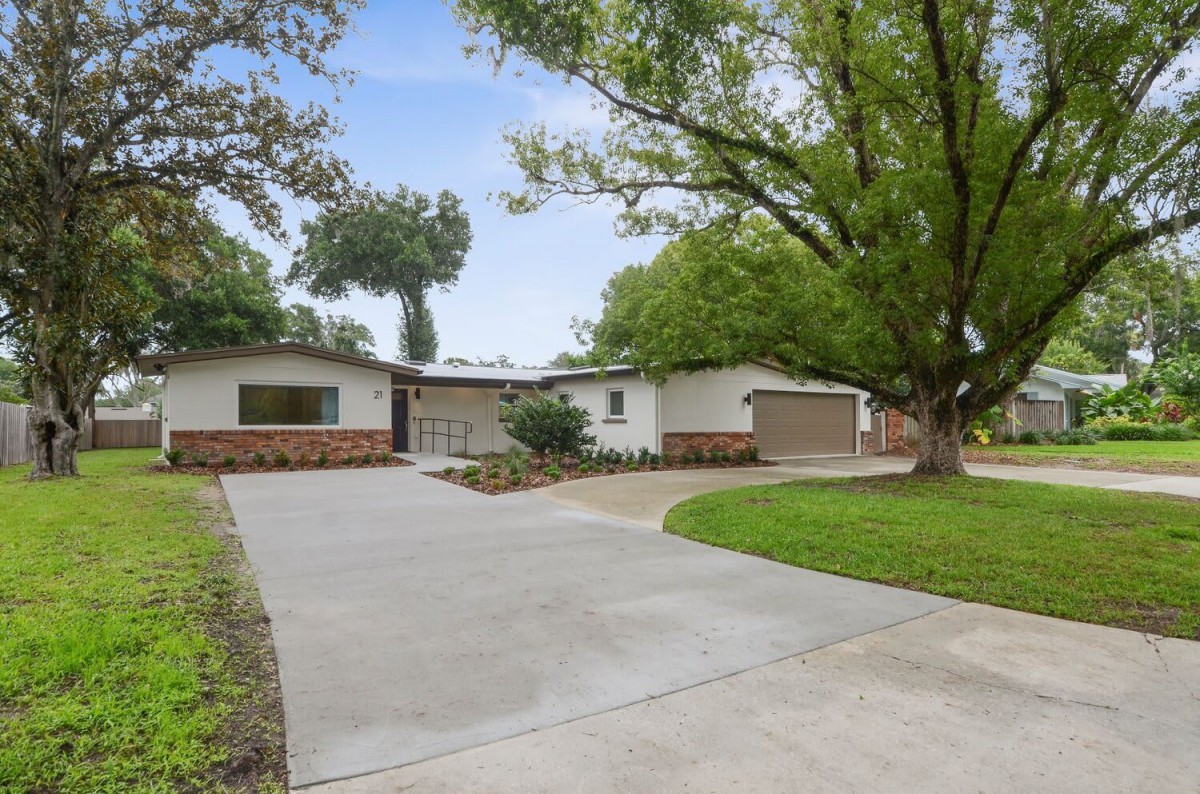

21 Minnehaha Cir, Maitland, FL 32751
For more information about senior living options: (866) 208-4318
Vivant Senior Living Memory Care Homes Costs & Pricing
Vivant Senior Living Memory Care Homes offers a range of pricing for its accommodations, reflecting the premium services and specialized care provided to residents with memory-related challenges. For a semi-private room, the monthly cost is set at $5,000, which is notably higher than both the average rates in Seminole County ($3,524) and throughout Florida ($3,009). Similarly, the 1-bedroom option is priced at $5,700, again exceeding local and state averages of $4,166 and $3,864 respectively. These costs reflect not only the quality of care but also the enhanced living environment that Vivant provides, ensuring that residents receive personalized attention in a supportive community tailored to their needs.
| Floor plans | Vivant Senior Living Memory Care Homes | Seminole County | Florida |
|---|---|---|---|
| Semi-Private | $5,000 | $3,524 | $3,009 |
| 1 Bedroom | $5,700 | $4,166 | $3,864 |
Memory care communities with a similar price nearby
-
from +$500 / mo
Vivant Senior Living Memory Care Homes
$5,500 to $6,200 / month1.4 miles away -
About the same
Vivant Senior Living Memory Care Homes
$4,900 to $5,500 / month0.4 miles away -
from -$300 / mo
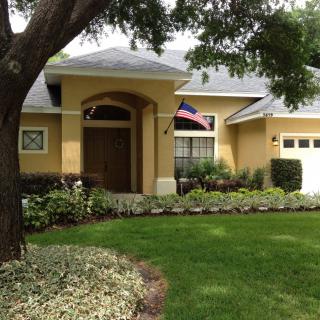
Bridgeport Senior Living - Port Isle
$4,700 to $5,100 / month10.5 miles away -
from -$450 / mo

Sutton Homes
$4,550 to $4,950 / month8.8 miles away -
from -$528 / mo

Azpira at Windermere
$4,472 to $6,916 / month13.8 miles away
Overall Review of Vivant Senior Living Memory Care Homes
Pros
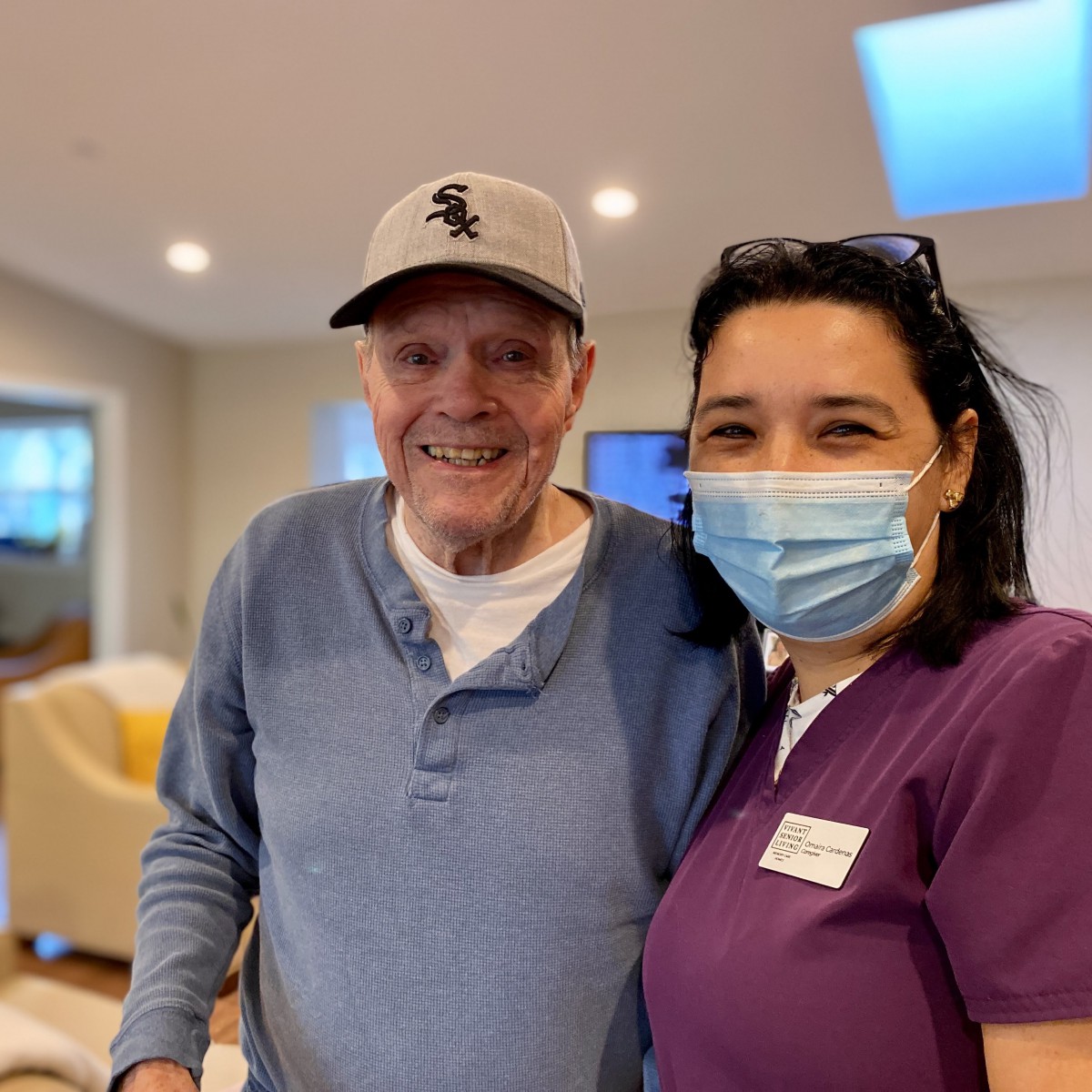
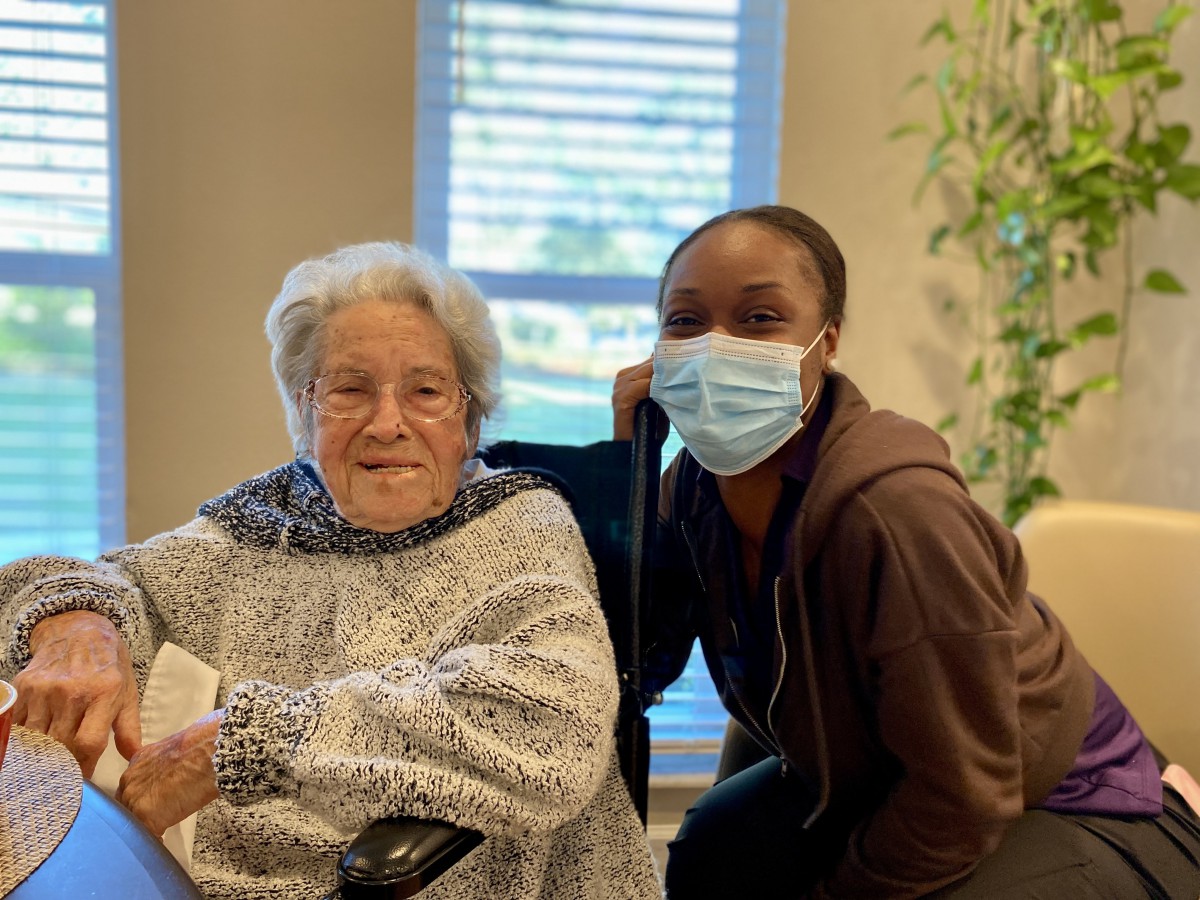
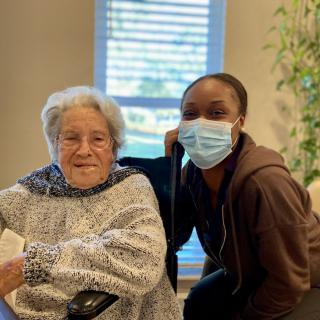
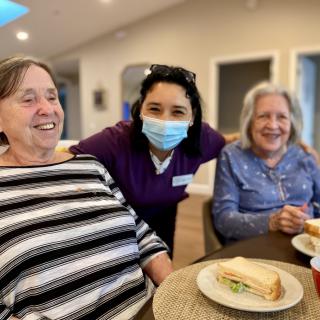
 Vivant Minnehaha is described as a wonderful place with caring, knowledgeable staff.
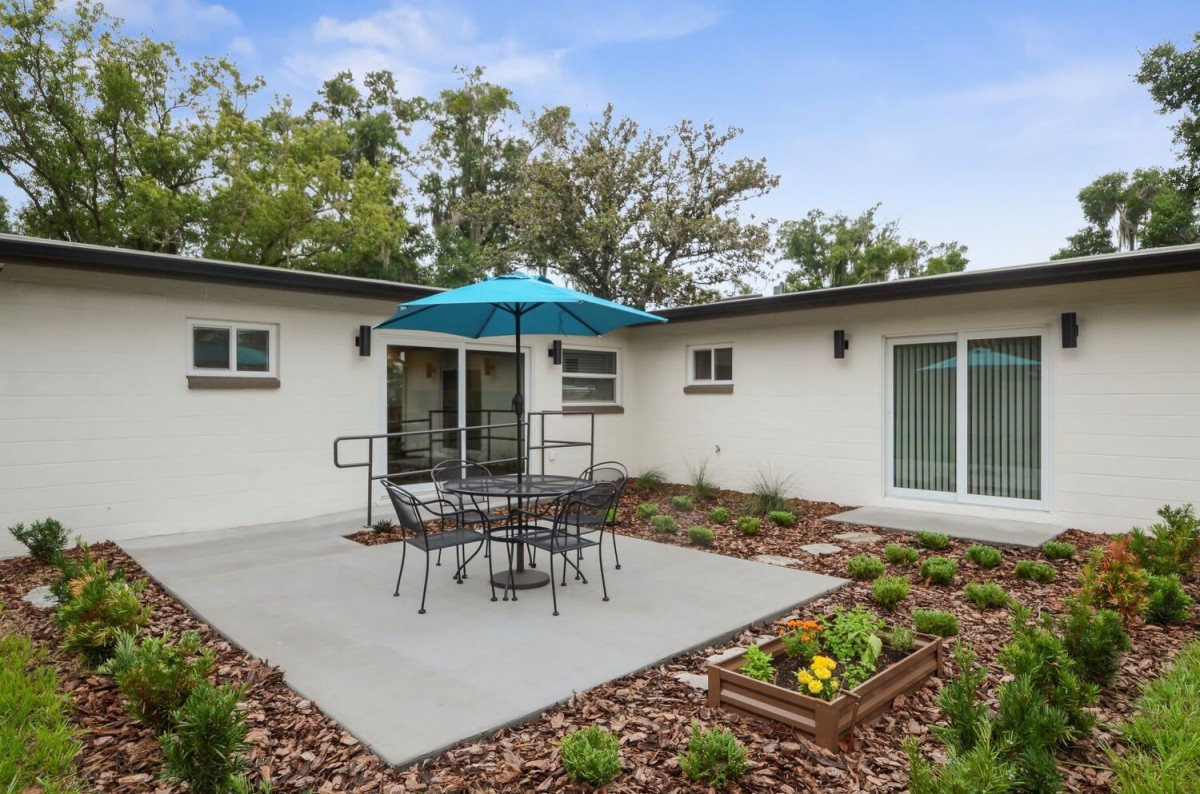
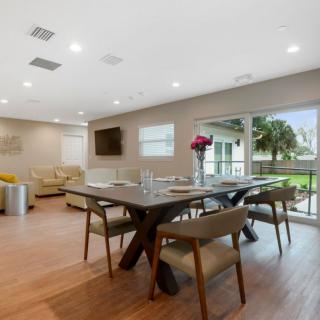
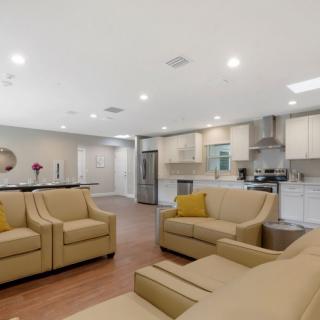
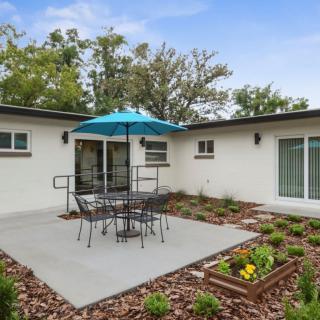
- The facility is bright, calm, and welcoming, with a beautiful courtyard view.
- The bathrooms are designed to prevent falls, enhancing resident safety.
- The rooms feel private and comfortable, even when they are shared.
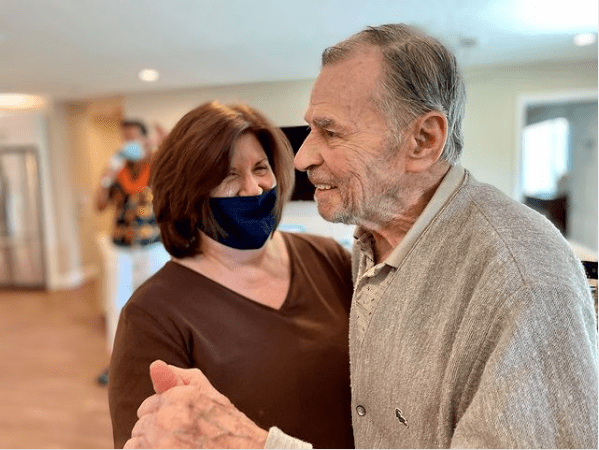
- Staff engage residents in activities and provide attentive, prompt care.
- Caregivers are described as angels and saints for their kindness and dedication.
- The memory care team is excellent and highly recommended.
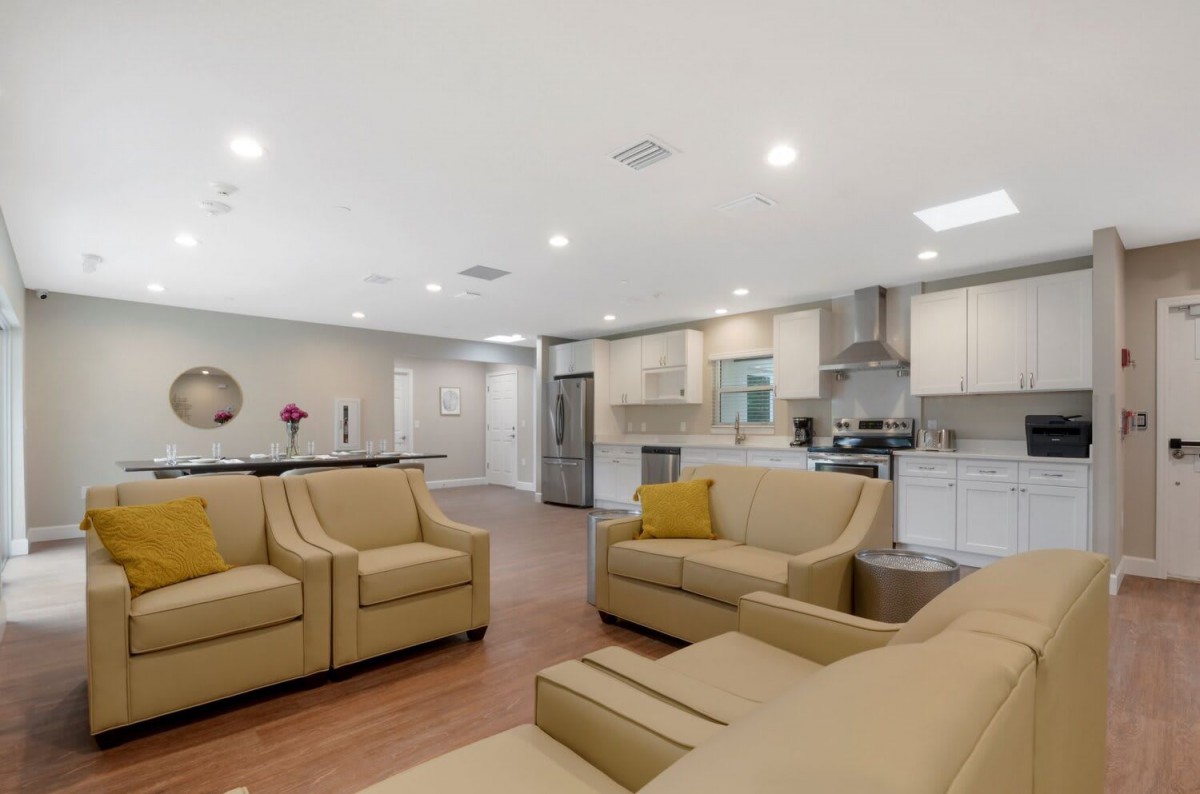
- The center is spotless, well-maintained, and filled with light, with kind, attentive aides.
Cons
 The mother did not like the food.
- On some visits, the food did not look appealing.
Review
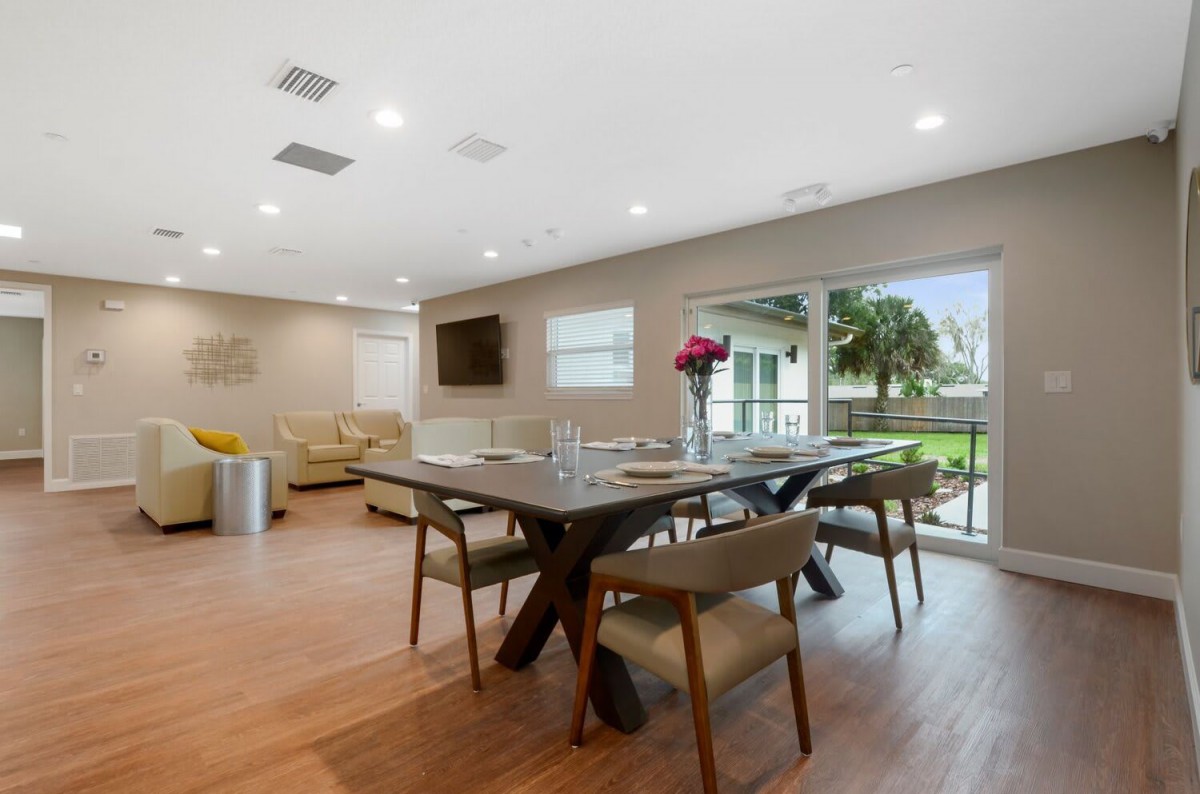
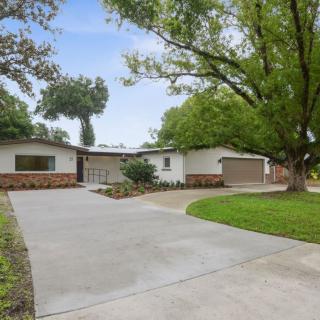
Vivant Senior Living Memory Care Homes in Maitland is best suited for families seeking a warm, residential memory-care option where a loved one can live with dignity in a home-like environment, supported by a steady, compassionate caregiving team. The setting emphasizes light-filled rooms, a courtyard view, and dining that feels like a family gathering, creating a sense of belonging rather than institutional detachment. It works particularly well for residents who benefit from gentle, attentive supervision and a staff that can integrate care with everyday comfort, think safety-forward bathrooms, easy navigation, and staff who become trusted constants in daily routines. For a person who values familiar surroundings and a calm pace over clinical intensity, this community presents a compelling fit.
That said, certain families should consider alternatives. If a loved one requires higher medical acuity, more intensive clinical oversight, or a broader array of therapeutic amenities, a larger or more medicalized campus might be preferable. Families whose priorities include a top-tier dining program with frequent menu variety, or those seeking a campus with expansive programming and vigorous social calendars, may find other memory-care settings offer a better match. Additionally, residents whose behaviors demand substantially more staffing or specialized memory-care protocols could discover that a smaller, home-style model does not fully align with evolving needs. In short, this is a strong choice for many typical memory-care journeys, but not necessarily the best fit for every high-acuity or gourmet-focused expectation.
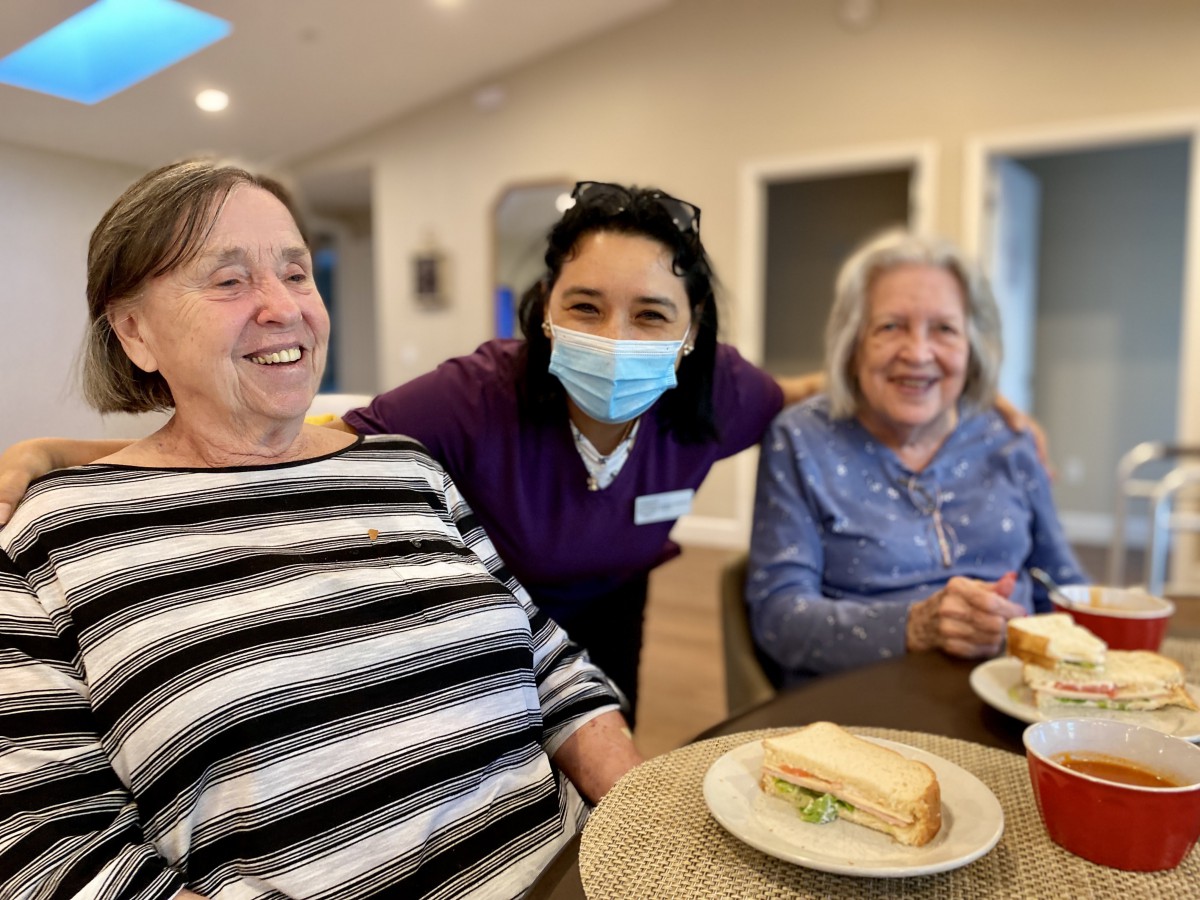
The core advantages swing decisively toward safety, dignity, and personal connection. The environment feels residential, not clinical, which helps residents settle in quickly. Rooms bathed in light, thoughtful layout choices, and a courtyard that invites calm observation contribute to a sense of normalcy that can ease transitions from independent living. The care team earns high marks for warmth and attentiveness; CNAs and aides are described as professional, kind, and consistently present when needs arise. Family-style meals and ongoing engagement with activities reinforce social belonging, while staffers’ proactive communication with families helps navigate shifts in care, including hospice transitions, with empathy and competence. When weighed against the occasional drawback, these strengths generally carry the day.
A key recurring strength is the way staff manage delicate moments, like moving a loved one into memory care and saying goodbye when the time comes. The reviews reflect a culture of respect, patience, and practical support, including careful transportation planning and seamless coordination with hospice services. Families consistently report feeling heard, with staff who understand not only medical needs but the emotional terrain of decline and loss. From a decision-making perspective, that blend of clinical competence and compassionate, person-centered care often proves decisive, particularly for families prioritizing stability, continuity, and a sense of “home” during a challenging stage of life.
One notable con pulled from the shared experiences is a straightforward area for improvement: dining satisfaction. At least one family noted that meals did not always look appealing, a reminder that even excellent care can be diluted by food that misses the mark in terms of taste or presentation. However, this concern is substantially offset by the overall quality of care, the safety-minded design of the space, and the substantial cost advantages described by families moving from other arrangements. The ability to provide a higher level of care at a lower price-than-expected is a meaningful offset that makes the investment in this setting attractive for many households, particularly when memory-care needs are ongoing and reliability in caregiving matters most.
In sum, Vivant Memorial Care Homes in Maitland stands out for families seeking a sincere, home-like memory-care experience delivered with consistent warmth, practical safety, and cost-conscious value. It is most compelling for residents who thrive in intimate, well-staffed environments where daily life carries a sense of normalcy and respect. Alternatives are worth considering for those prioritizing advanced medical oversight, extensive dining programs, or larger campuses with more expansive amenities. For families evaluating options, a focused visit is essential: observe staff resident interactions, inspect safety features in bathrooms and common areas, ask about staffing ratios during different shifts, and confirm how care plans adapt as memory needs evolve. Those steps will confirm that this Maitland community aligns with the resident’s goals, providing trusted care, a dignified daily life, and a supportive bridge between independence and assistance.
 Memory Care
 Activities on-site
 Air-conditioning
 Beautician on-site
 Cable or satellite TV
 Devotional services on-site
 Ground floor units
 Handicap accessible
 Indoor common areas
 Outdoor common areas
 Wi-Fi/high-speed internet available
 Orlando International (14 miles away)
 Ambulatory care
 Diabetic care
 Incontinence care
 Medication management
 Anytime dining
 Art classes
 Brain fitness
 Happy hour
 Jewish services
 Karaoke
 Live dance or theater performances
 Live musical performances
 Live well programs
 Visiting chaplain or priest




 Why Do Dementia Patients Sleep So Much? Understanding Oversleeping, Stages, and Care Approaches
 8 Key Indicators That Suggest It May Be Time to Transition from Assisted Living to Skilled Nursing Care
 Nourishing the Mind: Essential Dietary Approaches for Dementia