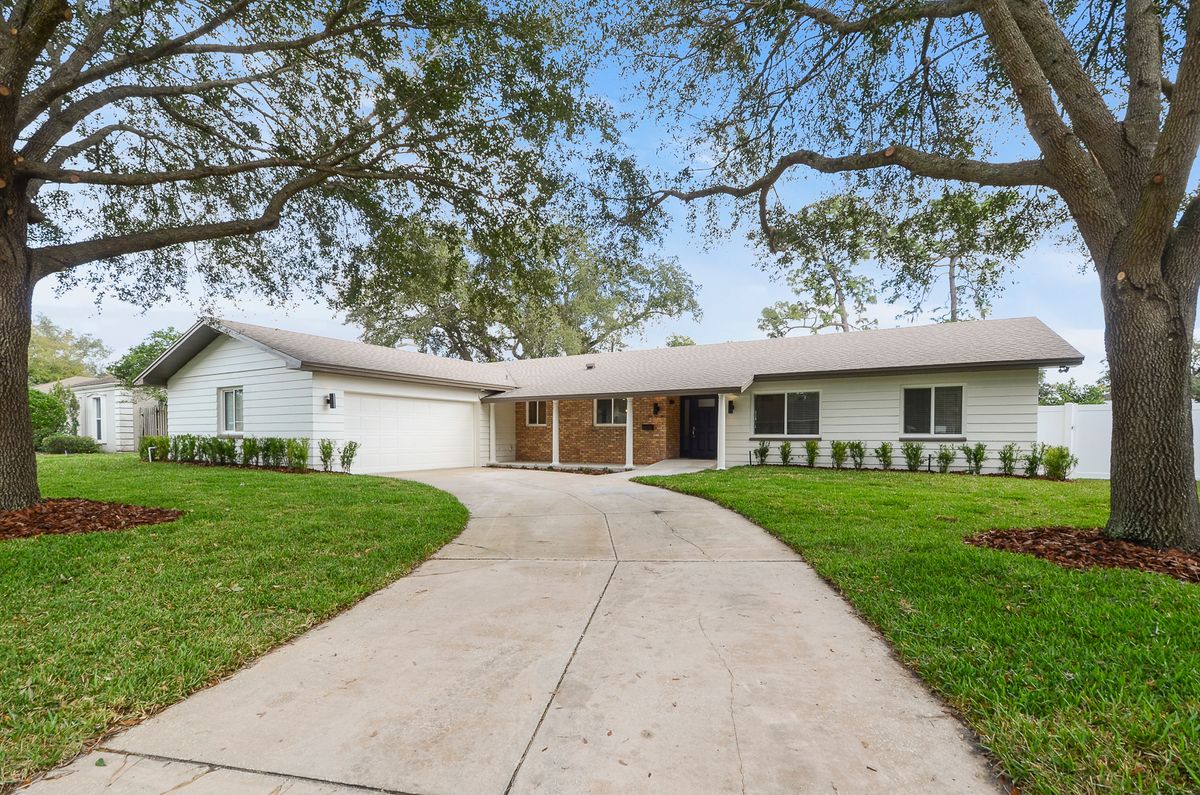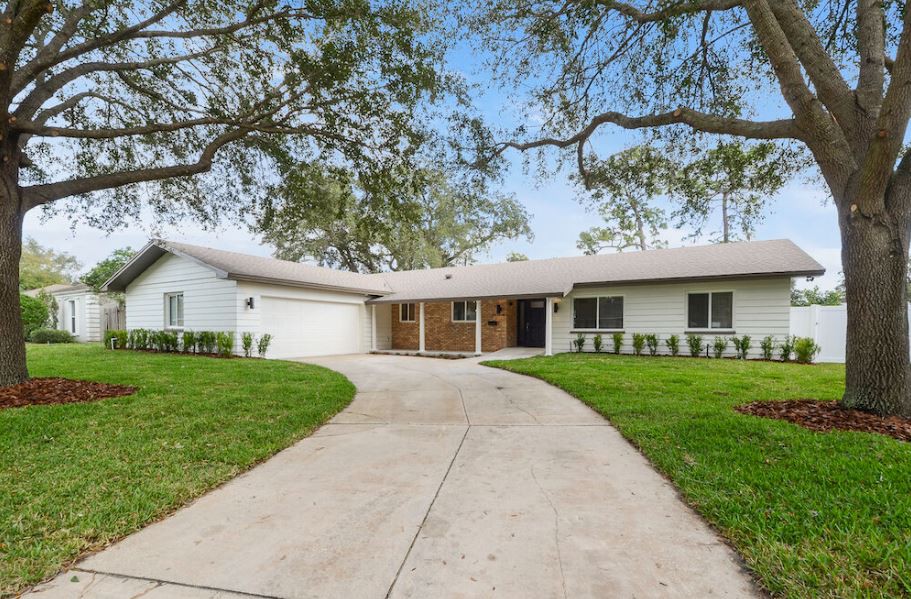

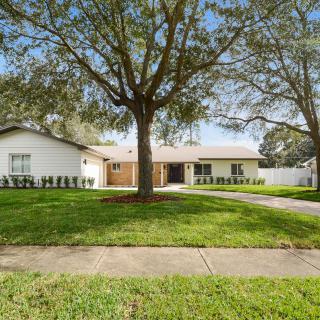

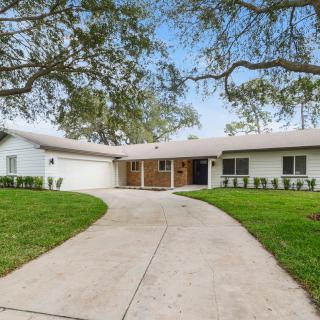

1190 Willa Vista Trail, Maitland, FL 32751
To contact a resident: (407) 543-2028
For more information about senior living options: (866) 208-4318
Vivant Senior Living Memory Care Homes Costs & Pricing
Vivant Senior Living Memory Care Homes offers a specialized and supportive environment for residents with memory-related challenges, reflected in its pricing structure. For a semi-private room, the monthly cost is $5,500, which surpasses the average rates in Seminole County at $3,524 and across Florida at $3,009. Similarly, their one-bedroom option is priced at $6,200, again higher than the local county rate of $4,166 and the statewide average of $3,864. These costs highlight Vivant's commitment to providing exceptional care and tailored services that may justify the premium over more conventional options in the region.
| Floor plans | Vivant Senior Living Memory Care Homes | Seminole County | Florida |
|---|---|---|---|
| Semi-Private | $5,500 | $3,524 | $3,009 |
| 1 Bedroom | $6,200 | $4,166 | $3,864 |
Memory care communities with a similar price nearby
-
from -$600 / mo
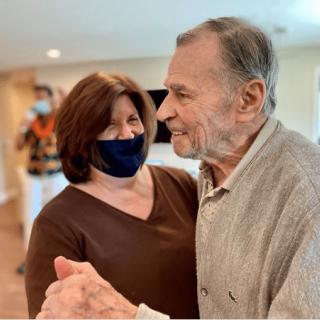
Vivant Senior Living Memory Care Homes
$4,900 to $5,500 / month1.1 miles away -
from -$500 / mo
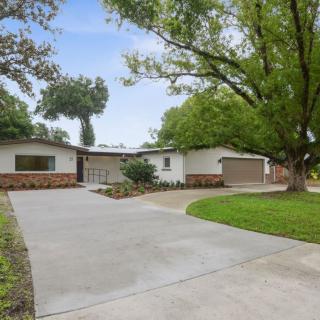
Vivant Senior Living Memory Care Homes
$5,000 to $5,700 / month1.4 miles away -
from -$800 / mo
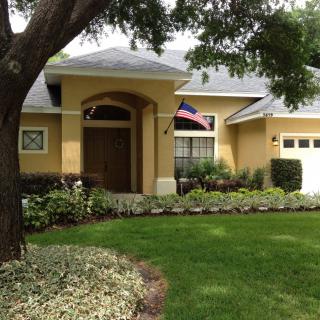
Bridgeport Senior Living - Port Isle
$4,700 to $5,100 / month10.8 miles away -
from +$850 / mo
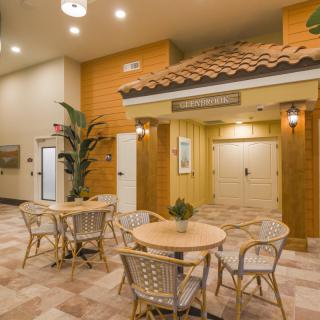
CERTUS at Waterford Lakes
$6,350 / month11.8 miles away -
from -$950 / mo
Sutton Homes
$4,550 to $4,950 / month8.9 miles away
Overall Review of Vivant Senior Living Memory Care Homes
Pros
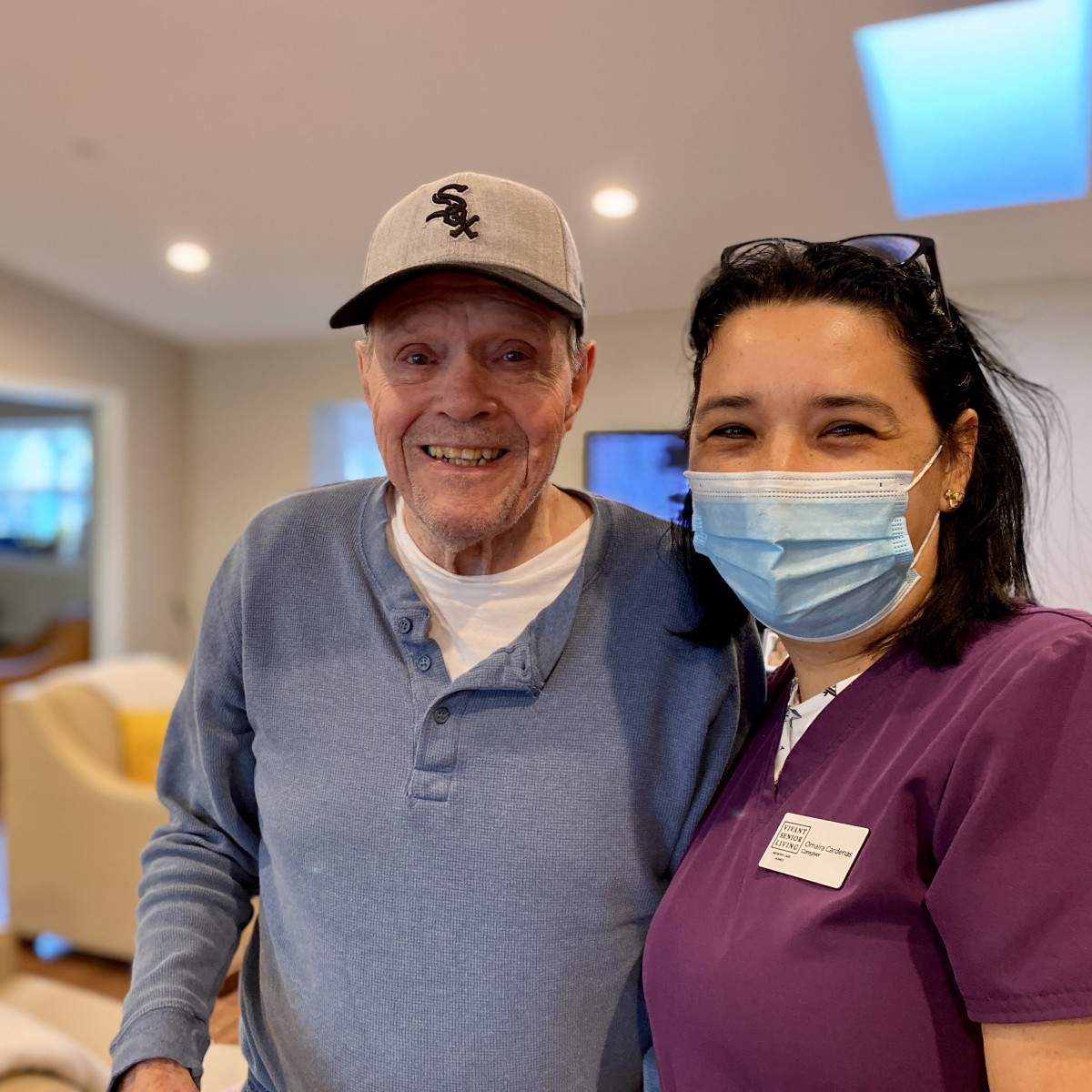
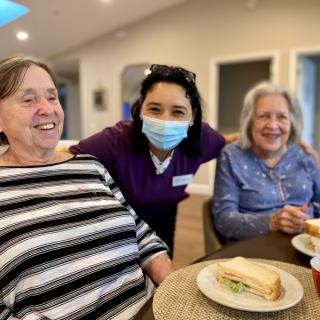
 Vivant Senior Living staff are caring and responsive to residents’ needs and families’ questions.
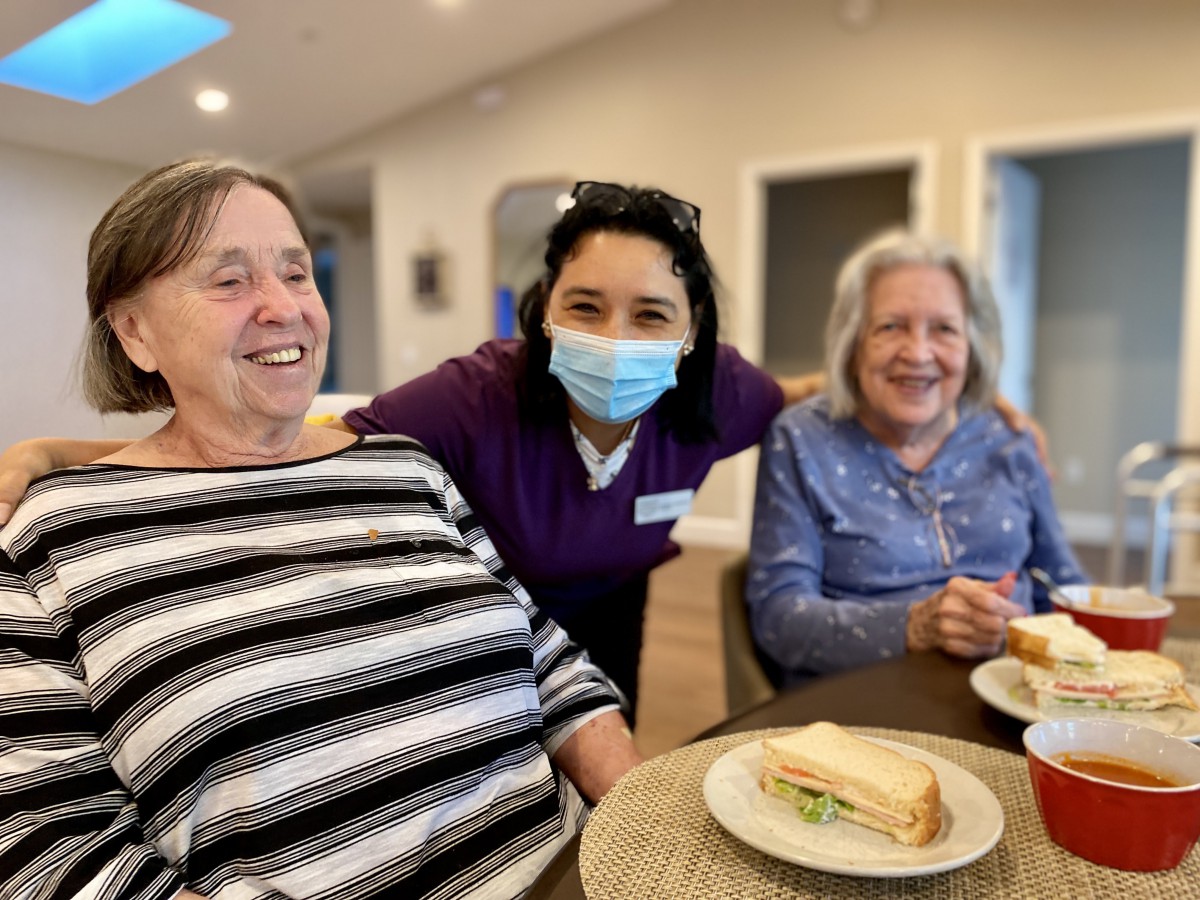
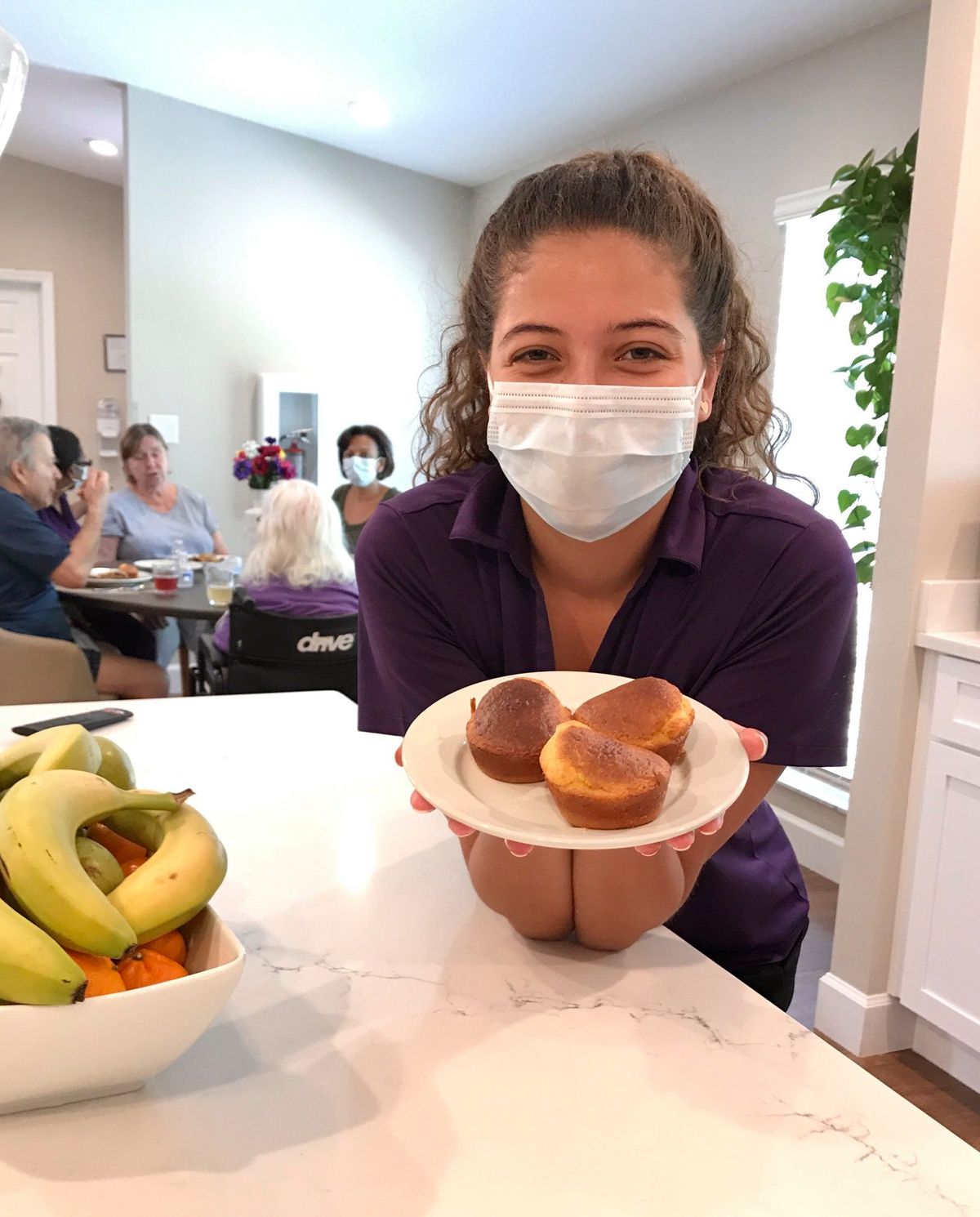
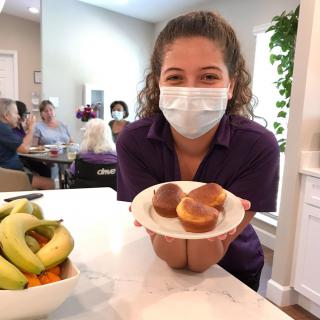
- The home is clean and bright, with nutritious, appetizing meals served daily.
- The community allows cameras in residents’ rooms to help families stay connected.
- Residents are cared for by wonderful Vivant staff, putting families’ minds and hearts at ease.
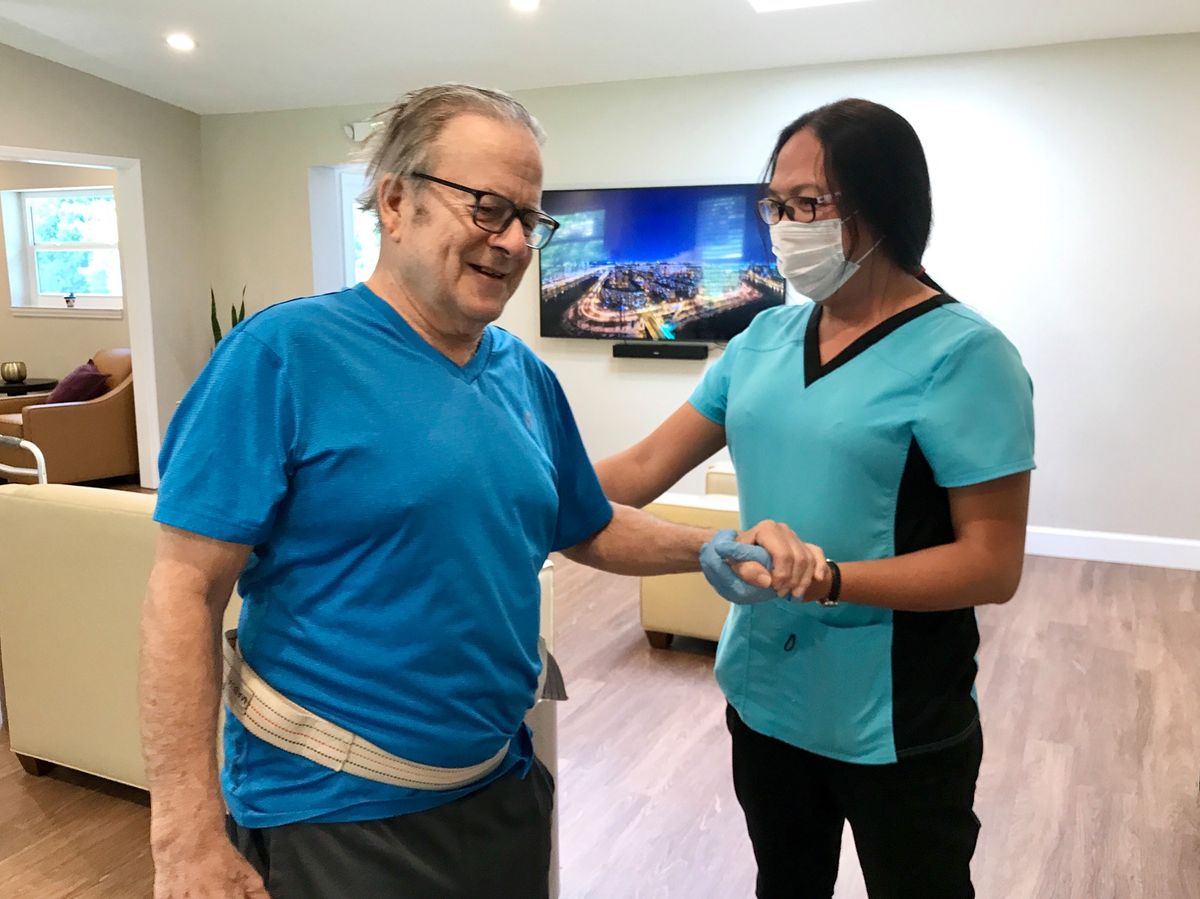
- Vivant Memory Care provides more one-on-one care with a favorable caregiver-to-resident ratio and attentive, timely caregiving.
- The director is amazing and readily accessible to help with every need or concern.
- The team has earned numerous five-star reviews for its support and dedication to residents and families.
- The coordinator keeps the home well organized, clean, comfortable, and well-supplied for caregivers.
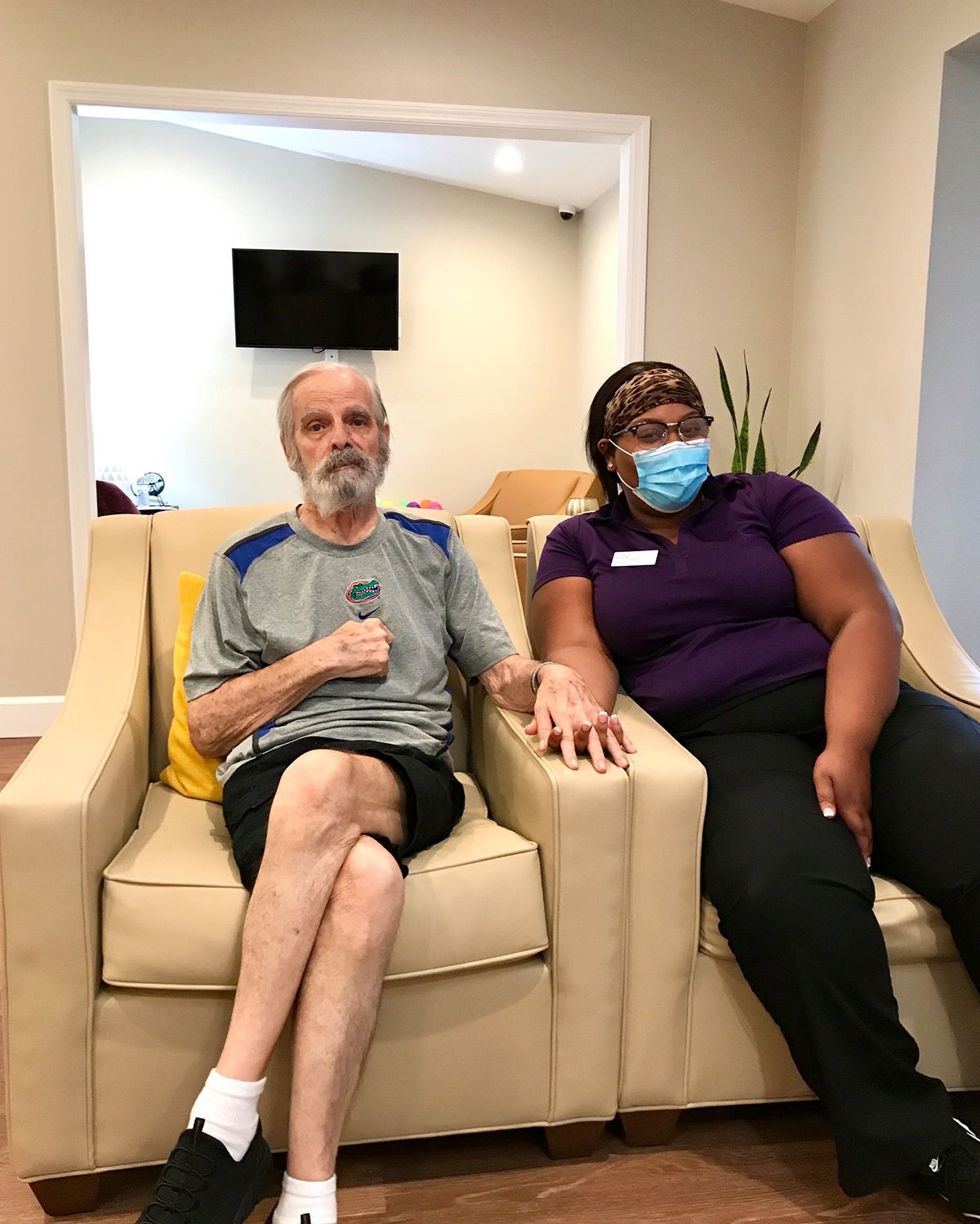
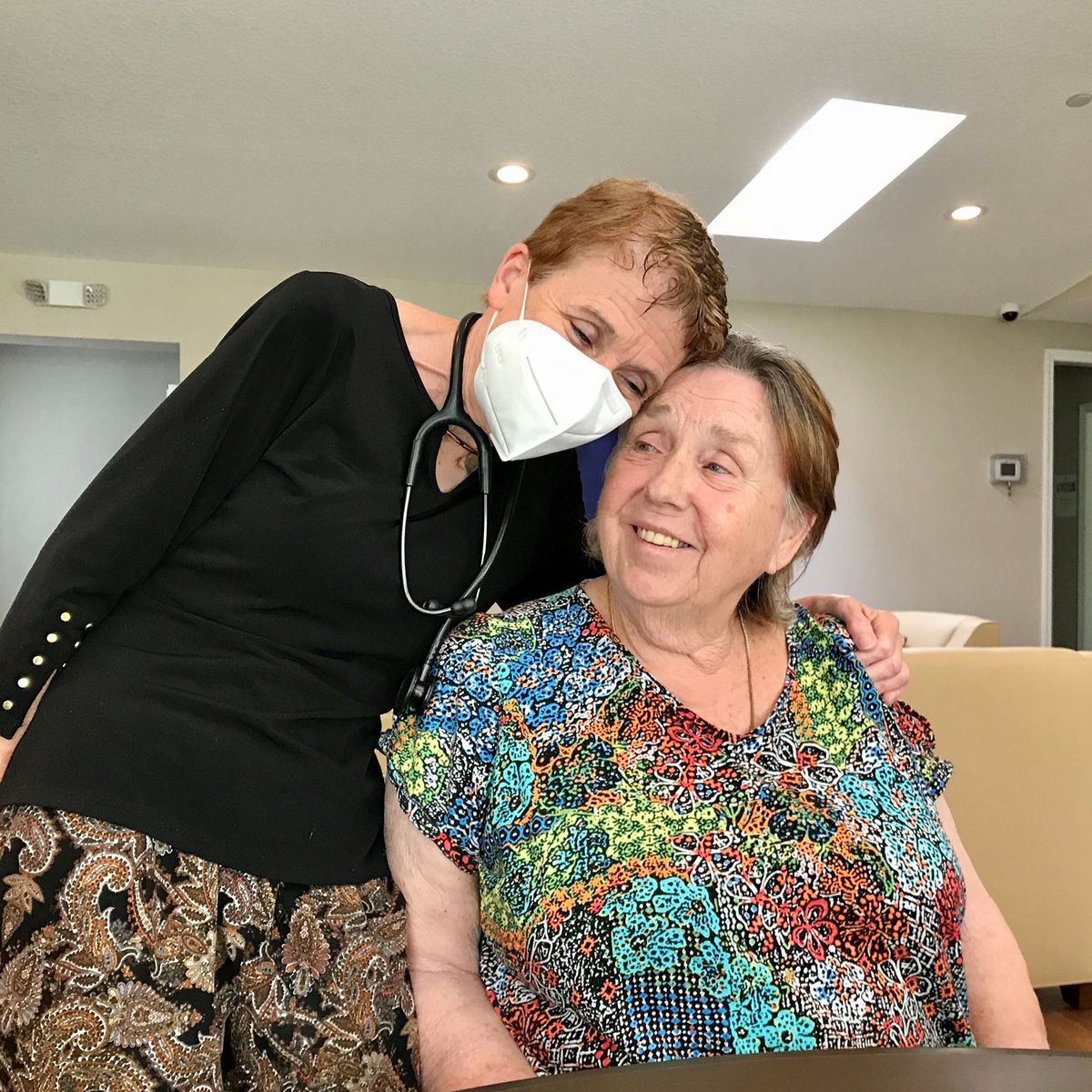
- Vivant Memory Care Homes offer a warm, loving environment where staff go above and beyond to ensure residents feel at home.
- The environment is a true home, with compassionate, family-like care and attention to detail.
Cons
 The care at the previous large corporate facility was substandard at best.
- The memory care there had a caregiver-to-patient ratio of roughly 1 to 10, making it hard to address each resident’s needs.
- The process of finding care would have been painful, overwhelming, and slow without Vivant’s team.
Review
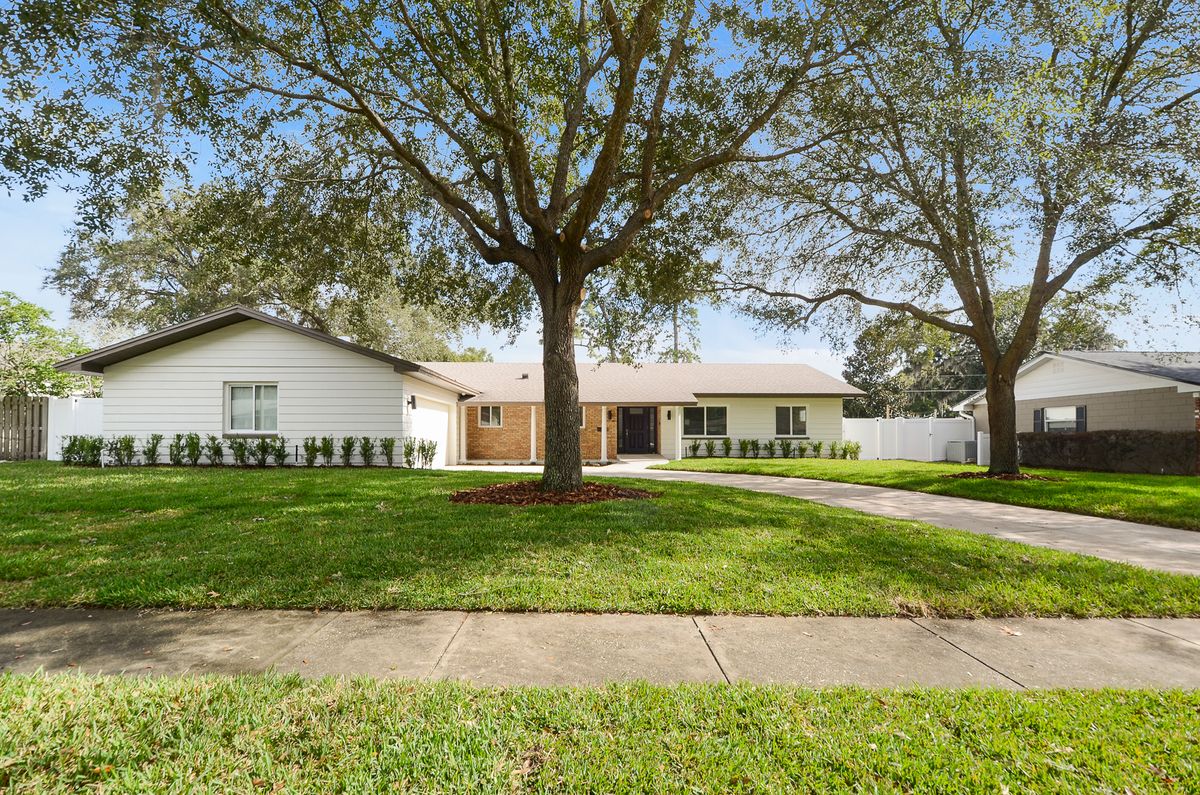
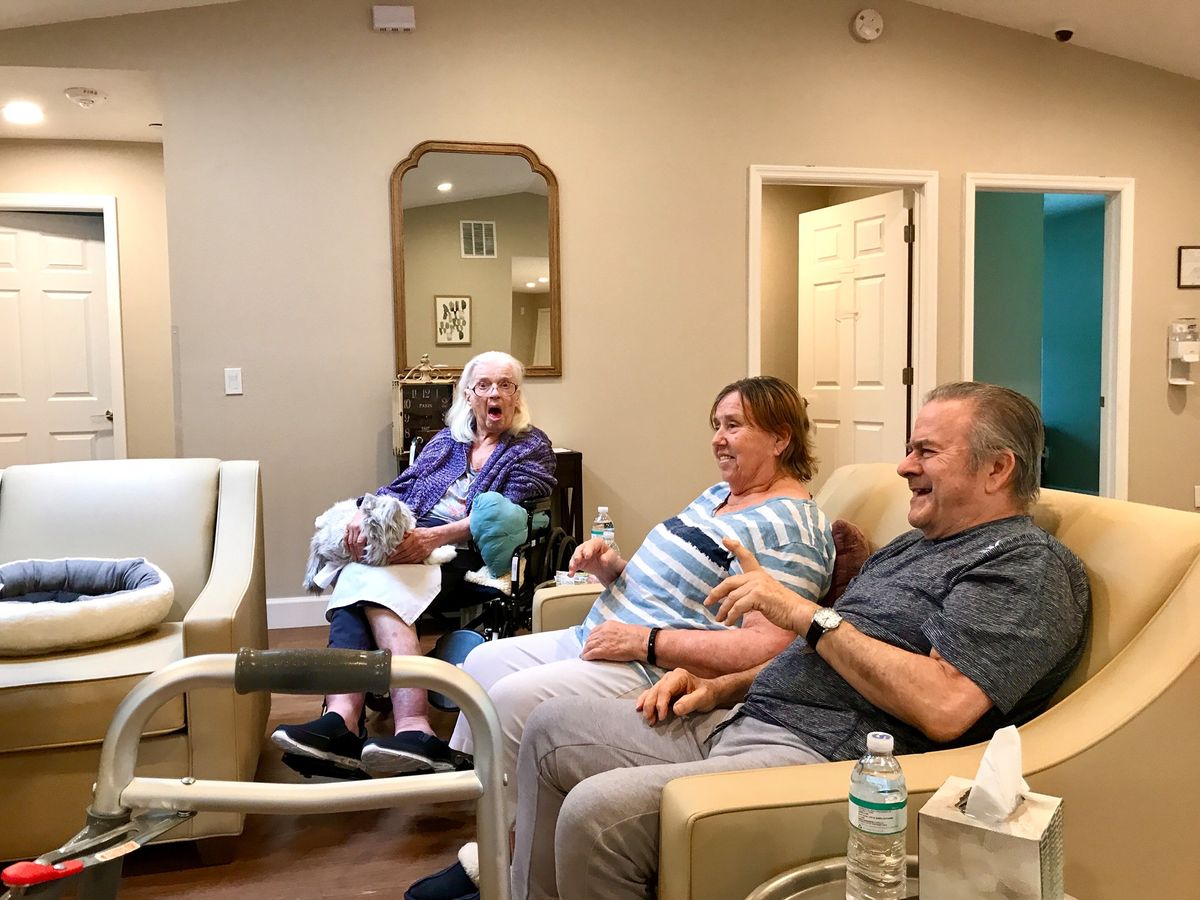
This community is best suited for families seeking a highly intimate, residential memory-care setting where the emphasis is on one-on-one attention, a warm home atmosphere, and direct access to a stable, hands-on leadership team. With a six-resident footprint, Vivant Senior Living Memory Care Homes offers a calm, predictable routine that centers on individual needs. It is ideal for residents with dementia who benefit from a tight-knit, home-like environment where caregivers know each person’s strengths, preferences, and daily rhythms, and where families can participate readily in care decisions. The setting rewards those who value warmth, routine, and visible caregiver investment.
Those weighing alternatives should consider the needs that outgrow a small, intimate home. If the priority is hospital-level medical oversight, expansive social programming across a larger campus, or a broader continuum of on-site therapy and activities, a bigger memory-care campus may be a better fit. Families seeking extensive amenities, more specialized clinical resources, or a wider network of services might find a larger facility preferable. Additionally, households that require a more discreet approach to privacy or a setting with more discrete boundaries around resident autonomy may want to compare options with different design philosophies.
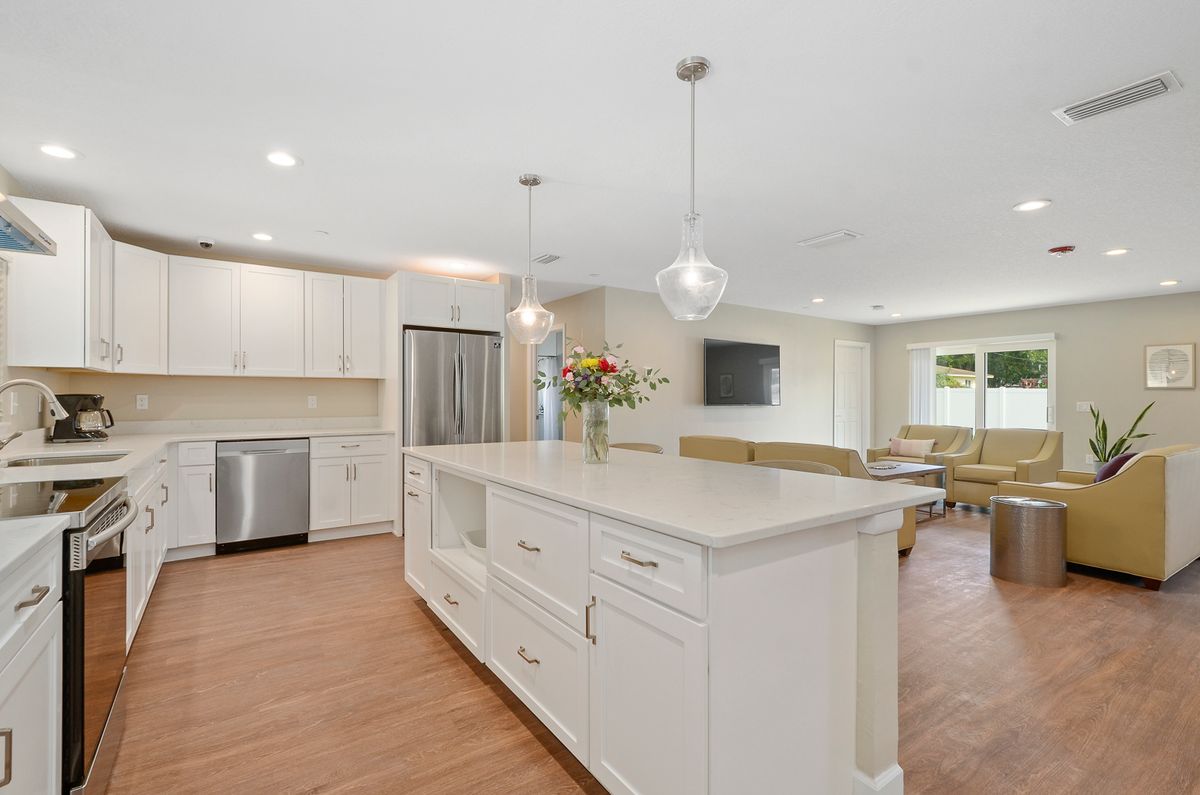
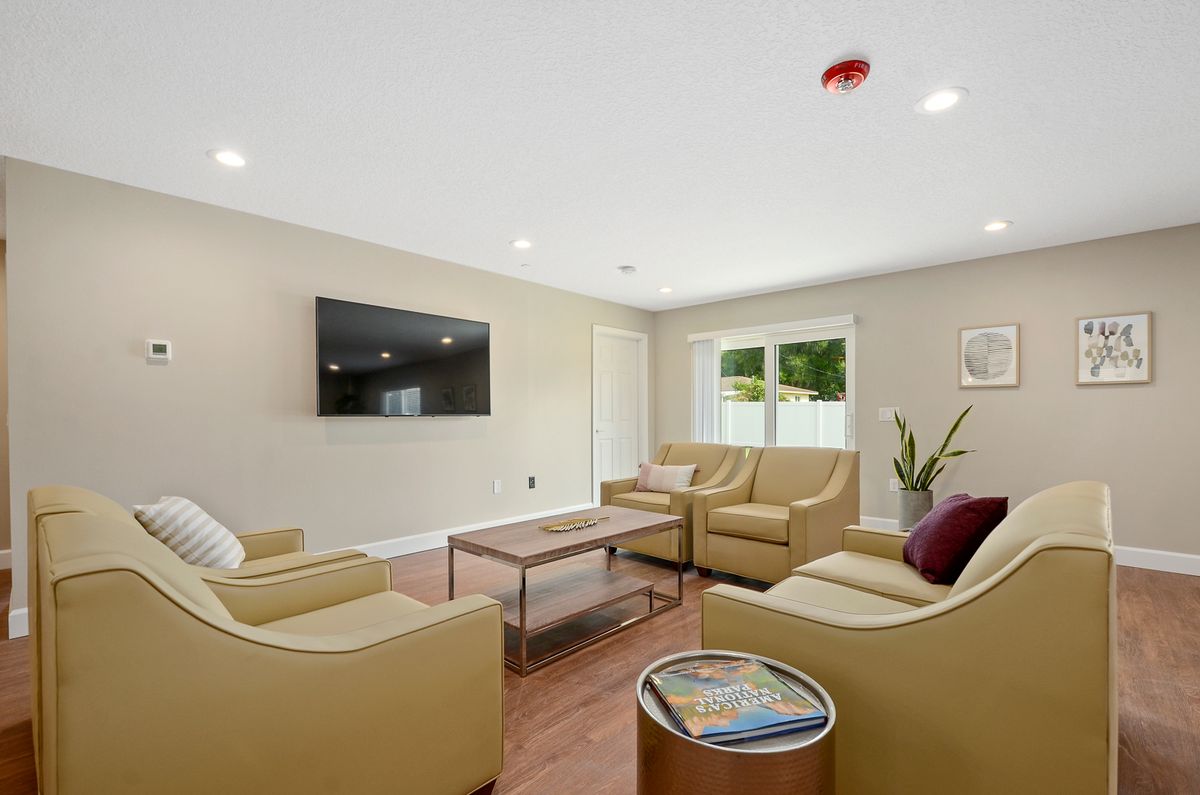
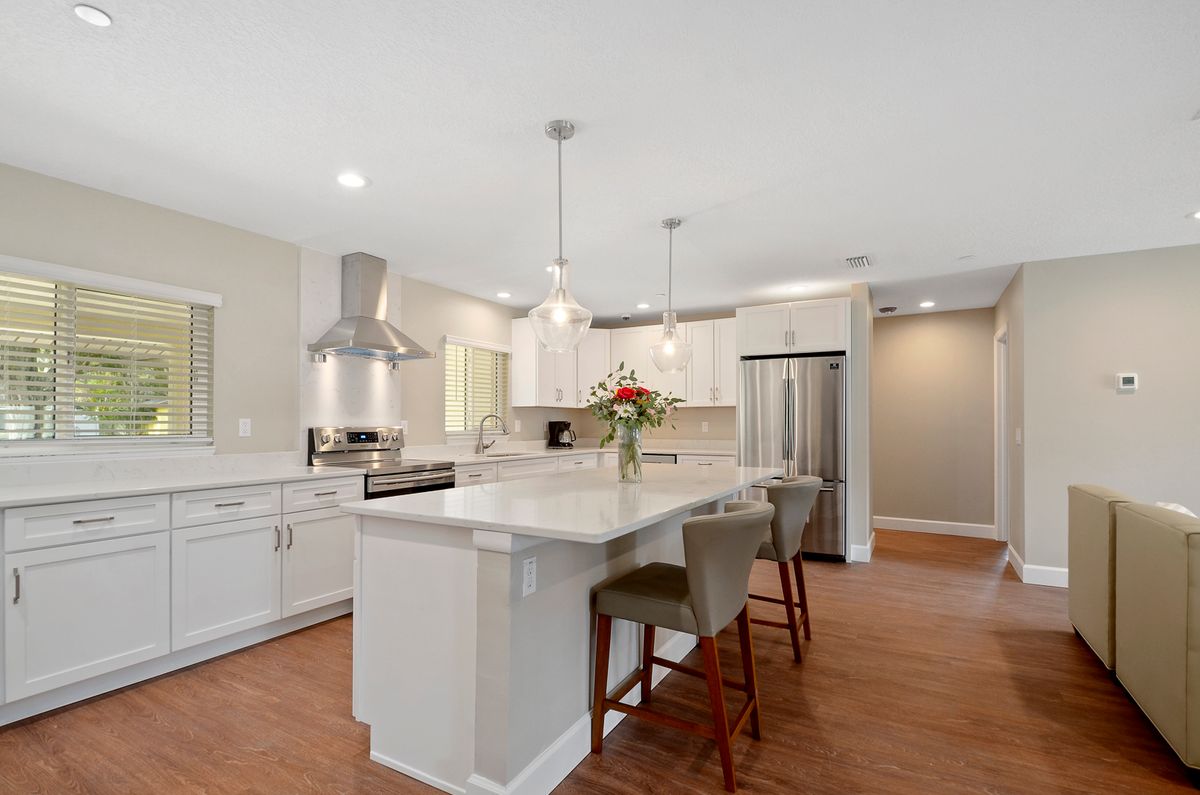
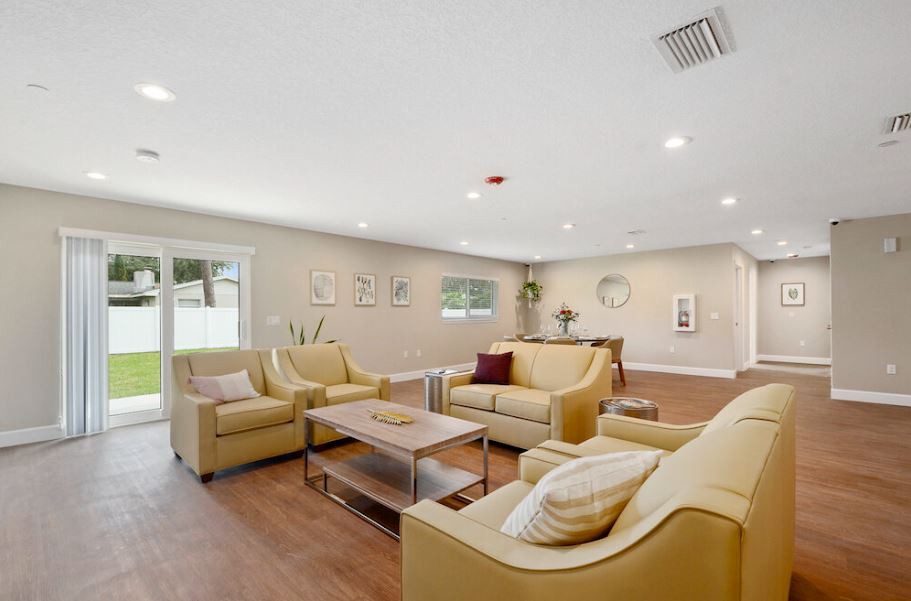
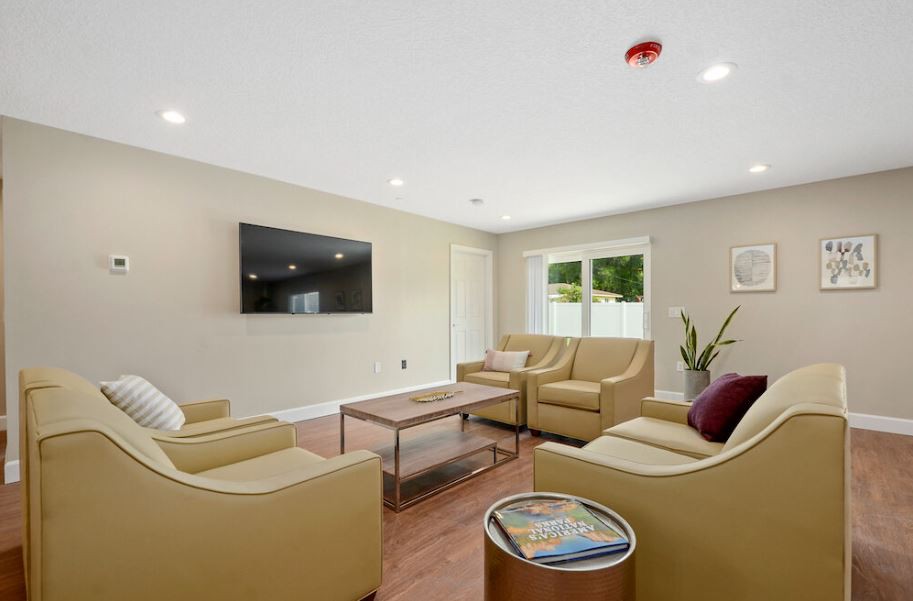
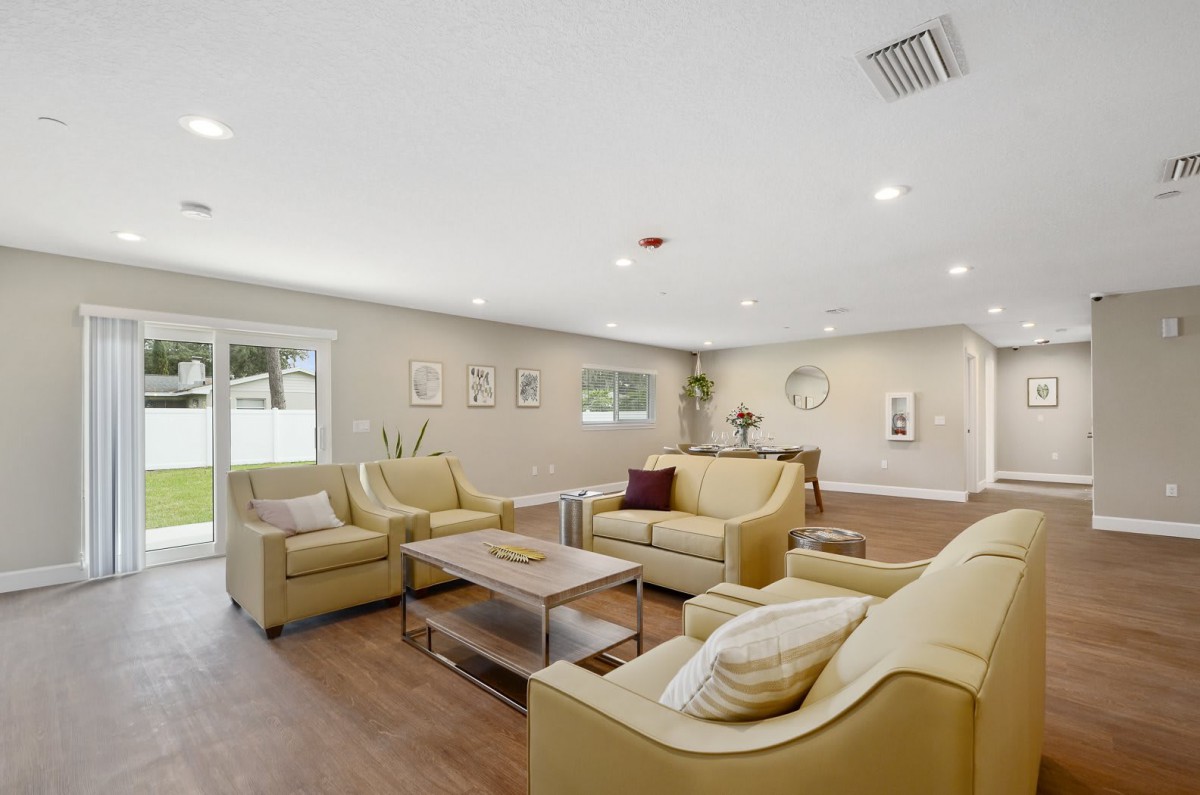
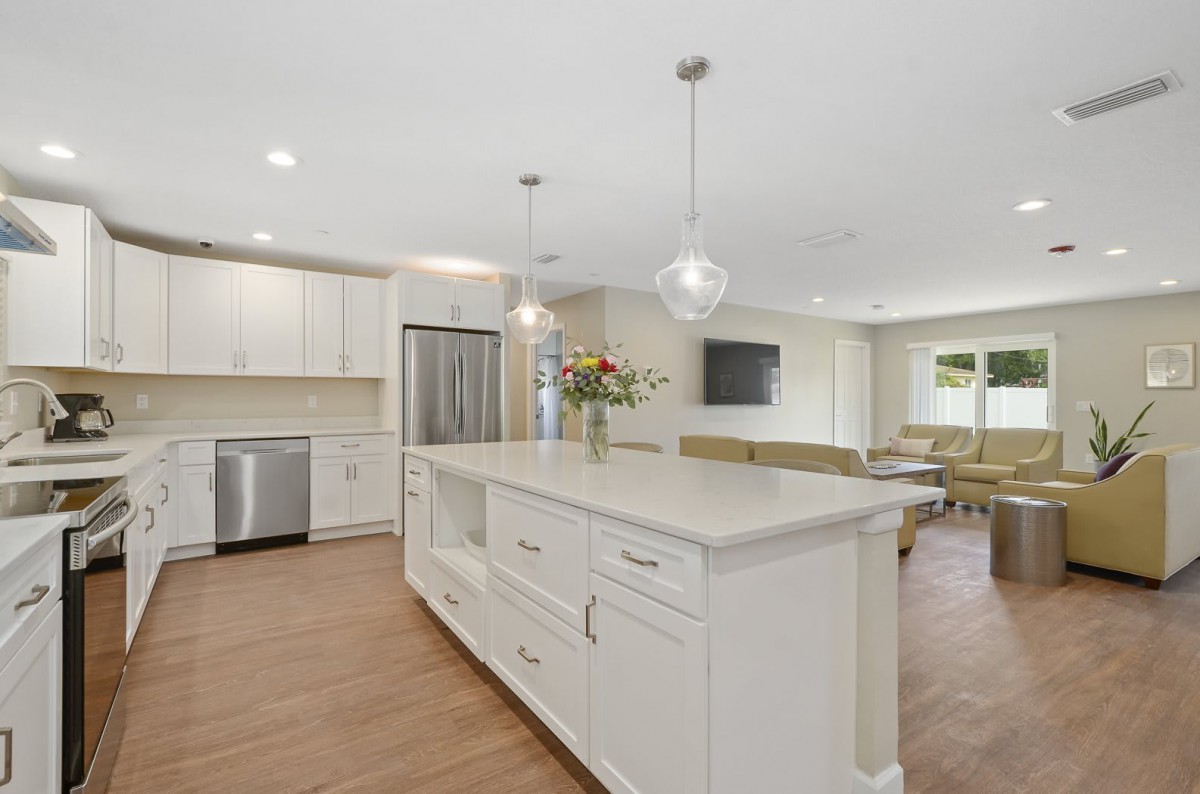
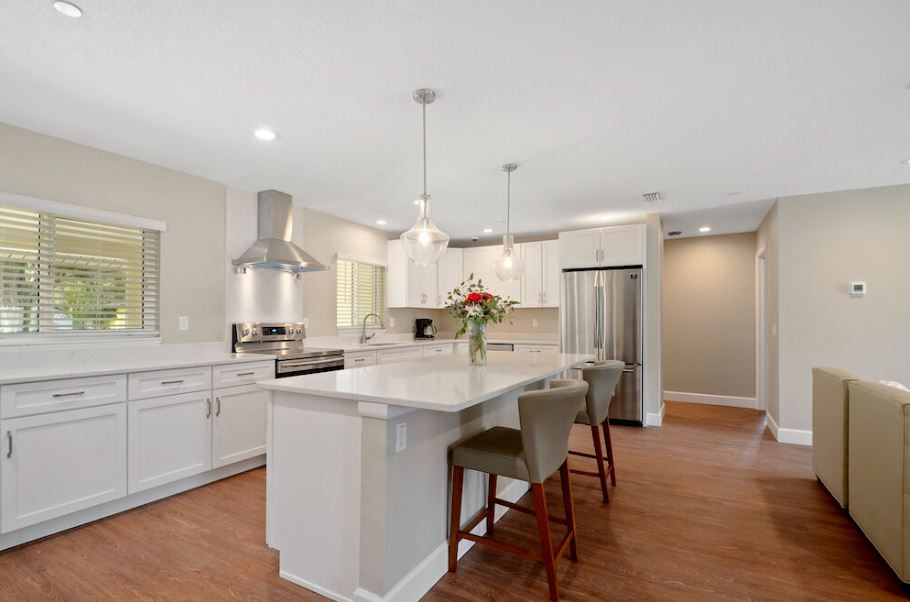
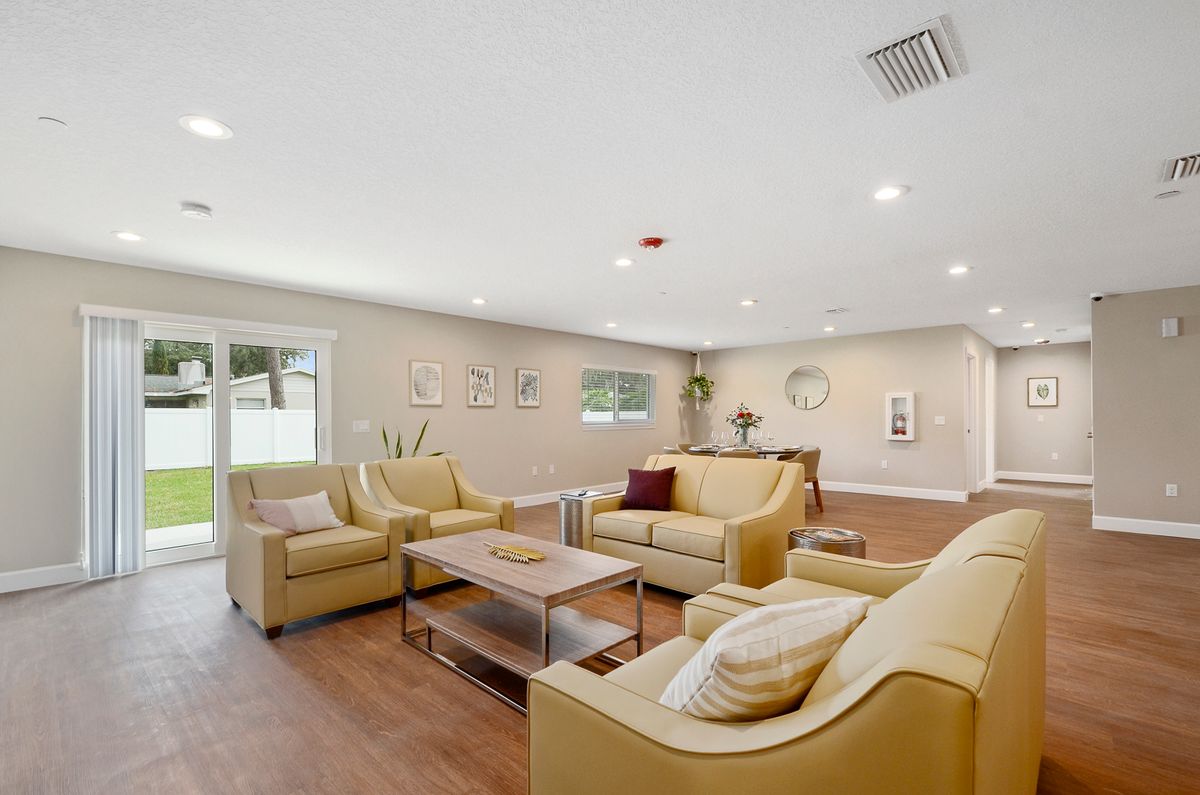
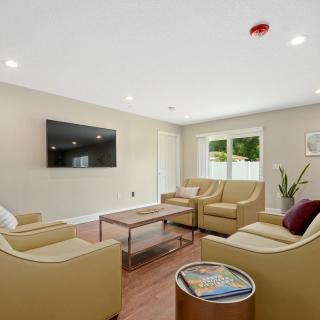
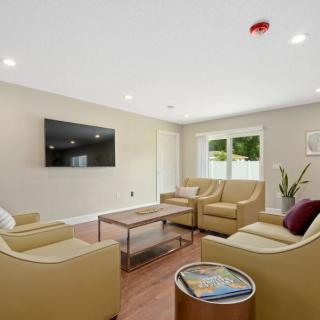
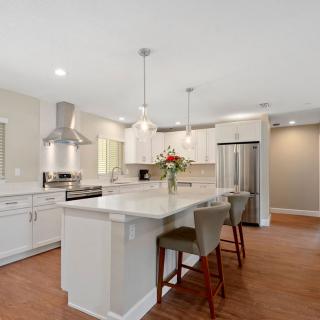
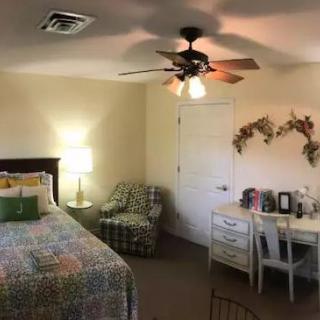
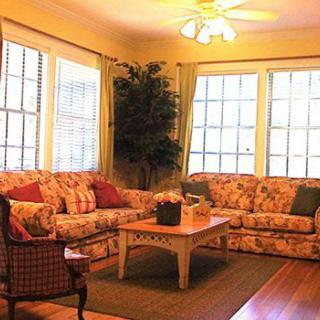
The strongest pros, exceptional caregiver presence, committed leadership, and a truly home-like environment, consistently offset the main trade-off of size. The caregiver-to-resident ratio in this setting means residents receive more individualized attention, faster response times, and care that feels timely and compassionate rather than formulaic. Long-tenured owners/operators contribute stability and a clearline of communication for families, who report feeling heard and supported. Clean, bright spaces, nutritious meals, and thoughtful design features, such as a kitchen layout that invites resident participation and movable furniture that fosters a lived-in feel, enhance quality of life. The option to have a camera in the bedroom, when families want additional peace of mind, further shifts the balance toward safety and reassurance.
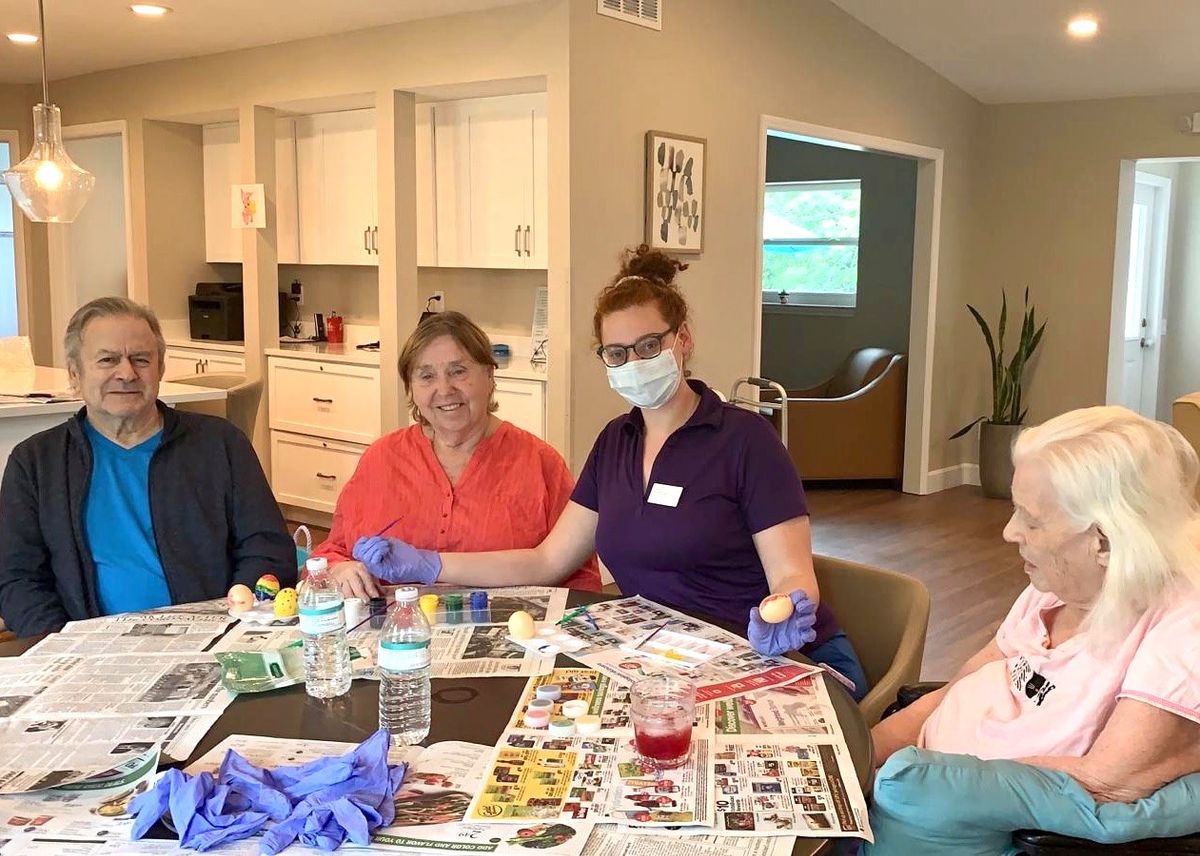
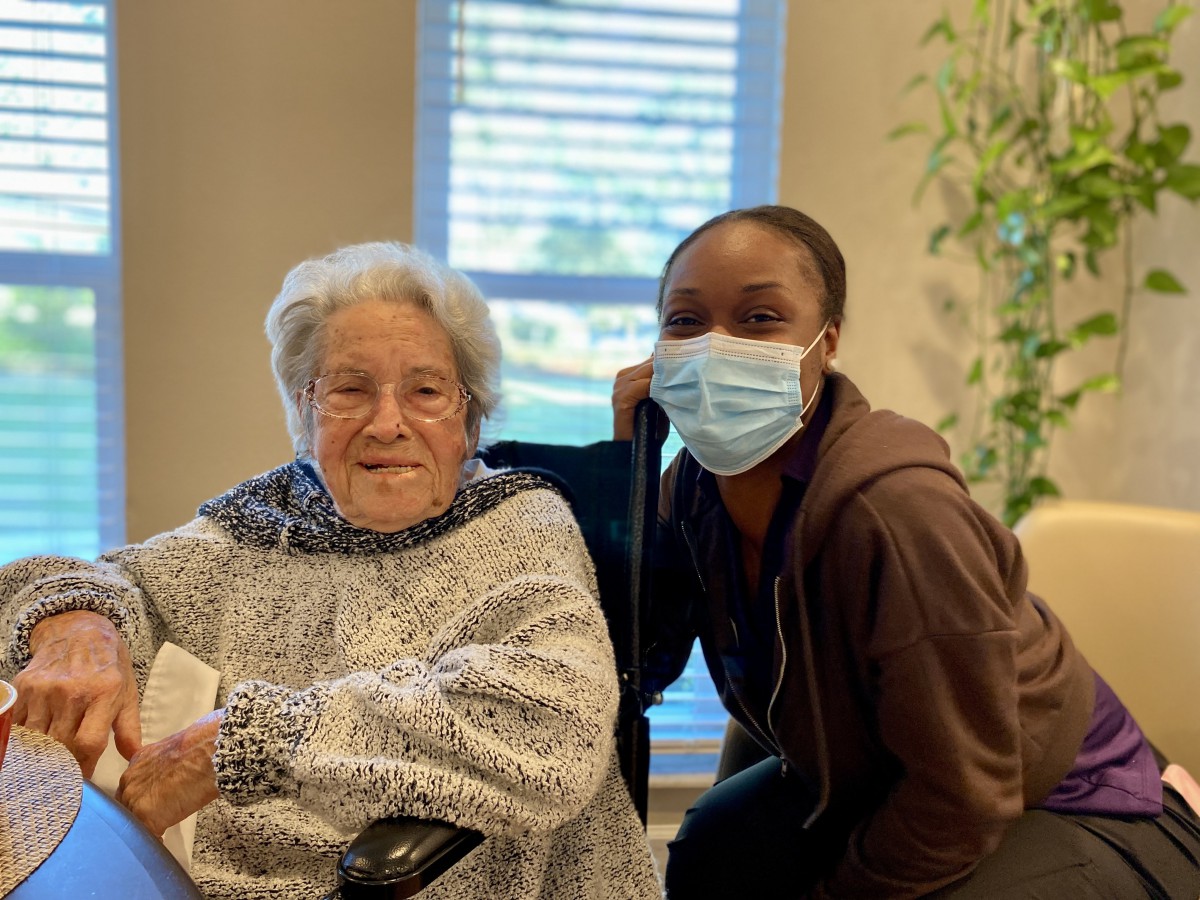
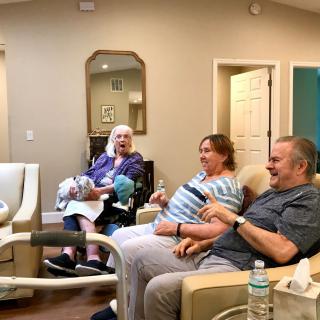
Staff cohesion and resident warmth emerge as distinctive strengths. A culture described as family-like translates into dependable teamwork, consistent routines, and a sense that caregivers truly know how to engage each resident’s capabilities. Families repeatedly cite accessibility of the director and frontline leaders as a practical advantage, noting that concerns can be addressed quickly through direct communication. Residents benefit from meaningful daily activities that feel seamlessly integrated into normal life, meals become social events, and opportunities to participate in simple tasks reinforce dignity and purpose. These elements collectively mitigate the potential downsides of a smaller operation by delivering a high-touch, predictable experience.
For decision-making, prospective families should prioritize direct observation of daily interactions and ask concrete questions about care plans, staff scheduling, and how individual needs are documented and updated. Visits at different times can reveal how meals, activities, and mobility support are organized, and conversations with staff should confirm the level of medical coordination available on-site. It is also wise to assess how families are kept in the loop about changes in condition and how comfortable residents appear in the shared spaces. The leadership’s responsiveness, so clearly highlighted by families, should be a benchmark in this evaluation.
In the end, Vivant Senior Living Memory Care Homes represents a compelling match for families who want intimacy, attentiveness, and a genuine home feel in memory care. The setting shines when small-scale warmth, consistent leadership, and a collaborative care approach are non-negotiables. It may not be the right fit for those who require a larger clinical footprint, expansive programming, or advanced on-site medical infrastructure. For dementia care where one-on-one attention, a tight-knit team, and a peaceful, homelike ambiance take precedence, this Maitland option stands out as a practical, trustworthy choice.
 6 resident community capacity
 Memory Care
 Activities on-site
 Air-conditioning
 Beautician on-site
 Cable or satellite TV
 Continuing learning programs
 Devotional services on-site
 Dining room
 Fully furnished
 Garden
 Ground floor units
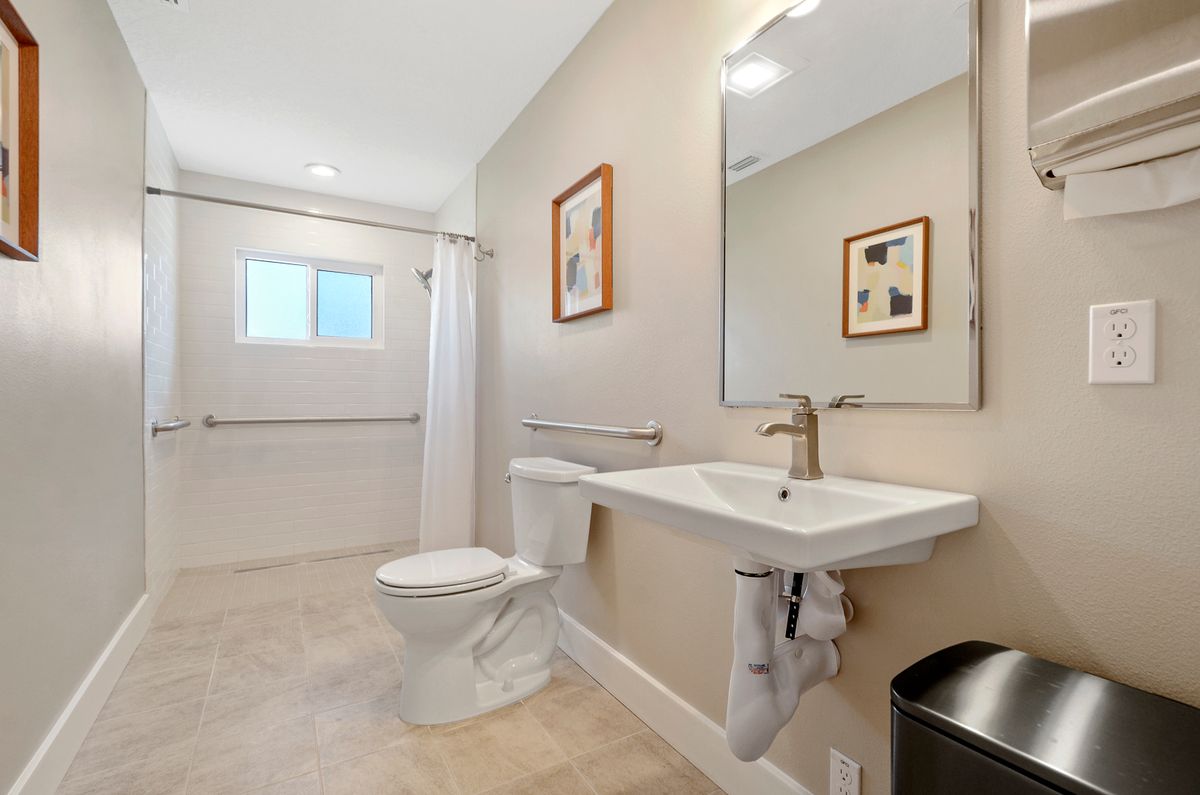
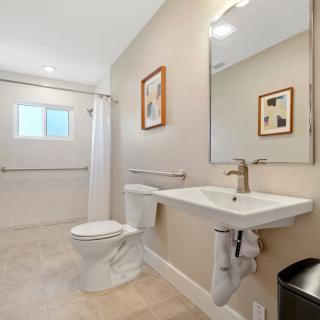
 Handicap accessible
 Housekeeping services
 Indoor common areas
 Move-in coordination
 Outdoor common areas
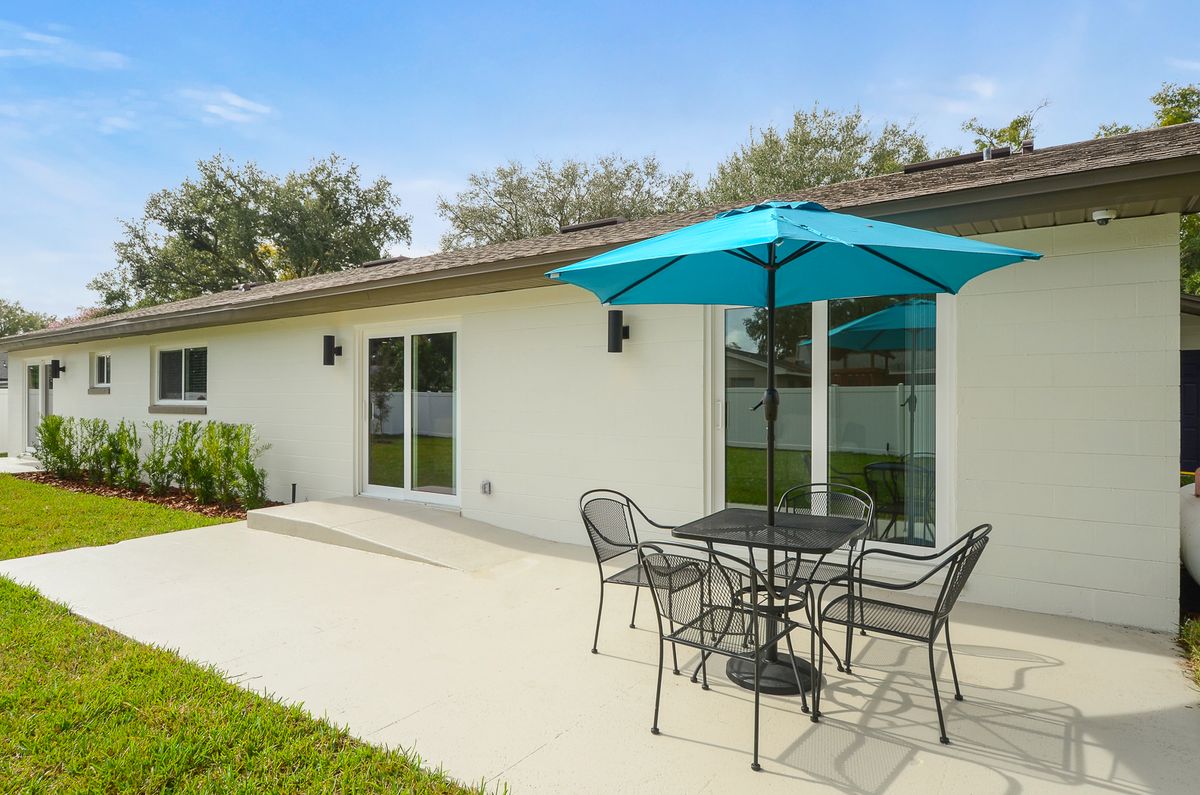
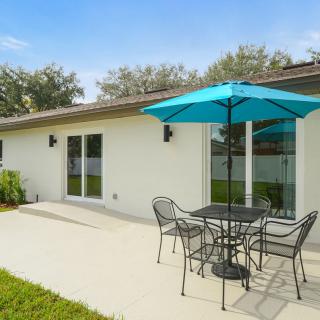
 Outdoor patio
 Small library
 Telephone
 Wi-Fi/high-speed internet available
 Orlando International (14 miles away)
 Transportation arrangement
 24-hour call system
 Ambulatory care
 Assistance with bathing
 Assistance with dressing
 Assistance with transfers
 Diabetes diet
 Diabetic care
 Incontinence care
 Meal preparation and service
 Medication management
 Mental wellness program
 Preventative health screenings
 Same day assessments
 Special dietary restrictions
 Transportation arrangement (medical)
 Art classes
 Brain fitness
 Concierge services
 Fitness programs
 Happy hour
 Jewish services
 Karaoke
 Live dance or theater performances
 Live musical performances
 Live well programs
 Visiting chaplain or priest



 Comprehensive Guide to VA Nursing Homes: A Crucial Long-Term Care Resource for Veterans
 Estimating the Expenses of At-Home Dementia Care: A Detailed Exploration
 Comprehensive Insights on the Late Stages of Dementia: What to Expect and How to Provide Care