
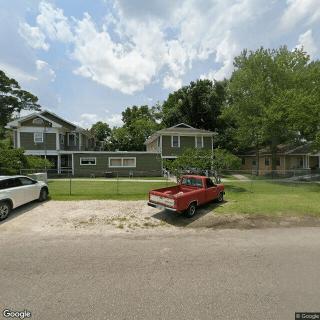
4217 Chippewa Drive, Jacksonville, FL 32210
For more information about senior living options: (866) 208-4318
Overall Review of Some Place Like Home 3
Pros
 Some Place feels like home.
- The whole team feels like family.
- Quality care is provided in a family-style community.
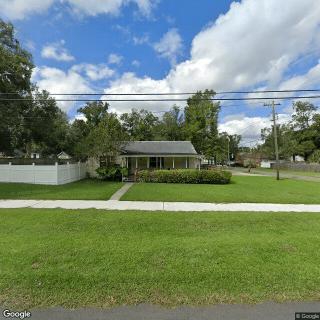
- The facility is very nice.
- The facility is large, comfy, and well staffed.
- The staff are very caring.
Review
Some Place Like Home 3 in Jacksonville is best suited for seniors who prize a truly homey, family-style atmosphere where caregiving feels like a trusted, everyday relationship. The community is a natural fit for residents who want to wake up to familiar faces, steady routines, and a staff who treat residents as part of a close-knit extended family. For families seeking warmth, relational care, and a sense that the setting is an extension of home, this option delivers a powerful, tangible sense of belonging. The reviews frame the environment as exactly the kind of place where residents settle in quickly because staff conversations, daily rhythms, and communal moments feel personal rather than institutional.
Those considering alternatives should note that this community may not be the best match for seniors who require heavy medical oversight on a daily basis, highly specialized dementia programming, or a campus with extensive on-site rehab and hospital-grade clinical resources. While the facility is described as large, comfy, and well staffed, the reviews do not highlight advanced medical services, expansive specialty programs, or a broad continuum of care. Families should verify whether residents with complex medication regimens, frequent nursing needs, or evolving care needs will have ready access to on-site nursing, visiting physicians, and timely therapy services. For some, the absence of explicit clinical depth in these accounts is a meaningful gap to confirm before choosing.
The key pros are clear and forceful. The most compelling attribute is the family-oriented culture in which staff are perceived as deeply caring and invested in individual well-being. When caregivers communicate with warmth and consistency, residents experience smoother daily living, better social engagement, and a sense of safety that reduces anxiety about aging at home. The facility’s size is a practical advantage, offering generous common areas, comfortable living spaces, and ample opportunity for social interaction without feeling crowded. A well-staffed environment paired with attentive, respectful care translates into reliable support for activities of daily living, prompt assistance, and a tone of genuine hospitality that keeps residents engaged and connected.
These advantages offset potential drawbacks in meaningful ways, though no setting is perfect for every need. The warmth and personal attention of a family-style operation can compensate for a lack of clinical pomp by delivering vigilant, neighborly care that anticipates needs and minimizes stress. For residents who value daily companionship, meaningful conversations, and predictable routines, the intangible benefits of belonging often outweigh the absence of hospital-grade signage or formal clinical programs. In practice, this means safety and continuity of care come from a steady team that knows the resident’s preferences, routines, and comfort thresholds, which can be more valuable than a more antiseptic, impersonal environment.
To make a well-informed decision, families should pursue targeted confirmations during tours and discussions. Ask about the specifics of medical oversight: is there on-site nursing coverage around the clock, regular access to a licensed clinician, and how medications are managed and reviewed? Inquire about dementia or memory support offerings if applicable, including staff training, environmental cues, and programming tailored to cognitive needs. Review the activity calendar for variety and meaningful engagement, dining options and meal satisfaction, accommodations for couples or roommates, and the process for transitions if higher levels of care become necessary. Understanding these elements helps determine whether the home-like strengths align with the resident’s evolving care needs.
Bottom line: Some Place Like Home 3 is a strong fit for seniors who value a warm, people-centered environment where staff feel like an extended family and daily life unfolds in a comfortable, social setting. The clear strengths, genuine caregiver warmth, a welcoming campus, and steady staffing, create a living experience that many families will see as superior to more impersonal, clinical environments. However, for residents requiring intensive medical management, rapid access to specialized therapies, or dementia care with highly structured protocols, alternatives with a deeper clinical footprint may be more appropriate. In short, this community excels as a home with heart for moderate care needs and social vitality, while families with higher clinical demands should confirm the available medical resources before deciding.
 6 resident community capacity
 Memory Care
 Cable or satellite TV
 Dining room
 Fully furnished
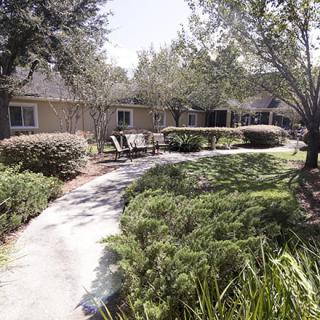
 Garden
 Housekeeping services
 Move-in coordination
 Outdoor space
 Telephone
 Wi-Fi/high-speed internet available
 Jacksonville International (16 miles away)
 24-hour supervision
 Activities of daily living assistance
 Assistance with bathing
 Assistance with dressing
 Assistance with transfers
 Diabetes diet
 Hospice waiver
 Meal preparation and service
 Medication management
 Mental wellness program
 Special dietary restrictions
 Transportation arrangement (medical)
 Transportation to doctors appointments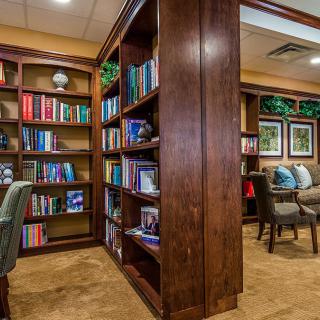




 Comprehensive Insights on the Late Stages of Dementia: What to Expect and How to Provide Care
 Medications Associated with Dementia Risk: A Comprehensive Overview
 Guiding Your Journey: Understanding Power of Attorney for Elderly Parents