
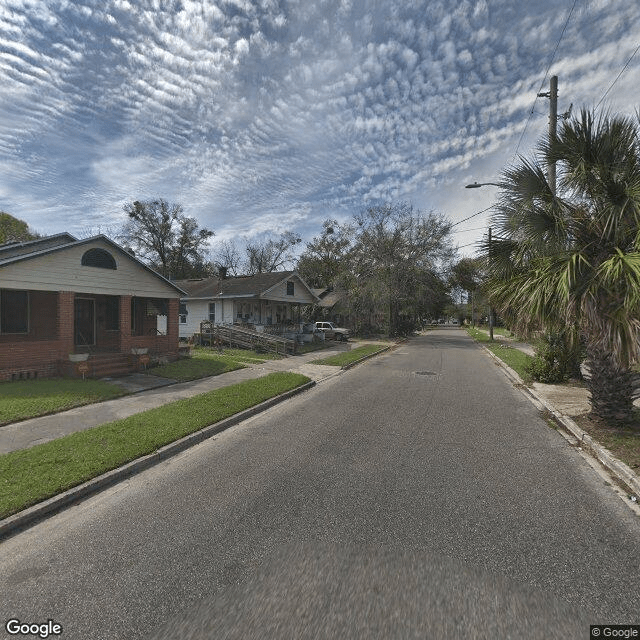
134 West 23rd Street, Jacksonville, FL 32206
To contact a resident: (904) 353-0772
For more information about senior living options: (866) 208-4318
Avery's Home Care Costs & Pricing
Avery's Home Care offers competitive pricing for its services when compared to both Duval County and the broader state of Florida. For private and semi-private rooms, Avery's maintains a monthly cost of $2,000, significantly lower than the county average of $3,504 and $3,154 respectively. This strategic pricing allows residents access to quality care at more affordable rates. In contrast, the cost for a one-bedroom accommodation at Avery's is set at $4,000, which is slightly higher than the Duval County average of $3,639 but still below Florida's overall average of $3,864. This balance of affordability and quality makes Avery's Home Care an appealing option for those seeking supportive living environments in a challenging economic landscape.
| Floor plans | Avery's Home Care | Duval County | Florida |
|---|---|---|---|
| Private | $2,000 | $3,504 | $3,699 |
| Semi-Private | $2,000 | $3,154 | $3,009 |
| 1 Bedroom | $4,000 | $3,639 | $3,864 |
Memory care communities with a similar price nearby
-
About the same
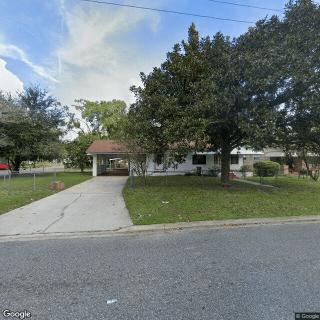
Sweet Alice's Place, Inc
$2,000 to $3,000 / month2.0 miles away -
About the same
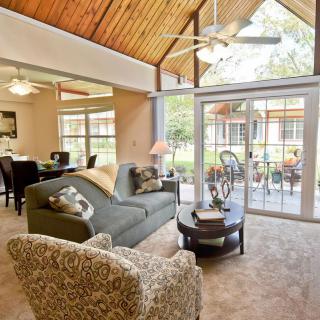
Westminster Woods On Julington Creek
$2,026 to $3,069 / month16.2 miles away -
About the same
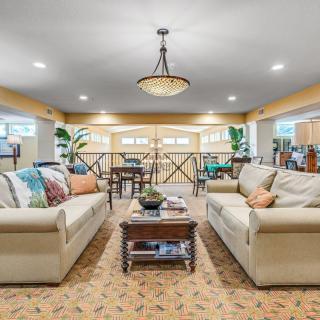
Camellia At Deerwood
$2,030 to $4,980 / month13.2 miles away -
from +$350 / mo
The Fountains at Mill Cove
$2,350 to $3,200 / month7.1 miles away -
About the same

Cypress Village
$1,950 to $3,500 / month14.0 miles away
Overall Review of Avery's Home Care
Cons
 It was reportedly rat-infested.
- It looked like a condemned house.
- It was boarded up.
- The doors were locked, and people were kept inside.
- A back garage had fallen over and lay on the ground.
- The yard was overgrown.
- They would never recommend anyone to that place.
- They wouldn't even get out of the car.
Review
This community is not a fit for any senior who expects a safe, respectful, well-maintained living environment. In practical terms, Avery’s Home Care in Jacksonville is best avoided by families prioritizing stability, clean surroundings, and reliable resident care. If safety and ongoing quality of life matter, alternatives should be the default path. Only a family with exhausted options and a willingness to tolerate serious red flags, at the very least, might consider proceeding, but even then it’s a high-risk choice. The honest conclusion is that this option does not align with responsible senior living decisions.
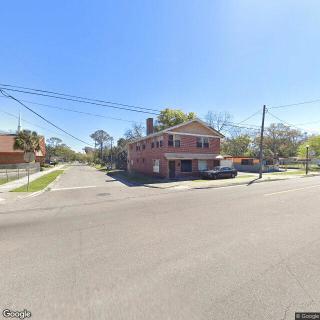
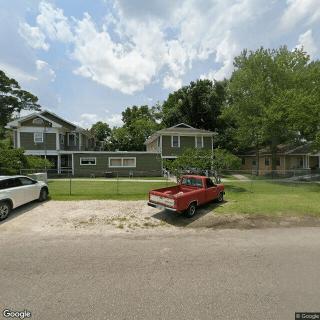
The most glaring concerns center on the physical condition and perceived safety risks of the facility. Descriptions include painted windows that disguise deeper deterioration, and claims of a rat-infested environment. The property is depicted as neglected to the point of resembling a condemned residence: overgrown yards, a collapsed garage, and structures that appear boarded up. The visual cues alone raise immediate questions about sanitation, pest control, and general upkeep. More troubling still is the report of doors being locked and residents seemingly confined, which signals a breakdown in basic resident rights and safety practices.
In weighing any potential positives against such red flags, the balance is overwhelmingly negative. The absence of credible, positive indicators in the available account makes it clear that any supposed advantages, if they exist at all, do not counterbalance the core dangers: unsafe surroundings, possible confinement, and a lack of basic maintenance. When safety concerns are this pronounced, even modest cost savings or convenient proximity cannot compensate for persistent risks to residents’ health, dignity, and peace of mind. The review leaves little room for a measured, optimistic assessment; the verdict is unambiguous: the deficiencies substantially eclipse any potential upsides.
That is not to say a well-run facility could be found elsewhere by accident. The practical approach is to shift focus to criteria that reliably indicate quality care. Prospective families should demand licensed operation, transparent inspection histories, and verifiable cleanliness standards. Look for clear staffing details, evidenced by adequate staff-to-resident ratios, responsive call systems, and documented training. A safe, welcoming environment also requires well-maintained common areas, secured entry where appropriate, and a plan for pest control and routine maintenance. If those basics are missing, the apparent cost savings are illusory.
For evaluating alternatives, several concrete steps can prevent costly missteps. Schedule in-person tours during typical activity times to observe staff engagement and resident interactions. Request current licensing status from the state and review recent survey results or deficiency reports. Talk with residents and families about responsiveness, medication management, and incident handling. Inspect the physical environment end-to-end: cleanliness, odor, ventilation, fire safety equipment, and the condition of floors, stairways, and exits. Finally, verify emergency backup plans, transportation options, activity programming, and a clear policy on resident rights and grievance resolution. These checks turn assumption into informed decision-making.
In the end, the clear recommendation is to pursue other options. Avery’s Home Care appears to present safety, maintenance, and rights concerns that are not acceptable for a serious senior-living decision. Families should prioritize facilities with proven safety records, transparent operations, and environments that invite trust rather than worry. If cost or location is a driving factor, use those constraints to guide a more rigorous search rather than compromising on basic safety and quality of life. The responsibility is to protect residents from environments that do not meet minimum standards; the safer, smarter choice is to move toward alternatives that deliver reliable care, dignity, and peace of mind.
 Board and Care Home
 Memory Care
 Activities off-site
 Indoor common areas
 Outdoor common areas
 Private
 Respite or short term stays offered
 Jacksonville International (10 miles away)
 Ambulatory care
 Incontinence care
 Medication management
 Meals provided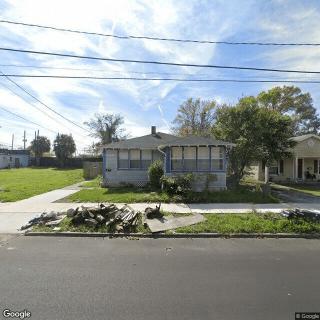
 Excellent access to healthcare, pharmacies, parks, dining, and places of worship nearby.


 Estimating the Expenses of At-Home Dementia Care: A Detailed Exploration
 Comprehensive Insights on the Late Stages of Dementia: What to Expect and How to Provide Care
 Medications Associated with Dementia Risk: A Comprehensive Overview