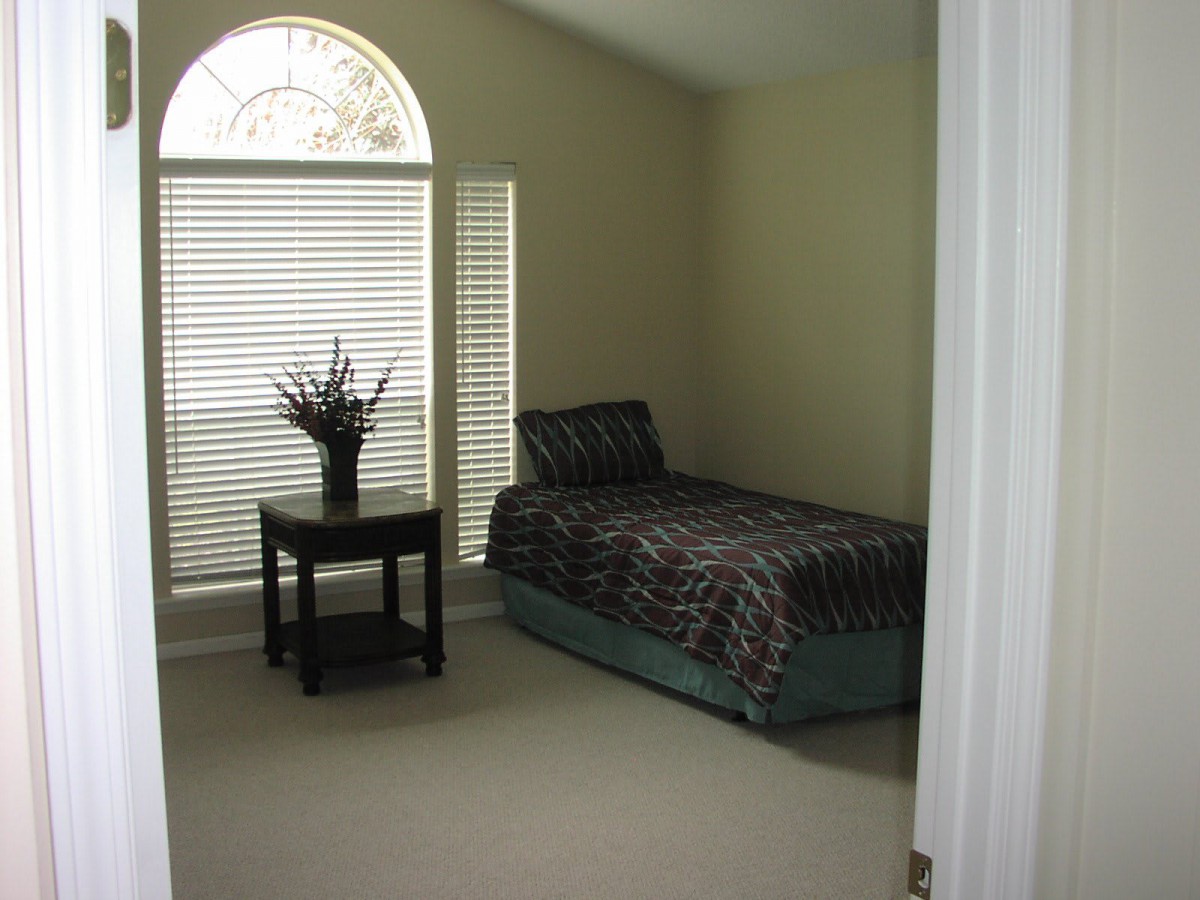
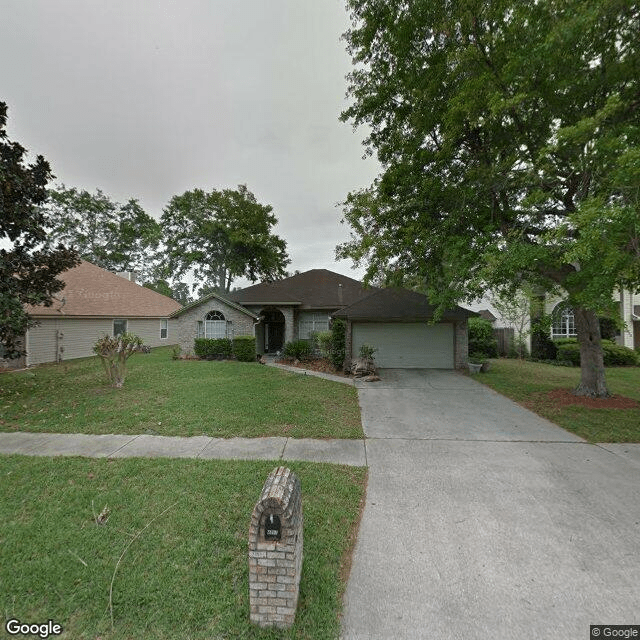
4867 Susanna Woods Court, Jacksonville, FL 32257
To contact a resident: (904) 732-4545
For more information about senior living options: (866) 208-4318
Anam Parc at Susanna Woods Costs & Pricing
Anam Parc at Susanna Woods offers private and studio rooms at a monthly rate of $4,200, which positions it above the average costs seen in Duval County and across Florida. In comparison, the typical cost for a private room in Duval County is approximately $3,504, while the state average stands at around $3,699. Similarly, the studio rates reflect this trend with local costs averaging $3,660 and state averages at $3,823. This pricing suggests that Anam Parc provides premium services or amenities that justify its higher rates, appealing to those seeking elevated care or a more specialized living environment.
| Floor plans | Anam Parc at Susanna Woods | Duval County | Florida |
|---|---|---|---|
| Studio | $4,200 | $3,660 | $3,823 |
| Private | $4,200 | $3,504 | $3,699 |
Memory care communities with a similar price nearby
-
About the same

Senior Living at the Greens
$4,100 to $6,300 / month18.0 miles away -
from -$750 / mo

Palagio for Seniors at Orange Park
$3,450 to $6,000 / month9.9 miles away -
About the same

Benton House Of St Johns
$4,200 to $6,900 / month11.4 miles away -
from -$710 / mo
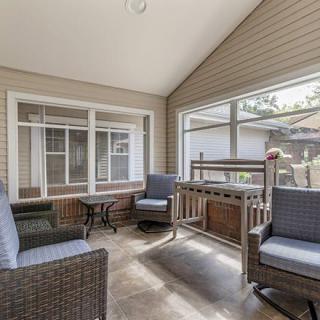
Brookdale Crown Point
$3,490 to $5,030 / month1.4 miles away -
from -$150 / mo
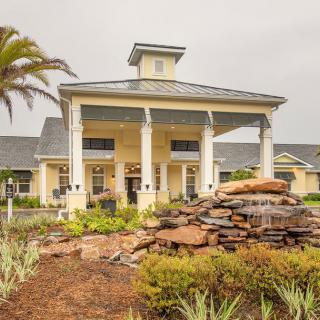
Benton House at Oakleaf
$4,050 to $4,500 / month14.9 miles away
Overall Review of Anam Parc at Susanna Woods
Pros
 The staff at Anam Parc at Susanna Woods are very caring, communicative and personable.
- The food looks good and they offer healthy meals.
- The home is always clean.
- The meals were great and the facility was spotless.
- Jamie arranged everything and the staff worked with the hospice providers.
- They love the people there.
Cons
 They felt the only thing to improve was providing an accessible van for residents to use, as they have to hire their own transport.
- They suggested the home could improve by making an accessible van available for residents to use, since transport must be arranged by them.
Review
Anam Parc at Susanna Woods in Jacksonville is best suited for families seeking a small, home-like assisted living environment where staff deliver steady warmth, clear communication, and hands-on care. This community shines for residents who value regular, personable staff interactions, predictable routines, and a clean, well-kept setting. The combination of attentive caregivers, appetizing, health-forward meals, and a strong commitment to cleanliness creates peace of mind for families prioritizing dependable daily care. The arrangement also lends itself to smoother transitions when hospice or allied services become part of the plan, with staff ready to coordinate with outside providers. In short, this is a practical home for families prioritizing relationship-based care and solid everyday quality.
Those who rely on built-in transportation for errands or outings should consider alternatives. The community does not offer a resident-accessible van, which can complicate day trips, medical appointments, or social activities that require mobility support. Additionally, families seeking a facility with broader on-site programs, more robust medical staffing, or specialized memory-care features may need to look elsewhere. If a resident’s daily routine hinges on convenient, door-to-door transportation, this factor deserves careful scrutiny before choosing this community.
On balance, the strongest positives, empathetic, communicative staff; consistently good meals; a spotless, home-like ambiance; and seamless hospice coordination, do a lot to offset the transportation limitation. Staff who know residents by name and who stay on top of care plans produce a sense of continuity that reduces anxiety for families managing transitions to comfort-focused care. The dining program appears to deliver not just nutrition but daily comfort and dignity, reinforcing overall well-being. Cleanliness and a calm environment matter as much as clinical attention, and those elements are consistently evident. When hospice involvement occurs, the team’s readiness to collaborate relieves families from steering every detail.
Operational strengths and the direction of care come through clearly in the feedback. The staff’s caring, personable nature and the facility’s upkeep are repeatedly described as defining strengths, translating into reliable daily routines, predictable staffing contacts, and transparent accountability. The willingness to coordinate with hospice providers signals a mature care system capable of adapting to changing needs without disruption. The primary caveat remains transportation. If a resident’s schedule depends on reliable, convenient transport for appointments or activities, this must be addressed upfront, either through family logistics or negotiated arrangements with the community.
For families weighing options, the central decision hinges on transport needs and the degree of care continuity desired. Prospective residents should verify van accessibility options, potential shuttle services, and any partnerships with local transport providers. It is also prudent to confirm levels of on-site medical oversight and the process for transitions into hospice or hospital care. Don’t overlook whether meals can accommodate dietary restrictions and preferences, and whether staff can support participation in social activities or outings when transport is available. These practical checks will reveal how well the daily reality aligns with expectations.
Ultimately, Anam Parc at Susanna Woods offers a high-caliber, affectionate care home with standout staff and a pristine environment. Its proven strengths provide genuine peace of mind for families, particularly when hospice coordination is part of the plan. The trade-off is transportation, which can limit spontaneous outings or appointment flexibility unless addressed. For families who can work around this limitation, or who can arrange transport through family or external services, this community represents a compelling choice. For those requiring consistent, resident-van transport as a standard feature, it is wise to compare alternatives or negotiate a clear transportation plan before committing.
 Board and Care Home
 Memory Care
 Activities on-site
 Beautician on-site
 Indoor common areas
 Outdoor common areas
 Private
 Respite or short term stays offered
 Wheelchair accessible showers
 Jacksonville International (20 miles away)
 Ambulatory care
 Incontinence care
 Medication management
 Meals provided



 Nourishing the Mind: Essential Dietary Approaches for Dementia
 Understanding Dementia Behaviors: Practical Insights and Strategies for Caregivers
 When Dementia Sparks Anger and Aggression: Understanding the Connection and Ways to Cope