
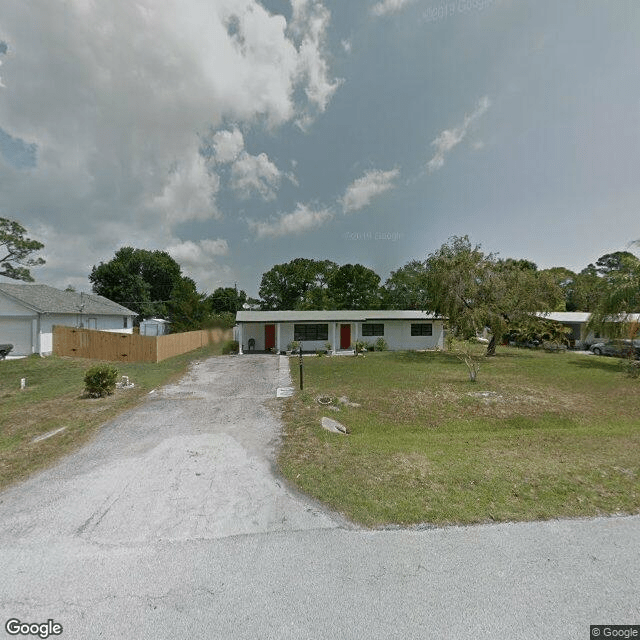
7008 Deland Avenue, Fort Pierce, FL 34951
To contact a resident: (772) 882-4957
For more information about senior living options: (866) 208-4318
Amazing Grace Costs & Pricing
Amazing Grace offers competitive pricing for its accommodations compared to the broader market in St. Lucie County and across Florida. For a semi-private room, residents pay $2,000 per month - a significant saving when compared to the county's average of $2,717 and the state average of $3,009. Those seeking more privacy will find Amazing Grace's private rooms at $2,500 per month notably lower than both the county's average of $3,665 and the state average of $3,699. Additionally, for those desiring a one-bedroom option, Amazing Grace's rate of $3,500 is still favorable compared to St. Lucie County's average of $3,747 and Florida's average of $3,864. Overall, Amazing Grace stands out as a financially accessible choice without compromising on quality or service.
| Floor plans | Amazing Grace | St. Lucie County | Florida |
|---|---|---|---|
| Semi-Private | $2,000 | $2,717 | $3,009 |
| Private | $2,500 | $3,665 | $3,699 |
| 1 Bedroom | $3,500 | $3,747 | $3,864 |
Memory care communities with a similar price nearby
-
from +$300 / mo
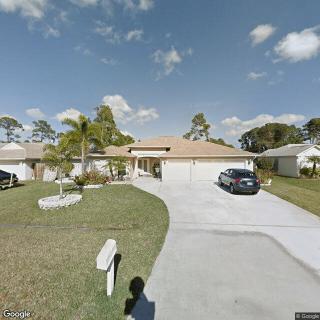
Nelisha Family Home
$2,300 to $4,500 / month21.9 miles away -
from -$200 / mo
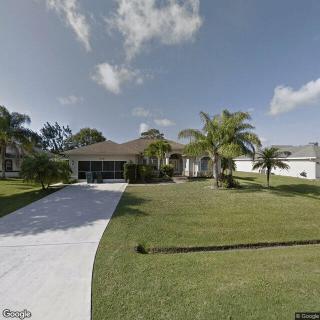
Magdolna Home Care
$1,800 to $2,500 / month17.2 miles away -
from +$326 / mo

Discovery Village Vero Beach
$2,326 to $3,400 / month7.6 miles away -
from -$200 / mo
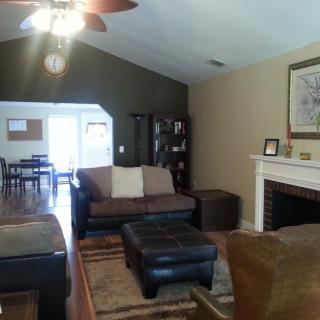
The Retreat On Bywood
$1,800 to $2,500 / month17.9 miles away -
from +$200 / mo
Rainbow Garden
$2,200 / month9.4 miles away
Overall Review of Amazing Grace
Pros
 The owner and staff are very caring.
- The father enjoys listening to recorded books.
- The family is very pleased with the level of care, meals, socialization, and medical follow-up.
- The facility promptly notifies family members when problems arise.
- The father loves Amazing Grace, and the facility comes highly recommended.
Cons
 There were no activities at all; all they did was sit in front of the television.
- They said they would have things going on, but there was nothing to do.
- She spent a whole year there and drew only once with crayons.
- There were fewer residents, but there was still nothing going on.
- They sometimes forgot her appointments.
Review
Amazing Grace in Fort Pierce is best suited for seniors who want steady, attentive care and a dependable daily routine backed by a hands-on owner and a small, consistent staff. The community tends to appeal to families prioritizing safety, dependable meals, social contact, and ongoing medical follow-up, delivered in a setting where staff know each resident well and escalate concerns promptly. The long tenure of care, with years spent at the facility by residents and a familiar operating history, signals stability and trust. This recommendation, however, assumes comfort with a calmer activity environment rather than a bustling calendar. For those seeking a high-energy pace, frequent outings, or highly structured enrichment programming, alternatives may be a better fit.
On the upside, care quality, meals, and social interaction receive strong, recurring praise. The owner and staff are described as genuinely caring, and families note that medical follow-up is thorough and timely, with prompt notification if issues arise. The ongoing engagement with residents, alongside continuity of care over many years, offers a reassuring sense of reliability and personal attention that is hard to match in larger operations. The ability to honor resident preferences, such as listening to recorded books, within a respectful, regulated framework also signals a considerate approach to autonomy. Taken together, these factors establish a solid core of safety, comfort, and responsive caregiving.
Yet, there is a clear trade-off: activity programming can be sparse. Feedback from multiple observers describes long stretches with little to do beyond watching television, and few opportunities for organized, meaningful engagement. Instances of missed appointments further illustrate potential administrative lapses that can undermine confidence over time. The small community size may contribute to a calmer atmosphere and greater individual attention, but it often limits the variety and frequency of structured programming. For residents who thrive on social stimulation, cognitive enrichment, and a full calendar of events, this gap is a meaningful consideration.
That said, the core strengths still carry substantial weight for many families. Dependable caregiving, reliable meals, and proactive medical oversight address essential daily living needs and reduce parental or caregiver stress. The sense of stability, stemming from long-standing staff and consistent leadership, reduces turnover and the uncertainty that comes with frequent staffing changes. For seniors with moderate functional needs who value security, predictable routines, and easy access to staff, the benefits can outweigh the drawbacks of a lean activity schedule. In practice, the facility’s strengths translate into steady day-to-day life and ongoing reassurance for families that cannot be present around the clock.
Families evaluating Amazing Grace should approach with a practical checklist in hand. Request current activity calendars and observe an afternoon to gauge real engagement levels. Inquire about transportation, outings, and whether an activities director or regular volunteers provide enrichment. Probe staffing ratios across shifts and verify how appointment reminders are managed and documented. Speaking with several residents about their daily routines can illuminate consistency and quality beyond a single positive or negative impression. The facility’s willingness to accommodate preferred routines, such as audio-book listening, suggests flexibility within its framework, but the absence of robust programming could blunt overall quality for those needing continual stimulation.
Overall, Amazing Grace offers a prudent choice for families seeking dependable, compassionate care in a calm setting with clear medical oversight and steady family communication. It is not the best fit for those who require a lively calendar, extensive social programming, or advanced enrichment opportunities. For the right resident, one who prioritizes safety, steady routines, and attentive, familiar staff, the advantages can readily outweigh the drawbacks. Before deciding, arrange a trial visit, ask pointed questions about activities and appointment reliability, and confirm that the care level aligns with current needs. This approach yields a confident, well-informed choice for those navigating the care journey.
 Board and Care Home
 Memory Care
 Activities off-site
 Indoor common areas
 Outdoor common areas
 Private
 Respite or short term stays offered
 Wheelchair accessible showers
 Diabetic care
 Incontinence care
 Medication management
 Kosher




 Exploring the Power of Reminiscence Therapy for Individuals With Dementia
 An In-Depth Look at Reminiscence Therapy in Dementia Care
 Dementia-Related Hallucinations: Causes, Experiences, and Practical Approaches