
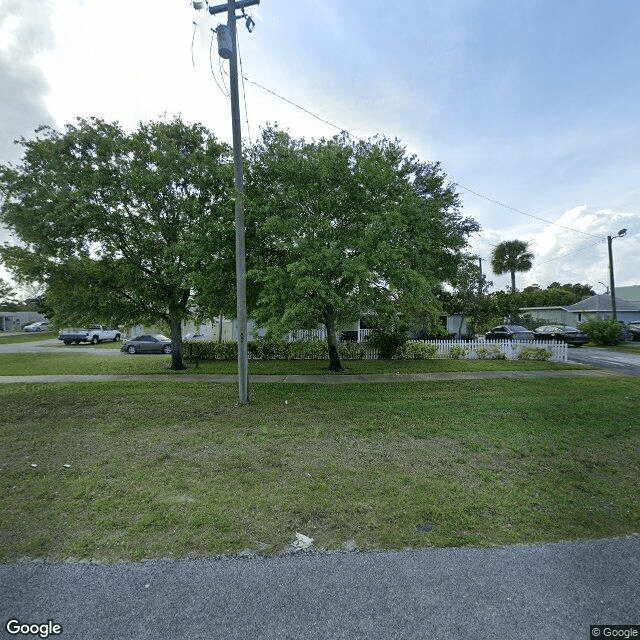
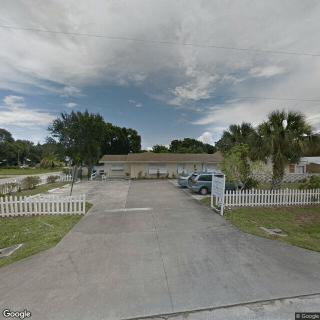
6609 N. US1, Fort Pierce, FL 34949
To contact a resident: (772) 460-0809
For more information about senior living options: (866) 208-4318
Overall Review of Aurora of Treasure Coast
Pros
 The place is amazing for APD clients.
- Residents have chosen to stay there for over ten years.
- It clearly caters to APD clients, indicating a specialized and attentive environment.
- The overall impression is positive, with long-term satisfaction among residents.
Cons
 They cater strictly to APD clients, which reviewers see as exclusionary.
- The policy is criticized for favoring a specific group.
- The exclusivity makes the place feel unwelcoming to outsiders.
Review
Aurora of Treasure Coast in Fort Pierce is best suited for adults with developmental disabilities who require an APD-focused living environment and who value a stable, long-term residence. The community operates with a clear specialization, presenting as a tightly run home where staff are attuned to the daily rhythms, safety needs, and social dynamics of APD clients. For families seeking a place where residents tend to stay for many years, this is a compelling match: turnover is low, routines are predictable, and the culture centers on continuity of care and peer familiarity.
Those who may want to consider alternatives are families whose loved ones fall outside the APD scope, or who are seeking broader aging options. If the goal is a broader senior living mix, memory care, short-term respite, or more flexible eligibility for residents without APD-specific needs, other facilities will likely provide the diversity in programming and eligibility that Aurora’s model does not. Prospective residents who want non-APD programming, less rigid eligibility, or a facility that caters to a wider range of medical and cognitive conditions should evaluate other communities first.
The key advantages of Aurora’s APD-focused approach are clear and consequential. Staff expertise in APD needs translates into targeted daily supports, behavior-guided programming, and tailored engagement that align with residents’ goals. The long tenured resident base, over a decade in many cases, signals a satisfying and stable living experience, where residents aren’t navigating repeated transitions. When residents thrive within this specialized ecosystem, the resulting sense of belonging and mutual understanding among peers can offset the perceived limits of a narrower population.
That same APD specialization also creates potential trade-offs. The most evident constraint is eligibility: the community is designed for APD clients, which can curtail options for families hoping to place someone outside that category. The emphasis on a specific population may limit the breadth of social activities or services that exist in more general assisted living settings. However, the positive proof of value, strong staff competency, consistent routines, and a cohesive community, often mitigates these concerns for families whose priorities align with APD-specific care.
For families evaluating Aurora, directing questions to gauge fit is essential. In tours, look for how staff describe care plans tailored to APD, how programming is structured across days, how behavior supports are implemented, and how resident choices influence daily life. Ask about the size of the community, the mix of residents, and how family involvement is supported. Importantly, verify the facility’s readiness to address evolving needs within the APD framework and understand any waitlists or admissions criteria. Clarify what happens if a resident’s care needs change: does the community adapt within APD services, or is a move to a different setting advised?
The practical takeaway is decisive: Aurora of Treasure Coast offers a powerful option for APD-focused, long-term living in a stable, well-supported environment. It is a natural choice for families prioritizing specialized care, continuity, and a cohesive social setting where residents stay put and staff cultivate deep familiarity with each individual’s routines. Those whose priorities include broad-spectrum aging services, memory care, or non-APD eligibility should proceed with caution and compare against more inclusive options. In the right match, the strength of a dedicated APD community translates into meaningful quality of life and dependable daily support that other models may struggle to replicate.
 Board and Care Home

 Navigating Medicare Coverage for In-Home Care Services
 In-Home Care Costs in 2025: A Detailed State-by-State Exploration
 Understanding Home Health Care: A Comprehensive Guide