Royal Living Assisted Living Facility Costs & Pricing
Royal Living Assisted Living Facility stands out for its competitive pricing relative to both Broward County and the broader state of Florida. For instance, the cost of a semi-private room at Royal Living is $2,800 per month, which is notably lower than the county average of $2,902 and the state average of $3,009. Similarly, one-bedroom accommodations are priced at $3,500, again more affordable than Broward's average of $3,651 and Florida's overall average of $3,864. The facility also offers private rooms at a rate of $3,500, slightly below Broward County's average of $3,725 and close to Florida's state figure of $3,699. These rates reflect Royal Living's commitment to providing high-quality care at a value that appeals to potential residents seeking affordability without compromising on quality or services.
Floor plans
Royal Living Assisted Living Facility
Broward County
Florida
Semi-Private
$2,800
$2,902
$3,009
1 Bedroom
$3,500
$3,651
$3,864
Private
$3,500
$3,725
$3,699
Memory care communities with a similar price nearby
Overall Review of Royal Living Assisted Living Facility
common16 reviews mention this
Staff support is a mixed picture
Residents and families describe staff as both highly attentive and, at times, insufficiently responsive.
Many reviewers say staff were caring, respectful, and responsive—helping coordinate appointments, supporting mobility needs, and checking in on resident well-being. Several also highlight communication and compassion from teams at the assisted living and front office. Other reviews report missed follow-through on requests and medications, plus concerns about how staff handled calls and ongoing needs. Taken together, the reviews show strong moments of support alongside recurring complaints about execution.
common11 reviews mention this
Dining quality draws strong reactions
Dining receives both praise and complaints, including concerns about consistency and meal assistance.
Some residents’ families praise the dining room food, describing it as really good, excellent, and well presented, and one reviewer also credits dining staff with noticing a pattern in orders. Others report sharp changes in food quality after staffing changes, and a few describe dining as horrible or disappointing. Several negative reviews also connect dining to care details like meal delivery or lack of help at mealtimes. The community offers meals and vegetarian options, but the reviews suggest quality and support can vary by experience.
caveat7 reviews mention this
Care and medication handling varies
Care experiences range from organized support to documented lapses in medication and assistance.
A number of reviewers describe care as attentive and safety-focused, including nursing organization and help coordinating medical needs. Some also mention help through wellness resources and access to in-house assistance offices. On the other side, multiple reviews describe care as bare minimum, with repeated medication-schedule problems and concerns about timely help and follow-through. The community provides ambulatory, diabetic, incontinence, and medication management services, and the reviews show that how those supports are delivered can strongly affect satisfaction.
common6 reviews mention this
Facility condition is praised and criticized
Cleanliness and upkeep are described as excellent in many reviews, with a few serious exceptions.
Several reviewers highlight an immaculate facility, clean dining spaces, and apartments cleaned weekly. Some also say the facility is kept in great shape and that the overall environment feels well maintained. A smaller set of reviews report dirty floors and bathrooms, mold, and other housekeeping and hygiene concerns. Overall, the reviews suggest the community’s condition is a noticeable strength for many residents and families, but not consistently across experiences.
caveat2 reviews mention this
Pricing feels stressful for some families
Some reviewers describe mounting costs as a barrier, especially after care needs change.
A couple of reviews mention feeling squeezed by monthly costs and additional expenses tied to care needs. One reviewer describes needing hired assistance after being told 24-hour care would be required, and another mentions an upfront monthly cost expectation that affected their decision process. At the same time, the listing’s pricing estimates position costs below county and state benchmarks across unit types. That mismatch between family experiences and the published pricing snapshot may help explain why satisfaction with cost varies from one household to another.
How we summarize
Counts show how many written reviews mention each theme; a review can touch several themes, and only frequently mentioned themes are displayed.
Features
Types of Care
Board and Care Home
Day Program
Memory Care
Amenities
Activities off-site
Activities on-site
Bath tubs
Indoor common areas
Outdoor common areas
Private
Respite or short term stays offered
Wheelchair accessible showers
Transportation
Fort Lauderdale-Hollywood International (7 miles away)
Miami International (23 miles away)
Care Services
Ambulatory care
Diabetic care
Incontinence care
Medication management
Dining
Meals provided
Vegetarian
Activities
Activities off-site
Activities on-site
Nearby Places of Interest
This part of Plantation, Florida offers a convenient and accessible location for senior living with a variety of amenities nearby. There are multiple pharmacies within a short distance, making it easy to access necessary medications. Additionally, there are reputable physicians and medical facilities in the area, ensuring quality healthcare services. A range of dining options are available including popular chains like Subway and Chick-Fil-A, as well as more upscale options like P.F. Chang's China Bistro. Several parks provide opportunities for outdoor recreation and relaxation, while places of worship offer spiritual engagement. Transportation options such as Brightline and the local airport make travel convenient for visiting family or exploring other destinations. Overall, this area provides a well-rounded and convenient living environment for seniors.
Pharmacies
Walgreens (0.5 miles)
Walgreens (1.3 miles)
CVS Pharmacy (1.4 miles)
CVS Pharmacy (2.2 miles)
Walgreens (2.5 miles)
Walgreens (3.2 miles)
Walgreens (3.2 miles)
Physicians
Arnoldo Ghitis, MD (0.8 miles)
Miami Cancer Institute | Plantation (1.9 miles)
Pom MRI and Imaging Center (2.7 miles)
Care Resource (6.6 miles)
Restaurants
Subway (0.8 miles)
Chick-Fil-A (2.4 miles)
Chipotle Mexican Grill (2.5 miles)
McDonald's (2.6 miles)
Taco Bell (2.6 miles)
P.F. Chang's China Bistro (4.6 miles)
Grand Lux Cafe (4.6 miles)
Hospitals
UM/Sylvester Clinics At Plantation (1.5 miles)
University Hospital And Medical Center (5.7 miles)
Memorial Hospital Pembroke (7 miles)
Cleveland Clinic Florida (7.7 miles)
Cafes
Habibi Hookah Lounge (2.1 miles)
Starbucks (7.8 miles)
Parks
Deicke Park (2.6 miles)
Central Broward Regional Park (3.4 miles)
Royal Palm Park (5.9 miles)
Barkham at Markham Park (6.8 miles)
Holiday Park (7.1 miles)
Topeekeegee Yugnee Park (7.8 miles)
Places of Worship
Temple Beth Emet (6.2 miles)
Christ the Rock Community Church (6.5 miles)
Transportation
Brightline (6.6 miles)
JetBlue Airways Terminal (7.7 miles)
TSA Security Checkpoint (7.7 miles)
Terminal 3 (7.7 miles)
Concourse F (7.7 miles)
Fort Lauderdale-Hollywood International Airport (FLL) (7.7 miles)
Royal Living Assisted Living Facility stands out for its competitive pricing relative to both Broward County and the broader state of Florida. For instance, the cost of a semi-private room at Royal Living is $2,800 per month, which is notably lower than the county average of $2,902 and the state average of $3,009. Similarly, one-bedroom accommodations are priced at $3,500, again more affordable than Broward's average of $3,651 and Florida's overall average of $3,864. The facility also offers private rooms at a rate of $3,500, slightly below Broward County's average of $3,725 and close to Florida's state figure of $3,699. These rates reflect Royal Living's commitment to providing high-quality care at a value that appeals to potential residents seeking affordability without compromising on quality or services.
Medication management at Royal Living Assisted Living Facility is crucial for residents with dementia or Alzheimer's, as it ensures that they receive their medications on time and in the correct dosages, which can significantly stabilize their condition and enhance cognitive functioning. By minimizing the risks of medication errors, this service reduces confusion and distress among residents. Incontinence care is equally important; it addresses a common challenge faced by individuals with memory impairments who may have difficulty recognizing or communicating their needs. Providing compassionate and discreet support not only helps maintain dignity but also minimizes discomfort and anxiety, allowing residents to focus on social interactions and daily activities instead of the concerns surrounding incontinence. Together, these features create a supportive environment that fosters well-being and promotes a better quality of life for those living with cognitive decline.
Nearby Communities
Royal Living - ALF
Fort Lauderdale, FL
4.4 from 14 reviews
Intimate 6-resident setting with comprehensive in-house care, meals, housekeeping, and transportation.
West Broward Rehabilitation And Healthcare
Plantation, FL
Extensive on-site amenities and 24/7 nursing support.
Jacob'S Tender Loving Care Assisted Living
Plantation, FL
5 from 14 reviews
Small, intimate setting with personalized care and homelike amenities.
Interim Healthcare of Broward County
Plantation, FL
5 from 33 reviews
Convenient location with access to amenities and healthcare.
Nancy's Adult Family Care Assisted Living Facility
Plantation, FL
$4,200 / month
Intimate six-bed, home-like setting with memory care, 24-hour supervision, and on-site activities.
Lauderdale West
Plantation, FL
Comprehensive care and customizable meals.
Absolute Care ALF
Sunrise, FL
4.3 from 8 reviews
$2,500 to $3,500 / month
Compassionate, attentive staff with a clean, engaging environment.
Regents Park of Sunrise
Fort Lauderdale, FL
4.1 from 109 reviews
24-hour skilled nursing care with activities.
Pacifica Senior Living Sunrise
Sunrise, FL
4.6 from 190 reviews
$2,195 to $3,195 / month
Affordable pricing for the area with comprehensive care options and friendly, attentive staff.
The article emphasizes the significance of establishing a power of attorney for elderly parents to enable an agent to make decisions on their behalf regarding health and finances, especially during cognitive or physical decline. It outlines various types of power of attorney, the importance of consulting legal professionals, and the responsibilities and challenges faced by agents, while also discussing alternatives and common misconceptions.
Caregiver support groups are crucial for providing emotional and practical assistance to those caring for loved ones, offering resources, coping strategies, and a sense of community through various organizations and platforms. These groups help alleviate isolation and burnout while addressing the unique challenges faced by caregivers of individuals with specific conditions.
The guide outlines the complexities of Medicaid coverage for assisted living, highlighting significant state-to-state variations, limited coverage often restricted to personal care services, and the existence of specialized waivers for certain needs like memory care. It advises families to consult local Medicaid offices for options while emphasizing the importance of understanding state-specific regulations and facility policies.
Get PricingAsk A QuestionSchedule A TourContact Senior Advisor
By clicking submit, you agree to our Partner's Terms of Use. You
also consent to receive calls and texts, which may be autodialed, from our Partner. Your consent is not a condition to
using our Partner's service. Please visit our Partner's Privacy Policy for information about their privacy practices.

 Board and Care Home
 Day Program
 Memory Care
 Bath tubs
 Indoor common areas
 Outdoor common areas
 Private
 Respite or short term stays offered
 Wheelchair accessible showers
 Fort Lauderdale-Hollywood International (7 miles away)
 Ambulatory care
 Diabetic care
 Incontinence care
 Medication management
 Meals provided
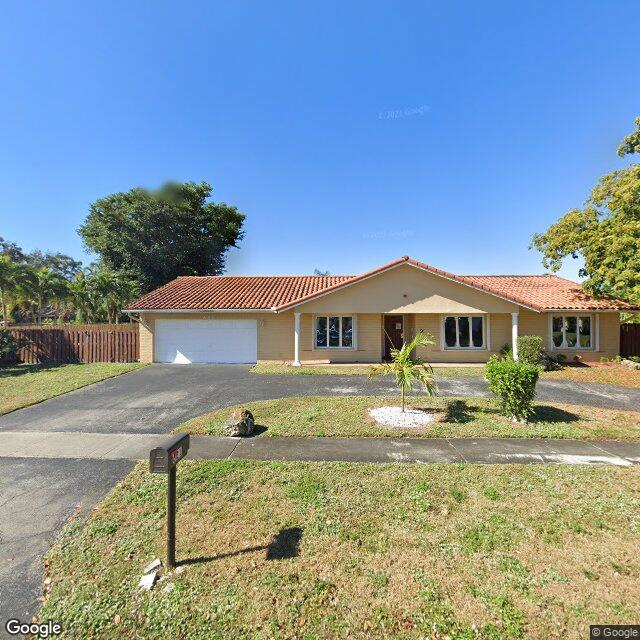
 Intimate 6-resident setting with comprehensive in-house care, meals, housekeeping, and transportation.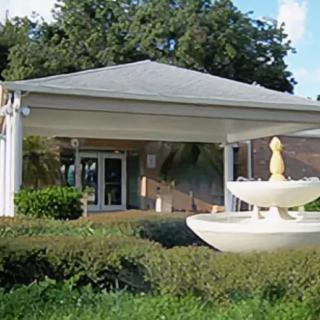
 Guiding Your Journey: Understanding Power of Attorney for Elderly Parents
 22 Remarkable Caregiver Support Groups Available Online and In-Person
 Understanding Medicaid Coverage for Assisted Living: A Comprehensive Guide