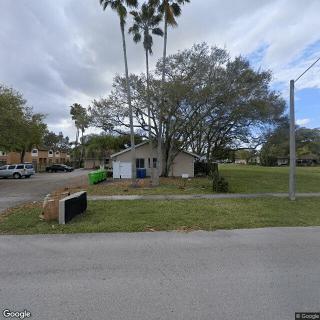
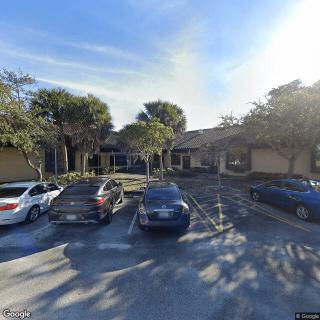
Royal Living - ALF

621 North West 76Th Avenue, Fort Lauderdale, FL 33324

For more information about senior living options: (844) 490-3973

4.4 from 14 reviews
5 stars
11
4 stars
1
3 stars
0
2 stars
0
1 stars
2

Assisted Living Board and Care Home Respite Care

Overall Review of Royal Living - ALF

Pros

  • pro The owner is kind and caring to residents and families and is readily accessible.
  • pro The staff are superb and treat residents like family, making them feel at home.
  • pro The facility is well-maintained, clean, and offers a variety of services and activities.
  • pro The atmosphere is warm and welcoming, putting families at ease.
  • pro The care provided is top-notch with a strong emphasis on residents' well-being and personalized attention.
  • pro Meals are home-cooked and residents are well nourished.
  • pro The environment feels like a family-style setting where residents are well cared for, including during bedridden periods.
  • pro The staff communicate well with families, providing regular updates.
  • pro The facility is small and provides exceptional care.
  • pro Family and friends are welcome to visit.

Cons

  • pro Terrible place. They don't respect the neighbors, always bothering the community and making living near them unbearable.
  • pro Most of the residents were not conversational, which was a loss for the reviewer's mother.

Review

Across Coconut Creek and the surrounding area, families speak with a consistent warmth about Royal Living as a caring home for their loved ones. The stories emphasize a small, intimate atmosphere where attention to detail, personal touches, and a genuine commitment to comfort and safety shape daily life for residents. In these accounts, Royal Living stands out as more than a place to stay - it's described as a place where care feels personal, almost like family.

A central thread in many testimonials is the owner, Japinder Sahi, who is repeatedly described under affectionate variations such as Jappi or Jappy. Reviewers highlight her kindness and genuine involvement with every resident and their families. She is noted for being accessible - often available via her personal cell to answer questions or provide reassurance - an attribute that brings a sense of security to families navigating the aging process and transitions into assisted living. The tone of these notes suggests that Japinder's hands-on, personable approach permeates the entire operation, shaping an environment that feels welcoming and responsive.

The staff at Royal Living are consistently praised as well. Callers describe them as superb, not only well trained but also deeply caring and attentive to each resident's needs. The emphasis is on personalized care - staff who treat residents like their own family and who place residents' well-being at the forefront. This emphasis on individualized attention translates into strong emotional comfort for family members, who repeatedly mention feeling reassured by the level of care their loved ones receive. The sense that well-being is the top priority is echoed across multiple stories, reinforcing the impression of a careful, respectful approach to daily living and medical needs alike.

The facilities themselves are described as well-maintained, clean, and suitable for a comfortable living environment. Several reviewers note the cleanliness and the overall upkeep of the buildings, along with the provision of services that enhance residents' lives - such as activities designed to keep residents engaged and happy. Home-cooked meals are mentioned in multiple accounts, contributing to the sense of a homelike atmosphere. The environment is depicted as calm and orderly, a place where family and friends feel welcome to visit and participate in their loved one's life.

The experiences of residents and their families span several years and locations, painting a picture of consistency and continuity in care. One family shares that their mother lived at Royal Living for ten years, a period during which she was bedridden for the last three years yet received care described as exceptionally compassionate, with no bedsore or related issues. Another reviewer notes a similar long-term residency at a Coconut Creek location, with daily care that allowed the family to feel at ease about her ongoing health. Additional testimonials reference four years in a Royal Living facility in Pompano Beach, and almost five years at another location owned by the same owner, underscoring a pattern of enduring, stable care across sites. Multiple families mention steady, respectful communication with the facility, often describing updates as frequent and informative, which adds to the sense of partnership between caregivers and families during transitions and ongoing care.

The stories also emphasize the emotional and social dimensions of life at Royal Living. Families describe a warm, welcoming atmosphere where residents feel at home and are supported by a staff that remembers individual histories and preferences. The small size of the facility is frequently cited as a strength, enabling a close-knit feel in which staff can form meaningful, personal connections with residents. Within this framework, families feel comfortable inviting loved ones to be part of the daily life at the facility, reinforcing a sense of community that extends beyond the resident to include families and friends.

Yet, not every experience aligns with the overwhelmingly positive picture. One review stands apart, describing a markedly negative experience: "Terrible place. They don't respect the neighbors, always bothering the community and making living near them unbearable." This outlier serves as a reminder that, as with any care setting, perceptions can vary and neighbor relations may impact a community in ways that differ from individual family experiences with care quality and staff responsiveness. It suggests that location-specific dynamics and external relationships can shape how a facility is perceived, even when other families report high satisfaction with care inside the home.

Taken together, these reviews paint a portrait of Royal Living at Coconut Creek as a small, well-run assisted living facility that prioritizes compassionate, personalized care, strong family communication, and a home-like environment. The combination of a caring owner who remains highly accessible, a team of attentive staff, clean and well-kept surroundings, and meaningful activities all contribute to positive, long-term living experiences for residents. While there is at least one negative perspective regarding neighbor relations, the overall chorus is one of trust, gratitude, and relief for families seeking a nurturing place for their aging loved ones.

Features

Housing

  • 6 resident community capacity 6 resident community capacity

Types of Care

  • Assisted Living Assisted LivingAssisted living facilities provide crucial support and care for seniors who may need help with daily tasks such as medication management, bathing, and meal preparation. These communities offer a safe and comfortable environment where seniors can maintain their independence while receiving the assistance they need to thrive in their golden years.
  • Board and Care Home Board and Care HomeBoard and care homes provide a smaller, more intimate setting for seniors who require assistance with daily tasks but do not need the level of care offered by a nursing home. They offer personalized care, meals, and social activities in a homelike environment, ensuring that seniors receive individualized attention and support in their golden years.
  • Respite Care Respite CareRespite care provides temporary relief for caregivers, allowing them to recharge and attend to their own needs. It also gives seniors the opportunity to socialize, receive professional care, and experience a change of scenery, promoting overall well-being and reducing feelings of isolation.

Amenities

  • Cable or satellite TV Cable or satellite TVCable or satellite TV is important for seniors because it provides entertainment, news, and companionship, helping to combat loneliness and boredom. It also offers a wide range of programming options tailored to different interests and preferences.
  • Dining room Dining roomDining rooms are important for seniors as they provide a space for socialization, connection, and nutritious meals. They offer opportunities for residents to bond over shared meals, foster a sense of community, and promote healthy eating habits. Dining rooms also ensure that seniors have access to well-balanced meals tailored to their dietary needs and preferences.
  • Fully furnished Fully furnishedFully furnished senior living communities are important for seniors because they provide convenience, comfort, and a hassle-free moving experience. Seniors can easily settle into their new living space without the stress of having to buy and move furniture. This allows them to focus on enjoying their new home and community.
  • Garden GardenGardens are important for seniors as they provide a peaceful and therapeutic environment for relaxation, physical activity, and socialization. Being in nature has been shown to reduce stress, improve mood, and promote overall well-being. Gardens also offer opportunities for seniors to engage in gardening activities, which can improve mobility, flexibility, and cognitive function. Additionally, gardens create a sense of community and connection with others who share a passion for plants and outdoor spaces.
  • Housekeeping services Housekeeping servicesHousekeeping services are important for seniors because they help maintain a clean and safe living environment, promote independence, and reduce the risk of accidents or illnesses. Additionally, having assistance with household chores can alleviate physical strain and allow seniors to focus on other aspects of their well-being.
  • Move-in coordination Move-in coordinationMove-in coordination is important for seniors because it helps ease the transition into their new living environment. It ensures that all logistics, such as packing, organizing movers, and setting up utilities are taken care of, allowing seniors to focus on settling in and adjusting to their new home. Having a smooth move-in process can alleviate stress and anxiety, making the transition smoother and more enjoyable for seniors.
  • Outdoor space Outdoor spaceOutdoor spaces are important for seniors as they provide opportunities for physical activity, social interaction, exposure to natural light and fresh air, and a sense of connection to nature. Having access to outdoor spaces can improve overall well-being and quality of life for older adults living in senior communities.
  • Telephone TelephoneTelephones are important for seniors as they provide a lifeline for communication with loved ones, emergency services, and healthcare providers. They offer a sense of security and independence, enabling seniors to stay connected and access assistance when needed.
  • Wi-Fi/high-speed internet available Wi-Fi/high-speed internet availableWi-Fi/high-speed internet is important for seniors to stay connected with loved ones, access online resources, and participate in virtual activities to combat feelings of loneliness and isolation. It also allows them to easily manage healthcare needs, access entertainment, and engage in lifelong learning opportunities.

Transportation

  • Fort Lauderdale-Hollywood International (7 miles away) Fort Lauderdale-Hollywood International (7 miles away)
  • Miami International (23 miles away) Miami International (23 miles away)

Care Services

  • 24-hour supervision 24-hour supervision24-hour supervision is important for seniors to ensure their safety, well-being, and access to immediate assistance in case of emergencies or health issues. This constant support provides peace of mind for both seniors and their loved ones, allowing them to age in place with dignity and security.
  • Activities of daily living assistance Activities of daily living assistanceActivities of daily living assistance are important for seniors because they provide essential support with tasks such as eating, bathing, dressing, and mobility. This assistance helps seniors maintain their independence, dignity, and overall quality of life as they age.
  • Assistance with bathing Assistance with bathingAssistance with bathing is crucial for seniors as it helps maintain personal hygiene, prevents infections, and ensures their overall well-being and comfort. It also provides a sense of dignity and independence for seniors who may struggle with this task on their own.
  • Assistance with dressing Assistance with dressingAssistance with dressing is important for seniors because it helps maintain their independence, promotes personal hygiene, prevents accidents and injuries, and improves overall quality of life. This service ensures that seniors can continue to dress comfortably and confidently, despite any physical limitations they may have.
  • Assistance with transfers Assistance with transfersAssistance with transfers is crucial for seniors as it helps prevent falls and injuries, maintains their independence, and ensures they can safely navigate their living environment. It also provides peace of mind for both seniors and their loved ones.
  • Coordination with health care providers Coordination with health care providersCoordination with health care providers is crucial for seniors to ensure proper medical care, medication management, and overall well-being. This collaboration helps prevent overlapping treatments, track progress more effectively, and provide comprehensive support tailored to individual needs.
  • Diabetes diet Diabetes dietA diabetes diet is crucial for seniors as it helps manage blood sugar levels, reduce risks of complications, and improve overall health and well-being. By following a balanced and nutritious diet tailored to their specific needs, seniors can better control their diabetes and enhance their quality of life.
  • Meal preparation and service Meal preparation and serviceMeal preparation and service are crucial for seniors as they may have limited mobility or energy to cook nutritious meals. Having access to healthy and convenient food options can ensure they are getting the proper nutrition needed to maintain their overall health and well-being.
  • Medication management Medication managementMedication management is crucial for seniors to ensure they are taking the right medications at the correct dosages and times. This helps prevent adverse drug interactions, reduces the risk of medication errors, and promotes overall health and well-being. Proactive management also allows for adjustments as needed based on changing health conditions or new prescriptions.
  • Special dietary restrictions Special dietary restrictionsSpecial dietary restrictions are important for seniors because age-related changes in metabolism and health conditions can make it difficult for their bodies to process certain foods. By following a diet tailored to their specific needs, seniors can maintain their overall health and well-being, manage chronic conditions, and reduce the risk of complications such as malnutrition or food interactions with medications.
  • Transportation arrangement (medical) Transportation arrangement (medical)Transportation arrangements for medical purposes are essential for seniors as they may have difficulty driving themselves to appointments or accessing public transportation. Having reliable and safe transportation options ensures that seniors can receive timely medical care and maintain their health and well-being.
  • Transportation to doctors appointments Transportation to doctors appointmentsTransportation to doctors' appointments is crucial for seniors as it ensures they have access to necessary medical care and support for their health needs. Without reliable transportation, seniors may struggle to attend important appointments, leading to potential delays in treatment and health complications. Providing transportation services helps seniors maintain their overall well-being and quality of life.

Dining

  • Diabetes diet Diabetes dietA diabetes diet is crucial for seniors as it helps manage blood sugar levels, reduce risks of complications, and improve overall health and well-being. By following a balanced and nutritious diet tailored to their specific needs, seniors can better control their diabetes and enhance their quality of life.
  • Special dietary restrictions Special dietary restrictionsSpecial dietary restrictions are important for seniors because age-related changes in metabolism and health conditions can make it difficult for their bodies to process certain foods. By following a diet tailored to their specific needs, seniors can maintain their overall health and well-being, manage chronic conditions, and reduce the risk of complications such as malnutrition or food interactions with medications.

Activities

  • Community-sponsored activities Community-sponsored activitiesCommunity-sponsored activities are important for seniors as they provide opportunities for social interaction, mental stimulation, and physical activity. These activities can help improve overall well-being, combat loneliness and isolation, and promote a sense of belonging and purpose among older adults.
  • Scheduled daily activities Scheduled daily activitiesScheduled daily activities are important for seniors because they provide structure, socialization, mental stimulation, and physical activity. Engaging in regular activities can improve overall well-being and quality of life for seniors living in a community setting.

Description

Royal Living is an assisted living community located in Fort Lauderdale, FL. Our community offers a comfortable and supportive environment for seniors who require assistance with activities of daily living.

At Royal Living, we provide board and care home services as well as respite care to meet the individual needs of our residents. Our fully furnished accommodations are designed to create a cozy and homely atmosphere for our residents. We also have a beautiful garden and outdoor space where residents can enjoy nature and relax.

Our dedicated staff takes care of housekeeping services, ensuring that the community remains clean and tidy at all times. We also offer move-in coordination to make the transition to our community as seamless as possible for our residents.

For their convenience, residents have access to telephone and Wi-Fi/high-speed internet facilities, allowing them to stay connected with their loved ones.

We understand the importance of proper nutrition, which is why we provide meal preparation and service for our residents. We cater to special dietary restrictions such as diabetes diets and other dietary requirements.

Our caregivers are trained to assist residents with activities of daily living, including bathing, dressing, transfers, and medication management. We also coordinate with health care providers to ensure that our residents receive necessary medical attention.

Transportation arrangements are made for medical appointments, making it easier for our residents to access healthcare services. In addition, there are nearby cafes, parks, pharmacies, restaurants, physicians' offices, and hospitals in close proximity to provide convenience and accessibility.

At Royal Living, we believe in providing a fulfilling lifestyle for our residents. With scheduled daily activities, there is always something engaging and enjoyable for everyone. Whether it's socializing with fellow residents or participating in various recreational activities, there is never a dull moment at Royal Living.

Choose Royal Living as your assisted living community in Fort Lauderdale. Experience unparalleled care and comfort in a warm and welcoming environment designed just for you or your loved one's needs.

Nearby Places of Interest

Pharmacies

  • Walgreens (0.5 miles)
  • Walgreens (1.3 miles)
  • CVS Pharmacy (1.4 miles)
  • CVS Pharmacy (2.2 miles)
  • Walgreens (2.5 miles)
  • Walgreens (3.2 miles)
  • Walgreens (3.2 miles)

Physicians

  • Arnoldo Ghitis, MD (0.8 miles)
  • Miami Cancer Institute | Plantation (1.9 miles)
  • Pom MRI and Imaging Center (2.7 miles)
  • Care Resource (6.6 miles)

Restaurants

  • Subway (0.8 miles)
  • Chick-Fil-A (2.4 miles)
  • Chipotle Mexican Grill (2.5 miles)
  • McDonald's (2.6 miles)
  • Taco Bell (2.6 miles)
  • P.F. Chang's China Bistro (4.6 miles)
  • Grand Lux Cafe (4.6 miles)

Hospitals

  • UM/Sylvester Clinics At Plantation (1.5 miles)
  • University Hospital And Medical Center (5.7 miles)
  • Memorial Hospital Pembroke (7 miles)
  • Cleveland Clinic Florida (7.7 miles)

Cafes

  • Habibi Hookah Lounge (2.1 miles)
  • Starbucks (7.8 miles)

Parks

  • Deicke Park (2.6 miles)
  • Central Broward Regional Park (3.4 miles)
  • Royal Palm Park (5.9 miles)
  • Barkham at Markham Park (6.8 miles)
  • Holiday Park (7.1 miles)
  • Topeekeegee Yugnee Park (7.8 miles)

Places of Worship

  • Temple Beth Emet (6.2 miles)
  • Christ the Rock Community Church (6.5 miles)

Transportation

  • Brightline (6.6 miles)
  • JetBlue Airways Terminal (7.7 miles)
  • TSA Security Checkpoint (7.7 miles)
  • Terminal 3 (7.7 miles)
  • Concourse F (7.7 miles)
  • Fort Lauderdale-Hollywood International Airport (FLL) (7.7 miles)
  • JetBlue Check-in (7.8 miles)

Frequently Asked Questions

Where is Royal Living - ALF?

Nearby Communities

Related Resources

  • assisted living activitiesBeyond the Bingo Hall: 50+ Enriching Activities for Seniors in Assisted Living

    Assisted living communities offer diverse activities beyond traditional games to enhance seniors' physical health, cognitive well-being, emotional enrichment, and social connections, including fitness classes, creative expression, and intergenerational interactions. These enriching programs foster community bonds and support residents' independence and happiness.

  • assisted living vs memory careUnderstanding the Distinctions: Assisted Living and Memory Care Explained

    The article differentiates between assisted living and memory care, explaining that assisted living supports seniors with daily activities while promoting independence, whereas memory care provides specialized services for individuals with dementia, focusing on secure environments and cognitive support. It also addresses staff training, safety considerations, costs, family involvement, and transition strategies for families navigating these care options.

  • elderly parent refuses assisted livingGuiding Elderly Parents Who Refuse Assisted Living: 6 Practical Steps

    Family caregivers face emotional, legal, and practical challenges when elderly parents refuse assisted living, often due to fears of losing autonomy. Open conversations and professional assessments can help address these concerns while exploring alternatives and ensuring safety, potentially leading to legal guardianship if necessary.