
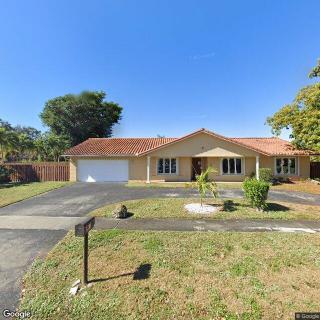
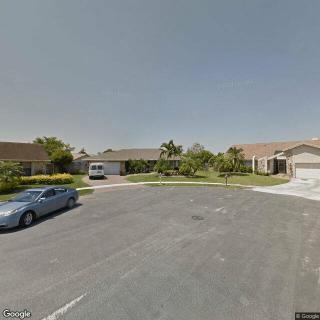
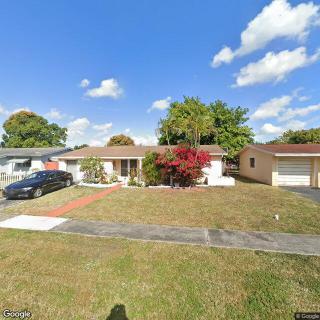
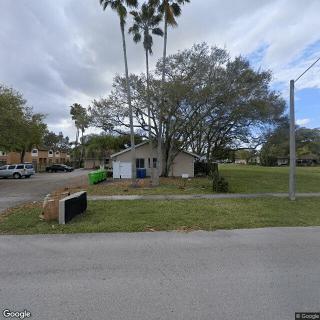
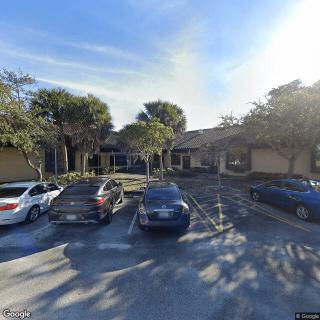
7000 North West 6Th Street, Plantation, FL 33317
For more information about senior living options: (866) 208-4318
Overall Review of Jacob'S Tender Loving Care Assisted Living
Pros
 The staff at Jacob’s Tender Loving Care is consistently attentive to residents’ needs.
- The on-site owners and staff understand the needs and stages of aging loved ones.
- The facility is exceptionally clean and offers outstanding meals.
- It feels like a family home rather than an institution, with a warm, caring atmosphere.
- The care is tender and loving, with personalized attention and genuine kindness.
- The family-owned operation treats residents with respect and goes beyond the essentials.
- Residents enjoy nutritious, home-prepared meals, meaningful activities, and special celebrations in a cheerful setting.
Cons
 Unfortunately, their loved one passed away before they could use the facility.
Review
This community is best suited for families seeking a small, home‑like assisted living where residents receive sustained, personal attention from a family‑owned operation. It excels for seniors who respond well to an intimate team that knows their preferences, routines, and life history, and who prize warmth, consistency, and a non‑institutional atmosphere. It is particularly well‑suited for those who want high daily engagement, well‑prepared meals, meticulous cleanliness, and visible owner involvement in daily care. Families whose loved ones require extensive on‑site medical oversight, highly specialized memory‑care programming, or the scale and resources of a larger campus should consider alternatives rather than assuming this setting will cover every clinical need.
The strongest selling points are the people and the everyday rhythm of life. The staff’s constant attentiveness translates into reliable daily support, with owners who are clearly on site and invested in every resident’s well‑being. Cleanliness is praised repeatedly, and the food receives frequent, enthusiastic commendation. The smaller size matters: it creates an environment where residents aren’t just numbers but individuals who are known by name, celebrated for birthdays, and kept engaged through activities and conversations. Families consistently report that communication flows openly and that the residence remains a trusted, welcoming place rather than a distant institution, attributes that reduce anxiety during transitions.
A notable edge comes from the home atmosphere and the personalized touches that appear to pervade daily life. Resident care goes beyond the basics, with examples of hairdressing, helping residents stay connected with old friends, and organizing celebrations that honor life stories. In several accounts, the facility feels like a true home, bright, comfortable, and safe, where staff create meaningful routines rather than rigid schedules. The environment also supports aging in place with dignity: residents are not shuffled into barriers or cages, but encouraged to move about, engage in outdoor spaces, and participate in activities that respect their pace and interests. That combination of warmth, attentiveness, and tangible care distinctions sets this community apart in a crowded market.
Yet the practical trade‑offs of a smaller, family‑owned operation are worth weighing. While the reviews portray extraordinary daily care, they naturally imply a lighter footprint in terms of medical acuity and specialized therapy capacity compared with large, multi‑wing campuses. The core offset is that the same intimate staffing model that delivers personal attention also yields a credible guardrail against neglect or impersonal treatment; staff turnover appears low, and the owners’ daily involvement reinforces consistency and trust. For families prioritizing reassurance, visible compassion, and a culture of “tender loving care,” these factors often outweigh the potential gaps in high‑end clinical amenities. In short, the pros around connection, responsiveness, and everyday quality strongly counterbalance the conceivable limits of scale.
For families evaluating options, this is where diligence pays off. Tour with questions that reveal how residents with memory challenges are supported, how medical needs are coordinated with outside providers, and what the activity calendar looks like across a typical week. Inquire about staffing ratios during evenings and weekends, the process for emergency transfers, and the flexibility to customize routines around a resident’s history and preferences. Ask for a sample menu and a few examples of recent special events to verify the consistency of meals and engagement. Seek firsthand accounts about visitation policies, responsiveness to concerns, and the ease of maintaining personal belongings and routines, especially for family members who want to stay closely involved.
Ultimately, Jacobs Tender Loving Care Assisted Living earns a strong recommendation for families who value a true home environment, where care is personal, staff are consistently attentive, and daily life feels purposeful rather than clinical. It stands out for its warmth, cleanliness, and the kind of deliberate, loving care that honors long life histories. For those whose priority is a highly medicalized setting, or who require expansive on‑site rehabilitation and memory‑care programs, alternatives may be more appropriate. But for a loved one who thrives on connection, respect, and meals prepared with care, this Plantation community delivers a compelling combination of heart and competence that can make a difficult transition feel like coming home.
 6 resident community capacity
 Assisted Living
 Cable or satellite TV
 Dining room
 Fully furnished
 Garden
 Housekeeping services
 Move-in coordination
 Outdoor space
 Telephone
 Wi-Fi/high-speed internet available
 Fort Lauderdale-Hollywood International (7 miles away)
 24-hour supervision
 Activities of daily living assistance
 Assistance with bathing
 Assistance with dressing
 Assistance with transfers
 Diabetes diet
 Meal preparation and service
 Medication management
 Special dietary restrictions
 Transportation arrangement (medical)
 Transportation to doctors appointments



 Understanding the True Cost of Assisted Living in 2025: A Comprehensive Guide
 Understanding Medicaid Coverage for Assisted Living: A Comprehensive Guide
 How and When Medicaid May Cover Assisted Living Costs