
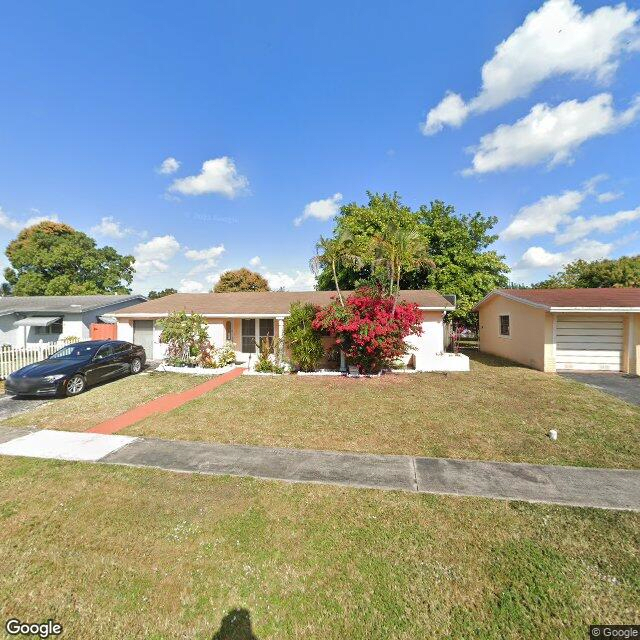
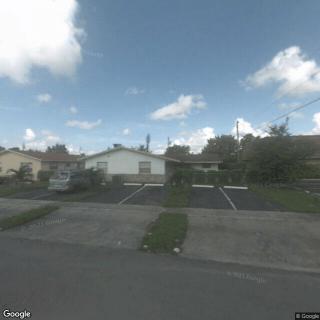
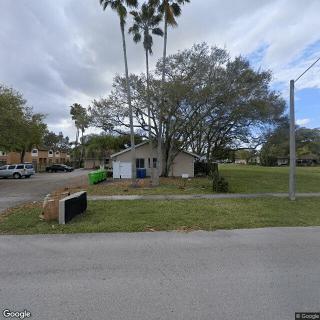
5809 Northwest 13th Street, Sunrise, FL 33313
To contact a resident: (954) 401-5893
For more information about senior living options: (866) 208-4318
Comfort Care at its Best Costs & Pricing
Comfort Care at its Best offers competitive pricing for its services, with monthly costs that stand out in comparison to both Broward County and the state of Florida. For a semi-private room, residents pay $2,000 per month, significantly lower than the county average of $2,902 and the state average of $3,009. Similarly, the private room rate is set at $3,500, which also remains more affordable than the local county rate of $3,725 and slightly less than the state average of $3,699. These favorable pricing structures not only reflect Comfort Care's commitment to providing quality care but also make it an attractive option for families seeking compassionate support without compromising on financial sustainability.
| Floor plans | Comfort Care at its Best | Broward County | Florida |
|---|---|---|---|
| Semi-Private | $2,000 | $2,902 | $3,009 |
| Private | $3,500 | $3,725 | $3,699 |
Assisted Living communities with a similar price nearby
-
About the same

Care and Love Retirement Home
$2,000 to $2,500 / month20.9 miles away -
from +$220 / mo

Miami Jewish Home & Hospital for the Aged
$2,220 to $7,500 / month22.0 miles away -
from +$195 / mo

Grand Villa Of Delray East
$2,195 to $4,495 / month22.9 miles away -
About the same
Tender Touch Home Care
$2,000 to $3,000 / month10.1 miles away -
from +$195 / mo

Grand Villa of Deerfield Beach
$2,195 to $2,995 / month12.6 miles away
Overall Review of Comfort Care at its Best
Pros
 They are great, super accommodating, and very friendly.
- The father is happy.
- The owner is fantastic.
- They are willing to work with you.
- The place is always clean.
- The food is delicious.
- They go for walks in the afternoon.
- The facility is small, with a favorable caregiver-to-resident ratio.
- They provide the absolute best care and service imaginable.
Cons
 The staff were not very pleasant and very unprofessional.
- The facility needs to be more conscious and accommodating.
Review
Comfort Care at its Best in Sunrise, FL is best suited for families seeking a small, home-like assisted living experience where residents are known by name, meals feel like family cooking, and caregiving is deeply personal. The community shines for seniors who prioritize intimate attention, a clean, welcoming environment, and practical daily rhythms that feel less institutional and more like a well-run home. With a close-knit feel and direct owner involvement, this option works best for residents who thrive on frequent, visible staff interaction, frequent check-ins, and a caregiving staff that can move quickly as needs shift.
Those who may want to consider alternatives include families seeking a larger, more resource-rich setting with expansive programming, formalized training for a broad team of professionals, or extensive on-site medical oversight. If a resident requires robust, round-the-clock nursing coverage, structured activity calendars, or highly standardized processes across a bigger staff, this community’s small footprint could feel limiting. Additionally, one review flags the potential for inconsistency in staff demeanor, which is a meaningful consideration for families prioritizing unwavering professionalism and uniform behavior from caregivers.
The strongest positives at Comfort Care at its Best revolve around warmth, flexibility, and cleanliness. The owner is repeatedly described as fantastic, with a willingness to accommodate families and tailor care to individual situations. The facility’s upkeep is consistently highlighted as very good, and the environment feels safe and orderly. Residents benefit from home-cooked meals that residents genuinely enjoy, with anecdotal emphasis on the quality and comforting nature of the cuisine. Afternoon walks and opportunities for gentle activity align with a low-key, predictable daily routine, reinforcing a sense of security and routine for both residents and their families.
The primary drawback surfaced through a single, negative review: staff not very pleasant or professional. This cautionary note cannot be ignored, because consistency of staff behavior directly affects day-to-day comfort and trust. While other reviews celebrate friendliness and attentiveness, that lone perspective suggests that morale or tone can fluctuate. Additionally, the inherent limitations of a small facility may restrict certain amenities, program breadth, or the scale of on-site supports compared to larger communities. Families should weigh the value of highly personalized, flexible care against the risk of variable staff mood or a narrower activity slate.
Yet the pros can meaningfully offset these cons for many prospective residents. The intimate, 1:2 caregiver-to-resident ratio means fewer gaps in supervision and more responsive care, a critical factor for those with mobility challenges or memory concerns. Close supervision also translates into quicker intervention during changes in condition, which can be decisive for peace of mind. Cleanliness and the perception of a tidy, well-maintained space reinforce safety and comfort, while home-cooked meals support nourishment and emotional well-being in a familiar culinary register. The owner-driven approach fosters a sense of stewardship and accountability that can translate into highly personalized planning, timely problem-solving, and a willingness to adjust care plans as family needs evolve.
Families evaluating this community should visit with a clear set of questions and a practical checklist. Observe how staff interact with residents on a typical day, and request opportunities to meet the owner or manager to gauge responsiveness and alignment with care goals. Taste a documented meal or two to assess whether the kitchen quality matches the home-like promise. Review a week’s activity schedule to understand the scope of engagement beyond strolls and meals, and ask how flexibility is handled when a resident’s needs change. Finally, discuss the current caregiver ratio, how staff allocations are managed during shift changes, and the approach to end-of-life or delicate medical moments, where compassionate, competent support becomes paramount.
In sum, Comfort Care at its Best is a compelling choice for families seeking a tightly run, cozy setting where authentic personal attention, high cleanliness standards, and homestyle meals create a reassuring daily rhythm. It suits residents who value a small, intimately managed community and can tolerate the possibility of occasional staff mood variability in exchange for a truly responsive, family-centered approach. For those whose priorities center on scale, formal structure, or unwavering professional uniformity, alternatives with larger teams and more regimented programming may be wiser. The decisive question is whether the resident’s preferences align with a warm, individualized care model or with a broader, more standardized senior-living environment.
 6 resident community capacity
 Assisted Living
 Board and Care Home
 Respite Care
 Cable or satellite TV
 Dining room
 Fully furnished
 Garden
 Housekeeping services
 Move-in coordination
 Outdoor space
 Private
 Telephone
 Wi-Fi/high-speed internet available
 Fort Lauderdale-Hollywood International (7 miles away)
 24-hour supervision
 Activities of daily living assistance
 Ambulatory care
 Assistance with bathing
 Assistance with dressing
 Assistance with transfers
 Diabetes diet
 Incontinence care
 Meal preparation and service
 Medication management
 Special dietary restrictions
 Transportation arrangement (medical)
 Transportation to doctors appointments



 8 Key Indicators That Suggest It May Be Time to Transition from Assisted Living to Skilled Nursing Care
 Vibrant Senior Living: A Comprehensive Guide for Active Older Adults
 When to Transition from Assisted Living to Memory Care: Key Indicators, Steps, and Finding the Right Community