
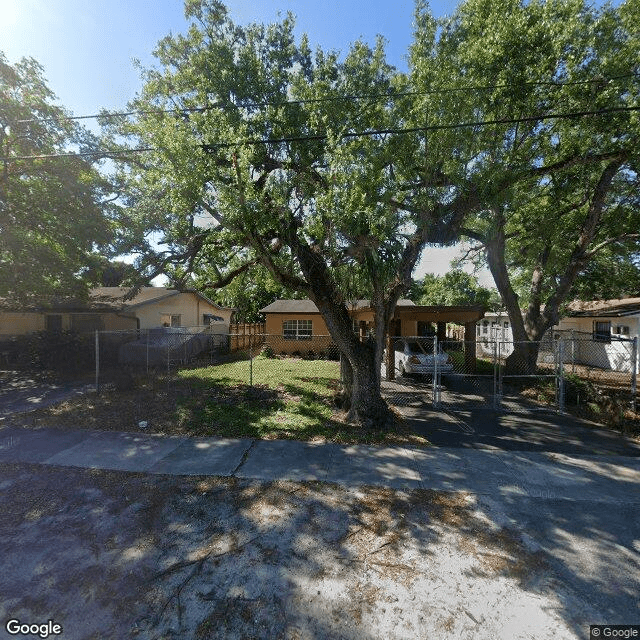
1708 SW 11th Ct., Ft. Lauderdale, FL 33312
To contact a resident: (305) 332-4057
For more information about senior living options: (866) 208-4318
Anne Adult Family Care Home Costs & Pricing
Anne Adult Family Care Home offers competitive pricing for its semi-private rooms at $2,500 per month, which is notably lower than the average costs in both Broward County and the state of Florida. In Broward County, semi-private accommodations typically run around $2,902, while the average for the entire state reaches approximately $3,009. This makes Anne Adult Family Care Home an appealing option for families looking for quality care without compromising their budget. The facility's pricing not only reflects a commitment to affordability but also underscores its dedication to providing a welcoming environment for residents.
| Floor plans | Anne Adult Family Care Home | Broward County | Florida |
|---|---|---|---|
| Semi-Private | $2,500 | $2,902 | $3,009 |
Memory care communities with a similar price nearby
-
from -$100 / mo
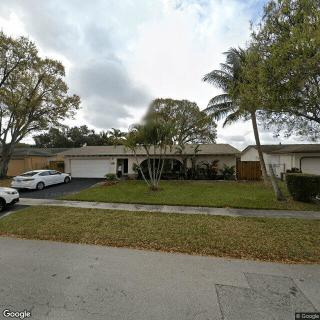
Ana's Assisted Living Facility
$2,400 / month9.0 miles away -
from -$280 / mo

Miami Jewish Home & Hospital for the Aged
$2,220 to $7,500 / month19.7 miles away -
from -$305 / mo
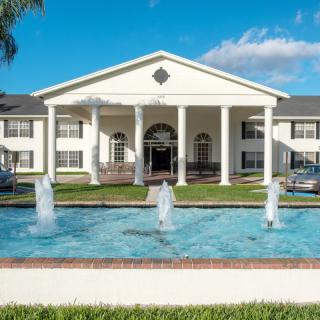
Grand Villa Of Delray East
$2,195 to $4,495 / month24.4 miles away -
from +$200 / mo
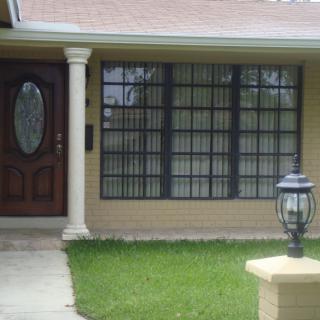
Flamingo Assisted Living
$2,700 to $4,500 / month3.2 miles away -
from -$305 / mo
Grand Villa of Deerfield Beach
$2,195 to $2,995 / month13.6 miles away
Overall Review of Anne Adult Family Care Home
Pros
 The care their mother received was beyond measure.
- Staff cared for residents' mothers the way families care for their own at home.
- The staff are very knowledgeable, conservative with medications, and follow families' directives and wishes.
- The food is great and the home is easy for clients with memory issues to navigate.
- They communicate well with families and maintain an open-door philosophy.
- They provide nurturing, compassionate, dignity-restoring care at Ann's Adult Family Home.
- The home is beautiful and neat, and the family is incredibly sweet and nurturing.
- The family is hospitable and caring, highly recommended as an adult family home.
- The staff are very nice and experienced; they are recommended for anyone seeking a place for a loved one.
- The house is beautiful and the staff are very nice.
Review
Anne Adult Family Care Home in Ft. Lauderdale is best suited for families seeking a small, intimate, home-like setting where a loved one can receive highly personalized attention, compassionate daily care, and clear communication with caretakers who treat residents like family. This community excels for seniors who benefit from a nurturing, family-driven atmosphere, where staff know each resident by name, monitor medications thoughtfully, and respect family directives. It is especially well-suited for individuals with memory challenges who require a straightforward, navigable layout and a calm, predictable routine. Those who value constant availability of staff, a dignity-centered approach, and strong, open channels of communication will find this environment comforting and practical. In short, it serves as a powerful option for families prioritizing relationship-focused care in a homelike setting.
For families weighing alternatives, attention should be given to residents with more intensive medical needs or a desire for more expansive programming and on-site medical resources. If 24/7 skilled nursing oversight, complex wound care, or access to a broader slate of therapeutic activities is essential, larger assisted living or dedicated memory care facilities may be more appropriate. Likewise, if a resident thrives on a bustling campus with extensive social schedules, frequent outings, or more formal programming, a bigger community could deliver a more varied calendar. Anne Adult Family Care Home shines precisely because it trades size for depth: the care feels deeply personalized, but that comes with the trade-off of fewer high-volume services than a larger operation.
The strongest pro-to-con balance centers on staffing relationships and family engagement. The staff’s knowledge and conservative approach to medications, balancing safety with respect for family wishes, translate into a sense of dependable, home-like safety. Families consistently report that care mirrors what they would provide at home, with staff who are attentive without being intrusive, and who follow directives while maintaining ongoing dialogue. An open-door philosophy means families stay informed and involved, which reduces anxiety about who is supervising daily routines. This level of attentiveness is particularly meaningful for residents with memory issues, as caregivers who know preferences and routines can prevent agitation and help maintain dignity. When these relational strengths are weighed against the limitations of a smaller setting, the care system feels more cohesive, less clinical, and easier to trust.
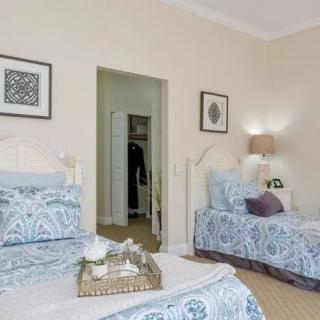
Cleanliness, aesthetics, and comfort further elevate the experience. The home’s neat, attractive environment, coupled with a reputation for hospitable and professional staff, creates a straightforward, low-stress backdrop for daily living. Residents benefit from a house-like atmosphere that minimizes the anxiety some fear in institutional settings. The meals are described as high-quality, and the overall environment supports easy navigation for those dealing with memory challenges. In practice, this translates into fewer relocations or detours for everyday activities, greater independence in small choices, and a stronger sense of belonging. While the setting may not replicate every nuance of a large-scale community, its charm, order, and dependable personnel make it a practical choice for families prioritizing comfort and continuity.
The most important caveat is that this model may not satisfy families seeking expansive campus amenities or intensive medical infrastructure. The strength of intimate care can also imply a leaner operation on routine social programming and on-site medical services. Yet, the very elements that define its charm, close-knit staff, proactive communication, and a home-like pace, often offset these gaps by reducing confusion, stress, and the need for frequent transitions. For many families, the trade-off is worth it: the resident receives constant, compassionate oversight and a consistent care voice that aligns with the family’s goals, rather than a revolving door of caregivers or impersonal policy. The result is continuity of care that can be more impactful than the breadth of services found in larger settings.
When evaluating whether Anne Adult Family Care Home is the right next step, focus on concrete, practical criteria. Observe how staff interact with residents during a visit, noting whether they initiate conversations, listen to preferences, and demonstrate patience. Confirm the medication management process, ask who handles changes in prescriptions, and verify how family directives are documented and enacted. Taste-test the meals and assess the kitchen’s cleanliness and meal flexibility for dietary needs. Inquire about the ease of arranging physician visits, the availability of on-site therapies, and the plan for escalating care if a condition worsens. Understand the daily structure: is there a predictable routine that suits a loved one’s temperament, or does the day feel too fluid for someone who thrives on routine?
In the end, Anne Adult Family Care Home stands out as a confidently strong match for families prioritizing a warm, individualized, home-centered care model. It delivers exceptional relational care, transparent communication, and a dignified, well-maintained living space that residents and families alike can trust. Those who value close-knit staff relationships, a calm environment, and a proven capacity to honor family wishes will find this community a compelling choice. For families needing robust, campus-style amenities or advanced medical services, exploring larger facilities remains prudent. But for steady, compassionate everyday care delivered with integrity, Anne Adult Family Care Home earns a clear recommendation: it is a reliable, thoughtful option where the daily experience matters as much as the medical oversight.
 Board and Care Home
 Memory Care
 Activities on-site
 Devotional services off-site
 Indoor common areas
 Fort Lauderdale-Hollywood International (3 miles away)
 Ambulatory care
 Diabetic care
 Incontinence care
 Medication management
 Meals provided



 A Detailed Exploration of Assisted Living Medicaid Waivers Across the United States
 Exploring the Contrasts Between Assisted Living and Skilled Nursing
 Vibrant Senior Living: A Comprehensive Guide for Active Older Adults