
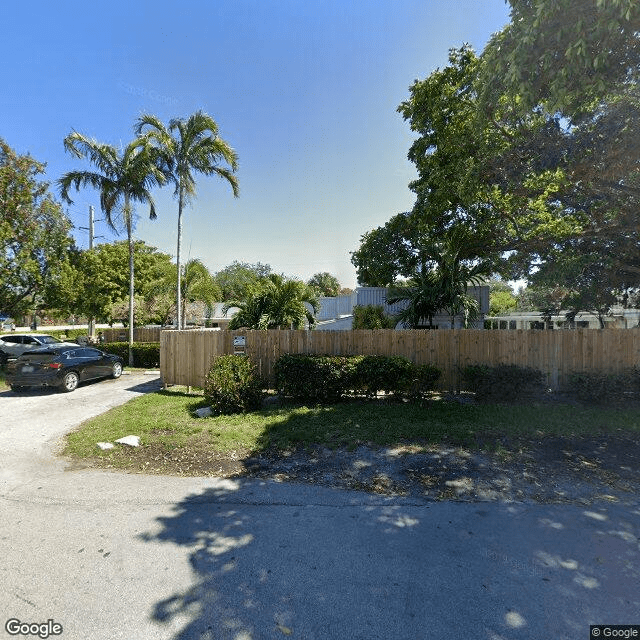
1400 SW 26th St, Fort Lauderdale, FL 33315
To contact a resident: (954) 524-7233
For more information about senior living options: (866) 208-4318
Overall Review of Safe Harbour Retirement Home
Pros
 The facility is very clean.
- Music, dance, and sing-along activities are offered.
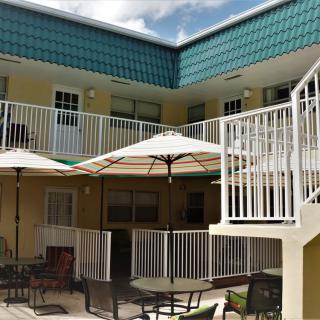
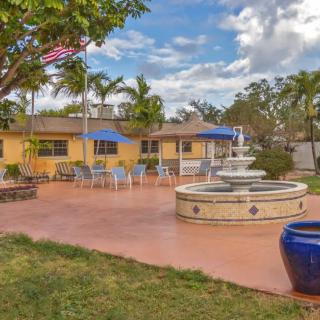
- There is a patio and a TV room.
- It is close to a mini mall across the street.
- The residents were well taken care of.
Cons
 It is not a place for loved ones to be safe and taken care of.
- It broke the reviewer’s heart to hear that a niece on a telephone call was screamed at by an employee who refused to help bathe her.
- The reviewer would never leave their loved ones there.
Review
Safe Harbour Retirement Home in Fort Lauderdale is best suited for seniors who want a smaller, home-like setting where social life is front and center, and residents can thrive on regular, staff-led activities. The property presents a clean, well-maintained space with accessible common areas, patio, TV room, and organized music, dance, and sing-alongs, that invite engagement and conversation. Proximity to a nearby mini-mall across the street adds practical convenience for families managing errands and visits. This combination makes life feel active and neighborly. The core caveat: the community’s appeal rests on social vitality and basic upkeep, not on a consistently high level of safety or medical support.
For families prioritizing dependable safety and consistently respectful, responsive care, this community requires careful scrutiny or outright alternative consideration. Reported incidents describe a caregiver interaction that escalated into yelling and a lack of assistance with bathing, a combination that signals potential gaps in supervision and staff training. With only a handful of reviews on record, the absence of broad corroboration makes these concerns more difficult to dismiss. In such cases, risk tolerance matters: if peace of mind around daily care and personal dignity is non-negotiable, exploring other options with longer track records of safe, attentive caregiving is prudent.
The strongest positives lie in cleanliness, attractive social programming, and convenient amenities. A consistently clean environment supports residents who value dignity and comfort, while music-filled activities and amenity spaces create meaningful daily structure. The ability to stroll to nearby stores or enjoy a patio and TV room can enhance quality of life for residents who do not require intensive clinical supervision. These advantages are meaningful and tangible, and they can meaningfully offset a modest level of staffing variability for families that can stay closely involved and with whom the community maintains open lines of communication.
Yet, the cons cannot be ignored. The most serious red flag is the allegation of mistreatment and poor caregiver conduct, including temperamental outbursts and refusal of basic personal care. Such behavior undermines trust and safety, and it’s essential for any prospective resident to see how administration addresses these concerns, what training exists, what supervision, and how quickly issues are escalated and resolved. The limited review pool amplifies the risk that a single negative incident could skew overall impressions. Families must verify current staffing stability, review incident reports, and seek up-to-date assurances before committing funds or placing a loved one in daily care.
If medical needs are moderate to high, or if dementia and complex supervision are likely, alternatives with higher nurse staffing ratios and formal oversight should be strongly considered. Larger assisted living facilities or retirement communities with on-site nursing, better standardized caregiver training, and transparent complaint-resolution processes often deliver more predictable care. For Fort Lauderdale families, this means weighing the benefit of social programming and proximity against the assurance that comes from consistent, qualified personnel and a track record of safe, respectful care.
The practical takeaway is to proceed with deliberate diligence. A tour should be complemented by unannounced visits, conversations with several staff members, and a request for recent care plans and incident logs. Ask about caregiver-to-resident ratios, staff turnover, and steps taken when concerns arise. Confirm the exact scope of services covered by fees and whether there are aging-in-place or memory-care options if needs evolve. If the balance tips toward social vitality and a manageable level of risk, Safe Harbour can be a fit; if not, reliable alternatives exist that offer stronger assurances of safety and constant, professional caregiving.
 Assisted Living
 Independent Living
 Activities on-site
 Devotional services off-site
 Indoor common areas
 Fort Lauderdale-Hollywood International (1 miles away)
 Ambulatory care
 Diabetic care
 Meals provided



 Securing Financial Support for Assisted Living: A Comprehensive Overview
 Social Security Benefits and Assisted Living: Navigating Options Across the U.S.
 An Extensive Exploration of the VA Aid and Attendance Benefit