
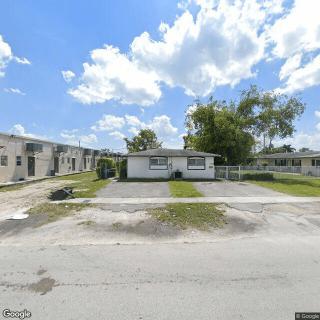
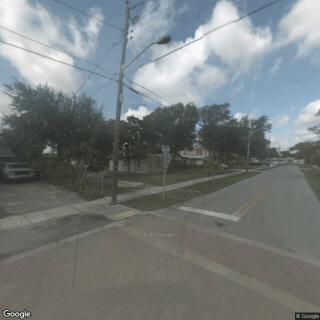
1708 South West 11 Ct, Fort Lauderdale, FL 33312
For more information about senior living options: (866) 208-4318
Overall Review of Anne Assisted Living Facility
Pros
 Annie's Retirement Home is a family-run operation led by Annie, whose kindness and empathy define the compassionate care it provides.
- The staff and owners are described as angels, delivering care that comes from the heart.
- The meals are homemade, healthy, and delicious, contributing to residents' well-being.
- The home is consistently clean and well organized, creating a comfortable living environment.
- Care is individualized and patient, with attentive support for emotional and physical needs.
- The staff treat every resident like family, offering loving and respectful care.
- The team coordinates with families, doctors, and insurers to ensure comprehensive support and peace of mind.
Cons
 Terrible place.
- They do not take care of your loved ones like they should.
Review
Anne (Annie’s) Retirement/Home in Fort Lauderdale operates best for families seeking a warm, small-scale, dementia-capable environment where care feels deeply personal and genuinely heartfelt. This community shines when residents benefit from a family-run atmosphere, hands-on oversight by the owner, and a culture that treats every guest as part of an extended family. The strongest fit is for seniors who value homelike surroundings, routine, and direct access to the people providing daily care. Families that prioritize home-cooked meals, cleanliness, and emotional warmth will find this setting particularly compelling. For dementia care in particular, the facility’s approach, patient, individualized, and anchored in consistent attention, tends to produce steady, reassuring routines that can ease the toughest moments of the illness. In short, this is a strong match for those who want empathy-driven care in a cozy, home-sized setting.
Those considering alternatives should look beyond this operation if the primary need is a larger, more clinical environment or a facility with extensive on-site medical programs. For residents requiring significant skilled nursing, regular on-site therapy with strict clinical schedules, or access to a broad cadre of specialists, a bigger community with formal medical staffing might be preferable. Likewise, families seeking rigid, institution-like structures, or programs with a broad spectrum of campus activities and amenities found in larger campuses, may want to evaluate other options. A noted caveat is that one review pointed to concerns about the level of care; while not representative of the majority experience, such a perspective should prompt thorough observations during a tour. Financial processes should be clarified up front as well, given reports of delays in settling a final bill in at least one case.
The upside rests on several consistently praised strengths. The owner, Annie, and her team, particularly Ana, Niza, and Ciro, emerge as the defining difference, delivering care that feels authentic, considerate, and genuinely attentive to individual histories. The care philosophy emphasizes “guest” care, with staff who coordinate with families, doctors, and insurers, smoothing transitions and ensuring needs are met with patience. The meals are repeatedly highlighted as homemade, nutritious, and flavorful, contributing to daily satisfaction and overall well-being. The facility itself is described as clean, organized, and functional, with residents who appear well-groomed and attended to. For families navigating dementia trajectories, this level of personalized attention can translate into calmer days, fewer distressing episodes, and a sense that the elder’s dignity remains central to daily routines.
However, the narrative is not without tension. A minority voice raised a serious concern about the level of care, reminding prospective families that even the best intentions can be uneven in practice. Additionally, the logistical side of a smaller, family-run operation may involve more direct involvement from families in coordinating services, insurance matters, and doctor appointments, which can be demanding during difficult times. Another practical caveat is the potential mismatch between expectations and the facility’s scale; fewer residents can mean fewer formal programs or structured activities, which may matter to residents seeking a busier social calendar. Finally, while caregiving is deeply compassionate, the environment might not deliver the same clinical robustness as larger, more resource-rich communities.
Despite these caveats, the core pros largely offset the main drawbacks when decision-makers prioritize emotional resonance, continuity of care, and transparent, hands-on leadership. The compassionate culture, anchored by Annie and her trusted aides, translates into a level of responsiveness and flexibility that many families find invaluable during dementia’s evolving needs. The intimate setting fosters meaningful relationships between staff, residents, and families, enabling easier communication, more precise care plans, and adjustments as conditions change. Cleanliness, homestyle meals, and a gentle rhythm of daily life add layers of comfort that can outweigh the potential downsides of a smaller operation. When families seek reassurance that their loved one will be treated with respect and kindness, the strength of the caregiver relationship often eclipses logistical frustrations.
The practical takeaway is clear: this community is a compelling choice for families prioritizing heart-led, dementia-capable care in a home-like setting. It is less suitable for those who insist on a large-scale campus with a broad menu of clinical services or for families uncomfortable with a highly personal, owner-led model that requires proactive engagement with care decisions. Prospective buyers should schedule direct conversations with Annie, and seek candid input from current families about day-to-day routines, meal quality, and how transitions in dementia care are managed. Ask to observe meals, the interaction between staff and residents, and the way medical updates are communicated. Confirm the billing process and timelines to avoid surprises at move-in or discharge. In the end, the recommendation is to move forward with a visit, trusting the overwhelmingly positive stories of warmth and individualized attention while verifying that the care structure aligns with the resident’s medical needs and family’s expectations.
 4 resident community capacity
 Assisted Living
 Cable or satellite TV
 Dining room
 Fully furnished
 Garden
 Housekeeping services
 Move-in coordination
 Outdoor space
 Telephone
 Wi-Fi/high-speed internet available
 Fort Lauderdale-Hollywood International (3 miles away)
 24-hour supervision
 Activities of daily living assistance
 Assistance with bathing
 Assistance with dressing
 Assistance with transfers
 Diabetes diet
 Meal preparation and service
 Medication management
 Special dietary restrictions
 Transportation arrangement (medical)
 Transportation to doctors appointments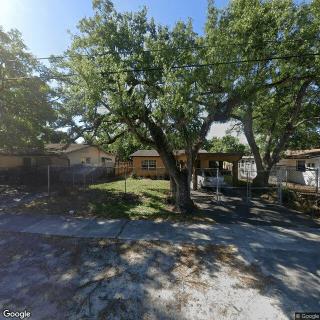




 Understanding Medicaid Coverage for Assisted Living: A Comprehensive Guide
 How and When Medicaid May Cover Assisted Living Costs
 A Detailed Exploration of Assisted Living Medicaid Waivers Across the United States