At Seven Lakes Memory Care, the monthly costs for memory care services are positioned above both Larimer County and the broader state averages. For a semi-private room, residents can expect to pay $5,975, which is significantly higher than the county average of $4,771 and the state average of $4,009. Similarly, those opting for a studio will find their monthly fee at $6,900, compared to Larimer County's average of $4,459 and Colorado's state average of $4,090. These figures suggest that while Seven Lakes offers enhanced services or amenities that may justify the higher costs, potential residents and their families should weigh these expenses against available options in the surrounding areas.
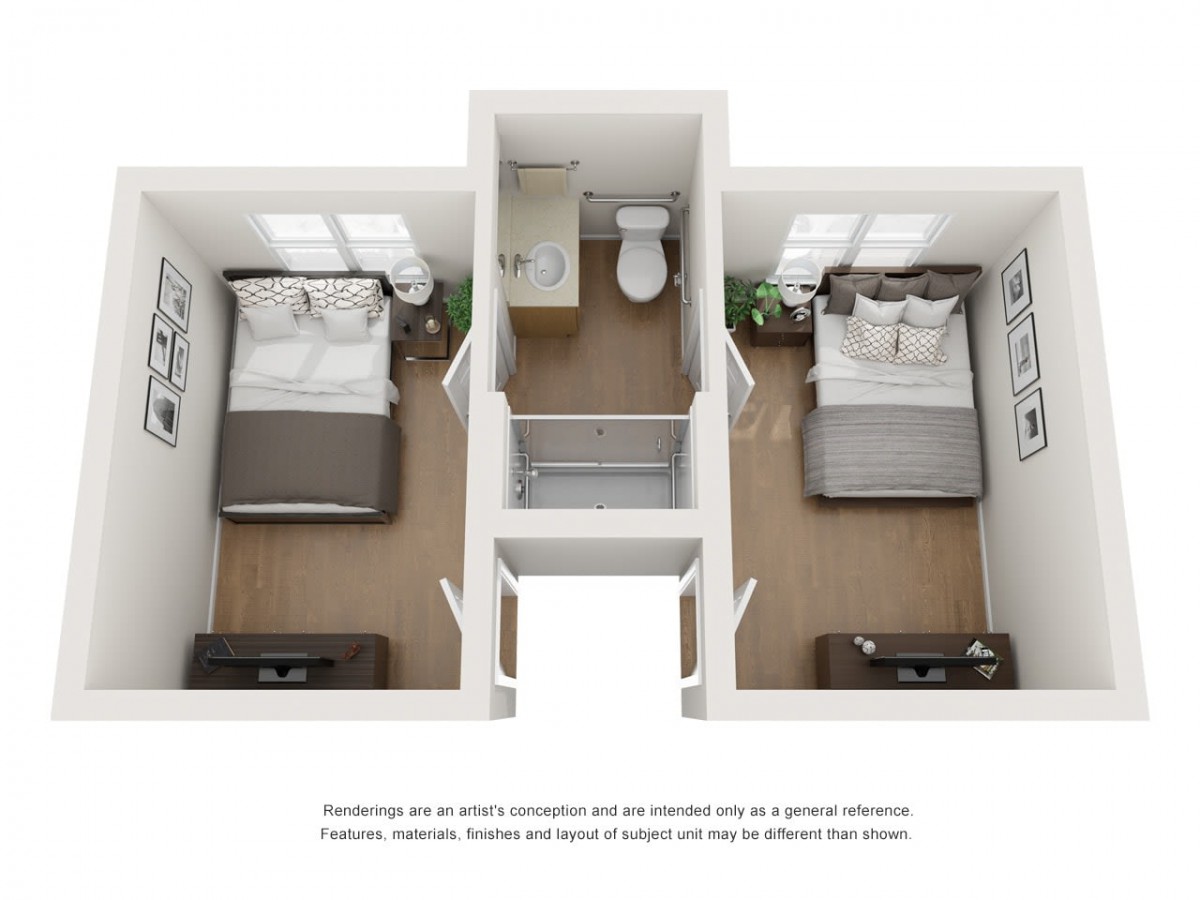
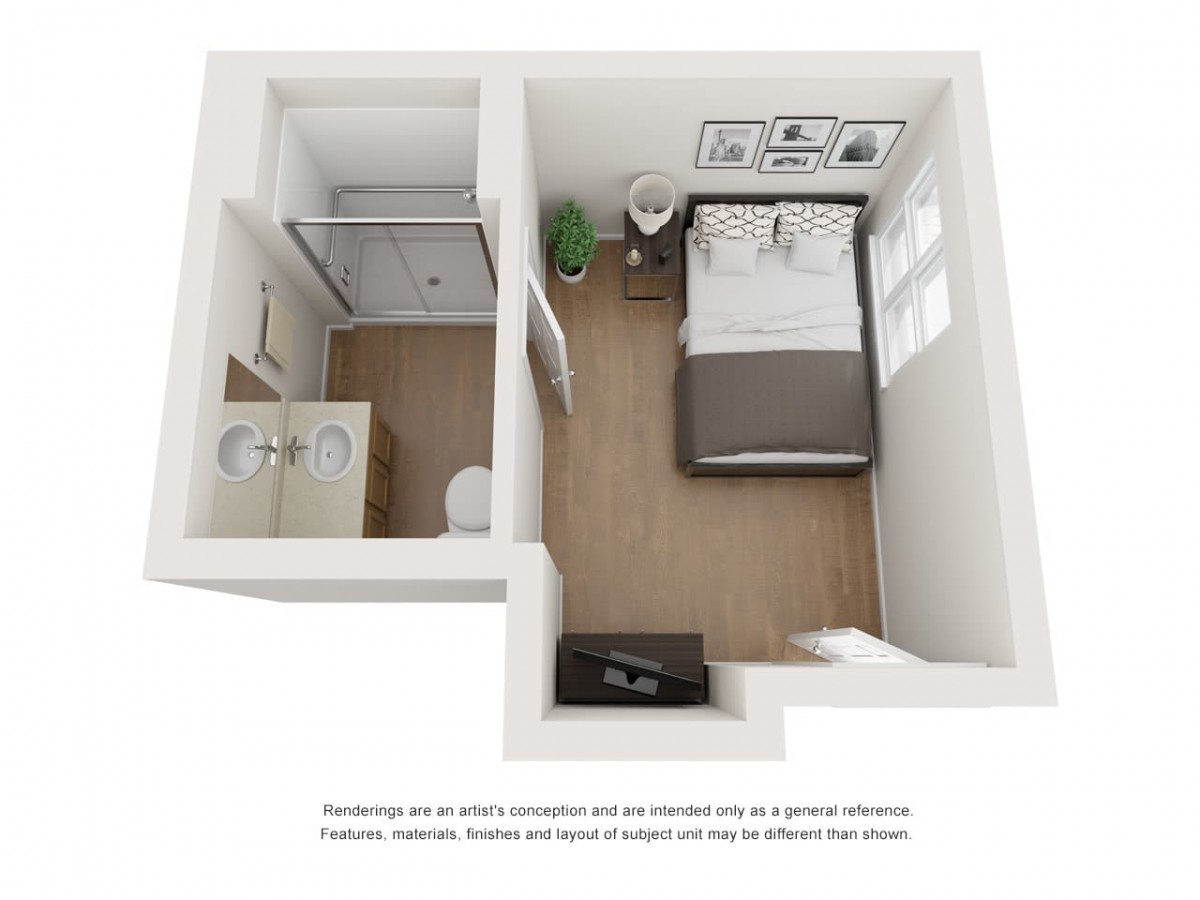
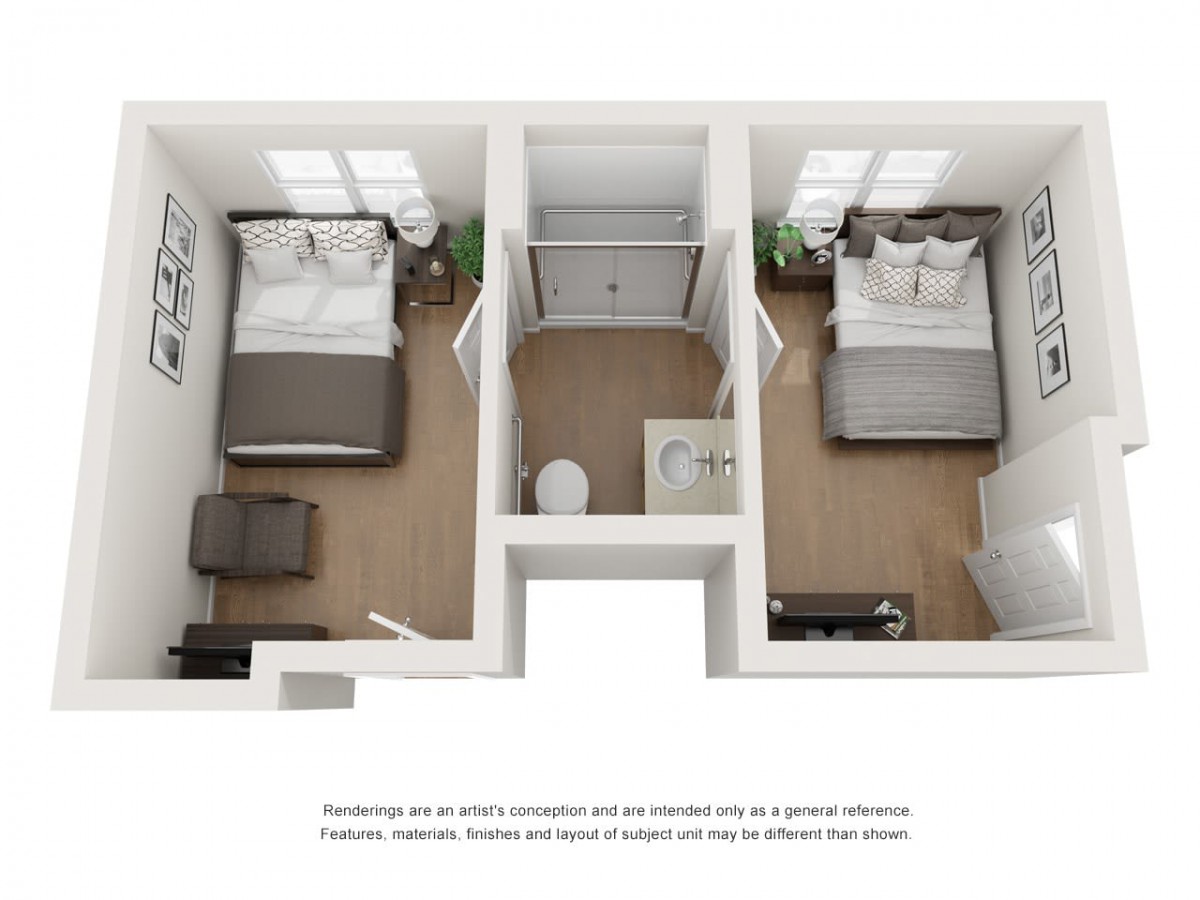
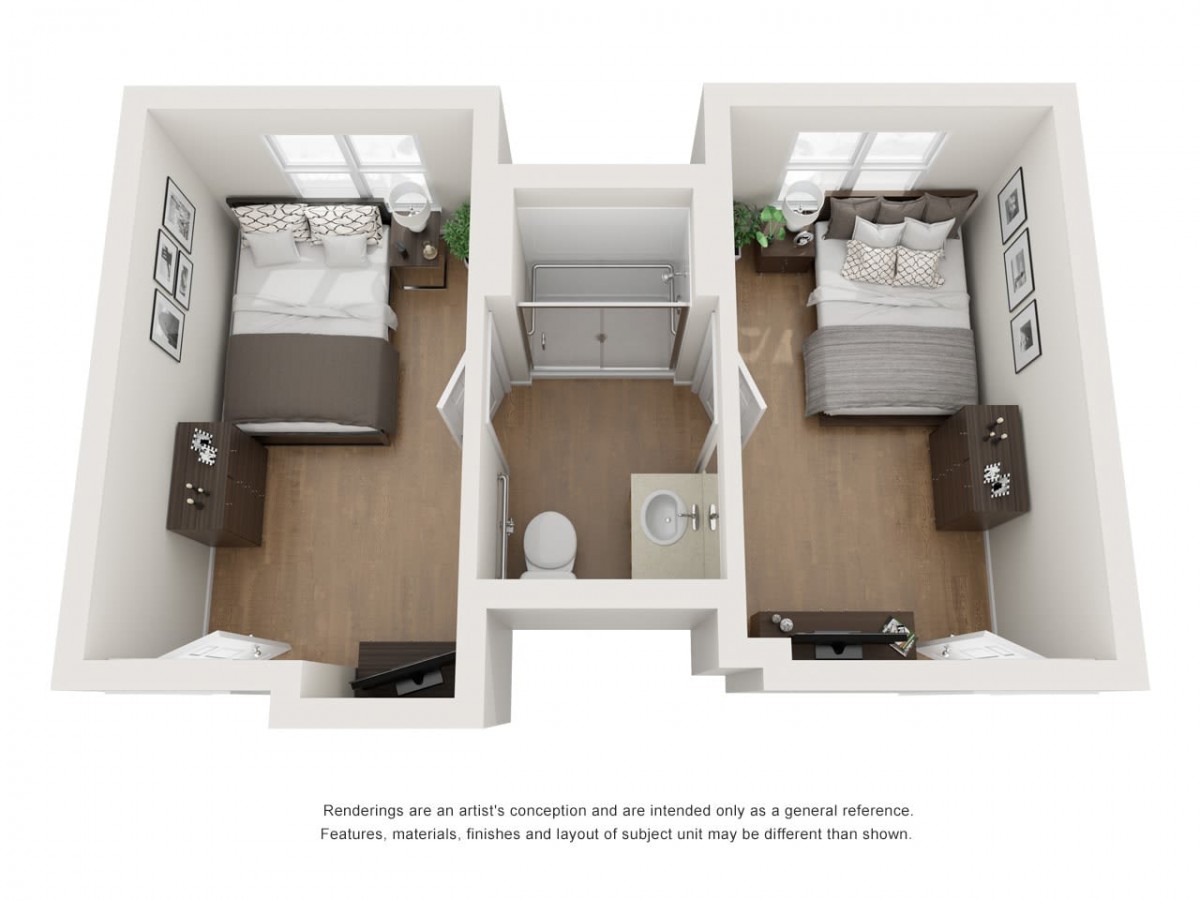
Floor plans
Seven Lakes Memory Care
Larimer County
Colorado
Semi-Private
$5,975
$4,771
$4,008
Studio
$6,900
$4,459
$4,088
Overall Review of Seven Lakes Memory Care
common
Caregivers show daily compassion
Care teams are repeatedly described as compassionate and attentive in day-to-day interactions.
Across the reviews, families describe caregivers who treat residents with kindness and respect and who stay engaged during care moments. Several reviewers also mention that staff help with personal daily needs and are patient while working through difficult dementia-related situations. Communication and follow-through show up often, including staff answering questions and keeping families informed when needs change. A minority of reviews raise concerns about staffing levels and call-button response, but most describe a caring, supportive presence.
common
Memory-focused activities keep residents engaged
Activities and outings come up often, with residents described as meaningfully engaged.
Many reviewers point to structured activity programming, including music, exercise, crafts, and games, as well as outings and events. Several families say their loved ones appear happier and more content when they can participate, and they credit staff for knowing residents’ preferences and personalities. The community’s offerings also extend beyond the room, with references to outdoor time and a calendar of activities. A few reviewers question whether there is enough variety, but the dominant theme is that residents are kept involved throughout the day.
caveat
Food quality is mixed
Food receives mixed feedback, including complaints about temperature and taste.
Some residents and families describe the food positively, including homemade items and desserts. Others say meals arrive cold or that the food quality is disappointing, with at least one reviewer characterizing it as not good or unappetizing. Even where the experience is generally positive, a couple of reviews specifically call out timing or how the meal tastes by the time it reaches residents. This leaves dining as a recurring area where expectations may vary.
caveat
Medicaid not accepted
Residents and families should plan for private payment since reviewers say Medicare and Medicaid aren’t accepted.
Multiple reviews flag payment limitations, including comments that the community does not take Medicare or Medicaid and that it is handled as private pay. One reviewer specifically frames it as a reason for not choosing the community, while another mentions Medicaid not being accepted. If you’re comparing options, this is a key eligibility factor to discuss early rather than assuming coverage aligns with other facilities.
How we summarize
We summarize when many written reviews mention each theme; a review can touch several themes, and only frequently mentioned themes are displayed.
Features
Housing
Studio apartments
Types of Care
Memory Care
Skilled Nursing Facility
Pets
Cats allowed
Dogs allowed
Amenities
Activities off-site
Activities on-site
Air-conditioning
Beautician on-site
Cable or satellite TV
Devotional services on-site
Dining room
Garden
Ground floor units
Guasts at mealtime
Guest parking
Handicap accessible
Housekeeping services
Indoor common areas
Laundry
Outdoor common areas
Resident parking
Respite or short term stays offered
Wheelchair accessible showers
Wi-Fi/high-speed internet available
Transportation
Transportation & parking
Care Services
Ambulatory care
Diabetic care
Incontinence care
Medication management
Dining
Guest meals
International cuisine
Low / no sodium
Meals provided
No Sugar
Professional chef
Vegetarian
Activities
Activities off-site
Art classes
Arts and crafts
Brain fitness
Cooking classes
Day trips and outings
Devotional activities on-site
Educational speakers / life long learning
Fitness programs
Games
Gardening club
Live dance or theater performances
Live musical performances
Stories
Visiting chaplain or priest
Yoga / chair yoga
Videos
Nearby Places of Interest
This part of Loveland, Colorado offers a variety of amenities and services that cater to senior living. With several parks nearby such as Boyd Lake State Park and Benson Park Sculpture Garden, there are plenty of opportunities for outdoor recreation and relaxation. Medical care is easily accessible with physicians like Big Thompson Medical Group and pharmacies such as Good Day Pharmacy in close proximity. The area also boasts a range of dining options from fast food chains like Arby's to local favorites like McGraff's Restaurant. For those looking for entertainment, Metro Lux 14 Theatres is just a short drive away. Additionally, transportation is convenient with Northern Colorado Regional Airport located nearby. Overall, this part of Loveland provides a comfortable and convenient living environment for seniors.
Parks
Boyd Lake State Park (0.6 miles)
Benson Park Sculpture Garden (2.4 miles)
Coyote Gulch Park (4.2 miles)
Windsor Highlands Park (4.8 miles)
Fossil Creek Park (5.2 miles)
Twin Silo Park (5.9 miles)
Physicians
Big Thompson Medical Group (0.8 miles)
Columbine Family Practice (0.8 miles)
Loveland Youth Clinic (1 miles)
McKee Cancer Center (1 miles)
Jennifer Hofmeister, PA-C: Physician Assistant (1.1 miles)
At Seven Lakes Memory Care, the monthly costs for memory care services are positioned above both Larimer County and the broader state averages. For a semi-private room, residents can expect to pay $5,975, which is significantly higher than the county average of $4,771 and the state average of $4,009. Similarly, those opting for a studio will find their monthly fee at $6,900, compared to Larimer County's average of $4,459 and Colorado's state average of $4,090. These figures suggest that while Seven Lakes offers enhanced services or amenities that may justify the higher costs, potential residents and their families should weigh these expenses against available options in the surrounding areas.
Seven Lakes Memory Care's medication management ensures residents receive the correct medications at the right times, minimizing complications and supporting overall health, which is crucial for those coping with cognitive decline. Incontinence care provides essential dignity and comfort, allowing residents to focus on their well-being rather than stress over personal issues, thereby enhancing their quality of life. Additionally, brain fitness programs engage residents in stimulating activities designed to promote cognitive function and slow memory loss, helping maintain mental agility and encouraging social interaction, which are vital for emotional support in this vulnerable population.
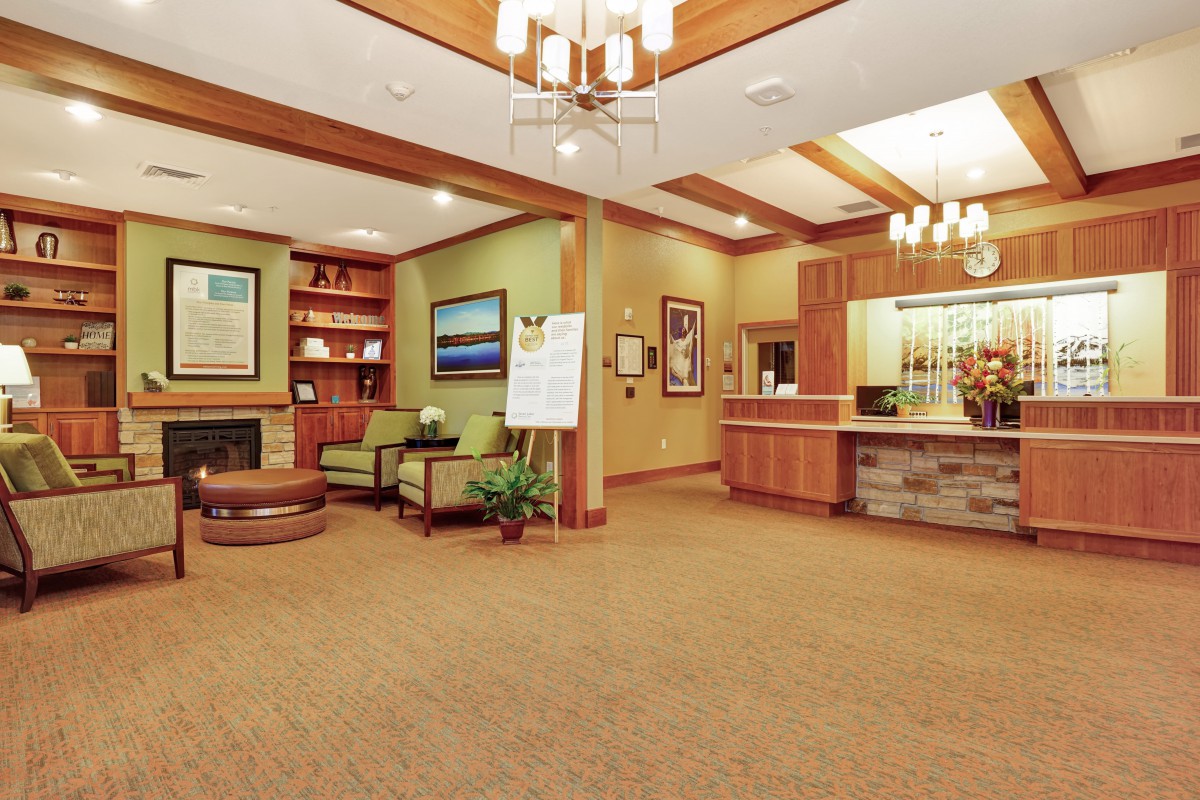
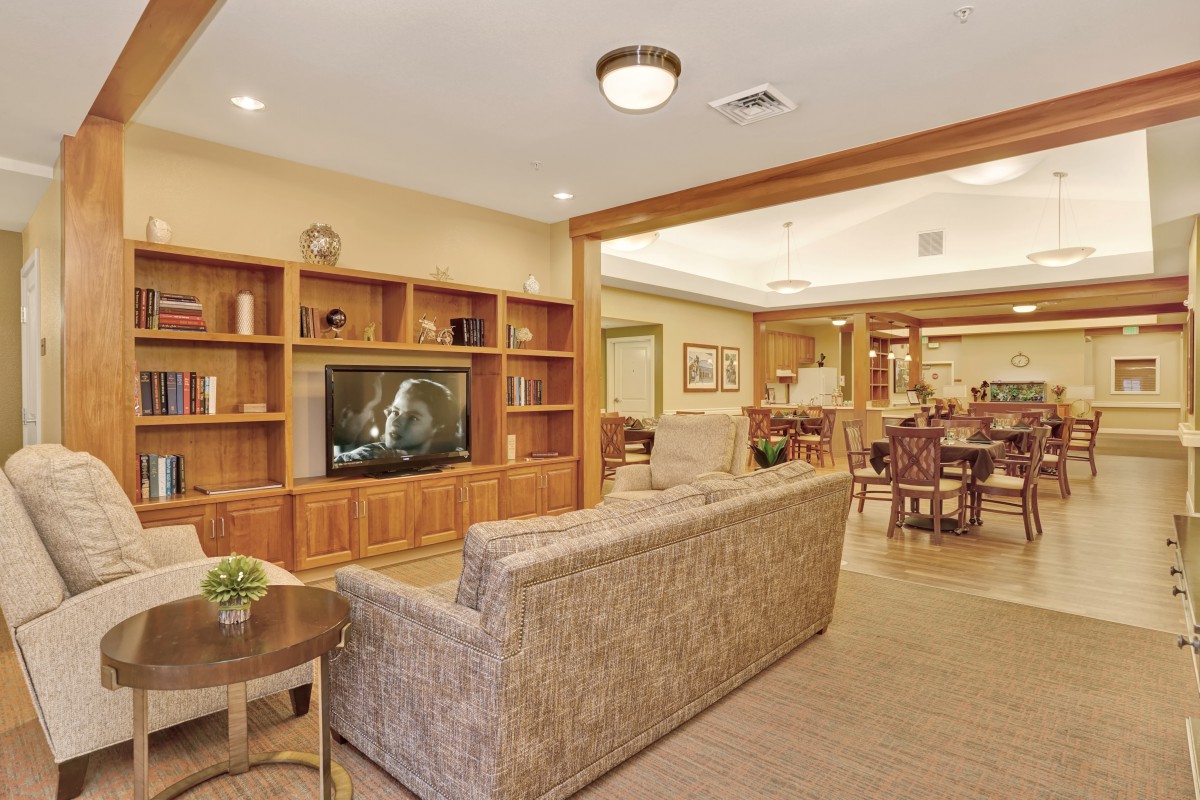
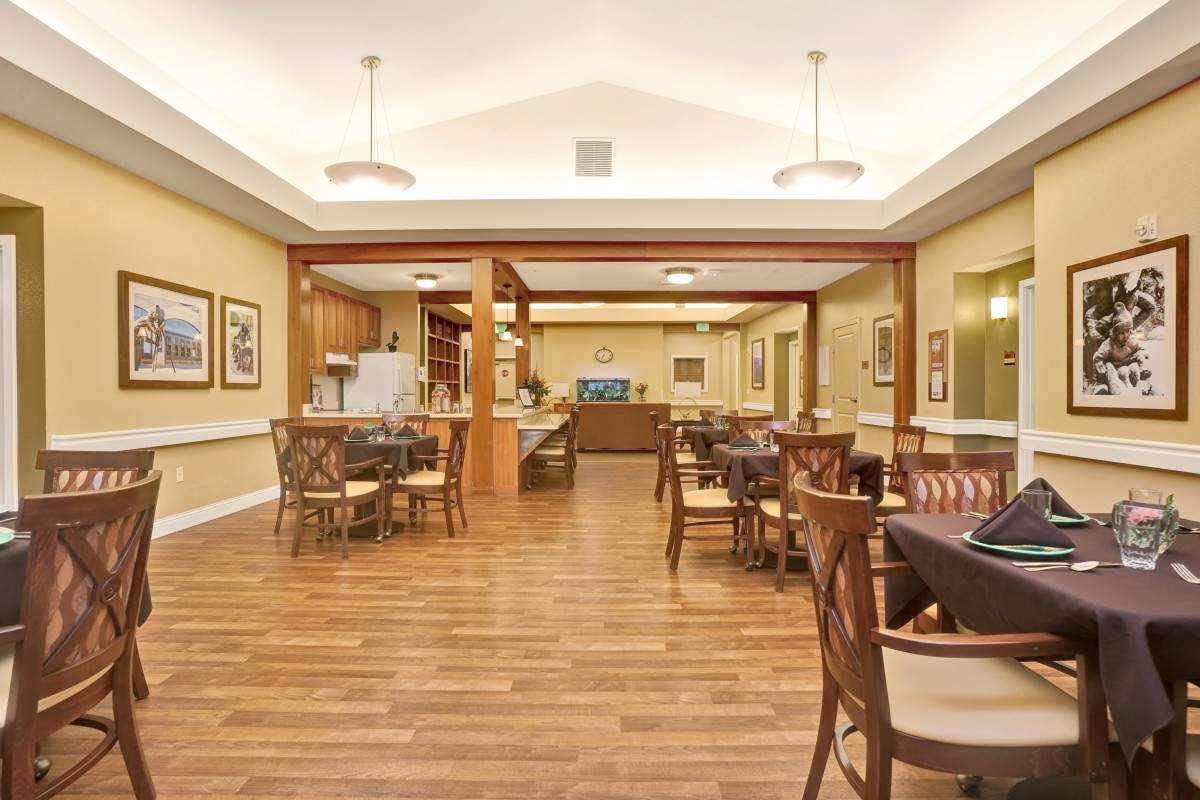
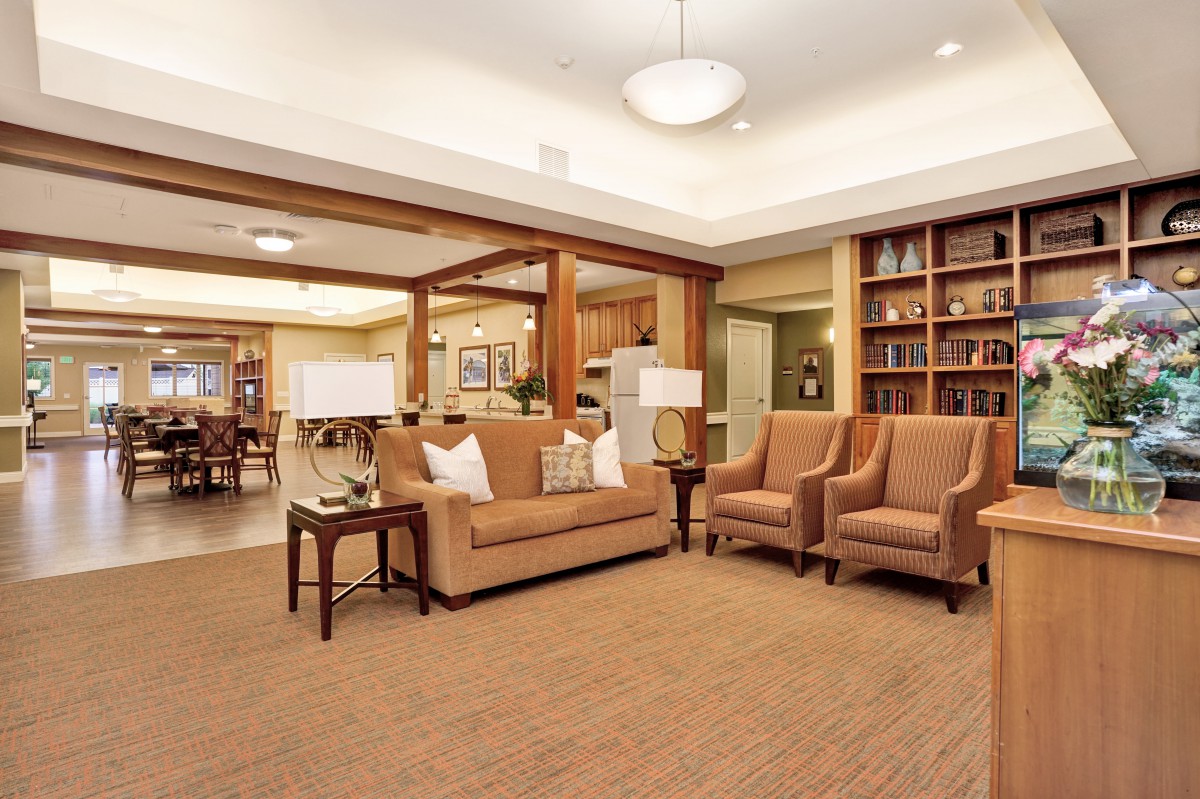
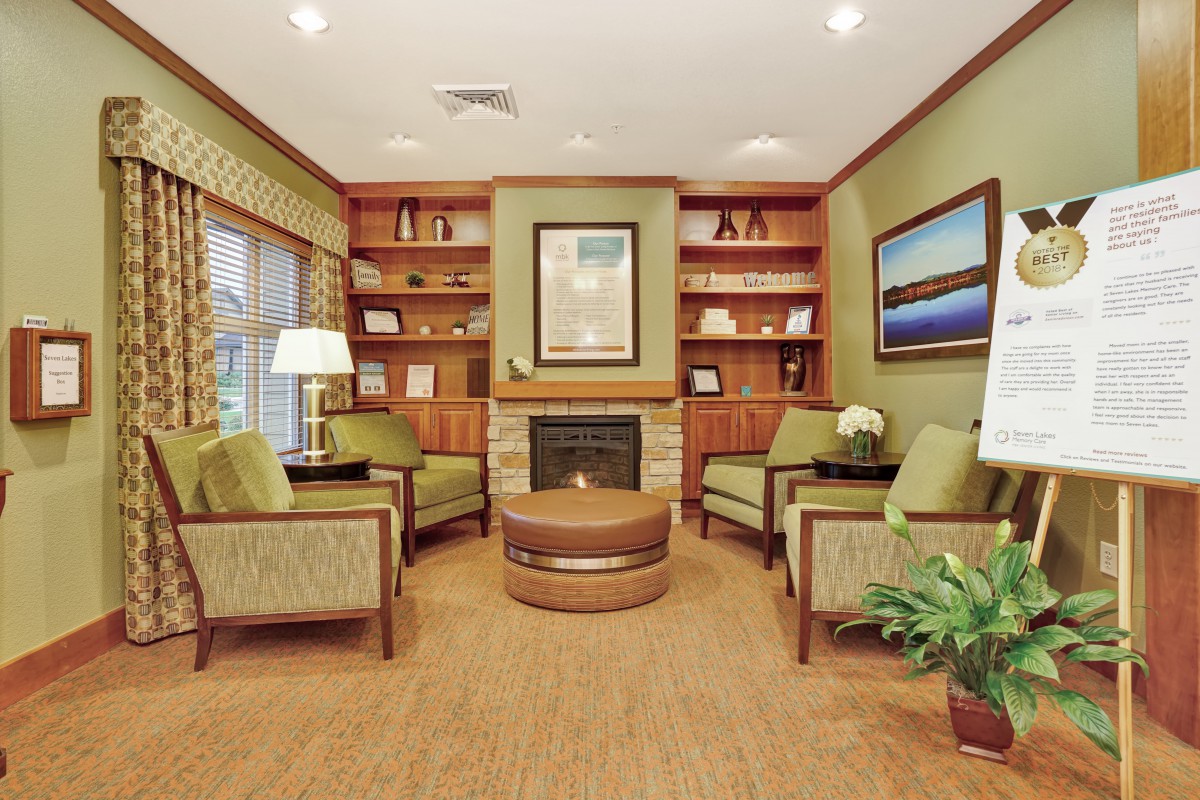
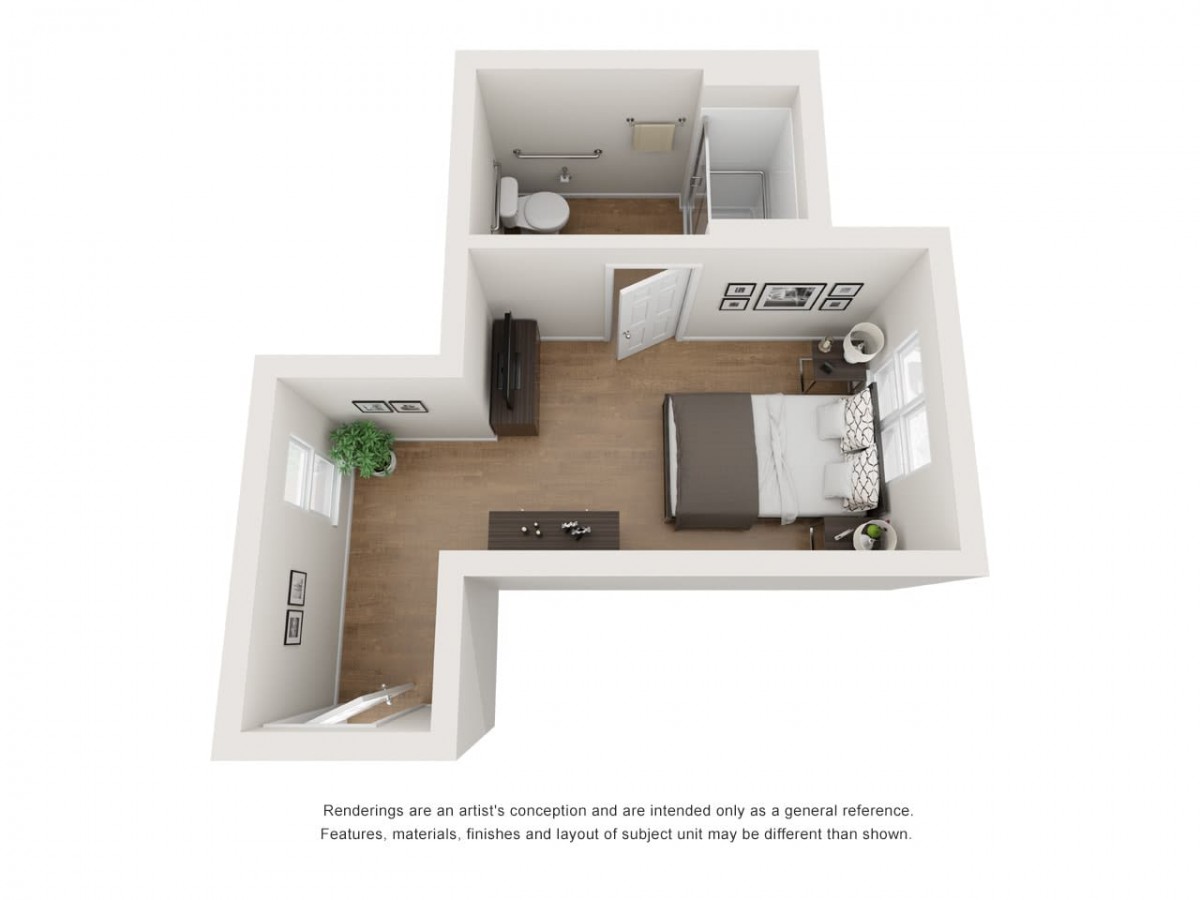
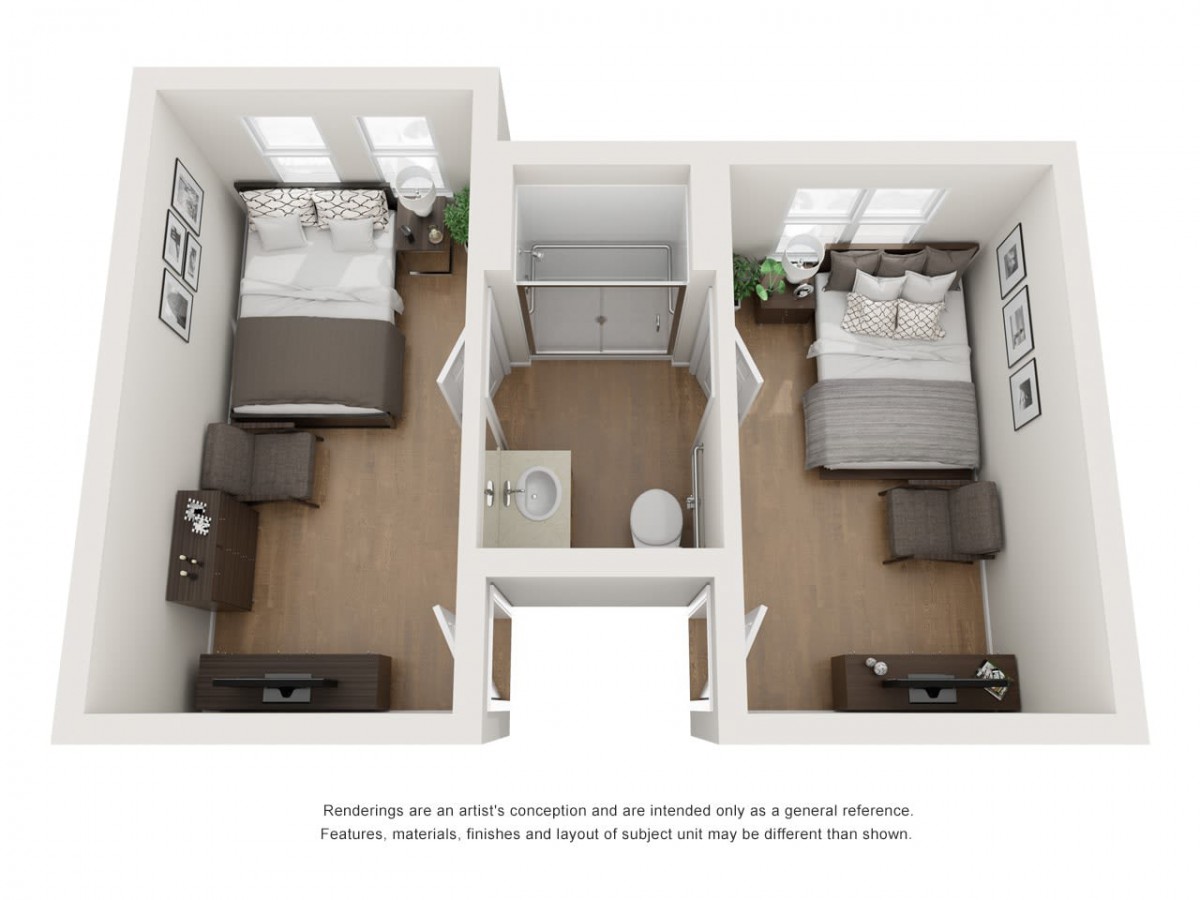
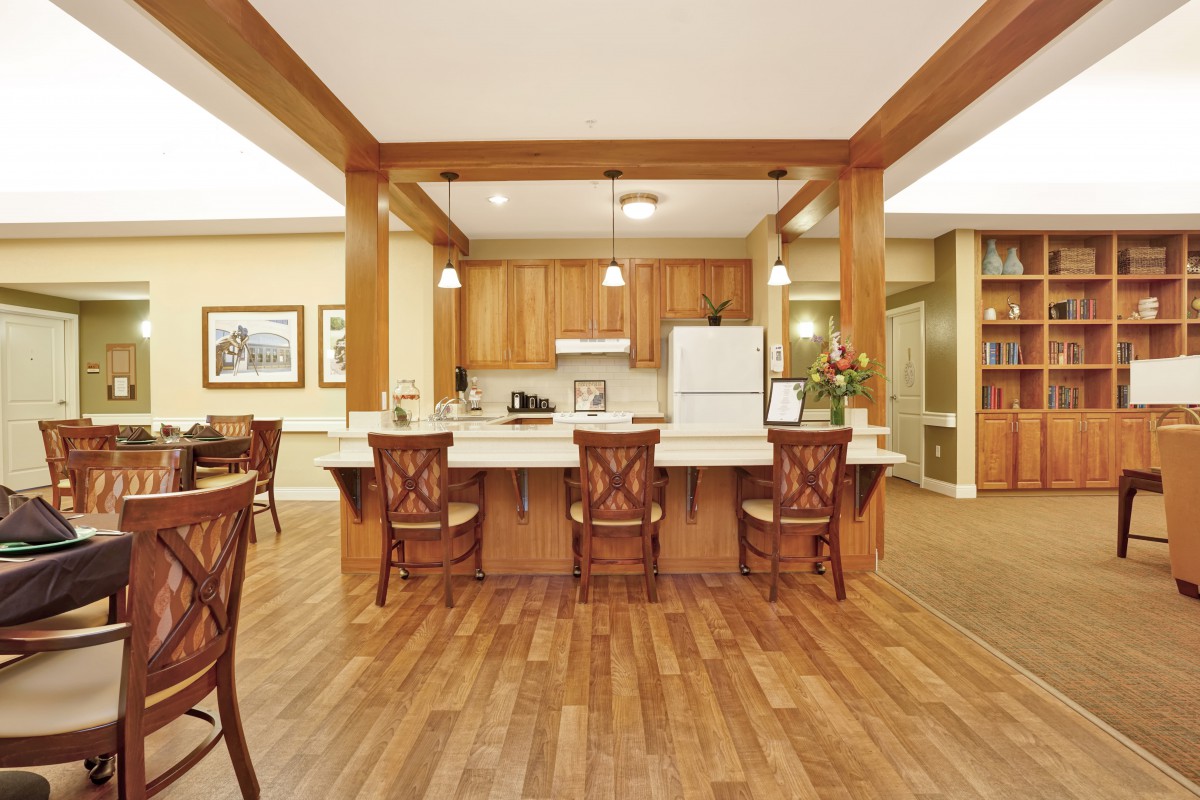
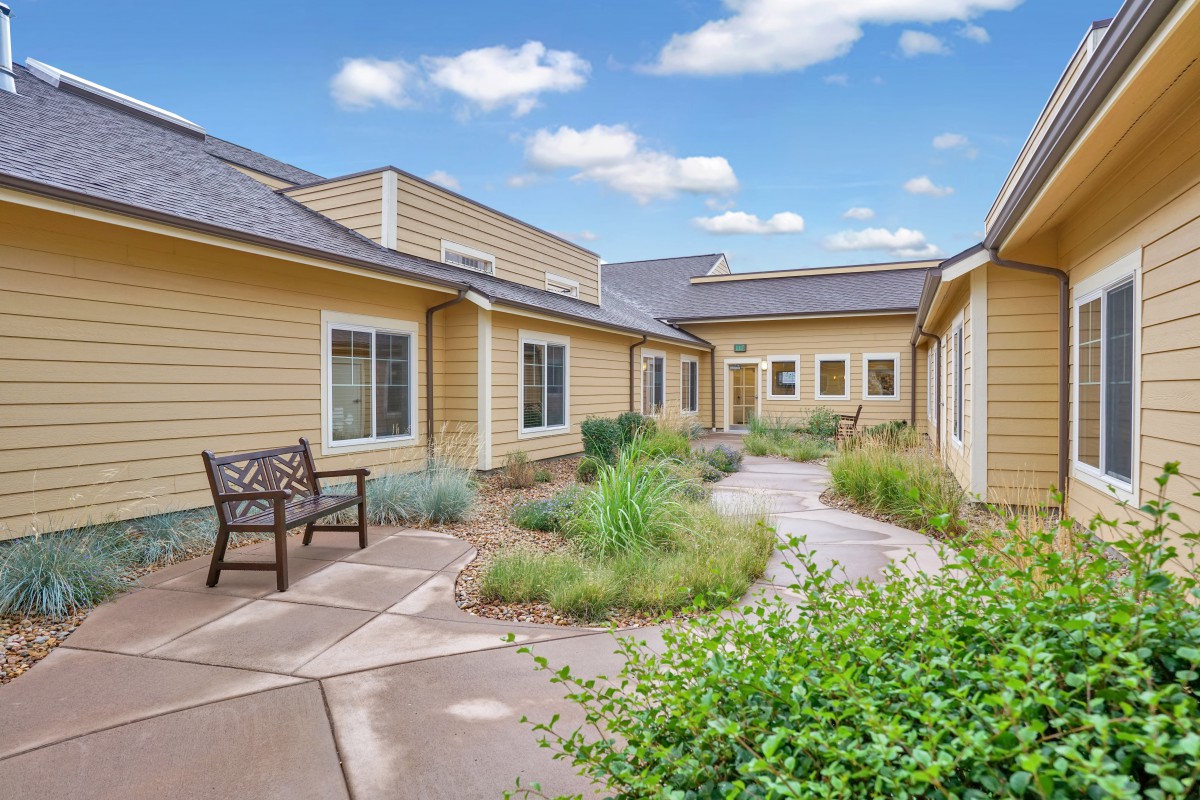
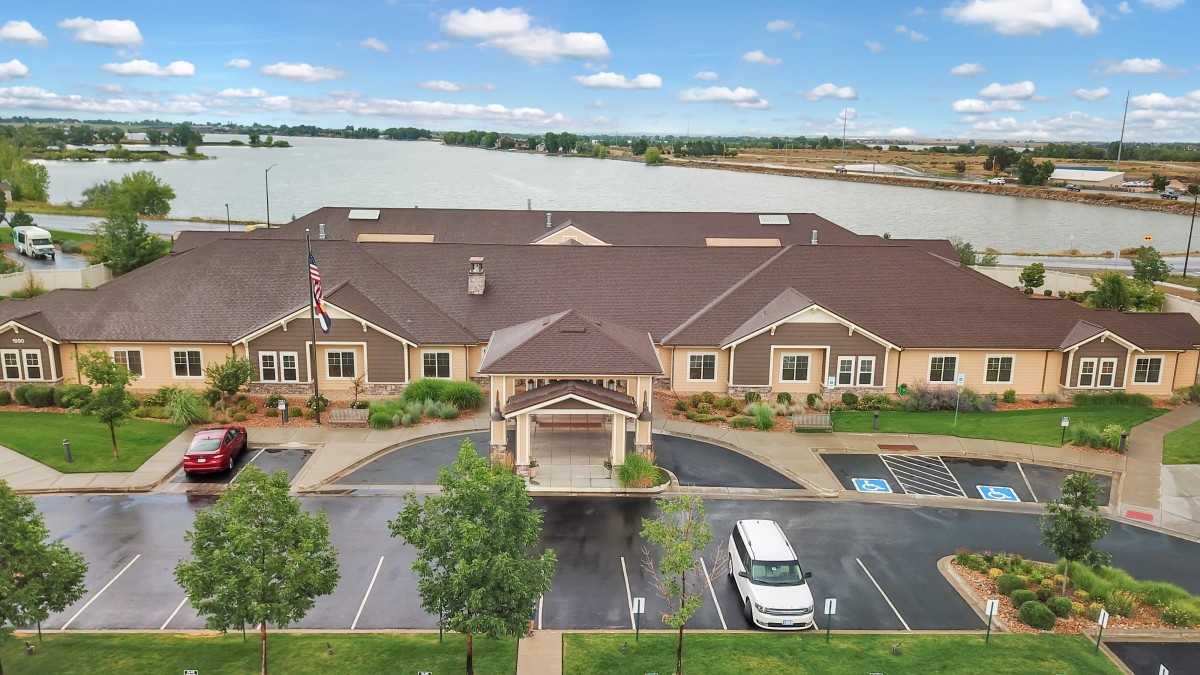
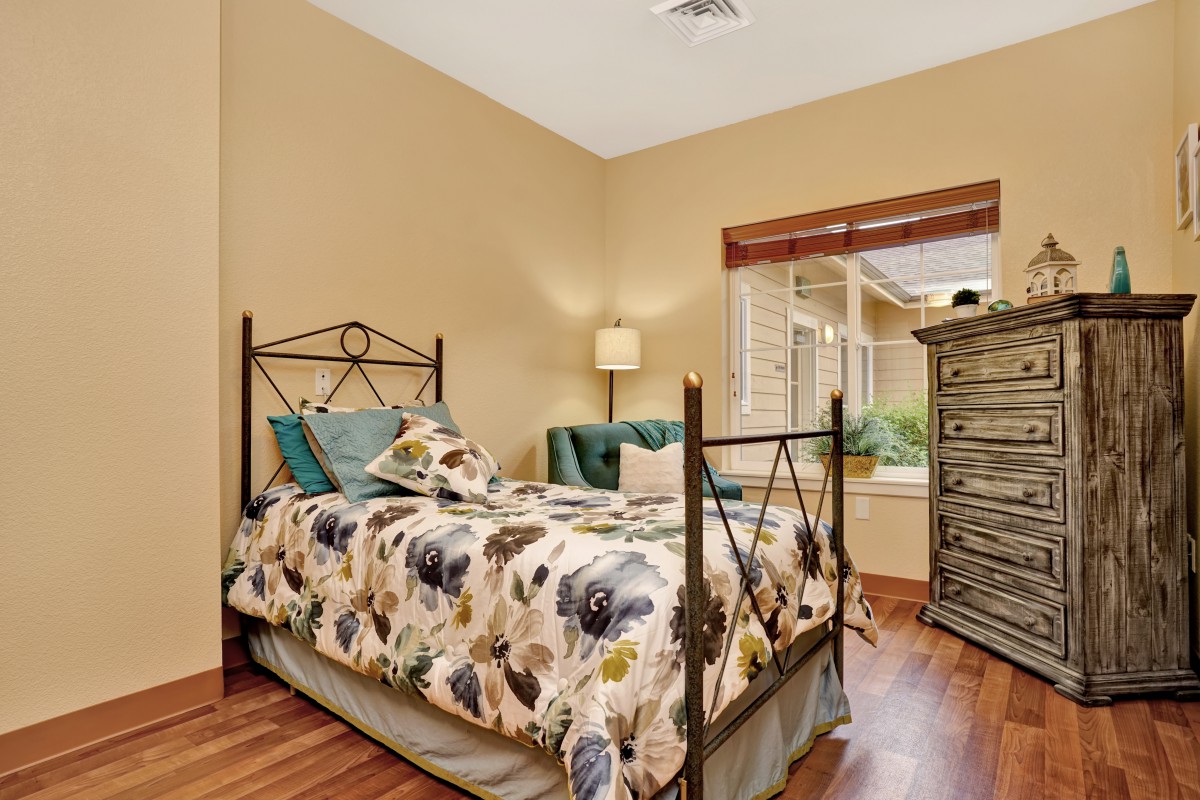
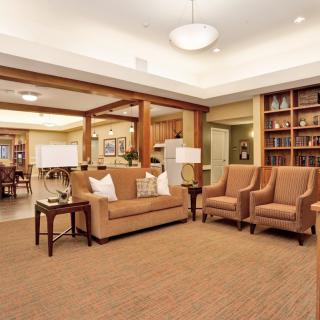
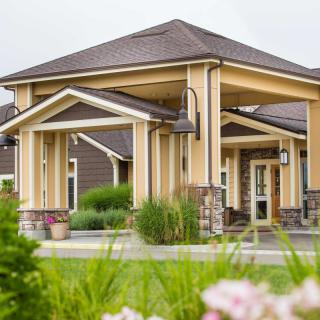
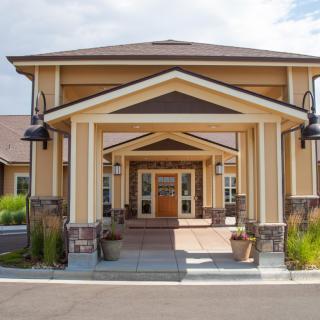
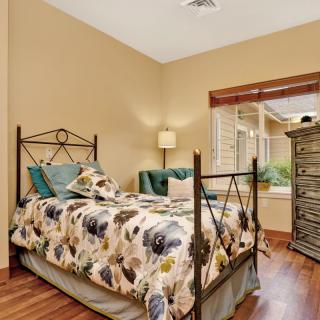
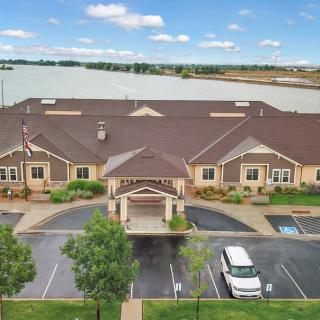
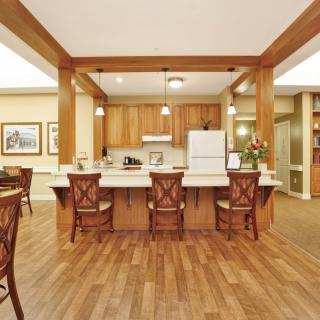
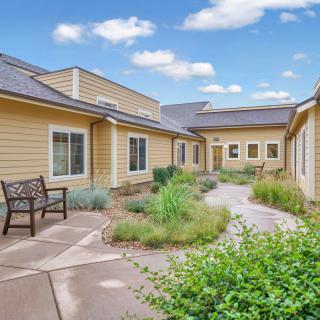
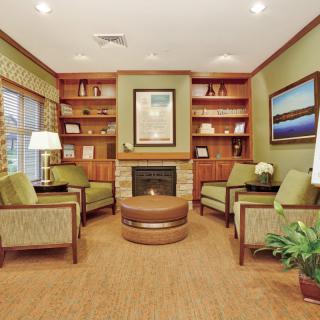
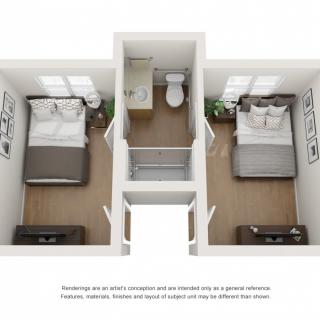
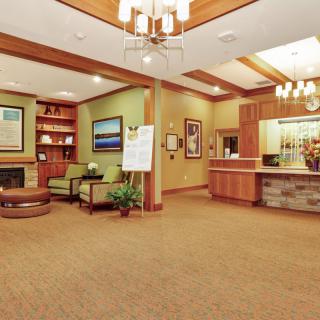
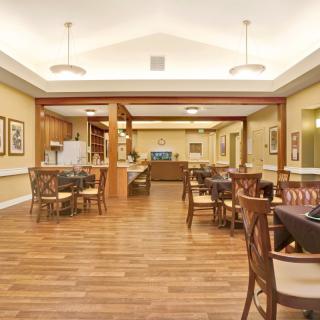
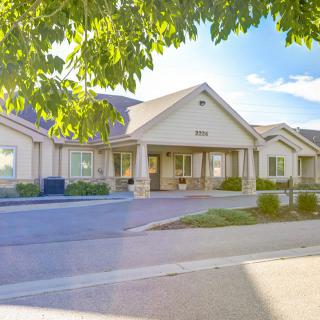
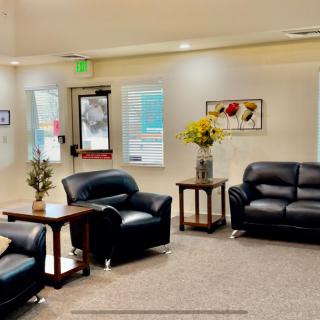
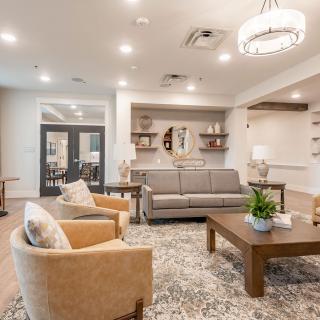
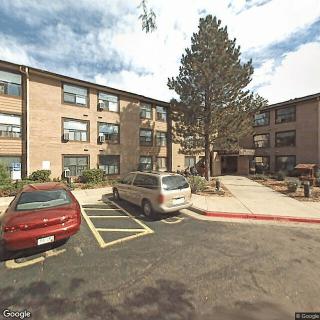
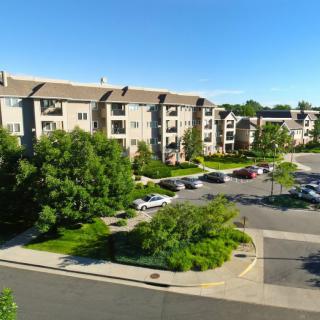
Seven Lakes Memory Care on seniors.fyi includes 18 photos including images showing floor plan, interior, bedroom, bathroom, living room, bookshelves, dining, building, and more.
Nearby Communities
Crystal Terrace Of Klamath Falls
Loveland, CO
4.7 from 43 reviews
24/7 supervision with dementia-focused programming, medication management, and restaurant-style dining, plus private, fully furnished accommodations.
Affinity at Loveland
Loveland, CO
4.4 from 75 reviews
$1,460 to $1,957 / month
Friendly 55+ community with engaging activities and helpful staff.
BrightStar Healthcare
Loveland, CO
4.8 from 87 reviews
Responsive, compassionate in-home care with helpful information.
Aspen House II
Loveland, CO
4.2 from 35 reviews
$5,150 to $6,950 / month
Improved facilities and attentive staff with strong memory care focus.
Caring Solutions, LLC
Loveland, CO
Convenient access to healthcare, pharmacies, dining, transportation, and entertainment.
Aspen House Assisted Living and Memory Care
Loveland, CO
4.3 from 28 reviews
Specialized memory care with 24/7 supervision and engaging activities.
The Capstone At Centerra
Loveland, CO
4.8 from 34 reviews
Comprehensive memory-care with 24/7 supervision and extensive on-site amenities.
Big Thompson Manor II Inc
Loveland, CO
4 from 5 reviews
Peaceful, convenient Loveland location with abundant nearby amenities.
Dementia encompasses a range of cognitive impairments characterized by types such as Alzheimer's and vascular dementia, and follows a seven-stage progression model known as the Global Deterioration Scale (GDS), highlighting varying symptoms and decline timelines. Early detection allows for lifestyle adjustments to potentially slow progression, while caregivers need support and resources to manage the challenges involved in caring for affected individuals.
The article presents eight strategies for preserving cognitive health and memory in older adults, emphasizing a nutrient-rich diet, regular exercise, intellectually stimulating activities, adequate sleep, social connections, stress management techniques, limiting harmful substances, and regular medical checkups to mitigate age-related memory decline.
Activities of Daily Living (ADLs) are fundamental tasks vital for an individual's independence, particularly in older adults over 85, and include functions like bathing and dressing; assessing ADLs alongside Instrumental Activities of Daily Living (IADLs) helps determine the level of required assistance due to age-related health challenges. Tailored support plans, involving family and community resources, are essential for maintaining dignity and autonomy in assisted living environments.
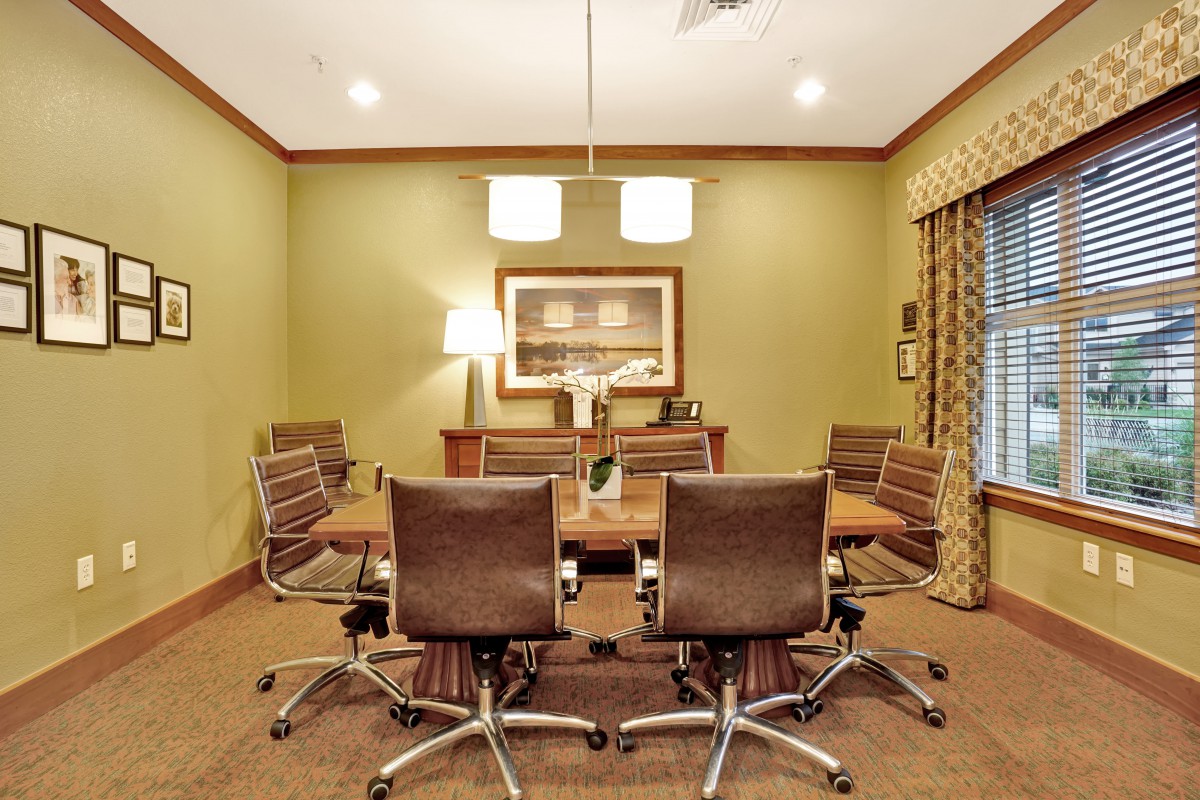
Chandelier, Lobby, Waiting Area, Reception Area, and Office Space
Outdoor
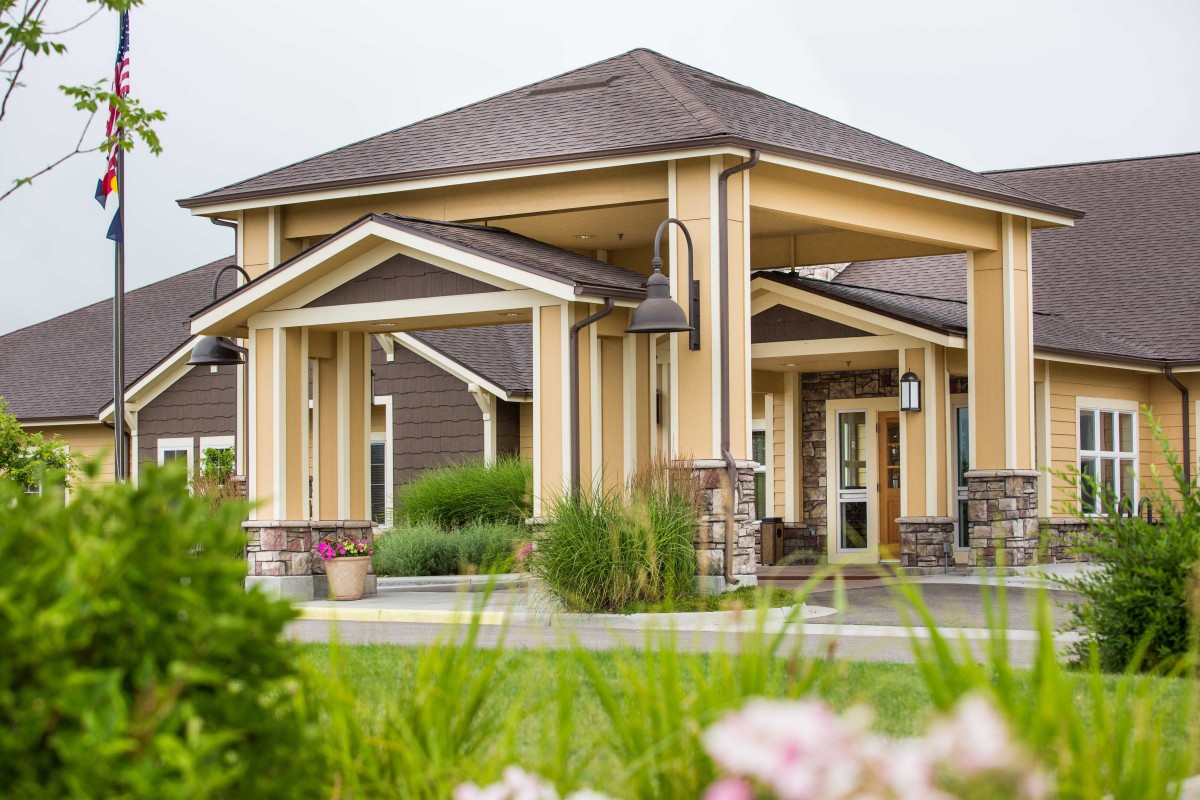
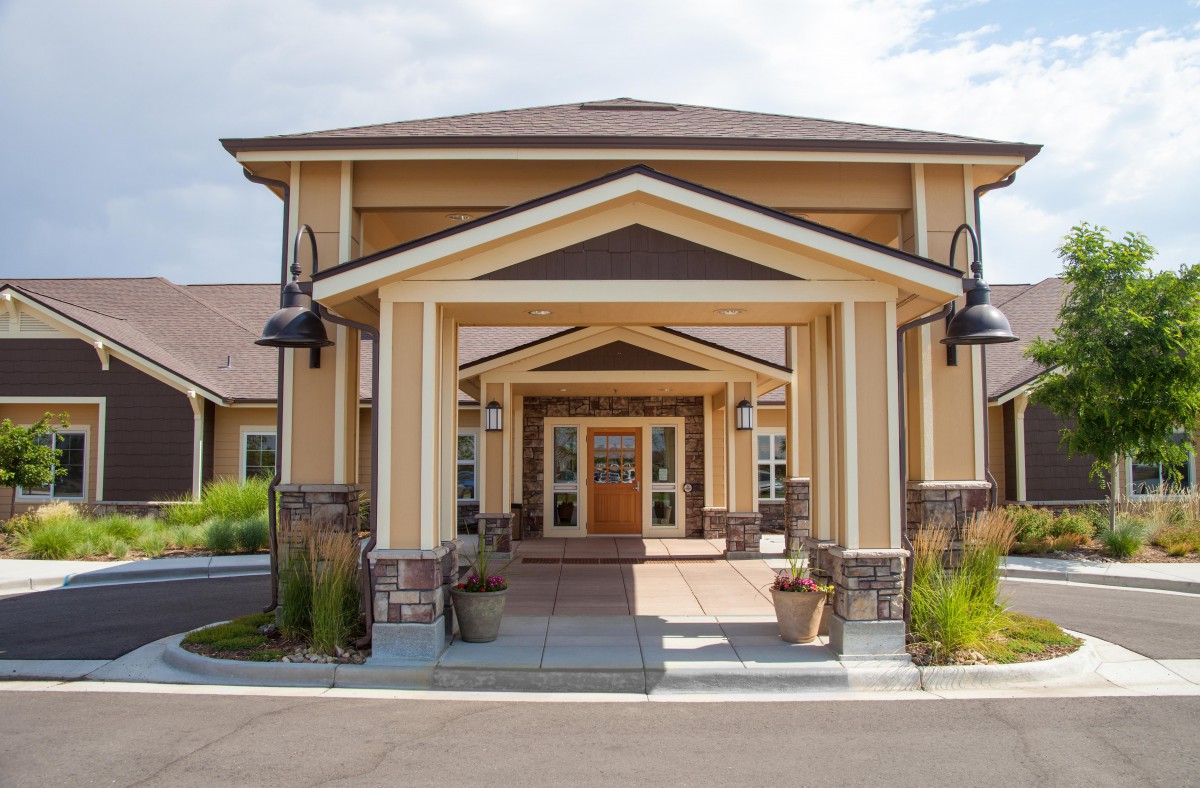
Entrance
Pathway, Courtyard, and Building Exterior
Library
Hardwood Floor
Living Space
Apartment Design
Get PricingAsk A QuestionSchedule A TourContact Senior Advisor
By clicking submit, you agree to our Partner's Terms of Use. You
also consent to receive calls and texts, which may be autodialed, from our Partner. Your consent is not a condition to
using our Partner's service. Please visit our Partner's Privacy Policy for information about their privacy practices.

 Studio apartments
 Memory Care
 Skilled Nursing Facility
 Cats allowed
 Dogs allowed
 Activities off-site
 Air-conditioning
 Beautician on-site
 Cable or satellite TV
 Devotional services on-site
 Dining room
 Garden
 Ground floor units
 Guest parking
 Handicap accessible
 Housekeeping services
 Indoor common areas
 Laundry
 Outdoor common areas
 Respite or short term stays offered
 Wheelchair accessible showers
 Wi-Fi/high-speed internet available
 Transportation & parking
 Ambulatory care
 Diabetic care
 Incontinence care
 Medication management
 Guest meals
 Art classes
 Brain fitness
 Cooking classes
 Day trips and outings
 Educational speakers / life long learning
 Fitness programs
 Games
Games Live dance or theater performances
 Live musical performances
 Stories
 Visiting chaplain or priest
 Yoga / chair yoga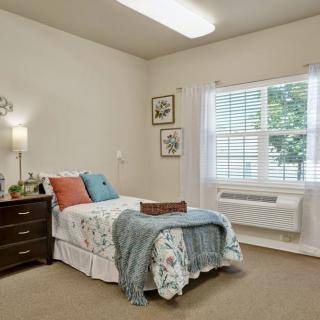
 24/7 supervision with dementia-focused programming, medication management, and restaurant-style dining, plus private, fully furnished accommodations.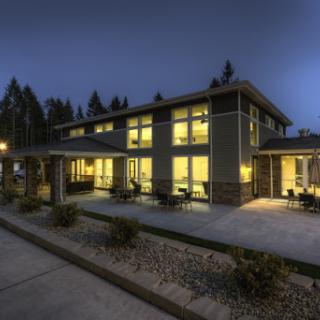

 Understanding Dementia Through Its Seven Stages: A Comprehensive Look at Progression and Expectations
 Safeguarding Your Memory Through the Golden Years: Eight Ways to Preserve Cognitive Health
 Comprehensive Insights into Activities of Daily Living (ADLs) and Their Assessment