

Aspen Ridge Alzheimer’s Special Care Center

Save

  • Interior

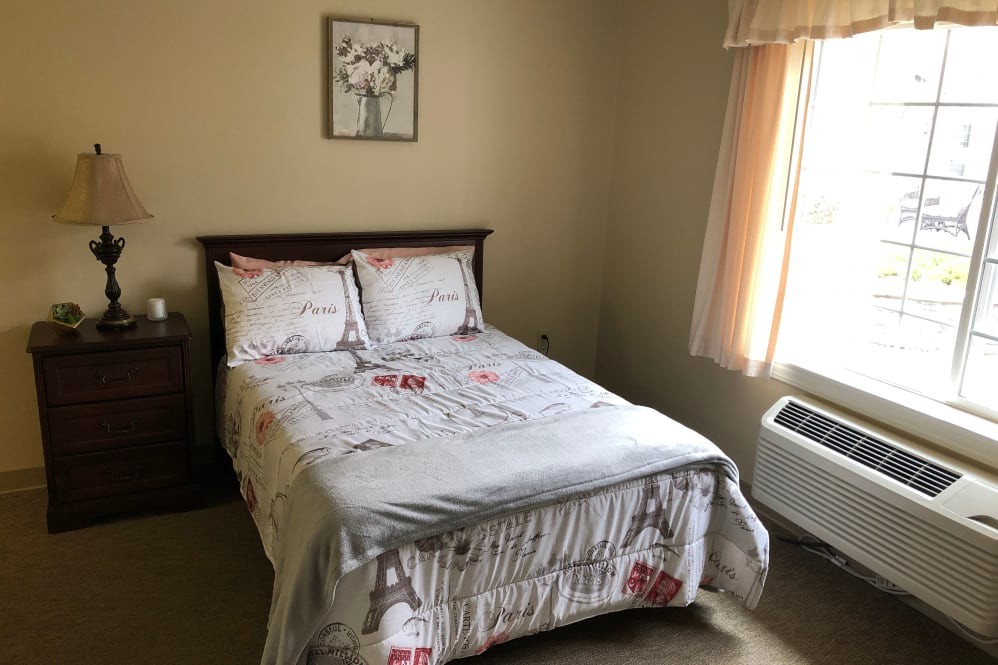
    A neatly arranged bedroom with a double bed and floral bedding.
  • Outdoors

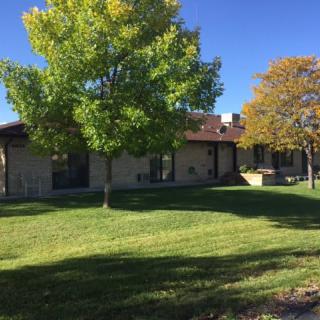
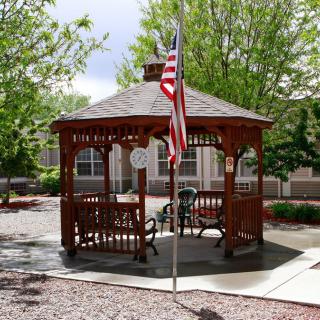
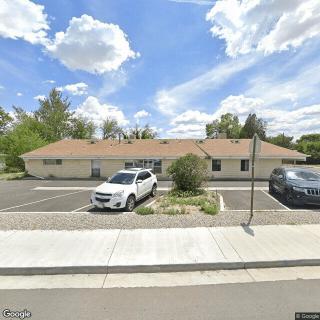
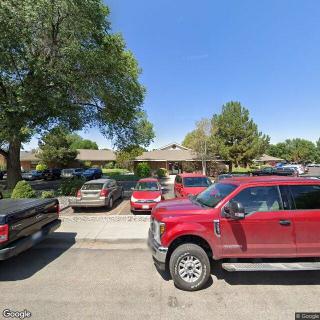
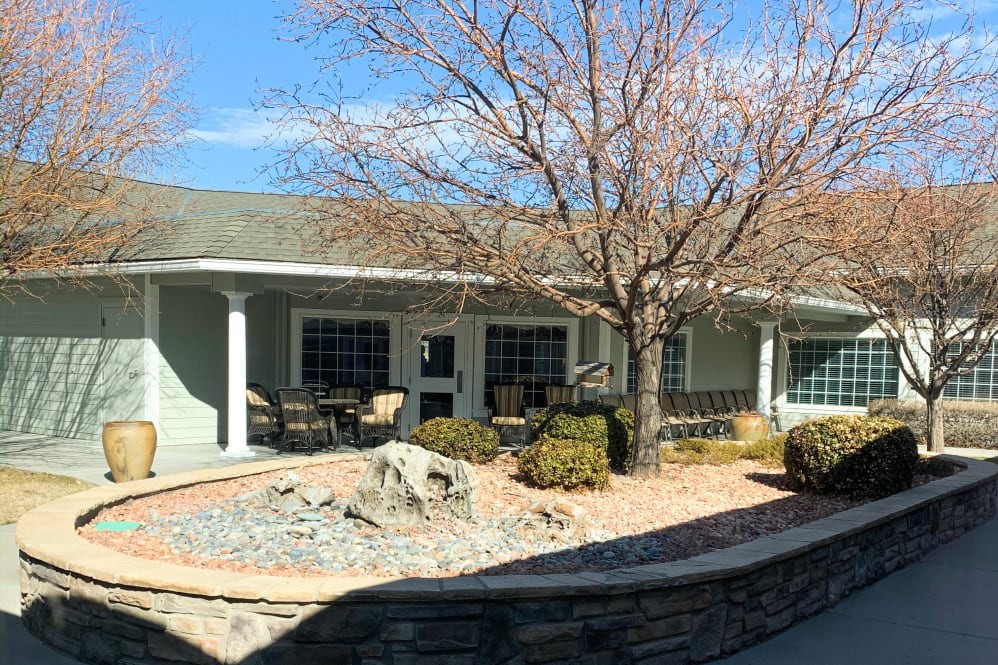
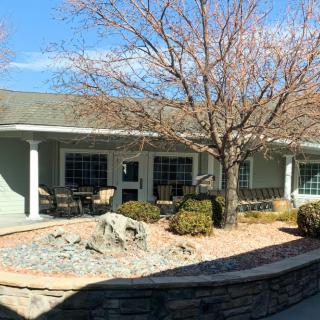
    A sunny view of a building with a landscaped patio and trees.
  • Decor

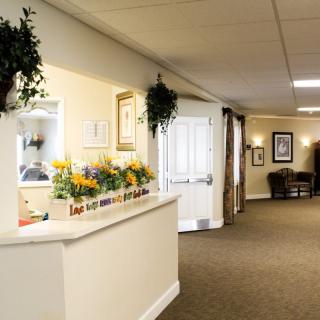
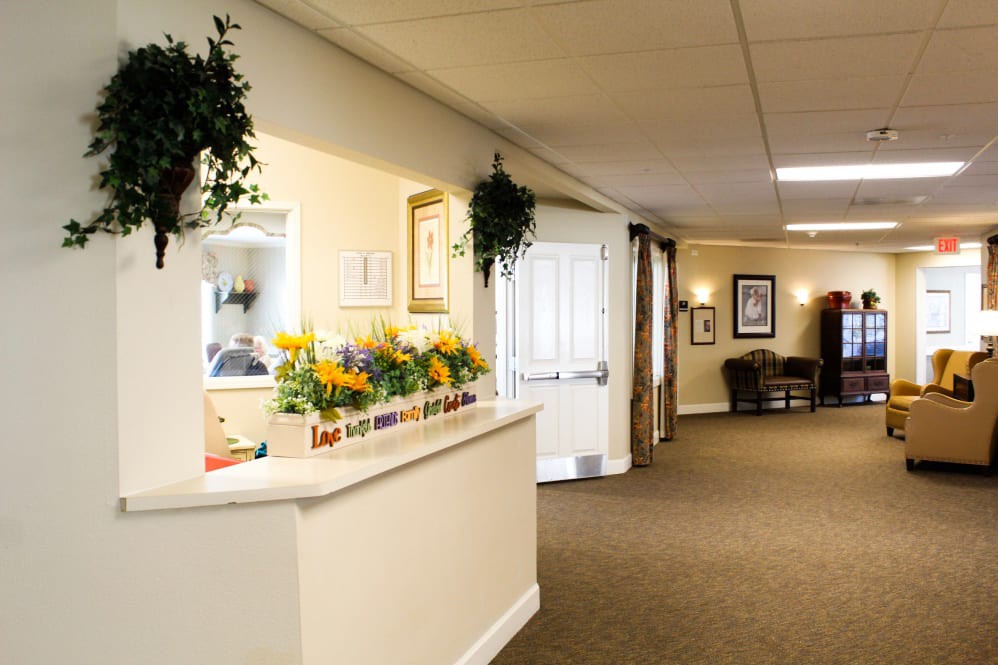
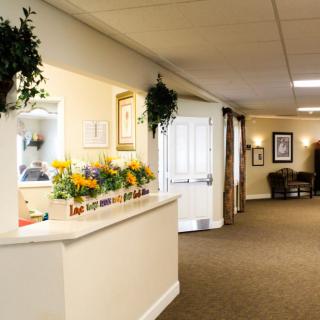
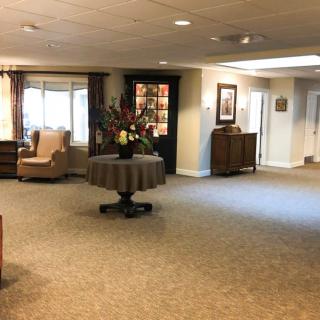
    A welcoming reception area with decorative flowers and a cozy hallway.
  • Building

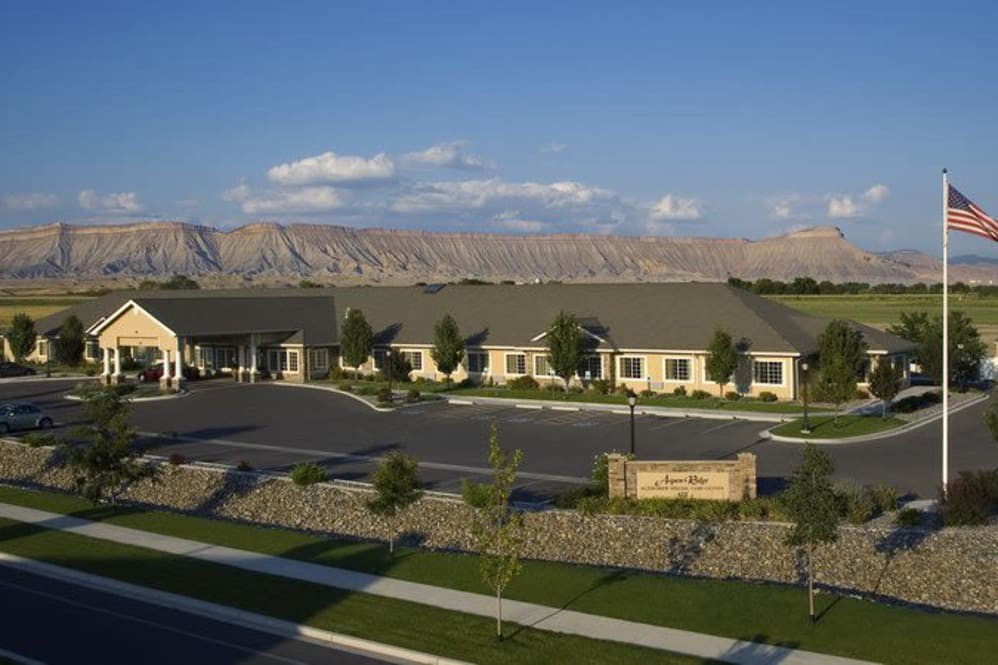
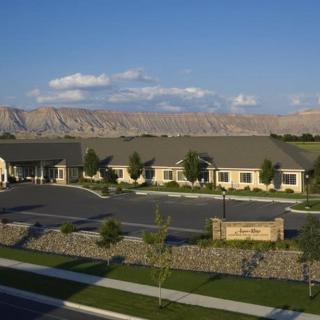
    A scenic view of a building with a mountainous backdrop and clear sky.
  • Bedroom

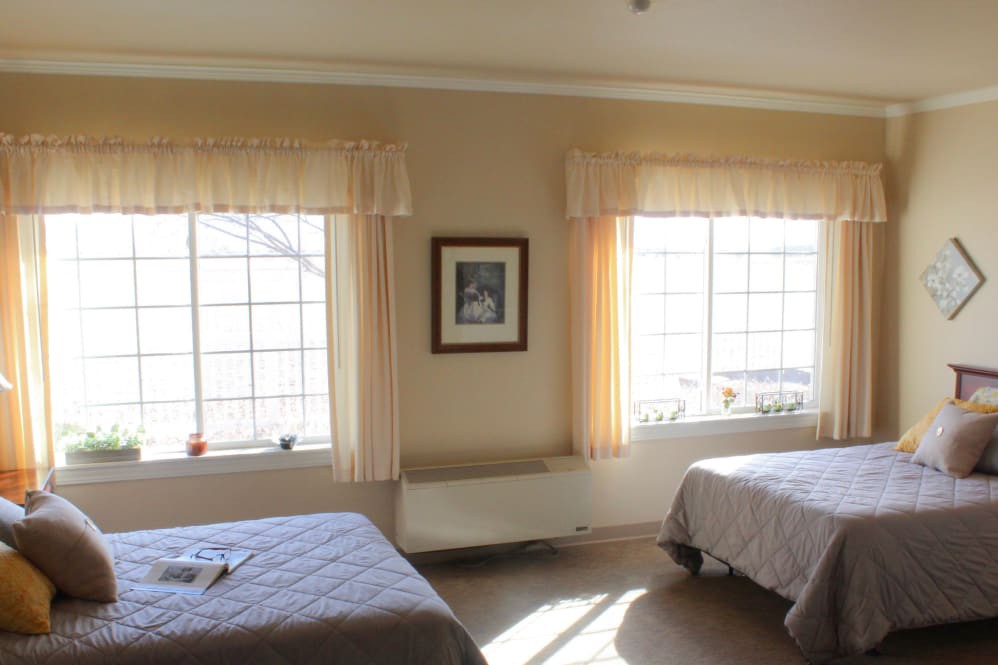
    A bright bedroom with two beds and large windows letting in natural light.
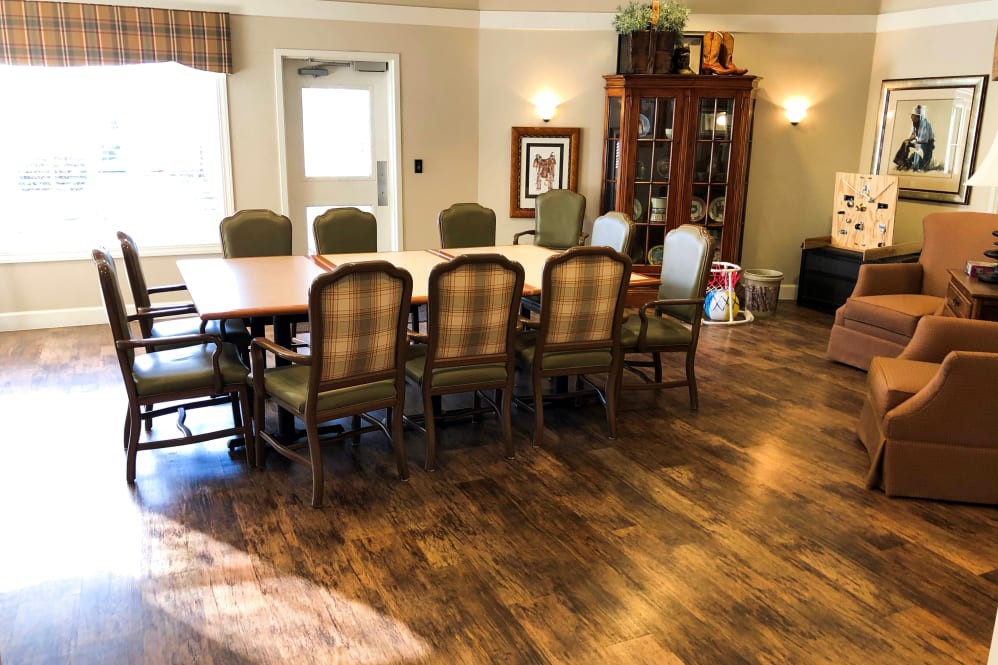
  • Dining

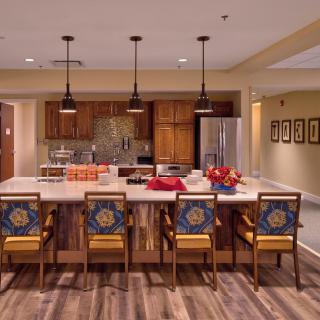
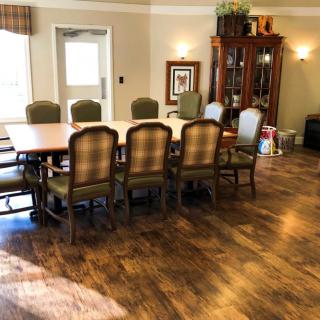
    A well-furnished dining room with a large table and chairs, featuring wood flooring and a display cabinet.
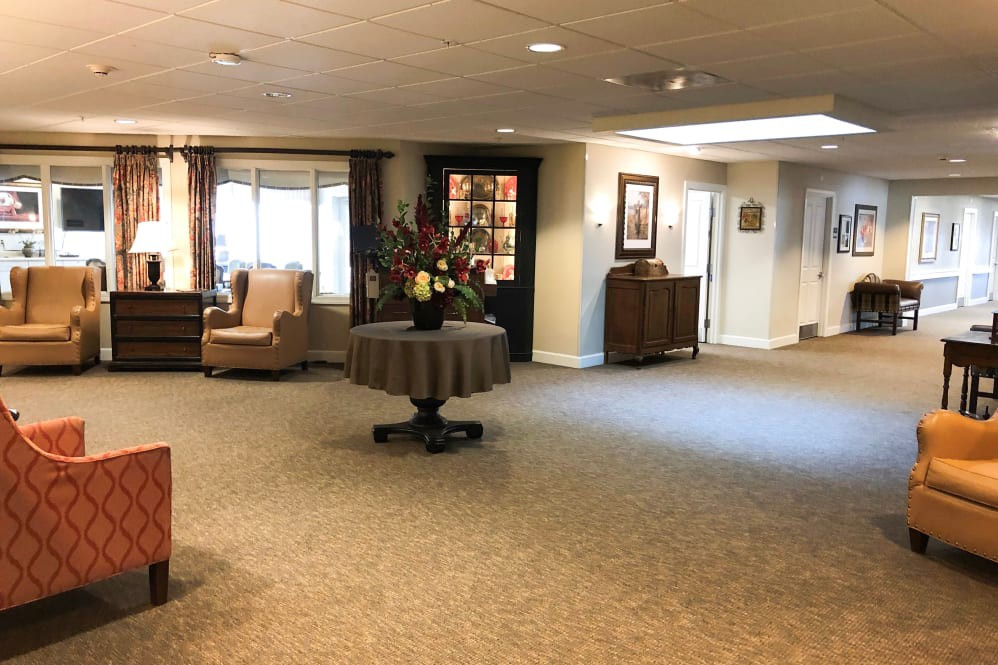
  • Lobby

    A spacious lobby with comfortable seating and elegant decor.

Aspen Ridge Alzheimer’s Special Care Center

622 28 1/4 Road, Grand Junction, CO 81506

For more information about senior living options: (844) 490-3973

4.2 from 19 reviews
5 stars
15
4 stars
0
3 stars
0
2 stars
1
1 stars
3

Memory Care

Overall Review of Aspen Ridge Alzheimer’s Special Care Center

Pros

  • pro Aspen Ridge is a wonderful facility that feels like an extension of the family.
  • pro The memory care team communicates exceptionally well and is passionate about residents' well-being.
  • pro Ivone and the Aspen Ridge staff are highly helpful and responsive during challenging times.
  • pro The home-like atmosphere and abundant, creative activities keep residents engaged.
  • pro The managerial and administrative staff are compassionate, professional, and trustworthy.
  • pro Families feel confident entrusting their loved ones to Aspen Ridge, describing the care as first-class.
  • pro Aspen Ridge is clean, well-maintained, and offers pleasant views and a thoughtful layout.
  • pro The staff consistently goes above and beyond to check on residents and support families.
  • pro Residents often look better, are more alert, and are better groomed after moving to Aspen Ridge.

Cons

  • pro Not compliant
  • pro They threaten to kick your loved ones out
  • pro They refused their medications once
  • pro They treat innocent people that can't help themselves with such disrespect
  • pro Encountering someone who's realizing they're not up to the job can result in an unpleasant interaction
  • pro Whose job performance diminished from adequate, to very poor

Review

Aspen Ridge Memory Care is depicted by families and caregivers as a warm, welcoming place that treats residents like family and clearly places a premium on compassionate, attentive care. Across several testimonials, the facility is described as wonderful and highly recommendable, with loved ones being well cared for and valued from the moment of admission. The tone across most narratives is one of gratitude and relief: a sense that here, memory care is handled with patience, empathy, and a genuine commitment to maintaining dignity and happiness for residents who deserve thoughtful, individualized attention.

A recurring thread centers on Ivone and the care team. Families repeatedly credit Ivone with being "super helpful," responsive to emails and calls, and indispensable during challenging transitions. The staff are consistently portrayed as passionate about serving people with memory loss, with communication described as excellent - particularly for family members who live out of town. The care team's responsiveness, transparency, and willingness to adapt to each resident's needs are highlighted as major assets. The atmosphere is repeatedly described as home-like, with an abundance of activities designed to keep residents engaged, including some creative programming to match a resident's abilities and interests. One reviewer specifically notes the importance of seeing an environment that feels like an extension of the family while paying memory care prices, and Aspen Ridge is said to meet that mark.

Other testimonials emphasize the value of a person-centered, family-focused approach. One reviewer, writing as a Power of Attorney for a memory-challenged diabetic senior, stresses that timing was tight and the managerial staff demonstrated compassion, understanding, and professionalism worthy of trust. The sense of being supported through a difficult transition - knowing a loved one is in good hands - appears to have made a profound difference for the family. The impression left is that Aspen Ridge is a first-class facility where administrative staff offer encouragement and practical assistance, helping families navigate complex decisions with grace and reassurance.

The sentiment about the team's culture is nuanced by a single critical voice. One review carries the header "Not compliant," criticizing staff attitudes and recounting experiences from six years ago. The writer observes a high turnover in the fall of 2022 and acknowledges that a new generation of staff has since taken the helm. The overall message from this perspective is that while the older dynamics were problematic, the newer staff have shown friendliness, concern for residents' wellbeing, a willingness to listen, and a commitment to the facility's mission. In that reviewer's view, the family ultimately found the care to be supportive and felt that their wife received well-considered attention, even if memories of past friction linger.

Beyond this, Aspen Ridge is praised for its beauty and practical design. Reviewers describe a beautiful, warm, inviting community with great views, a layout that supports movement and independence, and a sense that the residents' daily lives are thoughtfully structured. A number of accounts highlight the facility's memory-care expertise and a collaborative, integrated approach to managing care. The programming is presented as enhanced and active, with staff who are attentive to both routine needs and opportunities for engagement, contributing to a sense that residents are not merely maintained but are valued participants in meaningful daily activities.

Several narratives center on family journeys with loved ones who have dementia. One family describes moving a father from Arizona to western Colorado to be closer to relatives, choosing Aspen Ridge after speaking with staff and observing the emphasis on personhood - learning about Dad's roots, joys, and life story so care can be tailored to who he is. The result is described in terms of tangible improvements: the father appears more alert and well-groomed, with a sparkle in his eyes that signals better overall engagement. The review frames dementia as a difficult path but asserts that Aspen Ridge provides steady support and guidance that makes the journey more bearable for the resident and their family alike.

Several testimonials focus on individual encounters with staff, underscoring warmth, reliability, and a sense of "you won't be disappointed" with the level of care. One family notes that the staff celebrates and preserves each resident's life story, weaving this personal history into daily interactions. A nurse with decades of experience speaks highly of the caliber of care and the immediacy with which medical needs are addressed. This clinician lauds Aspen Ridge as among the best facilities encountered, praising the engagement of residents, the emotional, physical, and spiritual attention given to each person, and the open, ongoing communication with families.

Taken together, the collection of reviews presents Aspen Ridge as a facility with a strong, consistently positive core: a home-like environment, exceptional communication, a dedicated and empathetic staff, and a programming lineup designed to keep memory-impaired residents active and engaged. The opinions favor a culture that treats residents as individuals with valuable life histories, whose daily well-being depends on a careful balance of personal attention, clinical vigilance, and meaningful activity. While there is some expressed concern about staff turnover and the occasional negative experience, the weight of the testimony leans toward a firm belief that Aspen Ridge provides high-quality, compassionate memory care that families can trust as they navigate the challenging landscape of aging and memory loss. In short, for many families, Aspen Ridge stands out as a place where loved ones are greeted with warmth, protected by attentive professionals, and given opportunities to live with dignity, purpose, and connection.

Features

Housing

  • 56 resident community capacity 56 resident community capacity

Types of Care

  • Memory Care Memory CareMemory care is crucial for seniors as it provides specialized support and services for individuals with dementia or Alzheimer's disease. These programs offer a safe and secure environment where residents receive personalized care, cognitive stimulation, and help with daily activities. Memory care helps seniors maintain their independence, quality of life, and dignity while also providing peace of mind for their families.

Amenities

  • Air-conditioning Air-conditioningAir conditioning is important for seniors as they are more vulnerable to heat-related illnesses and may have underlying health conditions that make it difficult for them to regulate their body temperature. It helps to keep them comfortable, safe, and healthy in hot weather.
  • Beauty salon Beauty salonBeauty salons are important for seniors because they provide a space for them to feel pampered, socialize, and maintain their personal grooming and hygiene. Regular visits to a beauty salon can help boost seniors' self-esteem and overall well-being.
  • Cable or satellite TV Cable or satellite TVCable or satellite TV is important for seniors because it provides entertainment, news, and companionship, helping to combat loneliness and boredom. It also offers a wide range of programming options tailored to different interests and preferences.
  • Computer center Computer centerA computer center is essential for seniors as it provides access to technology, communication tools, and resources that can enhance their daily lives. It allows them to stay connected with loved ones, engage in online activities, and learn new skills, ultimately promoting socialization and mental stimulation.
  • Dining room Dining roomDining rooms are important for seniors as they provide a space for socialization, connection, and nutritious meals. They offer opportunities for residents to bond over shared meals, foster a sense of community, and promote healthy eating habits. Dining rooms also ensure that seniors have access to well-balanced meals tailored to their dietary needs and preferences.
  • Fitness room Fitness roomHaving a fitness room in a senior living community is essential for seniors to stay active, maintain their physical health, and improve their overall well-being. Regular exercise can help prevent falls, reduce the risk of chronic diseases, and promote mental sharpness. It also provides social opportunities for residents to connect with others and enjoy a sense of community.
  • Fully furnished Fully furnishedFully furnished senior living communities are important for seniors because they provide convenience, comfort, and a hassle-free moving experience. Seniors can easily settle into their new living space without the stress of having to buy and move furniture. This allows them to focus on enjoying their new home and community.
  • Gaming room Gaming roomGaming rooms are important for seniors as they provide a fun and engaging environment for socializing, cognitive stimulation, and physical activity. Games can improve memory, problem-solving skills, and overall mental well-being while fostering friendships and reducing feelings of isolation.
  • Garden GardenGardens are important for seniors as they provide a peaceful and therapeutic environment for relaxation, physical activity, and socialization. Being in nature has been shown to reduce stress, improve mood, and promote overall well-being. Gardens also offer opportunities for seniors to engage in gardening activities, which can improve mobility, flexibility, and cognitive function. Additionally, gardens create a sense of community and connection with others who share a passion for plants and outdoor spaces.
  • Housekeeping services Housekeeping servicesHousekeeping services are important for seniors because they help maintain a clean and safe living environment, promote independence, and reduce the risk of accidents or illnesses. Additionally, having assistance with household chores can alleviate physical strain and allow seniors to focus on other aspects of their well-being.
  • Kitchenette KitchenetteKitchenettes are important for seniors living in senior living communities because they provide the convenience and independence of being able to prepare simple meals and snacks in the comfort of their own living space. This can help promote a sense of autonomy and well-being for seniors, allowing them to maintain some level of control over their dietary choices and daily routines.
  • Move-in coordination Move-in coordinationMove-in coordination is important for seniors because it helps ease the transition into their new living environment. It ensures that all logistics, such as packing, organizing movers, and setting up utilities are taken care of, allowing seniors to focus on settling in and adjusting to their new home. Having a smooth move-in process can alleviate stress and anxiety, making the transition smoother and more enjoyable for seniors.
  • Outdoor space Outdoor spaceOutdoor spaces are important for seniors as they provide opportunities for physical activity, social interaction, exposure to natural light and fresh air, and a sense of connection to nature. Having access to outdoor spaces can improve overall well-being and quality of life for older adults living in senior communities.
  • Private bathrooms Private bathroomsPrivate bathrooms are important for seniors in senior living communities because they provide independence, dignity, and comfort. Having a private bathroom allows seniors to maintain their personal hygiene routines without the need for assistance, promoting a sense of autonomy and privacy. Additionally, private bathrooms help prevent the spread of infections and provide a safe and clean environment for seniors to navigate safely.
  • Restaurant-style dining Restaurant-style diningRestaurant-style dining is important for seniors because it allows them to enjoy delicious, nutritious meals in a social and upscale setting. This enhances their dining experience, promotes healthy eating habits, and fosters socialization with fellow residents, ultimately contributing to their overall well-being and quality of life.
  • Small library Small librarySmall libraries are important for seniors as they provide access to a variety of reading materials, including books, newspapers, and magazines. This can help stimulate their minds, keep them engaged, and provide a sense of community through book clubs and other social activities. Additionally, reading has been shown to improve cognitive function and overall mental well-being in older adults.
  • Telephone TelephoneTelephones are important for seniors as they provide a lifeline for communication with loved ones, emergency services, and healthcare providers. They offer a sense of security and independence, enabling seniors to stay connected and access assistance when needed.
  • Wellness center Wellness centerWellness centers are important for seniors because they offer a variety of programs and services that promote physical, mental, and emotional well-being. These centers provide opportunities for exercise, socialization, education, and relaxation, helping seniors maintain their overall health and quality of life.
  • Wi-Fi/high-speed internet available Wi-Fi/high-speed internet availableWi-Fi/high-speed internet is important for seniors to stay connected with loved ones, access online resources, and participate in virtual activities to combat feelings of loneliness and isolation. It also allows them to easily manage healthcare needs, access entertainment, and engage in lifelong learning opportunities.

Transportation

  • Walker (2 miles away) Walker (2 miles away)
  • Community operated transportation Community operated transportationCommunity operated transportation is crucial for seniors as it provides them with the means to access essential services, social activities, and medical appointments. It allows seniors to maintain their independence and quality of life by ensuring they can participate in activities outside of their homes. Additionally, community-operated transportation services offer a safe and reliable way for seniors to travel without having to rely on family or friends for assistance.
  • Transportation arrangement Transportation arrangementTransportation arrangements are crucial for seniors as they may face challenges with driving, mobility, or access to public transportation. Having reliable transportation services ensures that seniors can easily attend appointments, social activities, and maintain their independence and quality of life.
  • Transportation arrangement (non-medical) Transportation arrangement (non-medical)Transportation arrangements are essential for seniors as they provide access to essential services, activities, and social interactions outside the home. This service helps maintain independence, mobility, and overall well-being for seniors who may have limited transportation options.
  • Transportation to doctors appointments Transportation to doctors appointmentsTransportation to doctors appointments is crucial for seniors as it ensures they have access to necessary medical care and support, promoting their health and well-being. It allows them to receive timely treatment, monitor existing conditions, and address any new health concerns efficiently. Additionally, transportation services can help seniors maintain their independence and quality of life by enabling them to stay connected with their healthcare providers.

Care Services

  • 12-16 hour nursing 12-16 hour nursing12-16 hour nursing care is crucial for seniors in order to ensure around-the-clock monitoring, timely medication administration, and prompt response to any health concerns or emergencies. This level of care helps to promote the overall well-being and safety of seniors living in senior living communities.
  • 24-hour call system 24-hour call system24-hour call systems are important for seniors because they provide peace of mind and immediate assistance in case of emergencies. This technology ensures that help is always available, promoting safety and security for elderly individuals living alone or in assisted living facilities.
  • 24-hour supervision 24-hour supervision24-hour supervision is important for seniors to ensure their safety, well-being, and access to immediate assistance in case of emergencies or health issues. This constant support provides peace of mind for both seniors and their loved ones, allowing them to age in place with dignity and security.
  • Activities of daily living assistance Activities of daily living assistanceActivities of daily living assistance are important for seniors because they provide essential support with tasks such as eating, bathing, dressing, and mobility. This assistance helps seniors maintain their independence, dignity, and overall quality of life as they age.
  • Assistance with bathing Assistance with bathingAssistance with bathing is crucial for seniors as it helps maintain personal hygiene, prevents infections, and ensures their overall well-being and comfort. It also provides a sense of dignity and independence for seniors who may struggle with this task on their own.
  • Assistance with dressing Assistance with dressingAssistance with dressing is important for seniors because it helps maintain their independence, promotes personal hygiene, prevents accidents and injuries, and improves overall quality of life. This service ensures that seniors can continue to dress comfortably and confidently, despite any physical limitations they may have.
  • Assistance with transfers Assistance with transfersAssistance with transfers is crucial for seniors as it helps prevent falls and injuries, maintains their independence, and ensures they can safely navigate their living environment. It also provides peace of mind for both seniors and their loved ones.
  • Coordination with health care providers Coordination with health care providersCoordination with health care providers is crucial for seniors to ensure proper medical care, medication management, and overall well-being. This collaboration helps prevent overlapping treatments, track progress more effectively, and provide comprehensive support tailored to individual needs.
  • Dementia waiver Dementia waiverDementia waivers are essential for seniors as they provide critical protections and accommodations for those experiencing cognitive decline. These waivers ensure individuals with dementia receive appropriate care, support, and resources to maintain their quality of life and dignity as they navigate the challenges of this progressive condition.
  • Diabetes diet Diabetes dietA diabetes diet is crucial for seniors as it helps manage blood sugar levels, reduce risks of complications, and improve overall health and well-being. By following a balanced and nutritious diet tailored to their specific needs, seniors can better control their diabetes and enhance their quality of life.
  • Hospice waiver Hospice waiverHospice waivers are important for seniors because they allow individuals to receive specialized end-of-life care and support at home or in a hospice facility. This waiver ensures that seniors can access the necessary resources and services to maintain comfort and dignity during their final days.
  • Meal preparation and service Meal preparation and serviceMeal preparation and service are crucial for seniors as they may have limited mobility or energy to cook nutritious meals. Having access to healthy and convenient food options can ensure they are getting the proper nutrition needed to maintain their overall health and well-being.
  • Medication management Medication managementMedication management is crucial for seniors to ensure they are taking the right medications at the correct dosages and times. This helps prevent adverse drug interactions, reduces the risk of medication errors, and promotes overall health and well-being. Proactive management also allows for adjustments as needed based on changing health conditions or new prescriptions.
  • Mental wellness program Mental wellness programMental wellness programs are essential for seniors as they promote cognitive stimulation, emotional support, and social engagement. These programs help prevent isolation, depression, and cognitive decline, ultimately enhancing the overall quality of life for older adults.
  • Mild cognitive impairment Mild cognitive impairment"Mild cognitive impairment" is important for seniors because it is an early stage of cognitive decline that can potentially progress to more severe conditions such as dementia. Recognizing and addressing mild cognitive impairment can help seniors receive appropriate care and support to maintain their quality of life and independence for as long as possible.
  • Special dietary restrictions Special dietary restrictionsSpecial dietary restrictions are important for seniors because age-related changes in metabolism and health conditions can make it difficult for their bodies to process certain foods. By following a diet tailored to their specific needs, seniors can maintain their overall health and well-being, manage chronic conditions, and reduce the risk of complications such as malnutrition or food interactions with medications.
  • Specialized memory care programming Specialized memory care programmingSpecialized memory care programming is crucial for seniors with cognitive impairments such as dementia or Alzheimer's disease. These programs provide a safe and supportive environment tailored to the unique needs of individuals with memory loss, helping them maintain their independence, dignity, and quality of life.
  • Transportation arrangement (medical) Transportation arrangement (medical)Transportation arrangements for medical purposes are essential for seniors as they may have difficulty driving themselves to appointments or accessing public transportation. Having reliable and safe transportation options ensures that seniors can receive timely medical care and maintain their health and well-being.
  • Transportation to doctors appointments Transportation to doctors appointmentsTransportation to doctors appointments is crucial for seniors as it ensures they have access to necessary medical care and support, promoting their health and well-being. It allows them to receive timely treatment, monitor existing conditions, and address any new health concerns efficiently. Additionally, transportation services can help seniors maintain their independence and quality of life by enabling them to stay connected with their healthcare providers.

Dining

  • Diabetes diet Diabetes dietA diabetes diet is crucial for seniors as it helps manage blood sugar levels, reduce risks of complications, and improve overall health and well-being. By following a balanced and nutritious diet tailored to their specific needs, seniors can better control their diabetes and enhance their quality of life.
  • Special dietary restrictions Special dietary restrictionsSpecial dietary restrictions are important for seniors because age-related changes in metabolism and health conditions can make it difficult for their bodies to process certain foods. By following a diet tailored to their specific needs, seniors can maintain their overall health and well-being, manage chronic conditions, and reduce the risk of complications such as malnutrition or food interactions with medications.

Activities

  • Community-sponsored activities Community-sponsored activitiesCommunity-sponsored activities are important for seniors as they provide opportunities for social interaction, mental stimulation, and physical activity. These activities can help improve overall well-being, combat loneliness and isolation, and promote a sense of belonging and purpose among older adults.
  • Concierge services Concierge servicesConcierge services are essential for seniors as they provide assistance with daily tasks and errands, enhance their quality of life by offering convenience and personalized care, and promote a sense of safety and security.
  • Fitness programs Fitness programsFitness programs are crucial for seniors as they help improve strength, flexibility, balance, and overall well-being. Staying active can reduce the risk of chronic diseases, improve mental health, and enhance quality of life in older adults.
  • Planned day trips Planned day tripsPlanned day trips are important for seniors because they offer opportunities for socialization, mental stimulation, and physical activity. They provide a change of scenery and help seniors stay engaged and connected to their community, promoting overall well-being and quality of life.
  • Resident-run activities Resident-run activitiesResident-run activities are important for seniors as they encourage social interaction, creativity, and a sense of autonomy. These activities empower seniors to stay engaged and active in their community while fostering meaningful connections with their peers.
  • Scheduled daily activities Scheduled daily activitiesScheduled daily activities are important for seniors because they provide structure, socialization, mental stimulation, and physical activity. Engaging in regular activities can improve overall well-being and quality of life for seniors living in a community setting.

Description

Aspen Ridge Alzheimer's Special Care Center is an exceptional assisted living community located in Grand Junction, CO. Designed specifically for individuals with Alzheimer's and other memory-related conditions, this community offers a wide range of amenities and services to ensure the comfort and well-being of its residents.

The community provides a variety of amenities that cater to the needs and preferences of the residents. These include a beauty salon where residents can pamper themselves, cable or satellite TV for entertainment, a computer center for staying connected, and a fully furnished environment for convenience. There is also a gaming room, small library, fitness room, and outdoor spaces such as gardens for recreational activities. The dining room offers restaurant-style dining with special dietary restrictions taken into consideration. Wi-Fi/high-speed internet is available throughout the community.

Assisted living services at Aspen Ridge Alzheimer's Special Care Center are comprehensive and personalized to meet each resident's unique needs. A 24-hour call system ensures round-the-clock assistance, while 24-hour supervision provides added peace of mind for both residents and their families. The highly trained staff assists with activities of daily living such as bathing, dressing, and transfers. Medication management is offered to ensure proper administration of medications.

The community emphasizes mental wellness through specialized memory care programming and a mental wellness program designed to stimulate cognitive function. Coordination with health care providers ensures seamless integration with medical services. Transportation arrangement (both non-medical and medical) is available for residents' convenience, including transportation to doctors' appointments.

Residents at Aspen Ridge Alzheimer's Special Care Center also enjoy a vibrant lifestyle through various activities offered within the community including fitness programs, resident-run activities, scheduled daily activities, planned day trips, and concierge services.

Located in close proximity to essential amenities such as cafes, parks, pharmacies, physicians' offices, restaurants, places of worship, and hospitals; Aspen Ridge Alzheimer's Special Care Center truly offers a comprehensive assisted living experience in a warm and supportive environment.

Nearby Places of Interest

Physicians

  • Johansen, David Internal Medicine Associates of the Grand Valley (0.2 miles)
  • Grand Valley Primary Care (0.2 miles)
  • Doyle, R Gregory, Md - Appleton Family Practice (1.2 miles)
  • Western Colorado Pediatric Associates (1.2 miles)
  • Family Physicians of Western Colorado (1.2 miles)
  • Primary Care Partners (1.2 miles)
  • Tabeguache Family and Sports Medicine (1.2 miles)

Hospitals

  • Community Hospital (0.2 miles)
  • PARC Rehabilitation Center (1.1 miles)
  • Western Healthcare Alliance (1.2 miles)
  • Hospice Care Center (1.3 miles)
  • VA Medical Center (1.3 miles)
  • Stagg Craig H MD - St Mary's Hospital & Regional Medical Center (1.4 miles)
  • Grand Junction Va Medical Center (1.5 miles)

Transportation

  • U-Haul Truck Sales (0.8 miles)
  • U-Haul (0.9 miles)
  • U-Haul Neighborhood Dealer (1.7 miles)
  • West Star Aviation (1.7 miles)

Parks

  • Rocket Park (0.8 miles)

Places of Worship

  • Mesa Avenue Church of Christ (0.9 miles)
  • St Nicholas Greek Orthodox Church (1.4 miles)
  • Heritage Church (1.4 miles)
  • Grace Church (1.6 miles)
  • Valley Church (1.8 miles)
  • Grand Valley Baptist Association (1.8 miles)

Restaurants

  • Berna B's (0.9 miles)
  • Denny's (1.2 miles)
  • Los Jilbertos (1.2 miles)
  • Spoons Bistro & Bakery (1.2 miles)
  • Enzo's Ristorante Italiano (1.2 miles)
  • Subway (1.2 miles)
  • El M7 Mariscos y Mas (1.2 miles)

Cafes

  • Graff Dairy (1.2 miles)
  • Perdita’s Coffee (1.6 miles)
  • Starbucks (1.6 miles)
  • Coffee Trader (1.8 miles)

Pharmacies

  • City Market Pharmacy (1.2 miles)
  • Family Pharmacy (1.2 miles)
  • Safeway Pharmacy (1.4 miles)
  • Walgreens (1.4 miles)
  • Orchard Pharmacy (1.5 miles)

Frequently Asked Questions

Where is Aspen Ridge Alzheimer’s Special Care Center?
Does Aspen Ridge Alzheimer’s Special Care Center provide care for residents with dementia or Alzheimer's disease?
What photos are available for Aspen Ridge Alzheimer’s Special Care Center in Grand Junction, Colorado?

Nearby Communities

Related Resources

  • how to talk to someone with dementiaHow to Communicate with a Loved One Living with Dementia: 10 Supportive Strategies
    The article outlines effective communication strategies for interacting with loved ones with dementia, highlighting the need for empathy, patience, and understanding while emphasizing supportive approaches like using simple language, minimizing distractions, and focusing on feelings over facts to maintain dignity and foster connection. It also suggests seeking professional guidance when needed as communication challenges evolve.

  • va nursing homeComprehensive Guide to VA Nursing Homes: A Crucial Long-Term Care Resource for Veterans

    VA nursing homes, or Community Living Centers (CLCs), offer tailored long-term care for veterans, featuring medical attention and rehabilitation in a supportive environment. The guide covers facility types, eligibility criteria, financial assistance options, quality of care standards, and alternatives to full-time nursing home placement.

  • in home dementia care costsEstimating the Expenses of At-Home Dementia Care: A Detailed Exploration
    At-home dementia care expenses vary widely based on care levels, location, and caregiver expertise, with monthly costs for home health aides exceeding $4,500 and specialized care potentially surpassing $100,000 annually. While families favor in-home care for its comfort and personalized attention, they must consider financial planning and the challenges of caregiver fatigue.