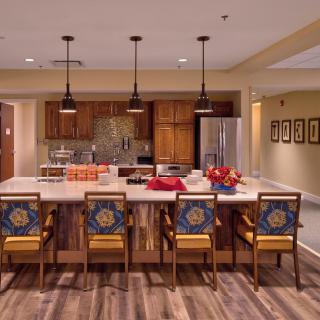
Retreat At Harbor Cove in Grand Junction, CO

Save

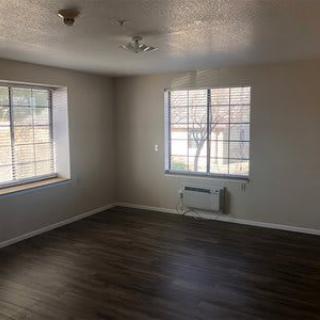
  • Interior

    An empty room with hardwood flooring and large windows.
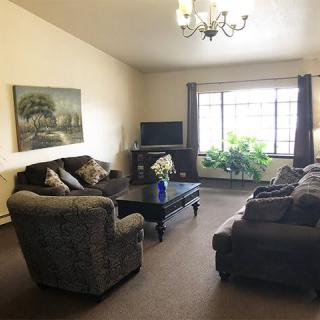
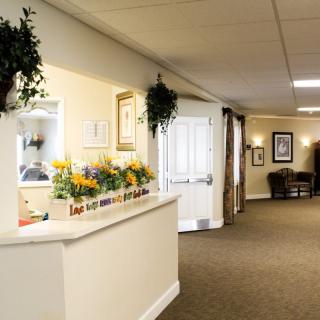
  • Living Room

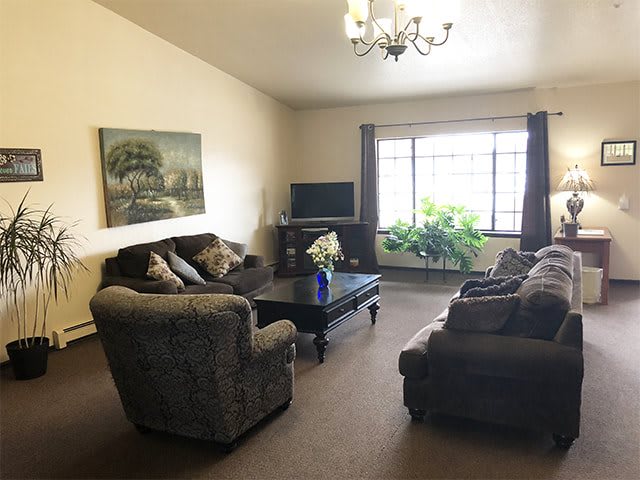
    A cozy living room with comfortable seating and natural lighting.
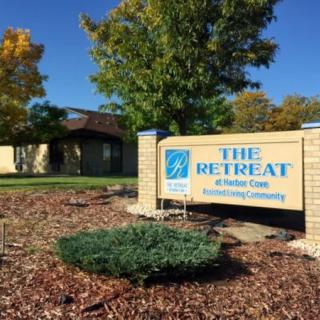
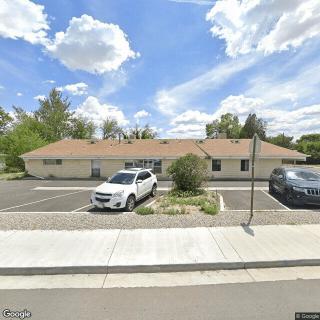
  • Building

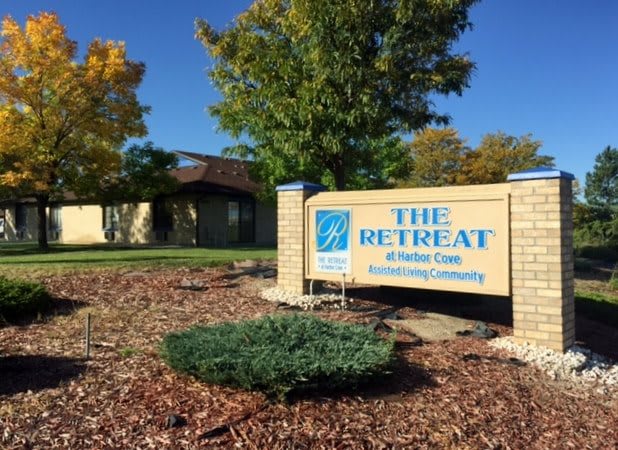
    Sign for The Retreat residential community with a background of trees and buildings.
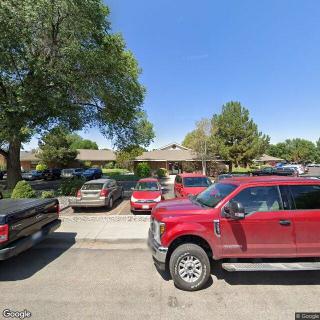
  • Landscaping

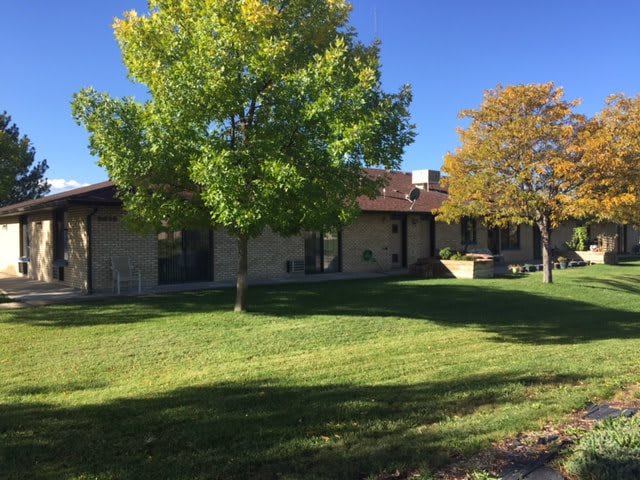
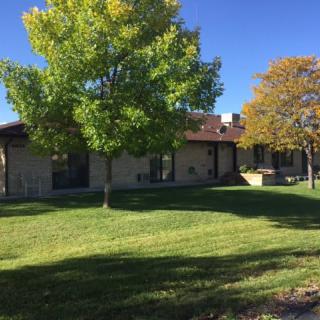
    A suburban house with a large front lawn and trees during a sunny autumn day.
  • Tree

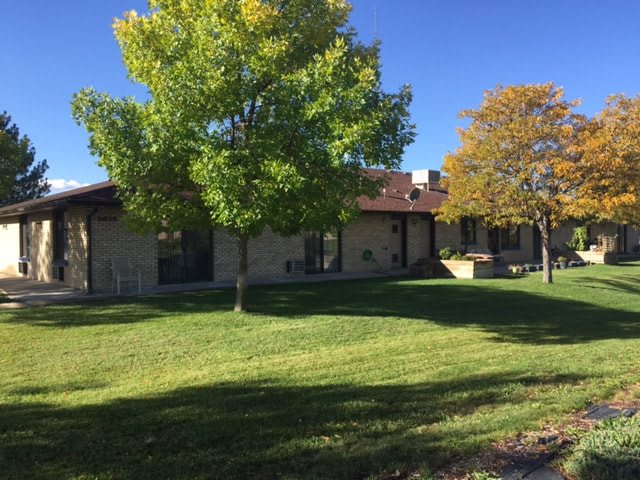
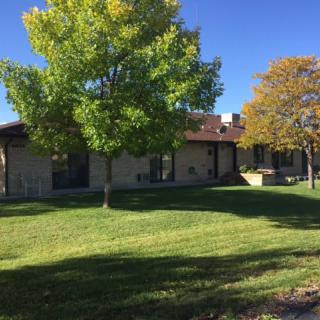
    A suburban house with a well-maintained lawn and trees on a sunny day.
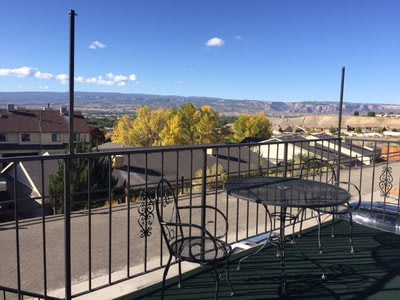
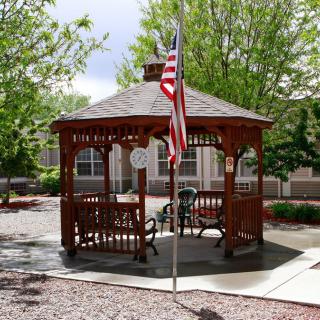
  • Outdoor Furniture

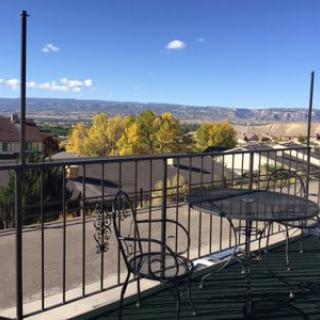
    A scenic balcony overlooking a mountainous landscape under a clear blue sky.

Retreat At Harbor Cove in Grand Junction, CO

2835 Patterson Road, Grand Junction, CO 81506

For more information about senior living options: (844) 490-3973

3.2 from 20 reviews
5 stars
10
4 stars
1
3 stars
0
2 stars
1
1 stars
8

Assisted Living Memory Care

Retreat At Harbor Cove Costs & Pricing

At Retreat At Harbor Cove, the monthly costs for care reflect a competitive pricing structure compared to both Mesa County and the broader state of Colorado. For example, residents opting for a semi-private room will find the monthly fee set at $2,750, which is significantly lower than the county average of $3,513 and even more so than the state average of $4,009. Similarly, those choosing a studio room will pay $2,900 per month - a figure that remains attractive when juxtaposed with Mesa County's average of $3,915 and Colorado's average of $4,090. These cost advantages make Retreat At Harbor Cove an appealing option for families seeking quality care while also being mindful of their budget in the current economic landscape.

Floor plansRetreat At Harbor CoveMesa CountyColorado
Semi-Private$2,750$3,513$4,008
Studio$2,900$3,915$4,088

Overall Review of Retreat At Harbor Cove

Pros

  • pro The staff treat him with love and respect.
  • pro He really likes it there.
  • pro Annette and her staff are kind, caring, and professional.
  • pro Things have improved greatly under new management.
  • pro The activities director is a doll.
  • pro The staff have been great during this time.
  • pro The current management is trying really hard to re-establish a good work environment for all its employees.
  • pro Great company, good people.
  • pro The schedule is very flexible to allow employees to tend to personal and everyday life situations.
  • pro Records are sent by mail within 3-5 business days.

Cons

  • pro The facility is not recommended; the staff are lazy and rude, the food is bad, and there have been medication mishaps.
  • pro It is claimed that the facility apparently does not feed its clients.
  • pro A tour described cramped rooms with shared bathrooms, giving it a boarding-house feel rather than an assisted-living facility.
  • pro The environment smelled of urine and the residents were unhappy.
  • pro Aides were accused of sleeping on shift and using their cell phones instead of providing care.
  • pro Management was criticized for poor training and almost non-existent communication, with the impression that the owner doesn't care.
  • pro There were reports that a death occurred among residents.

Review

Retreat At Harbor Cove in Grand Junction is best suited for seniors who value warmth, personal attention, and a homey, caregiver-first atmosphere over polished, hospital-like amenities. Families that want a small-team environment where staff will work to meet daily needs and form genuine connections can rely on Harbor Cove to deliver compassionate, attentive care. The strongest messages from residents and families praise staff who treat individuals with kindness and respect, and point to days when caregivers consistently show up with patience, helping with ADLs and establishing familiar routines. For a resident who prioritizes regular, personal contact and a sense of belonging, Harbor Cove often provides exactly that soft, everyday reassurance.

Alternatives are worth serious consideration for families whose criteria include immaculate facilities, stringent cleanliness, and flawless operations. If consistency in staffing, high-quality meals, private living spaces, and rigorous infection-control practices are non-negotiable, other communities will likely outperform Harbor Cove. Those with complex medical needs or memory-care requirements, or who demand highly transparent governance and rapid issue resolution, may find more suitable options elsewhere. Harbor Cove can still serve as a viable choice, but only for families comfortable with trade-offs between creature comforts and intimate, hands-on care.

On balance, the key positives - real empathy from caregivers, help with daily activities, and the presence of a capable activities director - offer meaningful value that can offset some rough edges. When staff demonstrate genuine warmth and consistency, residents show improved mood, fewer behavioral escalations, and smoother daily routines, which matters a lot in senior living. Yet the cons repeatedly voiced by multiple families loom large: reports of lazy or rude staff on occasion, below-average food quality, medication-handling lapses, and persistent cleanliness concerns. Shared bathrooms, small or sparsely equipped rooms, and odors in common areas undermine comfort and can erode trust in the environment. In practical terms, the positive caregiving moments must consistently outweigh these operational gaps to sustain a high-quality experience.

Management and staffing dynamics add to the complexity. Some accounts highlight new leadership steering improvements, better accountability, and a more supportive work culture, which translate into steadier care and clearer communication. Other reviews describe ongoing gaps in training, responsiveness, and information flow, suggesting that outcomes depend on which shift is present and which staff member is on duty. This variability makes Harbor Cove a riskier choice for families seeking rock-solid consistency, but it also creates room for meaningful improvement if the current leadership remains committed and families insist on regular, measurable progress. With clear expectations and a defined period of observation, Harbor Cove can be judged for real-time changes rather than past reputations.

Practical decision guidance should center on objective verification during the admission process. Schedule a thorough tour that includes a firsthand look at rooms, bathrooms, and common areas; request a realistic meal demonstration and notes on dietary accommodations; meet several frontline caregivers and the activities director to gauge responsiveness and rapport; ask about the routine for cleaning, laundry, medication administration, and incident reporting; obtain a transparent view of pricing, deposits, and refund policies; and push for a short, condition-based trial stay to assess fit. Prospective families should also compare with other options using concrete metrics such as staff-to-resident ratios, cleanliness audits, and activity calendars to ensure chosen community aligns with long-term goals.

In the end, Harbor Cove offers a genuinely caring environment for residents whose families can tolerate uneven physical standards and occasional service inconsistencies in exchange for daily kindness and a sense of belonging. For those who cannot overlook persistent questions about meals, cleanliness, and reliable staffing, alternatives with stronger housekeeping, more robust dining programs, and steadier management are prudent. The prudent path is a candid, in-person evaluation, explicit expectations set at move-in, and a test period that proves the facility can deliver consistent care, respect, and safety over time. If those conditions can be met, Harbor Cove can be a warm, affordable home; if not, it is better to keep searching for a community that offers steadier operation and the higher-touch experience many families expect.

Features

Housing

  • 76 resident community capacity 76 resident community capacity
  • Studio apartments Studio apartmentsStudio apartments are important for seniors because they offer a smaller, more manageable living space that is easier to navigate and maintain as physical abilities decline. Additionally, studio apartments provide seniors with independence and privacy while still being part of a community that offers support and social opportunities.

Types of Care

  • Assisted Living Assisted LivingAssisted living facilities provide crucial support and care for seniors who may need help with daily tasks such as medication management, bathing, and meal preparation. These communities offer a safe and comfortable environment where seniors can maintain their independence while receiving the assistance they need to thrive in their golden years.
  • Memory Care Memory CareMemory care is crucial for seniors as it provides specialized support and services for individuals with dementia or Alzheimer's disease. These programs offer a safe and secure environment where residents receive personalized care, cognitive stimulation, and help with daily activities. Memory care helps seniors maintain their independence, quality of life, and dignity while also providing peace of mind for their families.

Amenities

  • Activities off-site Activities off-siteEngaging in off-site activities is crucial for seniors to maintain social connections, stay active, and stimulate their minds. It promotes overall well-being and helps combat feelings of isolation and loneliness.
  • Activities on-site Activities on-siteActivities on-site are important for seniors because they provide opportunities for socialization, mental stimulation, physical activity, and overall well-being. Engaging in activities can help seniors stay active, maintain their independence, and improve their quality of life.
  • Air-conditioning Air-conditioningAir conditioning is important for seniors as they are more vulnerable to heat-related illnesses and may have underlying health conditions that make it difficult for them to regulate their body temperature. It helps to keep them comfortable, safe, and healthy in hot weather.
  • Bath tubs Bath tubsBath tubs are important for seniors because they provide a safe and relaxing way to bathe, helping to prevent slips and falls while promoting independence and overall well-being.
  • Beautician on-site Beautician on-siteHaving a beautician on-site at a senior living community is important for seniors as it allows them to easily access grooming and personal care services, boosting their self-esteem and overall well-being. It also provides convenience and helps seniors maintain their sense of independence and personal style.
  • Beauty salon Beauty salonBeauty salons are important for seniors because they provide a space for them to feel pampered, socialize, and maintain their personal grooming and hygiene. Regular visits to a beauty salon can help boost seniors' self-esteem and overall well-being.
  • Cable or satellite TV Cable or satellite TVCable or satellite TV is important for seniors because it provides entertainment, news, and companionship, helping to combat loneliness and boredom. It also offers a wide range of programming options tailored to different interests and preferences.
  • Computer center Computer centerA computer center is essential for seniors as it provides access to technology, communication tools, and resources that can enhance their daily lives. It allows them to stay connected with loved ones, engage in online activities, and learn new skills, ultimately promoting socialization and mental stimulation.
  • Devotional services off-site Devotional services off-siteDevotional services off-site are important for seniors as they provide spiritual nourishment, social engagement, and a sense of community outside of the senior living facility. This can enhance overall well-being and help combat feelings of isolation and loneliness often experienced by older adults.
  • Devotional services on-site Devotional services on-siteDevotional services on-site provide seniors with spiritual support and a sense of community, as well as an opportunity for reflection and guidance during their senior living experience. This can promote emotional well-being and connection to others, leading to a more fulfilling and enriching lifestyle in their later years.
  • Dining room Dining roomDining rooms are important for seniors as they provide a space for socialization, connection, and nutritious meals. They offer opportunities for residents to bond over shared meals, foster a sense of community, and promote healthy eating habits. Dining rooms also ensure that seniors have access to well-balanced meals tailored to their dietary needs and preferences.
  • Fitness room Fitness roomHaving a fitness room in a senior living community is essential for seniors to stay active, maintain their physical health, and improve their overall well-being. Regular exercise can help prevent falls, reduce the risk of chronic diseases, and promote mental sharpness. It also provides social opportunities for residents to connect with others and enjoy a sense of community.
  • Fully furnished Fully furnishedFully furnished senior living communities are important for seniors because they provide convenience, comfort, and a hassle-free moving experience. Seniors can easily settle into their new living space without the stress of having to buy and move furniture. This allows them to focus on enjoying their new home and community.
  • Gaming room Gaming roomGaming rooms are important for seniors as they provide a fun and engaging environment for socializing, cognitive stimulation, and physical activity. Games can improve memory, problem-solving skills, and overall mental well-being while fostering friendships and reducing feelings of isolation.
  • Garden GardenGardens are important for seniors as they provide a peaceful and therapeutic environment for relaxation, physical activity, and socialization. Being in nature has been shown to reduce stress, improve mood, and promote overall well-being. Gardens also offer opportunities for seniors to engage in gardening activities, which can improve mobility, flexibility, and cognitive function. Additionally, gardens create a sense of community and connection with others who share a passion for plants and outdoor spaces.
  • Housekeeping services Housekeeping servicesHousekeeping services are important for seniors because they help maintain a clean and safe living environment, promote independence, and reduce the risk of accidents or illnesses. Additionally, having assistance with household chores can alleviate physical strain and allow seniors to focus on other aspects of their well-being.
  • Indoor common areas Indoor common areasIndoor common areas are crucial for seniors as they provide a space for socialization, recreation, and community engagement, promoting overall well-being and reducing feelings of isolation and loneliness.
  • Kitchenette KitchenetteKitchenettes are important for seniors living in senior living communities because they provide the convenience and independence of being able to prepare simple meals and snacks in the comfort of their own living space. This can help promote a sense of autonomy and well-being for seniors, allowing them to maintain some level of control over their dietary choices and daily routines.
  • Laundry LaundryLaundry services are important for seniors as they may have difficulty with physical tasks such as bending, lifting, or carrying heavy loads. Having access to laundry services can help seniors maintain personal hygiene, cleanliness, and independence in their daily lives.
  • Move-in coordination Move-in coordinationMove-in coordination is important for seniors because it helps ease the transition into their new living environment. It ensures that all logistics, such as packing, organizing movers, and setting up utilities are taken care of, allowing seniors to focus on settling in and adjusting to their new home. Having a smooth move-in process can alleviate stress and anxiety, making the transition smoother and more enjoyable for seniors.
  • Outdoor common areas Outdoor common areasOutdoor common areas are important for seniors as they provide a space for socialization, physical activity, and relaxation. Being outside in nature can improve mood and overall well-being, while also encouraging movement and engagement with others. These spaces can help combat feelings of isolation and promote a sense of community among residents.
  • Outdoor space Outdoor spaceOutdoor spaces are important for seniors as they provide opportunities for physical activity, social interaction, exposure to natural light and fresh air, and a sense of connection to nature. Having access to outdoor spaces can improve overall well-being and quality of life for older adults living in senior communities.
  • Private bathrooms Private bathroomsPrivate bathrooms are important for seniors in senior living communities because they provide independence, dignity, and comfort. Having a private bathroom allows seniors to maintain their personal hygiene routines without the need for assistance, promoting a sense of autonomy and privacy. Additionally, private bathrooms help prevent the spread of infections and provide a safe and clean environment for seniors to navigate safely.
  • Resident parking Resident parkingResident parking is crucial for seniors in a senior living community as it provides convenience, accessibility, and safety for residents who may have limited mobility or rely on personal vehicles for transportation. Having designated parking spaces ensures that seniors can easily access their homes without having to walk long distances or navigate crowded parking lots, ultimately enhancing their overall quality of life and sense of independence.
  • Respite or short term stays offered Respite or short term stays offeredRespite or short term stays provide seniors with a temporary solution when their regular caregiver is unavailable, offering them the opportunity to receive additional care and support during times of need, while also giving caregivers a chance to rest and recharge.
  • Restaurant-style dining Restaurant-style diningRestaurant-style dining is important for seniors because it allows them to enjoy delicious, nutritious meals in a social and upscale setting. This enhances their dining experience, promotes healthy eating habits, and fosters socialization with fellow residents, ultimately contributing to their overall well-being and quality of life.
  • Small library Small librarySmall libraries are important for seniors as they provide access to a variety of reading materials, including books, newspapers, and magazines. This can help stimulate their minds, keep them engaged, and provide a sense of community through book clubs and other social activities. Additionally, reading has been shown to improve cognitive function and overall mental well-being in older adults.
  • Telephone TelephoneTelephones are important for seniors as they provide a lifeline for communication with loved ones, emergency services, and healthcare providers. They offer a sense of security and independence, enabling seniors to stay connected and access assistance when needed.
  • Wellness center Wellness centerWellness centers are important for seniors because they offer a variety of programs and services that promote physical, mental, and emotional well-being. These centers provide opportunities for exercise, socialization, education, and relaxation, helping seniors maintain their overall health and quality of life.
  • Wheelchair accessible showers Wheelchair accessible showersWheelchair accessible showers are crucial for seniors as they provide a safe and independent bathing option for those with mobility challenges. These showers help prevent falls and allow seniors to maintain their dignity and autonomy while ensuring they can bathe comfortably.
  • Wi-Fi/high-speed internet available Wi-Fi/high-speed internet availableWi-Fi/high-speed internet is important for seniors to stay connected with loved ones, access online resources, and participate in virtual activities to combat feelings of loneliness and isolation. It also allows them to easily manage healthcare needs, access entertainment, and engage in lifelong learning opportunities.

Transportation

  • Walker (2 miles away) Walker (2 miles away)
  • Community operated transportation Community operated transportationCommunity operated transportation is crucial for seniors as it provides them with the means to access essential services, social activities, and medical appointments. It allows seniors to maintain their independence and quality of life by ensuring they can participate in activities outside of their homes. Additionally, community-operated transportation services offer a safe and reliable way for seniors to travel without having to rely on family or friends for assistance.
  • Transportation & parking Transportation & parkingTransportation and parking are vital for seniors as they offer access to essential services, activities, and social interactions. Reliable transportation options can help seniors maintain independence, stay connected within their community, and enjoy a higher quality of life. Additionally, convenient parking facilities ensure that seniors can easily access necessary resources and amenities without added stress or difficulty.
  • Transportation arrangement Transportation arrangementTransportation arrangements are crucial for seniors as they may face challenges with driving, mobility, or access to public transportation. Having reliable transportation services ensures that seniors can easily attend appointments, social activities, and maintain their independence and quality of life.
  • Transportation arrangement (non-medical) Transportation arrangement (non-medical)Transportation arrangements are essential for seniors as they provide access to essential services, activities, and social interactions outside the home. This service helps maintain independence, mobility, and overall well-being for seniors who may have limited transportation options.
  • Transportation to doctors appointments Transportation to doctors appointmentsTransportation to doctors appointments is crucial for seniors as it ensures they have access to necessary medical care and support, promoting their health and well-being. It allows them to receive timely treatment, monitor existing conditions, and address any new health concerns efficiently. Additionally, transportation services can help seniors maintain their independence and quality of life by enabling them to stay connected with their healthcare providers.

Care Services

  • 12-16 hour nursing 12-16 hour nursing12-16 hour nursing care is crucial for seniors in order to ensure around-the-clock monitoring, timely medication administration, and prompt response to any health concerns or emergencies. This level of care helps to promote the overall well-being and safety of seniors living in senior living communities.
  • 24-hour call system 24-hour call system24-hour call systems are important for seniors because they provide peace of mind and immediate assistance in case of emergencies. This technology ensures that help is always available, promoting safety and security for elderly individuals living alone or in assisted living facilities.
  • 24-hour supervision 24-hour supervision24-hour supervision is important for seniors to ensure their safety, well-being, and access to immediate assistance in case of emergencies or health issues. This constant support provides peace of mind for both seniors and their loved ones, allowing them to age in place with dignity and security.
  • Activities of daily living assistance Activities of daily living assistanceActivities of daily living assistance are important for seniors because they provide essential support with tasks such as eating, bathing, dressing, and mobility. This assistance helps seniors maintain their independence, dignity, and overall quality of life as they age.
  • Ambulatory care Ambulatory care"Ambulatory care services provide essential medical support and treatment to seniors without requiring hospitalization, allowing them to maintain their independence and quality of life while managing chronic conditions or receiving routine medical care."
  • Assistance with bathing Assistance with bathingAssistance with bathing is crucial for seniors as it helps maintain personal hygiene, prevents infections, and ensures their overall well-being and comfort. It also provides a sense of dignity and independence for seniors who may struggle with this task on their own.
  • Assistance with dressing Assistance with dressingAssistance with dressing is important for seniors because it helps maintain their independence, promotes personal hygiene, prevents accidents and injuries, and improves overall quality of life. This service ensures that seniors can continue to dress comfortably and confidently, despite any physical limitations they may have.
  • Assistance with transfers Assistance with transfersAssistance with transfers is crucial for seniors as it helps prevent falls and injuries, maintains their independence, and ensures they can safely navigate their living environment. It also provides peace of mind for both seniors and their loved ones.
  • Diabetes diet Diabetes dietA diabetes diet is crucial for seniors as it helps manage blood sugar levels, reduce risks of complications, and improve overall health and well-being. By following a balanced and nutritious diet tailored to their specific needs, seniors can better control their diabetes and enhance their quality of life.
  • Diabetic care Diabetic careDiabetic care is crucial for seniors as they are more susceptible to developing diabetes due to aging and other health conditions. Proper management of diabetes can help prevent complications such as heart disease, vision loss, and nerve damage, improving the overall quality of life for seniors in senior living communities.
  • Meal preparation and service Meal preparation and serviceMeal preparation and service are crucial for seniors as they may have limited mobility or energy to cook nutritious meals. Having access to healthy and convenient food options can ensure they are getting the proper nutrition needed to maintain their overall health and well-being.
  • Medication management Medication managementMedication management is crucial for seniors to ensure they are taking the right medications at the correct dosages and times. This helps prevent adverse drug interactions, reduces the risk of medication errors, and promotes overall health and well-being. Proactive management also allows for adjustments as needed based on changing health conditions or new prescriptions.
  • Mental wellness program Mental wellness programMental wellness programs are essential for seniors as they promote cognitive stimulation, emotional support, and social engagement. These programs help prevent isolation, depression, and cognitive decline, ultimately enhancing the overall quality of life for older adults.
  • Mild cognitive impairment Mild cognitive impairment"Mild cognitive impairment" is important for seniors because it is an early stage of cognitive decline that can potentially progress to more severe conditions such as dementia. Recognizing and addressing mild cognitive impairment can help seniors receive appropriate care and support to maintain their quality of life and independence for as long as possible.
  • Special dietary restrictions Special dietary restrictionsSpecial dietary restrictions are important for seniors because age-related changes in metabolism and health conditions can make it difficult for their bodies to process certain foods. By following a diet tailored to their specific needs, seniors can maintain their overall health and well-being, manage chronic conditions, and reduce the risk of complications such as malnutrition or food interactions with medications.
  • Specialized memory care programming Specialized memory care programmingSpecialized memory care programming is crucial for seniors with cognitive impairments such as dementia or Alzheimer's disease. These programs provide a safe and supportive environment tailored to the unique needs of individuals with memory loss, helping them maintain their independence, dignity, and quality of life.

Dining

  • Diabetes diet Diabetes dietA diabetes diet is crucial for seniors as it helps manage blood sugar levels, reduce risks of complications, and improve overall health and well-being. By following a balanced and nutritious diet tailored to their specific needs, seniors can better control their diabetes and enhance their quality of life.
  • Meals provided Meals provided"Meals provided" are crucial for seniors in assisted living communities as it ensures they have access to nutritious, balanced meals without the stress of meal planning and preparation. This can help promote overall health and well-being for seniors who may have limited mobility or cognitive abilities.
  • Special dietary restrictions Special dietary restrictionsSpecial dietary restrictions are important for seniors because age-related changes in metabolism and health conditions can make it difficult for their bodies to process certain foods. By following a diet tailored to their specific needs, seniors can maintain their overall health and well-being, manage chronic conditions, and reduce the risk of complications such as malnutrition or food interactions with medications.

Activities

  • Activities off-site Activities off-siteEngaging in off-site activities is crucial for seniors to maintain social connections, stay active, and stimulate their minds. It promotes overall well-being and helps combat feelings of isolation and loneliness.
  • Activities on-site Activities on-siteActivities on-site are important for seniors because they provide opportunities for socialization, mental stimulation, physical activity, and overall well-being. Engaging in activities can help seniors stay active, maintain their independence, and improve their quality of life.
  • Community-sponsored activities Community-sponsored activitiesCommunity-sponsored activities are important for seniors as they provide opportunities for social interaction, mental stimulation, and physical activity. These activities can help improve overall well-being, combat loneliness and isolation, and promote a sense of belonging and purpose among older adults.
  • Concierge services Concierge servicesConcierge services are essential for seniors as they provide assistance with daily tasks and errands, enhance their quality of life by offering convenience and personalized care, and promote a sense of safety and security.
  • Devotional activities offsite Devotional activities offsiteDevotional activities offsite are important for seniors because they provide social engagement, spiritual growth, and a sense of community outside of their living environment. This can improve overall well-being, mental health, and combat feelings of isolation or loneliness.
  • Devotional activities on-site Devotional activities on-siteDevotional activities on-site provide seniors with a sense of community, spiritual fulfillment, and emotional support, promoting overall well-being and a positive sense of purpose in their lives.
  • Fitness programs Fitness programsFitness programs are crucial for seniors as they help improve strength, flexibility, balance, and overall well-being. Staying active can reduce the risk of chronic diseases, improve mental health, and enhance quality of life in older adults.
  • Planned day trips Planned day tripsPlanned day trips are important for seniors because they offer opportunities for socialization, mental stimulation, and physical activity. They provide a change of scenery and help seniors stay engaged and connected to their community, promoting overall well-being and quality of life.
  • Resident-run activities Resident-run activitiesResident-run activities are important for seniors as they encourage social interaction, creativity, and a sense of autonomy. These activities empower seniors to stay engaged and active in their community while fostering meaningful connections with their peers.
  • Scheduled daily activities Scheduled daily activitiesScheduled daily activities are important for seniors because they provide structure, socialization, mental stimulation, and physical activity. Engaging in regular activities can improve overall well-being and quality of life for seniors living in a community setting.

Languages Spoken

  • English EnglishEnglish is important for seniors as it allows them to communicate effectively with healthcare providers, understand important information related to their health and medications, stay connected with loved ones, and engage in social activities within their communities. It also opens up opportunities for lifelong learning and intellectual stimulation.

Description

The Retreat At Harbor Cove in Grand Junction, CO is a memory care assisted living community that offers a wide range of amenities and care services to ensure the comfort and well-being of its residents. The community features air-conditioning throughout, allowing for a comfortable living environment. Residents can enjoy getting pampered at the on-site beauty salon or relax and watch their favorite shows on cable or satellite TV. Community-operated transportation is available for residents to easily access nearby destinations.

For those who enjoy using computers, there is a computer center equipped with all the necessary tools. Devotional services are offered off-site for residents who wish to practice their faith. Meals are served in the dining room where residents can socialize while enjoying delicious dishes prepared by the staff. The fitness room provides opportunities for residents to engage in physical activities and maintain their health.

Each resident's accommodation is fully furnished and includes private bathrooms for convenience. Housekeeping services are provided to ensure cleanliness, and laundry facilities are available as well. Move-in coordination is offered to assist new residents in transitioning smoothly into their new home.

The community offers outdoor spaces, including a garden, where residents can spend time outdoors surrounded by nature. The small library provides a cozy space for reading and relaxation. Residents have access to telephones for communication purposes, and Wi-Fi/high-speed internet connectivity allows them to stay connected with loved ones.

In terms of care services, 24-hour call system and supervision are provided to ensure round-the-clock support for residents' needs. Assistance with activities of daily living such as bathing, dressing, and transfers is also available. The staff is trained to provide specialized memory care programming for those with cognitive impairment.

Meal preparation and service cater to special dietary restrictions such as diabetes diets, ensuring nutritious meals that meet individual needs are offered. Medication management is provided to ensure proper administration of medications.

Residents can participate in various activities both on-site and through community-sponsored events. Fitness programs keep residents engaged and active, while planned day trips offer opportunities for exploration. Resident-run activities and scheduled daily activities provide a wide range of options for residents to socialize and enjoy their hobbies.

The Retreat At Harbor Cove is conveniently located near cafes, parks, pharmacies, physicians' offices, restaurants, places of worship, and hospitals. This ensures that residents have easy access to important amenities and services in the surrounding area.

Overall, The Retreat At Harbor Cove in Grand Junction, CO provides a supportive and engaging environment for memory care residents with its comprehensive amenities and care services.

Nearby Places of Interest

This area of Grand Junction, Colorado, offers a variety of healthcare options with several physicians' offices and hospitals located within a short distance. There are also places of worship nearby for spiritual fulfillment and parks for leisurely walks and outdoor activities. For transportation needs, there are U-Haul locations conveniently located for any moving or storage needs. Additionally, there are a number of restaurants and cafes in the area offering a range of dining options. Pharmacies are also easily accessible for any medication needs. Overall, this part of Grand Junction provides a well-rounded community with amenities that cater to seniors looking for convenience and comfort in their daily lives.

Physicians

  • Johansen, David Internal Medicine Associates of the Grand Valley (0.2 miles)
  • Grand Valley Primary Care (0.2 miles)
  • Doyle, R Gregory, Md - Appleton Family Practice (1.2 miles)
  • Western Colorado Pediatric Associates (1.3 miles)
  • Family Physicians of Western Colorado (1.3 miles)
  • Primary Care Partners (1.3 miles)
  • Tabeguache Family and Sports Medicine (1.3 miles)

Hospitals

  • Community Hospital (0.2 miles)
  • VA Medical Center (1.1 miles)
  • PARC Rehabilitation Center (1.2 miles)
  • Omni Hospital Services (1.3 miles)
  • Grand Junction Va Medical Center (1.3 miles)
  • Hospice Care Center (1.3 miles)
  • Stagg Craig H MD - St Mary's Hospital & Regional Medical Center (1.4 miles)

Places of Worship

  • Mesa Avenue Church of Christ (0.6 miles)
  • Heritage Church (1.4 miles)
  • Grace Church (1.4 miles)
  • St Nicholas Greek Orthodox Church (1.5 miles)
  • Valley Church (1.5 miles)
  • Grand Valley Baptist Association (1.7 miles)

Parks

  • Rocket Park (0.7 miles)
  • Lincoln Park Complex (1.7 miles)

Transportation

  • U-Haul (0.7 miles)
  • U-Haul Truck Sales (0.9 miles)
  • U-Haul Neighborhood Dealer (1.5 miles)

Restaurants

  • Berna B's (0.8 miles)
  • Los Jilbertos (1 miles)
  • El M7 Mariscos y Mas (1 miles)
  • Tequila's Mexican Restaurant (1 miles)
  • Subway (1.1 miles)
  • Spoons Bistro & Bakery (1.3 miles)
  • Burger King (1.3 miles)

Cafes

  • Graff Dairy (0.9 miles)
  • Perdita’s Coffee (1.4 miles)
  • Starbucks (1.5 miles)
  • Sugar & Ice (1.8 miles)

Pharmacies

  • Walgreens (1.2 miles)
  • City Market Pharmacy (1.3 miles)
  • Family Pharmacy (1.3 miles)
  • Orchard Pharmacy (1.5 miles)
  • Safeway Pharmacy (1.6 miles)
  • Walker Discount Medical Supplies (1.8 miles)

Frequently Asked Questions

How much does it cost to live at Retreat At Harbor Cove in Grand Junction, CO?
What floor plans and room types does Retreat At Harbor Cove offer?
Where is Retreat At Harbor Cove?
Does Retreat At Harbor Cove provide care for residents with dementia or Alzheimer's disease?
What photos are available for Retreat At Harbor Cove in Grand Junction, Colorado?

Nearby Communities

  • Integrated Health Svc

    Integrated Health Svc

    Grand Junction, CO


    pro Strong healthcare access and nearby amenities.


  • Mantey Heights Skilled Nursing & Rehabilitation

    Mantey Heights Skilled Nursing & Rehabilitation

    Grand Junction, CO

    3.9 from 56 reviews
     

    pro Friendly, attentive staff with engaging activities and tailored meals.

  • Aspen Ridge Alzheimer’s Special Care Center

    Aspen Ridge Alzheimer’s Special Care Center

    Grand Junction, CO

    4.2 from 19 reviews
     

    pro Specialized memory-care with 24/7 supervision, medication management, and engaging dementia programming.

  • Aspen Ridge Alzheimer's Special Care Center

    Aspen Ridge Alzheimer's Special Care Center

    Grand Junction, CO

    4.4 from 59 reviews
    $5,825 to $6,925 / month

    pro Caring, attentive staff; engaging activities; clean, home-like environment; effective family communication.

  • Residence At Grand Mesa

    Residence At Grand Mesa

    Grand Junction, CO

    4.3 from 16 reviews
    $3,250 to $3,650 / month

    pro Accommodating menu with friendly, attentive staff in a clean, quiet setting.

  • Bookcliff Manor Assisted Living

    Bookcliff Manor Assisted Living

    Grand Junction, CO

    2.8 from 12 reviews
    $2,225 / month

    pro Private rooms with decor autonomy in a clean, homey setting.

  • Larchwood Inns

    Larchwood Inns

    Grand Junction, CO

    3.9 from 8 reviews
     

    pro Compassionate staff in a welcoming, well-maintained environment with good meals and varied activities.

  • The Lodge At Grand Junction

    The Lodge At Grand Junction

    Grand Junction, CO

    4.1 from 22 reviews
     

    pro Beautiful facility with active daily programs and helpful staff.

  • Western Slope Memory Care

    Western Slope Memory Care

    Grand Junction, CO

    4.4 from 61 reviews
    $5,500 / month

Related Resources

  • best foods for dementia patients to eatNourishing the Mind: Essential Dietary Approaches for Dementia

    Dementia is characterized by cognitive decline, with nutrition playing a vital role in brain health; while no specific diet can prevent or reverse it, a nutrient-dense diet rich in antioxidants and healthy fats may support cognitive function. The MIND diet, which emphasizes beneficial foods and limits processed items, along with proper hydration and individualized meal strategies, can enhance the well-being of dementia patients.

  • dementia behaviorsUnderstanding Dementia Behaviors: Practical Insights and Strategies for Caregivers

    Dementia affects memory and cognitive function in older adults, presenting challenges for caregivers due to behavioral changes such as confusion and mood swings. Compassionate, person-centered care that considers individual history and preferences, along with effective communication and environmental modifications, is essential for supporting both patients and their caregivers.

  • dementia and angerWhen Dementia Sparks Anger and Aggression: Understanding the Connection and Ways to Cope
    Dementia leads to cognitive impairment and can cause emotional and behavioral changes, including aggression that arises from frustration, confusion, or fear. Effective coping strategies for caregivers include understanding dementia's nature, recognizing triggers, using empathetic communication, and employing non-pharmacological interventions like music and art therapy.