
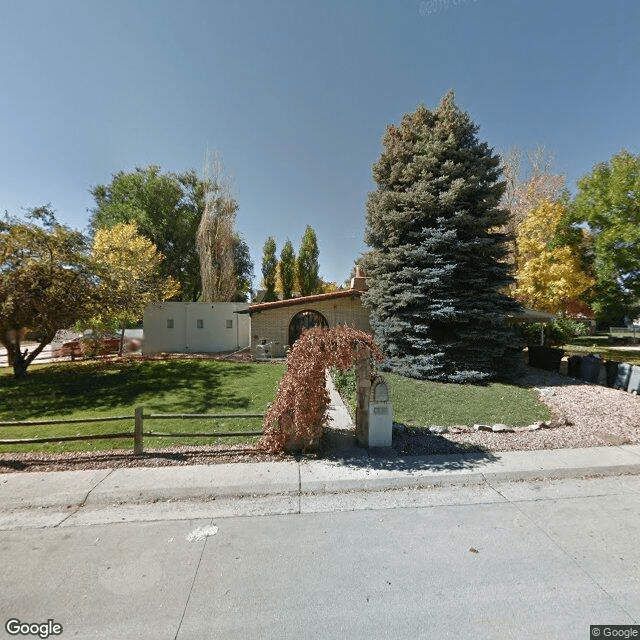
225 N. Marshall St., Lakewood, CO 80226
To contact a resident: (303) 238-2588
For more information about senior living options: (866) 208-4318
Companion Care, Inc. I Costs & Pricing
Companion Care, Inc. I offers a competitive monthly rate of $2,500 for private room accommodations, significantly lower than both the average costs in Jefferson County at $4,253 and the state average of $4,142 in Colorado. This pricing positions Companion Care as an accessible option for individuals seeking quality care without the financial strain often associated with similar facilities in the region. The difference in cost underscores Companion Care's commitment to providing affordable support while maintaining a high standard of care for its residents.
| Floor plans | Companion Care, Inc. I | Jefferson County | Colorado |
|---|---|---|---|
| Private | $2,500 | $4,253 | $4,142 |
Memory care communities with a similar price nearby
-
About the same
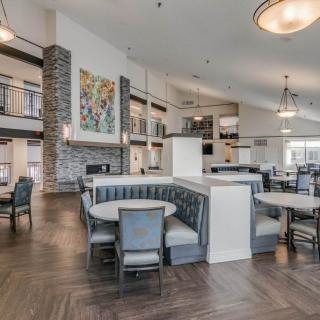
San Marino Retirement Community
$2,539 to $4,348 / month7.8 miles away -
from +$100 / mo
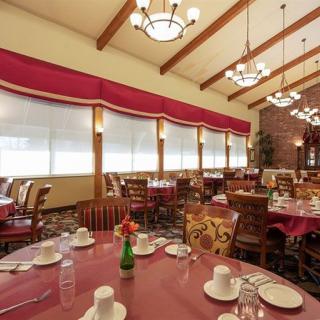
Five Star Residences of Dayton Place
$2,600 to $3,200 / month10.7 miles away -
About the same

Holly Creek Retirement Community
$2,500 to $3,030 / month11.4 miles away -
from +$280 / mo
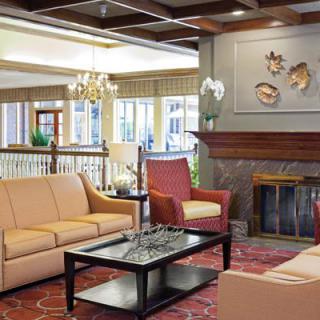
Harvard Square Retirement & Senior Living
$2,780 to $3,800 / month11.2 miles away -
from +$495 / mo
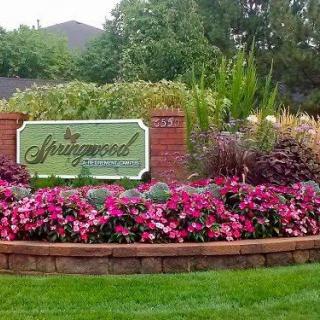
Springwood Retirement Campus
$2,995 to $4,195 / month7.6 miles away
Overall Review of Companion Care, Inc. I
Pros
 The owner and staff at A Change of Seasons have been great.
- The facility is very clean, homey, and personable.
- A Change of Seasons is highly recommended for memory care.
Review
This community is best suited for families seeking a small, memory-care–focused setting in Lakewood where care feels personal and the surroundings feel like home. A four-month residency cited by a reviewer describes the owner and staff as excellent, with a clean, comfortable, and personable atmosphere. For memory-impaired residents, that combination translates into predictable routines, steady caregivers, and a sense of safety that reduces confusion. The setting prioritizes memory care in a way that keeps daily life simple and familiar, rather than clinical or impersonal. Families wanting warmth, individualized attention, and a calm pace will find this environment aligns with those expectations and can ease the transition into ongoing care.
It is not the right fit for every situation. Residents demanding high-intensity medical oversight, 24/7 nursing coverage, or rapid escalation of care may be better served elsewhere, particularly, larger campuses with dedicated skilled-nursing services. If a resident requires a broad calendar of activities, frequent access to specialists, or more robust on-site clinical resources, alternatives should be explored. The available feedback covers a single perspective and leaves questions about staffing consistency across shifts, emergency protocols, and medical integration unanswered. For families dealing with complex care trajectories or advanced behavioral needs, a thorough on-site assessment is essential. In short, this option excels for memory-care focus, while others may provide the medical depth and programming some residents require.
Nonetheless, the strongest positives, hands-on ownership, attentive staff, cleanliness, and a homey vibe, directly address the core needs of memory-care residents: safety, routine, and belonging. When caregivers are visible, consistent, and respectful, residents settle in more quickly, mood remains steadier, and family members sleep better at night. Clean spaces and a domestic atmosphere further reduce anxiety and support cooperation with daily tasks. These advantages effectively offset the lack of publicly documented breadth in programming or on-site medical resources. The caveat is that the validation rests on a single positive report; prospective families should verify that the care team, shift coverage, and care plans meet the resident’s evolving needs through a first-hand visit and candid conversations with staff and administrators.
To evaluate thoroughly, prospective families should pursue targeted questions. Seek a clear staff-to-resident ratio for memory-care shifts and inquire about dementia-specific training and safety protocols. Observe the living areas for wayfinding cues, secure doors, and fall-prevention features. Watch how staff engage residents during routine tasks to gauge warmth, efficiency, and respect. Ask about daily programming for memory stimulation, independence-building activities, and how often families receive updates. Clarify how care levels can be adjusted as memory needs evolve and what the escalation path looks like. Finally, demand transparent financial details: what is included, what could incur extra charges, and how rate changes are handled. A disciplined, data-driven approach will reveal whether the setting can deliver stable, long-term satisfaction for both resident and family.
Compared with other options in the area, the standout attribute here is the mix of individualized attention and a home-like environment, backed by an actively involved owner. For families prioritizing warmth and consistent caregiver interaction, this is a strong match. For those needing broader clinical services, richer activity programming, or faster nursing responsiveness, other memory-care or assisted-living communities may be a better fit. The decision should hinge on aligning the resident’s cognitive needs, preferred daily rhythm, and family’s ability to participate with the facility’s operating style. Put simply, it is a practical, lower-stress option for memory care that keeps the resident at the center, but it will not replace the need for specialized medical oversight in more complex cases. Side-by-side comparisons are essential to confirm the right fit.
In sum, this Lakewood community stands out as a practical, people-centered memory-care choice for families chasing warmth, clarity, and steady caregiver engagement. The profile suggests strong suitability for residents whose memory challenges respond to a home-like, attentive environment and predictable routines. It is less suitable for families seeking aggressive medical oversight, rapid escalation, or an expansive clinical footprint. The strengths, ownership involvement, responsive caregivers, and a clean, comfortable milieu, offer meaningful value, provided expectations stay anchored in memory-care realities. The absence of broad public detail on programming isn’t a deal-breaker if personal fit and daily life align; this is where a thorough tour and targeted questions make the difference. The takeaway: for the right resident, this setting delivers peace of mind and consistent daily life; for others, it’s a prompt to explore options with more extensive clinical resources.
 Board and Care Home
 Memory Care
 Cats allowed
 Dogs allowed
 Private
 Private bathrooms
 Denver International (23 miles away)
 High acuity care


 Engaging Memory Care Activities That Enhance Quality of Life
 When to Transition from Assisted Living to Memory Care: Key Indicators, Steps, and Finding the Right Community
 Understanding the Distinctions: Assisted Living and Memory Care Explained