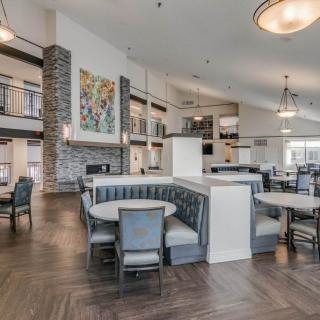
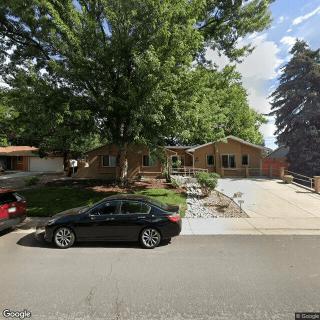
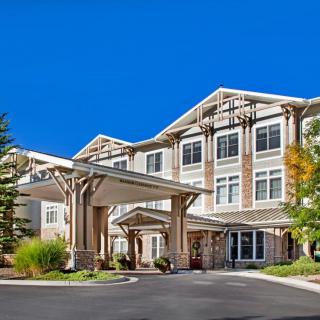
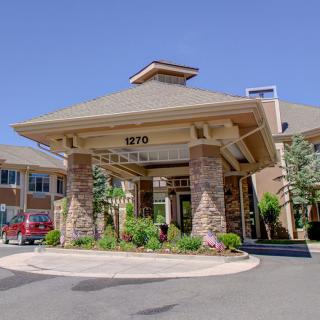
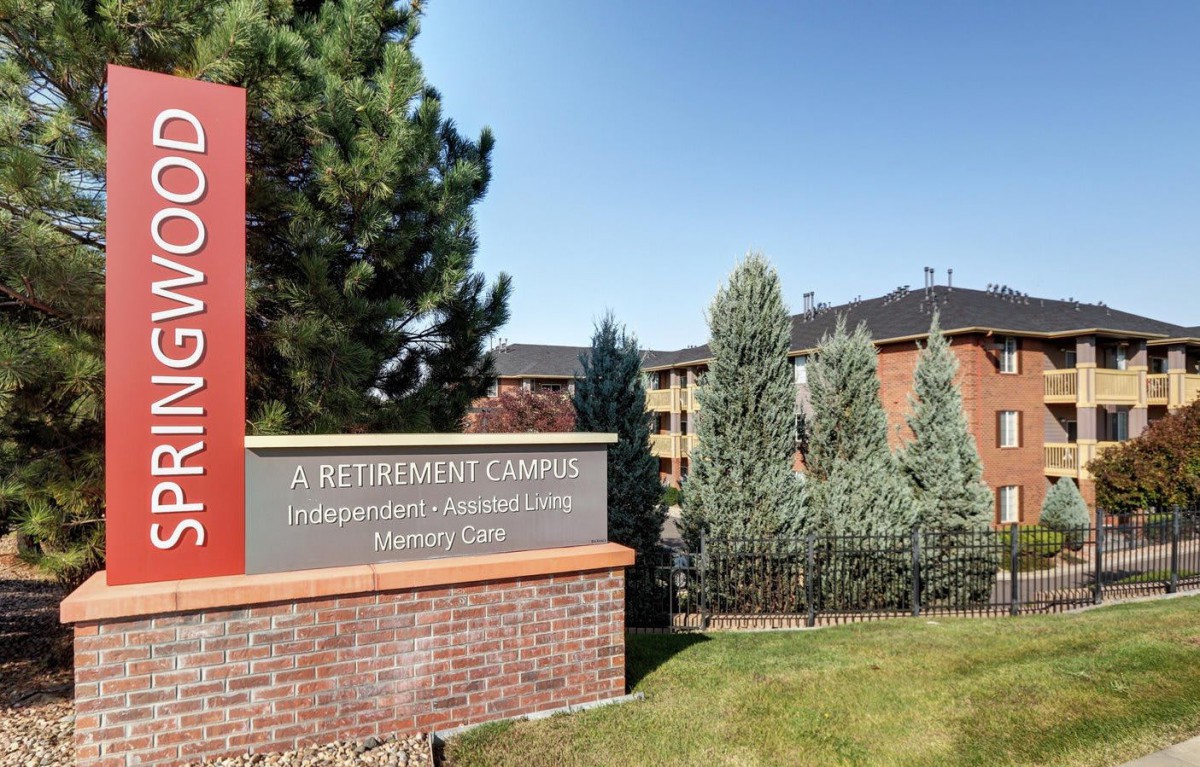
Springwood Retirement Campus in Arvada, CO

Save

  • Interior

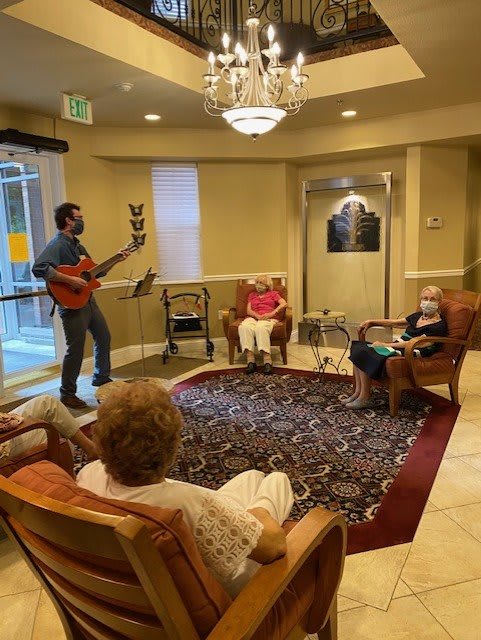
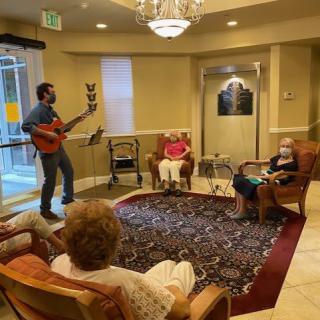
    A musician plays guitar for an audience of elderly people in a cozy room.
  • Outdoors

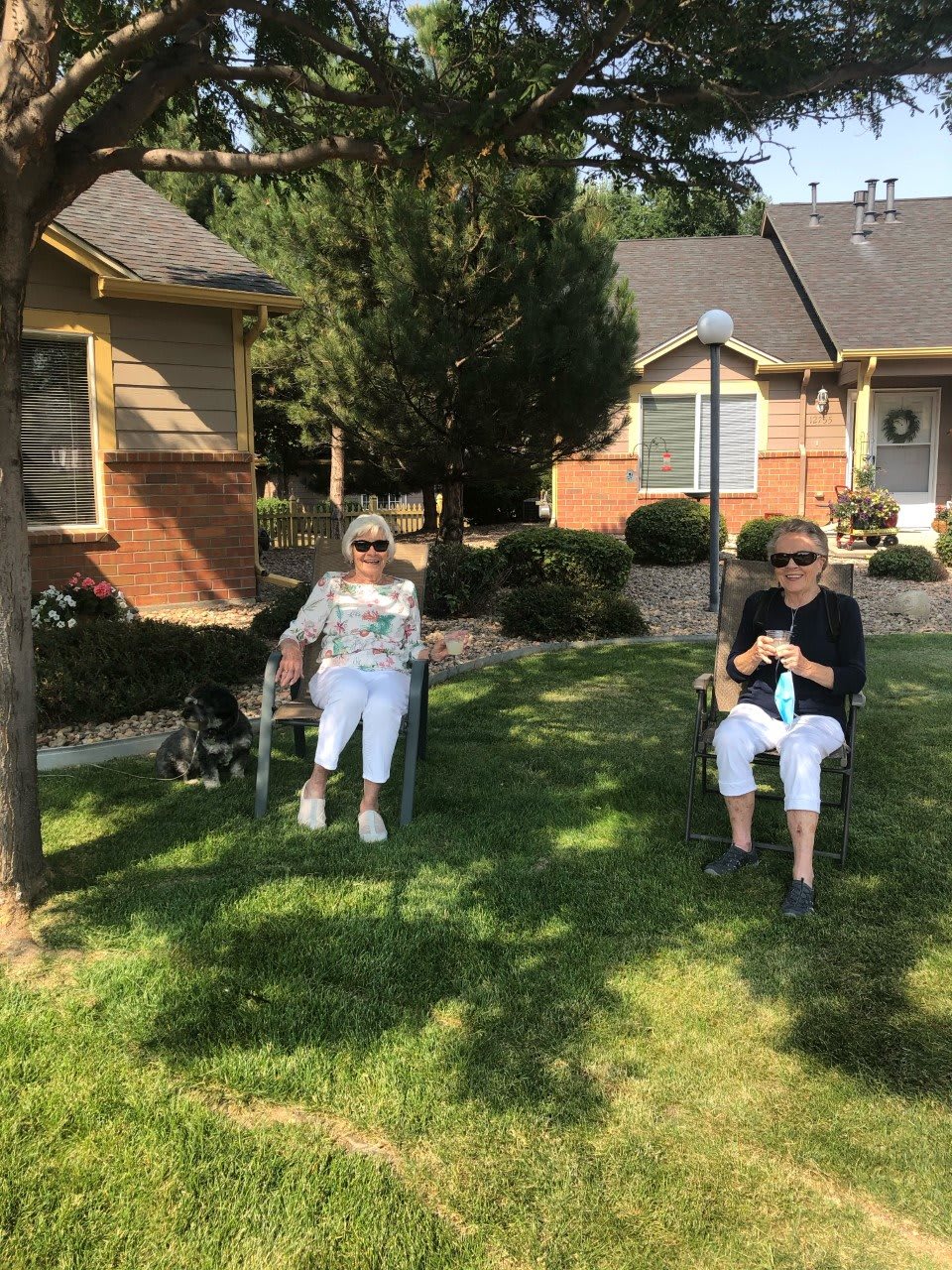
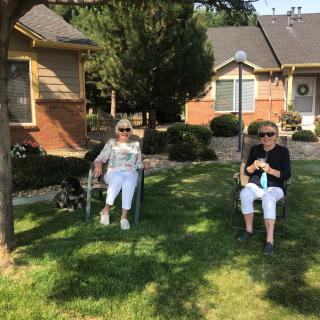
    Two people sitting on chairs in a sunny backyard.
  • Decor

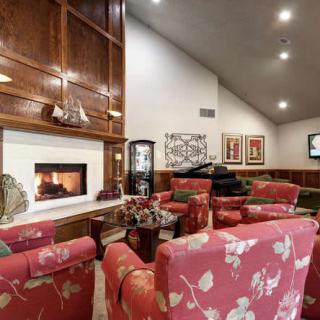
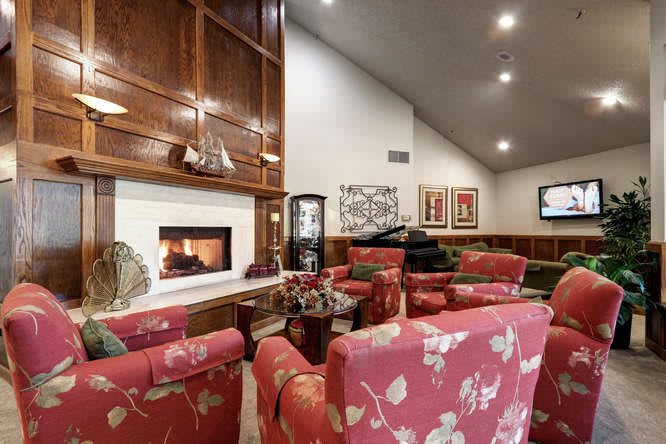
    A cozy living room featuring a fireplace, floral armchairs, and elegant wood paneling.
  • Living Room

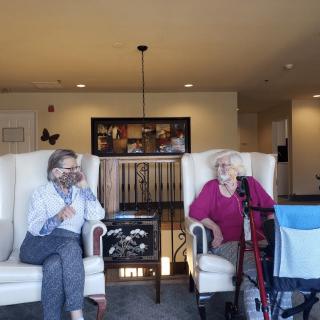
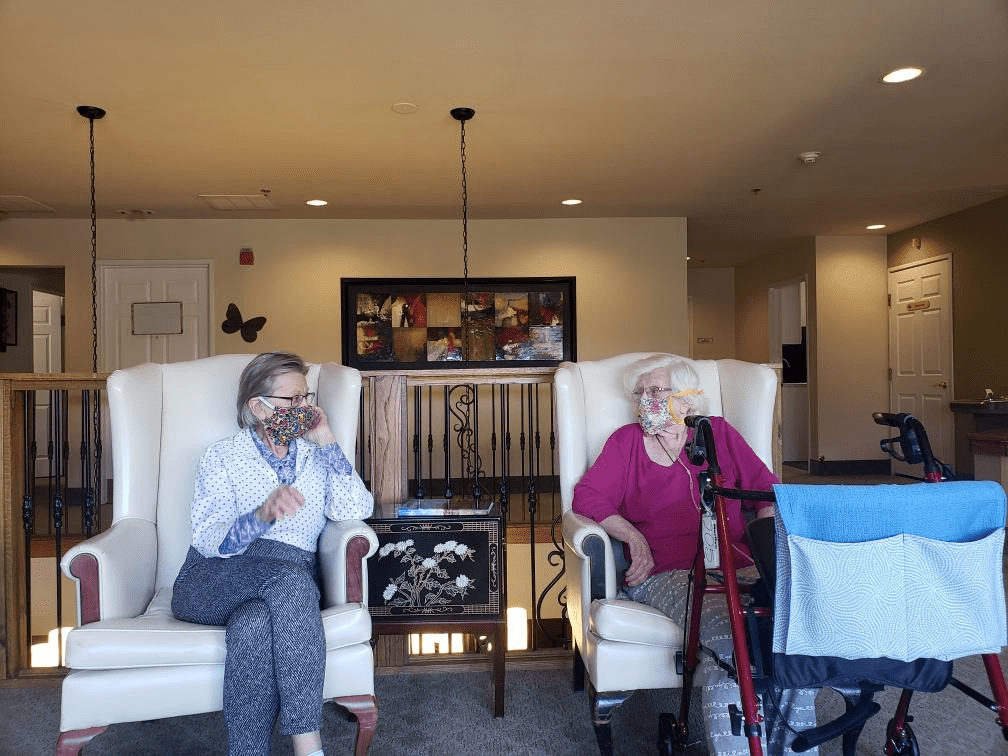
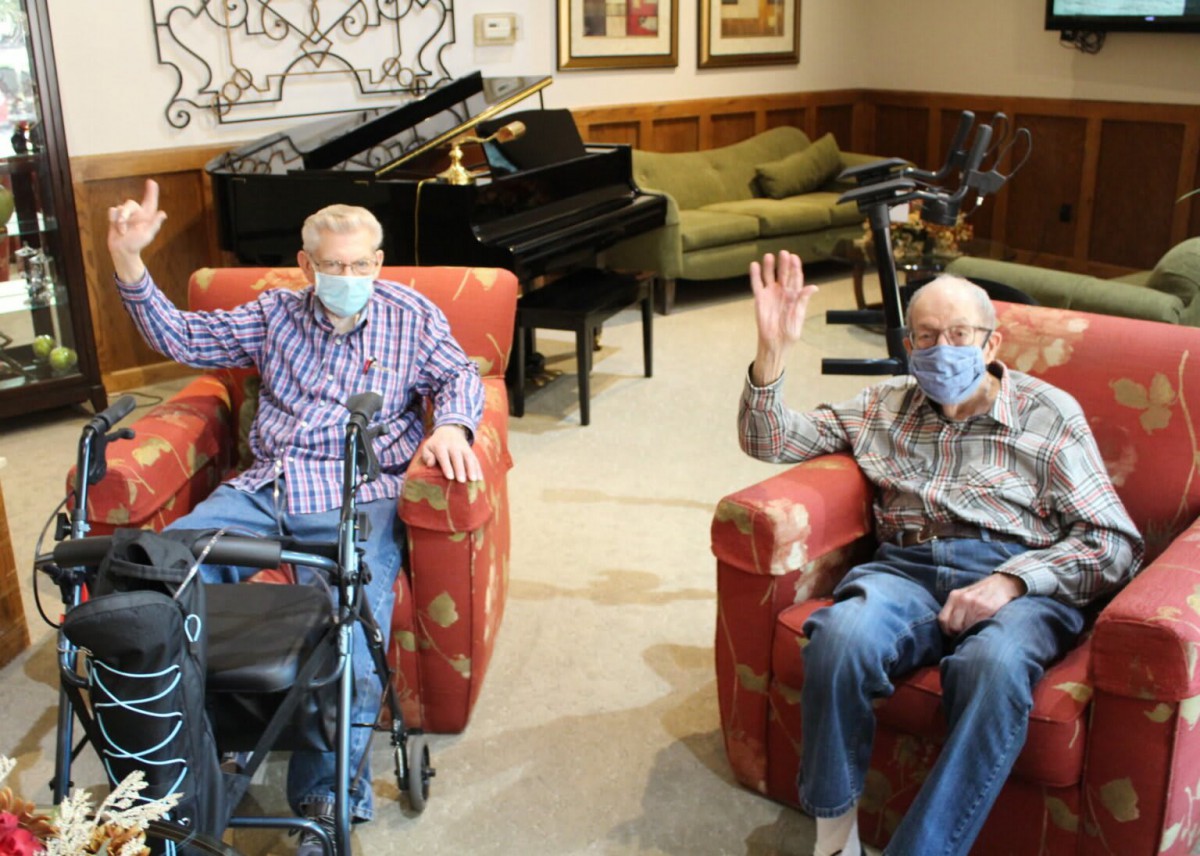
    Two elderly individuals sitting in a living room having a conversation.
  • Building

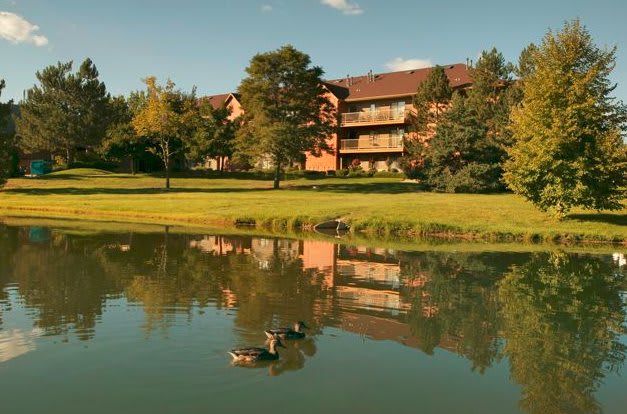
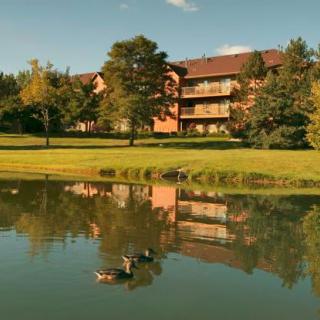
    A peaceful scene with ducks swimming in a lake, reflecting trees and a building under a clear sky.
  • Trees

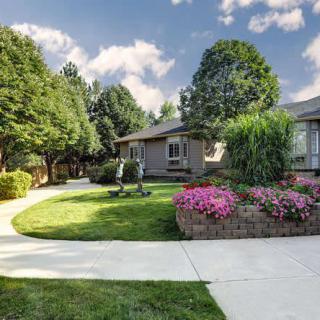
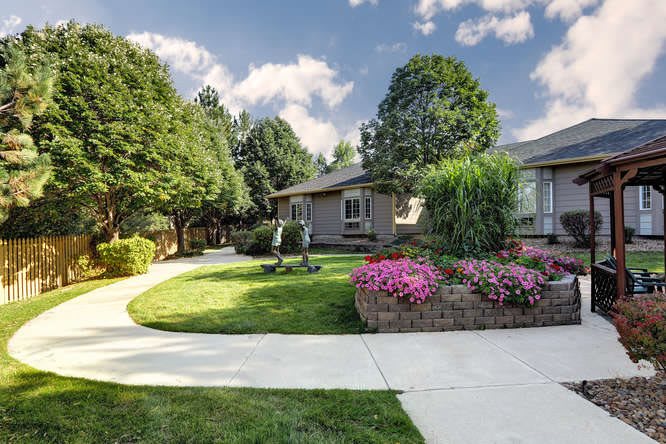
    A charming house surrounded by a well-maintained garden with a winding pathway and vibrant flowers.
  • Windows

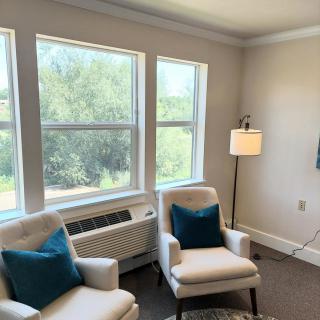
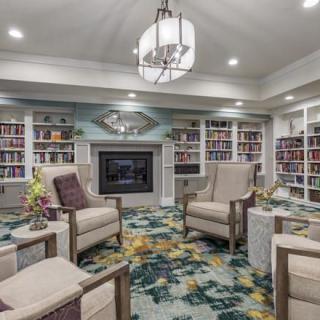
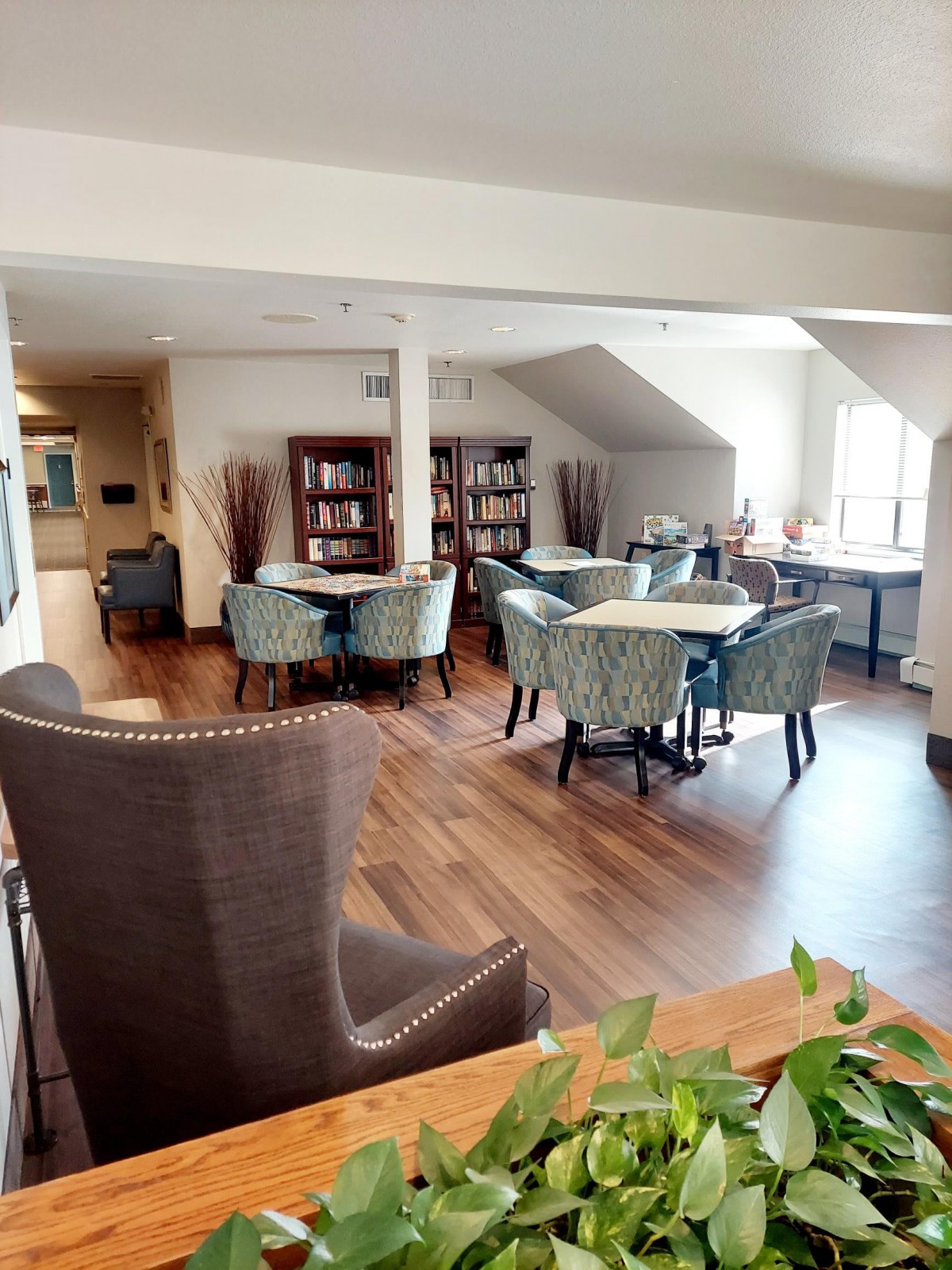
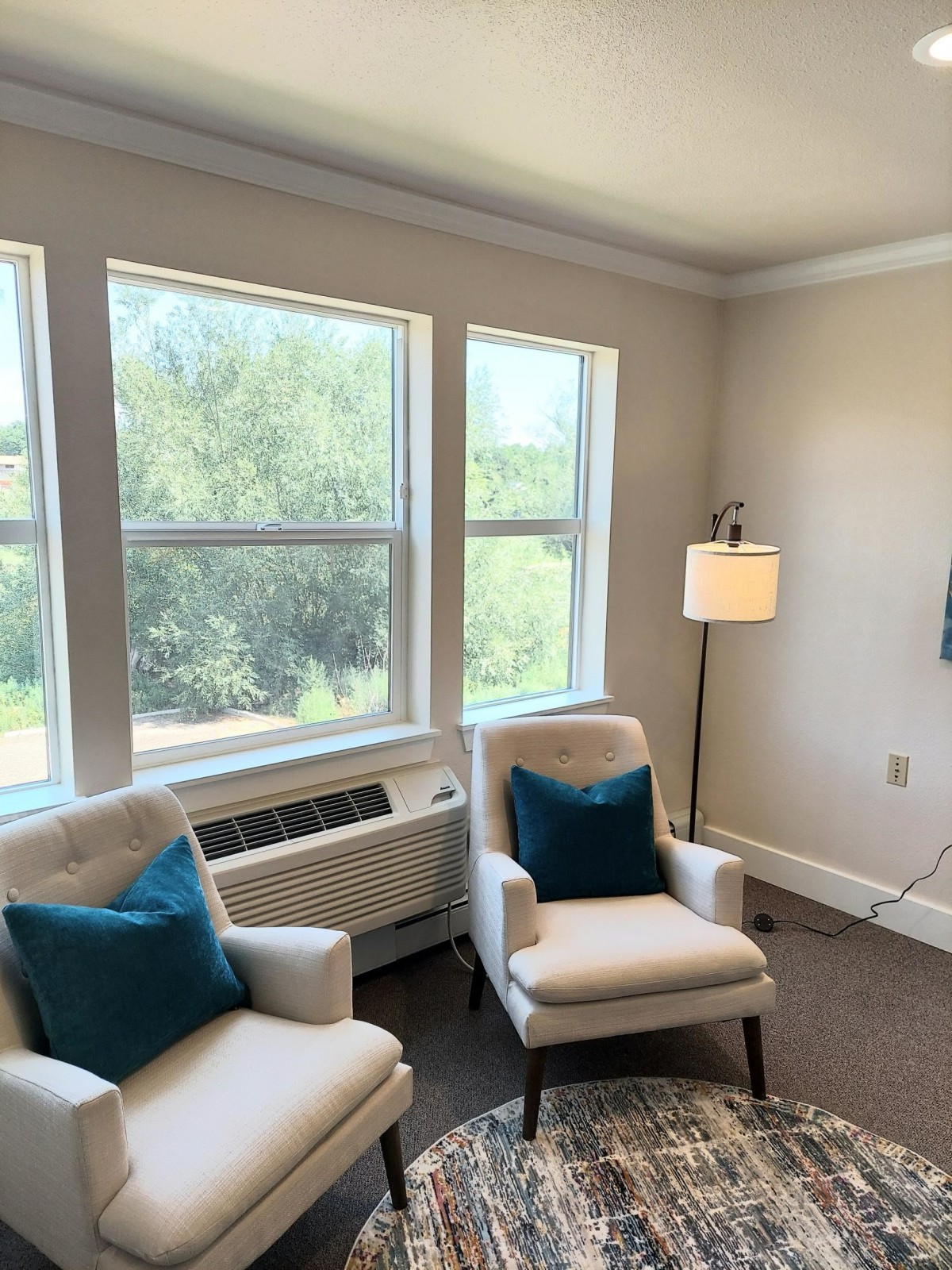
    A cozy living room with chairs, a lamp, and large windows providing natural light.
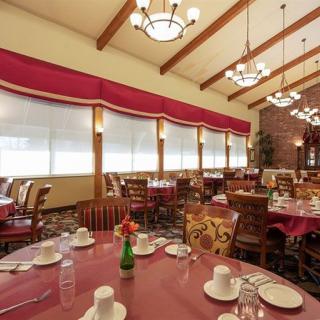
  • Dining

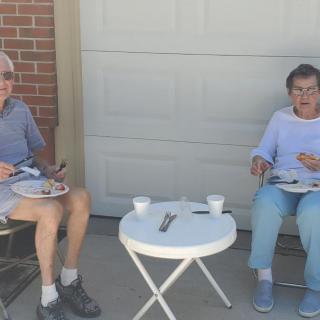
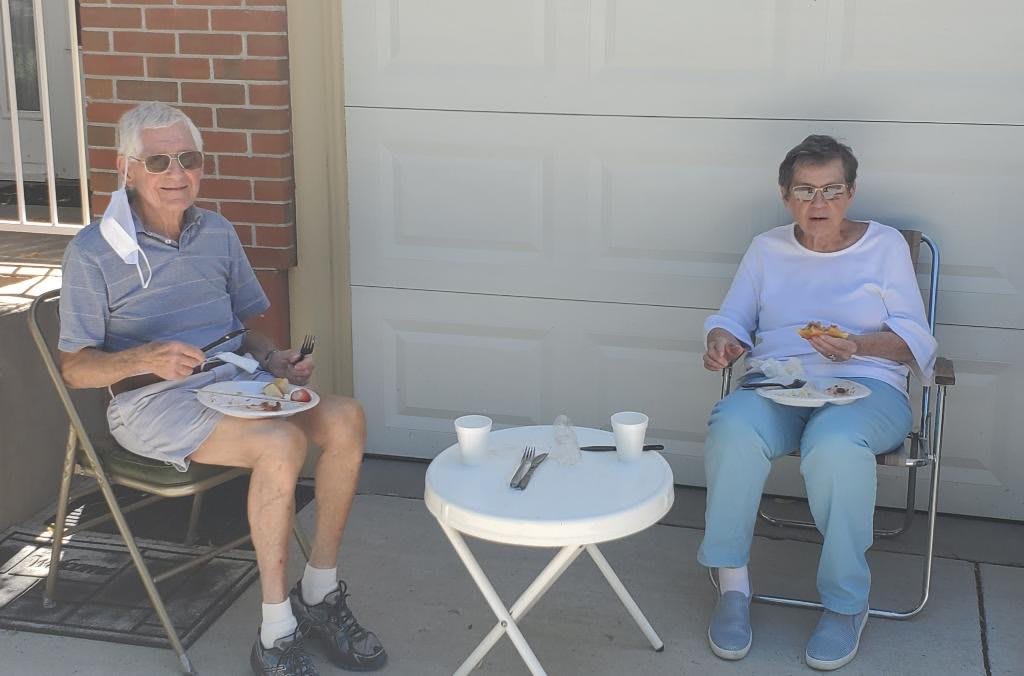
    Two seniors enjoying a meal outdoors at a small table.
  • Landscaping

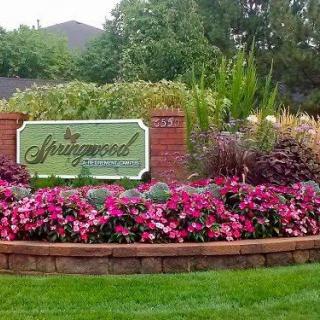
    A landscaped garden with vibrant flowers surrounds a sign at the entrance of a community.
  • Garden

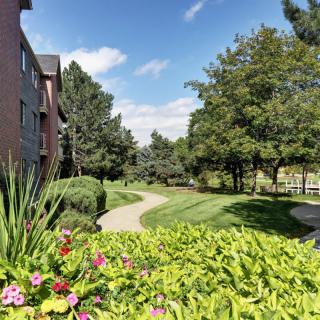
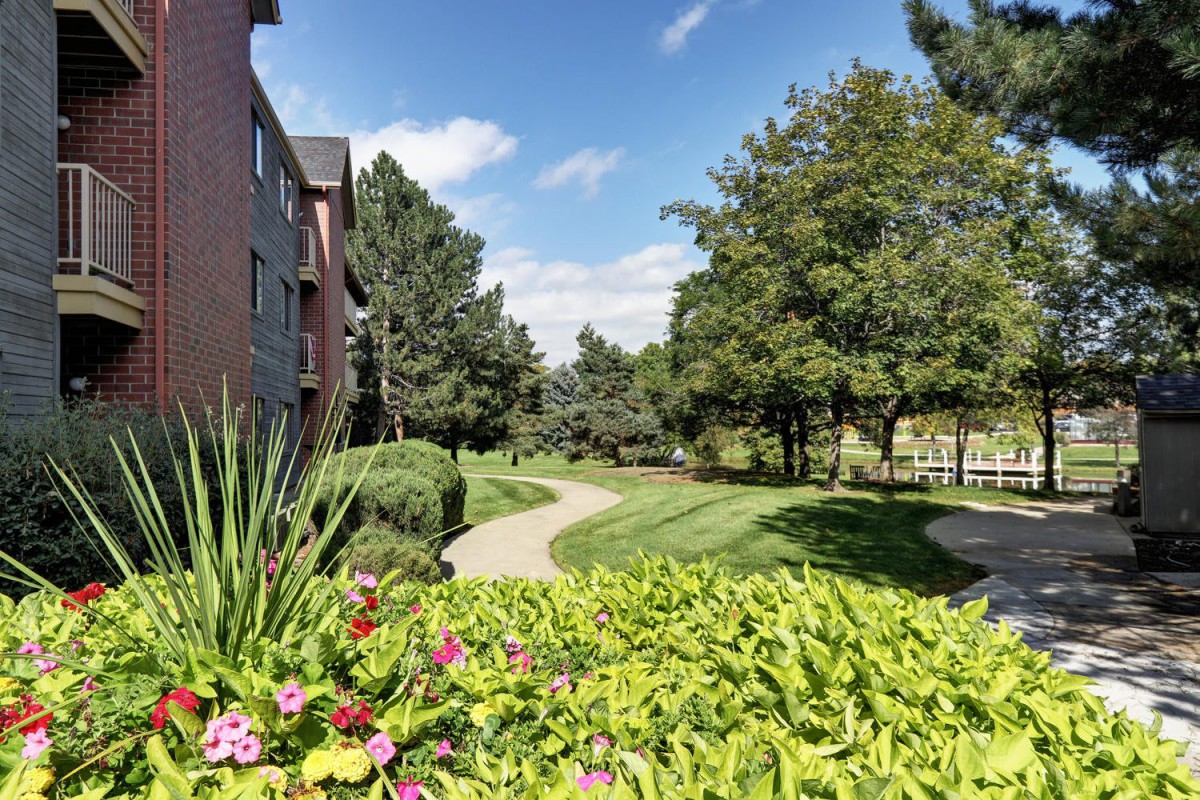
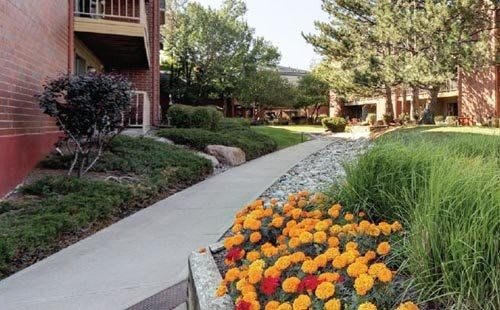
    A scenic view of a garden walkway surrounded by lush greenery and vibrant flowers.
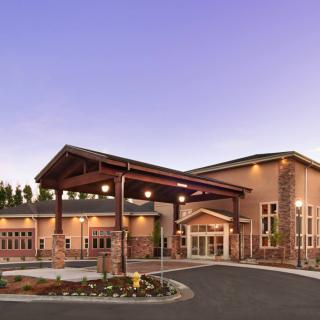
  • Entrance

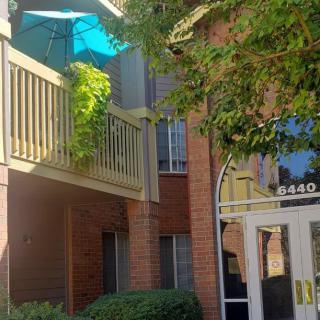
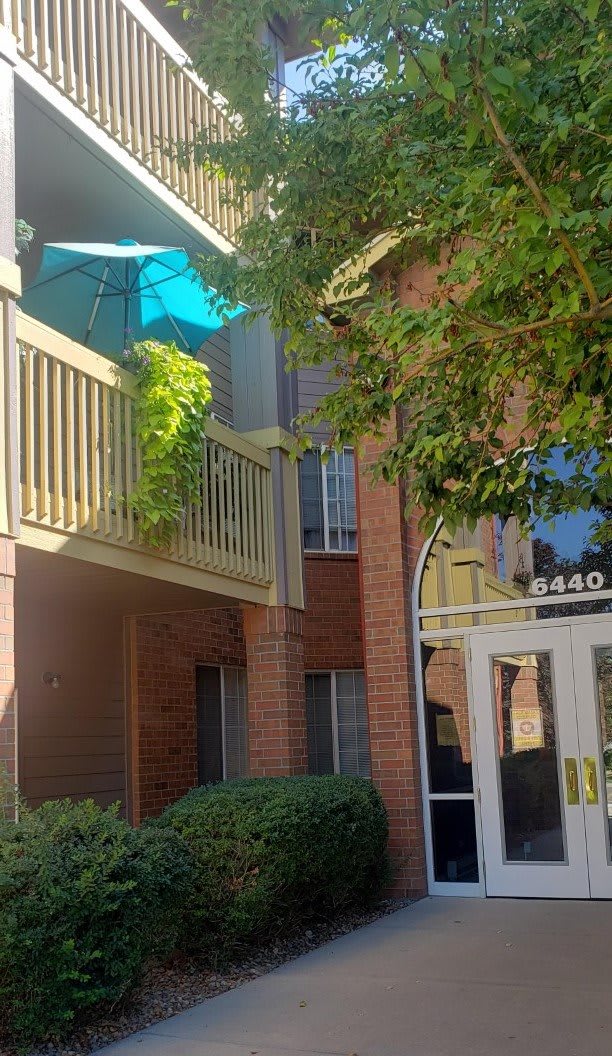
    An apartment building with a balcony featuring an umbrella and plants.
  • Artwork

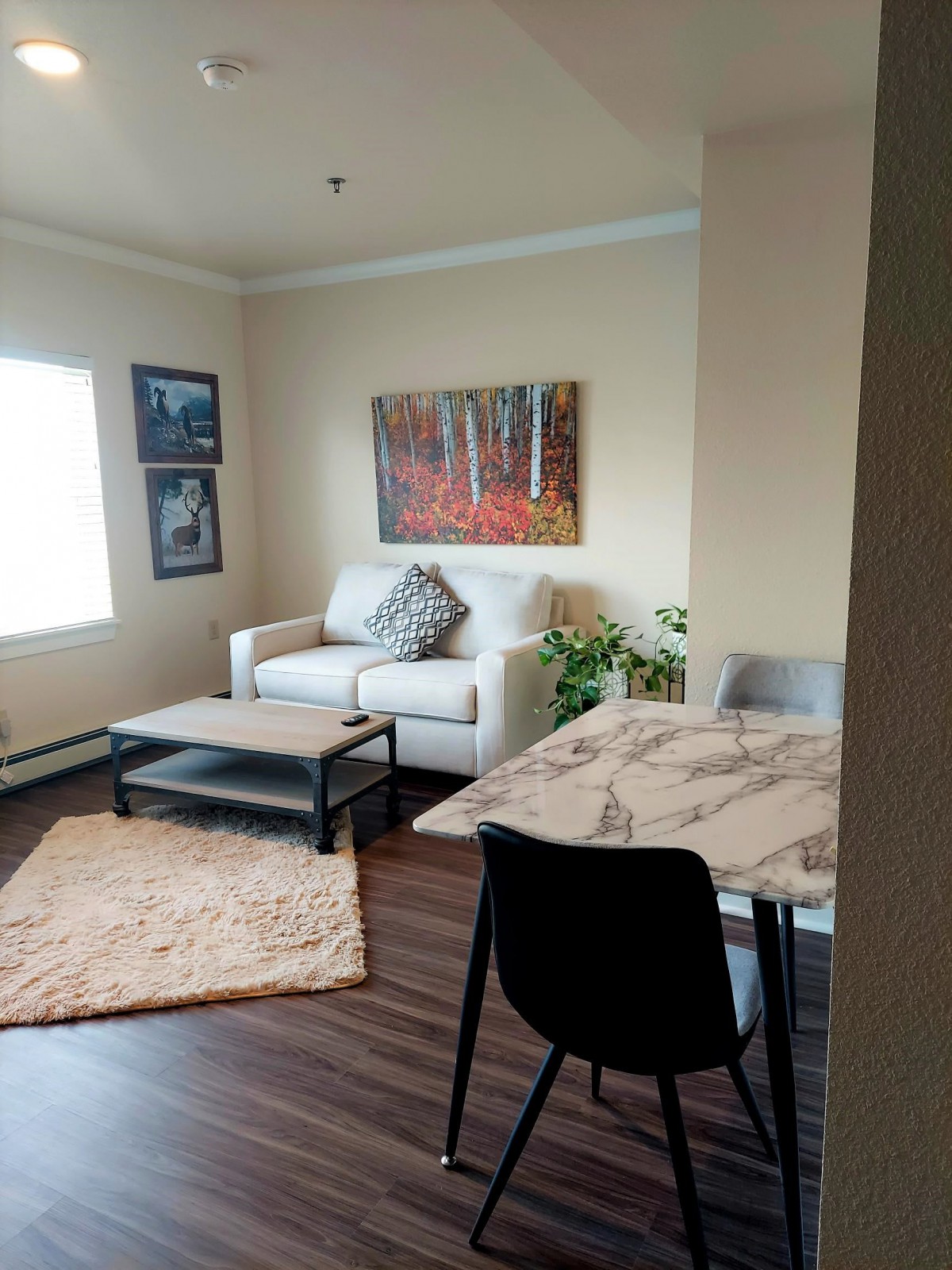
    A cozy living room with a sofa, coffee table, and a dining area featuring modern decor.
  • Fireplace

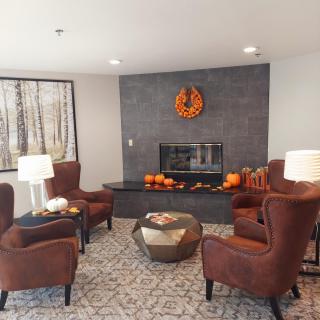
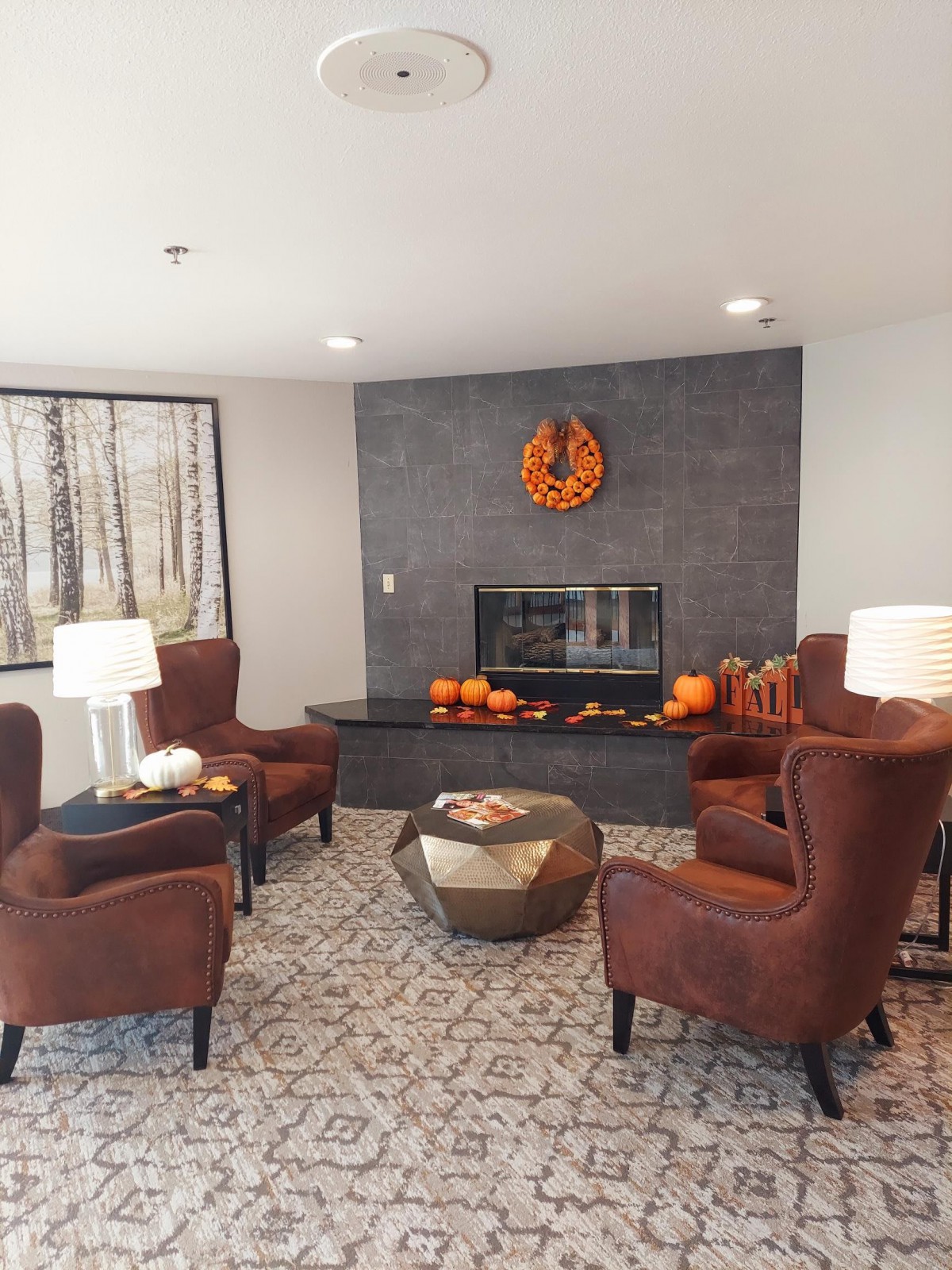
    A cozy living room with autumn-themed decor and a fireplace.
  • Outdoor

    A bronze sculpture of children and a dog balancing on a log in a park setting.

Springwood Retirement Campus in Arvada, CO

Information last verified:

6550 Yank Way, Arvada, CO 80004

For more information about senior living options: (844) 490-3973

4.2 from 65 reviews
5 stars
34
4 stars
21
3 stars
3
2 stars
1
1 stars
6

Springwood Retirement Campus Costs & Pricing

Springwood Retirement Campus offers competitive pricing for its accommodations compared to both Jefferson County and the broader state of Colorado. For a one-bedroom unit, residents will find an appealing rate of $2,995, significantly lower than the county average of $4,076 and the state average of $4,119. Studio apartments at Springwood are priced at $3,695, again presenting a more budget-friendly option compared to Jefferson County's $4,174 and Colorado's $4,090. Additionally, the two-bedroom suites are available for $4,195, which is more economical than both the county benchmark of $4,881 and the state average of $4,580. This makes Springwood an attractive choice for those seeking quality retirement living without exceeding their financial means.

Floor plansSpringwood Retirement CampusJefferson CountyColorado
1 Bedroom$2,995$4,076$4,118
Studio$3,695$4,174$4,088
2 Bedrooms$4,195$4,881$4,580

Overall Review of Springwood Retirement Campus

Pros

  • pro The caregivers were incredible, respectful, kind, and skilled in caring for residents.
  • pro The front desk staff were friendly, helpful, and welcoming.
  • pro Residents felt like they were treated like royalty at Nightingale Suites.
  • pro The hair salon, especially Laura, was accommodating and even styled hair at the bedside.
  • pro The facility was very clean, beautifully decorated, and well-maintained.
  • pro Nightingale Suites was an amazing blessing to both residents and their families.
  • pro The wellness coordinator and care coordinator communicated concerns with sensitivity and grace.
  • pro Hospice nurses and the chaplain consistently praised the level of care at Nightingale Suites.
  • pro The staff were caring, friendly, and easy to work with; families felt welcomed and valued when visiting.
  • pro The continuum of care and variety of activities were appreciated.

Cons

  • pro The reviewer states they were told their mother would be assessed before placement, but she was not assessed.
  • pro They say there would be no communication with the family, which felt rude.
  • pro They had to hire an elder attorney and fly to Denver to file against the facility.
  • pro The reviewer claims the facility kept the month’s rent after the resident left, calling it industry standard.
  • pro They describe a long wait list to get on, sometimes with a required down payment.
  • pro They report medications ran out without notifying the family, and personal items disappeared with no remedy offered.
  • pro They describe the facility as older and outdated, with small rooms.
  • pro They note there was no Wi-Fi, hindering communication.

Review

Springwood Retirement Campus in Arvada is best suited for families seeking a true continuum-of-care environment that balances a homey, park-like setting with a broad range of senior living options. It works well for residents who want to age in place on a single campus, moving from cottages or apartments through assisted living and memory care without uprooting. The campus atmosphere emphasizes community, with walking paths, a lake, and substantial on-site amenities, so active seniors who value social engagement and convenient access to activities tend to thrive. The interplay of independent living options, a structured activity calendar, and on-site services gives families a practical pathway for long-term planning, especially when health needs evolve gradually rather than abruptly.

That said, certain realities make alternatives worth considering for some. Prospective residents who demand meticulous, proactive communication with families and physicians at every turn may find the experience uneven at times. Several reviews flag moments of slow or opaque administrative follow-through, and disputes around admission decisions or refunds signal that accountability can drift. The campus is older and, in places, feels dated compared with newer constructions, with some spaces described as dark or not recently renovated. For anyone anchored to the expectation of a modern, hyper-efficient layout, or to guaranteed 24/7 clinical oversight in a newer building, other nearby communities may deliver more consistently on those fronts.

Yet the core advantages of Springwood consistently align with practical caregiver goals and family priorities, and they tend to offset the principal drawbacks when viewed in terms of value and reliability. The staff remains a standout asset: direct care givers are attentive, and many residents report staff remembering names and personal details, which translates into meaningful daily interactions. The campus has long-tenured employees in key roles, and maintenance responsiveness, seen when issues like heating or repairs are promptly addressed, creates a predictable, homelike living environment. The Nightingale Suites area epitomizes the level of care available when a resident approaches end-of-life or needs hospice-supportive staffing; families repeatedly credit the front-line team, wellness coordinators, and care coordinators for clear communication and compassionate service. For families who want ongoing activities, transportation for outings, and opportunities to socialize with peers, Springwood delivers a robust schedule that keeps residents engaged rather than isolated.

There are specific drawbacks that can influence decision-making, and they deserve frank acknowledgment. The campus’ size and older footprint can complicate navigation for visitors and first-time residents, making directions and wayfinding a real factor in first impressions. Individual rooms and apartments often feel modest in size and may be less modern than newer builds, which can matter to residents who prize expansive layouts or contemporary finishes. A few reviews describe gaps in dietary and dining logistics, and some residents report intermittent delays in service or communication with management, reminders that operational hiccups can surface even in well-intentioned communities. There is also at least anecdotal evidence of policy friction around admissions, disruptions in leadership, and questions about value versus cost when life shifts from one level of care to another. For families prioritizing seamless medical oversight, especially for acute or high-needs situations, these factors can tilt the balance toward a facility with a fresher clinical footprint.

Financially, Springwood presents a reasonable package relative to the Arvada market, with meals, activities, housekeeping, transportation in some configurations, and access to multiple care strands embedded in a single campus. Several families emphasize that the value grows as needs evolve, because moving between independent living, assisted living, and memory care on the same campus reduces transitional stress and preserves familiar surroundings. However, wait-list dynamics and up-front deposits for entry can complicate timing and budgeting, and some inquiries around refunds or industry-standard practices hint at potential friction points if expectations aren’t fully aligned from the outset. In practical terms, this means Springwood tends to reward commitment with a strong overall experience, but the financial terms and admission practices warrant careful, documented clarity before commitment.

For families evaluating Springwood, the recommended approach is strategic and multi-pronged. Tour beyond the lobby: spend time in both independent living areas and memory care to see how staff interact with residents in different contexts; ask for a direct line of communication with a wellness coordinator and a care manager to understand how concerns travel from floor to administrative office. Verify the specifics around transportation availability, meal schedules, and what is included in monthly fees, and confront any questions about the campus’ aging infrastructure, elevator renovations, Wi-Fi access, and lighting or common-area updates, to set realistic expectations. Finally, compare Springwood with other campuses that offer similar continuum care but with different emphases, modern interiors, tighter financial controls, or more transparent policies, so that the selection aligns with the resident’s medical needs, degree of independence, and family capacity to participate in ongoing care planning.

In the end, Springwood Retirement Campus delivers a practical, value-forward option for families who want a large, community-focused campus that supports aging in place with a broad care continuum and a warm, staff-driven culture. It shines for residents who prize continuity, meaningful activities, accessible on-site services, and a genuine sense of belonging, where staff know residents by name, care is delivered with compassion, and the community remains actively engaged. It is less well-suited for those requiring pristine, modern interiors, flawless operations, or highly predictable medical oversight. For those families, exploring comparable campuses with newer facilities, more explicit admission and refund policies, and consistent executive leadership may yield a tighter fit. The right choice hinges on balancing the comfort of a homey, connected setting against the demands of medical acuity, administrative transparency, and the pace at which a resident’s care needs are likely to intensify.

Features

Housing

  • 1-bedroom apartments 1-bedroom apartments1-bedroom apartments are important for seniors because they provide a sense of independence, privacy, and autonomy while still offering the necessary space for comfortable living. These apartments allow seniors to maintain their own personal space and lifestyle preferences in a supportive community setting.
  • 2-bedroom apartments 2-bedroom apartments2-bedroom apartments are important for seniors because they provide extra space for guests, hobbies, and caregivers, as well as potential for additional income through roommates or rental.
  • Detached homes Detached homesDetached homes are important for seniors because they provide independence and privacy, allowing them to maintain a sense of autonomy in their living space. Additionally, detached homes often offer more space for hobbies and activities, as well as outdoor areas for gardening or relaxation. This can contribute to a better quality of life and overall well-being for seniors.
  • Studio apartments Studio apartmentsStudio apartments are important for seniors because they offer a smaller, more manageable living space that is easier to navigate and maintain as physical abilities decline. Additionally, studio apartments provide seniors with independence and privacy while still being part of a community that offers support and social opportunities.

Types of Care

  • Assisted Living Assisted LivingAssisted living facilities provide crucial support and care for seniors who may need help with daily tasks such as medication management, bathing, and meal preparation. These communities offer a safe and comfortable environment where seniors can maintain their independence while receiving the assistance they need to thrive in their golden years.
  • Independent Living Independent LivingIndependent living communities are important for seniors because they offer a safe and supportive environment where older adults can live independently while still having access to amenities and services that enhance their quality of life. These communities provide social opportunities, recreational activities, and assistance with daily tasks, promoting overall well-being and allowing seniors to maintain their independence for as long as possible.
  • Memory Care Memory CareMemory care is crucial for seniors as it provides specialized support and services for individuals with dementia or Alzheimer's disease. These programs offer a safe and secure environment where residents receive personalized care, cognitive stimulation, and help with daily activities. Memory care helps seniors maintain their independence, quality of life, and dignity while also providing peace of mind for their families.

Pets

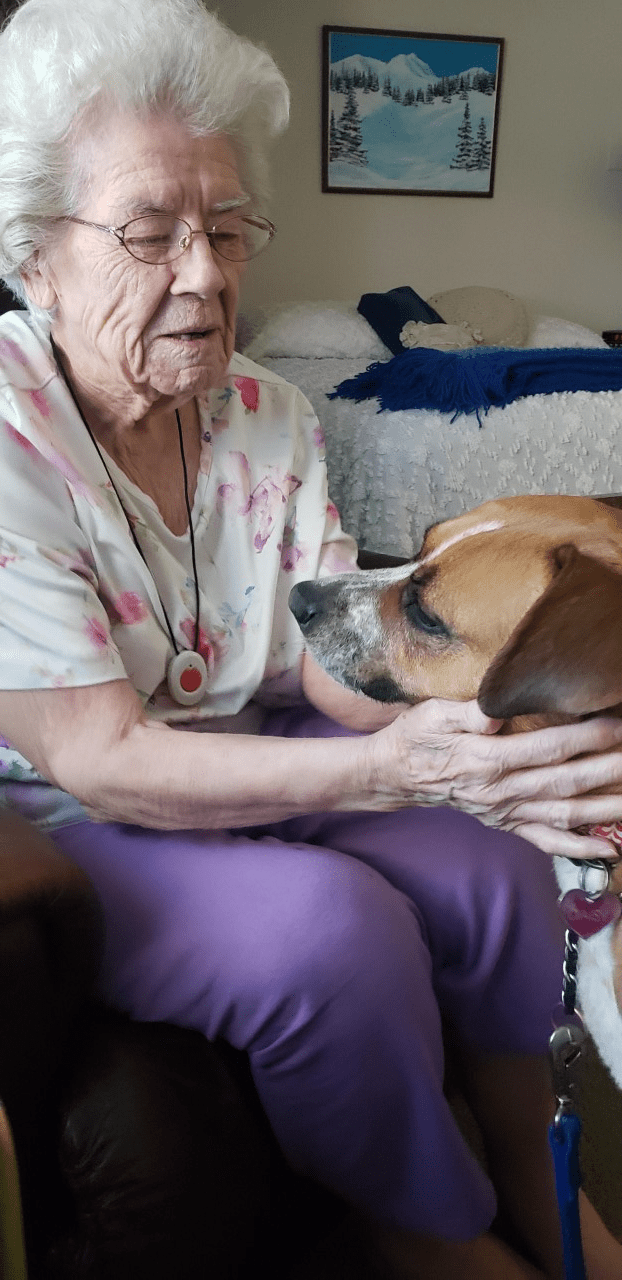
  • Cats allowed Cats allowed"Pet friendly" senior living communities are important for seniors because pets provide companionship, reduce feelings of loneliness and depression, promote physical activity and mental stimulation, and offer a sense of purpose and responsibility. Pets can improve overall well-being and quality of life for seniors in many ways.
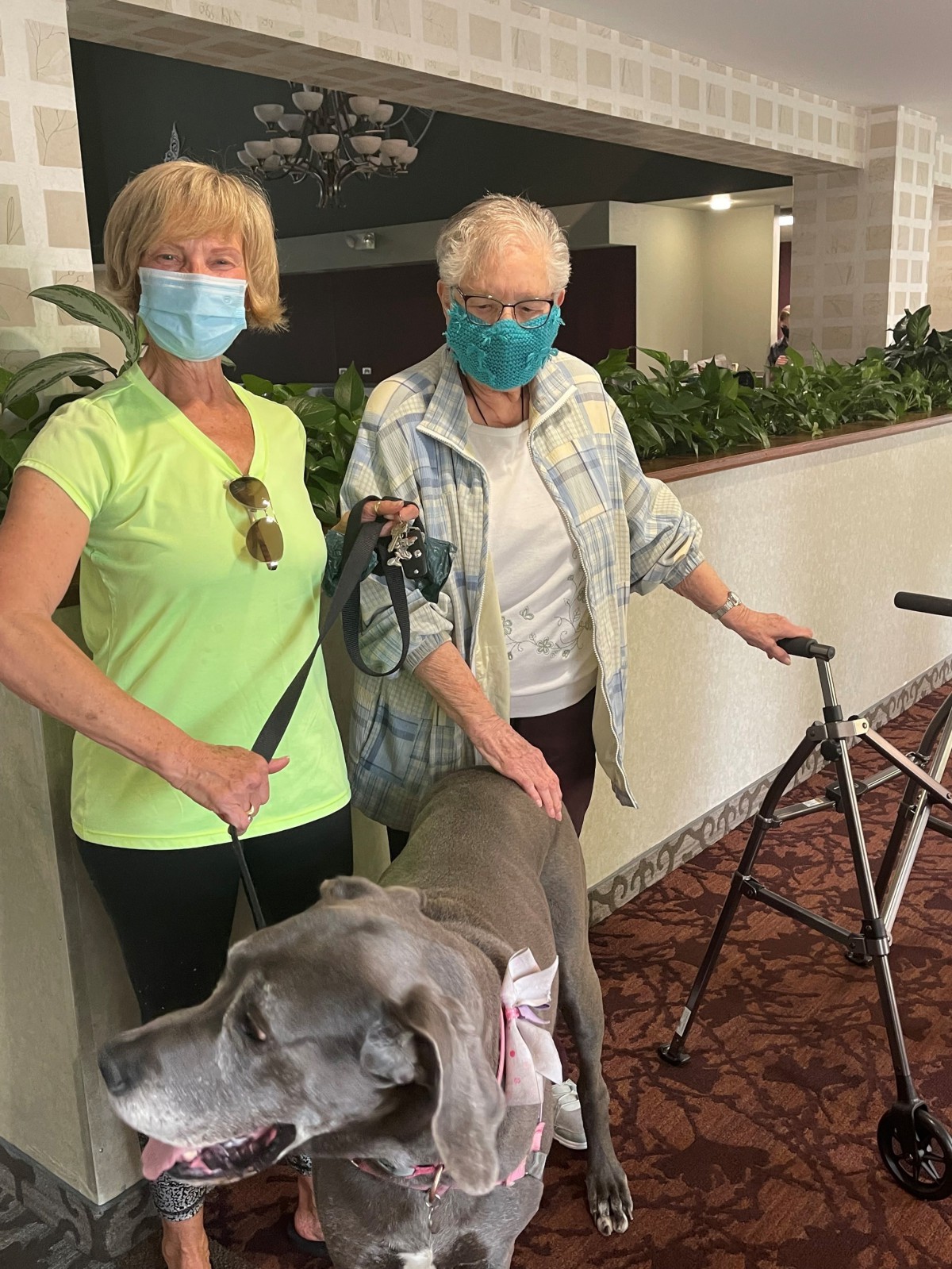
  • Dogs allowed Dogs allowed"Pet friendly" senior living communities are important for seniors because pets provide companionship, reduce feelings of loneliness and depression, promote physical activity and mental stimulation, and offer a sense of purpose and responsibility. Pets can improve overall well-being and quality of life for seniors in many ways.

Amenities

  • Activities off-site Activities off-siteEngaging in off-site activities is crucial for seniors to maintain social connections, stay active, and stimulate their minds. It promotes overall well-being and helps combat feelings of isolation and loneliness.
  • Activities on-site Activities on-siteActivities on-site are important for seniors because they provide opportunities for socialization, mental stimulation, physical activity, and overall well-being. Engaging in activities can help seniors stay active, maintain their independence, and improve their quality of life.
  • Air-conditioning Air-conditioningAir conditioning is important for seniors as they are more vulnerable to heat-related illnesses and may have underlying health conditions that make it difficult for them to regulate their body temperature. It helps to keep them comfortable, safe, and healthy in hot weather.
  • Bath tubs Bath tubsBath tubs are important for seniors because they provide a safe and relaxing way to bathe, helping to prevent slips and falls while promoting independence and overall well-being.
  • Beautician on-site Beautician on-siteHaving a beautician on-site at a senior living community is important for seniors as it allows them to easily access grooming and personal care services, boosting their self-esteem and overall well-being. It also provides convenience and helps seniors maintain their sense of independence and personal style.
  • Devotional services off-site Devotional services off-siteDevotional services off-site are important for seniors as they provide spiritual nourishment, social engagement, and a sense of community outside of the senior living facility. This can enhance overall well-being and help combat feelings of isolation and loneliness often experienced by older adults.
  • Devotional services on-site Devotional services on-siteDevotional services on-site provide seniors with spiritual support and a sense of community, as well as an opportunity for reflection and guidance during their senior living experience. This can promote emotional well-being and connection to others, leading to a more fulfilling and enriching lifestyle in their later years.
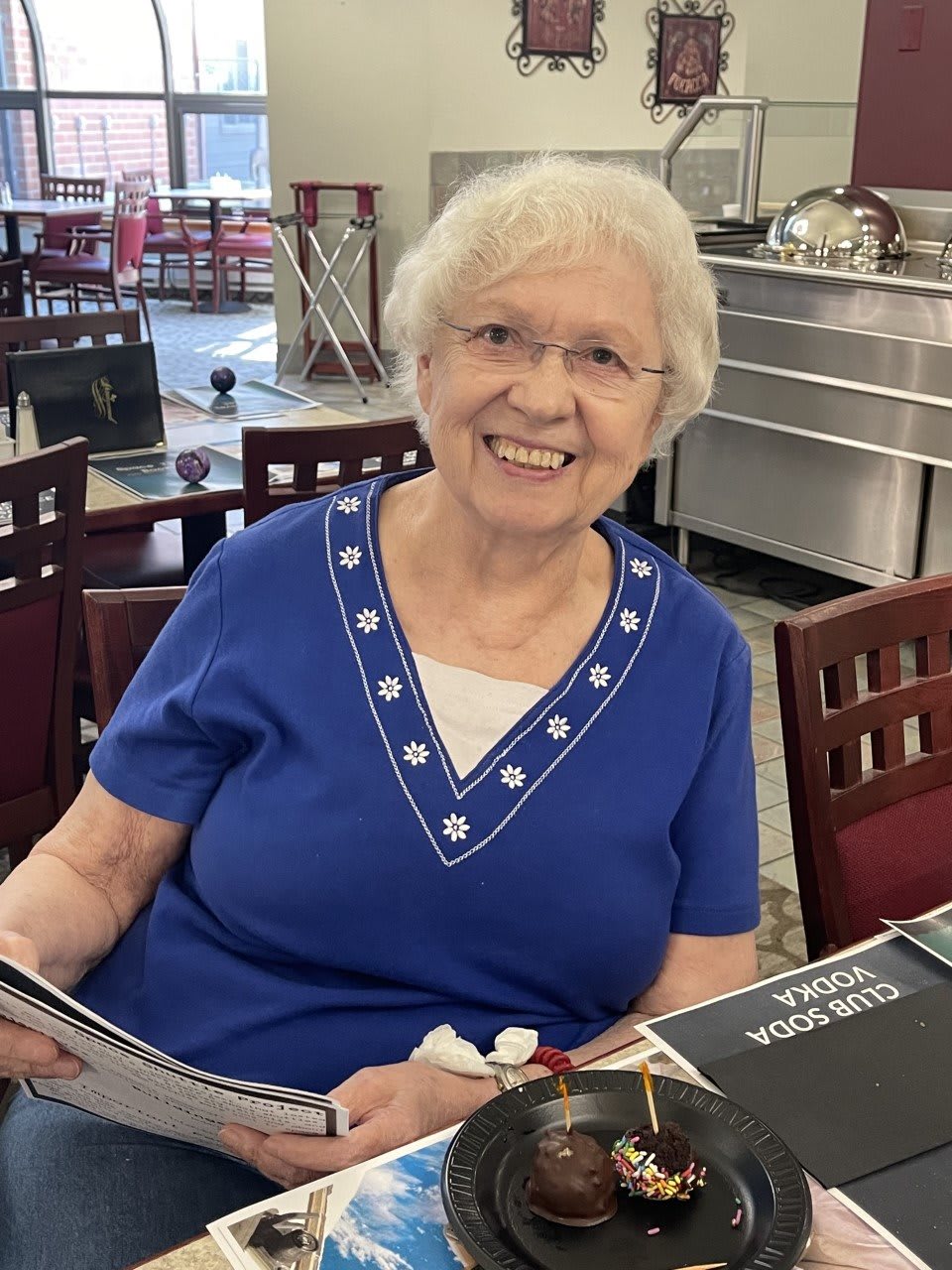
  • Dining room Dining roomDining rooms are important for seniors as they provide a space for socialization, connection, and nutritious meals. They offer opportunities for residents to bond over shared meals, foster a sense of community, and promote healthy eating habits. Dining rooms also ensure that seniors have access to well-balanced meals tailored to their dietary needs and preferences.
  • Full kitchen Full kitchenHaving a full kitchen in a senior living facility is important for seniors because it allows them to maintain their independence and prepare their own meals. This promotes healthy eating habits, saves money on dining out, and provides a sense of familiarity and comfort for residents.
  • Garden GardenGardens are important for seniors as they provide a peaceful and therapeutic environment for relaxation, physical activity, and socialization. Being in nature has been shown to reduce stress, improve mood, and promote overall well-being. Gardens also offer opportunities for seniors to engage in gardening activities, which can improve mobility, flexibility, and cognitive function. Additionally, gardens create a sense of community and connection with others who share a passion for plants and outdoor spaces.
  • Ground floor units Ground floor unitsGround floor units are important for seniors because they provide easy accessibility, reduced risk of falls and injuries, and convenience for those with mobility issues. Seniors can avoid climbing stairs or using elevators, making daily tasks and activities more manageable and enjoyable.
  • Handicap accessible Handicap accessible"Handicap accessible" amenities are crucial for seniors to ensure they can easily navigate and access facilities, services, and activities without barriers or limitations due to physical impairments. This promotes independence, safety, and inclusivity for seniors in senior living communities.
  • Housekeeping services Housekeeping servicesHousekeeping services are important for seniors because they help maintain a clean and safe living environment, promote independence, and reduce the risk of accidents or illnesses. Additionally, having assistance with household chores can alleviate physical strain and allow seniors to focus on other aspects of their well-being.
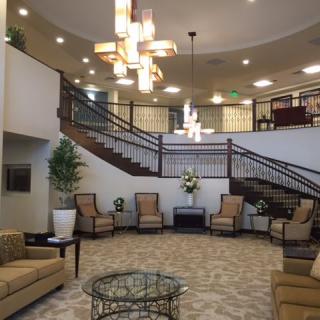
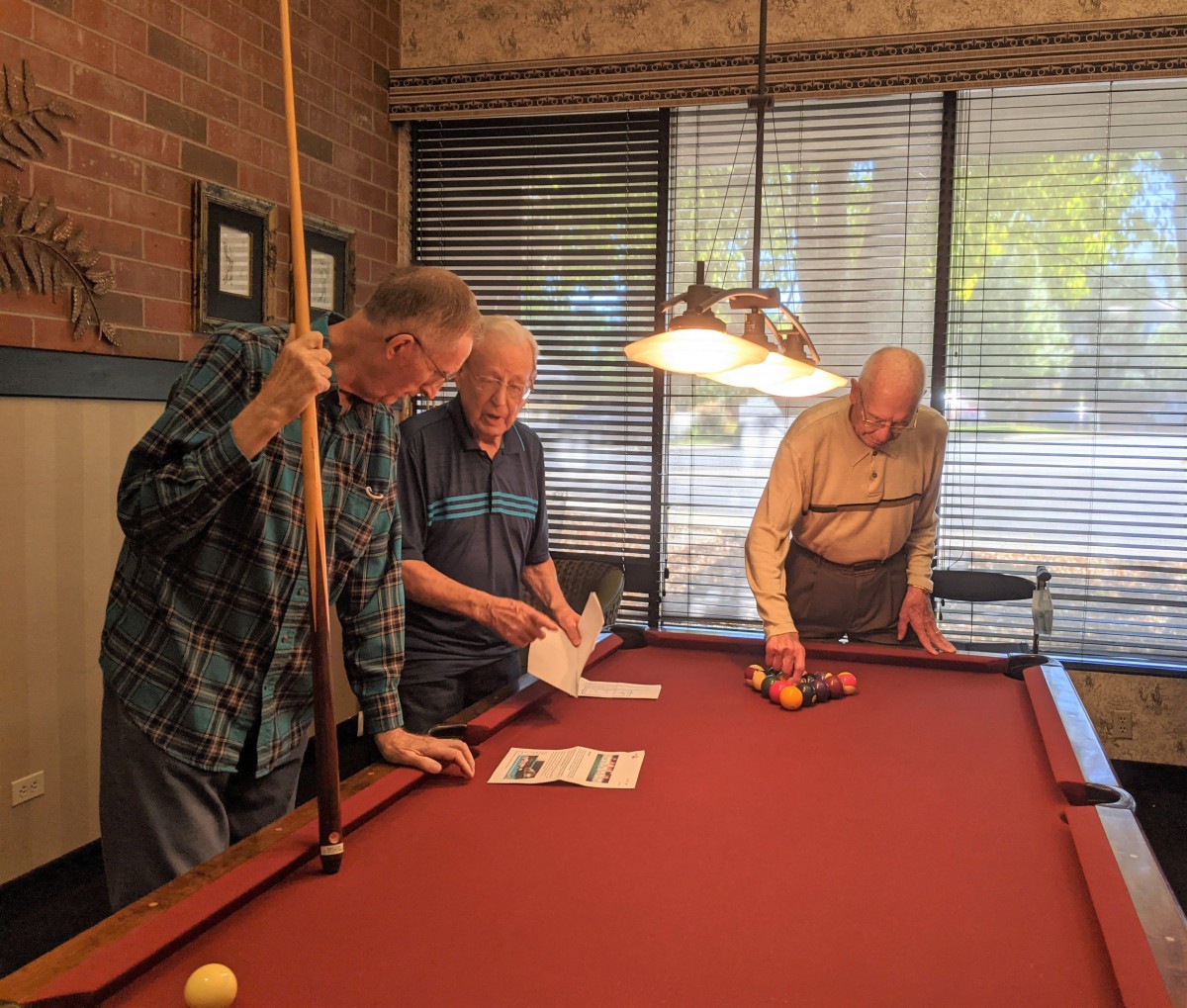
  • Indoor common areas Indoor common areasIndoor common areas are crucial for seniors as they provide a space for socialization, recreation, and community engagement, promoting overall well-being and reducing feelings of isolation and loneliness.
  • Kitchenette KitchenetteKitchenettes are important for seniors living in senior living communities because they provide the convenience and independence of being able to prepare simple meals and snacks in the comfort of their own living space. This can help promote a sense of autonomy and well-being for seniors, allowing them to maintain some level of control over their dietary choices and daily routines.
  • Outdoor common areas Outdoor common areasOutdoor common areas are important for seniors as they provide a space for socialization, physical activity, and relaxation. Being outside in nature can improve mood and overall well-being, while also encouraging movement and engagement with others. These spaces can help combat feelings of isolation and promote a sense of community among residents.
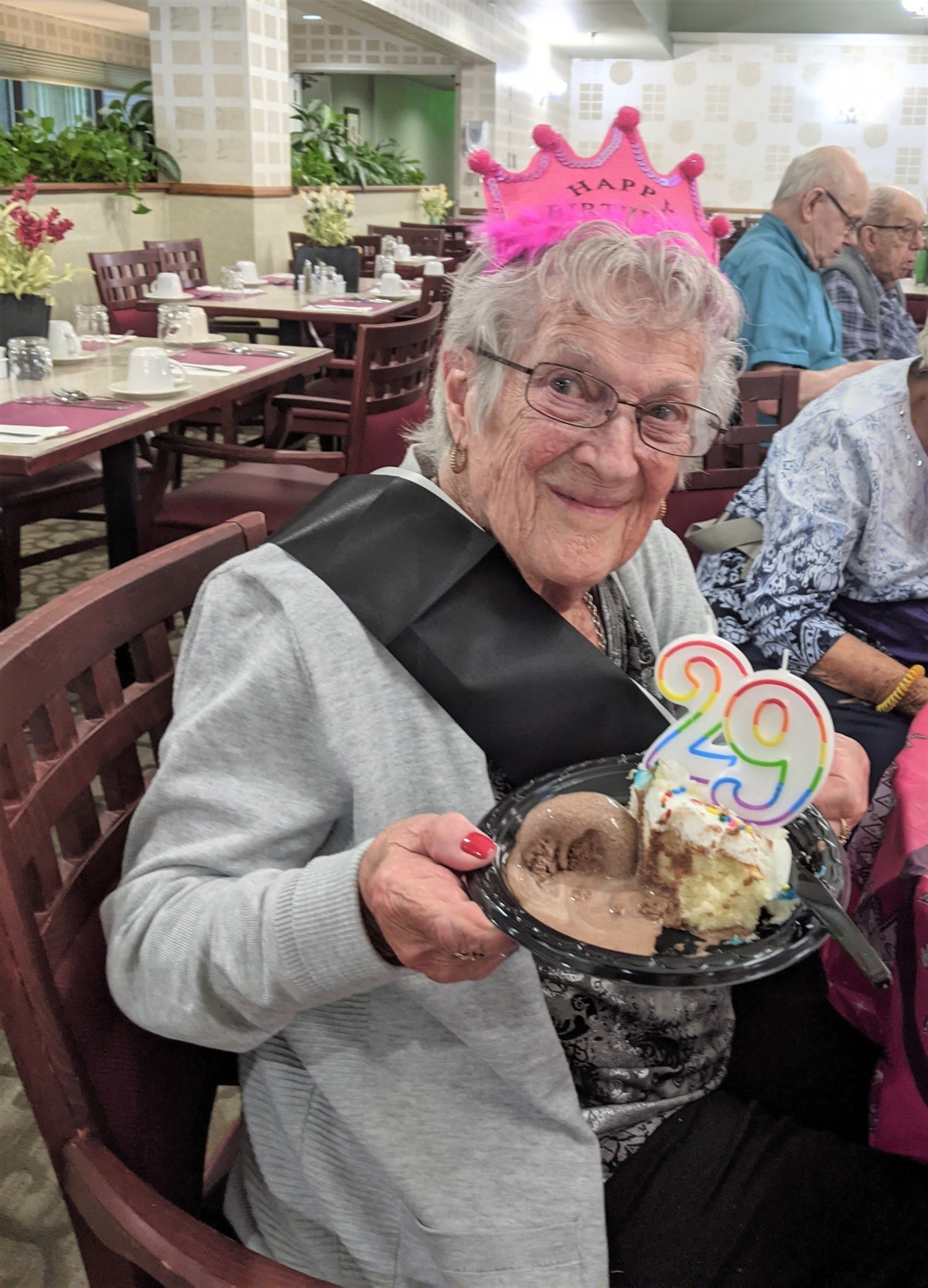
  • Party space Party spaceHaving access to party space is important for seniors as it provides opportunities for socialization, connection, and enjoyment. These spaces allow seniors to celebrate special occasions, host gatherings with friends and family, and participate in community events, enhancing their overall well-being and quality of life.
  • Respite or short term stays offered Respite or short term stays offeredRespite or short term stays provide seniors with a temporary solution when their regular caregiver is unavailable, offering them the opportunity to receive additional care and support during times of need, while also giving caregivers a chance to rest and recharge.
  • Wheelchair accessible showers Wheelchair accessible showersWheelchair accessible showers are crucial for seniors as they provide a safe and independent bathing option for those with mobility challenges. These showers help prevent falls and allow seniors to maintain their dignity and autonomy while ensuring they can bathe comfortably.
  • Wi-Fi/high-speed internet available Wi-Fi/high-speed internet availableWi-Fi/high-speed internet is important for seniors to stay connected with loved ones, access online resources, and participate in virtual activities to combat feelings of loneliness and isolation. It also allows them to easily manage healthcare needs, access entertainment, and engage in lifelong learning opportunities.

Transportation

  • Transportation & parking Transportation & parkingTransportation and parking are vital for seniors as they offer access to essential services, activities, and social interactions. Reliable transportation options can help seniors maintain independence, stay connected within their community, and enjoy a higher quality of life. Additionally, convenient parking facilities ensure that seniors can easily access necessary resources and amenities without added stress or difficulty.

Care Services

  • Ambulatory care Ambulatory care"Ambulatory care services provide essential medical support and treatment to seniors without requiring hospitalization, allowing them to maintain their independence and quality of life while managing chronic conditions or receiving routine medical care."
  • Diabetic care Diabetic careDiabetic care is crucial for seniors as they are more susceptible to developing diabetes due to aging and other health conditions. Proper management of diabetes can help prevent complications such as heart disease, vision loss, and nerve damage, improving the overall quality of life for seniors in senior living communities.
  • High acuity care High acuity careHigh acuity care is important for seniors because it provides specialized medical attention and support for individuals with complex medical needs. This level of care ensures that seniors receive the appropriate treatment and assistance to maintain their health and quality of life as they age.
  • Incontinence care Incontinence careIncontinence care is essential for seniors to maintain their dignity, hygiene, and overall quality of life. By addressing incontinence issues promptly and effectively, seniors can enjoy a sense of independence and comfort in their daily activities.
  • Medication management Medication managementMedication management is crucial for seniors to ensure they are taking the right medications at the correct dosages and times. This helps prevent adverse drug interactions, reduces the risk of medication errors, and promotes overall health and well-being. Proactive management also allows for adjustments as needed based on changing health conditions or new prescriptions.

Dining

  • Gluten-free Gluten-freeGluten-free options are important for seniors as they are more prone to digestive issues and dietary sensitivities. Offering gluten-free meal choices in senior living communities can help improve their overall health and well-being.
  • Guest meals Guest mealsGuest meals are important for seniors living in senior living communities because they provide an opportunity for socialization and companionship. Sharing a meal with friends, family, or new acquaintances can help combat feelings of loneliness and isolation, promote a sense of community, and enhance overall well-being. Additionally, guest meals allow seniors to enjoy delicious food in a comfortable setting without the hassle of cooking or cleaning up, making dining a pleasurable and stress-free experience.
  • Low / no sodium Low / no sodiumLow/no sodium options are important for seniors because excessive sodium intake can lead to high blood pressure, heart disease, and other health issues commonly experienced by older adults. By choosing low/no sodium foods, seniors can better manage their health and reduce their risk of developing these conditions.
  • Meals provided Meals provided"Meals provided" are crucial for seniors in assisted living communities as it ensures they have access to nutritious, balanced meals without the stress of meal planning and preparation. This can help promote overall health and well-being for seniors who may have limited mobility or cognitive abilities.
  • No Sugar No SugarNo sugar diets are important for seniors because they can help prevent or manage chronic conditions such as diabetes, heart disease, and obesity. Sugar can also contribute to cognitive decline and inflammation in the body, so reducing sugar intake can lead to overall improved health and well-being in older adults.
  • Organic OrganicOrganic foods are important for seniors because they contain fewer chemicals and pesticides, which can be harmful to aging bodies. Additionally, organic foods often have higher nutrient levels, making them a healthier choice for maintaining overall well-being in older adults.
  • Professional chef Professional chefProfessional chefs are important for seniors living in senior living communities because they provide nutritious and delicious meals that cater to their dietary needs and preferences. A professional chef can ensure that seniors are receiving balanced, flavorful meals that support their overall health and well-being.
  • Restaurant style dining Restaurant style diningRestaurant style dining is important for seniors as it offers them a social and enjoyable dining experience, promotes healthy eating habits, and provides personalized menu options to cater to their dietary needs and preferences. This type of dining setting can enhance their overall quality of life and create a sense of community within the senior living facility.
  • Room service Room serviceRoom service is important for seniors in a senior living community because it provides convenience and allows them to have their meals delivered directly to their room. This can be especially beneficial for seniors who may have mobility issues or difficulty accessing the dining area. Room service ensures that seniors are able to receive nutritious meals without having to navigate through the facility, allowing them to maintain their independence and overall well-being.
  • Special dining programs Special dining programsSpecial dining programs are important for seniors because they provide nutritious meals tailored to their dietary needs and preferences. These programs also offer socialization opportunities, promote overall health and well-being, and can help prevent malnutrition.
  • Vegan VeganVegan diets can provide numerous health benefits for seniors, including lower risk of chronic diseases, improved digestion, and increased energy levels. Additionally, plant-based diets are often rich in essential nutrients that can support overall well-being and longevity in older adults.
  • Vegetarian VegetarianA vegetarian diet is important for seniors because it can help lower the risk of chronic diseases, maintain a healthy weight, and provide essential nutrients needed for aging bodies. Additionally, plant-based diets are often easier on digestive systems and can contribute to overall well-being in older adults.

Activities

  • Activities off-site Activities off-siteEngaging in off-site activities is crucial for seniors to maintain social connections, stay active, and stimulate their minds. It promotes overall well-being and helps combat feelings of isolation and loneliness.
  • Art classes Art classesArt classes are important for seniors because they provide a creative outlet, improve cognitive function, reduce stress and anxiety, promote socialization, and enhance overall well-being and quality of life.
  • Catholic services Catholic servicesCatholic services are important for seniors because they provide spiritual support, a sense of community, and opportunities for social interaction that can enhance overall well-being and quality of life in their later years.
  • Cooking classes Cooking classesCooking classes are important for seniors as they provide opportunities for social interaction, enhance cognitive skills, promote healthy eating habits, and boost confidence in the kitchen.
  • Day trips and outings Day trips and outingsDay trips and outings are important for seniors as they provide opportunities for socialization, mental stimulation, physical activity, and a break from daily routines. These experiences can enhance overall well-being and quality of life for older adults living in senior communities.
  • Devotional activities offsite Devotional activities offsiteDevotional activities offsite are important for seniors because they provide social engagement, spiritual growth, and a sense of community outside of their living environment. This can improve overall well-being, mental health, and combat feelings of isolation or loneliness.
  • Devotional activities on-site Devotional activities on-siteDevotional activities on-site provide seniors with a sense of community, spiritual fulfillment, and emotional support, promoting overall well-being and a positive sense of purpose in their lives.
  • Educational speakers / life long learning Educational speakers / life long learningEducational speakers and lifelong learning opportunities are crucial for seniors as they provide mental stimulation, promote social engagement, and contribute to overall well-being. Continuous learning helps seniors stay mentally sharp, build new skills, and maintain a sense of purpose and fulfillment in their lives. It also allows them to stay connected to the world around them and fosters a sense of community within senior living facilities.
  • Fitness programs Fitness programsFitness programs are crucial for seniors as they help improve strength, flexibility, balance, and overall well-being. Staying active can reduce the risk of chronic diseases, improve mental health, and enhance quality of life in older adults.
  • Karaoke KaraokeKaraoke provides seniors with a fun and social activity that can boost mood, confidence, and cognitive function. It encourages social interaction, physical movement, and creative expression, making it an important form of entertainment for senior living communities.
  • Live well programs Live well programs"Live well programs are essential for seniors as they provide opportunities for physical activity, social engagement, and mental stimulation, ultimately promoting overall health and well-being in later years."
  • Protestant services Protestant servicesProtestant services are important for seniors because they provide spiritual nourishment, community support, and a sense of belonging. These services can help seniors connect with others who share their faith, find comfort and guidance in times of need, and maintain a sense of purpose and fulfillment in their later years.
  • Religious services Religious servicesReligious services provide seniors with a sense of community, support, and spiritual fulfillment, which can improve their overall well-being and mental health. It also offers them opportunities for socialization and connection with others who share their beliefs.
  • Visiting chaplain or priest Visiting chaplain or priestHaving a visiting chaplain or priest at a senior living community is important for seniors because it provides spiritual support, comfort, and guidance during a time of life that can be challenging and uncertain. Their presence can help seniors feel connected to their faith, find peace of mind, and cope with the emotional and mental struggles they may face in their later years.
  • Wine tasting Wine tastingWine tasting can be a fun and social activity for seniors, allowing them to engage their senses, learn about different varieties of wine, and potentially meet new friends. It also offers health benefits such as improved cognitive function and reduced risk of heart disease when consumed in moderation.

Languages Spoken

  • English EnglishEnglish is important for seniors as it allows them to communicate effectively with healthcare providers, understand important information related to their health and medications, stay connected with loved ones, and engage in social activities within their communities. It also opens up opportunities for lifelong learning and intellectual stimulation.

Description

Springwood Retirement Campus in Arvada, CO offers a range of housing options including 2-bedroom apartments, detached homes, and studio apartments. This community provides various types of care including independent living and memory care for individuals who require additional assistance. Residents can enjoy a wide range of amenities such as on-site activities, air-conditioning, bath tubs, beautician services, devotional services both on-site and off-site, dining room with full kitchen facilities, gardens, ground floor units for easy access, housekeeping services, indoor and outdoor common areas, kitchenettes in some units, party space for social gatherings, respite or short-term stays offered for temporary needs, transportation and parking options for convenience.

Additionally, Springwood Retirement Campus offers care services such as diabetic care management, high acuity care support, incontinence care assistance, and medication management to meet the individualized needs of each resident. The dining experience is exceptional with guest meals available upon request. The professional chef prepares meals that cater to specific dietary requirements including low/no sodium options, no sugar choices and organic food preferences. The community also offers restaurant-style dining experience with room service option available. Special dining programs are offered which include vegan and vegetarian meal choices.

Residents can engage in various activities provided by the community such as art classes, cooking classes, day trips and outings to explore nearby attractions. Devotional activities both on-site and off-site are organized along with educational speakers promoting lifelong learning opportunities. Fitness programs are available to promote an active lifestyle and well-being among residents. Karaoke nights and wine tasting events add an element of fun and entertainment while religious services such as Catholic services and Protestant services are provided regularly along with the presence of visiting chaplain or priest.

In terms of location convenience factors near Springwood Retirement Campus in Arvada include proximity to 2 cafes nearby perfect for socializing or grabbing a quick bite outside the campus. There are also 3 parks nearby which offer opportunities for outdoor activities and nature walks. Residents have easy access to 10 pharmacies ensuring convenient medication services. Additionally, there are 7 physicians in close proximity providing accessible healthcare services. For dining options, there are 4 restaurants nearby catering to various culinary preferences. Lastly, individuals seeking spiritual nourishment can find solace at the 1 place of worship located conveniently nearby. Furthermore, two hospitals in the vicinity provide immediate medical attention when needed.

Springwood Retirement Campus offers a comprehensive living environment with a wide range of housing options, care services, amenities, and activities designed to cater to the diverse needs and preferences of its residents.

Nearby Places of Interest

This part of Arvada, Colorado, offers a variety of amenities and services that may be appealing to seniors looking for a vibrant community. There are several pharmacies conveniently located within a few miles, along with numerous physicians and hospitals for medical care. Additionally, there are plenty of parks nearby for outdoor recreation and relaxation. Residents can enjoy a range of dining options from local breweries to family-friendly restaurants. For those who prefer coffee shops or cafes, there are several options within driving distance. Places of worship are also easily accessible in the area. Overall, this part of Arvada provides a mix of conveniences and recreational opportunities that may make it a desirable location for seniors looking to settle down in a welcoming community.

Pharmacies

  • Walgreens (0.8 miles)
  • Walgreens (1.4 miles)
  • Solace Meds (2.1 miles)
  • Walgreens (3.2 miles)
  • Walgreens (3.7 miles)
  • Walgreens (4.1 miles)
  • Lutheran Outpatient Pharmacy (4.3 miles)

Physicians

  • Children's Eye Physicians (2.1 miles)
  • centura health Westwoods (2.1 miles)
  • New West Physicians (2.5 miles)
  • SCL Health Heart & Vascular Institute - Wheat Ridge (4.3 miles)
  • Dr Bassow (4.4 miles)
  • Cornerstone Orthopaedics & Sports Medicine (4.4 miles)
  • Rocky Mountain Primary Care (4.7 miles)

Parks

  • West Arvada Dog Park (3.2 miles)
  • Crown Hill Open Space Park (4.6 miles)
  • Fairmount Park (4.8 miles)
  • Berkeley Leashless Dog Park (5.3 miles)
  • Berkeley Park (5.3 miles)
  • Panorama Park (5.6 miles)
  • Southridge Park (5.7 miles)

Restaurants

  • New Terrain Brewing Company (3.3 miles)
  • School House Kitchen & Libations (3.4 miles)
  • Old Chicago (4.2 miles)
  • Clancy's Irish Pub (4.8 miles)
  • Twin Peaks (5.4 miles)
  • McDonald's (5.5 miles)
  • Freddy's Frozen Custard & Steakburgers (5.5 miles)

Cafes

  • Panera Bread (3.6 miles)
  • Starbucks (3.6 miles)
  • The Bardo Coffee House (5.2 miles)
  • Starbucks (5.9 miles)
  • Higher Grounds Cafe (5.9 miles)
  • Dutch Bros Coffee (6.4 miles)
  • Dutch Bros Coffee (6.9 miles)

Places of Worship

  • Church of Jesus Christ of Latter Day Saints (4 miles)
  • Wat Buddhawararam (6.3 miles)

Hospitals

  • Exempla Lutheran Medical Center (4.3 miles)
  • Scl Health - Front Range (4.3 miles)
  • St Anthonys Medical Plaza 2 (6.9 miles)

Theaters

  • Alamo Drafthouse Westminster (5.3 miles)
  • AMC Westminster Promenade 24 (6.4 miles)
  • Alamo Drafthouse Denver (7.4 miles)

Frequently Asked Questions

How much does it cost to live at Springwood Retirement Campus in Arvada, CO?
What floor plans and room types does Springwood Retirement Campus offer?
Where is Springwood Retirement Campus?
Does Springwood Retirement Campus provide care for residents with dementia or Alzheimer's disease?
Does Springwood Retirement Campus allow residents to have pets?
What photos are available for Springwood Retirement Campus in Arvada, Colorado?

Nearby Communities

  • Springwood

    Springwood

    Arvada, CO

    5 from 2 reviews
     

  • Nightingale Lane

    Nightingale Lane

    Arvada, CO

    4.8 from 4 reviews
    $2,345 to $2,650 / month

    pro Compassionate, patient staff; good meals; engaging activities in a lovely setting.


  • Temenos Assisted Living

    Temenos Assisted Living

    Arvada, CO


    pro Comprehensive care with 24/7 supervision, ADL assistance, medication management, and diabetes-friendly dining.

  • Homewatch Caregivers of North Suburban Denver

    Homewatch Caregivers of North Suburban Denver

    Arvada, CO

    4.8 from 33 reviews
     

    pro Attentive, dependable caregivers with consistent staffing and personalized care.

  • Ralston Creek Senior Living

    Ralston Creek Senior Living

    Arvada, CO

    3.5 from 57 reviews
     

    pro Caring staff in a well-maintained, amenity-rich community with engaging activities.

  • Ralston Creek Neighborhood Assisted Living & Memory Care

    Ralston Creek Neighborhood Assisted Living & Memory Care

    Arvada, CO

    3.9 from 82 reviews
    $4,134 to $7,165 / month

    pro Caring, attentive staff in a clean, well-maintained memory care setting with engaging on-site activities.

  • The Gardens on Quail

    The Gardens on Quail

    Arvada, CO

    4.2 from 97 reviews
    $4,695 to $6,800 / month

    pro Caring staff, clean environment, and appealing layout with diverse dining options.

  • Brookdale Meridian Arvada

    Brookdale Meridian Arvada

    Arvada, CO

    4.8 from 108 reviews
    $3,388 to $3,956 / month

    pro Friendly, attentive staff in a welcoming, clean community with convenient transportation and pet-friendly living.

  • Applewood Our House - Arvada

    Applewood Our House - Arvada

    Arvada, CO

    4.5 from 24 reviews
    $4,400 to $5,400 / month

    pro Clean, well-organized environment with on-site dining and engaging activities; friendly staff and house dogs.

Related Resources

  • end stage dementiaComprehensive Insights on the Late Stages of Dementia: What to Expect and How to Provide Care

    The article discusses the late stages of dementia, detailing the progression from mild to severe impairment and highlighting key characteristics such as profound cognitive decline and dependency in daily activities. It emphasizes care strategies focused on comfort and dignity, the importance of advance directives, and the emotional support needed for family caregivers facing this challenging journey.

  • list of drugs linked to dementiaMedications Associated with Dementia Risk: A Comprehensive Overview

    The article examines the link between certain medications and increased dementia risk, particularly in older adults, emphasizing that long-term or high-dose use of anticholinergics, benzodiazepines, and other drug classes can exacerbate cognitive impairment. It calls for careful medication evaluation and shared decision-making to mitigate these risks while managing treatment efficacy.

  • power of attorney for elderly parentGuiding Your Journey: Understanding Power of Attorney for Elderly Parents
    The article emphasizes the significance of establishing a power of attorney for elderly parents to enable an agent to make decisions on their behalf regarding health and finances, especially during cognitive or physical decline. It outlines various types of power of attorney, the importance of consulting legal professionals, and the responsibilities and challenges faced by agents, while also discussing alternatives and common misconceptions.