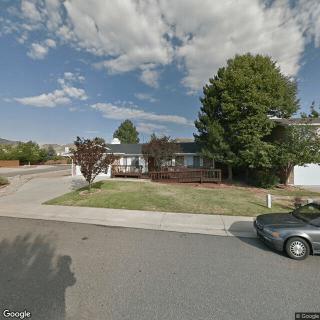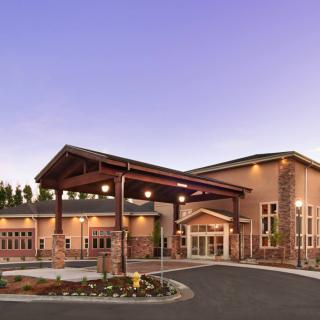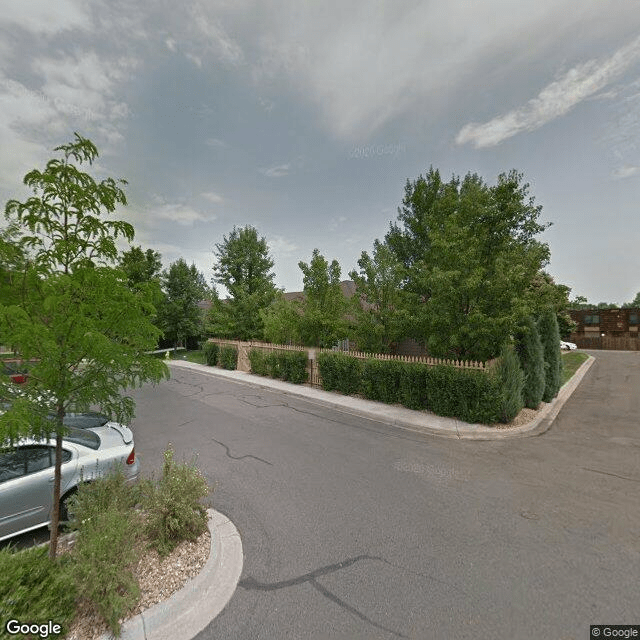
Nightingale Lane in Arvada, CO

Save
Nightingale Lane

Nightingale Lane in Arvada, CO

12805 West 65Th Way, Arvada, CO 80004

For more information about senior living options: (844) 490-3973

4.7 from 3 reviews
5 stars
2
4 stars
1
3 stars
0
2 stars
0
1 stars
0

Assisted Living Memory Care Respite Care

Nightingale Lane Costs & Pricing

Nightingale Lane offers competitive pricing for its accommodations when compared to the broader market in Jefferson County and across Colorado. The monthly cost for a studio apartment at Nightingale Lane is $2,345, significantly lower than the county average of $4,174 and the state average of $4,090. Similarly, the one-bedroom units are priced at $2,650, again reflecting a notable savings compared to Jefferson County's average of $4,076 and Colorado's average of $4,119. This positioning not only highlights Nightingale Lane's affordability but also underscores its commitment to providing quality housing options that cater to budget-conscious residents without compromising on comfort or amenities.

Floor plansNightingale LaneJefferson CountyColorado
Studio$2,345$4,174$4,088
1 Bedroom$2,650$4,076$4,118

Overall Review of Nightingale Lane

Pros

  • pro The staff is loving and patient.
  • pro The food is good, and she has gained some much-needed weight.
  • pro The Lane is lovely.
  • pro There are plenty of activities.
  • pro They are very happy with the facility and the care mom has received.
  • pro Kudos to the staff.

Review

Nightingale Lane in Arvada is best suited for families seeking a warm, home-like atmosphere where residents are treated with patience and kindness, meals support healthy weight, and an active calendar keeps seniors socially engaged. In practical terms, the community earns its reputation from long-tenured residents and families who describe it as feeling like home. Reviewers consistently point to staff who are loving and patient, a facility that feels inviting, and a program of activities that prevents boredom. The combination of affectionate caregiving, solid meals, and a pleasant environment helps families reconcile the transition from independent living to assisted living without feeling like a hospital relic. For many, that home feel is non-negotiable.

Those who may want to consider alternatives are families facing higher medical complexity or requiring very structured memory-care support. The reviews do not highlight any specialized dementia or skilled-nursing programs, and there is no discussion of clinical oversight or 24/7 medical staffing. If a resident needs intensive daily medical management, intravenous therapies, or a tightly supervised routines, other communities with explicit memory-care wings or skilled-nursing licenses may be more appropriate. Similarly, households prioritizing discreet, luxury-level amenities or a more urban setting might explore options with stronger emphasis on upscale branding or broader professional-therapy offerings. In short, Nightingale Lane shines on homelike warmth and social life, not on niche medical tracts.

On the positive side, the pros are clear and meaningful. The staff consistently described as loving and patient translates into residents who appear settled and content, with caregivers attuned to individual rhythms. The meals are not merely adequate but actually satisfying, contributing to weight gain and nutrition stability reported by concerned family members. The environment is described as lovely with a robust calendar of activities that create routine, purpose, and social connection. In practice, those elements offset common concerns about independence at this life stage, easing transitions for families who want reassurance that their loved one is in a caring, stable setting with opportunities to socialize and stay mentally and physically engaged.

However, the small set of reviews leaves important questions unaddressed. The sample is limited, and there is no explicit information about cost, level-of-care tiers, or memory-care accommodations. Without those details, families should verify whether care plans align with expected medical needs, whether there is a clear path for escalating care, and how staff-to-resident ratios look during different shifts. The absence of clearly stated drawbacks in the reviews can imply satisfaction, but it also means potential concerns - such as staffing consistency or meal-variety over time - may exist beyond the snapshot. Prospective residents should request a face-to-face tour and ask for current resident testimonials to fill in the gaps.

For a decision framework, prioritize visitation that captures daily life: observe mealtime dynamics, talk with front-line caregivers, and request a menu sample and calendar. Confirm routine options for physical therapy, transportation, housekeeping, and spiritual or cultural activities. Verify the facility's approach to transitions between levels of care as needs evolve. If memory care or mobility needs are present, ask about specialized programs, staff training in dementia, and availability of dedicated spaces. If cost and contract terms are transparent, compare with a few other communities to determine which balance of homelike atmosphere, social programming, and medical-ready support best matches the senior's needs and the family's expectations.

In sum, Nightingale Lane stands out for its home-like warmth, patient caregiving, good meals, and a lively activity schedule. It is a compelling fit for seniors who prize a comfortable, community-focused atmosphere and social engagement over formal luxury branding or highclinical intensity. Those who require advanced medical oversight or specialized memory-care environments may find alternatives that are more aligned with that level of clinical support. The practical move is to schedule a tour accompanied by a candid discussion about care levels, costs, and future planning, then compare with peers to confirm that the chosen path delivers both security and genuine daily meaning for a loved one.

Features

Housing

  • 28 resident community capacity 28 resident community capacity

Types of Care

  • Assisted Living Assisted LivingAssisted living facilities provide crucial support and care for seniors who may need help with daily tasks such as medication management, bathing, and meal preparation. These communities offer a safe and comfortable environment where seniors can maintain their independence while receiving the assistance they need to thrive in their golden years.
  • Memory Care Memory CareMemory care is crucial for seniors as it provides specialized support and services for individuals with dementia or Alzheimer's disease. These programs offer a safe and secure environment where residents receive personalized care, cognitive stimulation, and help with daily activities. Memory care helps seniors maintain their independence, quality of life, and dignity while also providing peace of mind for their families.
  • Respite Care Respite CareRespite care provides temporary relief for caregivers, allowing them to recharge and attend to their own needs. It also gives seniors the opportunity to socialize, receive professional care, and experience a change of scenery, promoting overall well-being and reducing feelings of isolation.

Pets

  • Cats allowed Cats allowed"Pet friendly" senior living communities are important for seniors because pets provide companionship, reduce feelings of loneliness and depression, promote physical activity and mental stimulation, and offer a sense of purpose and responsibility. Pets can improve overall well-being and quality of life for seniors in many ways.
  • Dogs allowed Dogs allowed"Pet friendly" senior living communities are important for seniors because pets provide companionship, reduce feelings of loneliness and depression, promote physical activity and mental stimulation, and offer a sense of purpose and responsibility. Pets can improve overall well-being and quality of life for seniors in many ways.

Amenities

  • Activities on-site Activities on-siteActivities on-site are important for seniors because they provide opportunities for socialization, mental stimulation, physical activity, and overall well-being. Engaging in activities can help seniors stay active, maintain their independence, and improve their quality of life.
  • Beauty salon Beauty salonBeauty salons are important for seniors because they provide a space for them to feel pampered, socialize, and maintain their personal grooming and hygiene. Regular visits to a beauty salon can help boost seniors' self-esteem and overall well-being.
  • Cable or satellite TV Cable or satellite TVCable or satellite TV is important for seniors because it provides entertainment, news, and companionship, helping to combat loneliness and boredom. It also offers a wide range of programming options tailored to different interests and preferences.
  • Devotional services off-site Devotional services off-siteDevotional services off-site are important for seniors as they provide spiritual nourishment, social engagement, and a sense of community outside of the senior living facility. This can enhance overall well-being and help combat feelings of isolation and loneliness often experienced by older adults.
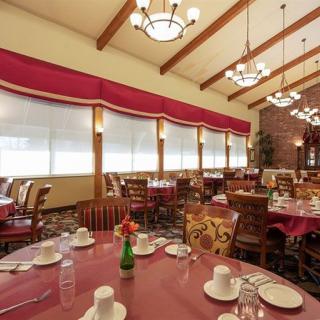
  • Dining room Dining roomDining rooms are important for seniors as they provide a space for socialization, connection, and nutritious meals. They offer opportunities for residents to bond over shared meals, foster a sense of community, and promote healthy eating habits. Dining rooms also ensure that seniors have access to well-balanced meals tailored to their dietary needs and preferences.
  • Fully furnished Fully furnishedFully furnished senior living communities are important for seniors because they provide convenience, comfort, and a hassle-free moving experience. Seniors can easily settle into their new living space without the stress of having to buy and move furniture. This allows them to focus on enjoying their new home and community.
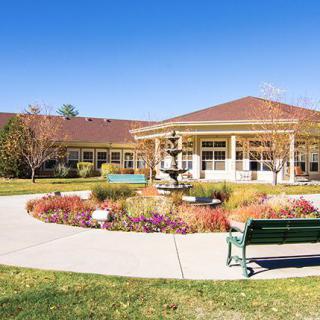
  • Garden GardenGardens are important for seniors as they provide a peaceful and therapeutic environment for relaxation, physical activity, and socialization. Being in nature has been shown to reduce stress, improve mood, and promote overall well-being. Gardens also offer opportunities for seniors to engage in gardening activities, which can improve mobility, flexibility, and cognitive function. Additionally, gardens create a sense of community and connection with others who share a passion for plants and outdoor spaces.
  • Housekeeping services Housekeeping servicesHousekeeping services are important for seniors because they help maintain a clean and safe living environment, promote independence, and reduce the risk of accidents or illnesses. Additionally, having assistance with household chores can alleviate physical strain and allow seniors to focus on other aspects of their well-being.
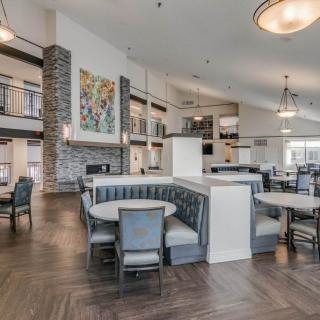
  • Indoor common areas Indoor common areasIndoor common areas are crucial for seniors as they provide a space for socialization, recreation, and community engagement, promoting overall well-being and reducing feelings of isolation and loneliness.
  • Kitchenette KitchenetteKitchenettes are important for seniors living in senior living communities because they provide the convenience and independence of being able to prepare simple meals and snacks in the comfort of their own living space. This can help promote a sense of autonomy and well-being for seniors, allowing them to maintain some level of control over their dietary choices and daily routines.
  • Move-in coordination Move-in coordinationMove-in coordination is important for seniors because it helps ease the transition into their new living environment. It ensures that all logistics, such as packing, organizing movers, and setting up utilities are taken care of, allowing seniors to focus on settling in and adjusting to their new home. Having a smooth move-in process can alleviate stress and anxiety, making the transition smoother and more enjoyable for seniors.
  • Outdoor space Outdoor spaceOutdoor spaces are important for seniors as they provide opportunities for physical activity, social interaction, exposure to natural light and fresh air, and a sense of connection to nature. Having access to outdoor spaces can improve overall well-being and quality of life for older adults living in senior communities.
  • Restaurant-style dining Restaurant-style diningRestaurant-style dining is important for seniors because it allows them to enjoy delicious, nutritious meals in a social and upscale setting. This enhances their dining experience, promotes healthy eating habits, and fosters socialization with fellow residents, ultimately contributing to their overall well-being and quality of life.
  • Small library Small librarySmall libraries are important for seniors as they provide access to a variety of reading materials, including books, newspapers, and magazines. This can help stimulate their minds, keep them engaged, and provide a sense of community through book clubs and other social activities. Additionally, reading has been shown to improve cognitive function and overall mental well-being in older adults.
  • Telephone TelephoneTelephones are important for seniors as they provide a lifeline for communication with loved ones, emergency services, and healthcare providers. They offer a sense of security and independence, enabling seniors to stay connected and access assistance when needed.
  • Wi-Fi/high-speed internet available Wi-Fi/high-speed internet availableWi-Fi/high-speed internet is important for seniors to stay connected with loved ones, access online resources, and participate in virtual activities to combat feelings of loneliness and isolation. It also allows them to easily manage healthcare needs, access entertainment, and engage in lifelong learning opportunities.

Care Services

  • 24-hour call system 24-hour call system24-hour call systems are important for seniors because they provide peace of mind and immediate assistance in case of emergencies. This technology ensures that help is always available, promoting safety and security for elderly individuals living alone or in assisted living facilities.
  • 24-hour supervision 24-hour supervision24-hour supervision is important for seniors to ensure their safety, well-being, and access to immediate assistance in case of emergencies or health issues. This constant support provides peace of mind for both seniors and their loved ones, allowing them to age in place with dignity and security.
  • Activities of daily living assistance Activities of daily living assistanceActivities of daily living assistance are important for seniors because they provide essential support with tasks such as eating, bathing, dressing, and mobility. This assistance helps seniors maintain their independence, dignity, and overall quality of life as they age.
  • Ambulatory care Ambulatory care"Ambulatory care services provide essential medical support and treatment to seniors without requiring hospitalization, allowing them to maintain their independence and quality of life while managing chronic conditions or receiving routine medical care."
  • Assistance with bathing Assistance with bathingAssistance with bathing is crucial for seniors as it helps maintain personal hygiene, prevents infections, and ensures their overall well-being and comfort. It also provides a sense of dignity and independence for seniors who may struggle with this task on their own.
  • Assistance with dressing Assistance with dressingAssistance with dressing is important for seniors because it helps maintain their independence, promotes personal hygiene, prevents accidents and injuries, and improves overall quality of life. This service ensures that seniors can continue to dress comfortably and confidently, despite any physical limitations they may have.
  • Assistance with transfers Assistance with transfersAssistance with transfers is crucial for seniors as it helps prevent falls and injuries, maintains their independence, and ensures they can safely navigate their living environment. It also provides peace of mind for both seniors and their loved ones.
  • Diabetes diet Diabetes dietA diabetes diet is crucial for seniors as it helps manage blood sugar levels, reduce risks of complications, and improve overall health and well-being. By following a balanced and nutritious diet tailored to their specific needs, seniors can better control their diabetes and enhance their quality of life.
  • Diabetic care Diabetic careDiabetic care is crucial for seniors as they are more susceptible to developing diabetes due to aging and other health conditions. Proper management of diabetes can help prevent complications such as heart disease, vision loss, and nerve damage, improving the overall quality of life for seniors in senior living communities.
  • Meal preparation and service Meal preparation and serviceMeal preparation and service are crucial for seniors as they may have limited mobility or energy to cook nutritious meals. Having access to healthy and convenient food options can ensure they are getting the proper nutrition needed to maintain their overall health and well-being.
  • Medication management Medication managementMedication management is crucial for seniors to ensure they are taking the right medications at the correct dosages and times. This helps prevent adverse drug interactions, reduces the risk of medication errors, and promotes overall health and well-being. Proactive management also allows for adjustments as needed based on changing health conditions or new prescriptions.
  • Mental wellness program Mental wellness programMental wellness programs are essential for seniors as they promote cognitive stimulation, emotional support, and social engagement. These programs help prevent isolation, depression, and cognitive decline, ultimately enhancing the overall quality of life for older adults.
  • Mild cognitive impairment Mild cognitive impairment"Mild cognitive impairment" is important for seniors because it is an early stage of cognitive decline that can potentially progress to more severe conditions such as dementia. Recognizing and addressing mild cognitive impairment can help seniors receive appropriate care and support to maintain their quality of life and independence for as long as possible.
  • Special dietary restrictions Special dietary restrictionsSpecial dietary restrictions are important for seniors because age-related changes in metabolism and health conditions can make it difficult for their bodies to process certain foods. By following a diet tailored to their specific needs, seniors can maintain their overall health and well-being, manage chronic conditions, and reduce the risk of complications such as malnutrition or food interactions with medications.

  • Specialized memory care programming Specialized memory care programmingSpecialized memory care programming is crucial for seniors with cognitive impairments such as dementia or Alzheimer's disease. These programs provide a safe and supportive environment tailored to the unique needs of individuals with memory loss, helping them maintain their independence, dignity, and quality of life.

Dining

  • Diabetes diet Diabetes dietA diabetes diet is crucial for seniors as it helps manage blood sugar levels, reduce risks of complications, and improve overall health and well-being. By following a balanced and nutritious diet tailored to their specific needs, seniors can better control their diabetes and enhance their quality of life.
  • Meals provided Meals provided"Meals provided" are crucial for seniors in assisted living communities as it ensures they have access to nutritious, balanced meals without the stress of meal planning and preparation. This can help promote overall health and well-being for seniors who may have limited mobility or cognitive abilities.
  • Special dietary restrictions Special dietary restrictionsSpecial dietary restrictions are important for seniors because age-related changes in metabolism and health conditions can make it difficult for their bodies to process certain foods. By following a diet tailored to their specific needs, seniors can maintain their overall health and well-being, manage chronic conditions, and reduce the risk of complications such as malnutrition or food interactions with medications.

Activities

  • Activities on-site Activities on-siteActivities on-site are important for seniors because they provide opportunities for socialization, mental stimulation, physical activity, and overall well-being. Engaging in activities can help seniors stay active, maintain their independence, and improve their quality of life.
  • Community-sponsored activities Community-sponsored activitiesCommunity-sponsored activities are important for seniors as they provide opportunities for social interaction, mental stimulation, and physical activity. These activities can help improve overall well-being, combat loneliness and isolation, and promote a sense of belonging and purpose among older adults.
  • Devotional activities offsite Devotional activities offsiteDevotional activities offsite are important for seniors because they provide social engagement, spiritual growth, and a sense of community outside of their living environment. This can improve overall well-being, mental health, and combat feelings of isolation or loneliness.
  • Resident-run activities Resident-run activitiesResident-run activities are important for seniors as they encourage social interaction, creativity, and a sense of autonomy. These activities empower seniors to stay engaged and active in their community while fostering meaningful connections with their peers.
  • Scheduled daily activities Scheduled daily activitiesScheduled daily activities are important for seniors because they provide structure, socialization, mental stimulation, and physical activity. Engaging in regular activities can improve overall well-being and quality of life for seniors living in a community setting.

Description

Nightingale Lane in Arvada, CO is an assisted living community that specializes in memory care and respite care. With a range of amenities and services, residents can enjoy a comfortable and fulfilling lifestyle.

The community offers a variety of amenities, including a beauty salon, cable or satellite TV, dining room, fully furnished accommodations, a garden, housekeeping services, indoor common areas, a kitchenette, outdoor space, restaurant-style dining options, a small library, telephone access, and Wi-Fi/high-speed internet.

Residents receive 24-hour supervision and assistance with activities of daily living. The dedicated staff provides ambulatory care and assists with bathing, dressing, transfers, meal preparation and service. Medication management is also available to ensure proper health management. A mental wellness program is offered to support resident's cognitive well-being.

Those with specific dietary needs can benefit from specialized meal plans such as diabetes diets and diabetic care. The community also offers special dietary restrictions to cater to individual health requirements.

Engaging activities are provided for residents to foster socialization and recreation. These include community-sponsored activities as well as resident-run activities. Devotional activities offsite are available for those seeking spiritual engagement. Scheduled daily activities contribute to creating an enriching environment for all residents.

Located conveniently near cafes, parks, pharmacies, physicians' offices, restaurants and places of worship there are plenty of opportunities for outings or errands within the local area. Additionally, two hospitals nearby provide peace of mind in terms of medical care accessibility.

At Nightingale Lane in Arvada CO., residents will find comfort in their surroundings while receiving the personalized care they deserve.

Nearby Places of Interest

Located in Arvada, Colorado, this neighborhood offers a variety of amenities that cater to senior living. With multiple pharmacies like Walgreens and Solace Meds nearby, access to prescription medication and healthcare services is convenient. Physicians such as Children's Eye Physicians and New West Physicians are also easily accessible for medical care. The area features a range of dining options including School House Kitchen & Libations and Clancy's Irish Pub, providing opportunities for socializing and enjoying meals out. Additionally, several parks like Crown Hill Open Space Park and Southridge Park offer green spaces for outdoor activities and relaxation. For coffee lovers, cafes like Panera Bread and Starbucks are close by for morning pick-me-ups. Places of worship such as the Church of Jesus Christ of Latter Day Saints are also present in the area. In case of medical emergencies, hospitals like Exempla Lutheran Medical Center are within a short distance. Lastly, entertainment options include theaters such as Alamo Drafthouse Westminster for leisure activities. Overall, this neighborhood in Arvada offers a blend of convenience, healthcare facilities, dining options, outdoor spaces, religious centers, medical services, and entertainment venues suitable for seniors looking to live comfortably with access to essential amenities nearby.

Pharmacies

  • Walgreens (0.6 miles)
  • Walgreens (1.5 miles)
  • Solace Meds (2.1 miles)
  • Walgreens (3.1 miles)
  • Walgreens (3.6 miles)
  • Walgreens (4 miles)
  • Lutheran Outpatient Pharmacy (4.2 miles)

Physicians

  • Children's Eye Physicians (2 miles)
  • centura health Westwoods (2.2 miles)
  • New West Physicians (2.5 miles)
  • SCL Health Heart & Vascular Institute - Wheat Ridge (4.2 miles)
  • Dr Bassow (4.2 miles)
  • Cornerstone Orthopaedics & Sports Medicine (4.3 miles)
  • Rocky Mountain Primary Care (4.6 miles)

Restaurants

  • School House Kitchen & Libations (3.3 miles)
  • New Terrain Brewing Company (3.4 miles)
  • Old Chicago (4.1 miles)
  • Clancy's Irish Pub (4.7 miles)
  • McDonald's (5.4 miles)
  • Twin Peaks (5.4 miles)
  • Freddy's Frozen Custard & Steakburgers (5.5 miles)

Parks

  • West Arvada Dog Park (3.4 miles)
  • Crown Hill Open Space Park (4.6 miles)
  • Fairmount Park (4.7 miles)
  • Berkeley Leashless Dog Park (5.2 miles)
  • Berkeley Park (5.2 miles)
  • Panorama Park (5.5 miles)
  • Southridge Park (5.8 miles)

Cafes

  • Panera Bread (3.5 miles)
  • Starbucks (3.5 miles)
  • The Bardo Coffee House (5.1 miles)
  • Starbucks (6 miles)
  • Higher Grounds Cafe (6 miles)
  • Dutch Bros Coffee (6.3 miles)
  • Dutch Bros Coffee (6.9 miles)

Places of Worship

  • Church of Jesus Christ of Latter Day Saints (4.1 miles)
  • Wat Buddhawararam (6.2 miles)

Hospitals

  • Exempla Lutheran Medical Center (4.2 miles)
  • Scl Health - Front Range (4.2 miles)
  • St Anthonys Medical Plaza 2 (6.9 miles)

Theaters

  • Alamo Drafthouse Westminster (5.2 miles)
  • AMC Westminster Promenade 24 (6.4 miles)
  • Alamo Drafthouse Denver (7.3 miles)

Frequently Asked Questions

How much does it cost to live at Nightingale Lane in Arvada, CO?
Where is Nightingale Lane?
Does Nightingale Lane provide care for residents with dementia or Alzheimer's disease?
Does Nightingale Lane allow residents to have pets?

Nearby Communities

  • Springwood

    Springwood

    Arvada, CO

    5 from 1 review
     

  • Springwood Retirement Campus

    Springwood Retirement Campus

    Arvada, CO

    4.2 from 63 reviews
    $2,995 to $4,195 / month

    pro Caring, attentive staff with a wide range of on-site activities in a well-maintained campus.

  • Temenos Assisted Living

    Temenos Assisted Living

    Arvada, CO


    pro Comprehensive care with 24/7 supervision, ADL assistance, medication management, and diabetes-friendly dining.

  • Homewatch Caregivers of North Suburban Denver

    Homewatch Caregivers of North Suburban Denver

    Arvada, CO

    4.7 from 30 reviews
     

    pro Attentive, dependable caregivers with consistent staffing and personalized care.

  • Ralston Creek Senior Living

    Ralston Creek Senior Living

    Arvada, CO

    3.5 from 57 reviews
     

    pro Caring staff in a well-maintained, amenity-rich community with engaging activities.

  • Ralston Creek Neighborhood Assisted Living & Memory Care

    Ralston Creek Neighborhood Assisted Living & Memory Care

    Arvada, CO

    3.9 from 82 reviews
    $4,134 to $7,165 / month

    pro Caring, attentive staff in a clean, well-maintained memory care setting with engaging on-site activities.

  • The Gardens on Quail

    The Gardens on Quail

    Arvada, CO

    4.2 from 97 reviews
    $4,695 to $6,800 / month

    pro Caring staff, clean environment, and appealing layout with diverse dining options.

  • Brookdale Meridian Arvada

    Brookdale Meridian Arvada

    Arvada, CO

    4.8 from 106 reviews
    $3,388 to $3,956 / month

    pro Friendly, attentive staff in a welcoming, clean community with convenient transportation and pet-friendly living.

  • Applewood Our House - Arvada

    Applewood Our House - Arvada

    Arvada, CO

    4.5 from 24 reviews
    $4,400 to $5,400 / month

    pro Clean, well-organized environment with on-site dining and engaging activities; friendly staff and house dogs.

Related Resources

  • active senior livingVibrant Senior Living: A Comprehensive Guide for Active Older Adults

    Vibrant Senior Living emphasizes active senior living communities that promote independence and engagement through diverse amenities and activities, fostering wellness and social interaction among older adults. These communities range from independent to assisted living, with a focus on personal growth, family involvement, financial planning, and leveraging technology to enhance residents' experiences.

  • assisted living vs memory careAssisted Living and Memory Care: Understanding Their Core Differences

    Assisted living provides moderate support for seniors seeking independence, while memory care offers specialized support for individuals with dementia or cognitive impairments through structured routines and trained staff. Key differences include care approaches, environment security measures, staff training levels, activity types, and cost considerations.

  • assisted living vs nursing homeChoosing the Right Senior Care: A Detailed Exploration of Assisted Living and Nursing Homes

    Choosing between assisted living and nursing homes involves evaluating emotional and financial factors, with assisted living offering independence and support for daily activities at a lower cost, while nursing homes provide intensive medical care for individuals with significant health needs. The decision is influenced by personal preferences, health status, cognitive function, and varying Medicaid coverage across states.