For more information about senior living options: (866) 208-4318
4.4 from 127 reviews
5 stars
86
4 stars
21
3 stars
9
2 stars
3
1 stars
8
Harvard Square Retirement & Senior Living Costs & Pricing
Harvard Square Retirement & Senior Living offers competitive pricing for senior living accommodations, particularly in comparison to average costs in both Denver County and the broader state of Colorado. For a studio apartment, residents would pay $2,780 per month, significantly lower than the county average of $3,646 and the state benchmark of $4,090. One-bedroom units at Harvard Square are also attractively priced at $3,170, compared to $3,768 in Denver County and $4,119 statewide. The semi-private room option is available for $3,600, again undercutting the county and state averages of $3,950 and $4,009 respectively. Even for two-bedroom units at $3,800 per month, Harvard Square remains competitive when juxtaposed with local averages of $3,789 and a higher state average of $4,580. Overall, Harvard Square provides an appealing balance of quality care and affordability within its market context.
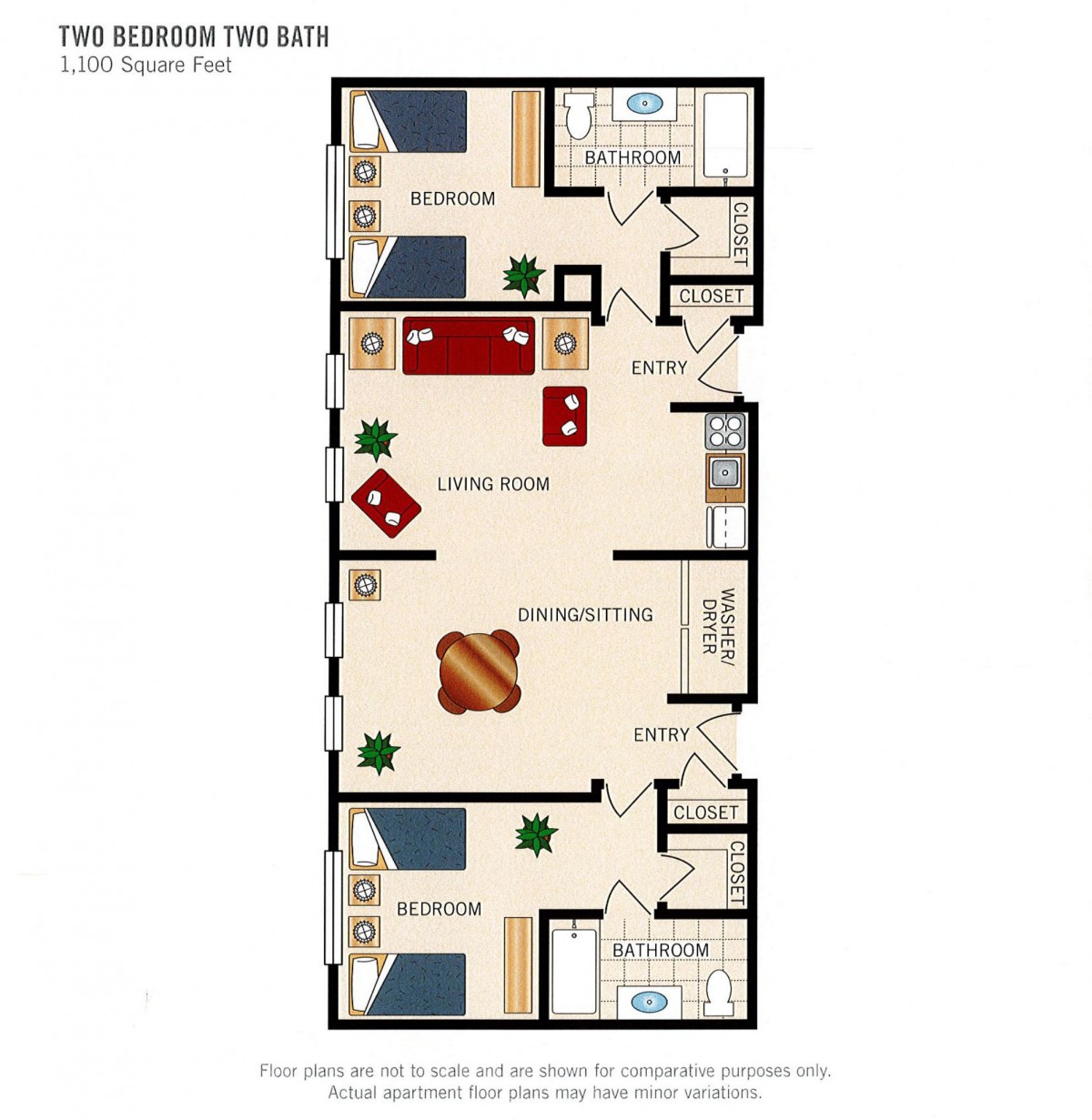
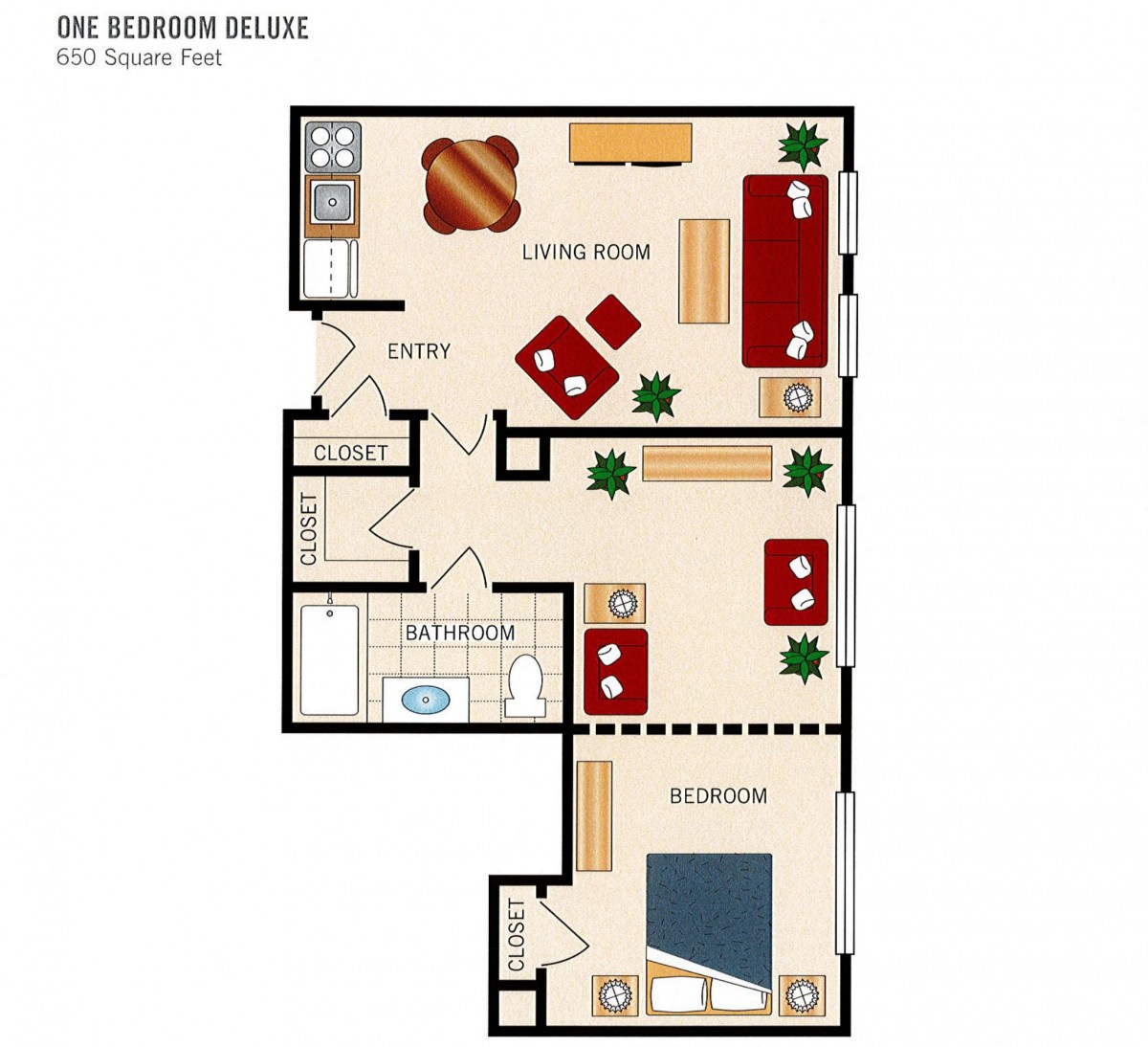
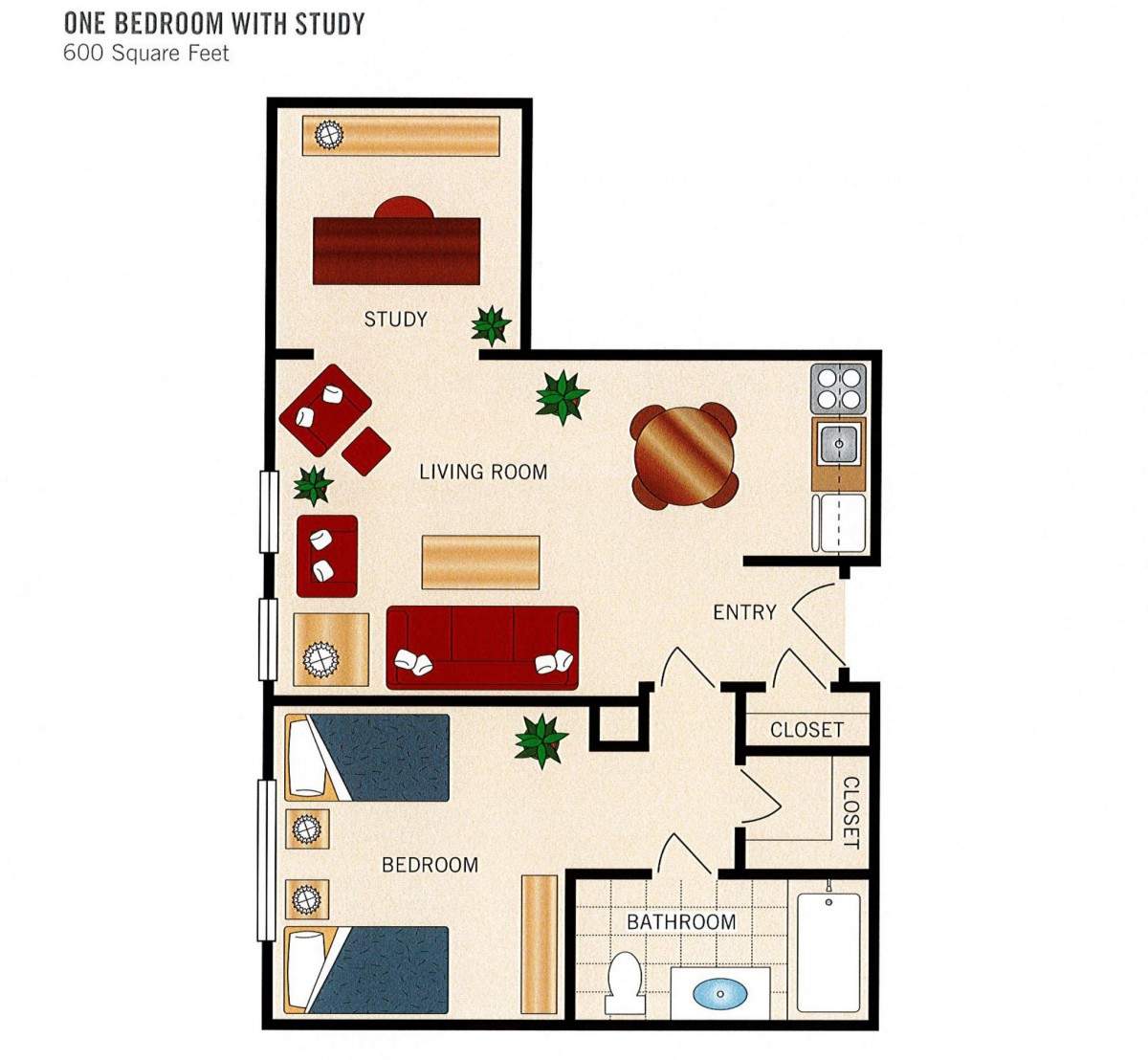
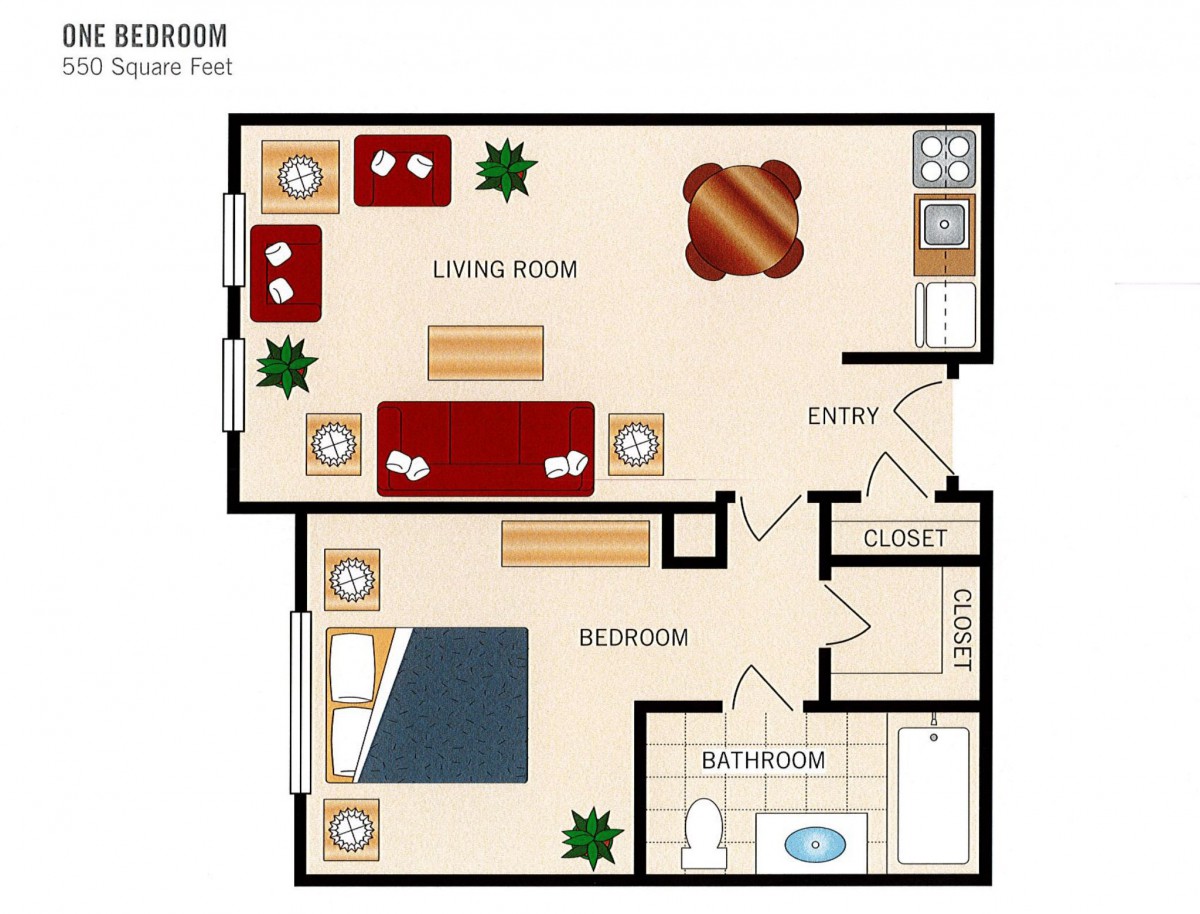
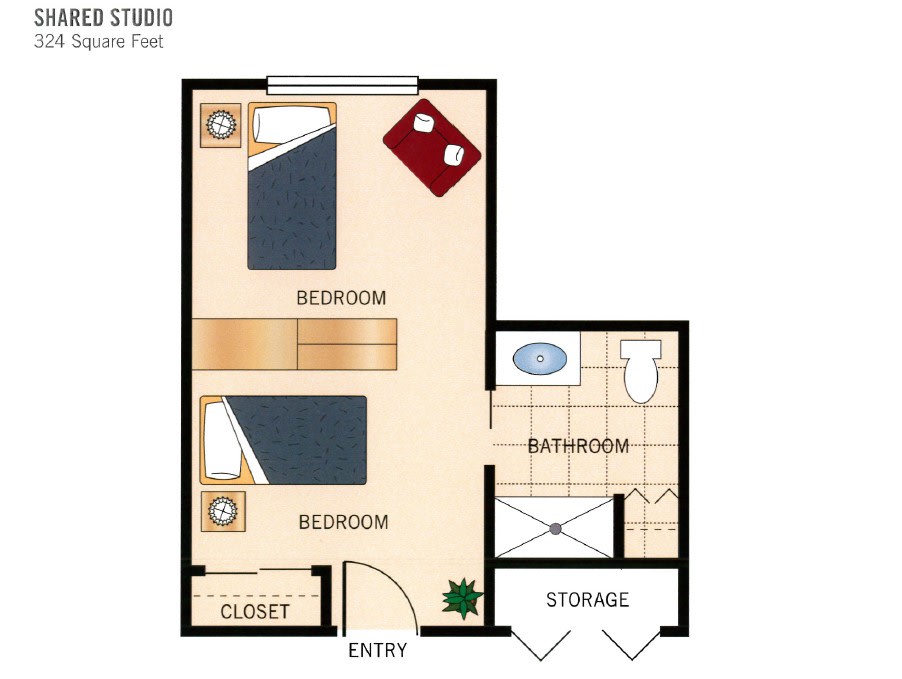
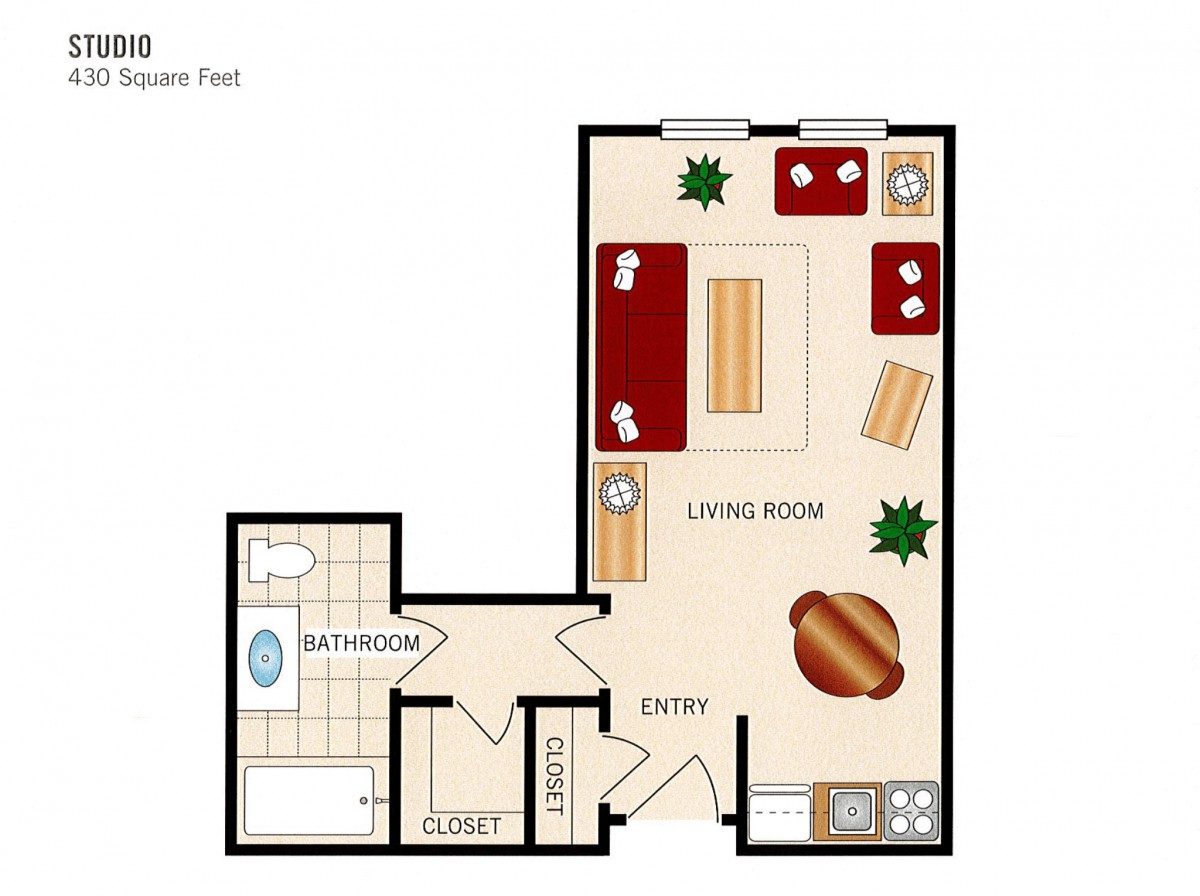
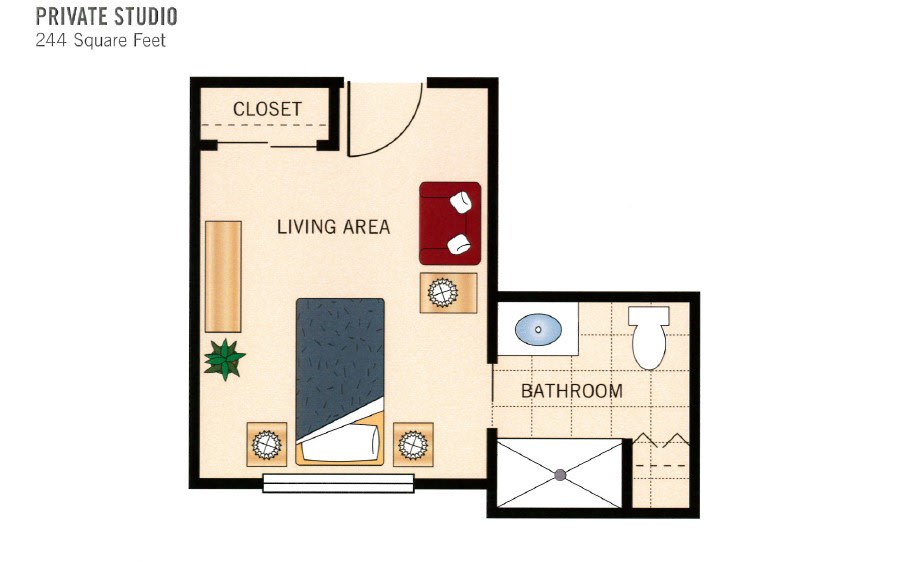
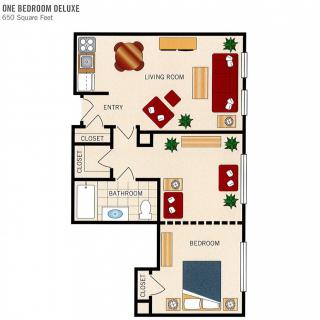
Floor plans
Harvard Square Retirement & Senior Living
Denver County
Colorado
Studio
$2,780
$3,646
$4,088
1 Bedroom
$3,170
$3,768
$4,118
Semi-Private
$3,600
$3,950
$4,008
2 Bedrooms
$3,800
$3,789
$4,580
Memory care communities with a similar price nearby
Overall Review of Harvard Square Retirement & Senior Living
common34 reviews mention this
Friendly, responsive staff stand out
Residents and families repeatedly describe staff who are warm and responsive.
Across reviews, families describe the team as friendly, caring, and helpful, including front-desk and caregiving staff. Multiple reviewers say someone is available when questions come up, and several mention staff checking on residents or addressing concerns. Even when reviews mention other problems, many still single out individual caregivers and leaders for support.
common26 reviews mention this
Activities keep people engaged
Many residents and families say the community keeps a steady rhythm of activities.
Reviewers frequently point to lively daily programming, from music and movie nights to group activities and outings. Some families specifically mention their loved ones staying social, making friends, or participating more than expected. A few also describe that activities can vary by person, but the overall emphasis on engagement comes through in the reviews.
differentiator12 reviews mention this
24/7 support and care coordination
Residents and families mention around-the-clock support and attentive care follow-through.
Several reviews describe staff checking in at night, having a system for urgent help, and being able to respond quickly when needs come up. Families also mention medication management and coordination around changing care needs, including moves from assisted living to memory care. Reviews also note that caregivers helped during medical events and helped families stay informed, though a smaller set of comments raises concerns about consistency.
caveat14 reviews mention this
Dining experience is mixed
Dining quality and consistency come up often, with both praise and complaints.
Many reviewers praise meals as chef-prepared and enjoyable, and some mention restaurant-style dining and room or downstairs meal options. Others report issues such as food temperature, menu inconsistency, limited variety, or meals running out. A few reviews mention improvements at later points, but the mixed feedback suggests diners’ experiences may depend on timing and execution.
caveat6 reviews mention this
Pricing feels reasonable to some
Cost is described as reasonable by some, but others say it is too high.
Some families say the community offers good value, is cost competitive, or was workable during move-in discussions. Others call the pricing overpriced and mention price increases soon after moving in. The reviews overall suggest the monthly cost lands differently depending on unit and expectations for care and day-to-day consistency.
How we summarize
Counts show how many written reviews mention each theme; a review can touch several themes, and only frequently mentioned themes are displayed.
Features
Housing
155 resident community capacity
Types of Care
Assisted Living
Independent Living
Memory Care
Amenities
Activities off-site
Activities on-site
Air-conditioning
Bath tubs
Beautician on-site
Beauty salon
Cable or satellite TV
Computer center
Devotional services on-site
Dining room
Fitness room
Full kitchen
Fully furnished
Gaming room
Garden
Ground floor units
Handicap accessible
Housekeeping services
Indoor common areas
Kitchenette
Move-in coordination
Outdoor common areas
Outdoor patio
Outdoor space
Private bathrooms
Respite or short term stays offered
Restaurant-style dining
Small library
Telephone
Wellness center
Wheelchair accessible showers
Wi-Fi/high-speed internet available
Transportation
Denver International (17 miles away)
Community operated transportation
Transportation arrangement
Transportation arrangement (non-medical)
Care Services
24-hour call system
24-hour supervision
Activities of daily living assistance
Ambulatory care
Assistance with bathing
Assistance with dressing
Assistance with transfers
Coordination with health care providers
Diabetes diet
Diabetic care
High acuity care
Incontinence care
Meal preparation and service
Medication management
Mental wellness program
Mild cognitive impairment
Special dietary restrictions
Specialized memory care programming
Transportation arrangement (medical)
Transportation to doctors appointments
Dining
Anytime dining
Diabetes diet
Gluten-free
Guest meals
Kosher
Low / no sodium
Meals provided
No Sugar
Professional chef
Restaurant style dining
Room service
Special dietary restrictions
Special dining programs
Vegan
Vegetarian
Activities
Art classes
Bible study group
Catholic services
Community-sponsored activities
Concierge services
Cooking classes
Day trips and outings
Devotional activities on-site
Educational speakers / life long learning
Fitness programs
Happy hour
Jewish services
Karaoke
Live musical performances
Live well programs
Other religious services
Planned day trips
Resident-run activities
Scheduled daily activities
Nearby Places of Interest
This area of Denver, Colorado offers a variety of amenities and services that cater to senior living needs. There are multiple restaurants within a short distance, providing convenient dining options. Several pharmacies are also nearby for easy access to medications and healthcare products. The abundance of parks in the area allows for outdoor recreational activities and opportunities to enjoy nature. Medical facilities and physicians' offices are readily available, ensuring quality healthcare services. Additionally, the proximity to public transportation at the Arapahoe Light Rail Station provides easy access to surrounding areas. Overall, this neighborhood offers a diverse range of resources that would be beneficial for seniors looking for a comfortable and convenient living environment in Denver.
Restaurants
Piper Inn (0.4 miles)
Old Town Hot Pot (0.4 miles)
Chick-Fil-A (2.1 miles)
The Original Pancake House (3.6 miles)
In-N-Out Burger (3.6 miles)
McDonald's (3.7 miles)
Illegal Pete's (3.8 miles)
Pharmacies
Walgreens (1.1 miles)
Walgreens (2.3 miles)
Walgreens (2.5 miles)
Walgreens (2.6 miles)
Walgreens (2.8 miles)
Walgreens (3.2 miles)
Walgreens (3.4 miles)
Parks
Kennedy Dog Park (1.5 miles)
Rosamond Park (2.7 miles)
Cherry Creek State Park- Off Leash Dog Area (3 miles)
Ash Grove Park (3 miles)
Lowry Dog Park (3.4 miles)
Mamie D Eisenhower Park (3.7 miles)
Sagebrush Park (3.9 miles)
Physicians
Rocky Mountain Cancer Centers (2.3 miles)
The Medical Center of Aurora (2.3 miles)
Health Images (2.5 miles)
VA Jewell Clinic (2.7 miles)
Invision Sally Jobe at Centrum DTC | Surgical Center (3.5 miles)
DTC Family Health & Walk-In (3.7 miles)
Biote (3.8 miles)
Cafes
Black Rock Coffee Bar (3.3 miles)
Starbucks (3.7 miles)
Starbucks (3.7 miles)
Starbucks (4.5 miles)
Starbucks (5.3 miles)
Starbucks (5.3 miles)
Starbucks (5.6 miles)
Places of Worship
Temple Sinai (3.4 miles)
Hospitals
Cherry Creek Eye Center (3.8 miles)
Village Pavilion (5.1 miles)
University of Colorado Hospital (5.1 miles)
Children's Hospital Colorado Anschutz Medical Campus (5.2 miles)
Rocky Mountain Regional VA Medical Center (5.5 miles)
Harvard Square Retirement & Senior Living offers competitive pricing for senior living accommodations, particularly in comparison to average costs in both Denver County and the broader state of Colorado. For a studio apartment, residents would pay $2,780 per month, significantly lower than the county average of $3,646 and the state benchmark of $4,090. One-bedroom units at Harvard Square are also attractively priced at $3,170, compared to $3,768 in Denver County and $4,119 statewide. The semi-private room option is available for $3,600, again undercutting the county and state averages of $3,950 and $4,009 respectively. Even for two-bedroom units at $3,800 per month, Harvard Square remains competitive when juxtaposed with local averages of $3,789 and a higher state average of $4,580. Overall, Harvard Square provides an appealing balance of quality care and affordability within its market context.
The comprehensive features offered at Harvard Square Retirement & Senior Living play a crucial role in supporting residents with dementia or Alzheimer's disease by addressing their unique needs in a nurturing environment. Continuous 24-hour supervision ensures safety and immediate assistance, while support with activities of daily living, such as bathing and dressing, promotes dignity and comfort. The specialized memory care programming is tailored to engage residents' cognitive abilities, alongside mental wellness programs that foster social interaction and emotional health. Coordination with healthcare providers streamlines medical care, ensuring that medication management and incontinence care are handled sensitively. Meal preparation caters to dietary needs, and assistance with transfers enhances mobility. Additionally, transportation arrangements for medical appointments help maintain continuity of care for those requiring outside services. Collectively, these features create a holistic approach to caregiving that respects individual capabilities while providing necessary support for both mild cognitive impairment and advanced stages of dementia.
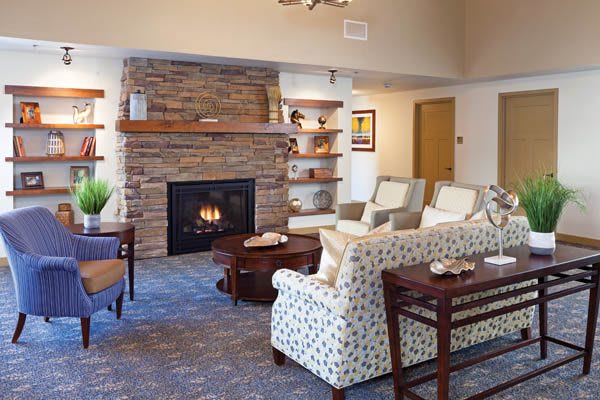
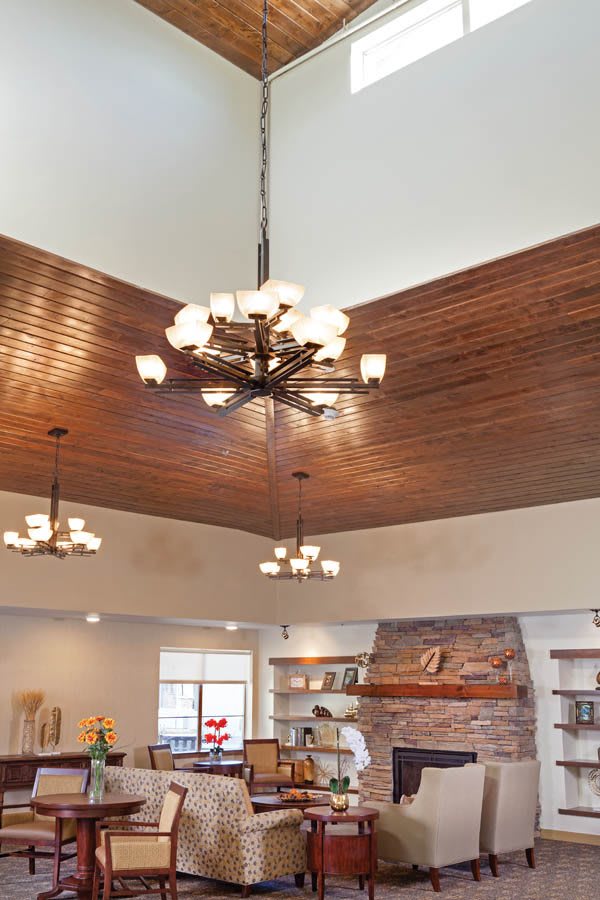
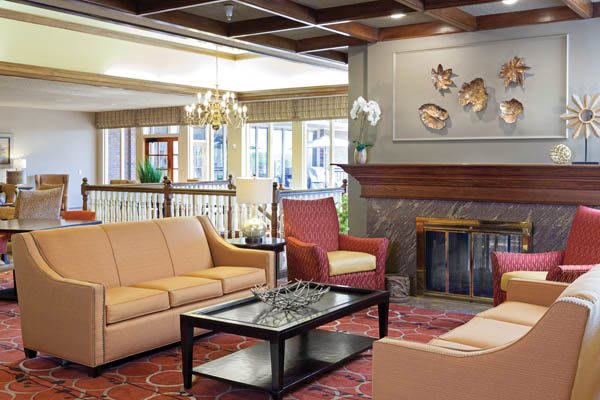
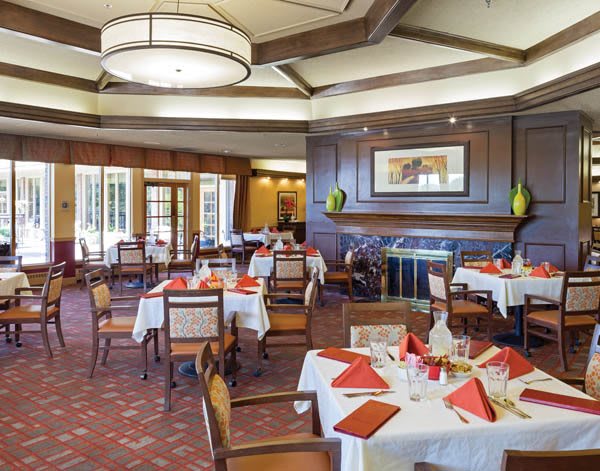
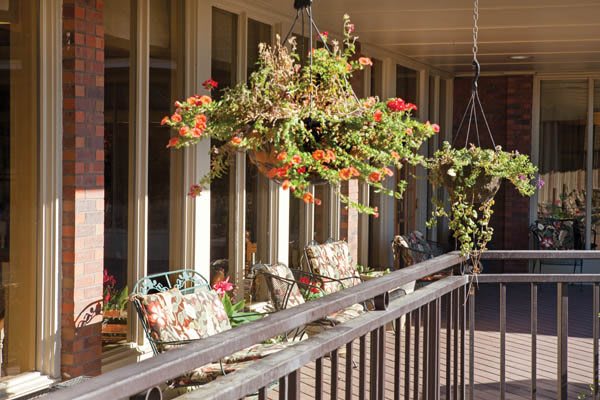
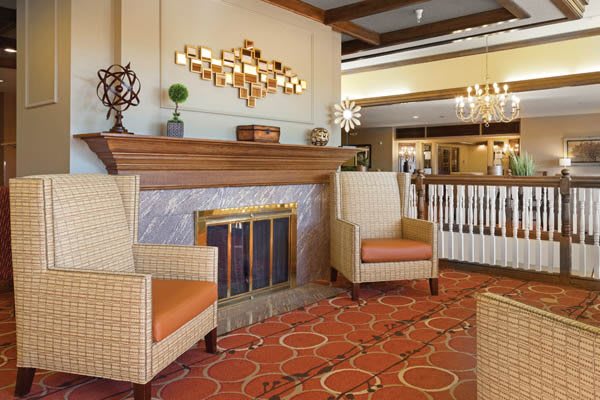
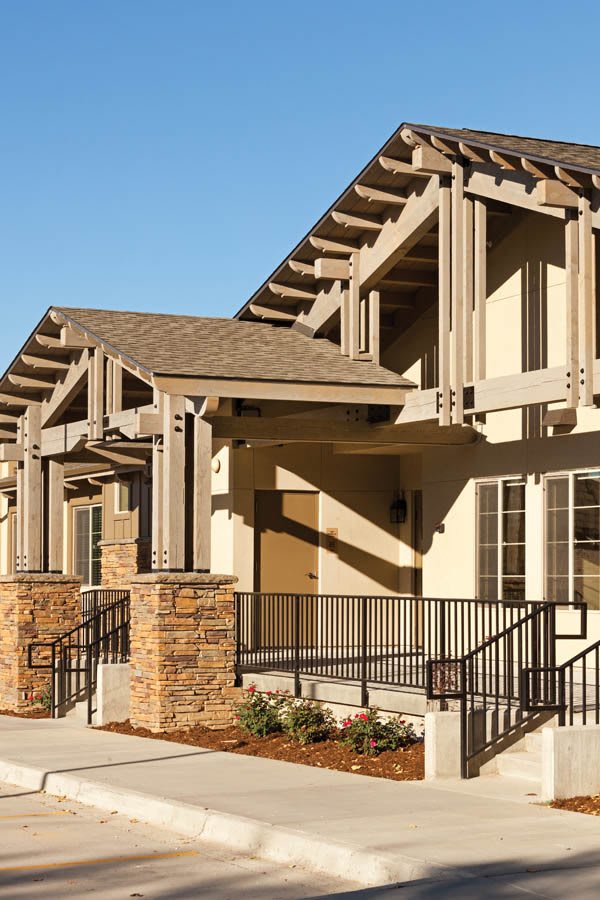
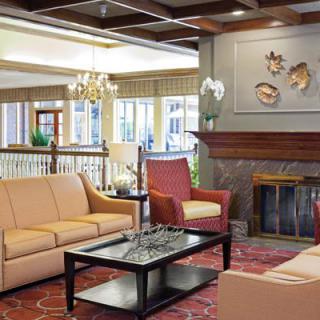
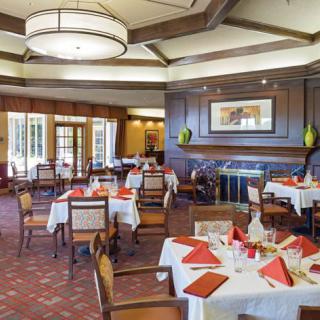
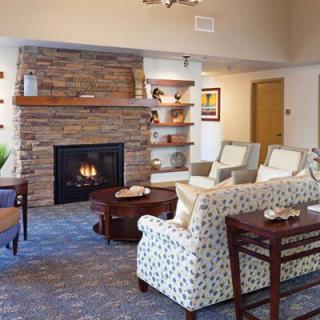
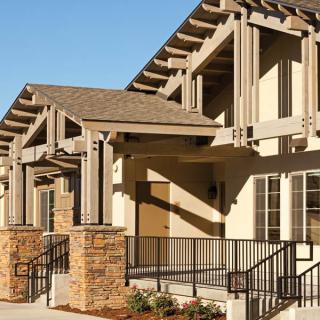
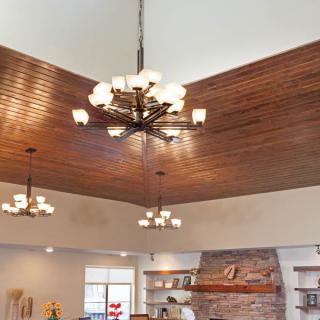
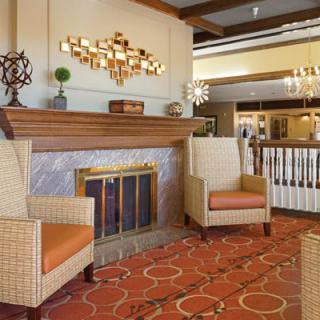
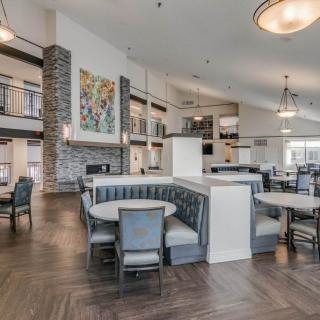
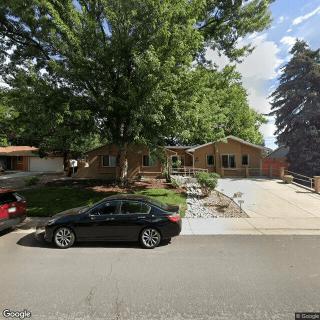
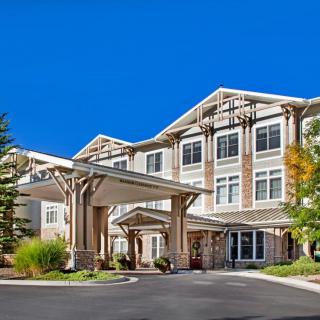
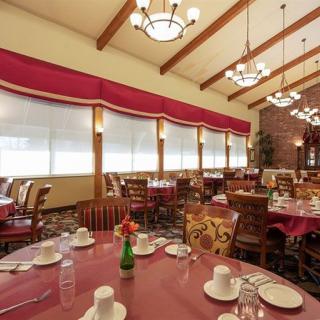
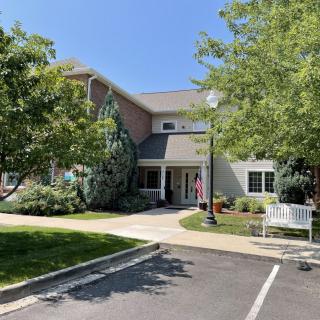
Harvard Square Retirement & Senior Living on seniors.fyi includes 15 photos including images showing floor plan, living room, interior, bathroom, bedroom, fireplace, kitchen, closet, and more.
Nearby Communities
Helping Hand Home Health Care
Aurora, CO
5 from 5 reviews
Convenient location with nearby dining, pharmacies, hospitals, parks, and other amenities.
Blue Meadows Senior Living
Aurora, CO
Serene setting with extensive nearby amenities and a focus on safety.
Alpha Home Care
Aurora, CO
5 from 5 reviews
Extensive nearby amenities (parks, cafes/restaurants, pharmacies) and close hospital access.
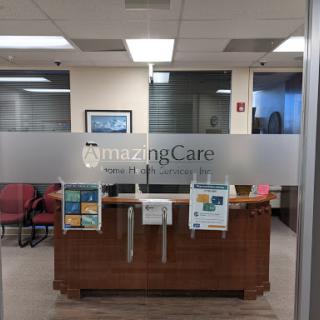
Amazing Care Hm Health Svc Inc
Aurora, CO
2.7 from 17 reviews
$4,375 / month
Well-connected location with easy access to numerous nearby amenities (cafes, parks, pharmacies, restaurants, transit, worship, and a hospital).
All About You Home Care
Aurora, CO
2.7 from 15 reviews
Strong access to nearby amenities (cafes, restaurants, parks, pharmacies) and healthcare, supporting convenience and social activity.
Accessible Home Health Care
Aurora, CO
4.6 from 8 reviews
Strong access to nearby amenities and healthcare.
Five Star Residences of Dayton Place
Denver, CO
4.5 from 101 reviews
$2,600 to $3,200 / month
Renovated, spacious units with friendly staff and engaging activities.
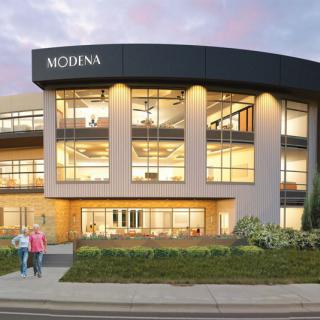
Modena Cherry Creek
Denver, CO
4.3 from 70 reviews
$4,500 to $7,300 / month
Clean facility with caring staff and engaging activities.
The Village at Hampden Town Center
Aurora, CO
3.4 from 35 reviews
$791 to $915 / month
Welcoming staff, spacious 2-bedroom units, and well-kept common areas and amenities.
The article presents five subtle indicators of dementia, such as memory lapses and mood swings, to help families assess cognitive decline in loved ones. It emphasizes early detection, open communication, and seeking professional help while providing practical support steps.
Dementia encompasses progressive neurological disorders that impair cognitive functions and can lead to paranoia due to cognitive decline and emotional changes. The article discusses the triggers of paranoia in dementia, caregiver strategies for managing it, and the importance of distinguishing between dementia-related paranoia and other psychiatric conditions.
Memory care activities are essential for improving the quality of life of seniors with cognitive impairments, as they stimulate cognitive function, promote well-being, and encourage social interaction through tailored strategies. These activities combine structured exercises with spontaneous tasks, sensory engagement, physical workouts, creative pursuits, and intergenerational interactions to enhance emotional connection and a sense of purpose.
Get PricingAsk A QuestionSchedule A TourContact Senior Advisor
By clicking submit, you agree to our Partner's Terms of Use. You
also consent to receive calls and texts, which may be autodialed, from our Partner. Your consent is not a condition to
using our Partner's service. Please visit our Partner's Privacy Policy for information about their privacy practices.


 155 resident community capacity
 Assisted Living
 Independent Living
 Memory Care
 Activities off-site
 Air-conditioning
 Bath tubs
 Beautician on-site
 Cable or satellite TV
 Computer center
 Devotional services on-site
 Dining room
 Fitness room
 Full kitchen
 Fully furnished
 Gaming room
 Garden
 Ground floor units
 Handicap accessible
 Housekeeping services
 Indoor common areas
 Move-in coordination
 Outdoor common areas
 Outdoor patio
 Private bathrooms
 Respite or short term stays offered
 Restaurant-style dining
 Small library
 Telephone
 Wellness center
 Wheelchair accessible showers
 Wi-Fi/high-speed internet available
 Denver International (17 miles away)
 Community operated transportation
 24-hour call system
 Ambulatory care
 Assistance with bathing
 Assistance with dressing
 Assistance with transfers
 Diabetes diet
 Diabetic care
 High acuity care
 Incontinence care
 Medication management
 Mental wellness program
 Special dietary restrictions
 Transportation arrangement (medical)
 Art classes
 Bible study group
 Concierge services
 Cooking classes
 Day trips and outings
 Educational speakers / life long learning
 Happy hour
 Jewish services
 Karaoke
 Live musical performances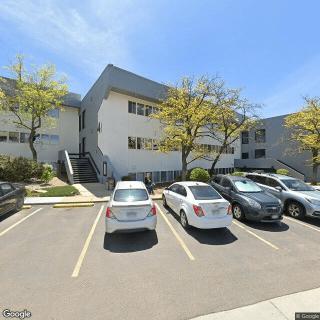
 Convenient location with nearby dining, pharmacies, hospitals, parks, and other amenities.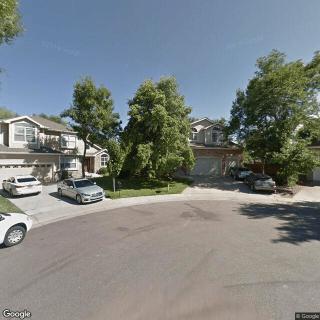

 Five Subtle Dementia Indicators to Observe: An In-Depth Guide to Understanding “Does My Mom Have Dementia?”
 Dementia, Paranoia, and Caregiver Guidance: Understanding the Connection
 Engaging Memory Care Activities That Enhance Quality of Life