
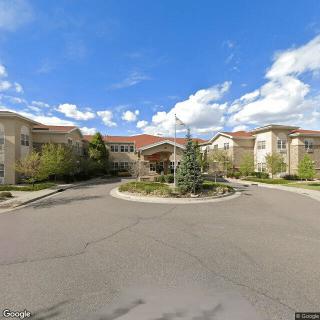
9232 W. Texas Dr., Lakewood, CO 80232
To contact a resident: (303) 373-6780
For more information about senior living options: (866) 208-4318
Catharine's Quality of Life Homes Costs & Pricing
Catharine's Quality of Life Homes offers competitive pricing for its accommodations when compared to both Jefferson County and the broader state of Colorado. With semi-private rooms priced at $3,900 per month, clients benefit from a lower cost than the county average of $4,114 and the state average of $4,009. Similarly, private rooms are available for $4,000, which again positions them favorably against Jefferson County's rate of $4,253 and Colorado's average of $4,142. For those seeking one-bedroom options, Catharine's rates are also attractive at $4,100, slightly exceeding Jefferson County's cost of $4,076 but remaining in line with the state's average of $4,119. Overall, Catharine's Quality of Life Homes not only provides quality care but does so at rates that enhance affordability within their community context.
| Floor plans | Catharine's Quality of Life Homes | Jefferson County | Colorado |
|---|---|---|---|
| Semi-Private | $3,900 | $4,114 | $4,008 |
| Private | $4,000 | $4,253 | $4,142 |
| 1 Bedroom | $4,100 | $4,076 | $4,118 |
Memory care communities with a similar price nearby
-
About the same
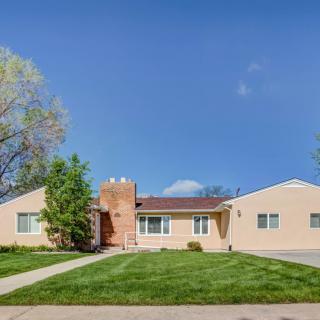
Jaxpointe At Flower Court Assisted Living
$3,900 to $4,300 / month7.0 miles away -
from +$720 / mo
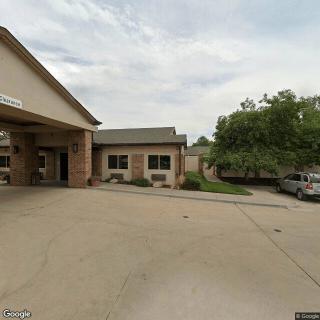
Garden Terrace Alzheimer's Center Of Excellence - Aurora
$4,620 to $5,940 / month14.4 miles away -
from +$195 / mo
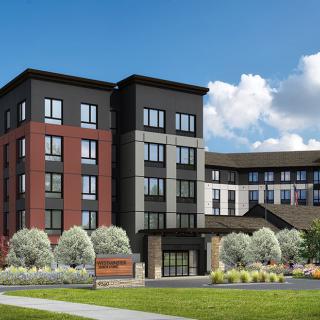
Hyland Hills
$4,095 to $7,495 / month11.9 miles away -
from +$616 / mo
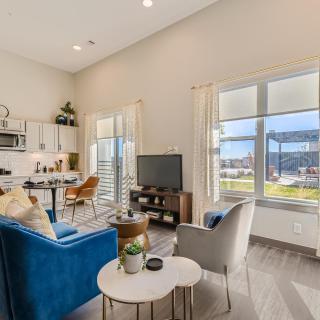
The Gallery at Broomfield Assisted & Senior Living
$4,516 to $5,419 / month21.9 miles away -
from +$500 / mo
Applewood Our House Asst Lvg Facilities II
$4,400 to $5,400 / month3.7 miles away
Overall Review of Catharine's Quality of Life Homes
Pros
 The facility is nicely presented.
- The staff were helpful during the visit.
- The house is fairly clean.
- The experience of Catharine's Quality of Life Homes has been really good.
- Her mother is really happy there, which is the most important thing.
- The staff are genuinely concerned for her well-being and provide excellent care.
- The center is kind and compassionate, small but with a homey feel.
- The facility has knowledge of Parkinson's-related problems for dementia/Alzheimer's residents.
Cons
 They were misled by the staff and administrator.
- The staff were unqualified and had no experience.
- Medication was stolen by staff with no repercussions.
- The residence was poorly staffed.
- The facility was unclean and unsanitary, and promises made before move-in were never kept.
- The information provided by them and their website was misleading.
- The service was too expensive.
Review
Catharine’s Quality of Life Homes in Lakewood, Colorado is best suited for families seeking a small, intimate, home-like setting for a female resident, particularly someone with memory-care needs who benefits from personal attention and a warm, non-clinical atmosphere. Several reviewers highlight a compact, “homey” vibe with staff who are genuinely caring during visits, and they point to a setting that feels less institutional than larger assisted-living campuses. The facility is viewed as knowledgeable about dementia issues and Parkinson’s-related problems, suggesting it can support specific cognitive or movement challenges in a more individualized way than some bigger communities.
That said, there are clear signs that alternative options should be considered in cases where robust staffing, strong safety controls, and transparent operations are non-negotiable. The most troubling red flags center on staffing and supervision: reports of unqualified staff hired straight off the street, medication mismanagement or theft, and a perception of under-staffing that leaves residents inadequately supervised. Several reviewers describe promises made before move-in that were not kept, along with information that felt misrepresented. For families needing consistent, high-coverage care and hard accountability, these patterns point toward considering other communities with demonstrated staffing ratios and stronger governance.
The positive attributes do offset some concerns, but not fully for every family profile. The small, homey environment and the evident warmth from caregivers can translate into meaningful daily comfort and reassurance for a mother or a female loved one who thrives on closer, personal attention. Cleanliness is frequently noted as adequate, and when staff are present, the care experience appears meaningful, with family members expressing satisfaction with the care provided and with the resident’s happiness. However, even when the facility shines in these areas, the lack of staffing stability and the risk of unsafe incidents weigh heavily in the decision, especially for families whose loved ones require consistent, round-the-clock oversight and strict medication control.
The gender dynamics mentioned by reviewers matter in a practical way. Several clients would prefer not to place a male relative in a setting where all residents are women, or where the gender balance feels uncertain. This is not a universal flaw, but it is a legitimate factor for families with a male loved one or those who want a mixed-gender environment or different social dynamics. Additionally, the belief that information is misleading and that staff issues have included theft creates a credibility gap that makes due diligence essential. Prospective residents should verify the current staffing model, caregiver qualifications, and the facility’s procedures for medication handling and incident reporting before committing.
Cost is another practical constraint that cannot be ignored. Several comments highlight that the residence is “too expensive” for what is delivered, especially when weighed against the risks associated with staffing gaps and upkeep. For families balancing budget with needs, this factor pushes consideration toward communities that deliver clearer value, stronger staffing commitments, and documented outcomes. The small size and limited scope of services may be perfect for some, but the price tag will be decisive for many others who must maximize every dollar for ongoing care.
In the end, Catharine’s Quality of Life Homes offers a compelling option for a specific subset of residents: mainly women with dementia-related needs who prioritize a homelike ambiance and close caregiver contact, and whose families can tolerate, or mitigate, questions about staffing consistency and transparency. For others, especially families needing robust 24/7 staffing, transparent accountability, and verified safety practices, alternatives deserve serious consideration. Before choosing, request a current staffing schedule, detailed care plans, and explicit policies on medication administration, incident reporting, and housekeeping standards; take a candid tour focused on daily routines, staff-resident interactions, and cleanliness. If those assurances exist and align with the loved one’s needs, Catharine’s Quality of Life Homes can be a good fit; if not, steer toward options with stronger governance and demonstrable reliability.
 Board and Care Home
 Memory Care
 Private
 Ambulatory care
 Incontinence care
 Christian services


 Illuminating Insights About Alzheimer's Disease: Ten Crucial Realities
 A Thorough Discussion of Medications Potentially Linked to Dementia Risk
 Why Do Dementia Patients Sleep So Much? Understanding Oversleeping, Stages, and Care Approaches