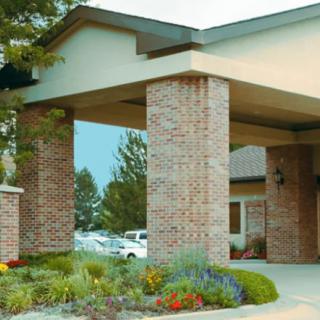
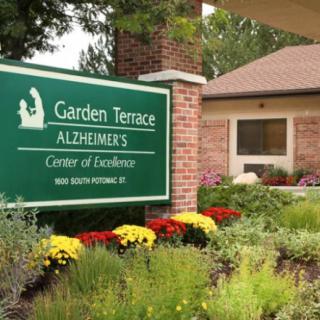
Garden Terrace Alzheimer's Center Of Excellence - Aurora

Save

Garden Terrace Alzheimer's Center Of Excellence - Aurora

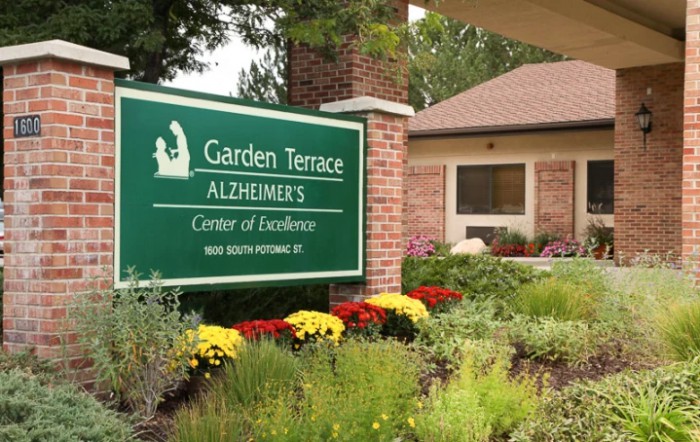
1600 South Potomac Street, Aurora, CO 80012

For more information about senior living options: (844) 490-3973

4.8 from 101 reviews
5 stars
88
4 stars
9
3 stars
0
2 stars
0
1 stars
4

Day Program Memory Care Skilled Nursing Facility

Garden Terrace Alzheimer's Center Of Excellence - Aurora Costs & Pricing

At Garden Terrace Alzheimer's Center of Excellence in Aurora, the monthly costs for residents reflect a commitment to providing specialized care in a dedicated environment. For semi-private accommodations, the center charges $4,620, which is notably higher than the average costs in Denver County at $3,950 and the state average of $4,009. Similarly, for those seeking a one-bedroom unit, the monthly fee is $5,940 - a significant increase compared to Denver County's average of $3,768 and Colorado's overall average of $4,119. These figures underscore the center's focus on delivering expert Alzheimer's care within a supportive community setting that may justify the elevated pricing relative to regional norms.

Floor plansGarden Terrace Alzheimer's Center Of Excellence - AuroraDenver CountyColorado
Semi-Private$4,620$3,950$4,008
1 Bedroom$5,940$3,768$4,118

Overall Review of Garden Terrace Alzheimer's Center Of Excellence - Aurora

Pros

  • pro The staff at Garden Terrace are exceptionally kind to their patients.
  • pro Garden Terrace is a beautiful place with a kind and friendly staff.
  • pro The staff are professional, courteous, and caring.
  • pro They provide excellent communication with families and responsible parties.
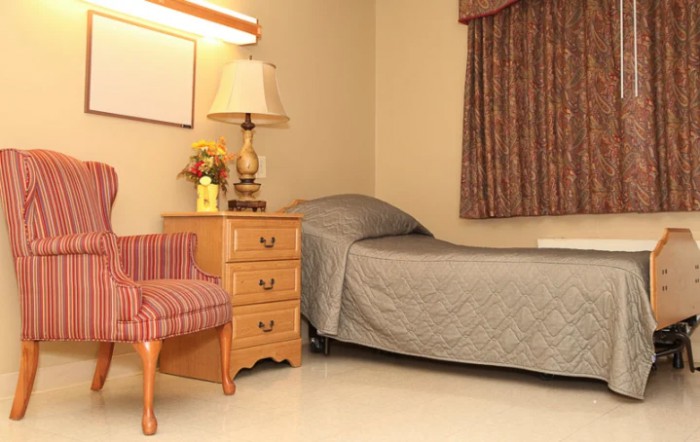
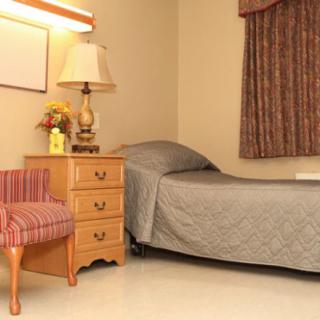
  • pro The rooms are attractive, and residents feel relaxed in the environment.
  • pro The caregivers are attentive, responsive, and go above and beyond for residents.
  • pro The facility is clean, pristine, and safe, with a warm, hospitable atmosphere.
  • pro The team is dedicated, knowledgeable, and treats residents with dignity and respect.

Cons

  • pro The reviewer notes that the mother is miserable there, with other clients in her bed and staff doing nothing, and they are praying to get her out of the hell hole soon.
  • pro There is nothing going on for the weekend; activities for rehab patients are lacking.
  • pro The reviewer describes the situation as tragic when the mother begged to be taken out of that place.
  • pro The family was devastated and felt misled when promises of a room were not honored and calls went unanswered.
  • pro For a place that calls itself a "center of excellence," this treatment of patients and families is cruel.
  • pro The initial impression included a smell of feces on the first day.
  • pro A major concern cited is the lack of family consult meetings and not feeling included in treatment planning.
  • pro They would have preferred to visit the facility before placing their loved one there.

Review

Garden Terrace Alzheimer's Center of Excellence in Aurora is best suited for families seeking dementia-focused, long-term care delivered in a warm, professional, and highly supervised environment. The community excels when residents need steady routines, compassionate staff, and strong safety measures, with a clear emphasis on personalized attention from nurses, CNAs, and caregivers. For households prioritizing daily reassurance that a loved one is treated with dignity, kept clean, well-groomed, and engaged in familiar activities, this campus offers the reliability and stability that dementia care most often requires. In short, it's a solid fit for residents who benefit from a specialized, caregiver-driven setting and for families who value regular, respectful communication from a dedicated team.

Those who may want to consider alternatives include families pursuing robust weekend rehabilitation programming or more expansive activity schedules beyond the weekday norm. Several reviews note limited weekend programming for rehab and a desire for more varied, resident-centered activities. Others stress the importance of formal, ongoing family involvement in treatment planning, suggesting that care conferences and collaborative reviews could be more consistent. For some families, particularly those navigating transitions from hospital to long-term care, a smoother admissions process and clearer, proactive communication about care planning become essential factors in choosing a facility.

On balance, the community's strongest points center on staff kindness, professionalism, and consistent compassion. Comments frequently laud the staff as exceptionally caring, attentive, and respectful, with many notes about staff greeting residents by name, staying engaged, and maintaining a safe, secure environment. The facility itself is described as clean, well-maintained, and welcoming, with comfortable rooms and reliable grooming and personal care. Food quality and dining experiences receive favorable remarks as well, and residents often appear relaxed and content in a supportive atmosphere. The combination of a strong caregiving culture and a clean, protective setting creates a compelling foundation for dementia care.

The main drawbacks tend to be more process-oriented than care-centered. A recurring concern is the desire for greater family involvement in care decisions, with explicit calls for more frequent, structured care planning discussions. A few reviews recount experiences that hint at communication gaps during admissions or transitions, and a handful of comments reference less robust weekend programming for rehab or social activities. While these issues do not negate the day-to-day quality of care, they do matter for families seeking transparent, collaborative decision-making and more continuous engagement with the care team.

When the positives are weighed against the negatives, the care team's strengths - empathy, professionalism, and dependable routines - often offset the less-ideal process gaps. The staff's consistent kindness and their proactive approach to safety and daily care provide a strong counterbalance to the occasional admission-communication hiccup or weekend activity shortfall. Families repeatedly report feeling reassured by the level of attention given to their loved ones, and the steady, person-centered care demonstrated by nurses, aides, and other staff creates a sense of stability that is hard to find elsewhere in dementia-focused settings.

For families evaluating this community, practical steps will help reveal fit. Schedule a thorough, issue-specific conversation with admissions and the director of nursing to map out care planning processes, frequency of family meetings, and how updates are shared. Request calendars for daily activities and weekend options to gauge what is realistically offered for rehab or social engagement. Observe interactions at the nursing station - note whether staff know residents' preferences, moods, and routines. If possible, speak with other families about their experiences during weekends and holidays. Garden Terrace represents a strong, compassionate option for dementia care in Aurora, especially for those prioritizing a secure, clean, and person-focused environment; but attention to family involvement and weekend programming will determine long-term satisfaction and peace of mind.

Features

Housing

  • 120 resident community capacity 120 resident community capacity

Types of Care

  • Day Program Day ProgramDay programs are important for seniors because they provide a safe and supportive environment where older adults can socialize, engage in activities, receive assistance with daily tasks, and access valuable resources and services. These programs help prevent isolation and loneliness, promote mental and physical well-being, and offer a sense of purpose and community for seniors.
  • Memory Care Memory CareMemory care is crucial for seniors as it provides specialized support and services for individuals with dementia or Alzheimer's disease. These programs offer a safe and secure environment where residents receive personalized care, cognitive stimulation, and help with daily activities. Memory care helps seniors maintain their independence, quality of life, and dignity while also providing peace of mind for their families.
  • Skilled Nursing Facility Skilled Nursing FacilitySkilled Nursing Facilities are crucial for seniors as they provide round-the-clock medical care, rehabilitation services, and assistance with daily activities. These facilities ensure that seniors receive the specialized care they need to maintain their health and well-being as they age.

Amenities

  • Air-conditioning Air-conditioningAir conditioning is important for seniors as they are more vulnerable to heat-related illnesses and may have underlying health conditions that make it difficult for them to regulate their body temperature. It helps to keep them comfortable, safe, and healthy in hot weather.
  • Beauty salon Beauty salonBeauty salons are important for seniors because they provide a space for them to feel pampered, socialize, and maintain their personal grooming and hygiene. Regular visits to a beauty salon can help boost seniors' self-esteem and overall well-being.
  • Cable or satellite TV Cable or satellite TVCable or satellite TV is important for seniors because it provides entertainment, news, and companionship, helping to combat loneliness and boredom. It also offers a wide range of programming options tailored to different interests and preferences.
  • Computer center Computer centerA computer center is essential for seniors as it provides access to technology, communication tools, and resources that can enhance their daily lives. It allows them to stay connected with loved ones, engage in online activities, and learn new skills, ultimately promoting socialization and mental stimulation.
  • Dining room Dining roomDining rooms are important for seniors as they provide a space for socialization, connection, and nutritious meals. They offer opportunities for residents to bond over shared meals, foster a sense of community, and promote healthy eating habits. Dining rooms also ensure that seniors have access to well-balanced meals tailored to their dietary needs and preferences.
  • Fitness room Fitness roomHaving a fitness room in a senior living community is essential for seniors to stay active, maintain their physical health, and improve their overall well-being. Regular exercise can help prevent falls, reduce the risk of chronic diseases, and promote mental sharpness. It also provides social opportunities for residents to connect with others and enjoy a sense of community.
  • Fully furnished Fully furnishedFully furnished senior living communities are important for seniors because they provide convenience, comfort, and a hassle-free moving experience. Seniors can easily settle into their new living space without the stress of having to buy and move furniture. This allows them to focus on enjoying their new home and community.
  • Gaming room Gaming roomGaming rooms are important for seniors as they provide a fun and engaging environment for socializing, cognitive stimulation, and physical activity. Games can improve memory, problem-solving skills, and overall mental well-being while fostering friendships and reducing feelings of isolation.
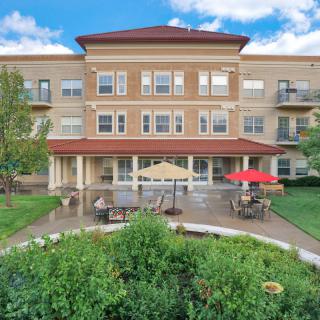
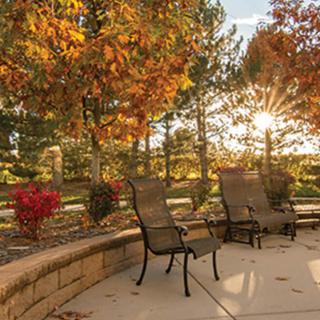
  • Garden GardenGardens are important for seniors as they provide a peaceful and therapeutic environment for relaxation, physical activity, and socialization. Being in nature has been shown to reduce stress, improve mood, and promote overall well-being. Gardens also offer opportunities for seniors to engage in gardening activities, which can improve mobility, flexibility, and cognitive function. Additionally, gardens create a sense of community and connection with others who share a passion for plants and outdoor spaces.
  • Housekeeping services Housekeeping servicesHousekeeping services are important for seniors because they help maintain a clean and safe living environment, promote independence, and reduce the risk of accidents or illnesses. Additionally, having assistance with household chores can alleviate physical strain and allow seniors to focus on other aspects of their well-being.
  • Kitchenette KitchenetteKitchenettes are important for seniors living in senior living communities because they provide the convenience and independence of being able to prepare simple meals and snacks in the comfort of their own living space. This can help promote a sense of autonomy and well-being for seniors, allowing them to maintain some level of control over their dietary choices and daily routines.
  • Move-in coordination Move-in coordinationMove-in coordination is important for seniors because it helps ease the transition into their new living environment. It ensures that all logistics, such as packing, organizing movers, and setting up utilities are taken care of, allowing seniors to focus on settling in and adjusting to their new home. Having a smooth move-in process can alleviate stress and anxiety, making the transition smoother and more enjoyable for seniors.
  • Outdoor space Outdoor spaceOutdoor spaces are important for seniors as they provide opportunities for physical activity, social interaction, exposure to natural light and fresh air, and a sense of connection to nature. Having access to outdoor spaces can improve overall well-being and quality of life for older adults living in senior communities.
  • Private bathrooms Private bathroomsPrivate bathrooms are important for seniors in senior living communities because they provide independence, dignity, and comfort. Having a private bathroom allows seniors to maintain their personal hygiene routines without the need for assistance, promoting a sense of autonomy and privacy. Additionally, private bathrooms help prevent the spread of infections and provide a safe and clean environment for seniors to navigate safely.
  • Respite or short term stays offered Respite or short term stays offeredRespite or short term stays provide seniors with a temporary solution when their regular caregiver is unavailable, offering them the opportunity to receive additional care and support during times of need, while also giving caregivers a chance to rest and recharge.
  • Restaurant-style dining Restaurant-style diningRestaurant-style dining is important for seniors because it allows them to enjoy delicious, nutritious meals in a social and upscale setting. This enhances their dining experience, promotes healthy eating habits, and fosters socialization with fellow residents, ultimately contributing to their overall well-being and quality of life.
  • Small library Small librarySmall libraries are important for seniors as they provide access to a variety of reading materials, including books, newspapers, and magazines. This can help stimulate their minds, keep them engaged, and provide a sense of community through book clubs and other social activities. Additionally, reading has been shown to improve cognitive function and overall mental well-being in older adults.
  • Telephone TelephoneTelephones are important for seniors as they provide a lifeline for communication with loved ones, emergency services, and healthcare providers. They offer a sense of security and independence, enabling seniors to stay connected and access assistance when needed.
  • Wellness center Wellness centerWellness centers are important for seniors because they offer a variety of programs and services that promote physical, mental, and emotional well-being. These centers provide opportunities for exercise, socialization, education, and relaxation, helping seniors maintain their overall health and quality of life.
  • Wi-Fi/high-speed internet available Wi-Fi/high-speed internet availableWi-Fi/high-speed internet is important for seniors to stay connected with loved ones, access online resources, and participate in virtual activities to combat feelings of loneliness and isolation. It also allows them to easily manage healthcare needs, access entertainment, and engage in lifelong learning opportunities.

Transportation

  • Denver International (15 miles away) Denver International (15 miles away)
  • Community operated transportation Community operated transportationCommunity operated transportation is crucial for seniors as it provides them with the means to access essential services, social activities, and medical appointments. It allows seniors to maintain their independence and quality of life by ensuring they can participate in activities outside of their homes. Additionally, community-operated transportation services offer a safe and reliable way for seniors to travel without having to rely on family or friends for assistance.
  • Transportation arrangement Transportation arrangementTransportation arrangements are crucial for seniors as they may face challenges with driving, mobility, or access to public transportation. Having reliable transportation services ensures that seniors can easily attend appointments, social activities, and maintain their independence and quality of life.
  • Transportation arrangement (non-medical) Transportation arrangement (non-medical)Transportation arrangements are essential for seniors as they provide access to essential services, activities, and social interactions outside the home. This service helps maintain independence, mobility, and overall well-being for seniors who may have limited transportation options.
  • Transportation to doctors appointments Transportation to doctors appointmentsTransportation to doctors appointments is crucial for seniors as it ensures they have access to necessary medical care and support, promoting their health and well-being. It allows them to receive timely treatment, monitor existing conditions, and address any new health concerns efficiently. Additionally, transportation services can help seniors maintain their independence and quality of life by enabling them to stay connected with their healthcare providers.

Care Services

  • 12-16 hour nursing 12-16 hour nursing12-16 hour nursing care is crucial for seniors in order to ensure around-the-clock monitoring, timely medication administration, and prompt response to any health concerns or emergencies. This level of care helps to promote the overall well-being and safety of seniors living in senior living communities.
  • 24-hour call system 24-hour call system24-hour call systems are important for seniors because they provide peace of mind and immediate assistance in case of emergencies. This technology ensures that help is always available, promoting safety and security for elderly individuals living alone or in assisted living facilities.
  • 24-hour supervision 24-hour supervision24-hour supervision is important for seniors to ensure their safety, well-being, and access to immediate assistance in case of emergencies or health issues. This constant support provides peace of mind for both seniors and their loved ones, allowing them to age in place with dignity and security.
  • Activities of daily living assistance Activities of daily living assistanceActivities of daily living assistance are important for seniors because they provide essential support with tasks such as eating, bathing, dressing, and mobility. This assistance helps seniors maintain their independence, dignity, and overall quality of life as they age.
  • Assistance with bathing Assistance with bathingAssistance with bathing is crucial for seniors as it helps maintain personal hygiene, prevents infections, and ensures their overall well-being and comfort. It also provides a sense of dignity and independence for seniors who may struggle with this task on their own.
  • Assistance with dressing Assistance with dressingAssistance with dressing is important for seniors because it helps maintain their independence, promotes personal hygiene, prevents accidents and injuries, and improves overall quality of life. This service ensures that seniors can continue to dress comfortably and confidently, despite any physical limitations they may have.
  • Assistance with transfers Assistance with transfersAssistance with transfers is crucial for seniors as it helps prevent falls and injuries, maintains their independence, and ensures they can safely navigate their living environment. It also provides peace of mind for both seniors and their loved ones.
  • Diabetes diet Diabetes dietA diabetes diet is crucial for seniors as it helps manage blood sugar levels, reduce risks of complications, and improve overall health and well-being. By following a balanced and nutritious diet tailored to their specific needs, seniors can better control their diabetes and enhance their quality of life.
  • Meal preparation and service Meal preparation and serviceMeal preparation and service are crucial for seniors as they may have limited mobility or energy to cook nutritious meals. Having access to healthy and convenient food options can ensure they are getting the proper nutrition needed to maintain their overall health and well-being.
  • Medication management Medication managementMedication management is crucial for seniors to ensure they are taking the right medications at the correct dosages and times. This helps prevent adverse drug interactions, reduces the risk of medication errors, and promotes overall health and well-being. Proactive management also allows for adjustments as needed based on changing health conditions or new prescriptions.
  • Mental wellness program Mental wellness programMental wellness programs are essential for seniors as they promote cognitive stimulation, emotional support, and social engagement. These programs help prevent isolation, depression, and cognitive decline, ultimately enhancing the overall quality of life for older adults.
  • Special dietary restrictions Special dietary restrictionsSpecial dietary restrictions are important for seniors because age-related changes in metabolism and health conditions can make it difficult for their bodies to process certain foods. By following a diet tailored to their specific needs, seniors can maintain their overall health and well-being, manage chronic conditions, and reduce the risk of complications such as malnutrition or food interactions with medications.

Dining

  • Diabetes diet Diabetes dietA diabetes diet is crucial for seniors as it helps manage blood sugar levels, reduce risks of complications, and improve overall health and well-being. By following a balanced and nutritious diet tailored to their specific needs, seniors can better control their diabetes and enhance their quality of life.
  • Special dietary restrictions Special dietary restrictionsSpecial dietary restrictions are important for seniors because age-related changes in metabolism and health conditions can make it difficult for their bodies to process certain foods. By following a diet tailored to their specific needs, seniors can maintain their overall health and well-being, manage chronic conditions, and reduce the risk of complications such as malnutrition or food interactions with medications.

Activities

  • Community-sponsored activities Community-sponsored activitiesCommunity-sponsored activities are important for seniors as they provide opportunities for social interaction, mental stimulation, and physical activity. These activities can help improve overall well-being, combat loneliness and isolation, and promote a sense of belonging and purpose among older adults.
  • Concierge services Concierge servicesConcierge services are essential for seniors as they provide assistance with daily tasks and errands, enhance their quality of life by offering convenience and personalized care, and promote a sense of safety and security.
  • Fitness programs Fitness programsFitness programs are crucial for seniors as they help improve strength, flexibility, balance, and overall well-being. Staying active can reduce the risk of chronic diseases, improve mental health, and enhance quality of life in older adults.
  • Planned day trips Planned day tripsPlanned day trips are important for seniors because they offer opportunities for socialization, mental stimulation, and physical activity. They provide a change of scenery and help seniors stay engaged and connected to their community, promoting overall well-being and quality of life.
  • Resident-run activities Resident-run activitiesResident-run activities are important for seniors as they encourage social interaction, creativity, and a sense of autonomy. These activities empower seniors to stay engaged and active in their community while fostering meaningful connections with their peers.
  • Scheduled daily activities Scheduled daily activitiesScheduled daily activities are important for seniors because they provide structure, socialization, mental stimulation, and physical activity. Engaging in regular activities can improve overall well-being and quality of life for seniors living in a community setting.

Description

Garden Terrace Alzheimer's Center of Excellence - Aurora

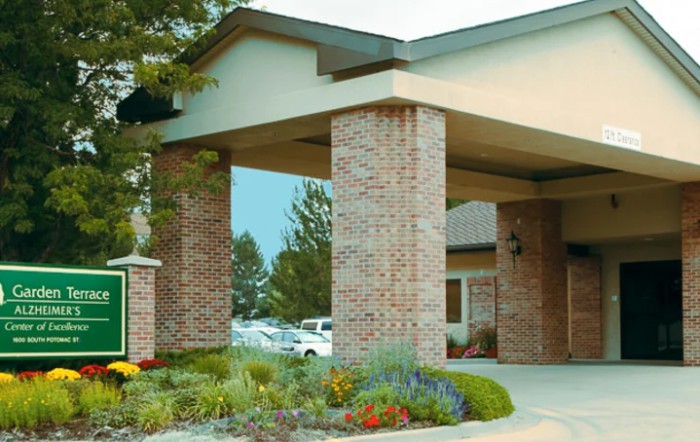
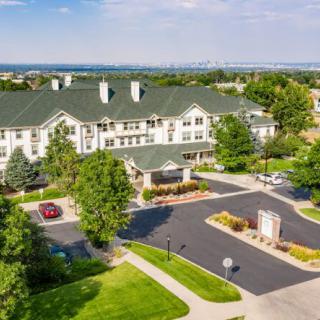
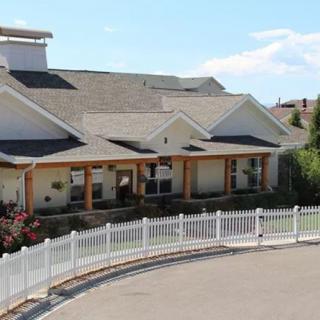
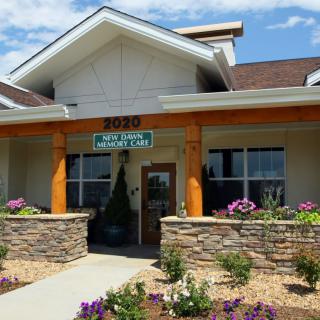
Nestled in the heart of Aurora, CO, Garden Terrace Alzheimer's Center of Excellence is a premier assisted living community dedicated to providing exceptional memory care and skilled nursing services. Designed with the needs of residents in mind, our facility offers a warm and inviting environment tailored to support individuals experiencing cognitive challenges.

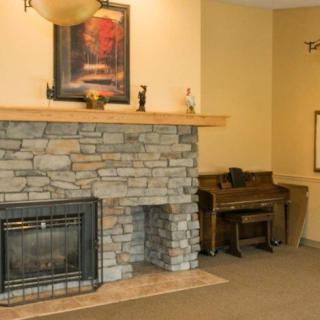
At Garden Terrace, we prioritize comfort and convenience. Our community boasts an array of amenities including a beauty salon, fitness room, gaming room, and a serene garden that provide residents with opportunities for relaxation and engagement. With restaurant-style dining featuring special dietary options, residents can enjoy nutritious meals prepared by our dedicated culinary team. Additionally, our fully furnished accommodations come equipped with private bathrooms and kitchenettes to ensure each resident feels at home.

We understand the importance of staying active both physically and mentally. Our robust activities program includes concierge services, scheduled daily activities, fitness programs, and planned day trips that promote social interaction and well-being among residents. For those seeking respite or short-term stays, we offer flexible arrangements to meet various needs.

With 24-hour supervision and assistance available for daily living activities such as bathing and dressing, our compassionate staff is committed to enhancing the quality of life for every resident. We also provide medication management services along with transportation arrangements for medical appointments.

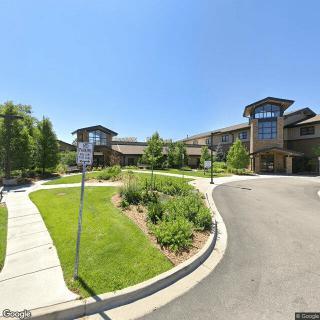
Conveniently located near local amenities including parks, pharmacies, restaurants, and hospitals, Garden Terrace ensures that residents have access to everything they need within close proximity. Our goal is to create a supportive community where individuals can thrive while receiving the specialized care they deserve.

Experience excellence in memory care at Garden Terrace Alzheimer's Center – where compassion meets comfort in every aspect of life.

Nearby Places of Interest

This part of Aurora, Colorado offers a convenient and diverse array of amenities for seniors looking to settle in the area. With multiple healthcare facilities including The Medical Center of Aurora and Rocky Mountain Cancer Centers nearby, residents have access to top-notch medical care. Additionally, there are several pharmacies within a short distance for easy prescription refills. For dining options, there are various restaurants such as In-N-Out Burger and Chick-Fil-A within a few miles. Nature lovers will appreciate the numerous parks in the vicinity, perfect for leisurely walks or picnics. Transportation options are also readily available with RTD Rail stations close by. Overall, this area provides a well-rounded environment for seniors seeking a comfortable and convenient place to call home.

Physicians

  • The Medical Center of Aurora (0.1 miles)
  • Rocky Mountain Cancer Centers (0.1 miles)
  • Health Images (0.4 miles)
  • VA Jewell Clinic (0.7 miles)
  • Kaiser Permanente Smokey Hill Pharmacy (3.8 miles)
  • UCHealth Sue Anschutz-Rodgers Eye Center - Anschutz Medical Campus (3.8 miles)
  • Cherry Creek Pediatrics (5.3 miles)

Pharmacies

  • Walgreens (1.3 miles)
  • Walgreens (1.3 miles)
  • Walgreens (1.4 miles)
  • Lightshade (2.2 miles)
  • Walgreens (2.4 miles)
  • Walgreens (2.7 miles)
  • Walgreens (3.2 miles)

Restaurants

  • In-N-Out Burger (1.6 miles)
  • Piper Inn (2.4 miles)
  • Old Town Hot Pot (2.4 miles)
  • Sonic Drive-In (3.9 miles)
  • McDonald's (4 miles)
  • Arby's (4.1 miles)
  • Chick-Fil-A (4.4 miles)

Parks

  • Cherry Creek State Park- Off Leash Dog Area (3.3 miles)
  • Lowry Dog Park (3.5 miles)
  • Kennedy Dog Park (3.6 miles)
  • Great Plains Park (4 miles)
  • Sagebrush Park (4 miles)
  • Rosamond Park (4.9 miles)
  • Ash Grove Park (4.9 miles)

Hospitals

  • Village Pavilion (3.6 miles)
  • Children's Hospital Colorado Anschutz Medical Campus (3.7 miles)
  • University of Colorado Hospital (3.8 miles)
  • Rocky Mountain Regional VA Medical Center (3.9 miles)
  • Cherry Creek Eye Center (5.3 miles)

Cafes

  • Starbucks (4.8 miles)
  • Starbucks (5 miles)
  • Black Rock Coffee Bar (5.5 miles)
  • Starbucks (5.9 miles)
  • Starbucks (5.9 miles)
  • Starbucks (6 miles)
  • Dutch Bros Coffee (6.4 miles)

Places of Worship

  • Temple Sinai (5.7 miles)

Transportation

  • RTD Rail - 40th Ave & Airport Boulevard-Gateway Park Station (6.1 miles)
  • United Airlines Flight Training Center (6.5 miles)
  • Arapahoe Light Rail Station (6.8 miles)

Theaters

  • Amc 9+Co 1 (6.4 miles)
  • AMC Arapahoe Crossing 16 (6.6 miles)

Frequently Asked Questions

How much does it cost to live at Garden Terrace Alzheimer's Center Of Excellence - Aurora in Aurora, CO?
Where is Garden Terrace Alzheimer's Center Of Excellence - Aurora?
Does Garden Terrace Alzheimer's Center Of Excellence - Aurora provide care for residents with dementia or Alzheimer's disease?
What photos are available for Garden Terrace Alzheimer's Center Of Excellence - Aurora in Aurora, Colorado?

Nearby Communities

  • Senior Care of Colorado - Aurora

    Senior Care of Colorado - Aurora

    Aurora, CO

    2.1 from 14 reviews
     

    pro Convenient access to nearby parks, cafes, pharmacies, physicians, restaurants, and hospitals.
  • Advanced Health Care Of Aurora

    Advanced Health Care Of Aurora

    Aurora, CO

    4.2 from 65 reviews
     

    pro Strong physical/occupational therapy and a well-maintained, pleasant environment.

  • Cadence Aurora

    Cadence Aurora

    Aurora, CO

    4.1 from 58 reviews
    $2,915 to $5,575 / month

    pro Friendly, attentive staff in a clean, engaging community.

  • Heritage Club At Aurora

    Heritage Club At Aurora

    Aurora, CO


    pro Specialized memory care with 24/7 supervision and extensive on-site amenities

  • New Dawn Memory Care

    New Dawn Memory Care

    Aurora, CO


    pro Specializes in memory care with 24/7 supervision and engaging activities.

  • New Dawn Memory Care of Aurora

    New Dawn Memory Care of Aurora

    Aurora, CO

    4 from 30 reviews
    $5,800 / month

    pro Outstanding management and caring staff in a clean, home-like memory care community with engaging activities.

  • Life Care Center of Aurora

    Life Care Center of Aurora

    Aurora, CO

    4.6 from 110 reviews
    $4,620 to $5,460 / month

    pro Clean, pleasant environment with attentive staff and strong therapy/activities offerings.

  • Frontier Valley Independent And Assisted Living

    Frontier Valley Independent And Assisted Living

    Aurora, CO

    3.8 from 49 reviews
    $1,395 to $2,695 / month

    pro Friendly staff and clean, welcoming environment

  • Heather Gardens

    Heather Gardens

    Aurora, CO

    4.6 from 7 reviews
     

    pro Excellent staff and diverse activities in a well-maintained, active senior community.

Related Resources

  • sundown syndromeComprehending Evening Confusion in Dementia: Causes, Manifestations, and Support

    Sundown syndrome, or sundowning, is a phenomenon in dementia patients characterized by increased confusion and agitation during late afternoon and evening, influenced by factors like disrupted circadian rhythms and fatigue. Effective caregiver strategies include establishing routines and managing environmental light while addressing caregiver stress through support services.

  • delirium vs dementiaDelirium and Dementia: Unraveling the Key Differences

    Delirium is a rapidly onset, reversible cognitive disturbance often caused by acute medical issues, while dementia is a gradual and irreversible decline due to chronic neurodegenerative diseases. Accurate differentiation between the two is essential for appropriate treatment and management in older adults.

  • can you die from dementiaAre Dementia and Alzheimer's Disease Lethal? A Comprehensive Exploration

    Dementia, including Alzheimer’s disease, is often mischaracterized in terms of lethality as it leads to complications that can be fatal rather than being a direct cause of death; it causes a progressive decline in cognitive and physical health, making patients vulnerable to infections and other health crises. Effective management of nutrition, hydration, and communication is crucial in patient care, with palliative care becoming vital in advanced stages to enhance comfort and quality of life while caregivers play a key role amidst the challenges posed by the disease.