Heritage Club At Aurora
Save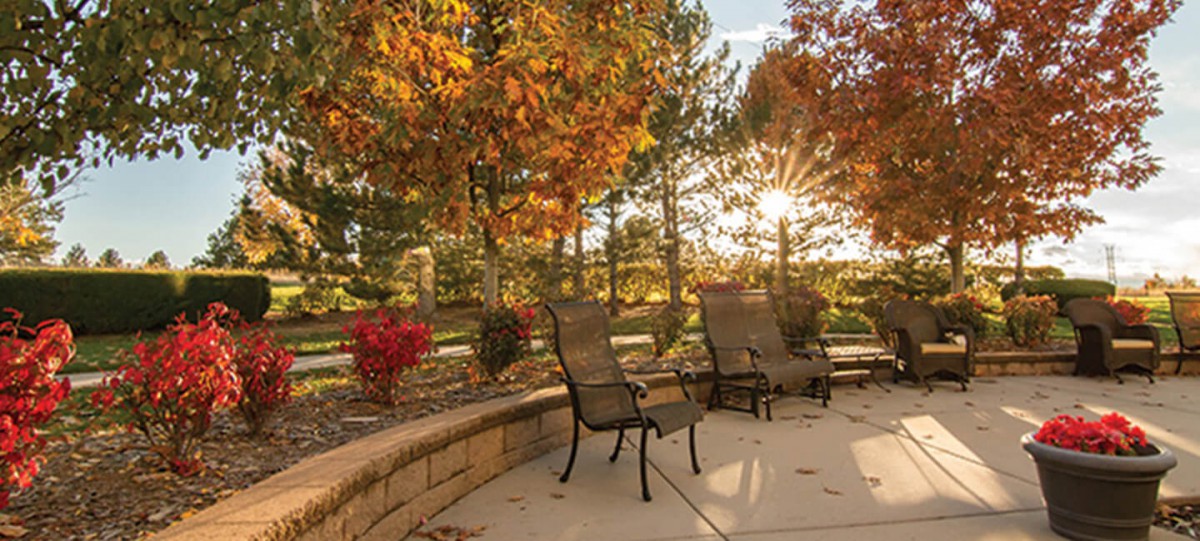
Information last verified:
1860 South Potomac Street, Aurora, CO 80012
For more information about senior living options: (844) 490-3973
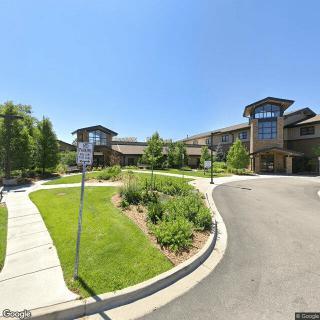
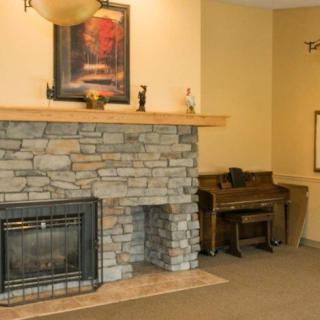
 The place looks nice after its remodel. Her quality of life has improved, with better eating, help with medications, more mobility, and new friends. She is happy and content with her new home. The community is beautiful and gives residents an at-home feeling. The residents are welcoming. The staff are amazing and go above and beyond for everyone. The facility is very clean and organized, with immaculate grounds. Cheyenne is very professional; care and compassion are evident in every interaction with residents. The environment is welcoming, and the staff are friendly. It is highly recommended for both short- and long-term services. The facility is nice.
 The facility is critically understaffed to help patients when they really need it. Staff ignored and neglected a resident who was in constant pain and could not obtain medications or help to the restroom. There was only one staff member on duty for three buildings. A resident pressed the call button nine times over an hour with no response, forcing a family member to call paramedics and leading to open-heart surgery. The resident was left alone for long periods, with empty halls and empty common areas. The food was terrible and meals were delivered cold. Communication with families was almost non-existent, with crucial updates sometimes arriving months later via ambulance bills.
Heritage Club At Aurora is best suited for families seeking a polished, home-like senior living environment where cleanliness, presentable spaces, and a warm, engaged staff are the primary anchors of daily life. The community reads as well-kept and inviting, with updated interiors and pleasant grounds that create an immediate sense of comfort. It appeals particularly to residents who want a sociable setting, regular routine, and visible professionalism from care teams. For seniors whose needs are largely social and instrumental, medication management, meals, help with activities, and companionship, this community can deliver a steady, reassuring experience. Those requiring near-constant medical oversight or an exceptionally low staff-to-resident ratio should consider alternatives where medical staffing and supervision are emphasized more aggressively.
The strongest positives center on the environment and the people who staff it. Reviewers consistently highlight clean facilities, orderly grounds, and well-maintained rooms, which translate into a calm, dignified living atmosphere. The staff are frequently described as friendly, professional, and genuinely caring, with tours and communications that are informative and reassuring. The culture of the community in many accounts is welcoming and resident-focused, reinforcing the sense of a “home away from home.” When care plans are clearly communicated and residents participate in socially engaging activities and meals that meet expectations, the overall experience solidifies into meaningful daily life for the people who call the community home.
Yet the picture is not uniformly positive. A concerning minority of accounts paints a much different reality: persistent understaffing, high turnover, and inconsistent oversight can translate into delayed responses to urgent needs, missed medications, and lapses in basic daily care. Specific anecdotes describe call buttons going unanswered over extended periods, with families left to bear the burden of monitoring safety and health outcomes rather than witnessing a reliably proactive care team. In some cases, families report billing and policy disputes that complicate the decision to move in, including disputes over notices and charges that seem inconsistent with the move-in timeline. Taken together, these red flags point to real risk for residents who depend on timely, attentive care and clear, proactive family communication.
Despite these concerns, the core strengths of the community do offset the darker notes for a substantial portion of residents. For families prioritizing a favorable living environment and strong everyday amenities, the cleaners, chefs, activity coordinators, and facility teams can deliver a meaningful quality of life. When staff consistency is solid and management is responsive, residents exhibit improved mobility, better appetite, and greater engagement with neighbors and amenities. The positive experiences show that, with stable leadership and consistent staffing, the home-like atmosphere and dependable routines can translate into tangible benefits in mood, independence, and social connectedness.
That said, prudence is essential for families weighing this option. If safety and uninterrupted medical attentiveness are non-negotiable, or if a resident has complex or high-acuity needs that demand steady, round-the-clock coverage, alternatives should be explored. Prospective residents should verify current staffing models directly: actual nurse-to-resident ratios, shift coverage, response-time benchmarks, and how incidents are escalated and documented. They should also review the latest care plans, ensure family members have clear access to updates, and confirm billing terms, including notice requirements and any fees that may apply at move-in or upon discharge. The goal is a transparent, reliable operational core that matches the advertised warmth and cleanliness with consistent, dependable care.
In the end, Heritage Club At Aurora presents a compelling choice for families who value a well-appointed, socially rich environment with staff who are genuinely engaged and a facility that feels like home. It is a prudent option for those who can thoroughly vet current leadership and staffing stability and who are prepared to participate in ongoing oversight to ensure seamless communication and safety. For families with stricter expectations around medical supervision, staffing consistency, and transparent, trouble-free billing, alternatives may offer clearer guarantees. The decision should rest on a careful, up-front inquiry into staffing realities, concrete care protocols, and a plan for proactive family involvement to secure the best possible outcomes in daily life and health management.
 188 resident community capacity
 Assisted LivingAssisted living facilities provide crucial support and care for seniors who may need help with daily tasks such as medication management, bathing, and meal preparation. These communities offer a safe and comfortable environment where seniors can maintain their independence while receiving the assistance they need to thrive in their golden years.
 Memory CareMemory care is crucial for seniors as it provides specialized support and services for individuals with dementia or Alzheimer's disease. These programs offer a safe and secure environment where residents receive personalized care, cognitive stimulation, and help with daily activities. Memory care helps seniors maintain their independence, quality of life, and dignity while also providing peace of mind for their families.
 Air-conditioningAir conditioning is important for seniors as they are more vulnerable to heat-related illnesses and may have underlying health conditions that make it difficult for them to regulate their body temperature. It helps to keep them comfortable, safe, and healthy in hot weather.
 Beauty salonBeauty salons are important for seniors because they provide a space for them to feel pampered, socialize, and maintain their personal grooming and hygiene. Regular visits to a beauty salon can help boost seniors' self-esteem and overall well-being.
 Cable or satellite TVCable or satellite TV is important for seniors because it provides entertainment, news, and companionship, helping to combat loneliness and boredom. It also offers a wide range of programming options tailored to different interests and preferences.
 Computer centerA computer center is essential for seniors as it provides access to technology, communication tools, and resources that can enhance their daily lives. It allows them to stay connected with loved ones, engage in online activities, and learn new skills, ultimately promoting socialization and mental stimulation.
 Dining roomDining rooms are important for seniors as they provide a space for socialization, connection, and nutritious meals. They offer opportunities for residents to bond over shared meals, foster a sense of community, and promote healthy eating habits. Dining rooms also ensure that seniors have access to well-balanced meals tailored to their dietary needs and preferences.
 Fitness roomHaving a fitness room in a senior living community is essential for seniors to stay active, maintain their physical health, and improve their overall well-being. Regular exercise can help prevent falls, reduce the risk of chronic diseases, and promote mental sharpness. It also provides social opportunities for residents to connect with others and enjoy a sense of community.
 Fully furnishedFully furnished senior living communities are important for seniors because they provide convenience, comfort, and a hassle-free moving experience. Seniors can easily settle into their new living space without the stress of having to buy and move furniture. This allows them to focus on enjoying their new home and community.
 Gaming roomGaming rooms are important for seniors as they provide a fun and engaging environment for socializing, cognitive stimulation, and physical activity. Games can improve memory, problem-solving skills, and overall mental well-being while fostering friendships and reducing feelings of isolation.
 GardenGardens are important for seniors as they provide a peaceful and therapeutic environment for relaxation, physical activity, and socialization. Being in nature has been shown to reduce stress, improve mood, and promote overall well-being. Gardens also offer opportunities for seniors to engage in gardening activities, which can improve mobility, flexibility, and cognitive function. Additionally, gardens create a sense of community and connection with others who share a passion for plants and outdoor spaces.
 Housekeeping servicesHousekeeping services are important for seniors because they help maintain a clean and safe living environment, promote independence, and reduce the risk of accidents or illnesses. Additionally, having assistance with household chores can alleviate physical strain and allow seniors to focus on other aspects of their well-being.
 KitchenetteKitchenettes are important for seniors living in senior living communities because they provide the convenience and independence of being able to prepare simple meals and snacks in the comfort of their own living space. This can help promote a sense of autonomy and well-being for seniors, allowing them to maintain some level of control over their dietary choices and daily routines.
 Move-in coordinationMove-in coordination is important for seniors because it helps ease the transition into their new living environment. It ensures that all logistics, such as packing, organizing movers, and setting up utilities are taken care of, allowing seniors to focus on settling in and adjusting to their new home. Having a smooth move-in process can alleviate stress and anxiety, making the transition smoother and more enjoyable for seniors.
 Outdoor spaceOutdoor spaces are important for seniors as they provide opportunities for physical activity, social interaction, exposure to natural light and fresh air, and a sense of connection to nature. Having access to outdoor spaces can improve overall well-being and quality of life for older adults living in senior communities.
 Private bathroomsPrivate bathrooms are important for seniors in senior living communities because they provide independence, dignity, and comfort. Having a private bathroom allows seniors to maintain their personal hygiene routines without the need for assistance, promoting a sense of autonomy and privacy. Additionally, private bathrooms help prevent the spread of infections and provide a safe and clean environment for seniors to navigate safely.
 Restaurant-style diningRestaurant-style dining is important for seniors because it allows them to enjoy delicious, nutritious meals in a social and upscale setting. This enhances their dining experience, promotes healthy eating habits, and fosters socialization with fellow residents, ultimately contributing to their overall well-being and quality of life.
 Small librarySmall libraries are important for seniors as they provide access to a variety of reading materials, including books, newspapers, and magazines. This can help stimulate their minds, keep them engaged, and provide a sense of community through book clubs and other social activities. Additionally, reading has been shown to improve cognitive function and overall mental well-being in older adults.
 TelephoneTelephones are important for seniors as they provide a lifeline for communication with loved ones, emergency services, and healthcare providers. They offer a sense of security and independence, enabling seniors to stay connected and access assistance when needed.
 Wellness centerWellness centers are important for seniors because they offer a variety of programs and services that promote physical, mental, and emotional well-being. These centers provide opportunities for exercise, socialization, education, and relaxation, helping seniors maintain their overall health and quality of life.
 Wi-Fi/high-speed internet availableWi-Fi/high-speed internet is important for seniors to stay connected with loved ones, access online resources, and participate in virtual activities to combat feelings of loneliness and isolation. It also allows them to easily manage healthcare needs, access entertainment, and engage in lifelong learning opportunities.
 Denver International (15 miles away)
 Community operated transportationCommunity operated transportation is crucial for seniors as it provides them with the means to access essential services, social activities, and medical appointments. It allows seniors to maintain their independence and quality of life by ensuring they can participate in activities outside of their homes. Additionally, community-operated transportation services offer a safe and reliable way for seniors to travel without having to rely on family or friends for assistance. Transportation arrangementTransportation arrangements are crucial for seniors as they may face challenges with driving, mobility, or access to public transportation. Having reliable transportation services ensures that seniors can easily attend appointments, social activities, and maintain their independence and quality of life. Transportation arrangement (non-medical)Transportation arrangements are essential for seniors as they provide access to essential services, activities, and social interactions outside the home. This service helps maintain independence, mobility, and overall well-being for seniors who may have limited transportation options. Transportation to doctors appointmentsTransportation to doctors appointments is crucial for seniors as it ensures they have access to necessary medical care and support, promoting their health and well-being. It allows them to receive timely treatment, monitor existing conditions, and address any new health concerns efficiently. Additionally, transportation services can help seniors maintain their independence and quality of life by enabling them to stay connected with their healthcare providers.
 12-16 hour nursing12-16 hour nursing care is crucial for seniors in order to ensure around-the-clock monitoring, timely medication administration, and prompt response to any health concerns or emergencies. This level of care helps to promote the overall well-being and safety of seniors living in senior living communities.
 24-hour call system24-hour call systems are important for seniors because they provide peace of mind and immediate assistance in case of emergencies. This technology ensures that help is always available, promoting safety and security for elderly individuals living alone or in assisted living facilities. 24-hour supervision24-hour supervision is important for seniors to ensure their safety, well-being, and access to immediate assistance in case of emergencies or health issues. This constant support provides peace of mind for both seniors and their loved ones, allowing them to age in place with dignity and security.
 Activities of daily living assistanceActivities of daily living assistance are important for seniors because they provide essential support with tasks such as eating, bathing, dressing, and mobility. This assistance helps seniors maintain their independence, dignity, and overall quality of life as they age.
 Assistance with bathingAssistance with bathing is crucial for seniors as it helps maintain personal hygiene, prevents infections, and ensures their overall well-being and comfort. It also provides a sense of dignity and independence for seniors who may struggle with this task on their own.
 Assistance with dressingAssistance with dressing is important for seniors because it helps maintain their independence, promotes personal hygiene, prevents accidents and injuries, and improves overall quality of life. This service ensures that seniors can continue to dress comfortably and confidently, despite any physical limitations they may have.
 Assistance with transfersAssistance with transfers is crucial for seniors as it helps prevent falls and injuries, maintains their independence, and ensures they can safely navigate their living environment. It also provides peace of mind for both seniors and their loved ones.
 Diabetes dietA diabetes diet is crucial for seniors as it helps manage blood sugar levels, reduce risks of complications, and improve overall health and well-being. By following a balanced and nutritious diet tailored to their specific needs, seniors can better control their diabetes and enhance their quality of life. Meal preparation and serviceMeal preparation and service are crucial for seniors as they may have limited mobility or energy to cook nutritious meals. Having access to healthy and convenient food options can ensure they are getting the proper nutrition needed to maintain their overall health and well-being.
 Medication managementMedication management is crucial for seniors to ensure they are taking the right medications at the correct dosages and times. This helps prevent adverse drug interactions, reduces the risk of medication errors, and promotes overall health and well-being. Proactive management also allows for adjustments as needed based on changing health conditions or new prescriptions.
 Mental wellness programMental wellness programs are essential for seniors as they promote cognitive stimulation, emotional support, and social engagement. These programs help prevent isolation, depression, and cognitive decline, ultimately enhancing the overall quality of life for older adults. Mild cognitive impairment"Mild cognitive impairment" is important for seniors because it is an early stage of cognitive decline that can potentially progress to more severe conditions such as dementia. Recognizing and addressing mild cognitive impairment can help seniors receive appropriate care and support to maintain their quality of life and independence for as long as possible.
 Special dietary restrictionsSpecial dietary restrictions are important for seniors because age-related changes in metabolism and health conditions can make it difficult for their bodies to process certain foods. By following a diet tailored to their specific needs, seniors can maintain their overall health and well-being, manage chronic conditions, and reduce the risk of complications such as malnutrition or food interactions with medications. Specialized memory care programmingSpecialized memory care programming is crucial for seniors with cognitive impairments such as dementia or Alzheimer's disease. These programs provide a safe and supportive environment tailored to the unique needs of individuals with memory loss, helping them maintain their independence, dignity, and quality of life. Diabetes dietA diabetes diet is crucial for seniors as it helps manage blood sugar levels, reduce risks of complications, and improve overall health and well-being. By following a balanced and nutritious diet tailored to their specific needs, seniors can better control their diabetes and enhance their quality of life. Special dietary restrictionsSpecial dietary restrictions are important for seniors because age-related changes in metabolism and health conditions can make it difficult for their bodies to process certain foods. By following a diet tailored to their specific needs, seniors can maintain their overall health and well-being, manage chronic conditions, and reduce the risk of complications such as malnutrition or food interactions with medications. Community-sponsored activitiesCommunity-sponsored activities are important for seniors as they provide opportunities for social interaction, mental stimulation, and physical activity. These activities can help improve overall well-being, combat loneliness and isolation, and promote a sense of belonging and purpose among older adults.
 Concierge servicesConcierge services are essential for seniors as they provide assistance with daily tasks and errands, enhance their quality of life by offering convenience and personalized care, and promote a sense of safety and security. Fitness programsFitness programs are crucial for seniors as they help improve strength, flexibility, balance, and overall well-being. Staying active can reduce the risk of chronic diseases, improve mental health, and enhance quality of life in older adults.
 Planned day tripsPlanned day trips are important for seniors because they offer opportunities for socialization, mental stimulation, and physical activity. They provide a change of scenery and help seniors stay engaged and connected to their community, promoting overall well-being and quality of life. Resident-run activitiesResident-run activities are important for seniors as they encourage social interaction, creativity, and a sense of autonomy. These activities empower seniors to stay engaged and active in their community while fostering meaningful connections with their peers. Scheduled daily activitiesScheduled daily activities are important for seniors because they provide structure, socialization, mental stimulation, and physical activity. Engaging in regular activities can improve overall well-being and quality of life for seniors living in a community setting.
The Heritage Club at Aurora is an assisted living community located in Aurora, CO. With a focus on memory care, it offers specialized services for individuals dealing with memory loss and cognitive impairments.
Residents of the Heritage Club can enjoy a range of amenities that promote comfort and convenience. These include a beauty salon, cable or satellite TV, community-operated transportation for outings and appointments, a computer center for staying connected, and a fully furnished living space. There is also a dining room where residents can enjoy restaurant-style meals, as well as a gaming room, fitness room, garden, small library, and wellness center to support physical and mental well-being.
The community provides comprehensive care services to meet the individual needs of each resident. This includes 24-hour call system and supervision for safety and security. Trained staff are available to assist with activities of daily living such as bathing, dressing, transfers, and medication management. A mental wellness program is also implemented to address cognitive challenges.
Meals at the Heritage Club take into consideration special dietary restrictions to ensure proper nutrition for all residents. Additionally, the community offers various dining options suitable for different dietary needs.
To keep residents engaged and socially active, the community organizes an array of activities including fitness programs, planned day trips, resident-run activities, and scheduled daily activities. Concierge services are available to provide assistance as needed.
The surrounding area boasts several amenities within close proximity to the Heritage Club. There are cafes, parks, pharmacies, physicians' offices, restaurants, and hospitals nearby to meet various needs.
With its focus on memory care and extensive amenities and services provided in a warm and welcoming environment, the Heritage Club at Aurora offers an exceptional assisted living experience for seniors in need of specialized care.
Located in the southeastern part of Aurora, Colorado, this area offers a variety of amenities and services that cater to seniors’ needs. With several physicians, pharmacies, hospitals, and cafes in close proximity, residents can easily access healthcare resources and enjoy a cup of coffee at a nearby cafe. The presence of parks like Cherry Creek State Park and Kennedy Dog Park provides opportunities for outdoor recreation and leisure activities. Additionally, there are places of worship for those seeking spiritual fulfillment and theaters for entertainment options. The accessibility to public transportation, such as RTD Rail and light rail stations, makes it convenient for seniors to travel around the area. Overall, this neighborhood offers a mix of healthcare facilities, dining options, recreational spaces, and transportation services that make it a desirable location for senior living.
Heritage Club At Aurora is located at 1860 South Potomac Street, Aurora, CO 80012 in Denver County, Colorado
Heritage Club At Aurora offers a comprehensive range of features that cater specifically to the needs of individuals with dementia or Alzheimer's disease, promoting their overall well-being and quality of life. Assistance with dressing and bathing ensures residents maintain personal hygiene and dignity while minimizing potential frustration or confusion during these tasks. Medication management is crucial in preventing misunderstandings or missed doses, thereby ensuring residents receive the necessary treatments for their conditions. Meal preparation and service are tailored to address dietary needs while providing familiar and enjoyable dining experiences, which can enhance appetite and nutrition. Support for activities of daily living assists residents in maintaining independence while receiving guidance as needed, fostering a sense of autonomy. The provision of 24-hour supervision offers peace of mind to families and safety for residents, while specialized memory care programming engages cognitive skills through tailored activities that stimulate memory recall and promote mental wellness. Additionally, programs addressing mild cognitive impairment ensure that even those at earlier stages receive appropriate support to enhance their daily functioning and delay progression where possible. Together, these services create a nurturing environment that prioritizes both safety and enriching experiences for individuals facing memory challenges.

Cadence Aurora
Aurora, CO
Friendly, attentive staff in a clean, engaging community.
Advanced Health Care Of Aurora
Aurora, CO
Strong physical/occupational therapy and a well-maintained, pleasant environment.

New Dawn Memory Care
Aurora, CO
Specializes in memory care with 24/7 supervision and engaging activities.
Garden Terrace Alzheimer's Center Of Excellence - Aurora
Aurora, CO
Attentive caregiving with proactive safety measures and responsive family communication.
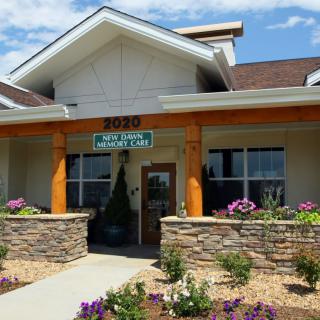
New Dawn Memory Care of Aurora
Aurora, CO
Outstanding management and caring staff in a clean, home-like memory care community with engaging activities.

New Dawn Memory Care - Aurora
Aurora, CO
24/7 staff support with ADL assistance and medication management in a well-equipped, amenity-rich community.

Life Care Center of Aurora
Aurora, CO
Clean, pleasant environment with attentive staff and strong therapy/activities offerings.
Heather Gardens
Aurora, CO
Excellent staff and diverse activities in a well-maintained, active senior community.
Frontier Valley Independent And Assisted Living
Aurora, CO
Friendly staff and clean, welcoming environment
 Comprehensive Insights on the Late Stages of Dementia: What to Expect and How to Provide Care
The article discusses the late stages of dementia, detailing the progression from mild to severe impairment and highlighting key characteristics such as profound cognitive decline and dependency in daily activities. It emphasizes care strategies focused on comfort and dignity, the importance of advance directives, and the emotional support needed for family caregivers facing this challenging journey.
 Medications Associated with Dementia Risk: A Comprehensive Overview
The article examines the link between certain medications and increased dementia risk, particularly in older adults, emphasizing that long-term or high-dose use of anticholinergics, benzodiazepines, and other drug classes can exacerbate cognitive impairment. It calls for careful medication evaluation and shared decision-making to mitigate these risks while managing treatment efficacy.
 Guiding Your Journey: Understanding Power of Attorney for Elderly Parents
The article emphasizes the significance of establishing a power of attorney for elderly parents to enable an agent to make decisions on their behalf regarding health and finances, especially during cognitive or physical decline. It outlines various types of power of attorney, the importance of consulting legal professionals, and the responsibilities and challenges faced by agents, while also discussing alternatives and common misconceptions.
Outdoors