
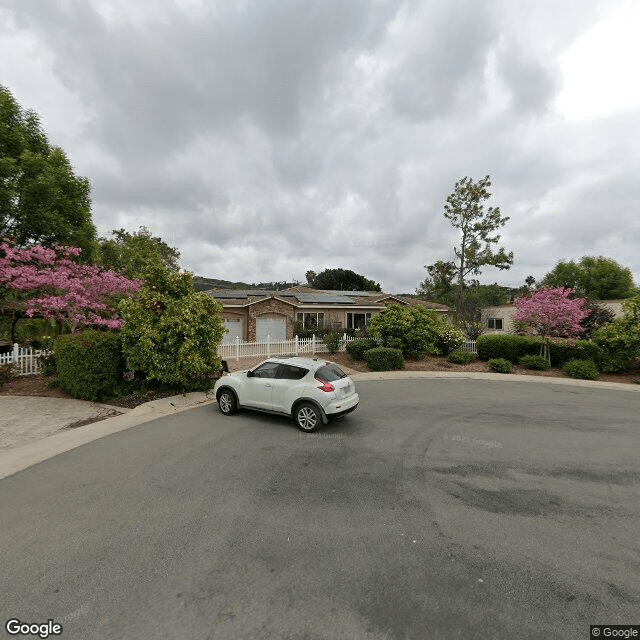
146 Sun Villa Ct., Vista, CA 92084
To contact a resident: (760) 216-6183
For more information about senior living options: (866) 208-4318
Silver Oak Country Estates II Costs & Pricing
Silver Oak Country Estates II offers competitive pricing for its room types, with both private and studio accommodations available at $3,750 per month. This rate is notably lower than the average costs in San Diego County, where private rooms are priced at approximately $3,939 and studios at $4,217. Similarly, these rates are below the California state averages of $3,939 for private rooms and $4,145 for studios. This positioning not only provides residents with quality living options but also represents a cost-effective choice within the region, making Silver Oak an attractive option for those seeking affordable yet comfortable accommodations.
| Floor plans | Silver Oak Country Estates II | San Diego County | California |
|---|---|---|---|
| Private | $3,750 | $3,939 | $3,939 |
| Studio | $3,750 | $4,217 | $4,145 |
Memory care communities with a similar price nearby
-
from -$250 / mo
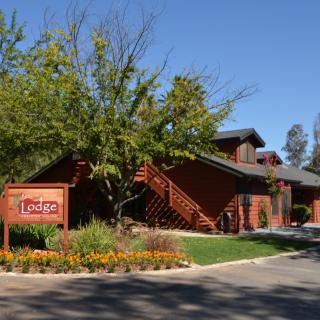
Ramona Senior Lodge Assisted Living
$3,500 to $5,500 / month21.2 miles away -
from +$450 / mo
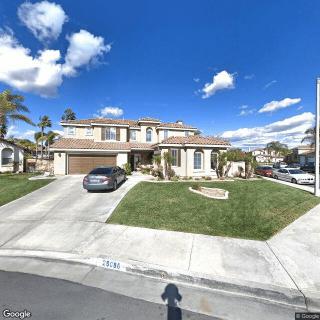
Boundless Care for the Elderly
$4,200 to $4,500 / month23.7 miles away -
from -$500 / mo
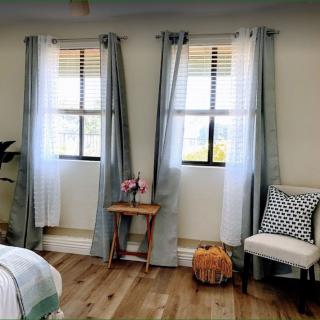
Mountain View Manor
$3,250 / month3.8 miles away -
About the same
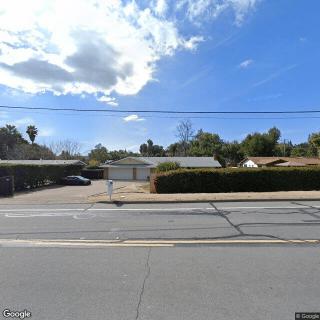
The Rose of Poway
$3,800 to $4,200 / month18.5 miles away -
from +$250 / mo
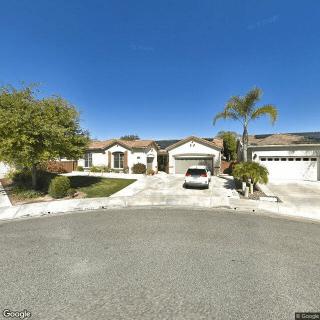
Temple Court Senior Care
$4,000 to $4,500 / month23.7 miles away
Overall Review of Silver Oak Country Estates II
Pros
 The staff are caring, helpful, and kind to everyone.
- The living environment feels like home, with multiple houses on a cul-de-sac for the residents.
- Owning the facility by a doctor is a real benefit, as medical issues are addressed quickly.
- The head caretaker and the doctor respond to questions via text, making communication easy for families.
- The head caretaker Sara is a true gem, consistently sending photos and videos.
- The staff provide excellent care and loving kindness to residents and their families.
- The setting feels like a home rather than a facility, created by Lorena and her team.
- The facility is comfortable and well laid out, with meals, activities, and meaningful human interaction.
- Families feel blessed and safe with their loved ones there.
- Lorena Eckert and her staff are profoundly caring, well-trained, and attentive.
Cons
 The reviewer was nervous about moving her mother to an assisted living facility.
- The mom had dementia, which prevented her from participating in many activities.
- The reviewer questioned whether others would care enough to give her the comfort she deserved.
Review
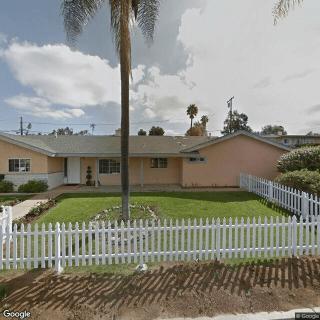
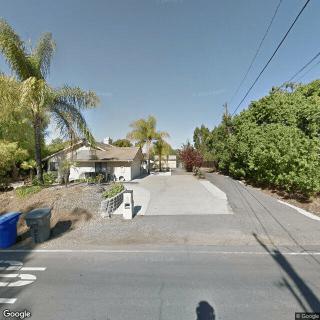
Silver Oak Country Estates II is best suited for families seeking a tightly run, home-like assisted living where compassionate caregiving and medical oversight are built into the daily rhythm. In Vista, California, the community unfolds as three houses on a quiet cul de sac, delivering a domestic atmosphere that feels more like a family residence than a traditional facility. This setup rewards residents who value steady, personalized attention, predictable routines, and the reassurance that a physician is readily available to oversee health concerns. It is a practical home for aging in place where small-scale living, clear leadership, and direct access to care matter more than campus size.
Those who may want alternatives are clear enough to consider other options. If the goal is a bustling, amenity-rich campus with a broad slate of social events and therapies, Silver Oak may not satisfy. Families needing highly specialized medical care, advanced dementia programming, or a larger network of on-site specialists might find a larger or more clinically oriented community better aligned with long-term needs. In short, the strongest fit comes from a preference for intimate surroundings, consistent staffing, and a physician-backed approach rather than a wide array of institutional services.
The core strengths lie in the human touch and medical accessibility. The staff repeatedly emerges as the standout asset, caring, patient, and responsive to both residents and families. Ownership by a practicing physician translates into timely recognition of medical issues and proactive coordination of care. Communication with families is seamless, often via text updates from the head caretaker and physician, which keeps loved ones informed without burdening everyone with logistics. The head caretaker, Sara, is singled out as a genuine asset, consistently sending photos and videos that reinforce a sense of connection and oversight.
Another clear advantage is the home-like culture that permeates daily life. The three-home arrangement fosters a neighborhood feel where residents are treated as individuals rather than numbers, and where caregivers are nearby around the clock. The environment is described as calm, well-organized, and attentive, with meals, activities, and basic support delivered with warmth. For families facing a difficult transition, this combination, an intimate setting plus continuous presence, offers peace of mind that the resident is not merely supervised but understood, engaged, and gently guided through the day-to-day needs of aging.
Care for residents with dementia is handled with compassion and practicality, even when participation in group activities is not always possible. Testimonials recount excellent, around-the-clock care, with staff and owners stepping in during hospital stays or transitions. The overall tone is that of a small, closely knit community where residents can enjoy yoga, crafts, and singing when able, while the staff provide meaningful engagement and comfort for those who cannot actively participate. The sense that the care team knows each resident well, recognizing preferences, routines, and evolving needs, appears to underpin the consistently high family satisfaction expressed in the feedback.
The primary trade-off is the intimate, physician-led model versus the broader scope some families associate with larger facilities. The pros, personalized attention, rapid medical input, family communication, and a warm, home-like setting, offset potential gaps in activity breadth or high-level clinical capabilities. For families prioritizing safety, consistency, and a thoughtfully managed daily life over campus-wide excitement or highly specialized programming, Silver Oak delivers convincingly. For others, a more expansive environment with diverse programming or more intensive medical services may be a more suitable fit. The decision rests on balancing the value of genuine caregiver continuity against the appeal of a larger, more dynamic environment.
 Board and Care Home
 Memory Care
 Private
 MC Clellan-Palomar Airport (7 miles away)
 Delirium and Dementia: Unraveling the Key Differences
 Are Dementia and Alzheimer's Disease Lethal? A Comprehensive Exploration
 Exploring the Power of Reminiscence Therapy for Individuals With Dementia