
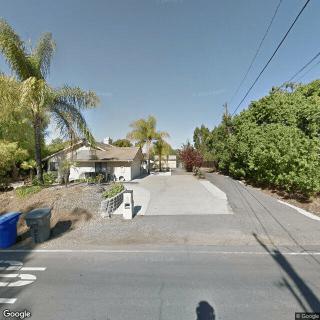
143 Sun Villa Ct, Vista, CA 92084
For more information about senior living options: (866) 208-4318
Overall Review of Silver Oak Country Estates III
Pros
 The staff are caring, helpful, and kind to everyone.
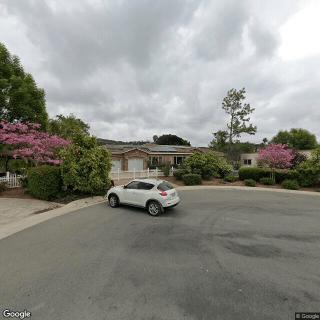
- It feels like home, with three homes on a cul-de-sac creating a warm environment.
- Being owned by a doctor provides quick attention to medical issues.
- The head caretaker and the doctor respond to questions via text, making family communication easy.
- The head caretaker Sara is a true gem who sends photos and videos regularly.
- Lorena Eckert and her staff provide outstanding care and loving kindness.
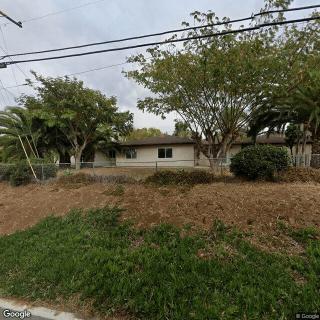
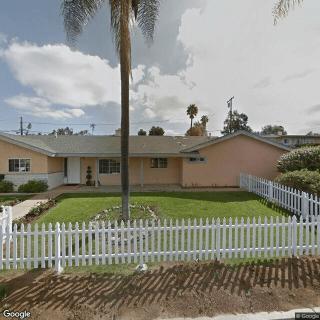
- The setting feels like a home, not a facility, where residents receive attentive care.
- The staff are amazing and deeply care about residents and their families.
Review
Silver Oak Country Estates III is best suited for families seeking a small, home-like assisted living experience in Vista where residents receive highly attentive caregiving and where medical oversight comes from a physician-led operation. The setting feels residential, three homes on a cul-de-sac, and the environment emphasizes comfort, safety, and personal connection. This community works well for seniors who respond to hands-on, around-the-clock care, and for families that want frequent, direct communication about their loved one’s status, including easy updates via text and regular photos or videos from staff.
Those who may want to consider alternatives include families looking for a larger campus with a broader slate of social programming or a facility with a formal, memory-care-specific track. If a resident requires intensive memory-support services, highly specialized therapy teams, or a wide array of structured activities across a bigger community, Silver Oak’s smaller, home-focused model may feel limiting. Similarly, families seeking a more clinical or hospital-like atmosphere, with a larger staff-to-resident ratio or extensive on-site medical services, might prefer a different setting.
The strongest pros revolve around staff dedication, the intimate, home-like atmosphere, and the doctor-owner model that accelerates access to medical attention. Families consistently highlight caring, responsive staff who treat residents with dignity and kindness, and they value the rapid responsiveness of the leadership, often via direct texts from the head caretaker or the doctor. The small, residential layout, the three houses, contributes to a sense of security and belonging that reduces anxiety for families and residents alike. Meals, routine activities, and the cadence of daily life appear thoughtful and consistently delivered, with a genuine emphasis on human connection.
However, the reviews imply some natural limits inherent in a smaller operation. The setting may offer fewer formal programs or expansive activity calendars than a larger community, and there is less explicit emphasis on a dedicated memory-care program beyond attentive caregiving. For residents with significant dementia-related needs or behaviors requiring intensive, specialized intervention, Silver Oak may not deliver the breadth of services found in facilities dedicated to memory care. The care model relies heavily on the owner and a tightly knit staff, which, while a strength in consistency, could feel lean compared with bigger campuses that deploy more clinicians and specialists.
Yet the core advantages largely offset these constraints for families prioritizing warmth, responsiveness, and continuity of care. The doctor-owned structure is a meaningful asset: it translates to quicker attention to medical concerns and a degree of professional oversight that neither a purely family-run home nor a generic assisted-living chain can guarantee. The regular family updates, photos and videos, keep relatives connected to daily life, which matters deeply when distance and concern are constant. The home atmosphere, with a familiar “golden-girl” vibe noted by visitors, contributes to emotional safety for residents who thrive on routine and personal attention.
Practical guidance emerges from these observations. Silver Oak Country Estates III will likely satisfy families who want a serene, personally attended setting with medical oversight and clear lines of communication. Those who require more extensive memory-care programming, broader social opportunities, or hospital-grade clinical resources should investigate alternative options. Prospective families should ask detailed questions about staffing ratios, daily activity schedules, memory-care specifics, and how the on-site doctor integrates with local hospitals and emergency care. For the right family, this community offers a rare blend of home-like living, compassionate care, and accessible medical oversight that can make a difficult transition feel more like a secure, supported chapter rather than a decline.
 6 resident community capacity
 Assisted Living
 Board and Care Home
 Cable or satellite TV
 Dining room
 Fully furnished
 Garden
 Housekeeping services
 Move-in coordination
 Outdoor space
 Telephone
 Wi-Fi/high-speed internet available
 MC Clellan-Palomar Airport (7 miles away)
 24-hour supervision
 Activities of daily living assistance
 Assistance with bathing
 Assistance with dressing
 Assistance with transfers
 Diabetes diet
 Meal preparation and service
 Medication management
 Special dietary restrictions
 Transportation arrangement (medical)
 Transportation to doctors appointments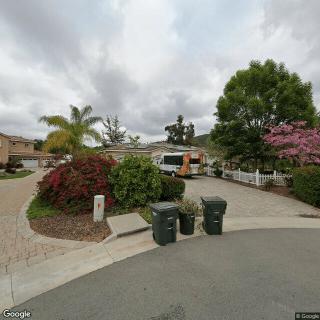



 An Extensive Exploration of the VA Aid and Attendance Benefit
 Senior Transition Services: Understanding Their Role, Cost, and Importance
 Exploring the Path to Senior Living: A Comprehensive Look at Independent Living and Assisted Living