
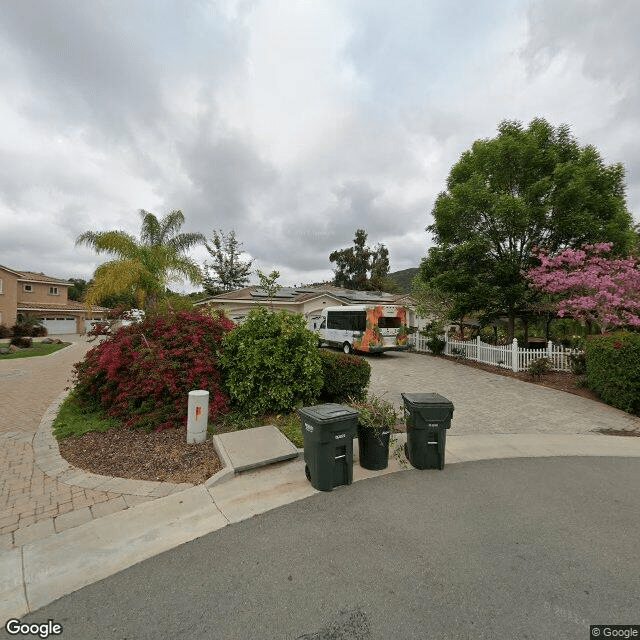
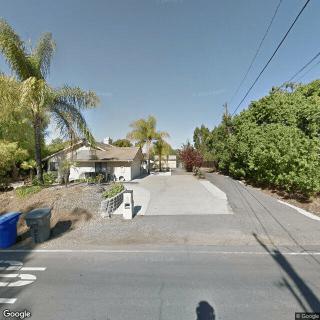
138 Sun Villa Court, Vista, CA 92084
For more information about senior living options: (866) 208-4318
Silver Oaks Country Estates I Costs & Pricing
At Silver Oaks Country Estates I, the monthly cost for a private room stands at $4,000. This rate is slightly higher than the average for San Diego County and the broader state of California, where the typical monthly cost for similar accommodations is around $3,939. While Silver Oaks may command a premium over these benchmarks, potential residents and their families might consider the comprehensive services, amenities, and quality of life enhancements that could justify this investment. Ultimately, evaluating these costs in relation to individual needs and preferences will be crucial in making an informed decision about residence options in the area.
| Floor plans | Silver Oaks Country Estates I | San Diego County | California |
|---|---|---|---|
| Private | $4,000 | $3,939 | $3,939 |
Memory care communities with a similar price nearby
-
from +$550 / mo
Champine Manor
$4,550 / month6.9 miles away -
from -$500 / mo
Ramona Senior Lodge Assisted Living
$3,500 to $5,500 / month21.3 miles away -
from +$200 / mo
Boundless Care for the Elderly
$4,200 to $4,500 / month23.7 miles away -
from -$750 / mo
Mountain View Manor
$3,250 / month3.8 miles away -
from +$500 / mo

La Costa Elder Care
$4,500 to $5,000 / month7.3 miles away
Overall Review of Silver Oaks Country Estates I
Pros
 The staff are caring, helpful, and kind to everyone.
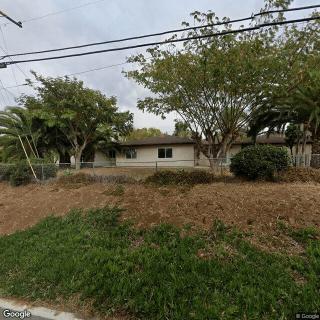
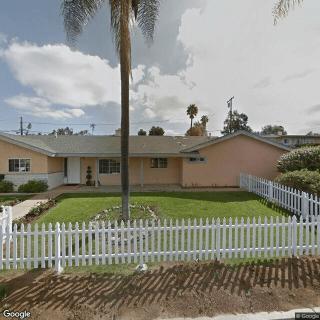
- The three homes on a cul de sac make the residence feel like a true home.
- Being owned by a doctor is a clear benefit, with quick attention to medical needs.
- The head caretaker and the doctor respond to questions or concerns via text, making communication easy for families.
- Sara, the head caretaker, is a true gem who regularly sends photos and videos.
- The staff provide excellent care and genuine kindness to residents and their families.
- The environment feels like a home, not a facility, and families feel blessed and safe.
Review
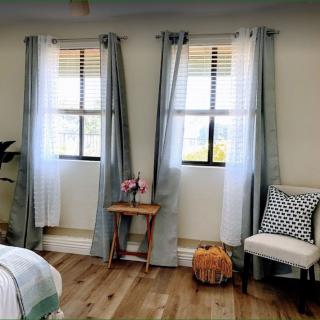
Silver Oaks Country Estates I in Vista, California is best suited for families seeking a genuinely home-like assisted living experience with ready medical oversight. The community operates as three small houses on a cul-de-sac, creating a domestic feel rather than an impersonal campus. Ownership by a physician translates into rapid attention to medical issues, and families can expect quick responses by text from the owner and head caretaker. Sara, the head caretaker, regularly shares photos and videos, keeping loved ones connected. For families, this combination delivers the reassurance that a resident is part of a warm, close-knit household rather than just another resident in care.
Those who want a larger, more programmatic environment or broader on-site medical resources should consider alternatives. A bigger campus with higher staffing ratios, more extensive memory-care programming, or a wider range of clinicians may fit changing needs better. Residents requiring complex or rapidly evolving care could find a small, owner-operated setting insufficient over time. For families prioritizing expansive social calendars, diverse activities, or advanced clinical resources, exploring other options is prudent.
Yet the strongest advantages are clear: a compassionate staff, a culture that treats residents like family, and medical responsiveness anchored by physician ownership. The setup enables prompt medical attention and transparent updates, easing family anxiety during health events. The home-like atmosphere, organized routines, and attentive caregiving translate into genuine peace of mind for families, and the daily interactions are meaningful rather than perfunctory. Even when dementia limits participation in activities, residents sense consistent care and warmth across the day.
Care is provided around the clock, with staff accessible to residents and families. The owner and team coordinate hospital stays and return visits, offering steady guidance through transitions. The facility is described as well laid out and comfortable, with meals and activities designed to offer engagement without overstimulation. For families facing long-term needs, this continuity, day in, day out, matters as much as any specialized program. The combination of structure and personal attention can redefine what “care” means for a resident who thrives in a stable routine.
Developing a decision requires concrete questions. Probe caregiver-to-resident ratios, expected response times when the physician is off-site, and how medical oversight links to discharge plans. Ask how accessible social programming remains for residents with dementia and how family updates are delivered. Request a sample day schedule, menu, and activity calendar to gauge fit with a resident’s preferences and energy levels. These specifics help determine whether the intimate, home-forward model will sustain evolving needs over time.
Bottom line: Silver Oaks Country Estates I provides a powerful option for those prioritizing a warm, home-forward setting with visible medical oversight and regular family communication. It shines for families who value personal attention and a sense of belonging. For those seeking a larger community footprint, more intensive memory-care programming, or broader clinical resources, alternatives should be explored. When these conditions align, this community offers steady, compassionate care that keeps residents comfortable and families confident.
 6 resident community capacity
 Assisted Living
 Board and Care Home
 Memory Care
 Cats allowed
 Dogs allowed
 Cable or satellite TV
 Dining room
 Fully furnished
 Garden
 Housekeeping services
 Move-in coordination
 Outdoor space
 Private
 Telephone
 Wi-Fi/high-speed internet available
 MC Clellan-Palomar Airport (7 miles away)
 24-hour supervision
 Activities of daily living assistance
 Assistance with bathing
 Assistance with dressing
 Assistance with transfers
 Diabetes diet
 Meal preparation and service
 Medication management
 Special dietary restrictions
 Transportation arrangement (medical)
 Transportation to doctors appointments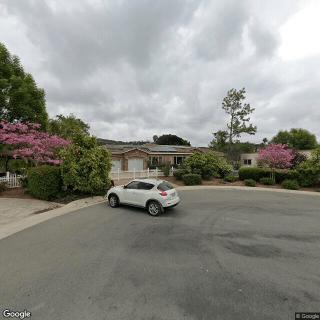



 Understanding Dementia Through Its Seven Stages: A Comprehensive Look at Progression and Expectations
 Safeguarding Your Memory Through the Golden Years: Eight Ways to Preserve Cognitive Health
 Comprehensive Insights into Activities of Daily Living (ADLs) and Their Assessment