
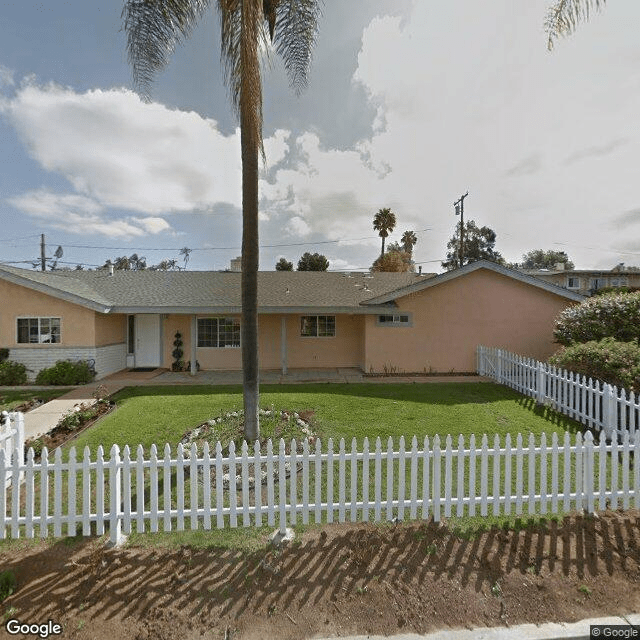
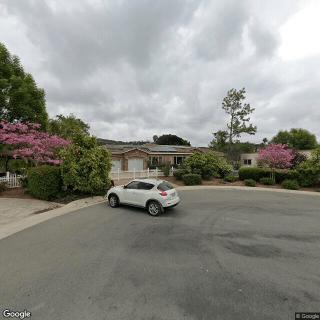
1152 Sal Lane, Vista, CA 92084
To contact a resident: (760) 842-8760
For more information about senior living options: (866) 208-4318
Home Sweet Home Costs & Pricing
At Home Sweet Home, our pricing structure is designed to offer competitive rates while maintaining a high standard of care. For a semi-private room, residents can expect to pay $2,500 per month, which is significantly more affordable than the average cost of $3,518 in San Diego County and $3,333 across California. For those who prefer the privacy of their own space, our private rooms are available for $3,500 per month. This rate aligns closely with the state average but remains lower than the county's figure of $3,939. Overall, Home Sweet Home provides an attractive option for families seeking quality accommodations without compromising financial peace of mind.
| Floor plans | Home Sweet Home | San Diego County | California |
|---|---|---|---|
| Semi-Private | $2,500 | $3,518 | $3,333 |
| Private | $3,500 | $3,939 | $3,939 |
Senior living communities with a similar price nearby
-
from +$300 / mo
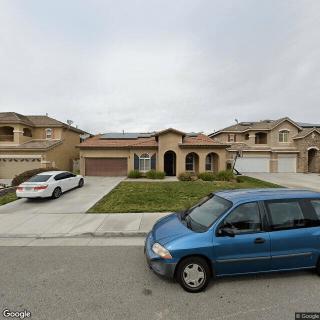
Pebble Brook Senior Home Care
$2,800 to $4,000 / month20.4 miles away -
About the same
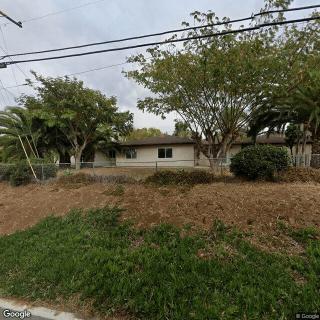
Golden Retreat - Senior Residential Care
$2,500 to $3,000 / month0.1 miles away -
About the same
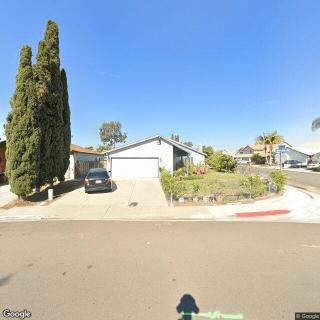
Alychris Senior Board and Care
$2,500 to $3,000 / month19.9 miles away -
from -$300 / mo
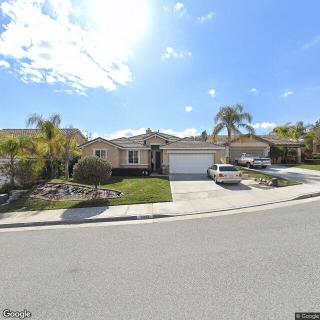
Diamond Residential Care Facility for the Elderly of Murrieta
$2,200 to $3,500 / month23.4 miles away -
from +$400 / mo
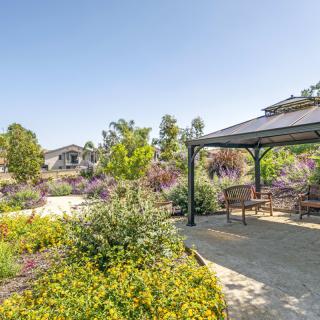
Cypress Court
$2,900 to $4,400 / month8.7 miles away
Overall Review of Home Sweet Home
Pros
 Mom loved the place right from the start.
- The staff is very sweet, upbeat, and attentive.
- The food is homecooked, tasty, and nutritious.
- This place really is home sweet home to her.
- She has adopted one of the two little dogs living there.
- The staff is really friendly and professional, more so than at other communities.
- The residents seem more social here.
- The monitors in each room help residents call for help.
- The director was very nice, as was one of the caregivers.
- The room is clean and looks comfortable.
Cons
 The environment seemed too quiet for mom.
Review
Home Sweet Home in Vista, CA is best suited for families seeking a warm, homelike setting with highly attentive, hands-on care for an elderly loved one, especially when memory challenges are present. The narratives point to a place that feels intimate rather than institutional, where a resident’s daily routine can resemble home life more than a traditional medical campus. The case of an 86-year-old mom with advanced Alzheimer’s underscores the fit: she thrived in the small, unhurried environment, repeatedly described as “home” by family and staff alike. The combination of sweet, upbeat staff, home-cooked meals, and a comforting, familiar atmosphere creates a steadier, less chaotic pace that many dementia families prize. The community’s willingness to incorporate a pet-like companionship, one resident’s bond with a small dog, adds a meaningful layer of emotional support that can ease transitions.
That said, there are clear reasons why some families may want to consider alternatives. A larger, more bustling campus with a broader menu of activities and programming can feel essential for loved ones who crave ongoing social stimulation and dynamic engagement. For seniors who are not dealing with dementia or who do not require a highly personalized, small-community feel, the quiet, intimate nature of Home Sweet Home could feel limiting. The physical footprint, a renovated old house rather than a contemporary campus, may also be a turnoff for those who equate modernity with more extensive amenities or visible programming. In short, the setting works brilliantly for memory-care-centric, comfort-forward care, but may not satisfy those seeking a high-energy community life.
The strongest pros, the staff’s warmth and attentiveness, the home-cooked meals, and the safety-minded design, do meaningful work in offsetting the main drawbacks. Staff members are repeatedly described as kind, professional, and responsive, creating a sense of trust essential for families navigating Alzheimer’s care. Meals receive first-hand endorsements, which matters for seniors who rely on consistent, nutritious nutrition. The on-site nursing presence, advertised as hands-on and available 24/7, directly mitigates safety concerns and the anxiety that accompanies memory-impaired residents. Monitors in each room further enhance security, giving families reassurance that call-for-help needs are addressed promptly. In a milieu where socialization can wane, the perceived social pulse of residents in this smaller setting remains tangible.
Another offsetting factor is the facility’s physical renovation approach and staffing orientation. The wide hallways, added rails, and ramps reflect a thoughtful emphasis on mobility and fall-prevention, fundamental for seniors with balance or gait issues. The claim of more professional staff, relative to other communities, is meaningful in a market where care consistency can vary widely. The Director’s cordial demeanor, and the accompanying caregivers, signal a stable leadership team focused on individualized attention. For families weighing dementia care, those factors often matter more than square footage or campus breadth, because reliable, on-demand care and the ability to maintain routines can directly influence a loved one’s day-to-day well-being.
However, the quiet tempo can be a genuine drawback for some residents. The sentiment that the environment “seemed too quiet” for mom highlights a mismatch for individuals who seek social engagement, structured activities, and a busier calendar. Small-scale settings tend to have fewer organized outings, classes, or group events, which can lead to under-stimulation if programming isn’t robust or well-attended. While the monitors and 24/7 nurse provide safety nets, they do not replace the value of purposeful social programming for everyone. Prospective families should probe how activity schedules are crafted, whether dementia-specific enrichment exists, and how staff facilitate meaningful moments throughout the day.
In the final assessment, Home Sweet Home earns its strongest endorsement for families prioritizing a home-like atmosphere with attentive, personalized care for memory-impaired seniors. It is not the obvious choice for those seeking a large, activity-rich campus or a cutting-edge, modern facility. The care philosophy centers on comfort, safety, and everyday dignity, with practical safeguards that reduce risk and foster a sense of belonging. Families should plan a visit focused on how residents are engaged during the day, ask concrete questions about dementia programming and caregiver ratios, and consider a short-term stay or trial period to observe fit. For the right candidate, an elder who values homely surroundings, consistent daily routines, and a responsive care team, this community is a compelling, trustworthy option.
 Board and Care Home
 Activities off-site
 Beautician on-site
 Devotional services off-site
 Outdoor common areas
 Private
 Respite or short term stays offered
 Wheelchair accessible showers
 MC Clellan-Palomar Airport (7 miles away)
 Ambulatory care
 Diabetic care
 High acuity care
 Meals provided
 Christian services



 Seniors and Modern Transportation: Exploring Uber, Lyft, and Other Ride-Hailing Options
 Comprehensive Guide to Qualifying for Home Health Care Services
 Powerful Realities of Elder Abuse and the Most Effective Ways to Report It