
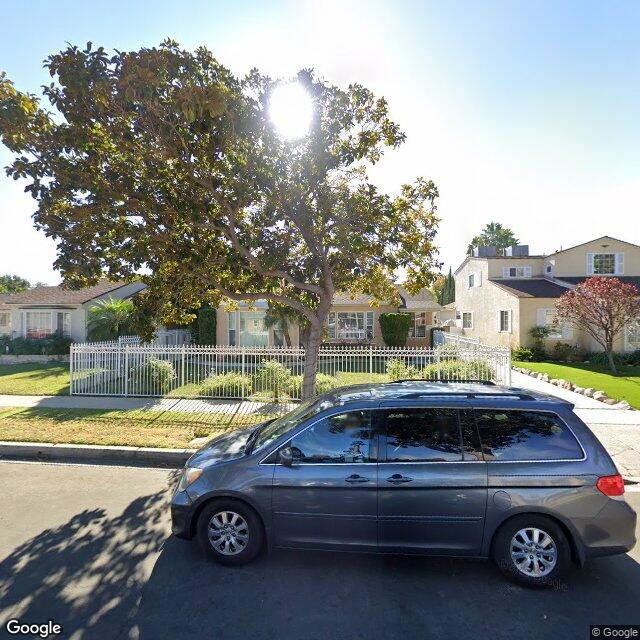
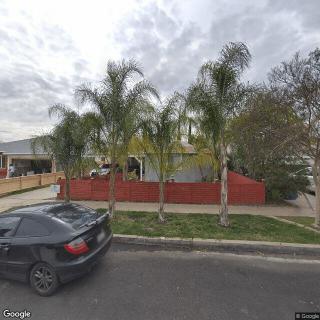
17610 Haynes St., Van Nuys, CA 91406
To contact a resident: (818) 701-6853
For more information about senior living options: (866) 208-4318
Karen's Board and Care II Costs & Pricing
At Karen's Board and Care II, the monthly costs for room types are competitively structured when compared to the broader market trends in Los Angeles County and California as a whole. For a semi-private room, residents can expect to pay $3,500, which is slightly above the county average of $3,349 but remains close to the state average of $3,333. In terms of private accommodations, the cost stands at $3,800 - more affordable than the county's average of $4,197 yet slightly higher than California's overall average of $3,939. The studio option is offered at the same rate of $3,800, again presenting a more favorable choice compared to both Los Angeles County ($4,172) and California averages ($4,145). Overall, Karen's Board and Care II provides a balanced pricing structure that appeals to those seeking quality care without straying far from local financial norms.
| Floor plans | Karen's Board and Care II | Los Angeles County | California |
|---|---|---|---|
| Semi-Private | $3,500 | $3,349 | $3,333 |
| Private | $3,800 | $4,197 | $3,939 |
| Studio | $3,800 | $4,172 | $4,145 |
Memory care communities with a similar price nearby
-
About the same
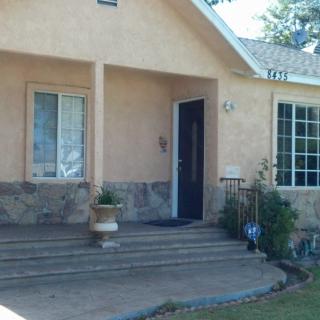
Paradise Senior Living 1
$3,500 to $4,500 / month3.2 miles away -
from +$300 / mo
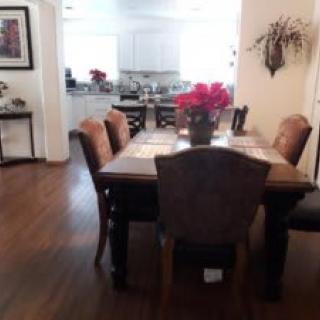
America's Care Manor
$3,800 to $4,000 / month10.7 miles away -
from +$500 / mo
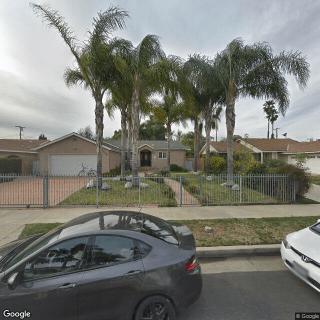
Land of Peace 6
$4,000 to $5,500 / month5.9 miles away -
About the same
Hollywood Healthy Living
$3,500 to $5,000 / month10.0 miles away -
About the same

California Senior Of Sherman Oaks
$3,500 to $4,000 / month4.0 miles away
Overall Review of Karen's Board and Care II
Pros
 They offer an excellent Board & Care.
- They are well experienced in all facets of taking care of the elderly.
- They have 28 years of experience.
- They would be highly recommended to take care of any family that needs help.
Review
Karen's Board and Care II in Van Nuys is best suited for families seeking a small, home‑like setting with a steady, veteran caregiving presence for an elderly loved one. With thirty years of hands-on experience, this community offers reliability, intimate daily attention, and a calm atmosphere that can be a relief for seniors who need help with routine tasks, safety checks, meal support, and meaningful companionship. The setting is not a high-volume campus; it is a compact Board & Care where consistency and a familiar environment trump flashy amenities. For residents who thrive on steady, personalized care and a caregiver team that clearly has longevity, this option stands out as especially practical.
Those weighing alternatives should consider whether the resident's needs require more robust medical oversight or a broader continuum of services. If on-site clinical staffing, rapid access to licensed medical professionals, or a highly structured rehab program are nonnegotiable, larger assisted living facilities or skilled nursing communities may deliver the level of medical integration that a smaller home setting cannot guarantee. Likewise, residents who require extensive memory care programming or more diversified daily activities might find a bigger operation offers more in the way of specialist resources and scheduled engagement. Karen's Board and Care II remains compelling, but families should flag these potential gaps against the resident’s current health trajectory and future possibilities.
The major strength centers on experience in every facet of elder care. The 28 years of hands-on work translate into dependable routines, anticipatory problem-solving, and a capacity to adapt care plans as needs evolve. The facility’s stated excellence and the strong endorsement from a caregiver who would trust this home for their own family reinforce a clear takeaway: seasoned staff can deliver steadier day-to-day support, better communication with families, and smoother coordination with outside healthcare providers. In practical terms, that depth of experience reduces the chaos that often accompanies aging, less turnover, more consistent caregiving approaches, and a history of managing common health fluctuations with composure and competence.
Yet the narrative provided leaves meaningful questions unaddressed, and those gaps matter for a risk‑balanced decision. There is no detail about costs, room configurations, or exact caregiver-to-resident ratios, and no explicit account of whether on-site clinicians or visiting medical professionals are part of the routine. This absence matters because affordability, contract terms, and the scope of medical oversight directly influence long-term viability and safety. The favorable pedigree mitigates some concerns, experienced caregivers tend to be more resilient under pressure and better at coordinating complex care, but practical clarity is essential. Prospective families should insist on a formal care plan, a transparent fee schedule, and a clear description of emergency response processes before any commitment is made.
During visits, observers should evaluate caregiver interactions with residents, the tone, pace of assistance, and whether engagement extends beyond basic tasks. Inquiries should cover daily routines, medication administration workflows, and how nutrition and hydration are managed. Verification of licensing status and any historical complaints through state resources remains prudent, as does understanding onboarding protocols for new residents, including how individualized care plans are authored and updated. Clarity around admission timing, bed availability, and what happens if a resident’s condition worsens will prevent last‑minute surprises and ensure the match remains sustainable over time.
For families prioritizing dependable, long‑tenured caregiving in a small, home‑like environment, Karen's Board and Care II presents a compelling option in Van Nuys. The 28-year pedigree provides substantive reassurance that daily care will be steady and attentive, and the unequivocal positive recommendation from a reviewer reinforces confidence in the model. However, the lack of detailed cost information and clinical care specifics means due diligence remains essential. If the resident’s needs drift toward intensive medical supervision or memory-care specialization, alternatives with broader clinical resources should be pursued. In practical terms, Karen's Board and Care II stands out as a thoughtful, experienced choice for those who value consistency, reliable oversight, and person‑centered, compassionate care.
 Board and Care Home
 Memory Care
 Air-conditioning
 Ground floor units
 Handicap accessible
 Private
 Private bathrooms
 Wheelchair accessible showers
 Burbank-Glendale-Pasadena (9 miles away)
 Diabetic care
 High acuity care
 Medication management
 Gluten-free
 BBQs or picnics
 Birthday parties
 Live dance or theater performances
 Live musical performances
 5 Early Indicators of Dementia and What You Can Do
 8 Important Indicators That Memory Care May Be Necessary
 Delving into the Inner World of Dementia: Insights into Thoughts and Awareness