
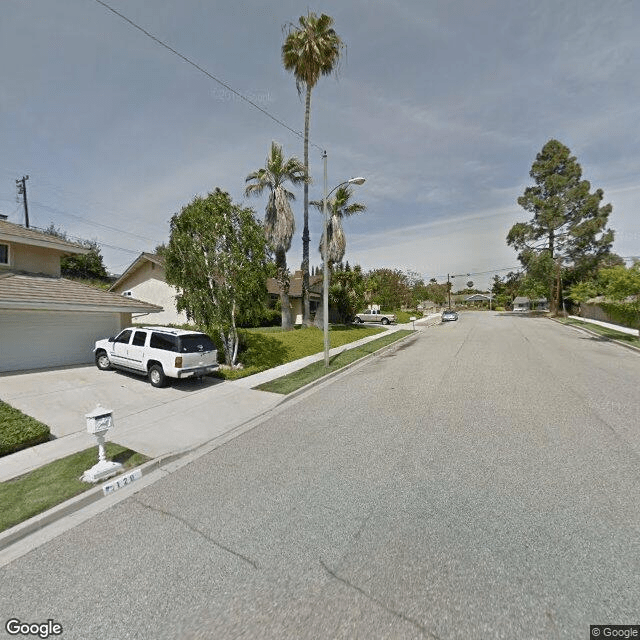
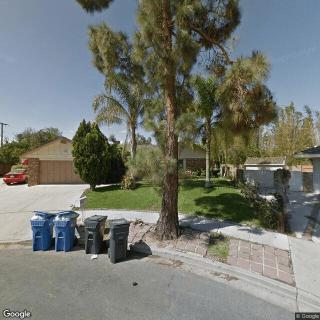
113 Erten St, Thousand Oaks, CA 91360
To contact a resident: (805) 557-0604
For more information about senior living options: (866) 208-4318
Taylored Residential Care II Costs & Pricing
Taylored Residential Care II offers competitive pricing for its accommodations, with monthly costs standing at $3,800 for both studio and private rooms. This rate is notably lower than the average costs in Ventura County, which are approximately $4,021 for studios and $4,082 for private rooms. Furthermore, Taylored's rates are also more favorable compared to the state average where studio accommodations reach around $4,145 and private rooms are priced at about $3,939. This makes Taylored Residential Care II not only a cost-effective option within its local market but also an appealing choice for potential residents seeking quality care without the hefty price tag often associated with similar facilities in California.
| Floor plans | Taylored Residential Care II | Ventura County | California |
|---|---|---|---|
| Studio | $3,800 | $4,021 | $4,145 |
| Private | $3,800 | $4,082 | $3,939 |
Memory care communities with a similar price nearby
-
from -$300 / mo
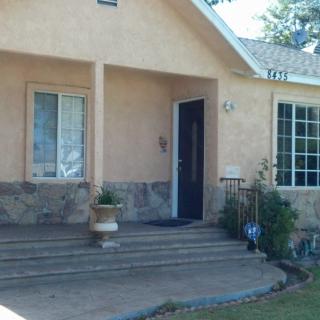
Paradise Senior Living 1
$3,500 to $4,500 / month18.5 miles away -
About the same
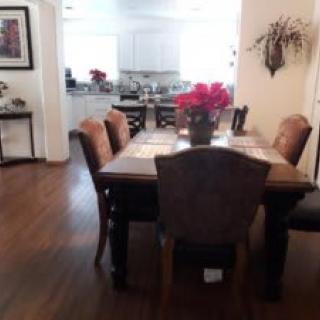
America's Care Manor
$3,800 to $4,000 / month12.1 miles away -
from +$200 / mo
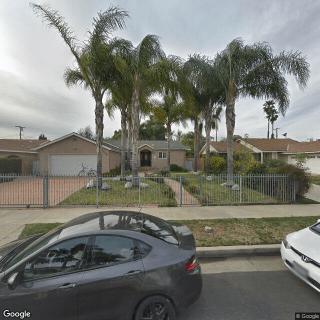
Land of Peace 6
$4,000 to $5,500 / month14.9 miles away -
from -$300 / mo

California Senior Of Sherman Oaks
$3,500 to $4,000 / month24.5 miles away -
from -$300 / mo

Assisted Comfort Home
$3,500 to $6,000 / month13.7 miles away
Overall Review of Taylored Residential Care II
Pros
 A family at Sr Concerns highly recommends Taylored Res. Care.
- The director is highly qualified and professional.
- The facility is clean and efficiently operated.
- The patients seemed content and well cared for.
- Among the facilities visited, the sister preferred this one due to the director's qualifications and the clean, efficient operation.
Cons
 There were too many horrible experiences to share in a small space.
- There were dangerous lifting practices of patients.
- Family members were banned from seeing the resident.
- There were unsubstantiated threats from the owner.
- There was no communication or updates from caregivers, the nurse, or the owner.
- A bait-and-switch fee was never disclosed until the last minute.
- The nurse on call was useless and non-communicative.
- Loved ones could not see their records upon request.
- There were insults and non-adherence to POA documents.
- There were many other infractions.
Review
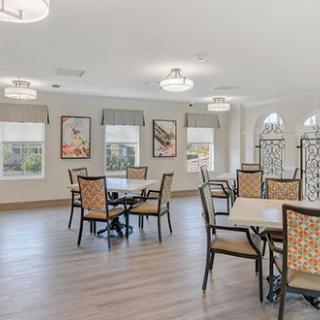
Taylored Residential Care II is best suited for families seeking a small, home‑like setting where a visible, capable administrator provides steady oversight and a tidy, orderly environment. The community tends to work well for residents who need a modest level of daily assistance and who benefit from consistent on-site leadership. In this scenario, the director’s qualifications and professionalism can translate into reliable day‑to‑day routines and a sense of control for families who want hands-on governance in a compact facility.
Those weighing alternatives should consider that safety, transparency, and open family access are nonnegotiables for many. The most serious concerns raised involve safety lapses in lifting residents, restrictions on family members seeing loved ones, and uneven communication from caregivers and management. Additionally, undisclosed or late-disclosed fees, questions about how POA documents are honored, and perceived gaps in nursing responsiveness suggest a pattern that may undermine trust. For families that prioritize guaranteed access, transparent billing, and consistently attentive medical coordination, other options may outperform this community.
On the upside, the facility benefits from a director who is widely regarded as qualified and professional, alongside a clean, efficiently run operation. The impression that residents appear content during visits and that the environment is well maintained can be meaningful indicators of a stable atmosphere. These elements matter in a small setting where leadership can be visibly present and where a well‑run day can translate into predictable routines and accountability. When compared with larger campuses, such a focus on orderly operation and leadership visibility can reduce some day-to-day chaos for residents and families.
However, the most consequential cons are not easily overlooked. Safety concerns, family access restrictions, and inconsistent updates from staff raise red flags about the facility’s real‑world operations. Fee practices and adherence to powers of attorney also matter greatly, because financial and legal protections are central to choosing any senior living arrangement. In short, the positive impressions of leadership and cleanliness do not automatically compensate for ongoing questions about safety, transparency, and open communication. The balance tilts toward caution unless verifiable improvements are demonstrated.
To determine fit, prospective families should demand current, independent confirmation of safety protocols, staffing levels, and records access. Request detailed care plans, incident reports, and a clear explanation of any fees not disclosed at admission. Seek unannounced visits to observe how quickly staff respond, how residents engage, and how POA directives are honored in practice. Engage with multiple current families and residents about daily interactions and problem‑solving in real time. Confirm licensing status and verify that the director’s leadership consistently translates into transparent governance rather than episodic goodwill.
Bottom line: Taylored Residential Care II is a conditional choice. It suits families who can actively supervise care, insist on accountability, and value a smaller, governance‑focused setting with visible leadership. For others, especially those prioritizing assured safety, transparent fee structures, and easy family access, alternative communities with stronger safety records and more consistent communication should be prioritized. A deliberate due‑diligence process, including unannounced visits and candid conversations with current residents and families, is essential before deciding. The best outcome hinges on whether the director’s professionalism and a clean operation can endure the ongoing demands of safety, transparency, and policy adherence.
 Board and Care Home
 Memory Care
 Indoor common areas
 Outdoor common areas
 Private
 Respite or short term stays offered
 Wheelchair accessible showers
 Oxnard (19 miles away)
 High acuity care
 Incontinence care
 Meals provided


 Understanding Dementia Through Its Seven Stages: A Comprehensive Look at Progression and Expectations
 A Holistic Dementia Care Guide: Effective Strategies for Memory Support
 Comprehensive Insights into Activities of Daily Living (ADLs) and Their Assessment