
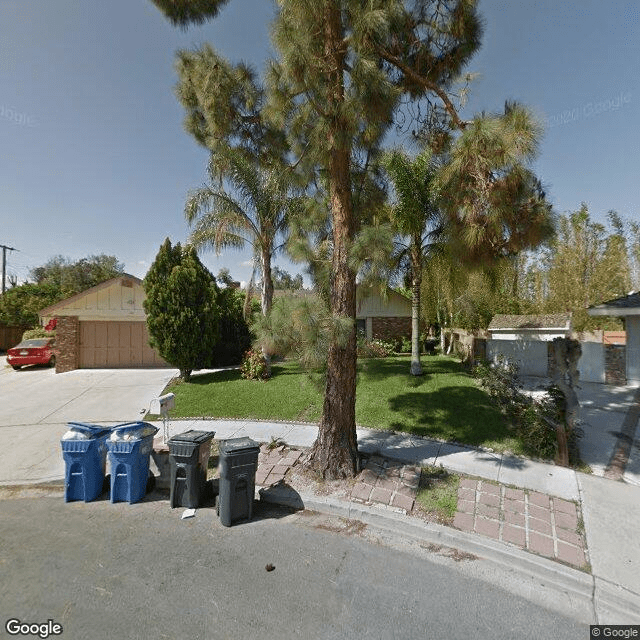
128 Erten St, Thousand Oaks, CA 91360
To contact a resident: (805) 358-4700
For more information about senior living options: (866) 208-4318
New Haven Thousand Oaks Costs & Pricing
New Haven Thousand Oaks offers competitive pricing for senior living accommodations when compared to both Ventura County and the broader California market. For semi-private rooms, New Haven Thousand Oaks is priced at $2,800 per month, which is significantly lower than the county average of $3,438 and the state average of $3,333. Similarly, private rooms at New Haven are offered at $3,500, again more affordable than Ventura County's average of $4,082 and California's statewide average of $3,939. This positioning not only highlights New Haven Thousand Oaks as a cost-effective option for residents but also underscores its commitment to providing quality care without compromising on affordability.
| Floor plans | New Haven Thousand Oaks | Ventura County | California |
|---|---|---|---|
| Semi-Private | $2,800 | $3,438 | $3,333 |
| Private | $3,500 | $4,082 | $3,939 |
Senior living communities with a similar price nearby
-
About the same
Dignity Care Home 1
$2,750 to $4,150 / month22.5 miles away -
from +$200 / mo
Thousand Oaks Home Care IV
$3,000 to $4,000 / month0.6 miles away -
from +$400 / mo
Four Seasons Board & Care Home, Inc.
$3,200 / month1.1 miles away -
from +$200 / mo
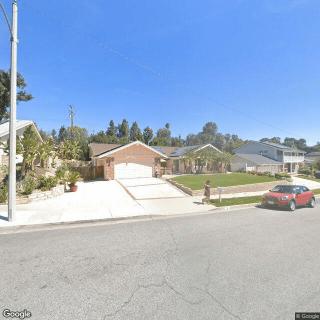
Thousand Oaks Home Care II
$3,000 to $4,000 / month0.5 miles away -
from +$200 / mo
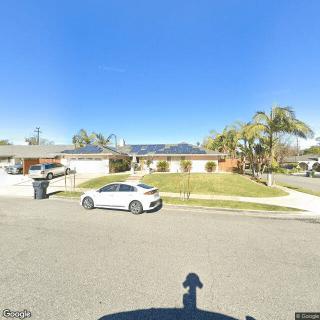
Thousand Oaks Home Care VI
$3,000 to $4,000 / month0.9 miles away
Overall Review of New Haven Thousand Oaks
Pros
 They cared deeply about their loved one's welfare.
- They took action to ensure better care for their loved one.
- Their priority was the health, safety, and comfort of their loved one.
- They demonstrated responsibility by seeking appropriate care and attention.
Cons
 The food was not good.
- The loved one often did not eat it.
- The loved one wore dirty clothes.
- The room was not clean.
- Management was not responsive to his needs.
- They neglected to do tests that the doctor needed for his condition.
- It was not a good choice.
Review
New Haven Thousand Oaks is best suited for residents with very low daily care demands and families that are prepared to provide hands-on oversight. The single, hard-hitting review points to a care environment where accountability and day-to-day quality depend almost entirely on vigilant external supervision. In practical terms, this community works only if a trusted advocate is watching closely, catching problems early, and pushing for necessary changes. For anyone expecting consistent, proactive care without ongoing family involvement, this facility is unlikely to meet those expectations.
The most glaring red flags center on basic dignity and safety. Food quality is described as poor, with the resident frequently not eating, which signals potential nutritional neglect and missed care needs. Laundry and cleanliness are also in jeopardy, as clothes being kept dirty and rooms not being clean undermine comfort, morale, and infection control. These indicators point to a systemic failure in daily life routines that should support a resident’s health and well-being. When meals aren’t reliable and living spaces aren’t consistently clean, the risk of malnutrition, skin breakdown, and other complications rises quickly.
Management responsiveness is the second major concern, explicitly framed as unaddressed needs. The inability or unwillingness of leadership to engage with family and resident concerns translates into delayed problem resolution and a lack of accountability. In a care setting, prompt communication and action on medical or behavioral changes are essential. When those channels are blocked or underutilized, minor issues become serious, and trust erodes. In short, this is a culture where concerns can slip through the cracks unless relentless advocacy is in place.
The review also highlights a troubling gap in medical oversight: neglected tests needed by the doctor. This points to a failure of coordination between the facility and external medical providers, risking missed diagnoses, delayed treatments, and compromised health outcomes. Without reliable medical coordination, families must inject significant effort and time to ensure that orders are carried out, results are obtained, and care plans are adjusted accordingly. In a setting where routine medical tasks are not guaranteed, the overall safety net collapses for residents with chronic or complex conditions.
On balance, there are no evident compensating benefits in the cited experience. The absence of strong positives, such as consistent nutrition, demonstrated cleanliness, responsive administration, or dependable medical coordination, means the main cons do not just outweigh potential upsides; they effectively negate them. If any advantages exist, they are not apparent from the available feedback, and relying on speculative positives would not be prudent. This creates a decision zone: the risk of declines in dignity, health, and safety is simply too high for a typical family to accept without extensive oversight and contingency planning.
For families considering other options, a practical route is to compare facilities with proven strengths in four areas: culinary quality and adaptable meal plans, rigorous housekeeping protocols, prompt and approachable management, and integrated medical coordination with external providers. When touring alternatives, demand sample meals, observe dining and housekeeping routines, ask managers to describe response times to concerns, and verify how medical orders are tracked and followed. A transparent care plan should include measurable goals, regular updates to families, and a clear escalation path if concerns arise. If choosing within Thousand Oaks, target facilities with robust performance histories and positive resident testimonials that consistently address these four pillars. In the absence of such assurances, it is wise to continue the search.
Ultimately, this community does not represent a sound fit for most families, especially those with intermediate or higher care needs. The combination of substandard meals, cleanliness lapses, unresponsive management, and gaps in medical coordination creates a profile of risk inconsistent with prudent elder-care decisions. The prudent conclusion is to pursue alternatives that offer reliable nutrition, clean living spaces, attentive administration, and proactive medical oversight. When a new option is found, validate through direct observation, corroborating references, and a transparent care agreement that binds the facility to specific care standards and timely communication.
 Board and Care Home
 Cats allowed
 Dogs allowed
 Activities off-site
 Bath tubs
 Beautician on-site
 Devotional services off-site
 Indoor common areas
 Outdoor common areas
 Private
 Private bathrooms
 Respite or short term stays offered
 Wheelchair accessible showers
 Oxnard (19 miles away)
 Diabetic care
 High acuity care
 Incontinence care
 Medication management
 Kosher



 Exploring the World of Home Health Nurses: Qualifications, Roles, and Hiring Tips
 Navigating Medicare Coverage for In-Home Care Services
 In-Home Care Costs in 2025: A Detailed State-by-State Exploration