
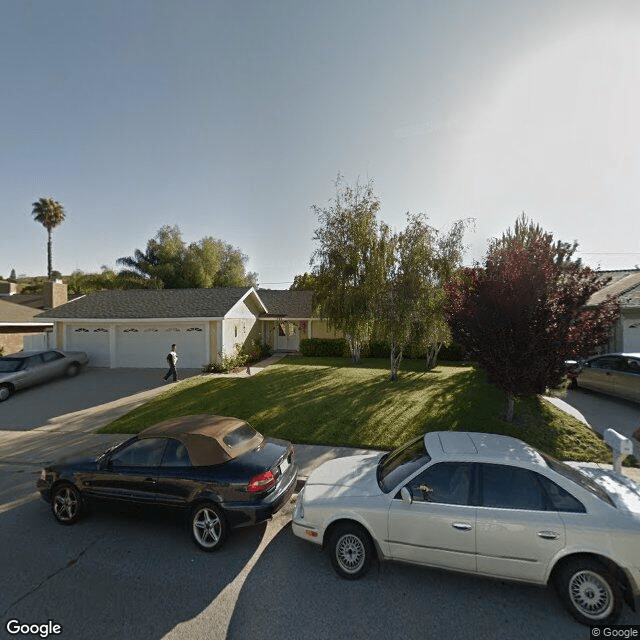
389 Rample Ridge Road, Thousand Oaks, CA 91360
To contact a resident: (805) 492-1200
For more information about senior living options: (866) 208-4318
Family Care Cottages II Costs & Pricing
Family Care Cottages II offers competitive pricing for its accommodation options, particularly in comparison to both Ventura County and the broader California market. For a studio room, residents can expect to pay $3,500 per month, which is notably lower than the county average of $4,021 and the state average of $4,145. This makes Family Care Cottages II an appealing choice for those seeking quality care at a more affordable rate. Additionally, their semi-private rooms are available at the same monthly rate of $3,500, which is higher than Ventura County's average of $3,438 but still favorable compared to California's overall average of $3,333. Overall, Family Care Cottages II positions itself as a cost-effective option in a landscape where elder care expenses can vary significantly.
| Floor plans | Family Care Cottages II | Ventura County | California |
|---|---|---|---|
| Studio | $3,500 | $4,021 | $4,145 |
| Semi-Private | $3,500 | $3,438 | $3,333 |
Memory care communities with a similar price nearby
-
About the same
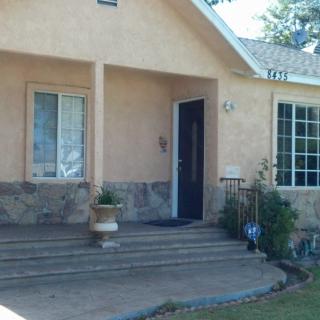
Paradise Senior Living 1
$3,500 to $4,500 / month18.0 miles away -
from +$300 / mo
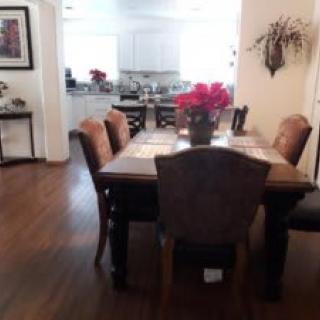
America's Care Manor
$3,800 to $4,000 / month11.2 miles away -
from +$500 / mo
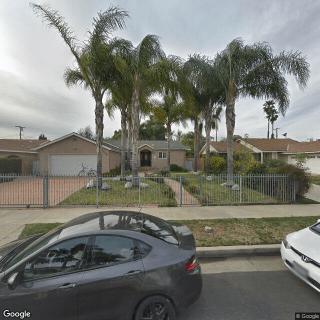
Land of Peace 6
$4,000 to $5,500 / month14.4 miles away -
About the same

California Senior Of Sherman Oaks
$3,500 to $4,000 / month24.1 miles away -
from -$500 / mo
Navita Residence Edgemont Drive
$3,000 / month10.2 miles away
Overall Review of Family Care Cottages II
Pros
 Gilliana and her staff are caring and wonderful.
- The homes are impeccably maintained and staffed by long-term, caring caregivers.
- Gilliana is described as an incredible person who helps families through the transition.
- The staff provide loving care, and the mother feels like family.
- Odette and Mervin are caring and loving caretakers who kept the mother in good hands for years.
- The reviewer would highly recommend Thousand Oaks Home Care to others.
Review
This community is best suited for families seeking a warm, intimate, home-like assisted living option in Thousand Oaks where continuity of care and meaningful relationships matter more than institutional polish. It works particularly well for seniors who value stable, long-tenured caregiving and a setting that feels like family. The stories from families emphasize an owner-operator model with Gilliana at the helm and a staff that stays, an arrangement that yields deep trust, attentive daily care, and a sense of belonging that outpaces what larger facilities often promise.
Those weighing alternatives should note that this approach may not fit every care scenario. For residents who require intensive medical oversight, around-the-clock skilled nursing, or dementia-specific programming in a highly structured environment, a larger assisted living or memory-care campus may be a better fit. The reviews describe a small, home-forward model with a strong emphasis on personal connection rather than hospital-like amenities or on-site clinics. Families seeking expansive activity calendars, on-site rehab suites, or rapid access to medical specialists should consider other options that scale up medical resources and formal programming.
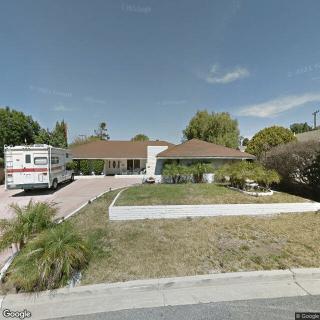
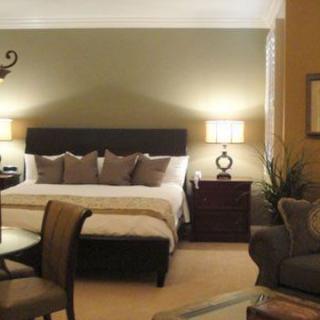
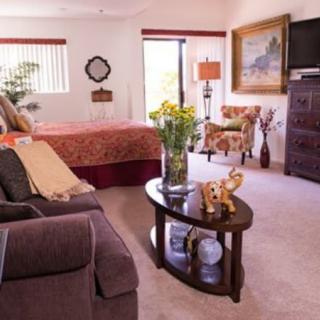
The strongest pros here lie in people, place, and person-centered care. Long-term staff, led by an involved owner, translates into consistency that reduces the sense of disruption during transitions. The caregiver pair highlighted in the notes, Odette and Mervin, embody warmth and attentiveness, turning daily routines into reassuring rituals rather than transactions. The homes themselves carry the ethos of a well-kept residence: clean, inviting interiors, a tasteful backyard, and a design that supports familiar routines. This combination, steady hands, a stable team, and a homey environment, creates a safety net that often offsets the lack of a large clinical footprint.
The absence of a clinical premier in the mix is not ignored, but its impact is mitigated by several tangible strengths. The owner’s involvement signals a hands-on commitment to quality and continuity, which translates into fewer staff turnovers and more personalized attention to family preferences. A family-like culture helps residents stay connected to familiar routines and personalities, which can reduce anxiety and resistance that sometimes accompany transitions into care. In practice, residents feel integrated and genuinely cared for, not merely accommodated, which matters when navigating the emotional terrain of aging and relocation.
If considering this community, prospective families should verify a few practical details to ensure alignment with care goals. Inquire about the level of medical support available onsite, the process for medication management, and the typical response time for health concerns. Ask how family communications are handled, the availability of caregivers after hours, and whether there is capacity to tailor daily schedules to a resident’s personal preferences. Finally, assess the pace and variety of social activities against expectations for ongoing engagement, recognizing that a smaller, home-like setting often delivers quality over quantity.
Overall, the fit hinges on prioritizing warmth, trust, and continuity over flashy amenities or clinical breadth. For families who want a setting where a devoted owner-operator and long-standing caregivers treat a loved one like family, where the home environment and meticulous upkeep reinforce daily comfort, this Thousand Oaks option stands out as an excellent choice. It delivers meaningful peace of mind through reliable companionship, steady staffing, and a residence that feels, and behaves, as a true home. When the goal is a smooth transition backed by genuine connections, Family Care Cottages II earns its strong recommendation.
 Board and Care Home
 Memory Care
 Oxnard (19 miles away)
 Understanding Dementia Behaviors: Practical Insights and Strategies for Caregivers
 When Dementia Sparks Anger and Aggression: Understanding the Connection and Ways to Cope
 Dementia Behaviors: In-Depth Understanding and Effective Coping Strategies