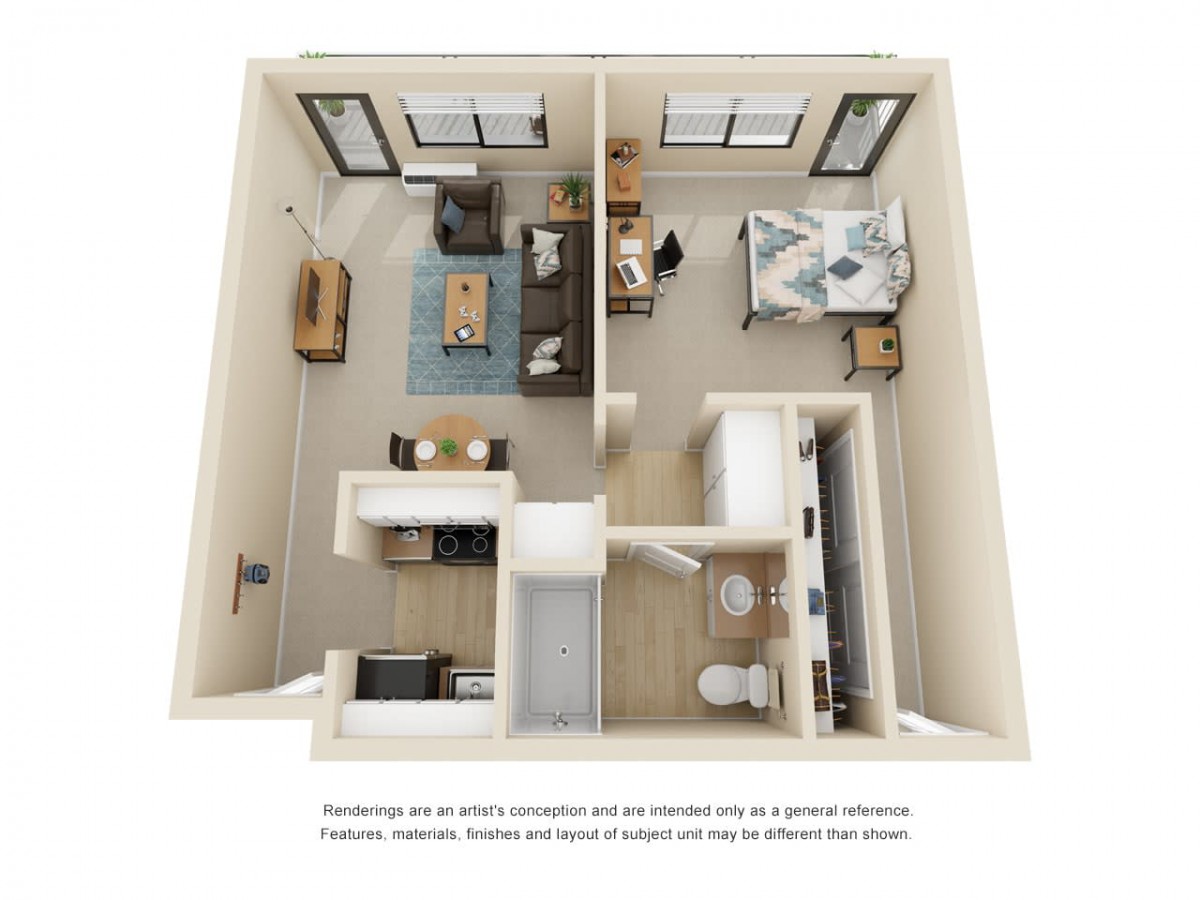
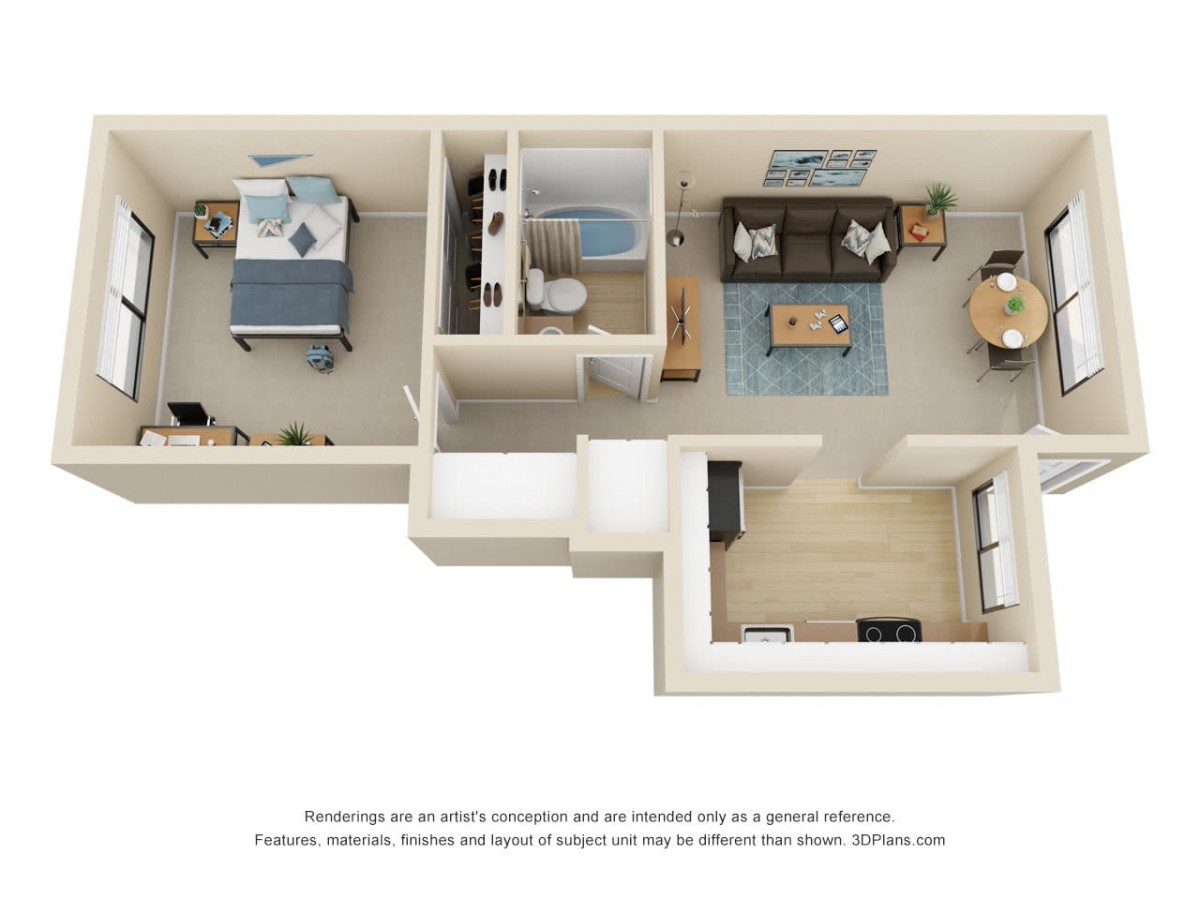
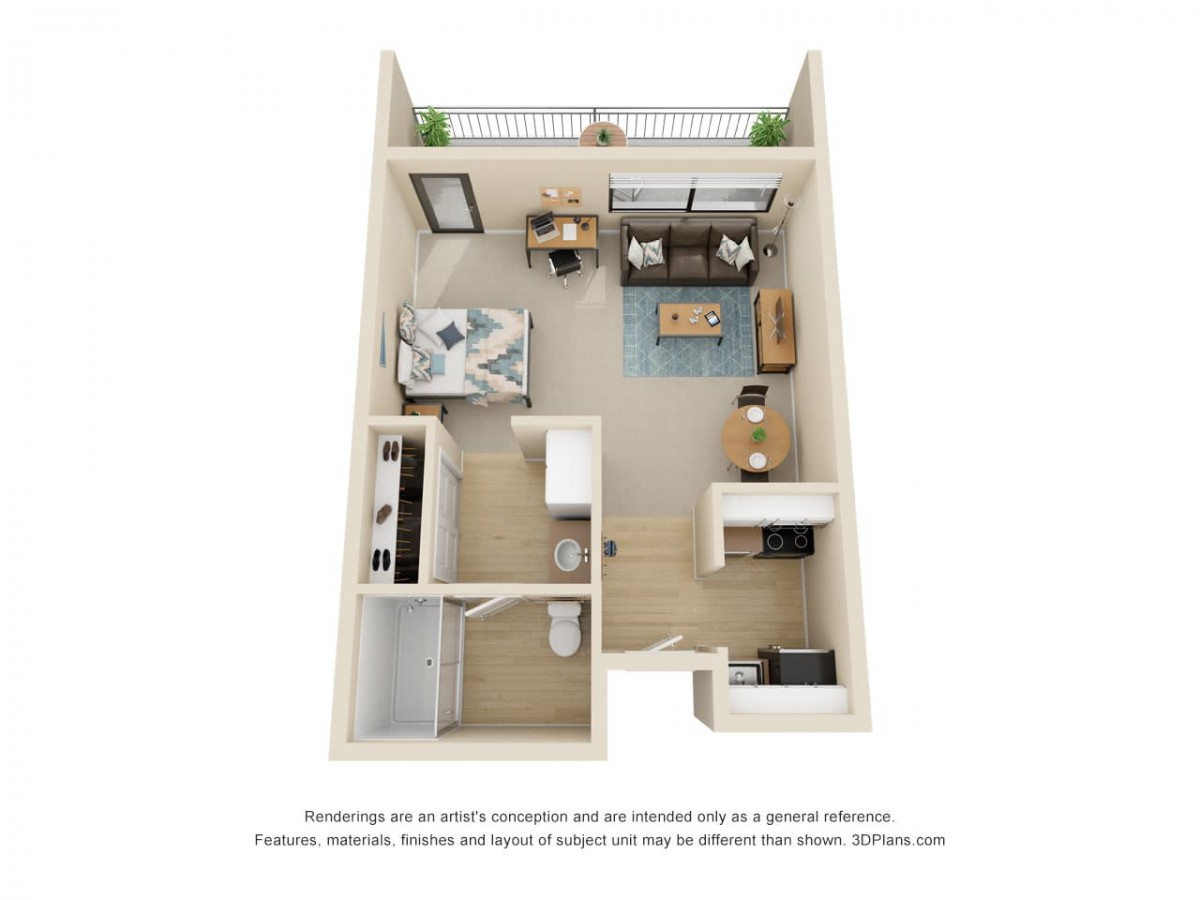
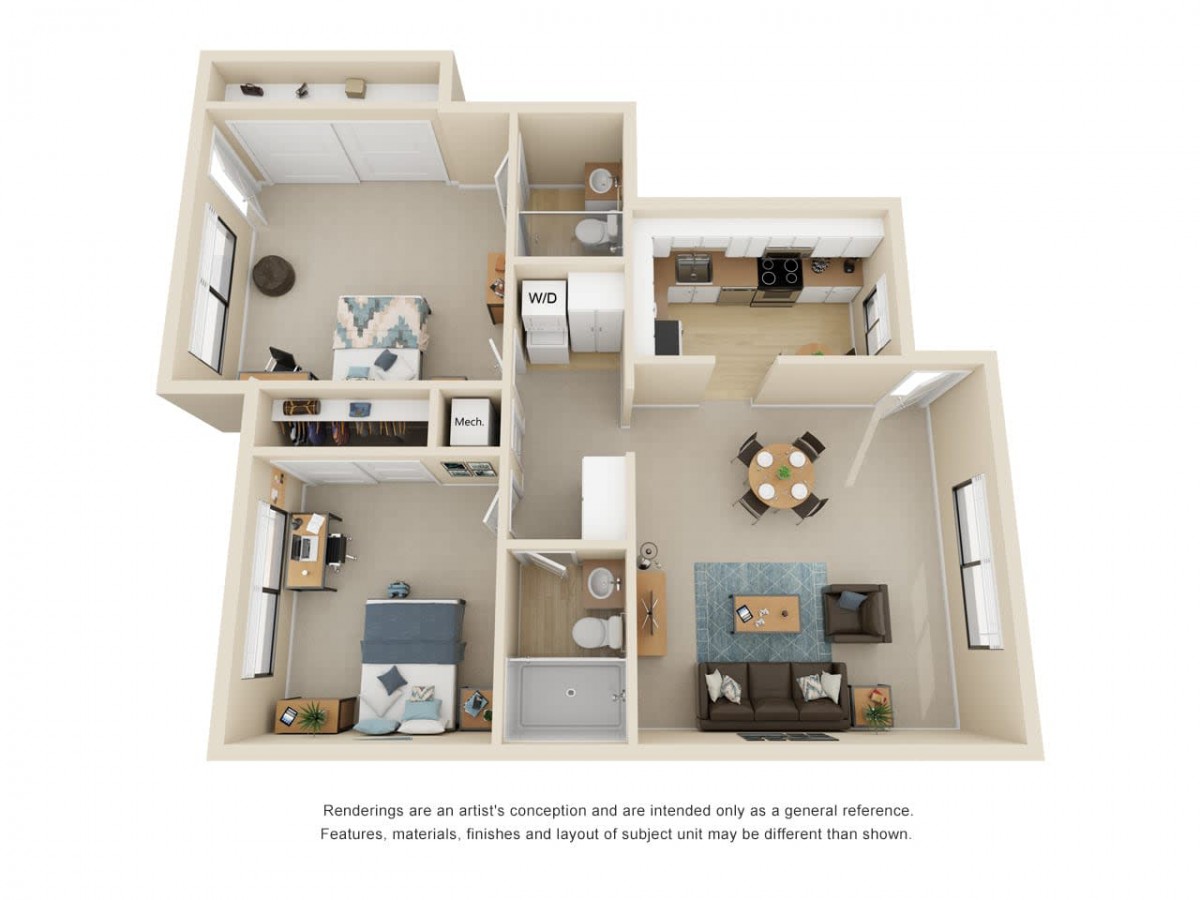
The Reserve at Thousand Oaks offers a range of room options with pricing that reflects both its high-quality amenities and the local market conditions. For a studio, residents can expect to pay $4,425 per month, which is notably higher than the Ventura County average of $4,021 and the statewide average of $4,145. When considering a one-bedroom unit, costs rise significantly to $6,185, compared to $4,513 in Ventura County and $4,340 across California. The two-bedroom option is priced at $6,845, exceeding both the county's average of $5,606 and the state's average of $5,270. These figures suggest that while The Reserve at Thousand Oaks may have higher costs than surrounding areas and state averages, it likely provides unique value through its premium services and surroundings tailored for an enriching living experience.
Floor plans
The Reserve at Thousand Oaks
Ventura County
California
Studio
$4,425
$4,021
$4,145
1 Bedroom
$6,185
$4,513
$4,340
2 Bedrooms
$6,845
$5,606
$5,270
Memory care communities with a similar price nearby
Residents and families repeatedly describe staff who are friendly and genuinely caring.
A consistent theme across reviews is how residents feel treated—welcomed, respected, and supported by people they recognize by name. Many reviewers also describe staff as responsive to questions and helpful during moves, with care that feels more personal than purely procedural. Several reviews connect that experience to day-to-day peace of mind for families and an easier transition into the community. While there are also critical reviews in other areas, the positive feedback on staff shows up often and across multiple roles residents mention.
common23 reviews mention this
Activities and social life
Many reviewers say there are enough activities to keep residents engaged.
Residents and visitors describe an active routine with planned activities, exercise, outings, and entertainment that encourages socializing. Multiple reviews mention residents making friends and joining programming soon after arriving, suggesting the community is structured for engagement rather than isolation. Families also describe the activities as a reason they feel comfortable and that their loved one is stimulated. A few reviews note limits if someone needs more specialized care, but the activity and engagement experience itself is a frequent positive theme.
common18 reviews mention this
Dining quality is mixed
Dining gets both strong praise and some clear criticism from reviewers.
Some reviews highlight good food and a restaurant-style dining experience, including the convenience of being able to eat in a dining room or order at the front desk. Others describe food inconsistency or mediocre quality, and there are complaints about service speed and revolving chefs. A separate set of remarks ties the dining experience to overall satisfaction, with some families calling it a standout and others asking for improvements. Overall, dining appears important to reviewers, with opinions split rather than uniformly positive.
caveat4 reviews mention this
Care communication and oversight concerns
Some reviews raise serious concerns about care follow-through and communication.
While many families describe peace of mind, a smaller number report breakdowns when residents require hospice or higher levels of care. In these accounts, families describe fewer updates and weaker communication than what was expected during the initial consultation. There are also complaints about medication oversight and what families perceive as insufficient staffing or follow-through on care tasks. Taken together, these reviews suggest prospective residents and families should ask detailed questions about how care updates are handled and how oversight is managed for changing needs.
How we summarize
Counts show how many written reviews mention each theme; a review can touch several themes, and only frequently mentioned themes are displayed.
Features
Housing
170 resident community capacity
1-bedroom apartments
2-bedroom apartments
Detached homes
Studio apartments
Types of Care
Assisted Living
Independent Living
Memory Care
Pets
Cats allowed
Dogs allowed
Amenities
Activities off-site
Activities on-site
Air-conditioning
Bath tubs
Beautician on-site
Beauty salon
Cable or satellite TV
Cafe
Computer center
Devotional services off-site
Devotional services on-site
Dining room
Financing advice
Fitness room
Full kitchen
Fully furnished
Gaming room
Garden
Ground floor units
Guasts at mealtime
Guest parking
Handicap accessible
Home sale assistance
Housekeeping services
Indoor common areas
Kitchenette
Laundry
Move-in coordination
Outdoor common areas
Outdoor space
Overnight guests
Party space
Private bathrooms
Resident parking
Respite or short term stays offered
Restaurant-style dining
Small library
Spa
Swimming pool
Swimming pool / hot tub
TV room
Telephone
VA Benefits Consultation
Wellness center
Wheelchair accessible showers
Wi-Fi/high-speed internet available
Transportation
Oxnard (19 miles away)
Community operated transportation
Transportation & parking
Transportation arrangement
Transportation arrangement (non-medical)
Transportation to doctors appointments
Care Services
12-16 hour nursing
24-hour call system
24-hour supervision
Activities of daily living assistance
Ambulatory care
Assistance with bathing
Assistance with dressing
Assistance with transfers
Coordination with health care providers
Dementia waiver
Diabetes diet
Diabetic care
Hospice care
Hospice waiver
Incontinence care
Meal preparation and service
Medication management
Mental wellness program
Mild cognitive impairment
Special dietary restrictions
Specialized memory care programming
Transportation arrangement (medical)
Transportation to doctors appointments
Dining
Anytime dining
Diabetes diet
Guest meals
Meals provided
Professional chef
Restaurant style dining
Room service
Special dietary restrictions
Vegetarian
Activities
Art classes
Catholic services
Community-sponsored activities
Concierge services
Cooking classes
Day trips and outings
Devotional activities offsite
Devotional activities on-site
Educational speakers / life long learning
Fitness programs
Happy hour
Jewish services
Live musical performances
Live well programs
Planned day trips
Protestant services
Resident-run activities
Scheduled daily activities
Videos
Nearby Places of Interest
This area of Thousand Oaks, California offers a variety of amenities and services that cater to the needs of seniors. There are several cafes within close proximity, including Starbucks, providing convenient options for meeting friends or enjoying a cup of coffee. Additionally, there are multiple physicians' offices and hospitals nearby, ensuring access to medical care when needed. The abundance of parks in the area offer opportunities for outdoor recreation and relaxation. Various dining options are available, ranging from fast food to sit-down restaurants like The Cheesecake Factory. For entertainment, there is a movie theater within driving distance. Overall, this neighborhood provides a well-rounded environment for seniors looking to settle in a vibrant community with easy access to essential services and recreational activities.
Cafes
Starbucks (0.5 miles)
Starbucks (2.1 miles)
Starbucks (3 miles)
Lazy Dog Cafe (3.2 miles)
Starbucks (3.5 miles)
Starbucks (4.7 miles)
Starbucks (5.3 miles)
Physicians
Weight First (0.7 miles)
Ventura Orthopedics - Thousand Oaks (1.5 miles)
Dr Eugene S. Ahn (1.5 miles)
Gastroenterology Center of Thousand Oaks (1.5 miles)
Los Robles Conejo MRI Center (1.6 miles)
Kumar Vijay MD (1.6 miles)
Lakeside Community Health Care: Singh Juhee L MD (2 miles)
The Reserve at Thousand Oaks offers a range of room options with pricing that reflects both its high-quality amenities and the local market conditions. For a studio, residents can expect to pay $4,425 per month, which is notably higher than the Ventura County average of $4,021 and the statewide average of $4,145. When considering a one-bedroom unit, costs rise significantly to $6,185, compared to $4,513 in Ventura County and $4,340 across California. The two-bedroom option is priced at $6,845, exceeding both the county's average of $5,606 and the state's average of $5,270. These figures suggest that while The Reserve at Thousand Oaks may have higher costs than surrounding areas and state averages, it likely provides unique value through its premium services and surroundings tailored for an enriching living experience.
The Reserve at Thousand Oaks is designed to support residents with memory care needs effectively through a comprehensive array of services. The 24-hour supervision ensures that residents receive constant attention and safety, while assistance with activities of daily living such as bathing, dressing, and transfers promotes dignity and comfort. Coordination with healthcare providers facilitates timely medical interventions, bolstered by the dementia waiver that allows for tailored care approaches. Incontinence care and meal preparation address essential health requirements, ensuring residents receive nutritious meals suited to their needs. Medication management is critical in maintaining cognitive function, while the mental wellness program addresses emotional well-being. Specialized memory care programming focuses on engaging activities that stimulate cognitive skills, catering to those with mild cognitive impairment and advanced stages of dementia alike. Additionally, transportation arrangements for medical appointments ensure seamless access to necessary healthcare services, creating an environment where residents can thrive despite their challenges.
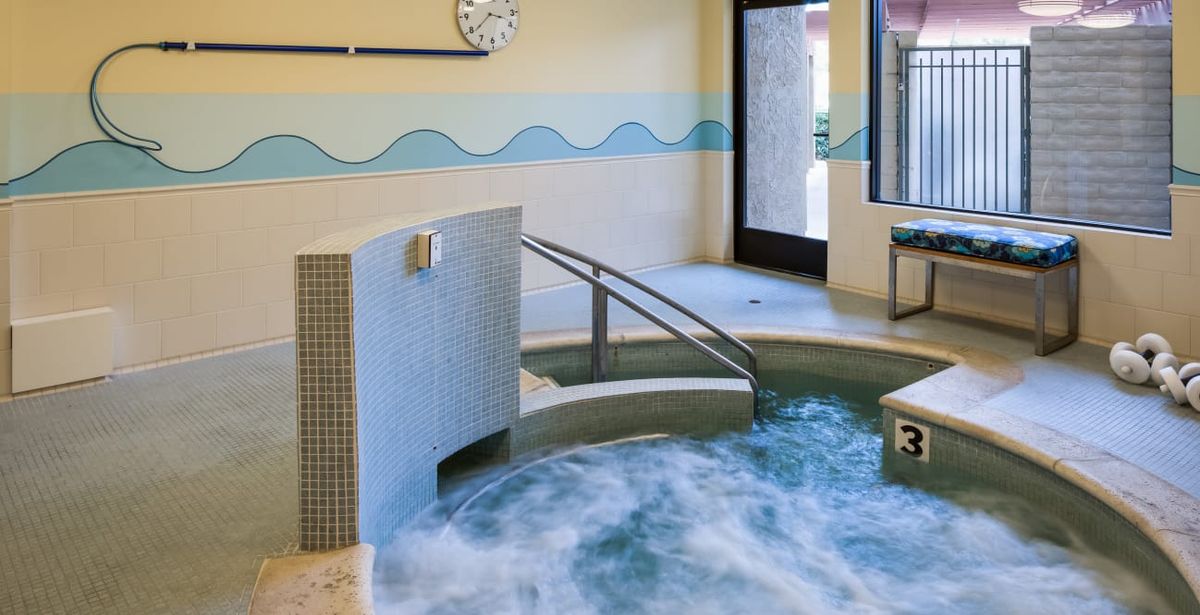
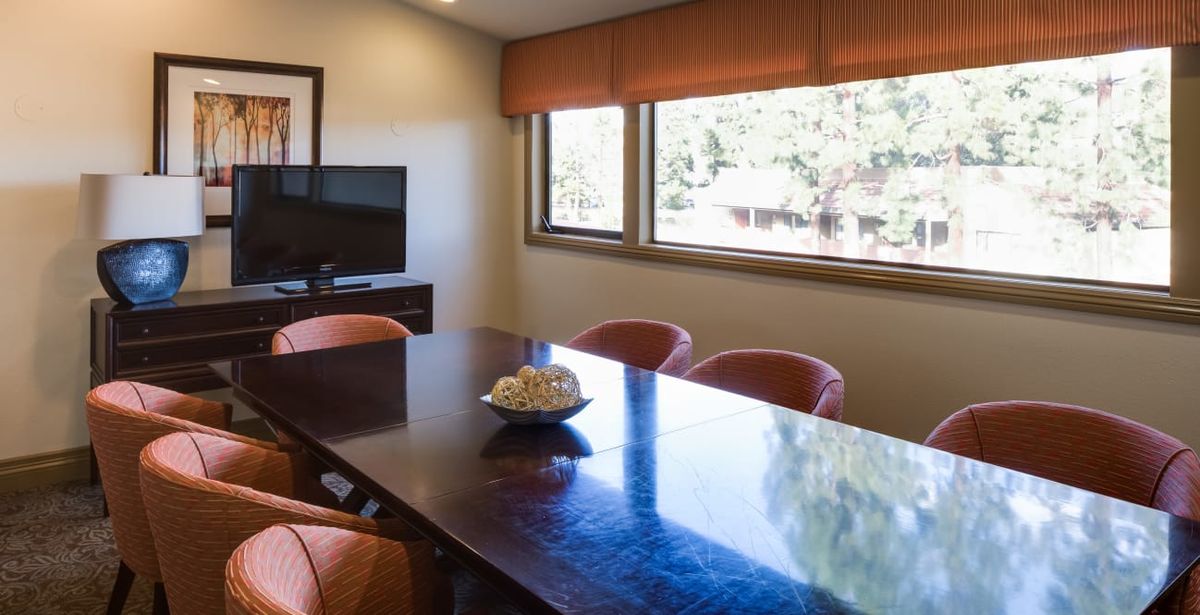
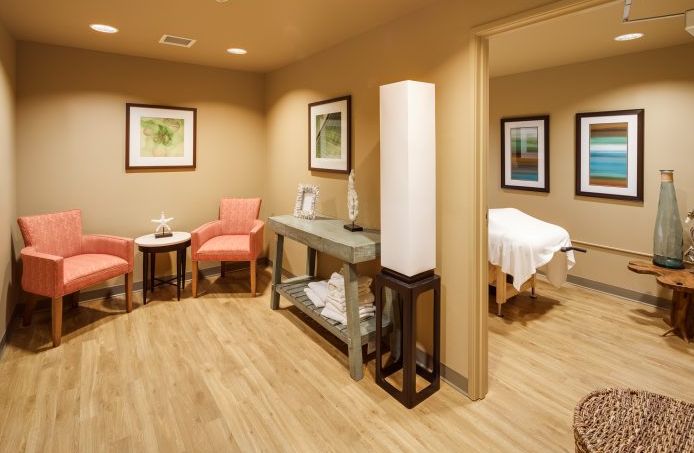
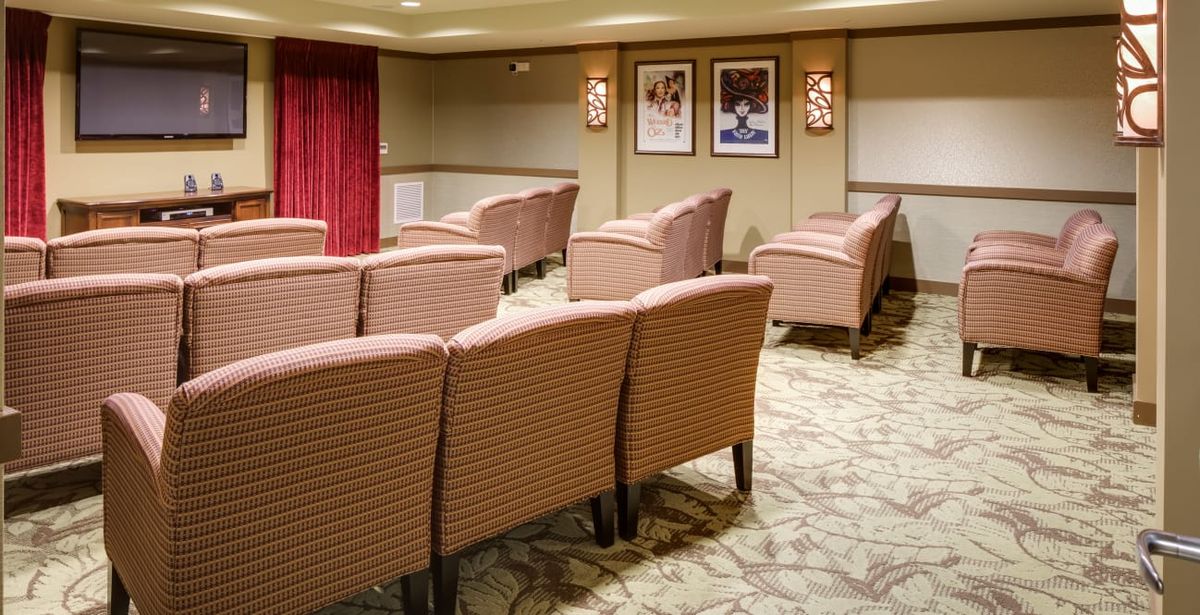
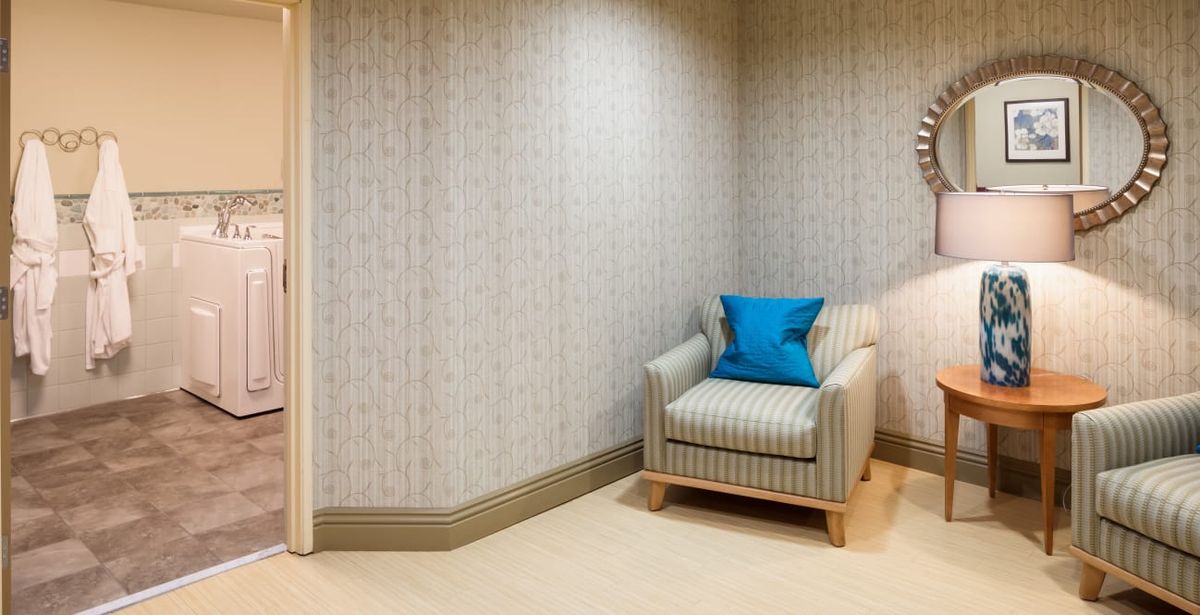
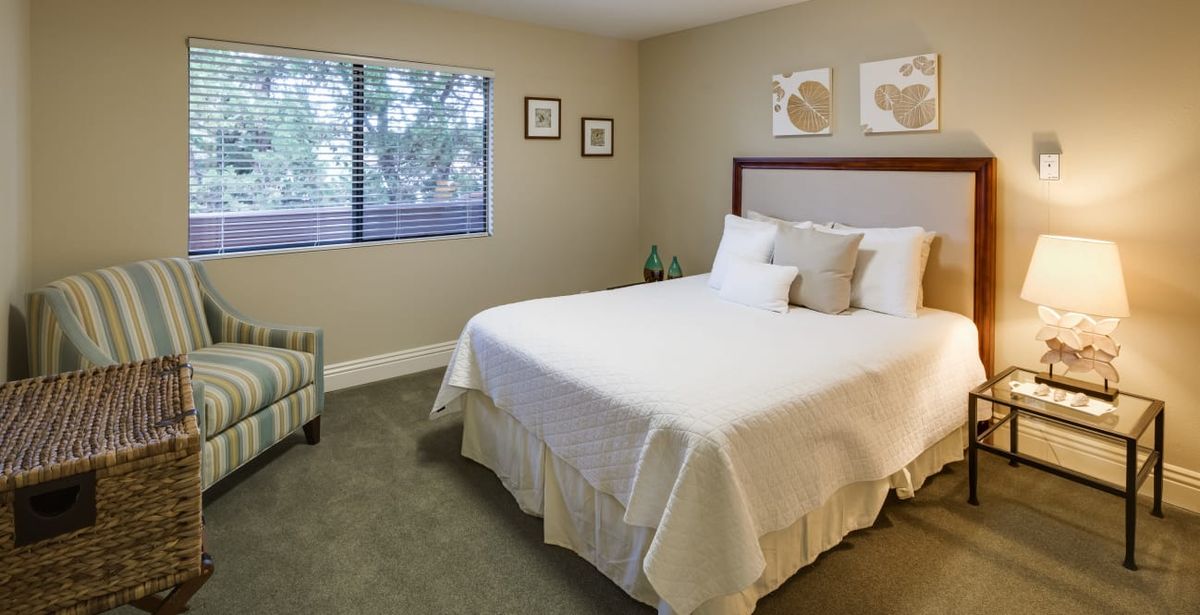
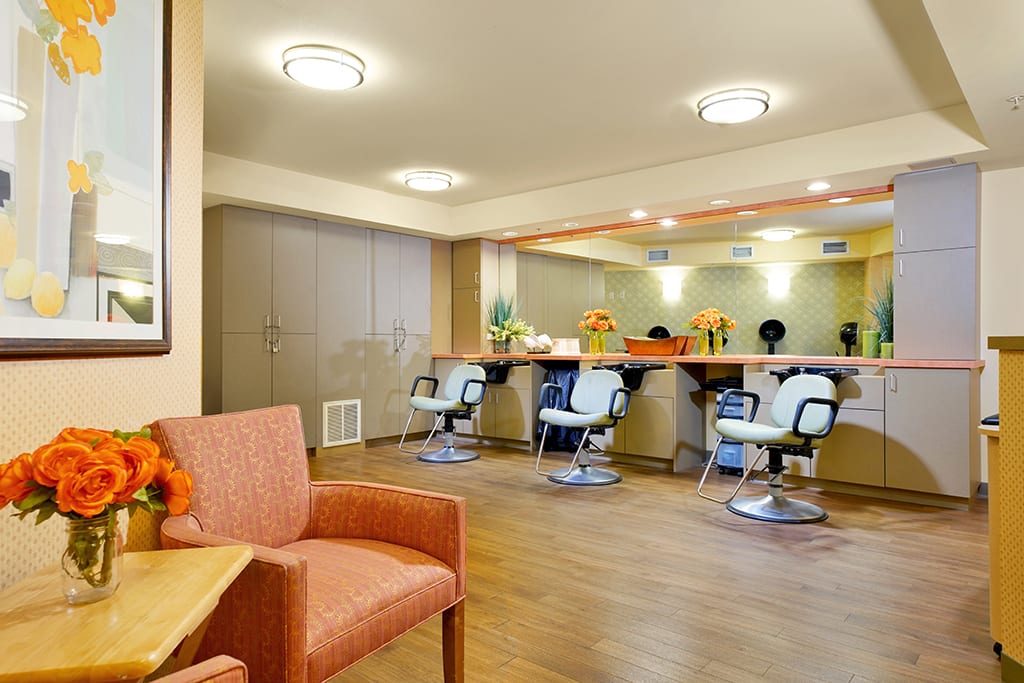
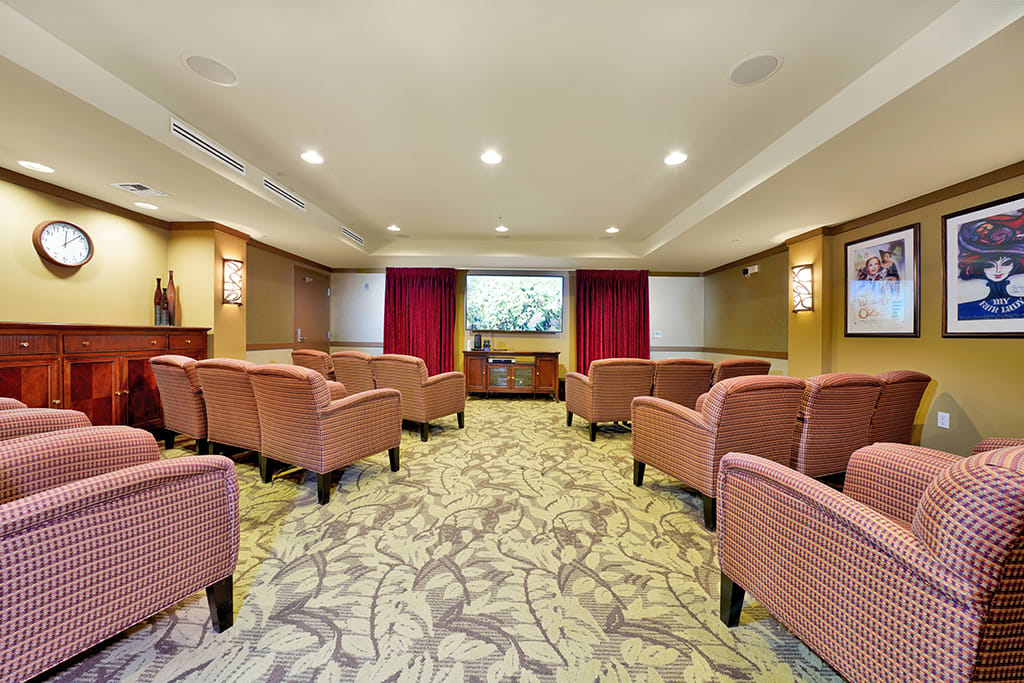
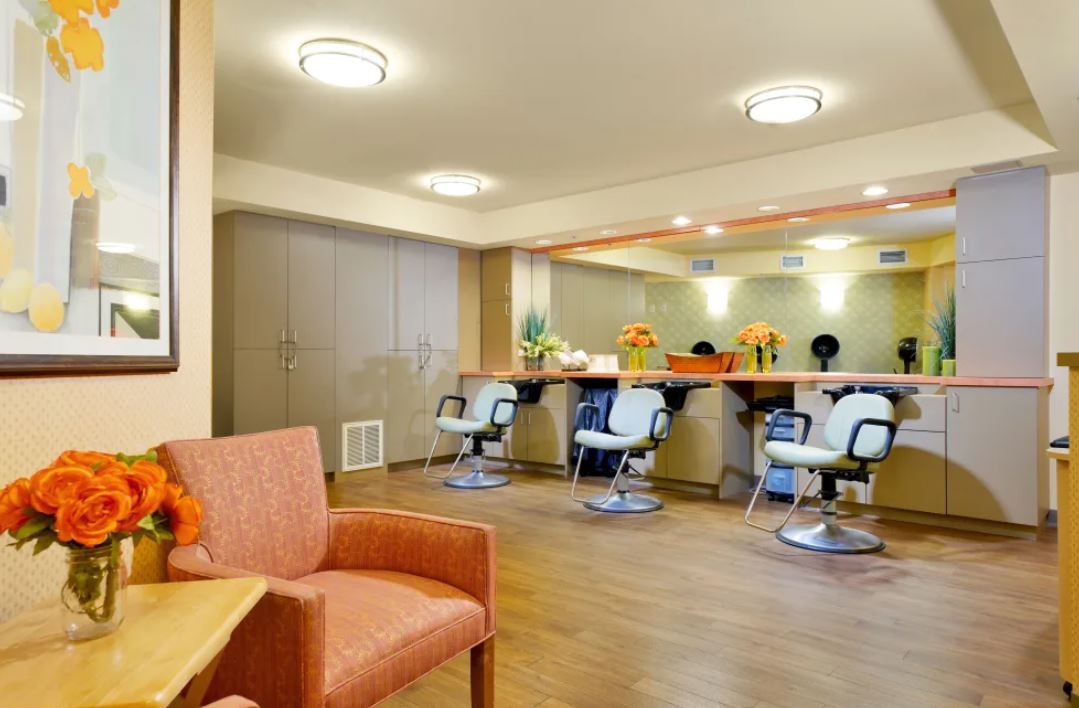
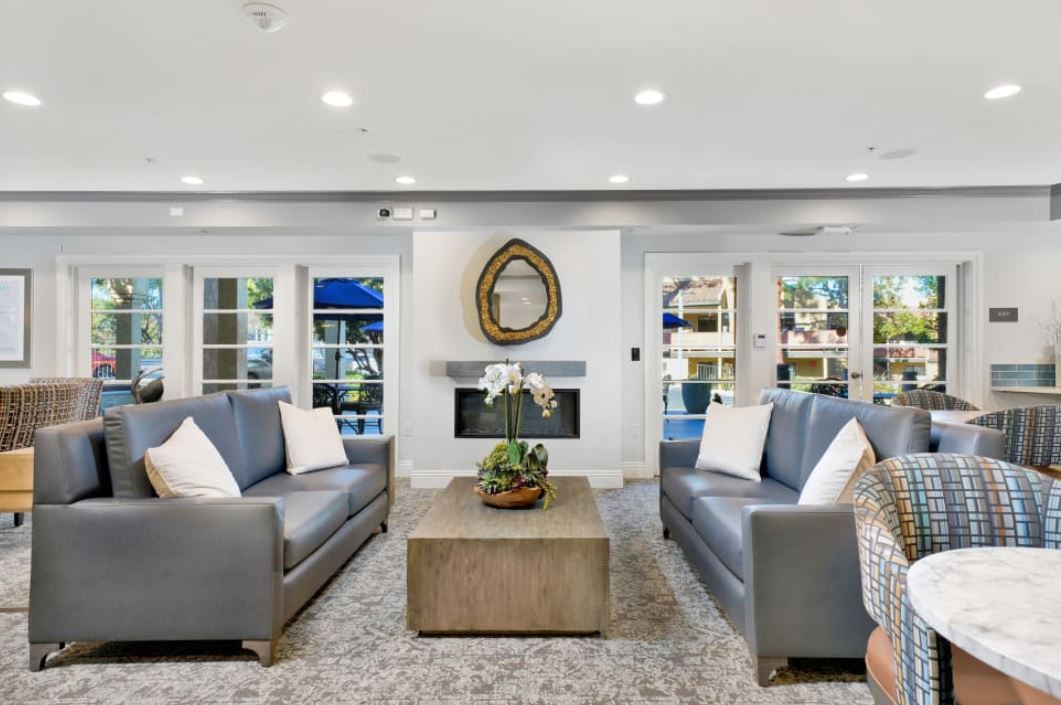
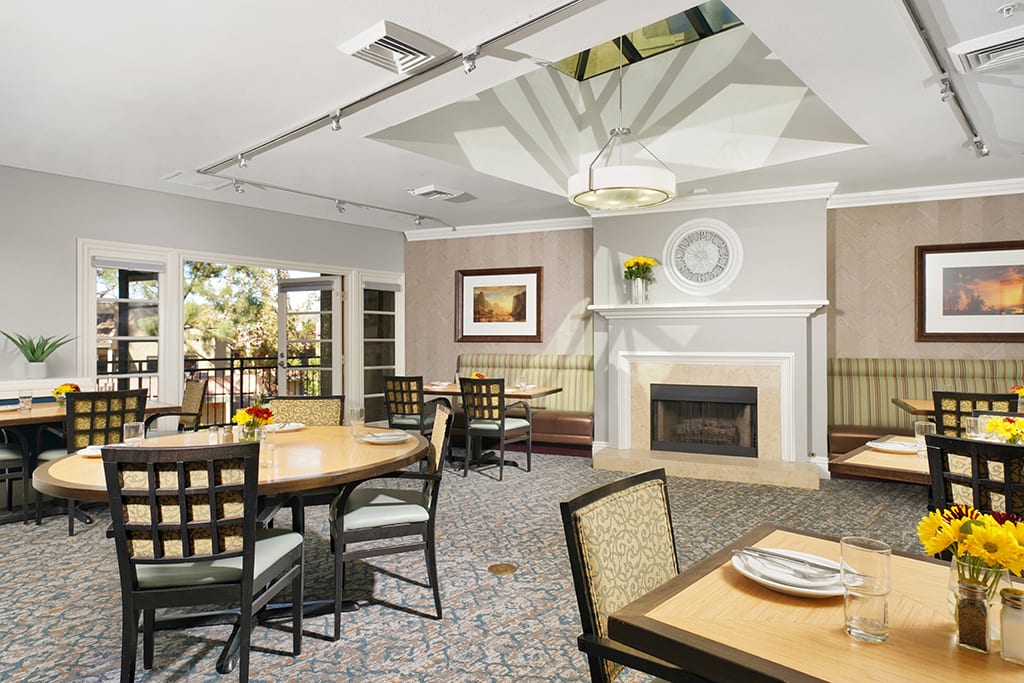
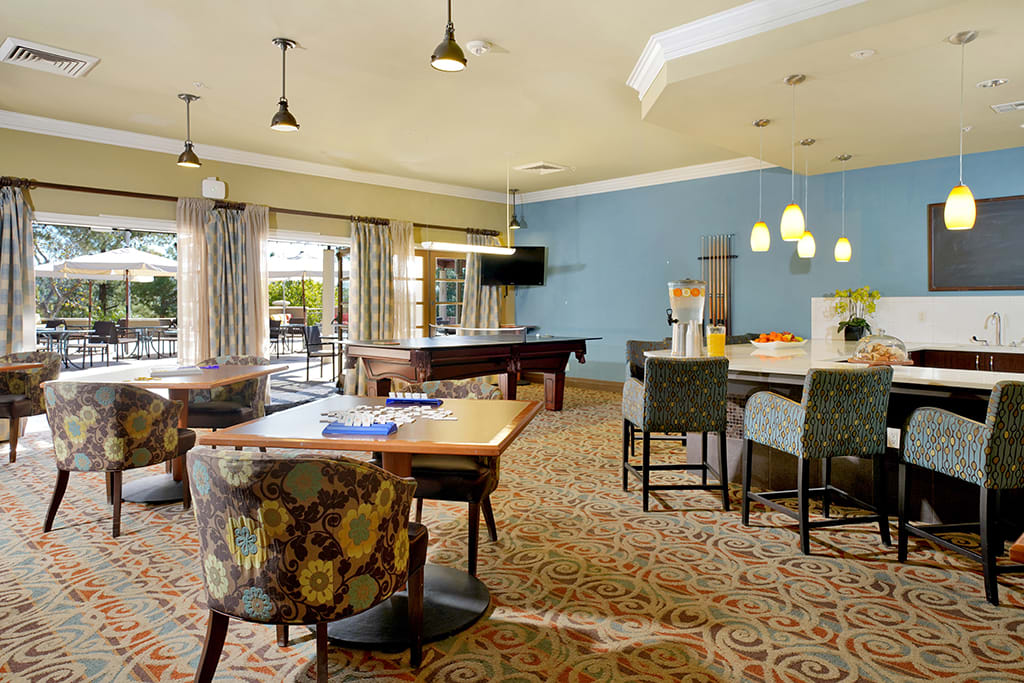
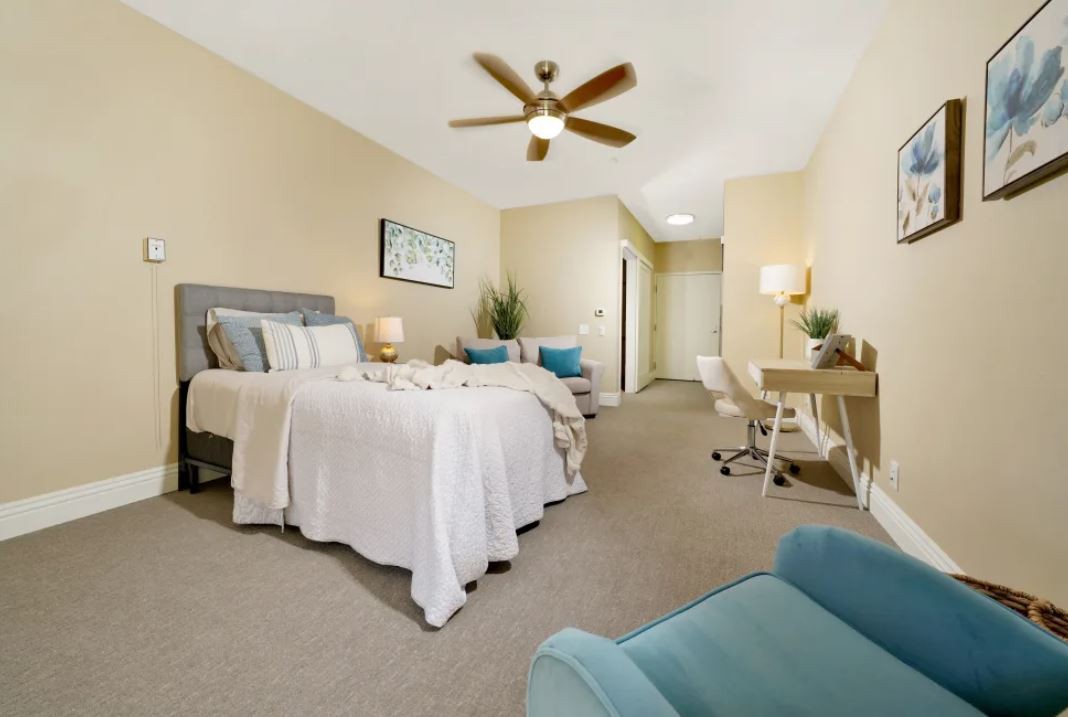
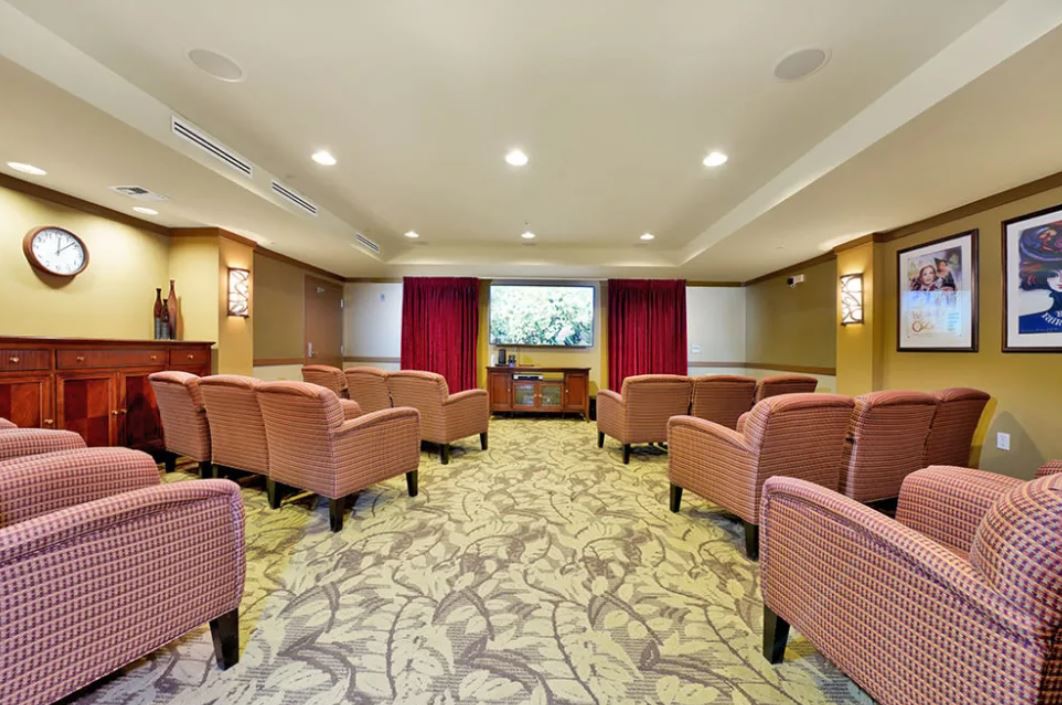
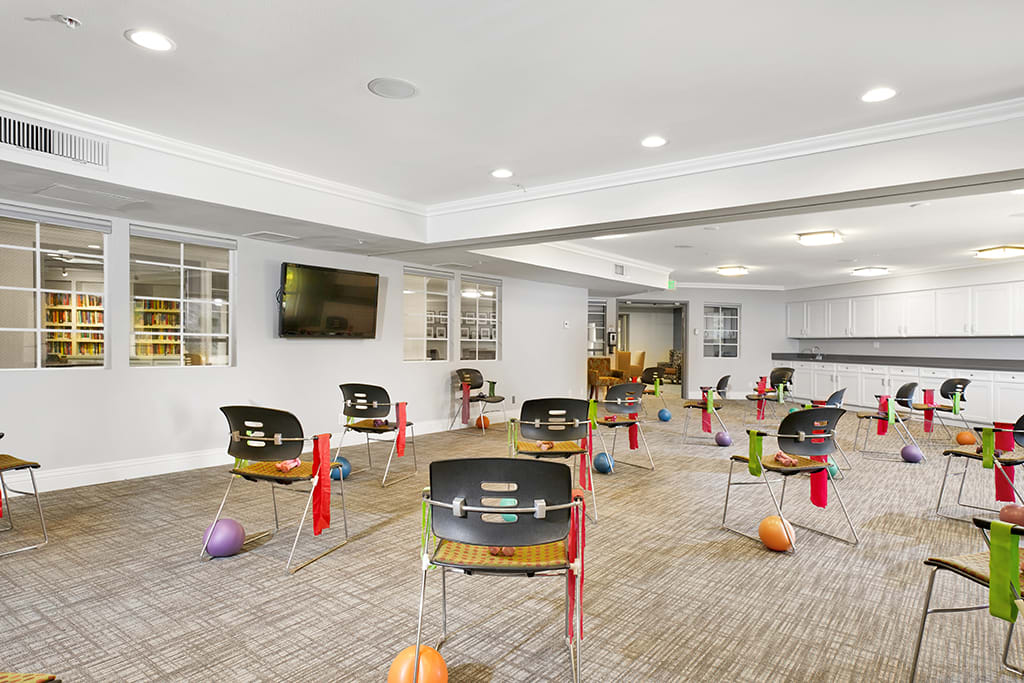
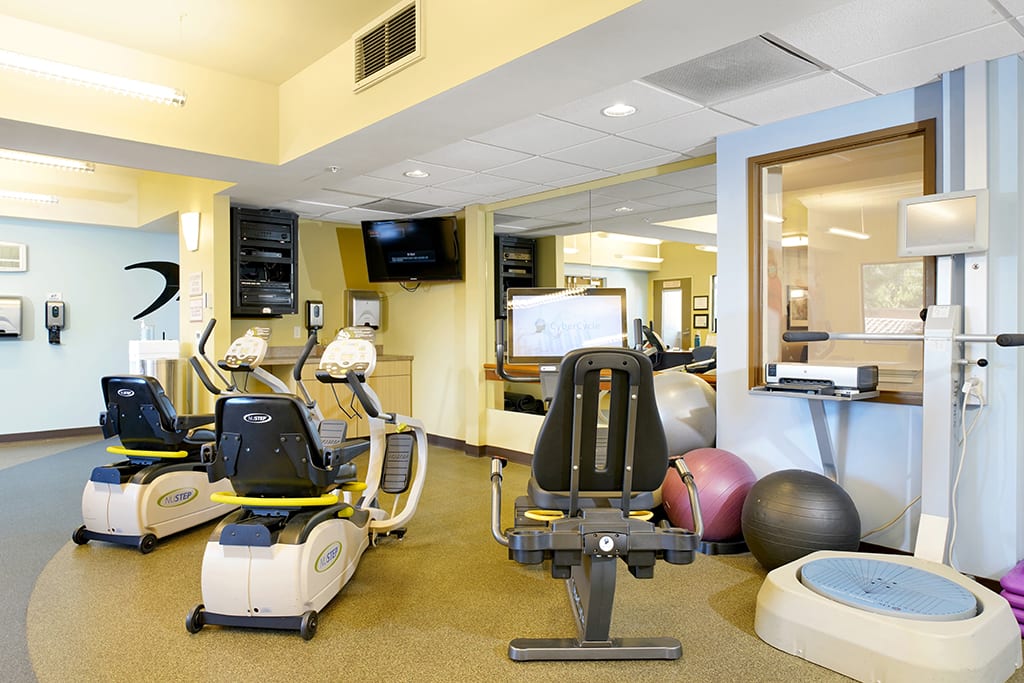
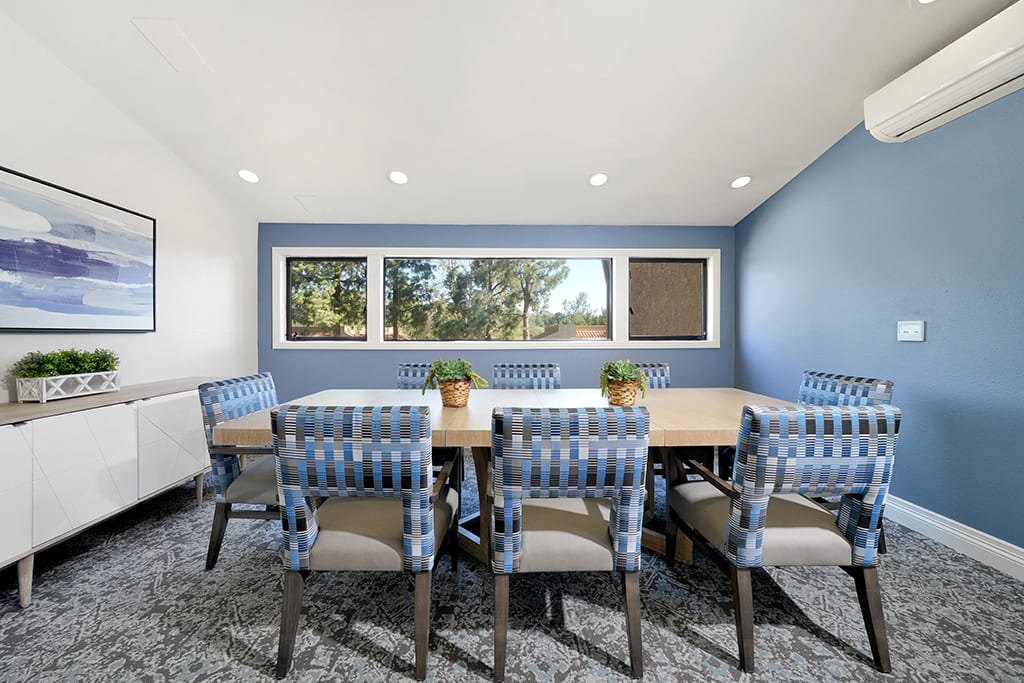
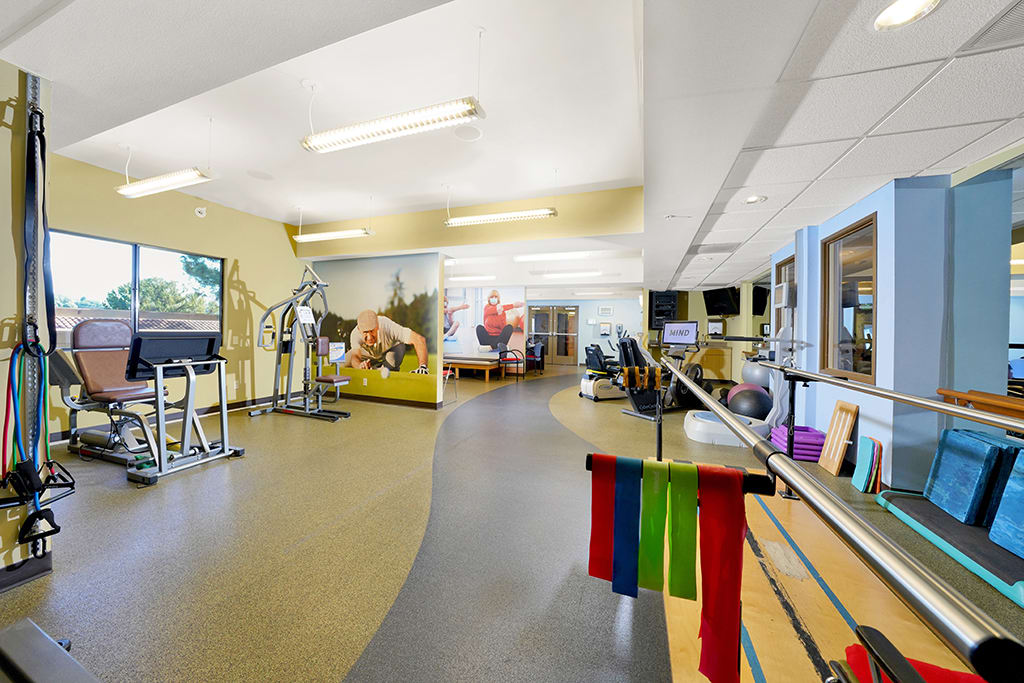
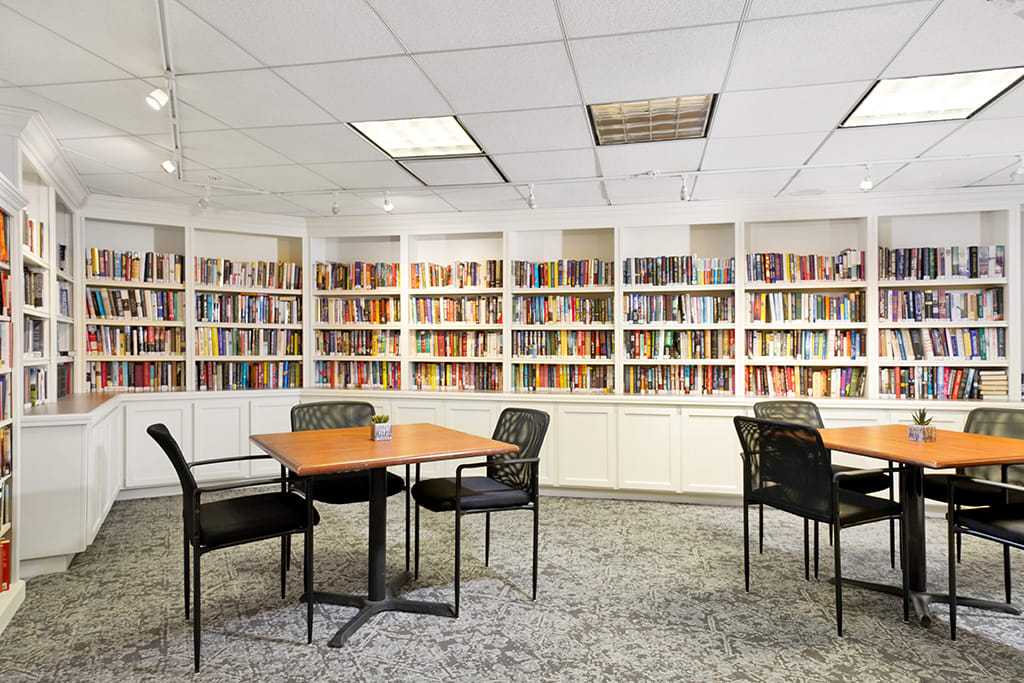
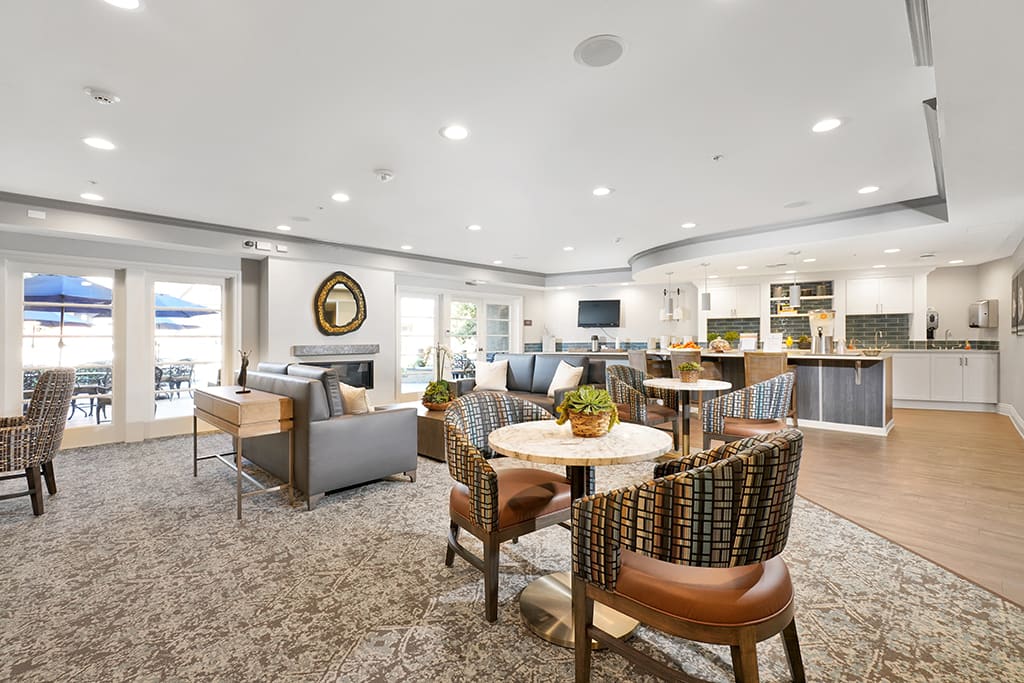
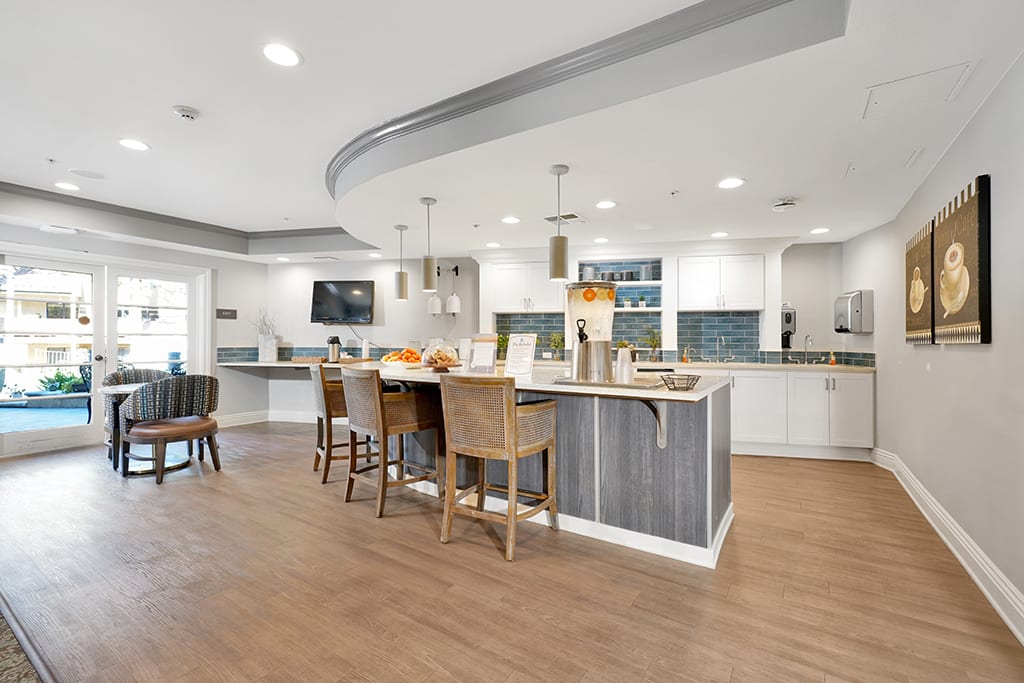
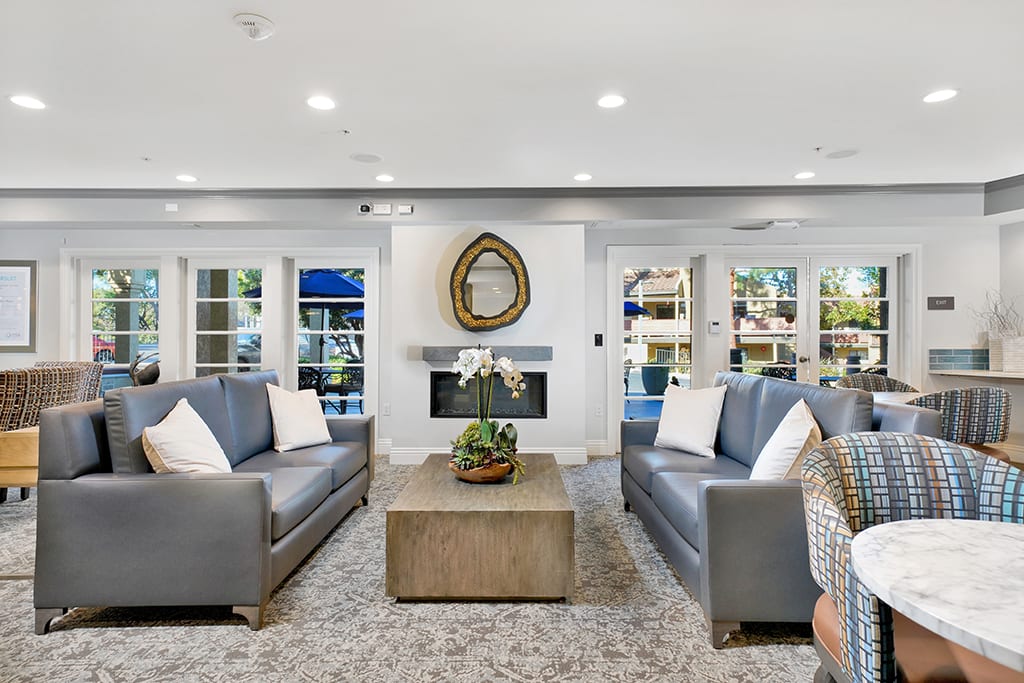
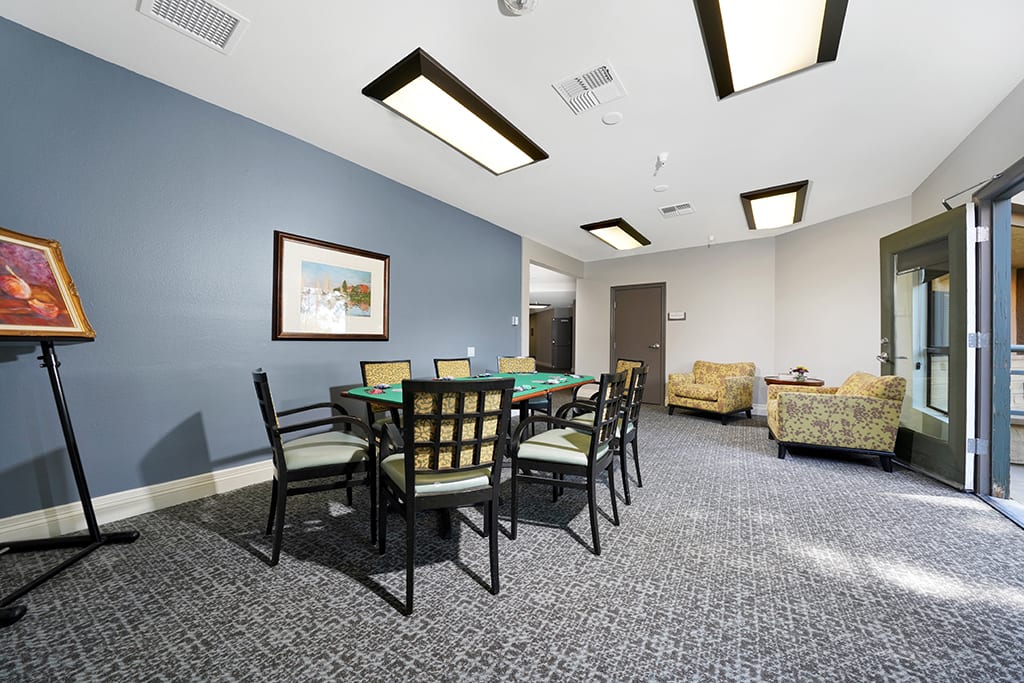
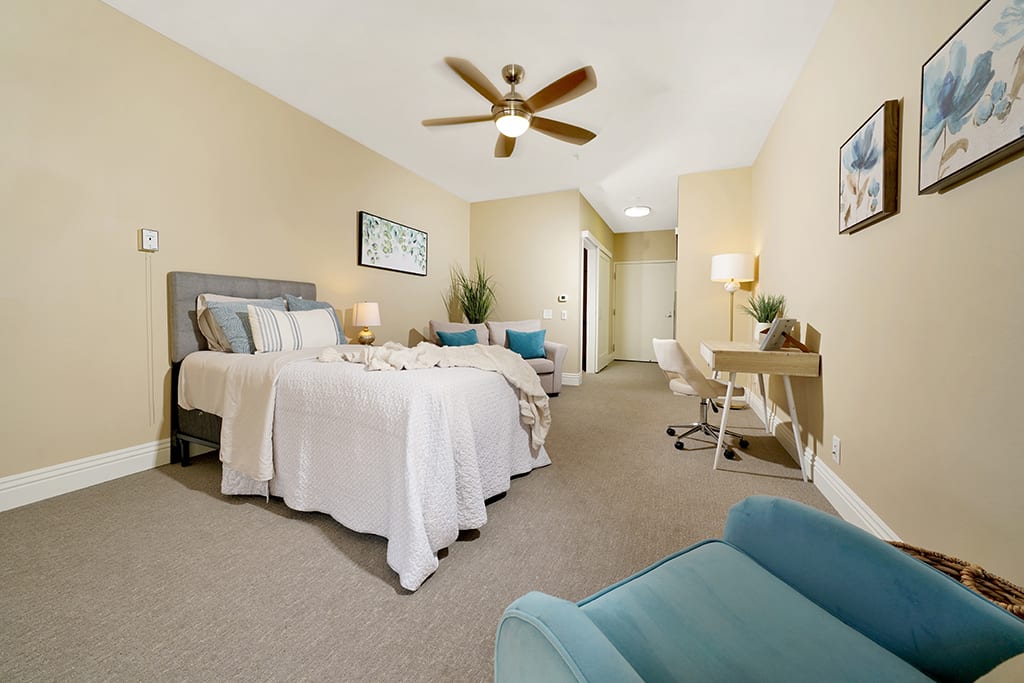
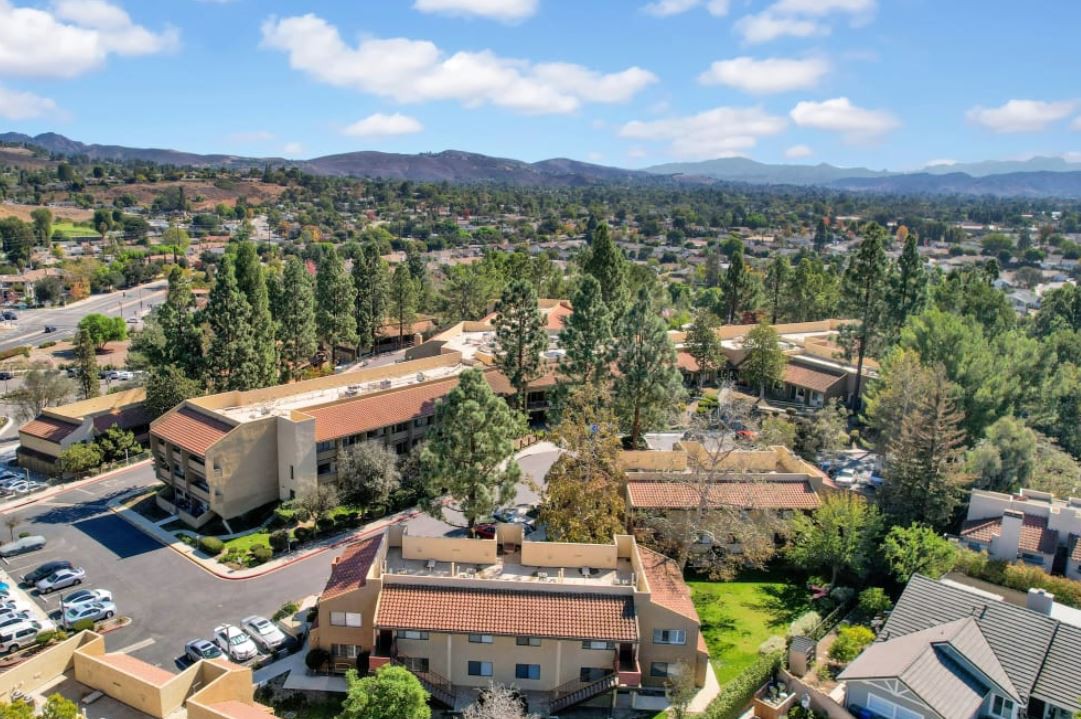
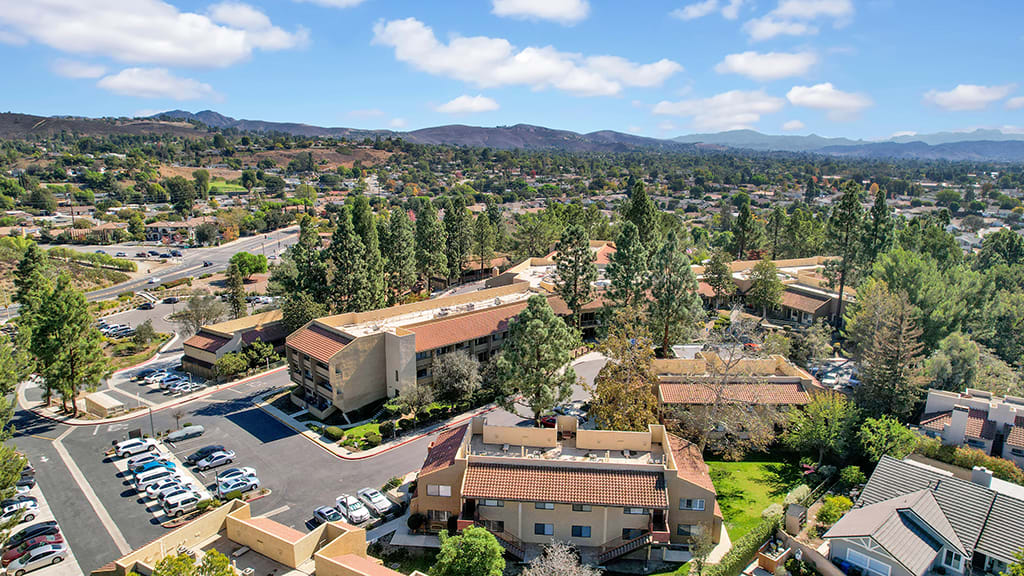
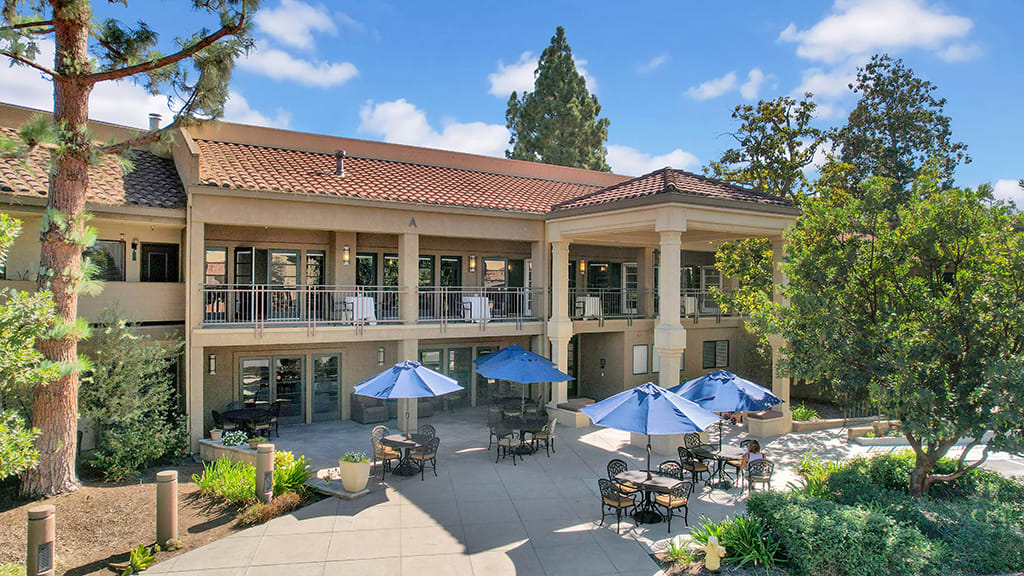
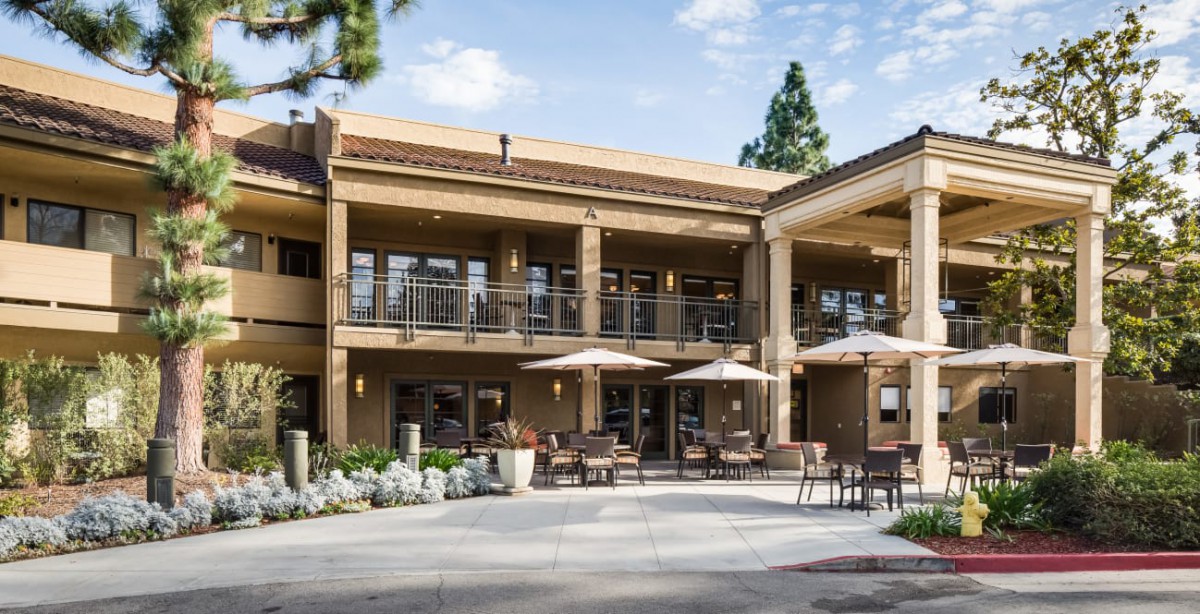
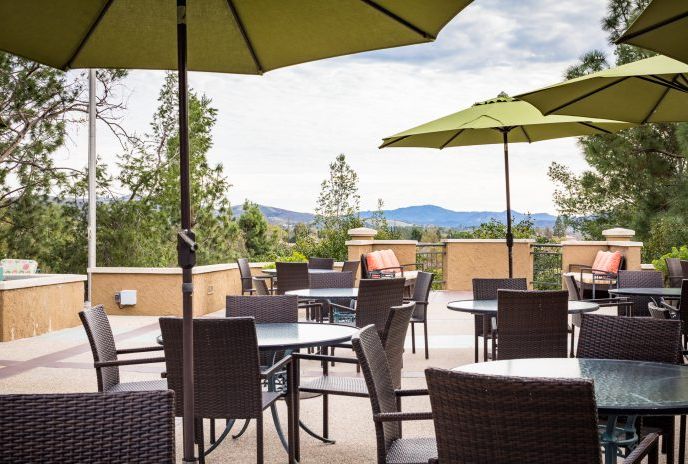
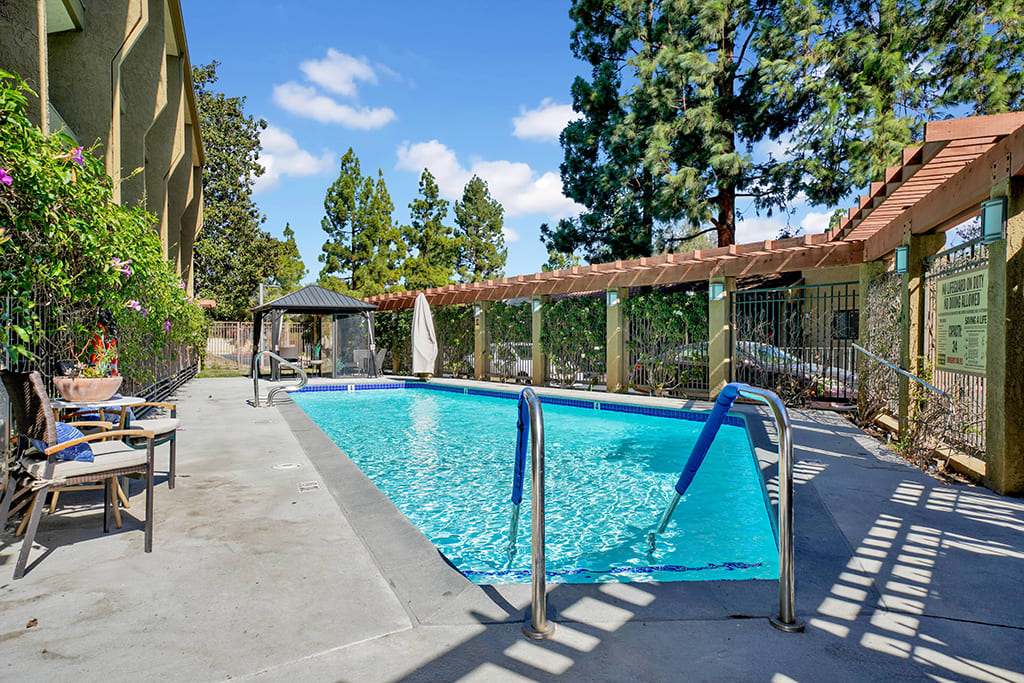
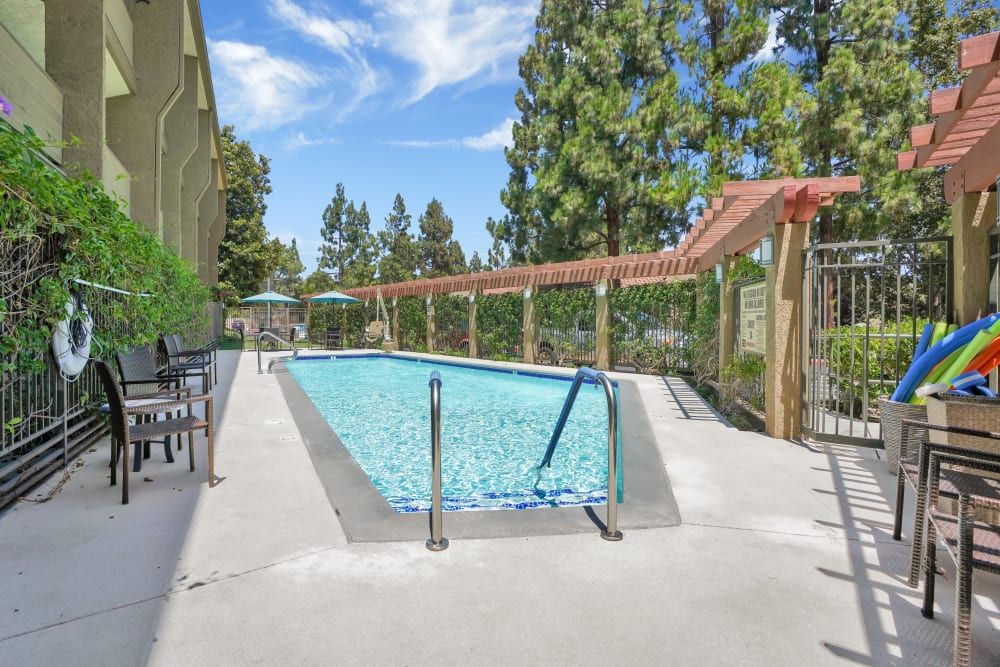
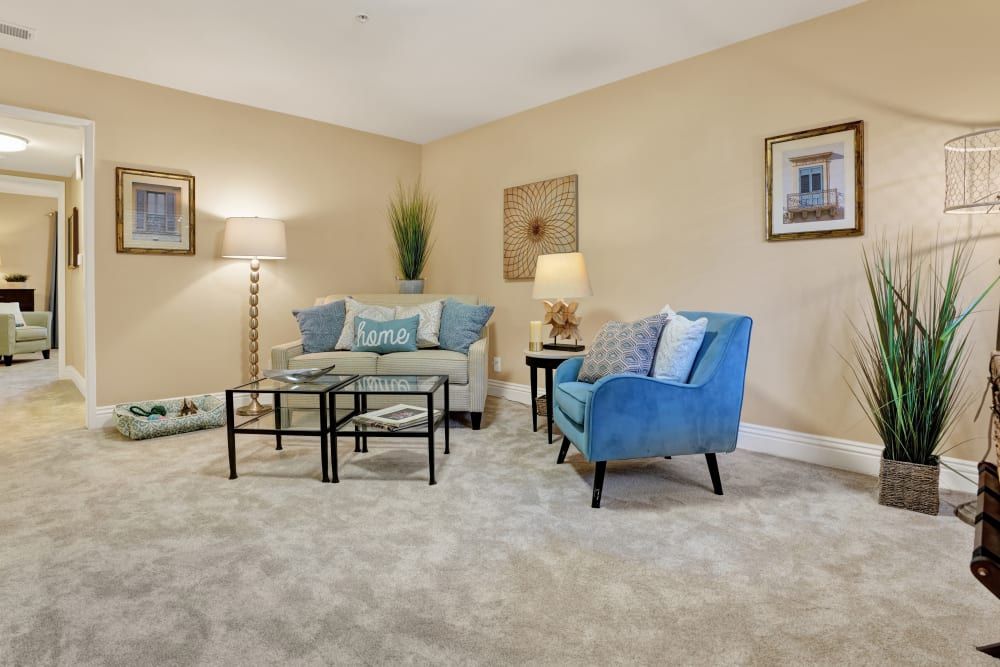
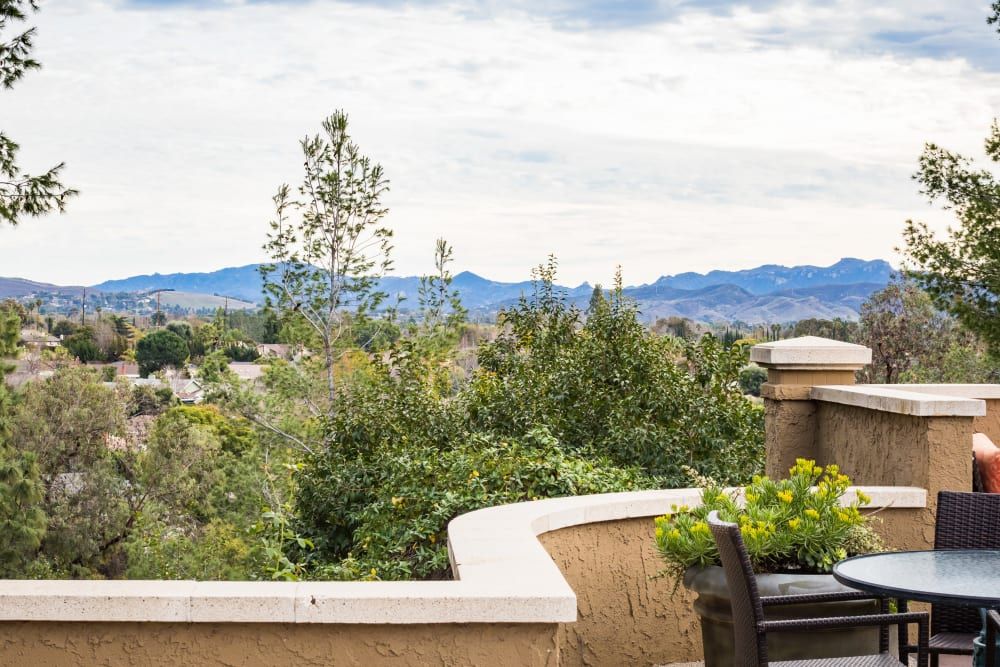
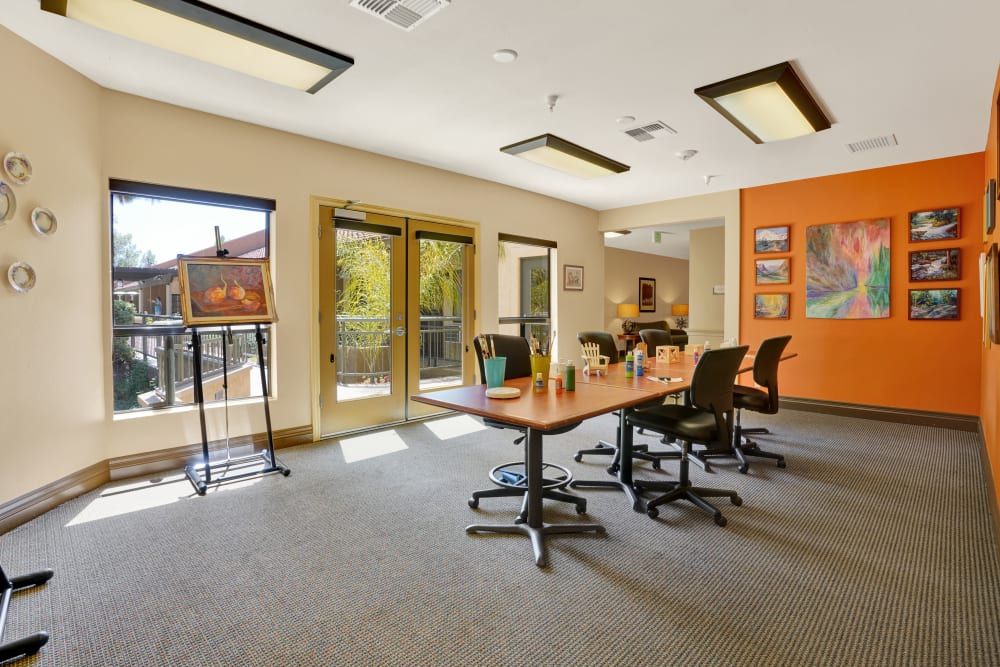
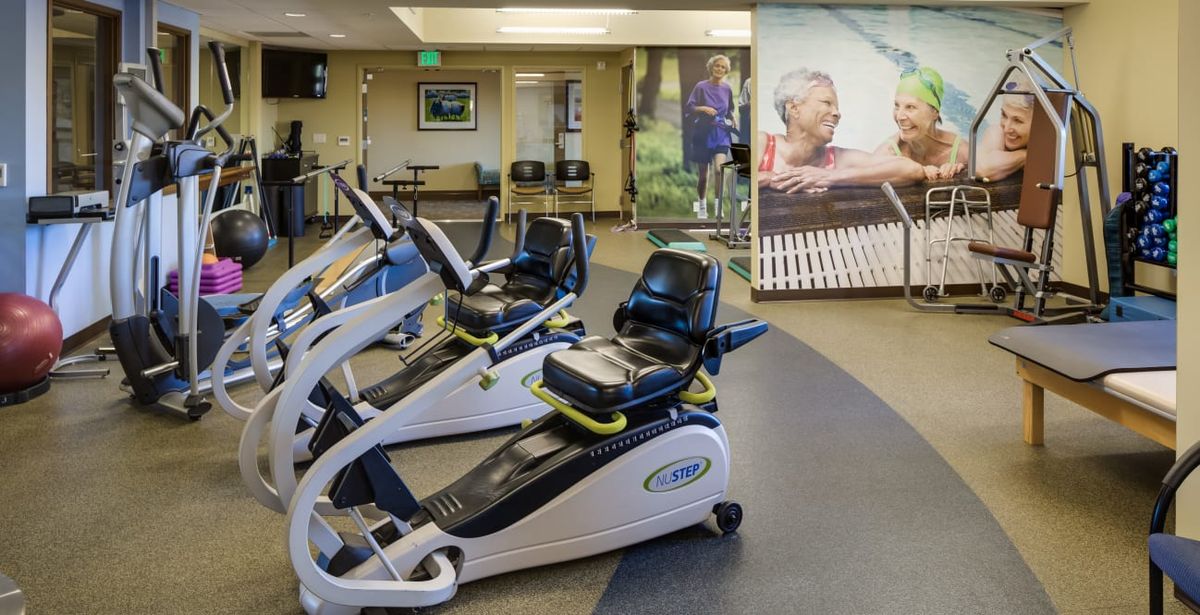
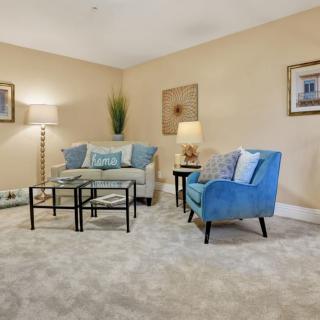
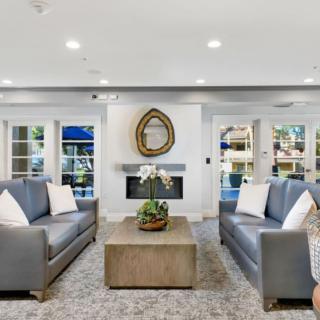
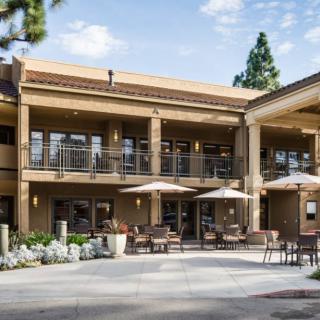
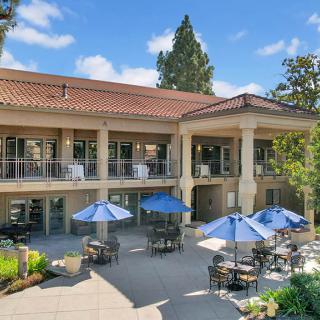
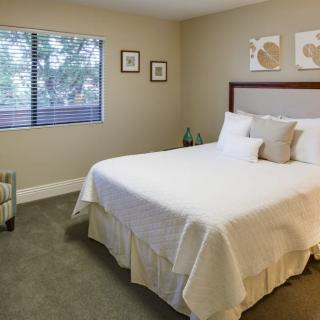
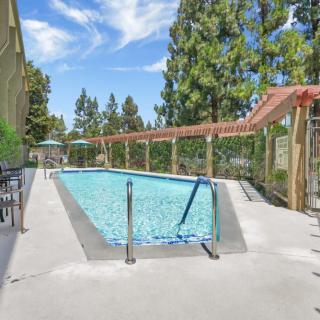
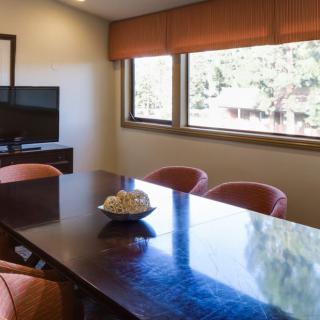
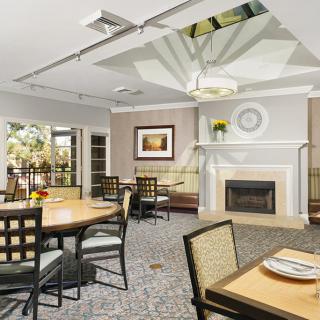
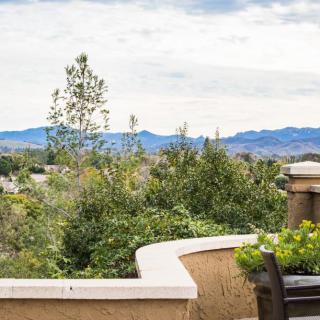
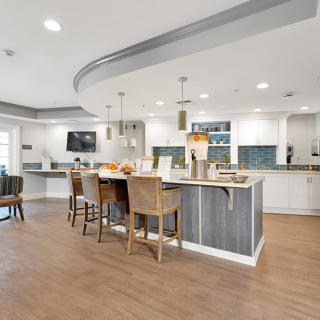
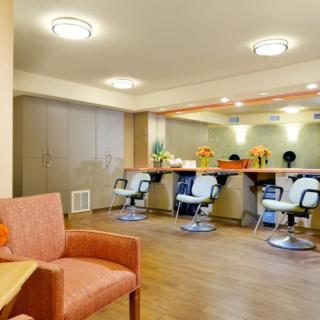
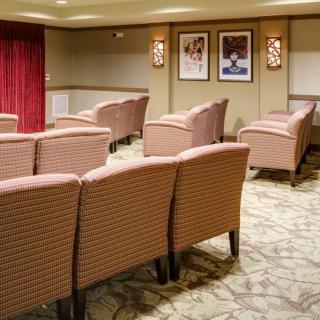
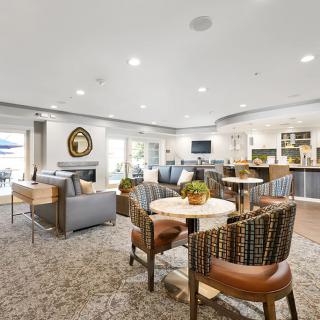
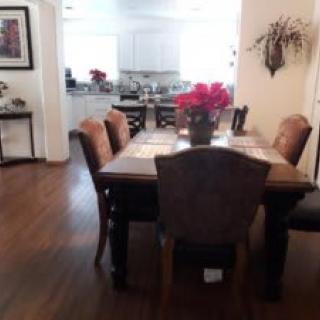
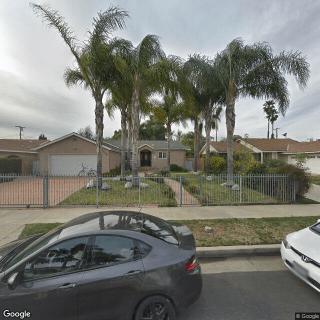
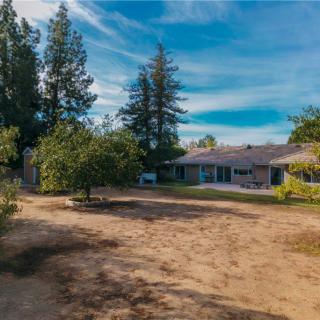
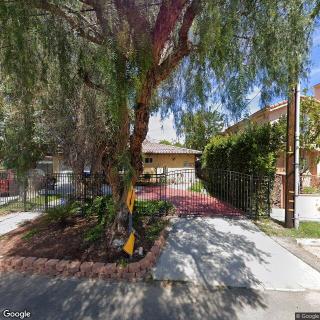
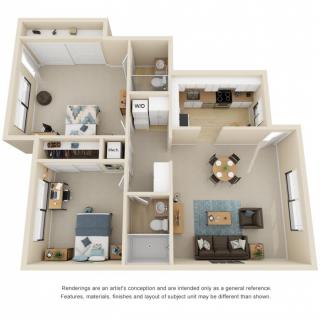
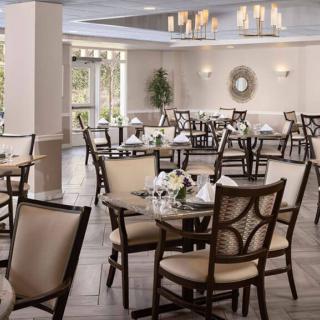
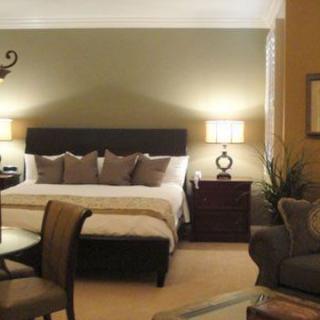
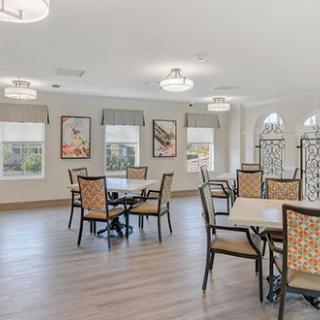
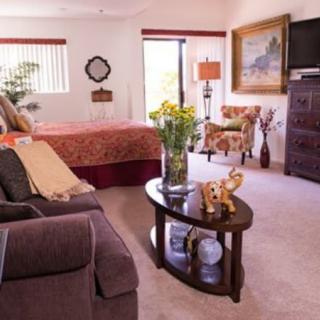
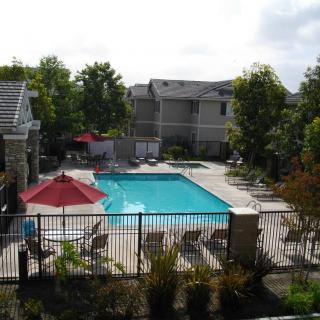
The Reserve at Thousand Oaks on seniors.fyi includes 40 photos including images showing interior, decor, floor plan, living room, trees, bedroom, kitchen, exercise equipment, and more.
Nearby Communities
Familycare Cottage II
Thousand Oaks, CA
Cozy, homelike setting with 24/7 supervision and personalized care, plus coordinated medical support and meal services.
Family Care Cottages II
Thousand Oaks, CA
5 from 5 reviews
$3,500 / month
Memory care-focused with competitive pricing and nearby amenities.
Belmont Village Senior Living Thousand Oaks
Thousand Oaks, CA
4.3 from 77 reviews
$3,996 to $6,500 / month
Friendly, attentive staff and a strong Circle of Friends transition program.
University Village Thousand Oaks
Thousand Oaks, CA
4.7 from 68 reviews
Luxurious, resort-like setting with attentive staff and diverse amenities.
Oakview
Thousand Oaks, CA
4.8 from 77 reviews
Compassionate, attentive staff in a clean, resort-like setting with strong family communication and engaging activities.
Sunshine Manor
Thousand Oaks, CA
$2,500 to $3,300 / month
Intimate setting with personalized care and affordable pricing.
Silverado Thousand Oaks
Thousand Oaks, CA
4.9 from 77 reviews
Specialized memory care with 24/7 supervision and a comprehensive wellness/activities program.
Hillcrest Royale Retirement
Thousand Oaks, CA
4.6 from 40 reviews
$4,000 to $6,000 / month
Friendly, attentive staff in a warm, family-like community with engaging activities.
Vintage Crest
Moorpark, CA
4.5 from 51 reviews
$1,321 to $1,588 / month
Peaceful, well-maintained community with responsive repairs and friendly staff.
Dementia, including Alzheimer’s disease, is often mischaracterized in terms of lethality as it leads to complications that can be fatal rather than being a direct cause of death; it causes a progressive decline in cognitive and physical health, making patients vulnerable to infections and other health crises. Effective management of nutrition, hydration, and communication is crucial in patient care, with palliative care becoming vital in advanced stages to enhance comfort and quality of life while caregivers play a key role amidst the challenges posed by the disease.
Reminiscence therapy helps individuals with dementia recall past memories through structured discussions and meaningful objects, enhancing mood, relationships, and sense of identity while celebrating their lives. It can be practiced in formal settings or at home, requiring sensitivity to personal histories and cultural backgrounds.
Reminiscence therapy is a structured method for older adults, especially those with dementia, to share life stories using prompts and sensory cues, fostering emotional well-being, social engagement, and self-identity. It aims to improve quality of life by enhancing interpersonal connections and cognitive stimulation while requiring careful facilitation to avoid distressing memories.
Get PricingAsk A QuestionSchedule A TourContact Senior Advisor
By clicking submit, you agree to our Partner's Terms of Use. You
also consent to receive calls and texts, which may be autodialed, from our Partner. Your consent is not a condition to
using our Partner's service. Please visit our Partner's Privacy Policy for information about their privacy practices.


 170 resident community capacity
 1-bedroom apartments
 Detached homes
 Assisted Living
 Independent Living
 Memory Care
 Cats allowed
 Dogs allowed
 Activities off-site
 Air-conditioning
 Bath tubs
 Beautician on-site
 Cable or satellite TV
 Cafe
Cafe Computer center
 Devotional services off-site
 Dining room
 Financing advice
 Fitness room
 Full kitchen
 Fully furnished
 Gaming room
 Garden
 Ground floor units
 Guest parking
 Handicap accessible
 Housekeeping services
 Indoor common areas
 Laundry
 Move-in coordination
 Outdoor common areas
 Overnight guests
 Party space
 Private bathrooms
 Respite or short term stays offered
 Restaurant-style dining
 Small library
 Spa
Spa Swimming pool
 Telephone
 Wheelchair accessible showers
 Wi-Fi/high-speed internet available
 Oxnard (19 miles away)
 Community operated transportation
 12-16 hour nursing
 24-hour call system
 Ambulatory care
 Assistance with bathing
 Assistance with dressing
 Assistance with transfers
 Diabetes diet
 Diabetic care
 Hospice care
 Incontinence care
 Medication management
 Mental wellness program
 Special dietary restrictions
 Transportation arrangement (medical)
 Art classes
 Catholic services
 Concierge services
 Cooking classes
 Day trips and outings
 Educational speakers / life long learning
 Happy hour
 Jewish services
 Live musical performances
 Cozy, homelike setting with 24/7 supervision and personalized care, plus coordinated medical support and meal services.
 Are Dementia and Alzheimer's Disease Lethal? A Comprehensive Exploration
 Exploring the Power of Reminiscence Therapy for Individuals With Dementia
 An In-Depth Look at Reminiscence Therapy in Dementia Care