Temecula Memory Care offers competitive pricing for its services, particularly when compared to the broader San Diego County and the state of California. For a semi-private room, residents can expect to pay $4,500 per month, which is noticeably higher than the county average of $3,518 and the state average of $3,333. The costs for studio accommodations reflect a similar trend; at Temecula Memory Care, the monthly rate is $6,000, surpassing both the county's average of $4,217 and California's average of $4,145. This pricing may be indicative of enhanced amenities or specialized care unique to Temecula Memory Care that families should consider when evaluating options in this region.
Floor plans
Temecula Memory Care
San Diego County
California
Semi-Private
$4,500
$3,518
$3,333
Studio
$6,000
$4,217
$4,145
Skilled Nursing Facilities with a similar price nearby
from -$136 / mo
Meadowbrook Village Christian Retirement Community
Many residents and families describe the staff as caring and attentive.
Across many recent comments, people highlight nurses and caregivers who treat residents with patience, kindness, and respect. Several reviewers also mention that staff members are responsive when families have questions or need help. A few reviews include negative experiences about communication and responsiveness, but the overall set of comments repeatedly returns to staff support and professionalism.
common
Cleanliness and an organized feel
Residents and visitors frequently mention the facility is clean and well maintained.
Many reviewers say the building looks tidy, spotless, and free of unpleasant odors, and they describe consistently careful cleaning. Others add that the facility feels organized and welcoming during visits. While most comments focus on cleanliness, a minority of critical reviews describe serious breakdowns in care, which stands apart from the broader cleanliness praise.
common
Activities and social time matter
Residents and families point to activities as a meaningful part of life here.
Several reviews mention engaging programming, including arts and crafts and other scheduled activities that help residents stay social and active. One review specifically praises the activities as a standout and describes residents looking forward to what is on the calendar. This aligns with the community offering a full set of activities and day trips/outings intended to keep residents involved.
common
Food support comes up often
Food service is a frequent topic, with both praise and mixed experiences.
Many commenters describe meals as good or high quality, and some mention snacks being offered during visits. Others talk about accommodating a resident’s preferences as part of the dining experience. There are also critical comments about food quality and dietary handling, suggesting that results may vary depending on the resident’s needs.
caveat
Care coordination can be hit-or-miss
A smaller set of reviews raises concerns about communication and follow-through.
While many families describe easy communication and availability, some negative reviews report difficulty reaching nursing staff and concerns about whether needs were handled promptly. Other critical comments focus on medication timing, call responsiveness, and how care decisions were made. Taken together, the feedback suggests families may want to confirm how updates, medication needs, and urgent calls are managed for their loved one.
caveat
Pricing sits above benchmarks
Pricing is positioned above county and state benchmarks in the pricing notes residents see.
Pricing for both studio and semi-private options is shown as higher than county and state benchmarks. At the same time, at least one review frames the overall value for cost as strong, while others don’t comment on price directly. If you’re comparing communities, it may help to review what’s included in daily care and dining support alongside these benchmark deltas.
How we summarize
We summarize when many written reviews mention each theme; a review can touch several themes, and only frequently mentioned themes are displayed.
Features
Housing
64 resident community capacity
Types of Care
Memory Care
Skilled Nursing Facility
Amenities
Activities off-site
Activities on-site
Air-conditioning
Beautician on-site
Beauty salon
Cable or satellite TV
Computer center
Devotional services on-site
Dining room
Fitness room
Fully furnished
Gaming room
Garden
Ground floor units
Handicap accessible
Housekeeping services
Indoor common areas
Kitchenette
Move-in coordination
Outdoor common areas
Outdoor space
Private bathrooms
Respite or short term stays offered
Restaurant-style dining
Small library
Telephone
Wellness center
Wheelchair accessible showers
Wi-Fi/high-speed internet available
Transportation
Community operated transportation
Transportation arrangement
Transportation arrangement (non-medical)
Transportation to doctors appointments
Care Services
12-16 hour nursing
24-hour call system
24-hour supervision
Activities of daily living assistance
Assistance with bathing
Assistance with dressing
Assistance with transfers
Diabetes diet
Diabetic care
High acuity care
Incontinence care
Meal preparation and service
Medication management
Mental wellness program
Special dietary restrictions
Dining
Anytime dining
Diabetes diet
Gluten-free
Guest meals
International cuisine
Kosher
Low / no sodium
Meals provided
No Sugar
Organic
Professional chef
Restaurant style dining
Room service
Special dietary restrictions
Special dining programs
Vegan
Vegetarian
Activities
Art classes
Community-sponsored activities
Concierge services
Cooking classes
Day trips and outings
Devotional activities on-site
Educational speakers / life long learning
Fitness programs
Forever fit
Karaoke
Live dance or theater performances
Live musical performances
Live well programs
Other religious services
Planned day trips
Resident-run activities
Scheduled daily activities
Videos
Nearby Places of Interest
This part of Temecula, California offers a convenient and diverse range of amenities for senior living. With several physicians, pharmacies, and healthcare facilities within close proximity, residents can easily access medical care when needed. There are also a variety of dining options including familiar chains like IHOP and McDonald's, as well as local favorites such as Killarney's Restaurant & Irish Pub. For those who enjoy spending time outdoors, Patricia Birdsall Sports Park and Madigan Park provide opportunities for recreation and relaxation. Additionally, there is a selection of cafes for socializing and enjoying a cup of coffee. Overall, this area provides a balanced mix of essential services and recreational activities for seniors looking to call Temecula home.
Physicians
My Doctor Aesthetics (0.1 miles)
Greg Ardary, DDS (0.3 miles)
William Dr - William Kyle Vincent Vincent MD (0.4 miles)
Temecula Memory Care offers competitive pricing for its services, particularly when compared to the broader San Diego County and the state of California. For a semi-private room, residents can expect to pay $4,500 per month, which is noticeably higher than the county average of $3,518 and the state average of $3,333. The costs for studio accommodations reflect a similar trend; at Temecula Memory Care, the monthly rate is $6,000, surpassing both the county's average of $4,217 and California's average of $4,145. This pricing may be indicative of enhanced amenities or specialized care unique to Temecula Memory Care that families should consider when evaluating options in this region.
Temecula Memory Care's features are specifically designed to address the complex needs of residents experiencing dementia or Alzheimer's disease, ensuring a supportive and enriching environment. The 24-hour supervision provides constant safety and reassurance for residents, while assistance with activities of daily living--including bathing, dressing, and transfers--promotes dignity and independence. Incontinence care further helps to maintain comfort and self-esteem. Meal preparation and service cater not only to nutritional requirements but also encourage social interaction during dining. Medication management ensures adherence to treatment plans, which is critical in managing symptoms effectively. Additionally, a mental wellness program engages residents cognitively and emotionally, fostering connections and enhancing overall quality of life. Together, these services create a holistic approach that prioritizes both safety and well-being for individuals with memory challenges.
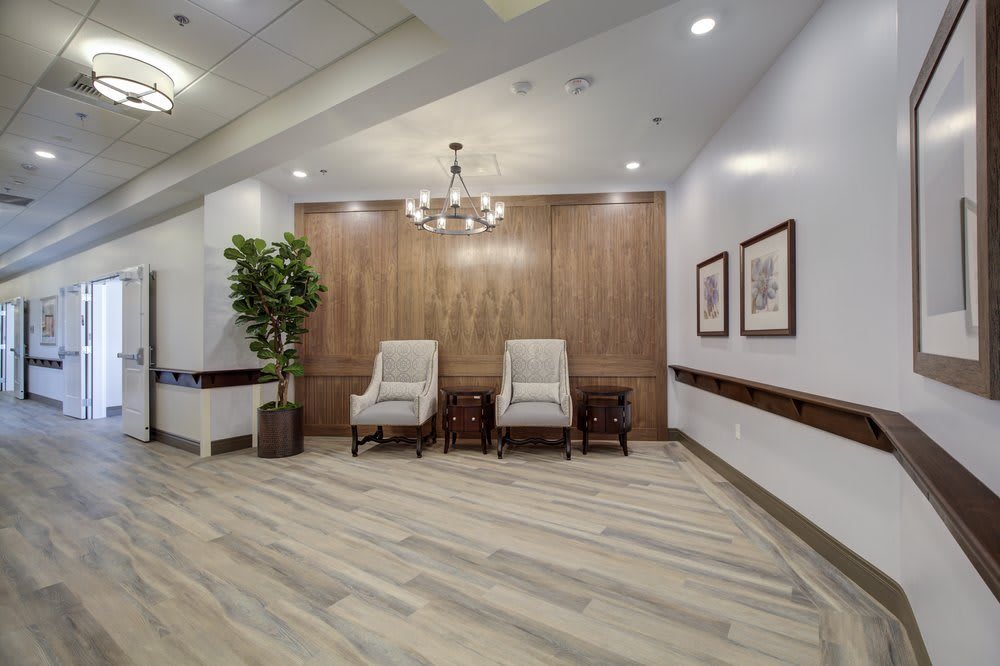
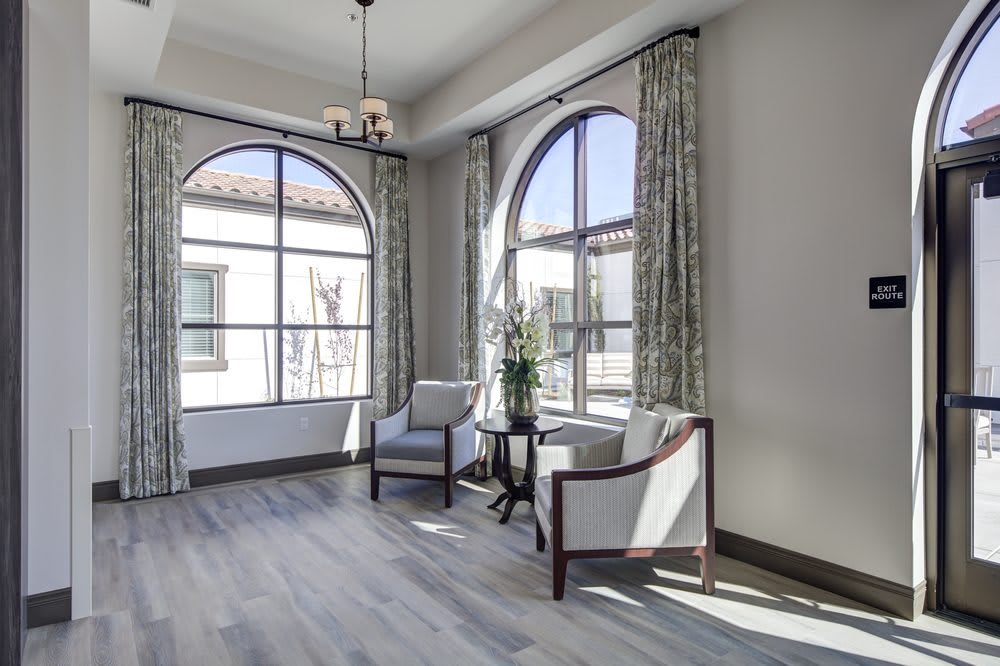
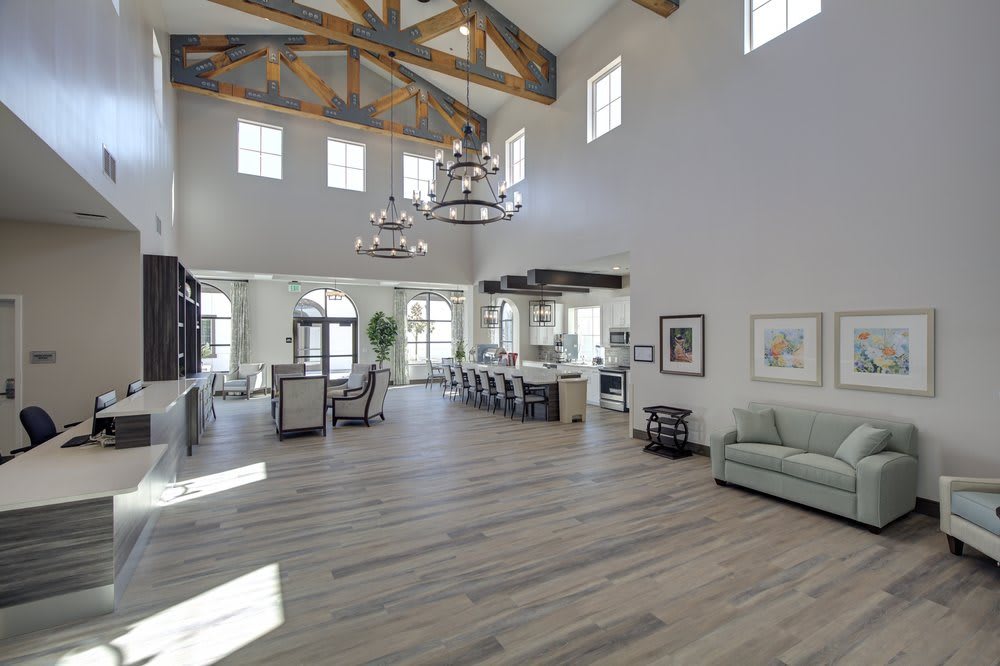
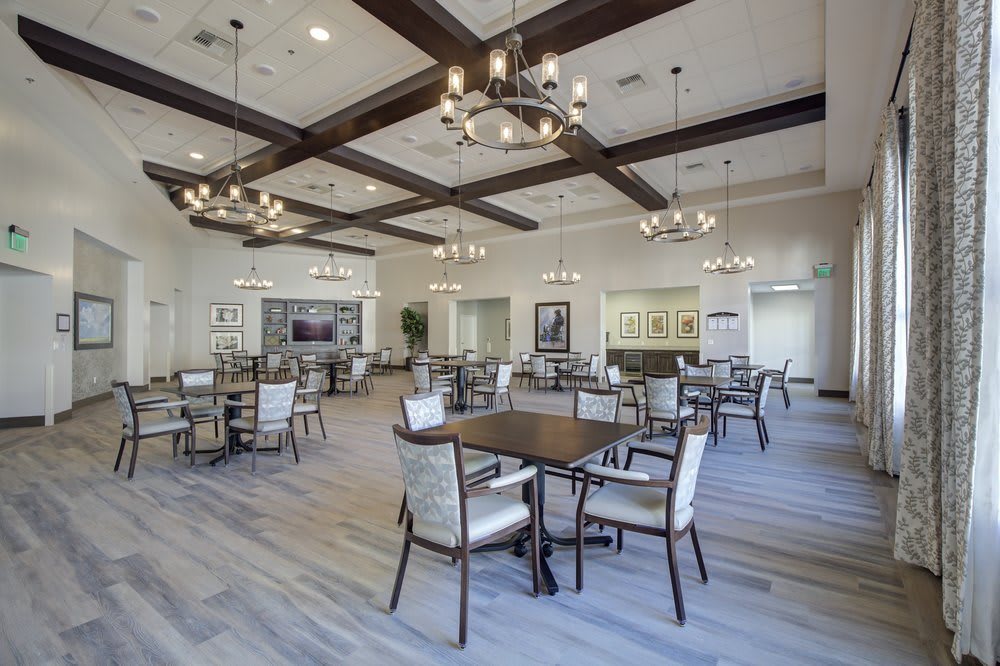
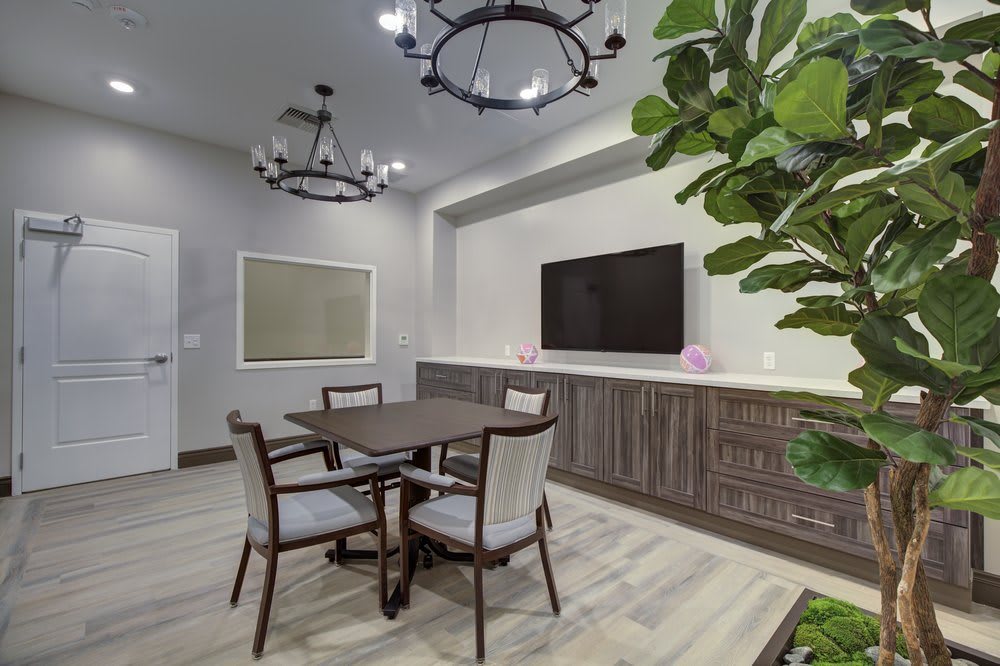
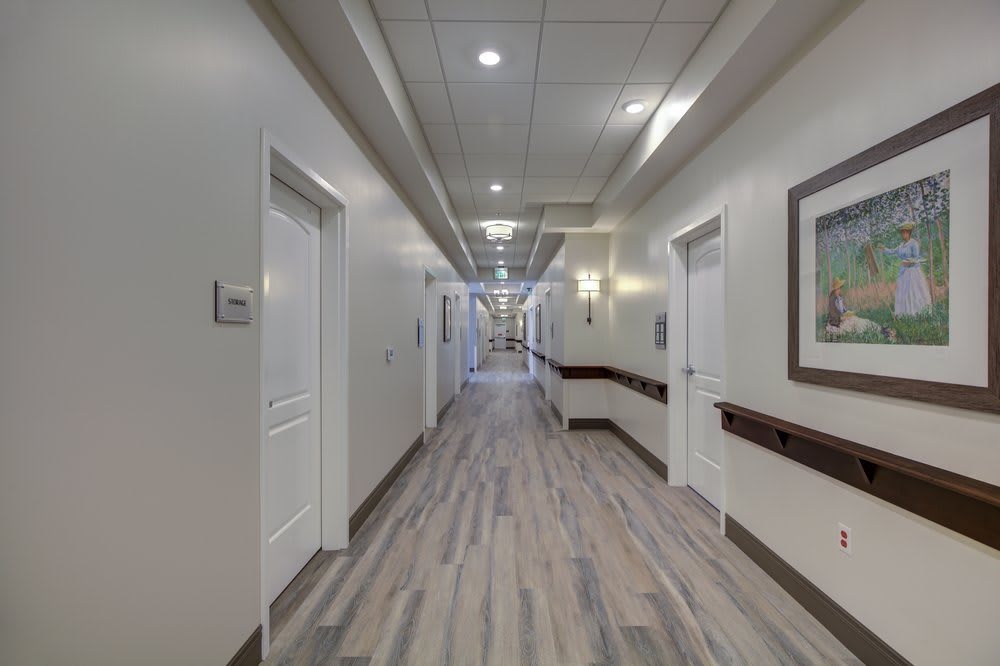
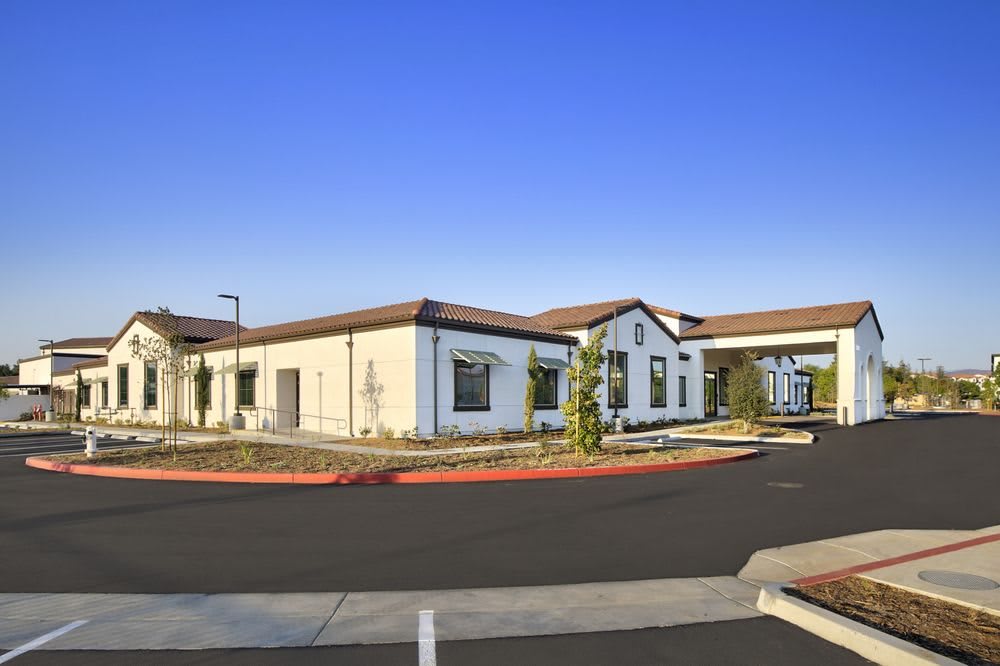
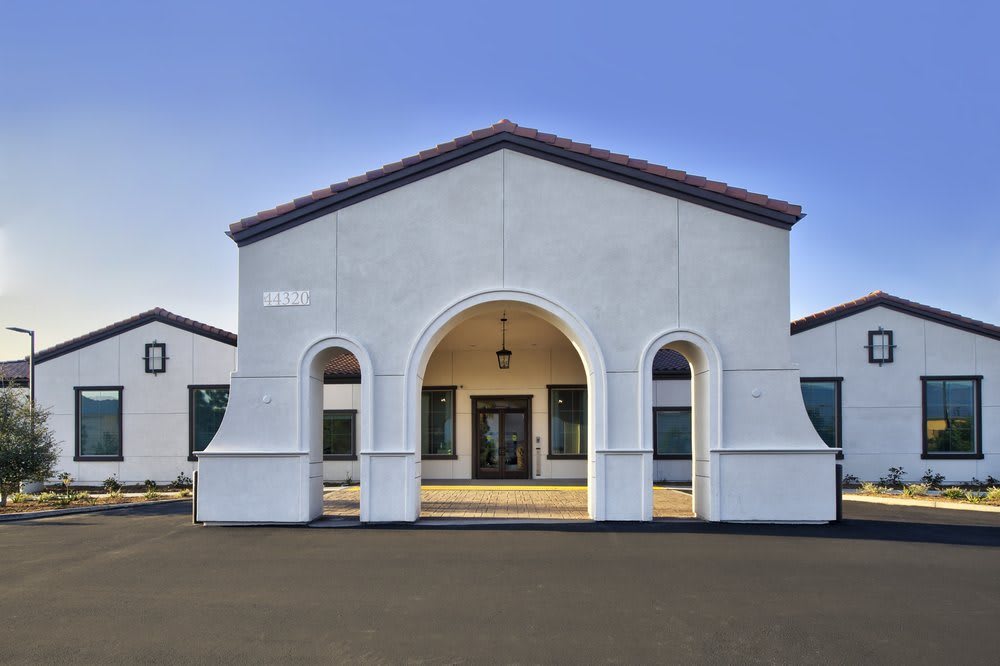
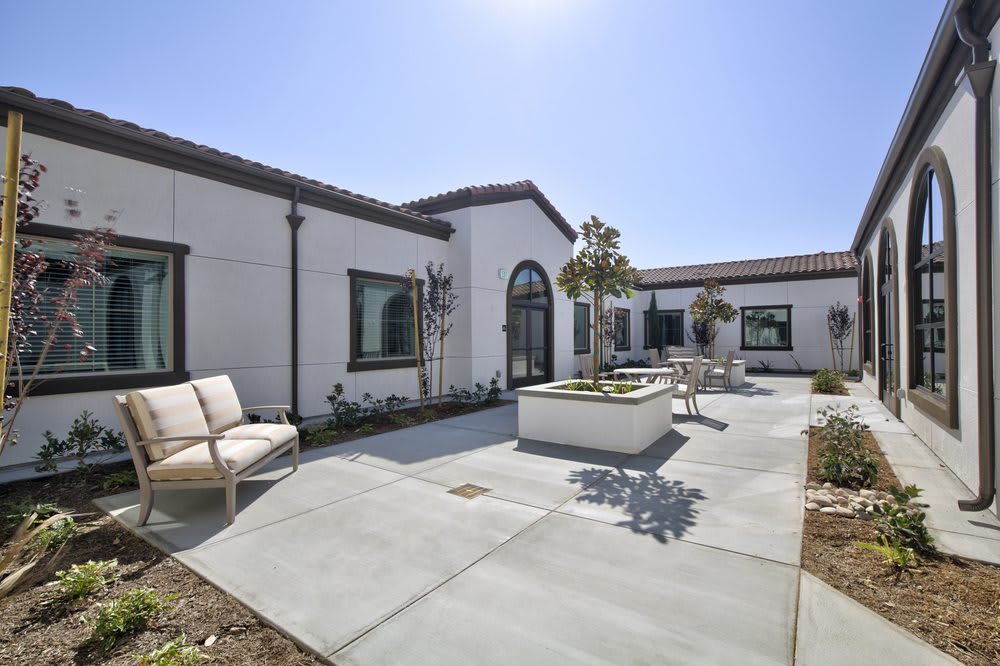
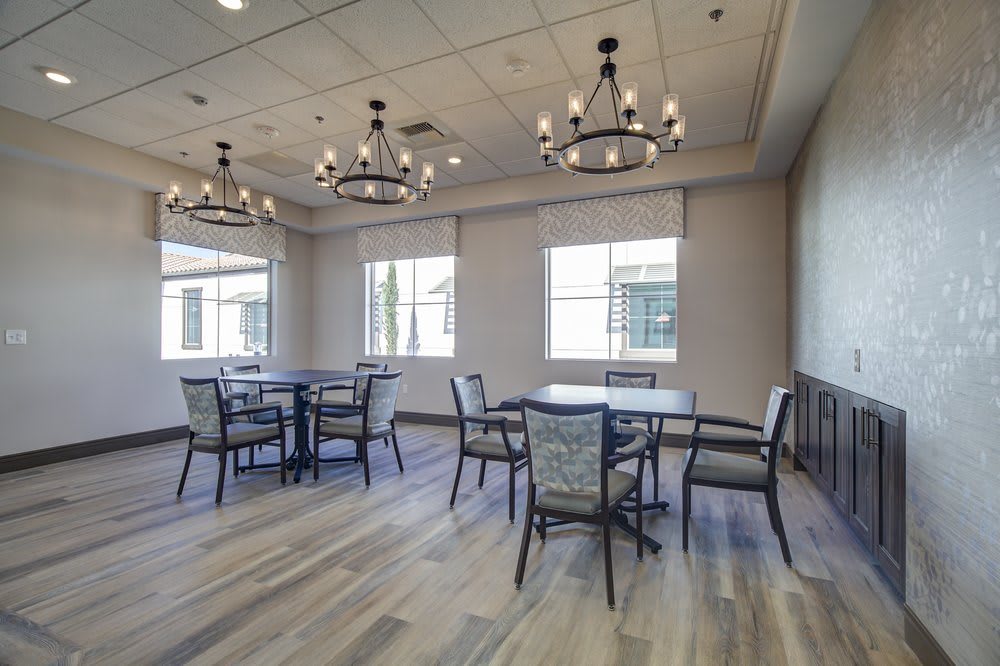
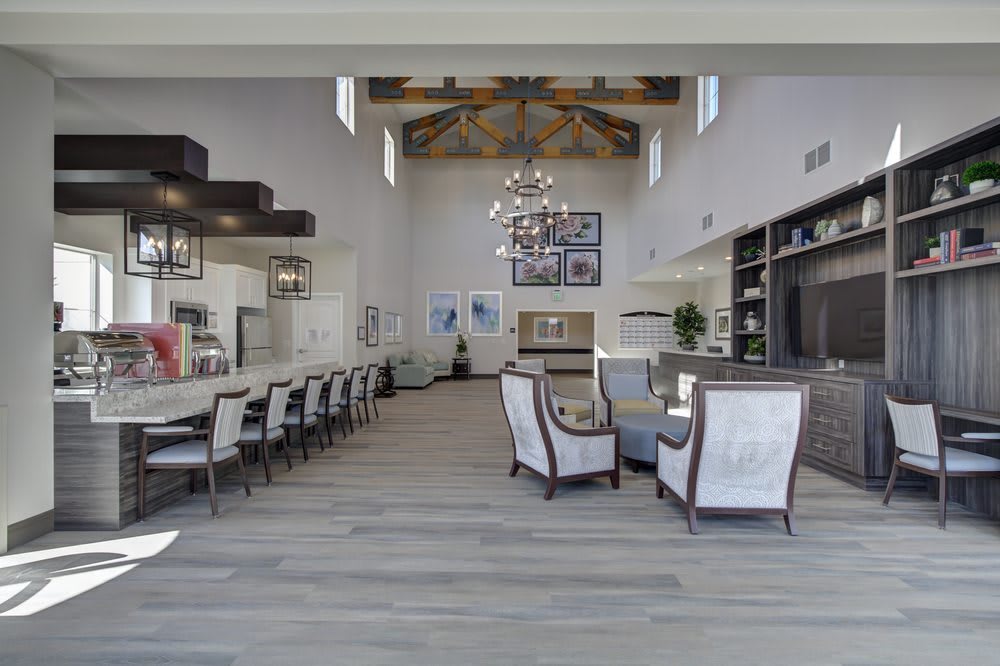
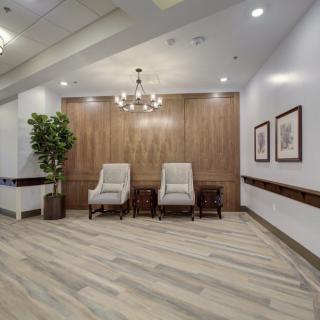
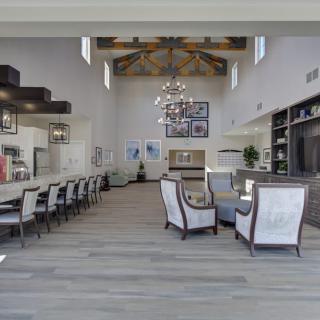
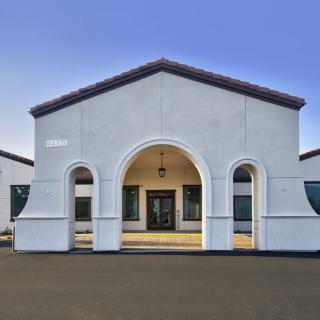
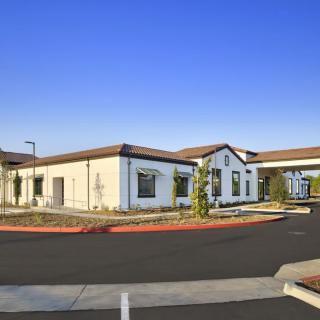
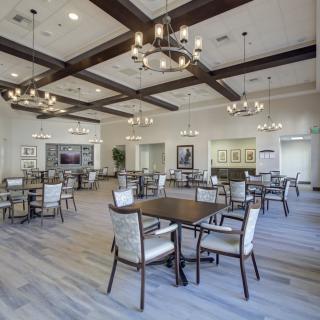
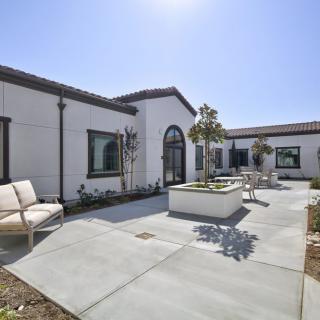
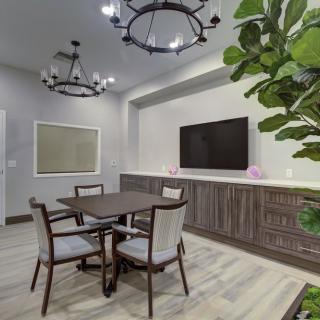
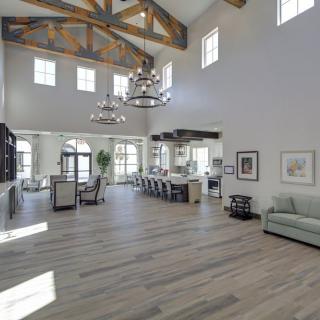
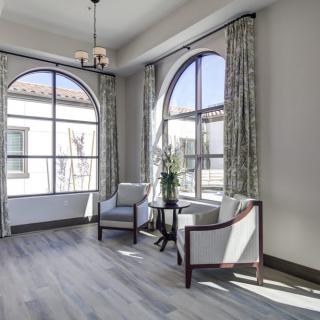
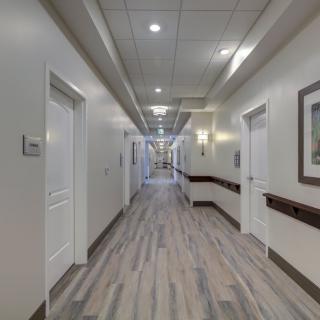
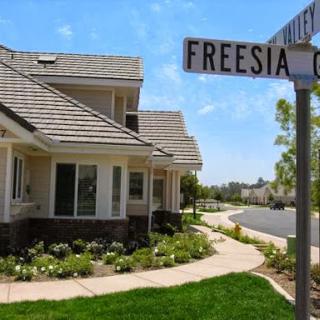
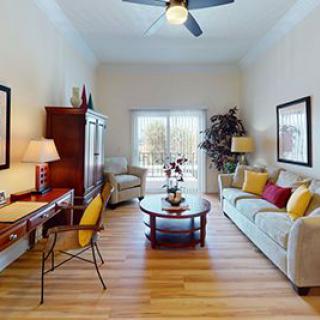
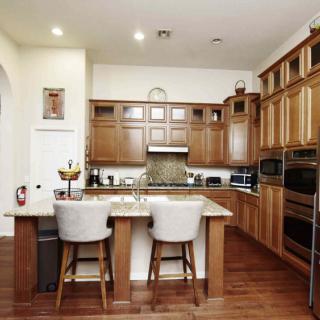
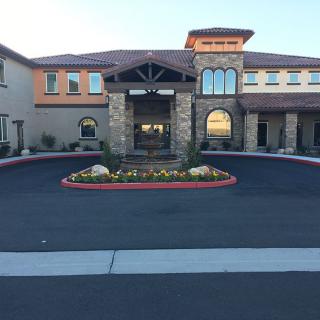
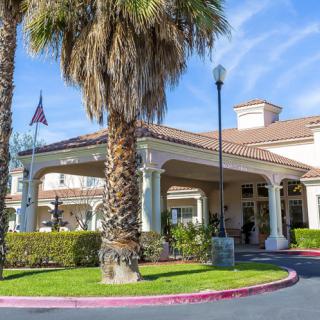
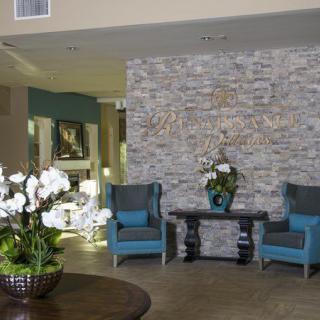
Temecula Memory Care on seniors.fyi includes 13 photos including images showing interior, chandelier, dining, living room, windows, high ceiling, open space, building, and more.
Nearby Communities
Agape Senior Care
Temecula, CA
5 from 15 reviews
Small, personalized board-and-care with comprehensive care services, meals, transportation to medical appointments, and engaging activities.
The Hills Of Alcoba
Temecula, CA
5 from 2 reviews
Intimate 6-bed board-and-care with 24-hour supervision and comprehensive daily living support.
The Hills of Alcoba I
Temecula, CA
4.3 from 8 reviews
$2,800 to $3,500 / month
Clean, well-maintained environment with attentive staff and healthy meals.
Magnolia Elder Care
Temecula, CA
5 from 1 review
Small, intimate community with comprehensive care and amenities.
Blue Skies of Temecula
Temecula, CA
5 from 47 reviews
Fully furnished rooms with move-in coordination, medication management, and engaging daily activities.
Pebble Brook Senior Home Care
Temecula, CA
5 from 42 reviews
$2,800 to $4,000 / month
Intimate, well-maintained home with compassionate staff and strong hospice-oriented care; competitive pricing.
Vineyard Ranch at Temecula
Temecula, CA
4.7 from 138 reviews
$3,195 to $5,295 / month
Friendly, attentive staff in a welcoming, active community with excellent dining.
Sundown syndrome, or sundowning, is a phenomenon in dementia patients characterized by increased confusion and agitation during late afternoon and evening, influenced by factors like disrupted circadian rhythms and fatigue. Effective caregiver strategies include establishing routines and managing environmental light while addressing caregiver stress through support services.
Delirium is a rapidly onset, reversible cognitive disturbance often caused by acute medical issues, while dementia is a gradual and irreversible decline due to chronic neurodegenerative diseases. Accurate differentiation between the two is essential for appropriate treatment and management in older adults.
Dementia, including Alzheimer’s disease, is often mischaracterized in terms of lethality as it leads to complications that can be fatal rather than being a direct cause of death; it causes a progressive decline in cognitive and physical health, making patients vulnerable to infections and other health crises. Effective management of nutrition, hydration, and communication is crucial in patient care, with palliative care becoming vital in advanced stages to enhance comfort and quality of life while caregivers play a key role amidst the challenges posed by the disease.
Get PricingAsk A QuestionSchedule A TourContact Senior Advisor
By clicking submit, you agree to our Partner's Terms of Use. You
also consent to receive calls and texts, which may be autodialed, from our Partner. Your consent is not a condition to
using our Partner's service. Please visit our Partner's Privacy Policy for information about their privacy practices.




 64 resident community capacity
 Memory Care
 Skilled Nursing Facility
 Activities off-site
 Air-conditioning
 Beautician on-site
 Cable or satellite TV
 Computer center
 Devotional services on-site
 Dining room
 Fitness room
 Fully furnished
 Gaming room
 Garden
 Ground floor units
 Handicap accessible
 Housekeeping services
 Indoor common areas
 Kitchenette
 Move-in coordination
 Outdoor common areas
 Private bathrooms
 Respite or short term stays offered
 Restaurant-style dining
 Small library
 Telephone
 Wellness center
 Wheelchair accessible showers
 Wi-Fi/high-speed internet available
 Community operated transportation
 12-16 hour nursing
 24-hour call system
 Assistance with bathing
 Assistance with dressing
 Assistance with transfers
 Diabetes diet
 Diabetic care
 High acuity care
 Incontinence care
 Medication management
 Mental wellness program
 Special dietary restrictions
 Art classes
 Concierge services
 Cooking classes
 Day trips and outings
 Educational speakers / life long learning
 Karaoke
 Live dance or theater performances
 Live musical performances
 Small, personalized board-and-care with comprehensive care services, meals, transportation to medical appointments, and engaging activities.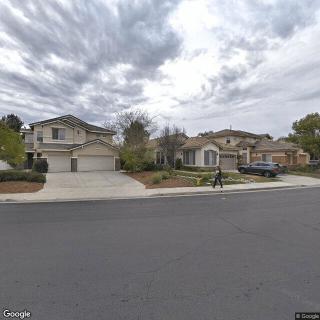
 Comprehending Evening Confusion in Dementia: Causes, Manifestations, and Support
 Delirium and Dementia: Unraveling the Key Differences
 Are Dementia and Alzheimer's Disease Lethal? A Comprehensive Exploration