
43919 Alencon Ct., Temecula, CA 92592
For more information about senior living options: (866) 208-4318

Overall Review of Agape Senior Care
Pros
 Angel’s Haven Care in Temecula is a truly exceptional residential assisted living home where compassion meets professionalism.
- The caregivers are kind, patient, and genuinely dedicated to residents’ comfort and dignity.
- The home feels peaceful, organized, and full of warmth.
- The team provides a high level of care and attention, making Angel’s Haven Care one of the best options in Temecula.
- The staff is thoughtful and family-oriented.
- The home is clean, and residents are treated with kindness and respect.
- The Temecula location is exceptional—clean, welcoming, and well maintained.
- The facility provides peace of mind, security, and trust for families seeking care.
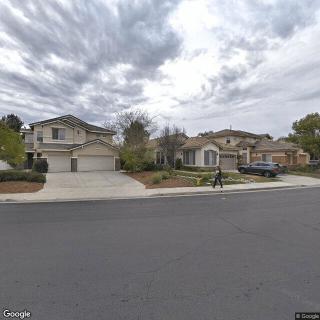
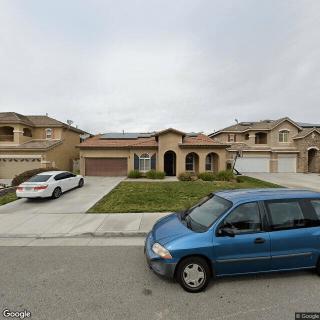
- The Temecula branch offers a beautiful, well-kept home with an inviting feel.
- Angel’s Haven Care is a gem—well-maintained with a comforting, homey atmosphere.
- The staff are friendly, professional, and dedicated to quality care.
- The staff goes above and beyond to ensure residents’ comfort and happiness.
Cons
 The grandmother was not convinced and did not like that the caretakers were very impersonal.
- One resident mentioned that he was not very happy there, though he had no other choice.
Review
Agape Senior Care in Temecula is best suited for families seeking a warm, intimate residential assisted living where daily care feels personal, not clinical. This community excels when the aim is compassionate, consistent attention that preserves dignity and a home-like atmosphere. Residents benefit from peaceful, well-organized spaces and staff who know them by name, creating predictable routines that reduce anxiety for seniors and their families. It is especially well-suited for those who want meaningful engagement and a strong sense of belonging in a small, carefully managed setting rather than a large, impersonal campus.
Those with significant medical needs or a demand for an expansive program may want to consider alternatives. Reviews describe a deeply caring, family-style environment, but the smaller footprint can limit access to on-site specialists, advanced therapy options, or a broad activity calendar. For seniors requiring frequent skilled nursing, complex memory-care protocols, or rapid response from clinicians around the clock, a larger facility with more clinical infrastructure may provide greater reassurance. Similarly, families seeking a wide variety of social outings and dining venues may find fewer choices in a residential home.
Positive features, kind, patient caregivers; a clean, calm, home-like setting; and a culture that feels like an extended family, translate into real advantages. Residents are tended to with dignity, daily routines are predictable, and families gain confidence from proactive communication and visible attentiveness. The main trade-off is scale: with a smaller operation, formal programs and immediate access to specialized medical staff may be more limited. For many families, however, those traits cancel out potential drawbacks because trust, warmth, and dependable care matter more than size.
Cleanliness and thoughtful maintenance stand out in the reviews, reinforcing trust that residents are treated with respect. The staff is described as genuinely caring, going above and beyond to ensure comfort and happiness. This level of attentiveness reduces the stress of transitions, supports daily living tasks, and makes personal care, mobility assistance, and routine check-ins seem seamless. Clear, ongoing communication with families is another strong point, lowering uncertainty and helping care planning stay aligned with evolving needs.
Practical evaluation should center on observed interactions, care planning involvement, and the reliability of routine services. Prospective families should verify medication management practices, emergency procedures, and night-time coverage. They should assess whether the environment supports independence while providing necessary support and whether the staff-to-resident ratio feels sufficient for real-time assistance. It is also wise to compare this option with larger campuses in terms of memory-care capabilities, access to allied professionals, and the opportunity for social engagement outside the home-like setting.
Bottom line: for seniors who value warmth, trust, and a hands-on, family-first approach to daily living, this Temecula option offers a compelling fit. The standout pros, the compassionate, dependable staff, immaculate yet cozy spaces, and transparent communication, often outweigh the limitations inherent in smaller, residential settings. Those with higher medical needs or a demand for a broader program slate should consider alternatives. A decisive path involves a direct tour, conversations with current families, and specific inquiries about staffing ratios, memory-care capabilities, and care-planning processes to ensure alignment with the loved one’s trajectory.
 6 resident community capacity
 Assisted Living
 Board and Care Home
 Cable or satellite TV
 Dining room
 Fully furnished
 Garden
 Housekeeping services
 Move-in coordination
 Outdoor space
 Telephone
 Wi-Fi/high-speed internet available
 24-hour supervision
 Activities of daily living assistance
 Assistance with bathing
 Assistance with dressing
 Assistance with transfers
 Diabetes diet
 Meal preparation and service
 Medication management
 Special dietary restrictions
 Transportation arrangement (medical)
 Transportation to doctors appointments



 Senior Transition Services: Understanding Their Role, Cost, and Importance
 Exploring the Path to Senior Living: A Comprehensive Look at Independent Living and Assisted Living
 Is Assisted Living Deductible on Your Taxes? Understanding the Complexities of Assisted Living Expenses and Deductions