Renaissance Village Murrieta offers a range of accommodation options with competitive pricing when compared to both Riverside County and the broader California market. For a studio, residents can expect to pay $3,395, which is notably lower than the county average of $3,559 and significantly less than the statewide average of $4,145. Semi-private rooms are priced at $4,295, which is higher than the county's rate of $2,844 but still aligns closely with the state's average of $3,333. One-bedroom accommodations are available for $4,695 - a rate that surpasses both Riverside County's average ($3,611) and California's ($4,340), reflecting unique amenities or services that may be included. Finally, two-bedroom units are listed at $5,400; while this exceeds the county's average ($3,614), it remains competitive against California's state average of $5,270. Overall, Renaissance Village Murrieta provides a balance of affordability and quality in a desirable location.
Floor plans
Renaissance Village Murrieta
Riverside County
California
Studio
$3,395
$3,559
$4,145
Semi-Private
$4,295
$2,844
$3,333
1 Bedroom
$4,695
$3,611
$4,340
2 Bedrooms
$5,400
$3,614
$5,270
Memory care communities with a similar price nearby
Residents and families repeatedly describe staff as kind, helpful, and responsive.
Across reviews, families and residents describe staff who treat people with dignity and compassion and who take time to answer questions. Multiple comments also mention strong communication, with updates that help families feel confident. There are also a few concerns about specific management and nurse transitions in the memory care area, including frustration with how concerns were handled.
common
Activities keep residents engaged
Reviews frequently point to daily activities that help residents stay social.
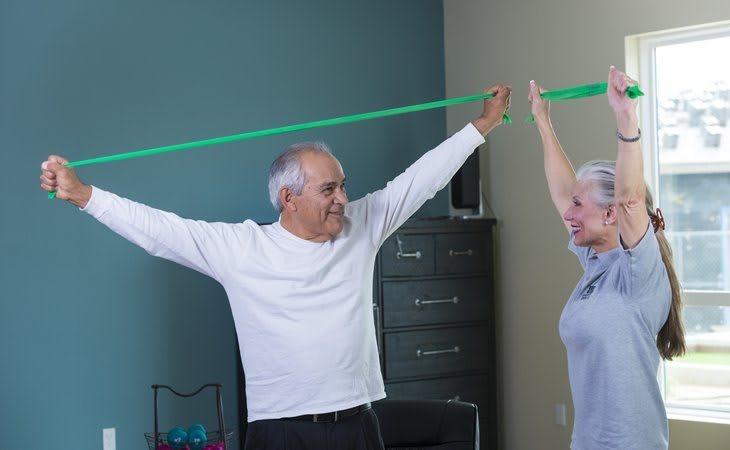
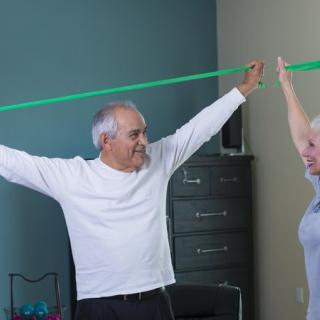
Many reviews describe a steady schedule of activities and opportunities to get out of the room, including group games, music, exercise, and outings. Several tours mention residents participating during the visit, while others say the community felt quieter or emptier at the time they stopped by. Residents also mention things like happy hour and entertainment, and at least one person notes how PT sessions are part of the daily routine.
common
Clean, well-kept spaces are a theme
A clean, well-maintained building and common areas show up often in reviews.
Reviewers commonly mention the community looks clean, fresh, and well cared for, including maintained outdoor spaces and orderly layouts. Some people also describe the atmosphere as comfortable and welcoming, while a smaller set of reviews say it felt sterile or lacked people present during their tour. A few reviews also criticize specific issues tied to the facility experience, but cleanliness itself is repeatedly highlighted.
caveat
Dining quality draws mixed reactions
Dining is a frequent point of praise, but several reviews raise concerns.
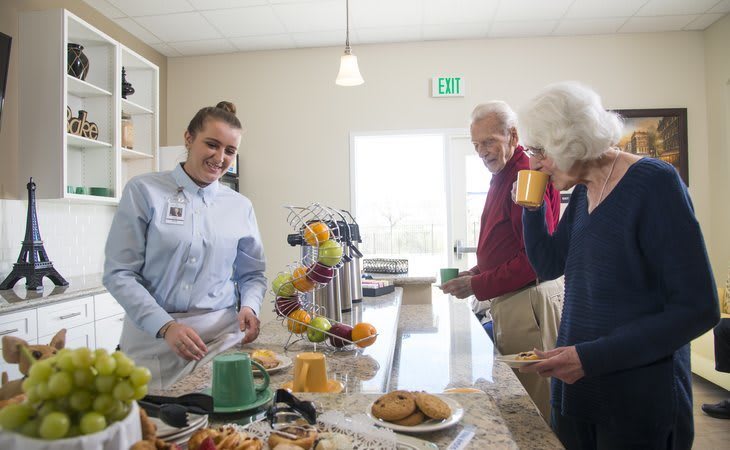
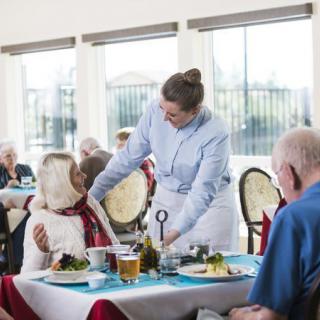
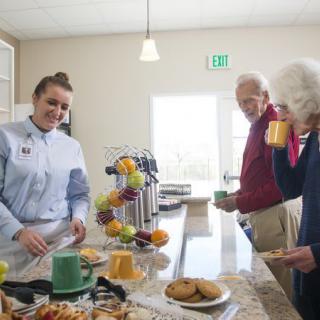
Many reviews describe the food as good, enjoyable, and served in a restaurant-style or flexible way, including snacks and room service options residents can use. Others say dining needs improvement, with complaints ranging from lack of variety to meals tasting bland or being low quality. There are also mentions of service experience issues and concerns about plastic or disposable serving materials.
caveat
Pricing feels high versus alternatives
Multiple reviewers characterize the cost as expensive or not cost-effective.
Several reviews explicitly call the community expensive or question value for the money, including concerns tied to high care pricing. A few reviews balance that by saying they feel the value is good or that pricing is comparable to other options. Taken together, the pricing experience seems to vary by unit and by how much care the resident required.
differentiator
On-site therapy and memory care
Residents and families describe therapy and memory-care support as part of daily care.
Reviews commonly mention on-site physical and occupational therapy, and at least one resident experience describes getting PT every day. Families also describe moving loved ones through different care stages, including assisted living and memory care, and some note nurse support and the ability to reach care staff. A minority of reviews raise staffing or leadership concerns in the memory care setting, including worries about whether needs were being met consistently.
How we summarize
We summarize when many written reviews mention each theme; a review can touch several themes, and only frequently mentioned themes are displayed.
Features
Housing
166 resident community capacity
1-bedroom apartments
2-bedroom apartments
Studio apartments
Types of Care
Assisted Living
Independent Living
Memory Care
Pets
Cats allowed
Dogs allowed
Amenities
Activities on-site
Air-conditioning
Beautician on-site
Beauty salon
Cable or satellite TV
Cafe
Computer center
Continuing learning programs
Devotional services off-site
Devotional services on-site
Dining room
Family education and support services
Family private dining rooms
Financing advice
Fitness room
Fully furnished
Gaming room
Garden
Ground floor units
Guest parking
Handicap accessible
Housekeeping services
Indoor common areas
Kitchenette
Laundry
Located close to restaurants
Located close to shopping centers
Move-in coordination
Outdoor common areas
Outdoor patio
Outdoor space
Party space
Pet friendly
Private bathrooms
Resident parking
Respite or short term stays offered
Restaurant-style dining
Small library
Telephone
VA Benefits Consultation
Wellness center
Wheelchair accessible showers
Wi-Fi/high-speed internet available
Transportation
Community operated transportation
Transportation & parking
Transportation arrangement
Transportation arrangement (non-medical)
Transportation to doctors appointments
Care Services
24-hour call system
24-hour supervision
Accept incoming residents on hospice
Activities of daily living assistance
Ambulatory care
Assistance with bathing
Assistance with dressing
Assistance with transfers
Care with behavioral issues
Coordination with health care providers
Diabetes diet
Diabetic care
Hospice waiver
Incontinence care
Meal preparation and service
Medication management
Mental wellness program
Mild cognitive impairment
Physical therapy
Preventative health screenings
Respite program
Same day assessments
Special dietary restrictions
Specialized memory care programming
Transportation arrangement (medical)
Transportation to doctors appointments
Dining
Diabetes diet
Gluten-free
Guest meals
International cuisine
Kosher
Low / no sodium
Meals provided
No Sugar
Professional chef
Restaurant style dining
Room service
Special dietary restrictions
Vegetarian
Activities
Activities off-site
Art classes
Catholic services
Community-sponsored activities
Concierge services
Day trips and outings
Devotional activities offsite
Devotional activities on-site
Educational speakers / life long learning
Fitness programs
Happy hour
Jewish services
Live musical performances
Planned day trips
Protestant services
Religious services
Resident-run activities
Scheduled daily activities
Visiting Rabbi
Visiting chaplain or priest
Languages Spoken
English
Videos
Nearby Places of Interest
This part of Murrieta, California is a bustling area with convenient access to various amenities. There are several pharmacies nearby for any medical needs, as well as a range of physicians and specialists within close proximity. In terms of dining options, there are popular fast food chains like Chick-Fil-A and McDonald's, as well as local favorites like Richie's Real American Diner. For spiritual needs, there are places of worship such as St Martha Catholic Church and Calvary Chapel Conference Center Murrieta Hot Springs. Outdoor enthusiasts will appreciate the nearby parks like Los Alamos Hills Sports Park and Lake Harveston. Additionally, there are cafes like Starbucks for a quick coffee break and theaters like AMC Temecula 1 for entertainment options. Overall, this area offers a mix of essentials and recreational activities that can cater to a senior living lifestyle.
Pharmacies
Walgreens (0.3 miles)
CVS Pharmacy (0.9 miles)
Walgreens (2.3 miles)
CVS Pharmacy (2.4 miles)
Rite Aid (2.6 miles)
Nufactor (4.2 miles)
Walgreens (4.3 miles)
Physicians
Thomas David Lobue (0.4 miles)
Valley Internal Physicians (0.5 miles)
Becker Pediatrics (0.6 miles)
Inland Empire Gastroenterology (0.6 miles)
Renuance Cosmetic Surgery Center (0.7 miles)
Valley Internal Physicians (1 miles)
Murrieta Optometric (1.4 miles)
Restaurants
Chick-Fil-A (1.1 miles)
McDonald's (1.4 miles)
In-N-Out Burger (1.7 miles)
Richie's Real American Diner (1.9 miles)
The Hat, World Famous Pastrami (2.2 miles)
McDonald's (2.5 miles)
Jack In The Box (2.6 miles)
Places of Worship
St Martha Catholic Church (1.9 miles)
Calvary Chapel Conference Center Murrieta Hot Springs (3.3 miles)
Renaissance Village Murrieta offers a range of accommodation options with competitive pricing when compared to both Riverside County and the broader California market. For a studio, residents can expect to pay $3,395, which is notably lower than the county average of $3,559 and significantly less than the statewide average of $4,145. Semi-private rooms are priced at $4,295, which is higher than the county's rate of $2,844 but still aligns closely with the state's average of $3,333. One-bedroom accommodations are available for $4,695 - a rate that surpasses both Riverside County's average ($3,611) and California's ($4,340), reflecting unique amenities or services that may be included. Finally, two-bedroom units are listed at $5,400; while this exceeds the county's average ($3,614), it remains competitive against California's state average of $5,270. Overall, Renaissance Village Murrieta provides a balance of affordability and quality in a desirable location.
Renaissance Village Murrieta offers a comprehensive array of features designed to enhance the quality of life for residents with dementia or Alzheimer's disease. The 24-hour supervision ensures constant oversight, providing safety and reassurance for both residents and their families. Assistance with activities of daily living--such as bathing, dressing, and transfers--supports independence while addressing the challenges posed by cognitive decline. Care teams are equipped to manage behavioral issues effectively, fostering a calm environment conducive to mental wellness. Coordination with healthcare providers ensures that medical needs are met promptly, while incontinence care is handled sensitively to uphold dignity. Meal preparation and service cater to nutritional requirements, fundamental for overall health. Medication management relieves residents of the complexities associated with treatment regimens, and specialized memory care programming tailored to various stages promotes engagement and cognitive stimulation. Physical therapy aids mobility and strength, while transportation arrangements facilitate access to medical appointments, enhancing continuity of care for those in need. Collectively, these features create an environment that prioritizes not just safety but also emotional well-being for individuals facing memory challenges.
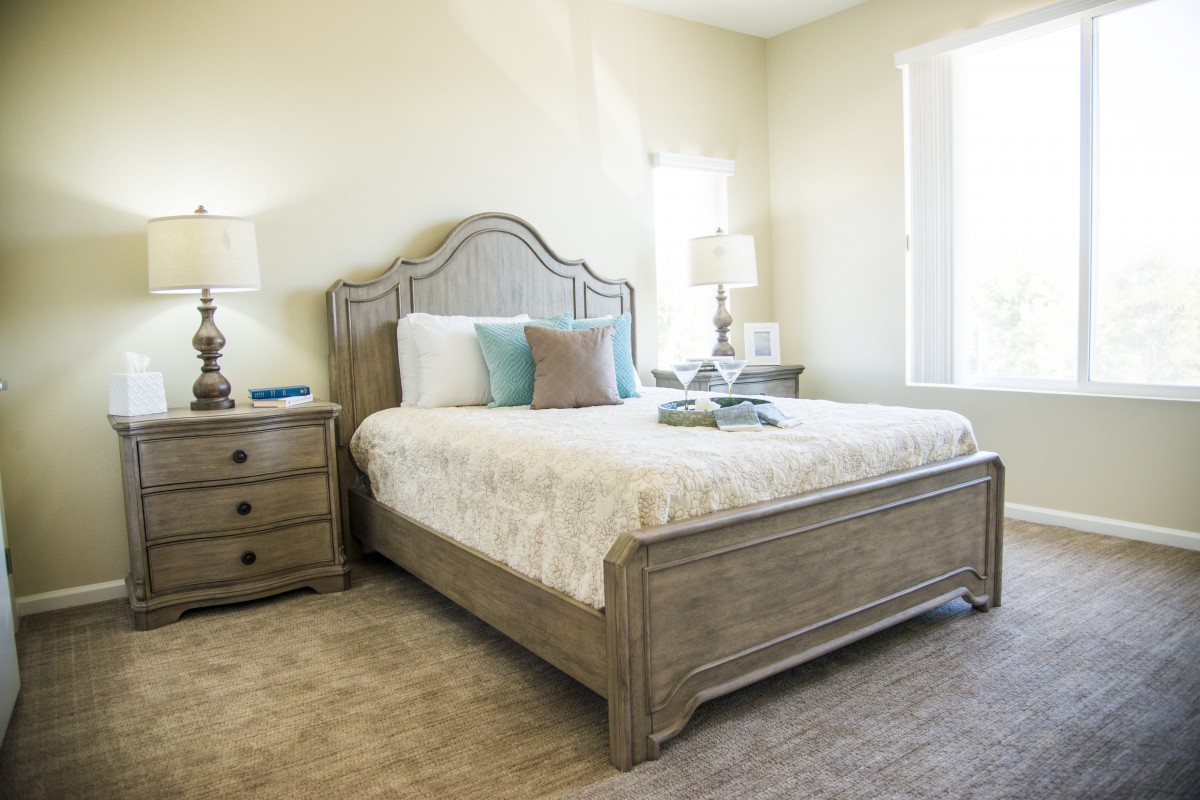
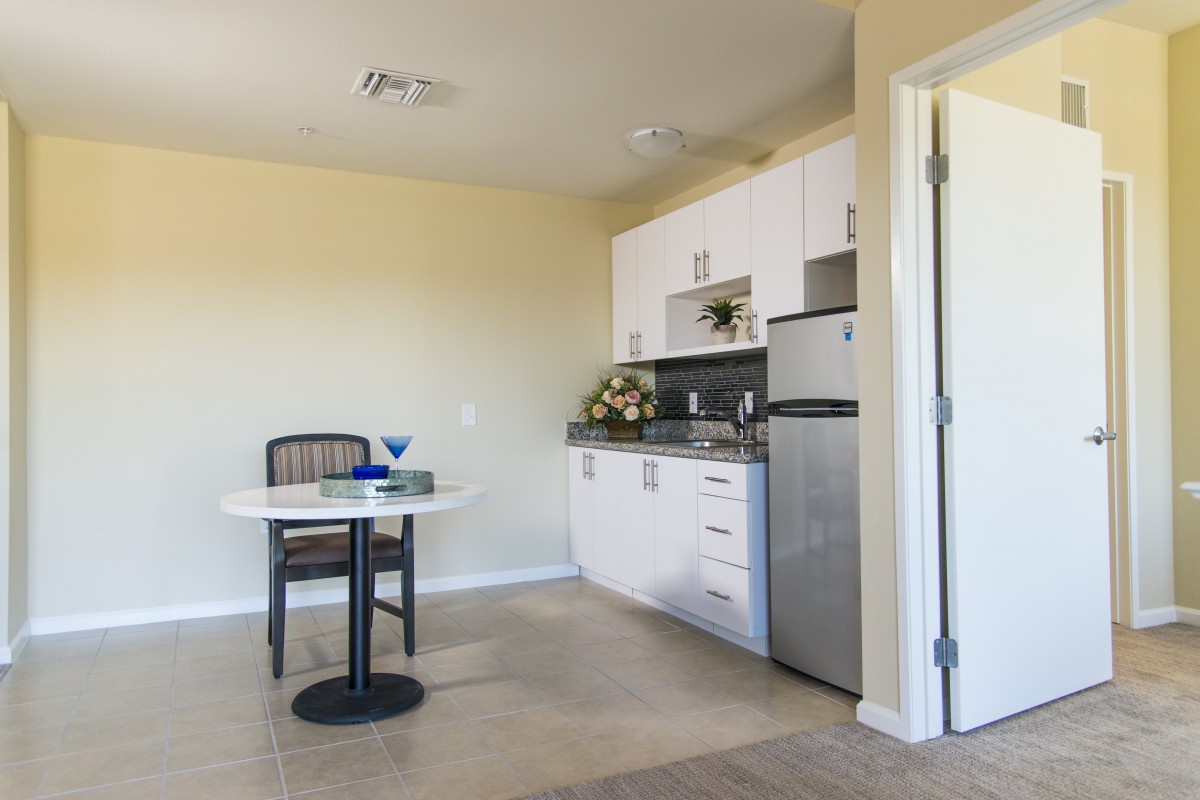
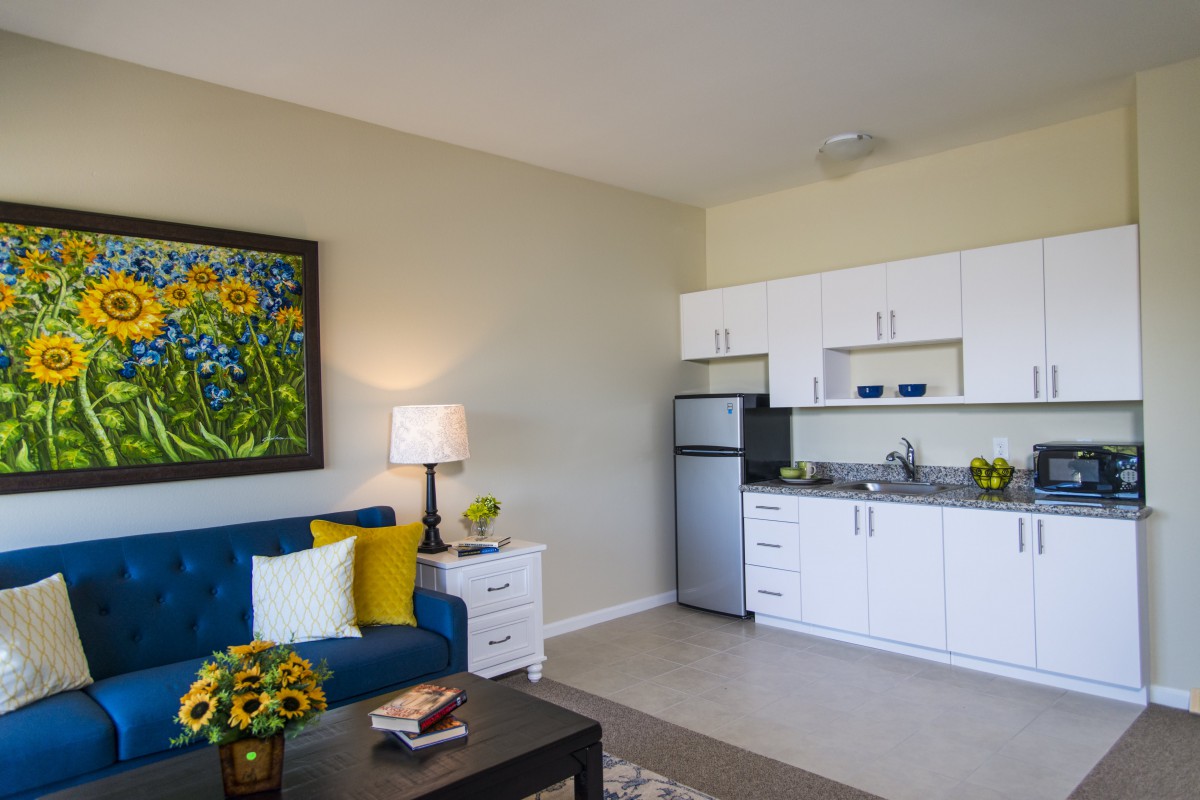
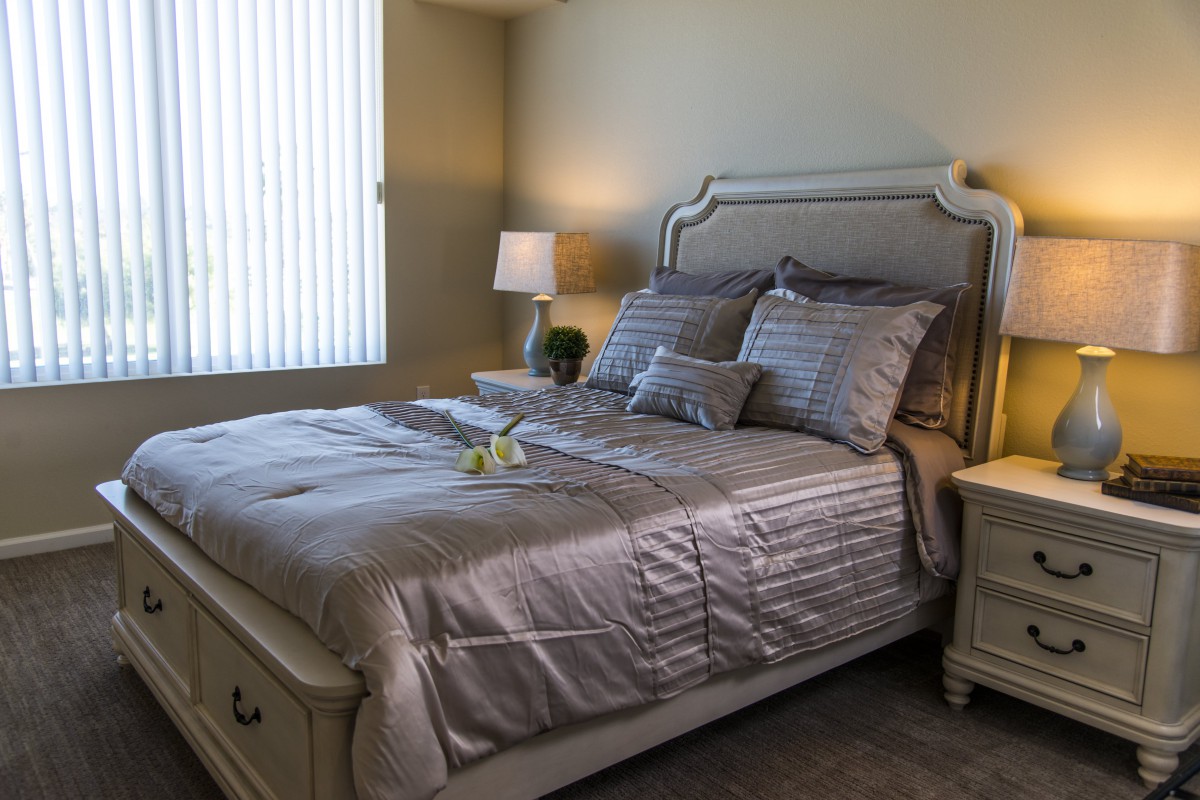
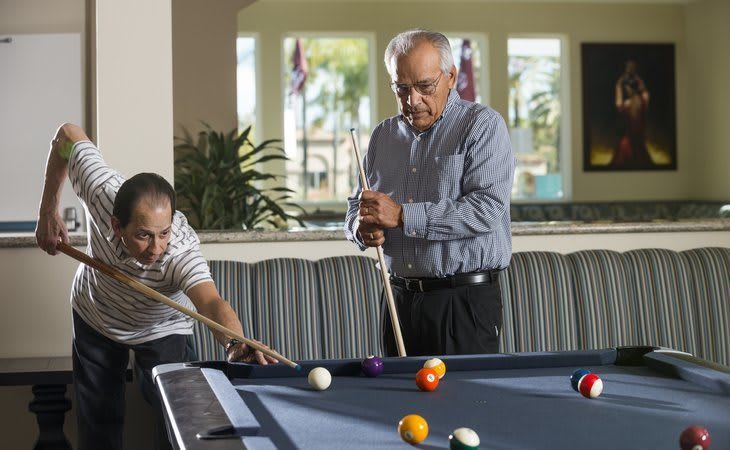
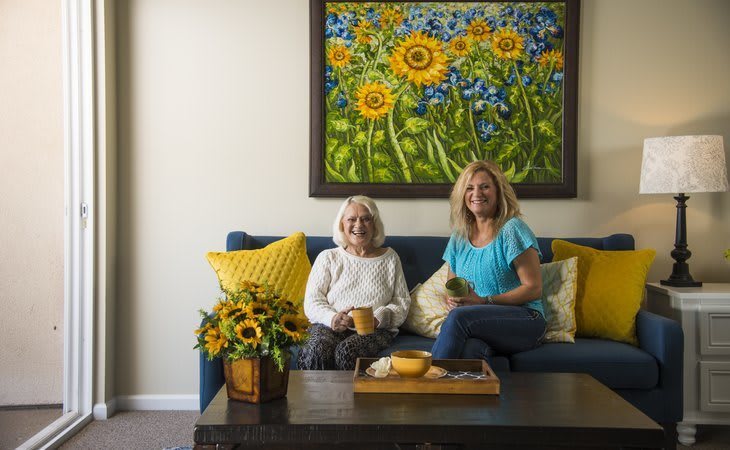
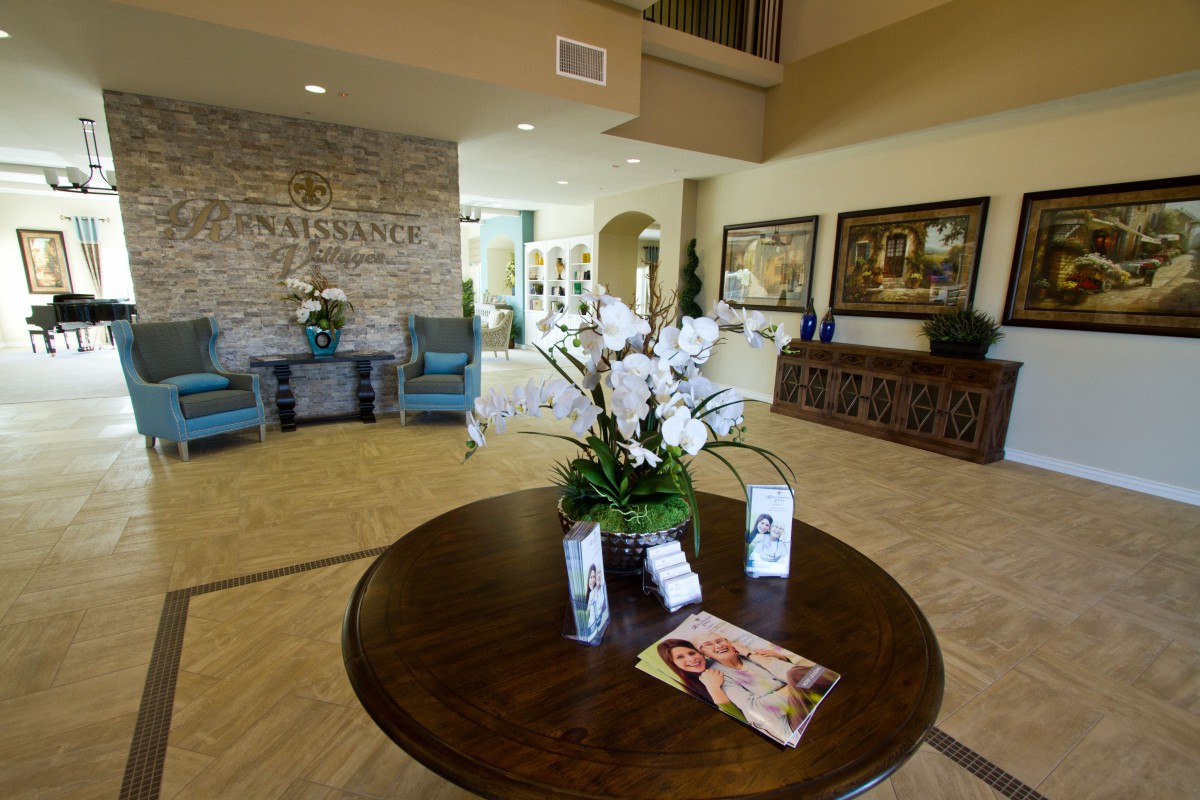
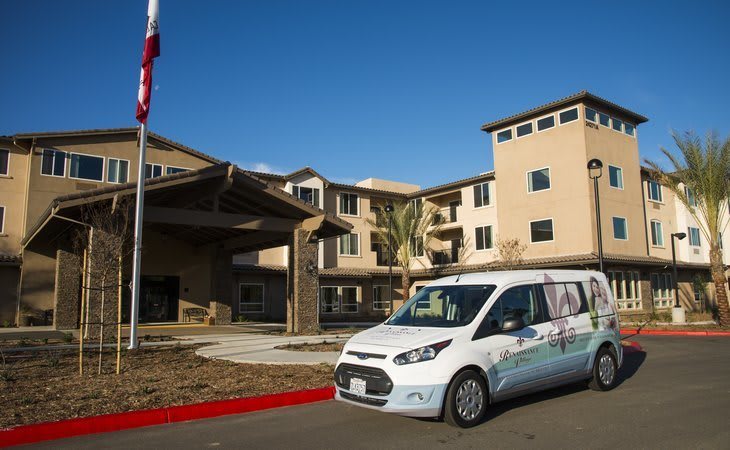
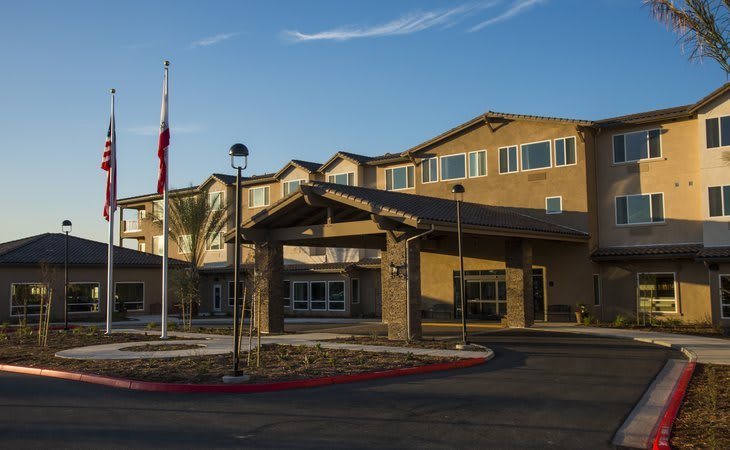
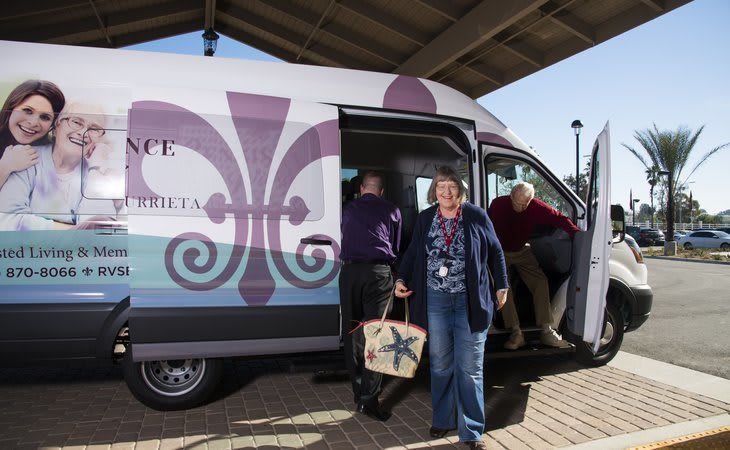
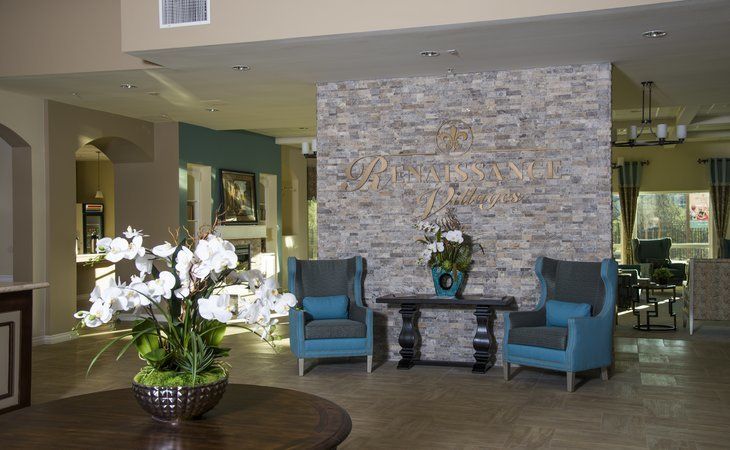
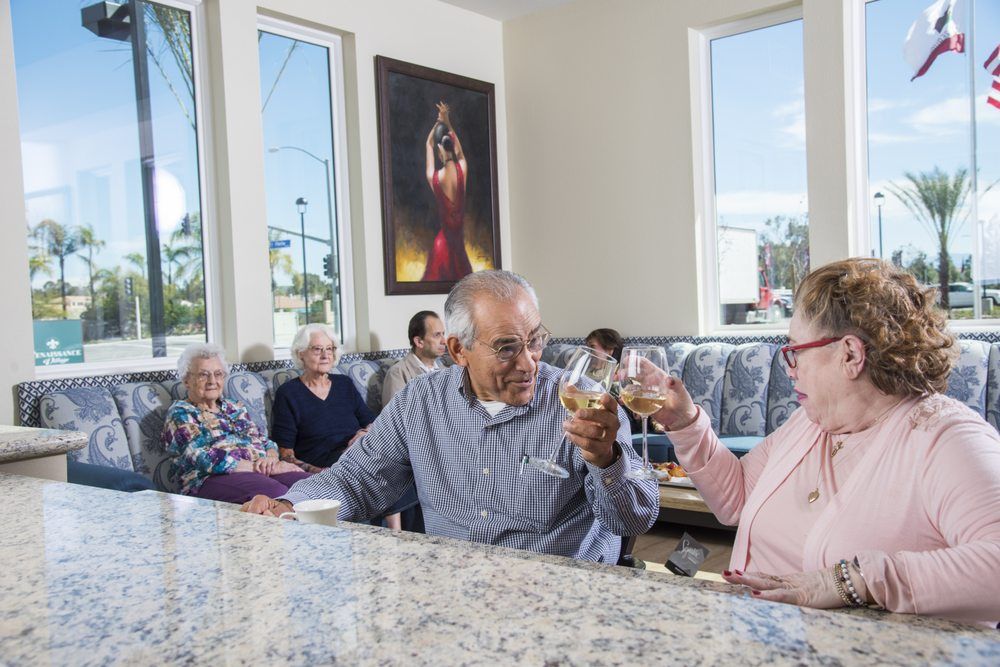
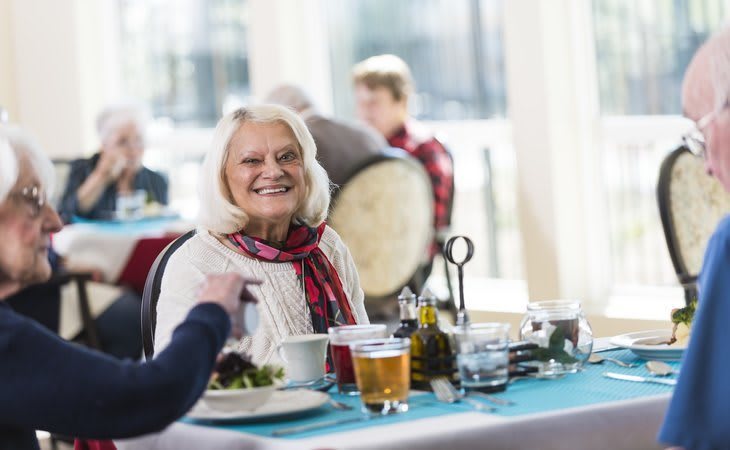
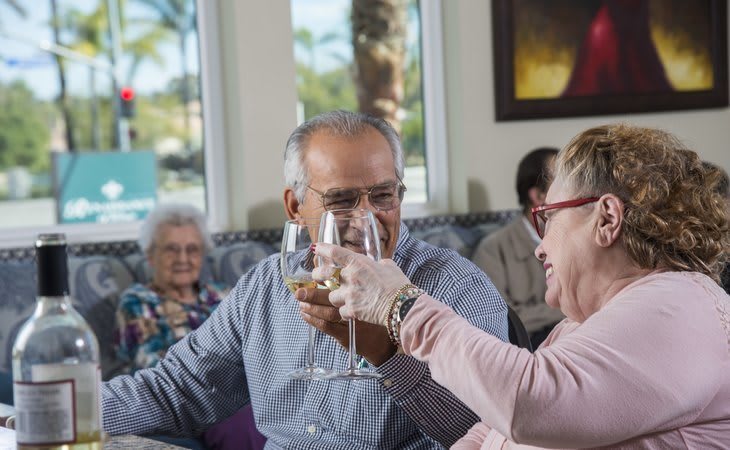
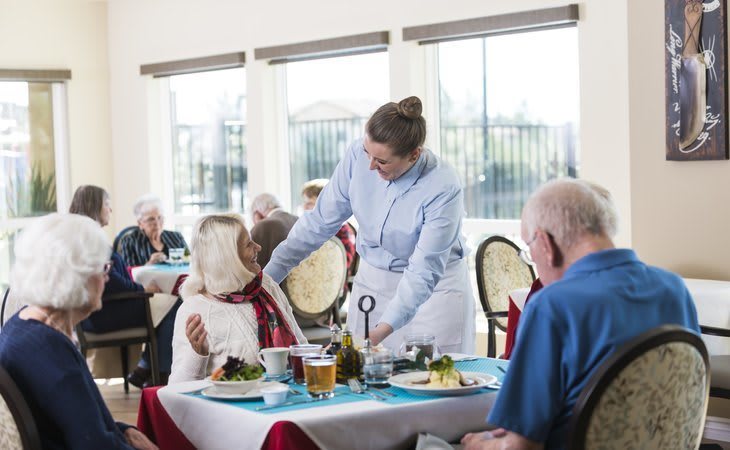
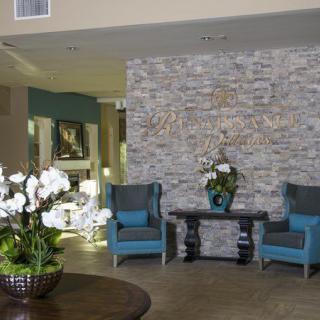
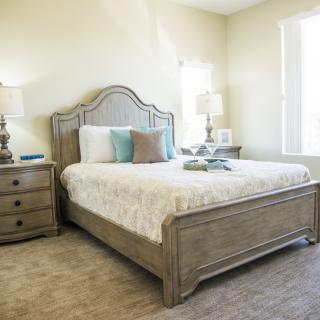
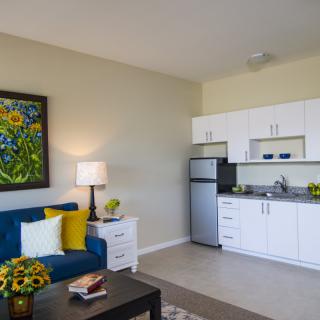
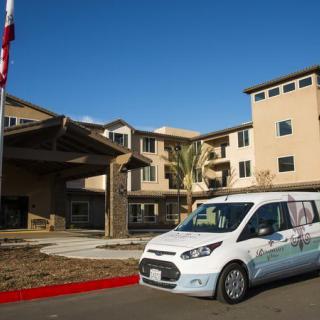
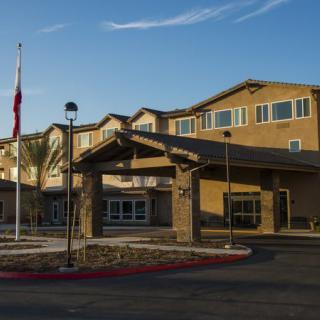
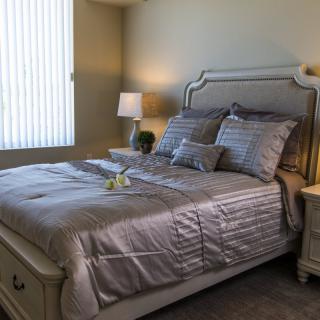
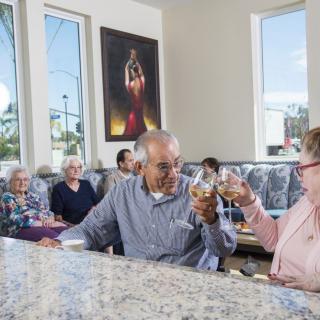
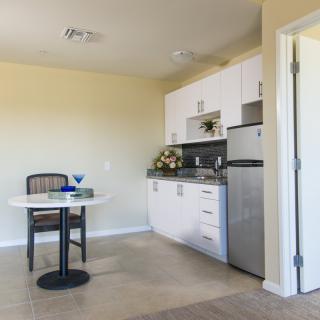
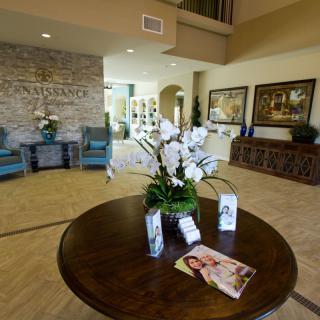
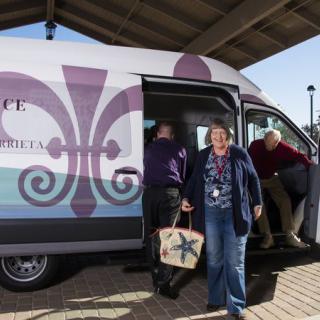
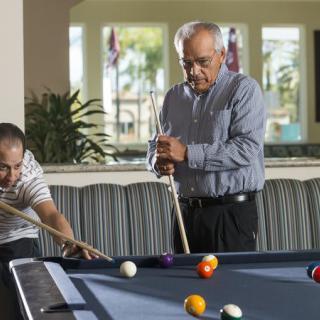
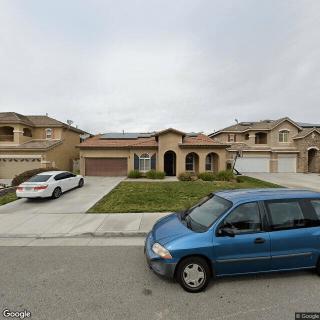
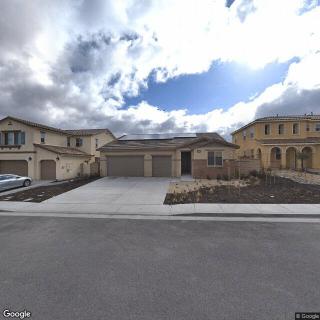
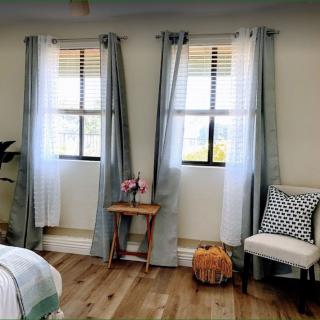
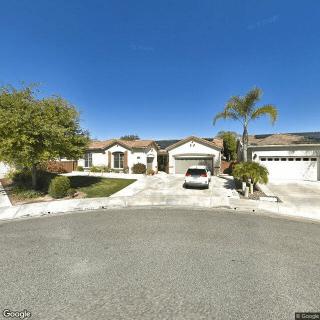
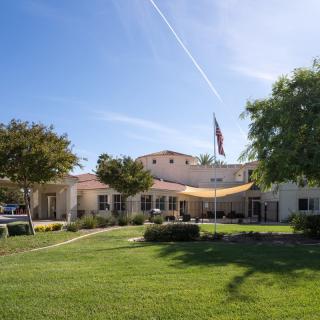
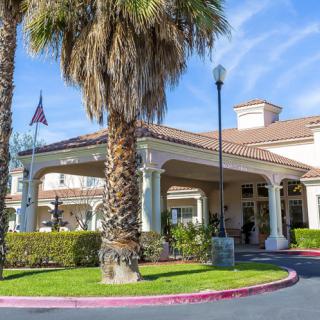
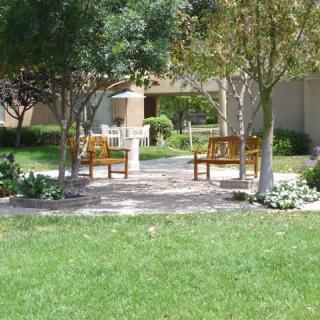
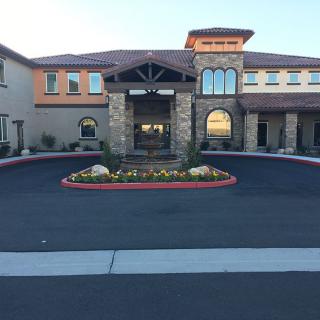
Renaissance Village Murrieta on seniors.fyi includes 18 photos including images showing interior, dining, decor, bedroom, living room, lobby, building, flag, and more.
Nearby Communities
Murrieta Gardens
Murrieta, CA
4 from 56 reviews
$2,050 / month
Small, intimate memory-care community with caring staff and engaging activities.
Murrieta Health And Rehabilitation Center
Murrieta, CA
4.3 from 124 reviews
Clean, comfortable rooms with attentive staff and active rehabilitation.
White's Love & Care Residential Elderly Home II
Murrieta, CA
3.3 from 3 reviews
$2,000 to $2,500 / month
Personalized rooms with residents' own furniture and 24/7 attentive on-site staff.
Murrieta Gardens- Memory Care
Murrieta, CA
4.2 from 104 reviews
$4,850 to $5,850 / month
Compassionate staff with strong family communication and an engaging, activity-filled, clean, home-like environment.
Sundown syndrome, or sundowning, is a phenomenon in dementia patients characterized by increased confusion and agitation during late afternoon and evening, influenced by factors like disrupted circadian rhythms and fatigue. Effective caregiver strategies include establishing routines and managing environmental light while addressing caregiver stress through support services.
Delirium is a rapidly onset, reversible cognitive disturbance often caused by acute medical issues, while dementia is a gradual and irreversible decline due to chronic neurodegenerative diseases. Accurate differentiation between the two is essential for appropriate treatment and management in older adults.
Dementia, including Alzheimer’s disease, is often mischaracterized in terms of lethality as it leads to complications that can be fatal rather than being a direct cause of death; it causes a progressive decline in cognitive and physical health, making patients vulnerable to infections and other health crises. Effective management of nutrition, hydration, and communication is crucial in patient care, with palliative care becoming vital in advanced stages to enhance comfort and quality of life while caregivers play a key role amidst the challenges posed by the disease.
Get PricingAsk A QuestionSchedule A TourContact Senior Advisor
By clicking submit, you agree to our Partner's Terms of Use. You
also consent to receive calls and texts, which may be autodialed, from our Partner. Your consent is not a condition to
using our Partner's service. Please visit our Partner's Privacy Policy for information about their privacy practices.



 166 resident community capacity
 1-bedroom apartments
 Assisted Living
 Independent Living
 Memory Care
 Cats allowed
 Dogs allowed
 Activities on-site
 Air-conditioning
 Beautician on-site
 Cable or satellite TV
 Cafe
Cafe Computer center
 Continuing learning programs
 Devotional services off-site
 Dining room
 Family education and support services
 Financing advice
 Fitness room
 Fully furnished
 Gaming room
 Garden
 Ground floor units
 Guest parking
 Handicap accessible
 Housekeeping services
 Indoor common areas
 Kitchenette
 Laundry
 Located close to restaurants
 Located close to shopping centers
 Move-in coordination
 Outdoor common areas
 Outdoor patio
 Party space
 Pet friendly
 Private bathrooms
 Respite or short term stays offered
 Restaurant-style dining
 Small library
 Telephone
 Wellness center
 Wheelchair accessible showers
 Wi-Fi/high-speed internet available
 Community operated transportation
 24-hour call system
 Accept incoming residents on hospice
 Ambulatory care
 Assistance with bathing
 Assistance with dressing
 Assistance with transfers
 Care with behavioral issues
 Diabetes diet
 Diabetic care
 Incontinence care
 Medication management
 Mental wellness program
 Physical therapy
 Preventative health screenings
 Same day assessments
 Special dietary restrictions
 Transportation arrangement (medical)
 Art classes
 Catholic services
 Concierge services
 Day trips and outings
 Educational speakers / life long learning
 Happy hour
 Jewish services
 Live musical performances
 English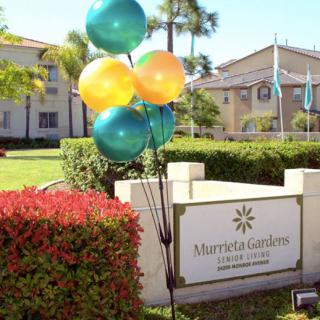
 Small, intimate memory-care community with caring staff and engaging activities.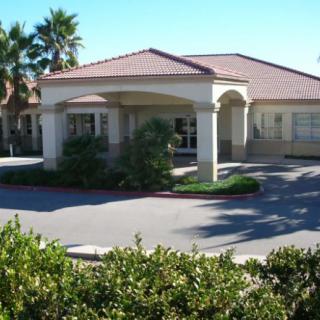
 Comprehending Evening Confusion in Dementia: Causes, Manifestations, and Support
 Delirium and Dementia: Unraveling the Key Differences
 Are Dementia and Alzheimer's Disease Lethal? A Comprehensive Exploration