
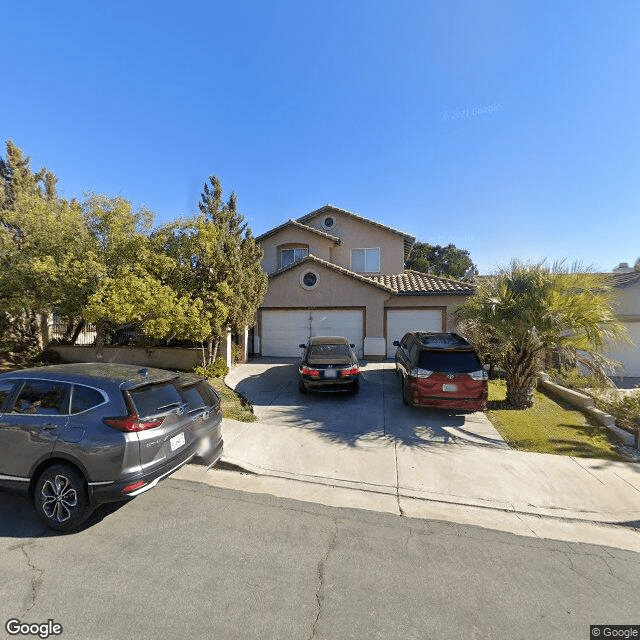
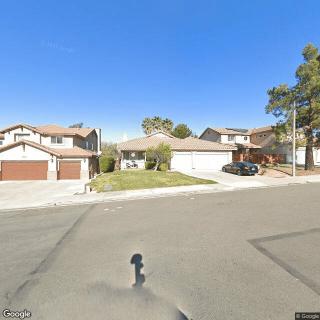
24062 Orleans Lane, Murrieta, CA 92563
To contact a resident: (951) 852-7747
For more information about senior living options: (866) 208-4318
Heritage Residential Care II Costs & Pricing
Heritage Residential Care II offers competitive pricing for its residents when compared to both Riverside County and the broader state of California. For semi-private rooms, Heritage's monthly cost of $2,500 is significantly lower than the county average of $2,844 and the state average of $3,333, making it an attractive option for those seeking affordability without compromising quality. The private room rate at Heritage is set at $3,000, which is also more economical than Riverside County's average of $3,474 and California's statewide average of $3,939. Additionally, their studio accommodations are priced at $4,000 per month, aligning closely with Riverside County's average of $3,559 but still remaining below the state's higher benchmark of $4,145. Overall, Heritage Residential Care II presents a compelling choice for families looking for quality care at reasonable prices in a competitive market.
| Floor plans | Heritage Residential Care II | Riverside County | California |
|---|---|---|---|
| Semi-Private | $2,500 | $2,844 | $3,333 |
| Private | $3,000 | $3,474 | $3,939 |
| Studio | $4,000 | $3,559 | $4,145 |
Memory care communities with a similar price nearby
-
from +$300 / mo
Pebble Brook Senior Home Care
$2,800 to $4,000 / month10.3 miles away -
from +$300 / mo

Bianca's Home Care
$2,800 to $3,400 / month23.7 miles away -
About the same
Golden Horizon Home I
$2,500 to $2,800 / month23.3 miles away -
from -$300 / mo
Diamond Residential Care Facility for the Elderly of Murrieta
$2,200 to $3,500 / month4.4 miles away -
from +$440 / mo
Vineyard Home Care
$2,940 to $4,500 / month6.8 miles away
Overall Review of Heritage Residential Care II
Pros
 The staff are excellent with communication and care.
- The staff are kind to her mom.
- They ensure she never walks by herself and are assisted even if she wants to walk on her own.
- She is happy and likes the home.
- They would recommend this home.
- Meeting the owner and seeing the house conveyed love, and mom was pleased to see they were a Catholic community.
Review
Heritage Residential Care II is best suited for families seeking a small, home-like assisted living experience where staff visibility is continuous and communication is deliberate. The community resonates most with seniors who value a warm, personal atmosphere and a faith-centered environment, specifically a Catholic tone that informs daily routines and social life. In practice, caregivers are present for mobility support, daily needs, and safety checks, ensuring residents are never left to navigate independently when assistance is desired or needed. This combination of intimate setting, responsive staff, and a sense of family care makes it a natural fit for loved ones who thrive on regular reassurance and consistent, respectful interaction.
Alternatives to consider for residents who require more intensive medical management, specialized memory care, or a broader array of services may lie elsewhere. Larger campuses or non-faith-based communities can offer more activities, specialized therapies, or advanced clinical staff. If independence and a wide social calendar are priorities, or if religious alignment is not important, families may want to explore options that match those preferences. The size and focus of Heritage may feel limiting in those scenarios, and the decision should rest on whether the core need is strong, dependable daily support rather than expansive programming.
Key advantages, clear communication, compassionate care, safety-first routines, and a comforting, faith-infused atmosphere, offset potential trade-offs associated with a smaller operation. The intimate setting supports predictable routines, easier advocacy, and quicker responses, which often translate into lower stress for residents and families. The Catholic community adds continuity of values and opportunities for spiritual connection, which can be a decisive factor for many. On the other hand, the same small footprint can limit the breadth of activities, specialized medical personnel, or personalized amenities found in larger facilities. If those elements matter, the offset may tilt toward seeking alternatives.
From family observations, the staff consistently demonstrate excellent communication and attentive, kind care. The care team actively safeguards residents’ mobility, ensuring supervision and assistance during any attempt to walk, reinforcing safety without compromising dignity. Family members report that the resident feels happy and positive about the home, a strong indicator of meaningful everyday life and contentment. The owner’s leadership is perceived as embodying warmth and devotion, reinforcing a sense of being welcomed into a loving, Catholic household rather than a clinical setting. Together, these elements cultivate a dependable, reassuring environment that families can lean on when planning long-term care.
When evaluating Heritage, practical questions should center on: how staff communicate updates and care changes; how mobility and fall-prevention routines are documented; the balance between independence and supervision; the integration of religious services and meals; and what happens on weekends or evenings when needs shift. Clarify the resident-to-staff ratio, daily activity options, availability of transportation for appointments, and how family members can participate in care planning. Finally, confirm alignment with religious preferences and determine whether a faith-based environment aligns with the resident’s values and the family’s goals for dignity, comfort, and continuity of care.
In sum, Heritage Residential Care II offers a compelling match for families prioritizing dependable, communicative staff, safety-forward routines, and a supportive Catholic setting in a small, homelike environment. For those whose loved one requires more intensive medical oversight, memory-care specialization, or a non-religious environment, there are viable alternatives that may better suit those needs. The decision should hinge on whether the core desire is steady daily support delivered with warmth and clear communication, and whether a faith-oriented, intimate setting delivers the peace of mind the family seeks. If so, Heritage stands out as a thoughtful, trustworthy option worth pursuing.
 Board and Care Home
 Memory Care
 Cats allowed
 Dogs allowed
 Private
 Diabetic care
 Incontinence care


 Delving into the Inner World of Dementia: Insights into Thoughts and Awareness
 Five Subtle Dementia Indicators to Observe: An In-Depth Guide to Understanding “Does My Mom Have Dementia?”
 Dementia, Paranoia, and Caregiver Guidance: Understanding the Connection