

24068 Ristras Lane, Murrieta, CA 92562
For more information about senior living options: (866) 208-4318
White's Love & Care Residential Elderly Home II Costs & Pricing
White's Love & Care Residential Elderly Home II offers competitively priced living options for seniors, particularly when compared to the broader market in Riverside County and the state of California. For a semi-private room, residents at this facility pay $2,000 per month, significantly lower than the county average of $2,844 and even more so compared to California's average of $3,333. Those opting for a private room will also find value, as the monthly cost stands at $2,500 - again well below Riverside County's average of $3,474 and California's statewide average of $3,939. This pricing structure not only underscores White's commitment to affordability but also highlights its goal of providing quality care in a welcoming environment for elderly residents.
| Floor plans | White's Love & Care Residential Elderly Home II | Riverside County | California |
|---|---|---|---|
| Semi-Private | $2,000 | $2,844 | $3,333 |
| Private | $2,500 | $3,474 | $3,939 |
Assisted Living communities with a similar price nearby
-
About the same
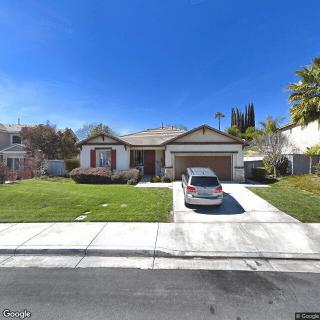
Temeku Hills Assisted Living
$2,000 to $2,800 / month7.1 miles away -
About the same

For His Glory Premium Senior Care Home
$2,000 to $2,800 / month23.3 miles away -
About the same
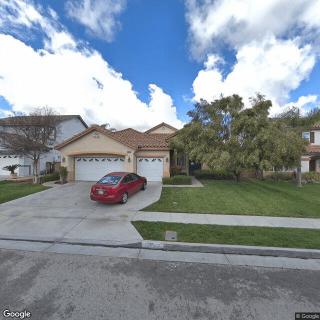
Sarah's Best Life
$2,000 to $2,500 / month4.7 miles away -
from +$250 / mo
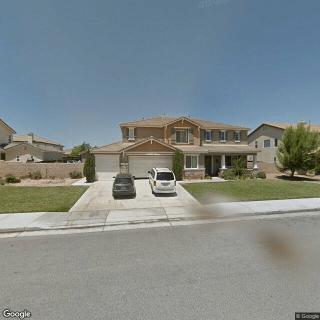
Comfort Senior Villa
$2,250 to $2,600 / month5.8 miles away -
About the same

Maisey's Guest Home
$2,000 to $2,400 / month17.5 miles away
Overall Review of White's Love & Care Residential Elderly Home II
Pros
 The family had a great experience at White’s Love and Care.
- Jackie was always kind to their family.
- It felt like another home.
- The staff have been really good to her.
- She is comfortable and happy there.
- Her room is lovely.
- The house is neat and clean; it’s a lovely home.
- The staff are great, and there are always staff on-site 24 hours a day.
Cons
 Horrible lady.
- She wouldn't let some ladies eat because they didn't pay her for them to be there.
- She took advantage of me.
- She did the same thing in hiring me on the spot.
Review
White's Love & Care Residential Elderly Home II in Murrieta is best suited for seniors who thrive in a small, home-like setting where caregivers build close, day-to-day relationships and families want responsive, on-site care in a domestic atmosphere. The residence appeals to those who value feeling at home, the ability to bring familiar furniture, and a warm, individualized approach to daily living. For residents who prioritize comfort, personal attention, and flexibility in meals and routines over a traditional institutional footprint, this community can deliver meaningful peace of mind.
Those weighing alternatives should consider the potential red flags in governance and consistency. A pivotal factor for some families will be the management demonstrated in reviews, with concerns about fairness, pay practices, and how staffing and hiring are handled. While multiple families report positive personal connections and adjustments that feel like home, the negative account underscores the need for cautious evaluation, especially for residents who require steady leadership, predictable policies, and strong accountability from the top.
The solid positives here center on daily life support and a nurturing environment. On-site staff around the clock, a neat and clean home, and the ability to customize rooms by keeping beloved furniture all contribute to resident comfort and continuity. Staff willingness to obtain preferred meals and accommodate individual tastes enhances nutrition and satisfaction, while the home-like setting reduces anxiety for residents who might otherwise feel unsettled in a more clinical setting. These organizational strengths, proximity, accessibility, and personalized service, directly support mood, safety, and overall well-being.
Personal anecdotes reinforce the practical benefits: descriptions of a staff member named Jackie as consistently kind, and reports of a mom feeling comfortable and happy with a lovely, personalized room. The capacity to maintain familiar surroundings and to rely on 24-hour staff presence is a tangible asset for families seeking reassurance about overnight care and responsiveness. For those who prize autonomy and individualized routines, these elements translate into meaningful quality-of-life advantages that can make a difficult transition smoother and more manageable.
Yet the most serious concern raised is not about daily care but about leadership trust and the handling of finances and staff matters. One reviewer recounts alleged coercive behavior related to payments and job actions, including legal action, which raises questions about fairness, ethics, and how grievances are resolved. This kind of risk, whether reflective of isolated incidents or persistent patterns, can erode confidence in long-term stability and resident protections. Prospective families should, therefore, pursue thorough due diligence: request a direct meeting with the administrator, review written policies on billing and labor practices, ask about grievance processes, and verify licensing and any history of violations. Talking to current residents and families about their experiences with leadership structure and responsiveness will be essential.
In the end, this community offers a compelling home-like option with strong day-to-day care and a welcoming, flexible culture. It is well-suited for families who value intimate attention, a comfortable room, and 24/7 on-site staffing, provided visits confirm stable leadership and trustworthy operations. For those whose decision hinges on governance, consistent ethics, and a spotless reputation, exploring alternatives may be prudent. The practical path is clear: arrange a thorough tour, probe the care-planning process, review the facility’s policies and licensing, and speak candidly with current residents and their families about frontline experiences and the administrator’s responsiveness.
 6 resident community capacity
 Assisted Living
 Board and Care Home
 Cable or satellite TV
 Dining room
 Fully furnished
 Garden
 Housekeeping services
 Move-in coordination
 Outdoor space
 Private
 Telephone
 Wi-Fi/high-speed internet available
 24-hour supervision
 Activities of daily living assistance
 Assistance with bathing
 Assistance with dressing
 Assistance with transfers
 Diabetes diet
 Meal preparation and service
 Medication management
 Special dietary restrictions
 Transportation arrangement (medical)
 Transportation to doctors appointments






 A Detailed Exploration of Assisted Living Medicaid Waivers Across the United States
 Comprehensive Residential Support and Assisted Living Solutions for Individuals with Disabilities
 Comprehensive Supportive Living Arrangements for Adults with Disabilities