
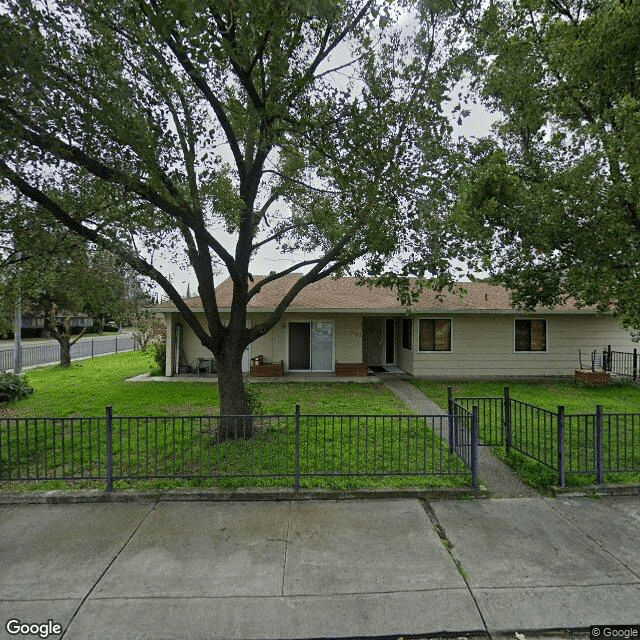
2502 Alexa Way, Stockton, CA 95209
To contact a resident: (209) 952-9795
For more information about senior living options: (866) 208-4318
St. Michael's Villa Costs & Pricing
St. Michael's Villa offers competitive pricing for its accommodations, making it an attractive option compared to both San Joaquin County and the broader state of California. For example, the semi-private rooms are priced at $1,800 per month, significantly lower than the county average of $3,074 and the state average of $3,333. Similarly, studio units at St. Michael's Villa also hold a price advantage at $1,800 compared to $3,366 in San Joaquin County and $4,145 statewide. Private rooms are offered at $2,200 per month, which is still more affordable than both local and state averages of approximately $3,364 and $3,939 respectively. These cost-effective options underscore St. Michael's Villa's commitment to providing quality living arrangements without compromising on affordability.
| Floor plans | St. Michael's Villa | San Joaquin County | California |
|---|---|---|---|
| Semi-Private | $1,800 | $3,074 | $3,333 |
| Studio | $1,800 | $3,366 | $4,145 |
| Private | $2,200 | $3,364 | $3,939 |
Memory care communities with a similar price nearby
-
from -$300 / mo

Optimum Senior Care Home
$1,500 to $2,500 / month8.6 miles away -
from +$200 / mo
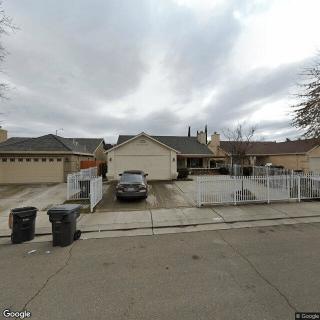
Homestead Care for the Elderly
$2,000 to $3,000 / month7.0 miles away -
from +$200 / mo
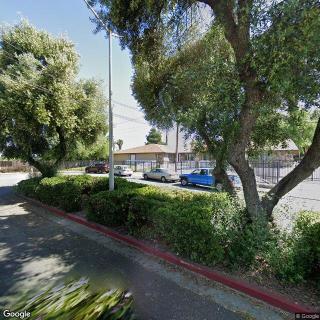
Country Place- Mental Health
$2,000 / month24.3 miles away -
About the same
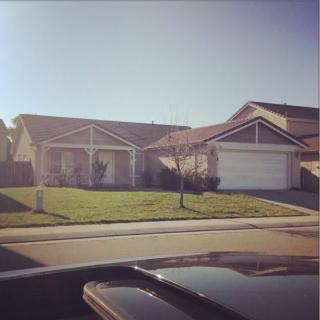
Sarina's Comfort Care Home
$1,800 to $2,500 / month7.9 miles away -
from +$200 / mo
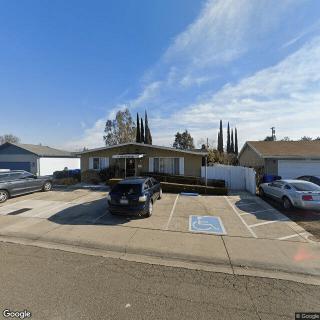
Stainless Residential Care Facility
$2,000 to $4,000 / month15.8 miles away
Overall Review of St. Michael's Villa
Pros
 The place was clean.
- The lady who showed them was very nice and answered all their questions.
Cons
 The food is bad.
- There is no wheelchair accessible shower.
- They frequently brought wrong medications.
- They promise a lot of freedoms but are understaffed and too busy.
- An elderly patient was dizzy all the time and was never taken to the hospital.
- The reviewer had to force staff to allow a hospital visit.
- Upon arrival, no one answered the door.
Review
St. Michael's Villa in Stockton is best suited for seniors who require limited assistance and for families prepared to act as active care advocates. The community can work for residents who value a clean, calm environment and modest support, provided there is a plan for consistent oversight by family or representatives. It is not appropriate for those who need 24/7 skilled nursing, reliable medication management, or robust accessibility upgrades. In practice, the setting rewards vigilance and proactive involvement more than seamless, on-site care.
Those with real dependencies, daily reminders instead of hands-on care, frequent need for hospital transport, or conditions demanding immediate medical evaluation, should explore alternatives. The reviews cite wrong medications, delays or failures to transport to hospital, and a pattern of staffing being too sparse to respond promptly. The absence of a wheelchair-accessible shower adds a meaningful barrier for residents with mobility limitations, narrowing the pool of who can safely stay long term. For families prioritizing dependable medical oversight, this facility represents a high-risk gap rather than a steadying anchor.
On the upside, there are faint positives that influence first impressions. A clean environment and a courteous staff member who answered questions can ease onboarding and comfort in the short term, and at least one reviewer encountered a helpful contact who provided information. These elements matter, particularly during transition, but they do not offset the more serious care gaps described elsewhere. The inconsistent execution, bright moments of hospitality alongside a front-door response that sometimes falls short, signals a broader pattern of uneven daily operations.
The core concerns overwhelm the comfort signals when it comes to sustained safety and reliability. Food quality emerged as a notable drawback, but more consequential are medication-management lapses and persistent understaffing. Wrong medications, weak oversight, and slow or absent escalation to medical care for acute symptoms create a fragile care environment. The combination of staffing constraints with insufficient emergency responsiveness forms a troubling risk profile for residents with even moderate health complexities. An onboarding process that feels ad hoc compounds the sense that care is reactive rather than proactive.
When evaluating this facility, focus on safety, responsiveness, and basic accessibility. Prospective families should seek a documented medication-management protocol, a clear plan for 24/7 on-site oversight, and explicit procedures for hospital transfers in emergencies. It is critical to observe the building during peak times and to meet front-line staff, the nurse on duty, and the person overseeing admissions. Demand concrete evidence of staffing ratios, recent inspection outcomes, and a demonstration of wheelchair-accessible features, especially showers. If any red flags persist, unanswered doors, inconsistent medication administration, or sluggish emergency escalation, those signals strongly favor pursuing alternatives with stronger safety records and more predictable resident protection.
In most cases, St. Michael's Villa does not meet the threshold for families prioritizing safety, reliability, and immediate medical responsiveness. It may still appeal to those with tight budgets and a robust advocacy framework, but the risks of medication errors, understaffing, and inadequate accessibility should temper expectations. For families seeking assurance and predictable care, exploring other Stockton-area options with proven nursing oversight, consistent meal quality, accessible facilities, and clear emergency protocols is strongly advised. The practical aim is to secure care that is reliable, proactive, and protected, a standard this community struggles to reliably meet.
 Board and Care Home
 Memory Care
 Private

 Comprehensive Guide to VA Nursing Homes: A Crucial Long-Term Care Resource for Veterans
 Estimating the Expenses of At-Home Dementia Care: A Detailed Exploration
 Comprehensive Insights on the Late Stages of Dementia: What to Expect and How to Provide Care