
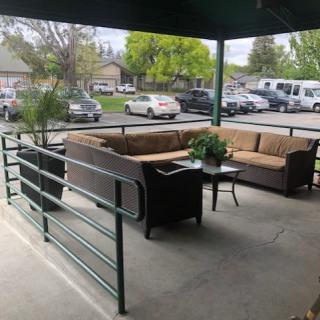

2435 Wagner Heights Road, Stockton, CA 95209
For more information about senior living options: (866) 208-4318
Wagner Heights Residential Costs & Pricing
Wagner Heights Residential offers competitive pricing compared to both San Joaquin County and the broader California market for its room types. For a semi-private room, residents can expect to pay $2,126 per month, significantly lower than the county average of $3,074 and the state average of $3,333. When it comes to studio accommodations, Wagner Heights remains affordable at $3,201 monthly, which is slightly below San Joaquin County's average of $3,366 and notably more economical than the statewide average of $4,145. This pricing structure suggests that Wagner Heights Residential provides excellent value for those seeking quality care in a comfortable setting without the higher costs typically associated with similar facilities in the area.
| Floor plans | Wagner Heights Residential | San Joaquin County | California |
|---|---|---|---|
| Semi-Private | $2,126 | $3,074 | $3,333 |
| Studio | $3,201 | $3,366 | $4,145 |
Assisted Living communities with a similar price nearby
-
from +$374 / mo
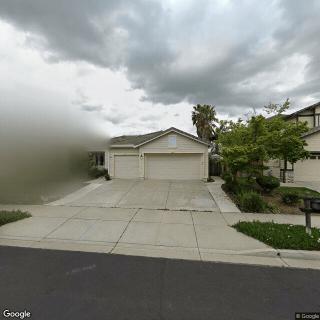
Brentwood Care Home
$2,500 to $4,000 / month20.9 miles away -
from +$374 / mo

Stetson Court Living
$2,500 / month8.6 miles away -
from +$384 / mo

Rio Las Palmas
$2,510 to $3,125 / month3.6 miles away -
from -$126 / mo
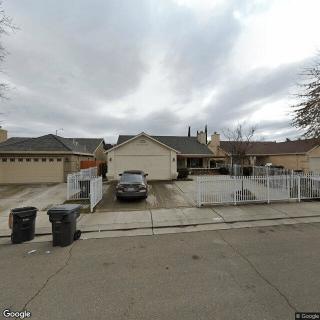
Homestead Care for the Elderly
$2,000 to $3,000 / month7.5 miles away -
About the same
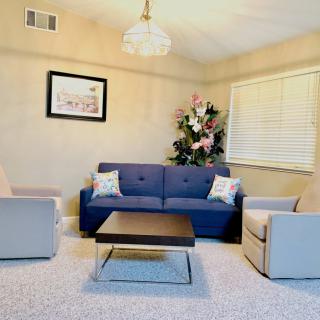
Zannat Boarding Care
$2,185 to $5,800 / month23.9 miles away
Overall Review of Wagner Heights Residential
Pros
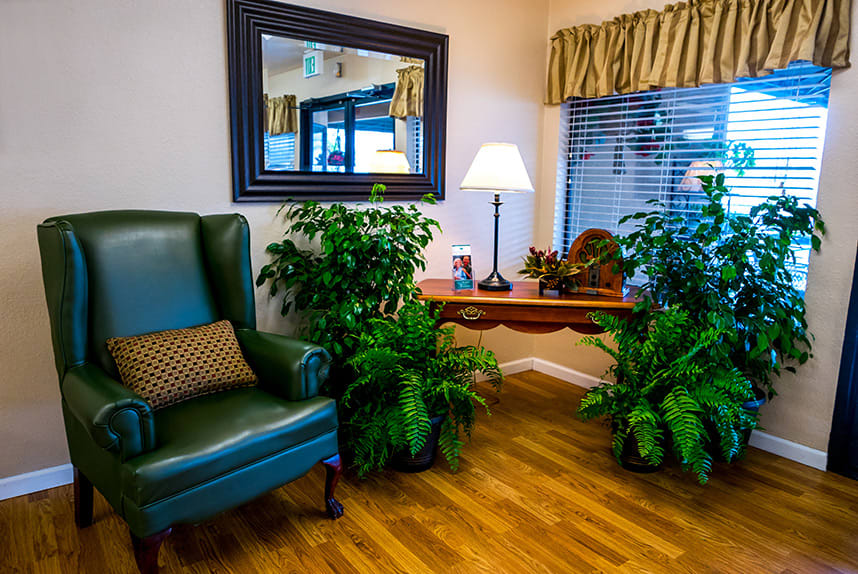
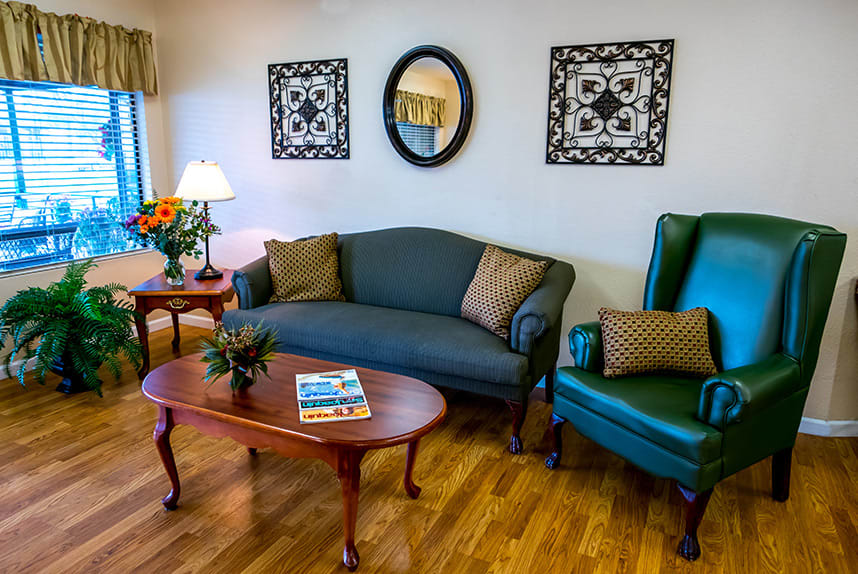
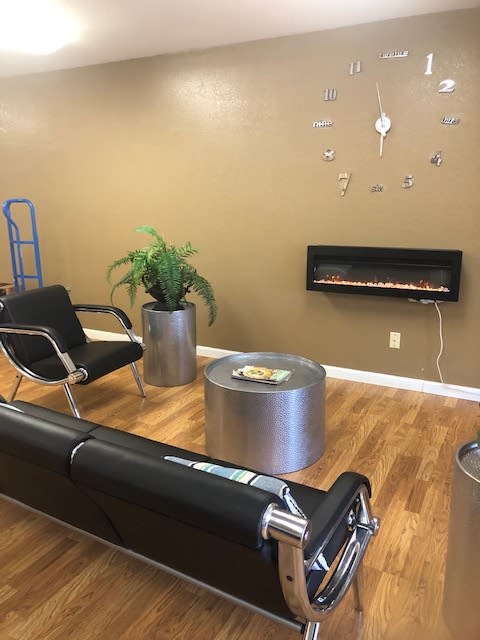
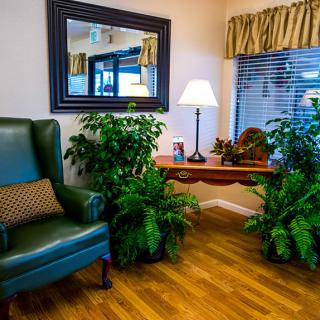
 The Wagner Heights facility has been refreshed with new paint, furniture, and staff, and it looks, smells, and feels amazing.
- Residents love calling Wagner Heights home.
- The staff are helpful to residents and promptly respond to their needs.
- The community is very caring and friendly, with plenty of activities.
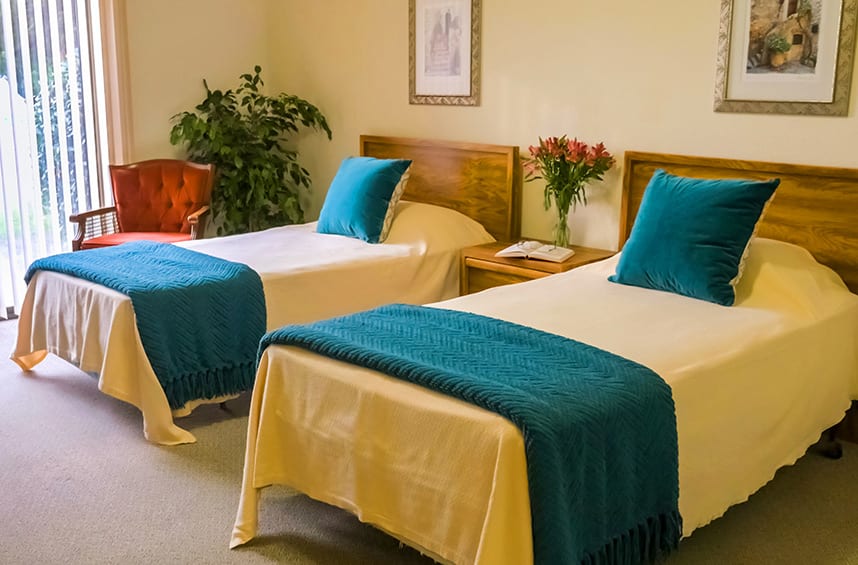
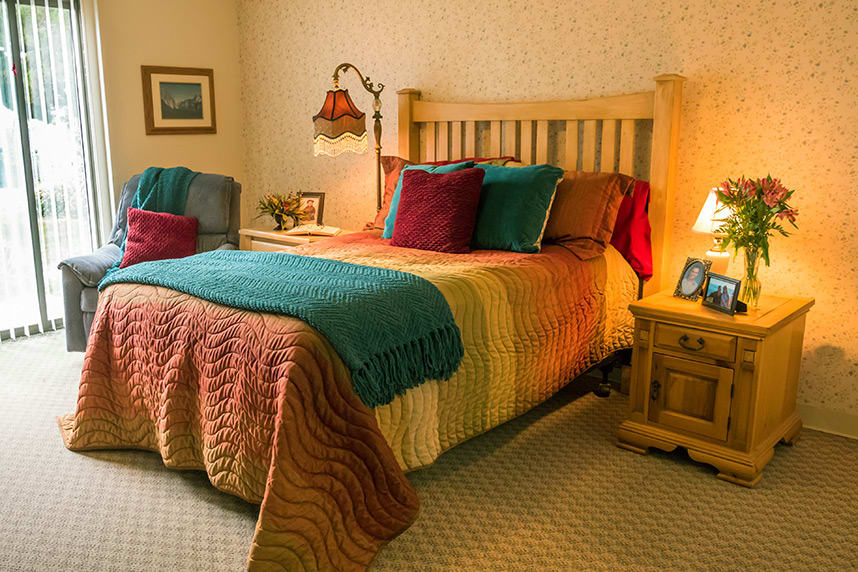
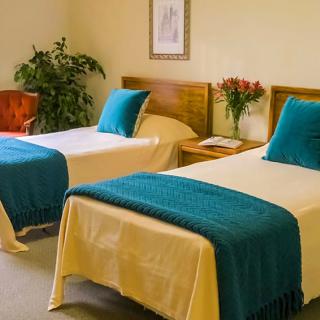
- The rooms are nice and roomy for residents.
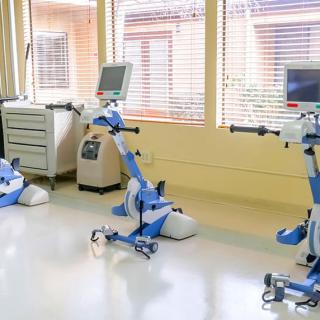
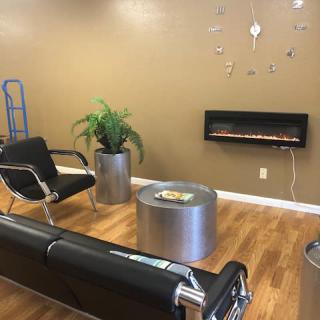
- The facility offers a beauty shop, an exercise area, a TV room, and a game room.
- Residents appear to be well taken care of.
Cons
 The care is not the best, but it's adequate.
- There weren't many staff there.
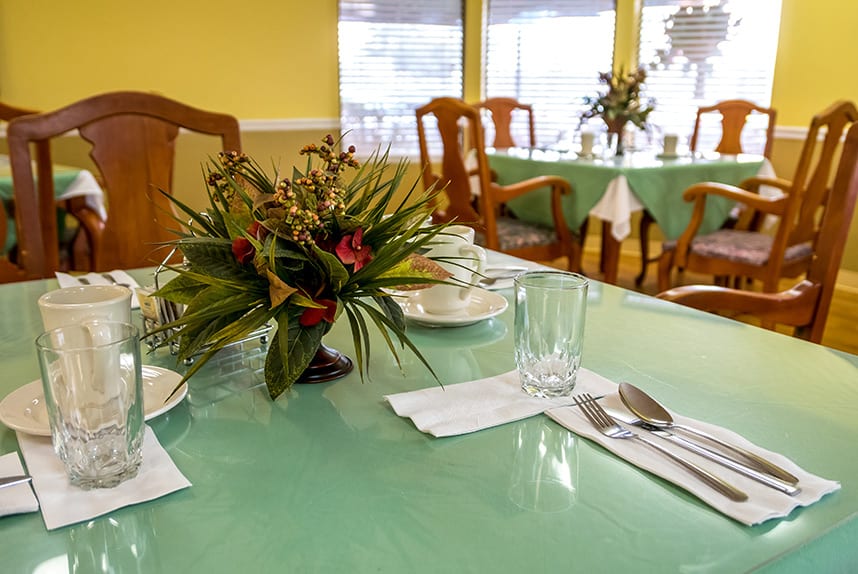
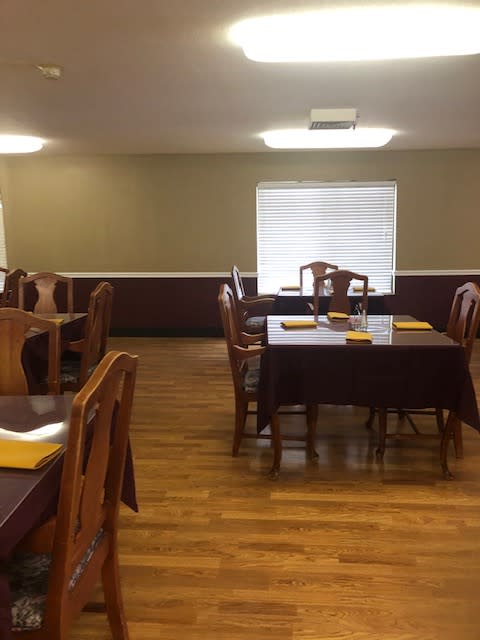
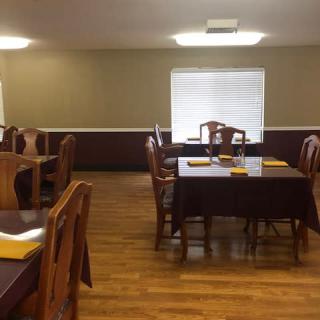
- The dining area is very plain.
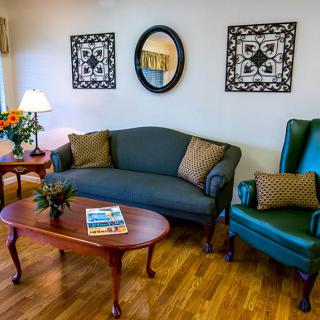
- The room is good sized, but it isn’t as nice as it could've been.
- They are a bunch of knuckleheads over here.
- Everyone else was just terrible.
- They would not recommend this community to anyone.
Review
Wagner Heights Residential in Stockton is best suited for seniors who want a small, neighborly community where warmth and personal attention feel real, and daily life centers on accessible activities and a home-like atmosphere. It works well for residents who value a friendly, upbeat vibe, straightforward dining, and a setting where staff are approachable and easy to engage with. This is not the place for those who require high-intensity medical oversight, specialized memory care, or consistently robust staffing; families that need predictable, round-the-clock clinical support should be exploring alternatives.
What makes Wagner Heights appealing is the sense that the building has undergone a thoughtful refresh and now presents a welcoming first impression. Several residents note new paint, updated furniture, and a refreshed look that contributes to an “amazing” smell and feel. The community is described as caring and friendly, small enough to give meaningful attention to everyone while still offering a range of activities. There is value in the visible residency satisfaction: residents feel at home, and families observe that staff respond when needed. Amenities, beauty shop, exercise area, TV room, and game room, support independent routines and social engagement, while rooms are described as adequately roomy for personal care.
On the other hand, the strongest cautions revolve around staffing consistency and the perceived adequacy of care. One family reports care as not the best but adequate, noting there simply aren’t many staff on site. That sentiment echoes a broader concern: with a smaller staff, responsiveness and coverage can vary by shift, and some residents may experience slower assistance during busy times. A separate, explicit critique characterizes the overall care as lacking, with the reviewer’s confidence shaken enough to discourage recommendations. Taken together, these points suggest a real risk for families seeking steady, high-level care, or for those who depend on a reliable clinical presence for medications, complex ADLs, or frequent monitoring.
Despite the mixed care signals, several strong positives offset the drawbacks for the right resident profile. Cleanliness and odor control appear to be better than in some peers, with at least one visitor noting a fresh-smelling, inviting environment. The rooms, where a person can have a private space, are described as comfortable and large enough to accommodate assistive devices, which matters for independence. Food is variably described as acceptable to good, and staff are praised for being responsive when called, helping residents with transfers and mobility aids, and supporting their daily needs. The vibe that “residents seem well taken care of” in many days is a meaningful offset for families who prioritize a warm, engaged community over clinical precision.
For families evaluating options, the practical steps are clear. Probe staffing rigor: ask for current caregiver-to-resident ratios by shift, the availability of licensed nursing staff on site, and how quickly help is typically available for urgent tasks. Inquire about care levels offered, including assistance with bathing, medications, mobility, and any memory-care supports, and whether a plan can flex as needs evolve. Visit at different times to observe how the staff interact with residents, the pace of service during meals, and how locked-down safety measures balance privacy with security. Finally, clarify pricing, any ancillary fees, and what the community can guarantee as needs intensify.
The bottom-line recommendation centers on fit. Wagner Heights Residential is a practical choice for families seeking a warm, community-focused environment where residents can enjoy a fuller social calendar and where staff are accessible and friendly when available. It is less compelling for those who require consistent, high-level medical oversight, dependable staffing across all shifts, or specialized memory-care programming. If the priority is a cozy, neighborly setting with straightforward services and a strong emphasis on daily life in a manageable footprint, Wagner Heights earns serious consideration. If, instead, the main concern is rigorous clinical care with predictable staffing, exploring larger, more medically oriented options is prudent. A productive approach involves two to three visits, candid conversations with current residents and families, and a clear comparison of care plans and pricing before making a final commitment.
 80 resident community capacity
 Studio apartments
 Assisted Living
 Independent Living
 Activities off-site
 Air-conditioning
 Beautician on-site
 Cable or satellite TV
 Computer center
 Devotional services off-site
 Dining room
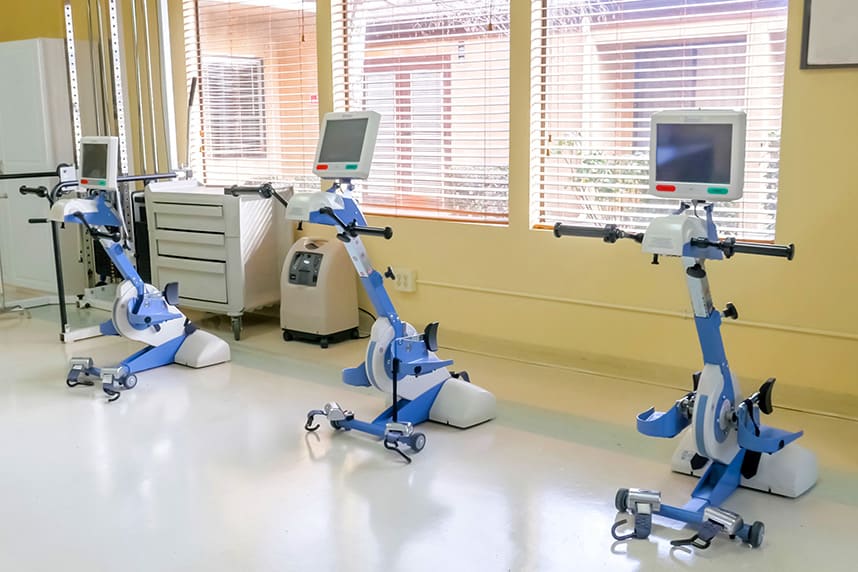
 Fitness room
 Fully furnished
 Gaming room
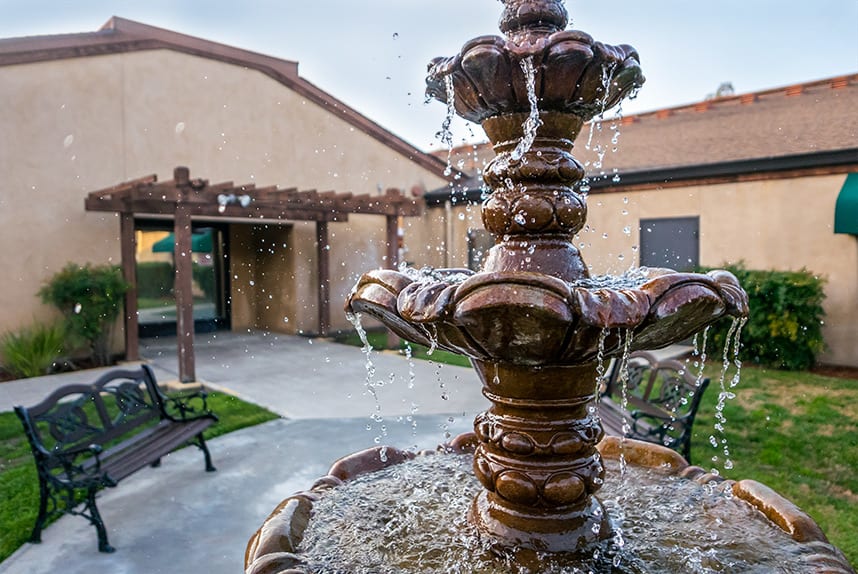
 Garden
 Guest parking
 Housekeeping services
 Indoor common areas
 Kitchenette
 Laundry
 Move-in coordination
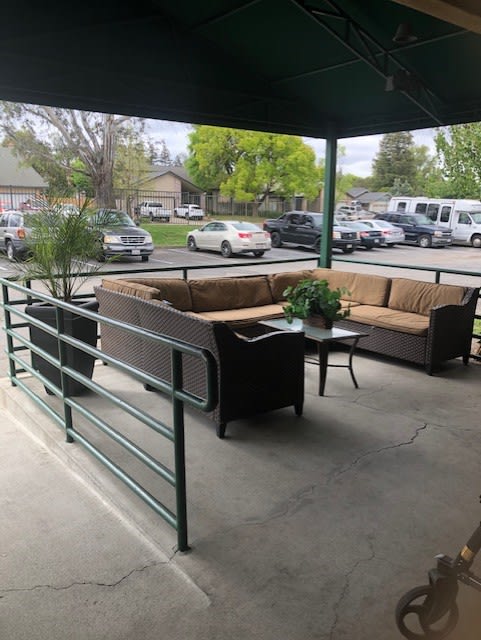
 Outdoor common areas
 Private bathrooms
 Respite or short term stays offered
 Restaurant-style dining
 Small library
 Telephone
 Wellness center
 Wheelchair accessible showers
 Wi-Fi/high-speed internet available
 Community operated transportation
 12-16 hour nursing
 24-hour call system
 Ambulatory care
 Assistance with bathing
 Assistance with dressing
 Assistance with transfers
 Diabetes diet
 Diabetic care
 High acuity care
 Incontinence care
 Medication management
 Mental wellness program
 Physical therapy
 Special dietary restrictions
 Art classes
 BBQs or picnics
 Concierge services
 Day trips and outings
 Happy hour
 Live dance or theater performances
 Live musical performances
 Trivia games
 English


 Beyond the Bingo Hall: 50+ Enriching Activities for Seniors in Assisted Living
 Understanding the Distinctions: Assisted Living and Memory Care Explained
 Guiding Elderly Parents Who Refuse Assisted Living: 6 Practical Steps