
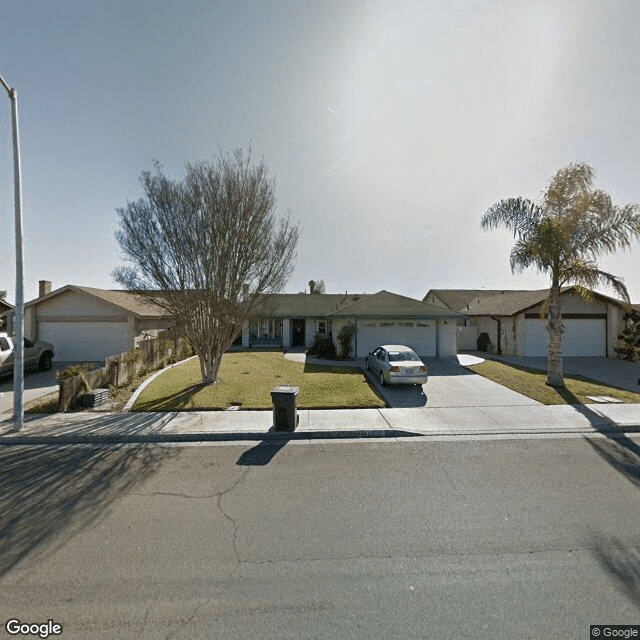
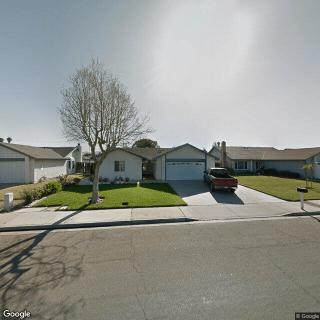
1106 Grapevine Rd, Santa Maria, CA 93454
To contact a resident: (805) 922-9525
For more information about senior living options: (866) 208-4318
Freda's RCFE Inc #3 Costs & Pricing
Freda's RCFE Inc #3 offers competitive pricing for its residential care facilities, particularly when compared to both Santa Barbara County and the broader California market. With a monthly rate of $2,000 for both private rooms and studios, Freda's stands out as a cost-effective option in a region where similar accommodations typically range from $3,480 to $4,147 for private rooms and up to $4,145 for studio units. This substantial difference highlights Freda's commitment to providing quality care at an accessible price point, making it an attractive choice for families seeking reliable senior living options without the hefty financial burden often associated with similar services in the area.
| Floor plans | Freda's RCFE Inc #3 | Santa Barbara County | California |
|---|---|---|---|
| Private | $2,000 | $3,480 | $3,939 |
| Studio | $2,000 | $4,147 | $4,145 |
Memory care communities with a similar price nearby
-
from -$200 / mo
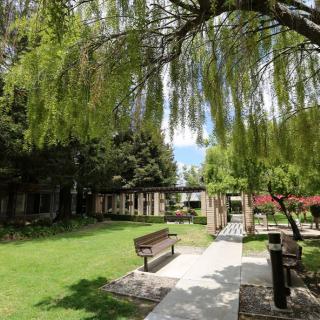
Santa Maria Terrace
$1,800 to $3,500 / month0.7 miles away
Overall Review of Freda's RCFE Inc #3
Pros
 The care home looked nice and clean.
- The caregivers were nice.
- The home offers transportation.
- Patience is the key when working with dementia.
- The home was recommended as perfect for Mom.
- Mom was excited.
Cons
 The home did not have an opening when they visited.
- The husband was too combative and they could not handle him.
- They would just keep him at home when that happened.
- He just sits and sleeps a lot and has the television on.
- They could have more activities.
Review
Freda's RCFE Inc #3 is best suited for families seeking a small, homelike care option in Santa Maria where attention to daily living and transportation matter more than hospital-grade acuity. The setting is clean, intimate, and staffed by caregivers described as pleasant in initial visits, with residents receiving individualized attention rather than queuing at a large campus. It serves well for seniors who are comparatively stable, can tolerate a calm routine, and benefit from dependable outings or drop-off services. The model also appeals to families looking for proactive involvement from local leadership; in one account, the director coordinates next steps with outside providers to determine the right placement. Those who want clarity on care plans through personal assessment should find this approach credible.
On the positive side, visitors consistently note a neat environment and approachable caregivers who are willing to help with transportation needs. The home's ability to arrange rides and runs is a practical advantage for maintaining independence and medical appointments. The director’s hands-on approach adds another layer of reassurance; even if placement is not immediate, the willingness to assess a loved one’s needs and to liaise with other facilities signals a readiness to tailor care. For families seeking a bridging option that preserves familiar routines, these elements can offset the appeal of a larger, more impersonal community.
Where the setting shows its limits is in dementia and behavioral challenges. In at least one account, a husband with combative symptoms proved too difficult for the home to manage, underscoring that more intensive behavioral support is not the core strength here. The two most common caveats, limited activities and the need for substantial patience, point to a home that prioritizes comfort and daily care over structured engagement programs. The observation that the television is often on and residents may sit idly suggests room for enrichment, which could influence families weighing this option against facilities that offer more robust activity schedules.
Yet these cons do not entirely negate the draw. Cleanliness, competent basic care, and the ability to facilitate transportation are meaningful downsides to overlook, especially for seniors entering a transition from home life. The director’s readiness to dispatch a needs assessment to Villa Maria demonstrates a pragmatic approach to placement and a safety net for families uncertain about the level of care required. Where significant dementia behavior emerges, the facility may redirect families toward more specialized settings while remaining a sound first step for those with milder needs who prefer a home-like environment.
Families evaluating Freda's RCFE should focus on practical questions. Confirm current bed availability and the typical wait times, since openings can influence timing and planning. Probe caregiver ratios, training for dementia care, and the availability of structured activities that align with a loved one’s interests. Request a clear plan for a resident’s day, including meals, outings, and supervision during peak hours. Ask how the director conducts assessments, how often care plans are updated, and what triggers a move to a more intensive setting. Finally, explore alternative communities with stronger memory care programming to compare the level of behavioral support offered.
In sum, this community stands out as a solid, clean, transportation-friendly option with personable staff and engaged leadership. It is particularly well-suited for seniors who crave a home-like atmosphere and a straightforward transition plan. It is less well-suited for individuals with significant behavioral dementia or those who require rigorous activity programming and 24/7 specialized supervision. For families prioritizing personal attention and a pragmatic assessment-driven path, Freda's RCFE Inc #3 offers a credible fit; for others, it is prudent to explore options with deeper memory care resources and more structured activity calendars to ensure needs are met as care demand evolves.
 Board and Care Home
 Memory Care
 Private
 Santa Maria Pub Capt G Allan Hancock (5 miles away)
 An In-Depth Look at Reminiscence Therapy in Dementia Care
 Dementia-Related Hallucinations: Causes, Experiences, and Practical Approaches
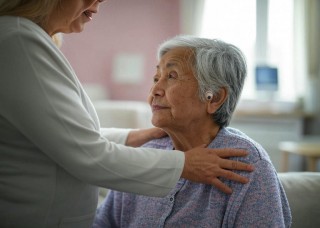 Illuminating Insights About Alzheimer's Disease: Ten Crucial Realities