
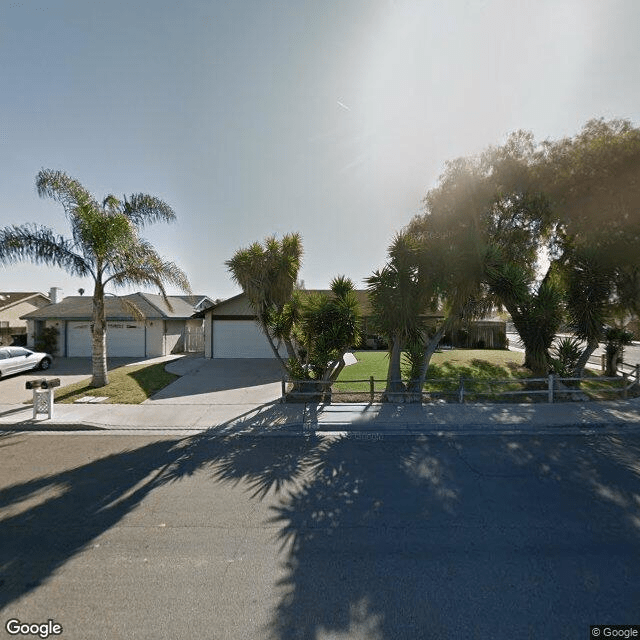
1100 Grapevine, Santa Maria, CA 93454
To contact a resident: (805) 348-1155
For more information about senior living options: (866) 208-4318
Freda's Residential Care Facility for the Elderly Inc #2 Costs & Pricing
Freda's Residential Care Facility for the Elderly Inc #2 offers competitive pricing for both semi-private and private room accommodations compared to the broader financial landscape within Santa Barbara County and the state of California. At $2,500 per month for a semi-private room, Freda's facility stands out as a more affordable option than the county average of $3,007, and significantly lower than the state average of $3,333. Similarly, the private room rate of $3,000 is also advantageous when contrasted with Santa Barbara County's average cost of $3,480 and California's average of $3,939. This strategic pricing underscores Freda's commitment to providing accessible care options while maintaining high-quality services for its residents.
| Floor plans | Freda's Residential Care Facility for the Elderly Inc #2 | Santa Barbara County | California |
|---|---|---|---|
| Semi-Private | $2,500 | $3,007 | $3,333 |
| Private | $3,000 | $3,480 | $3,939 |
Senior living communities with a similar price nearby
-
from +$495 / mo
Wyndham Residence
$2,995 to $3,300 / month14.8 miles away -
About the same
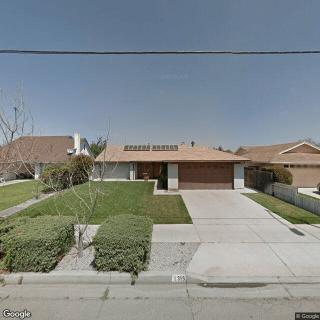
Pedflor's Residential Care II
$2,500 / month0.3 miles away -
from +$350 / mo
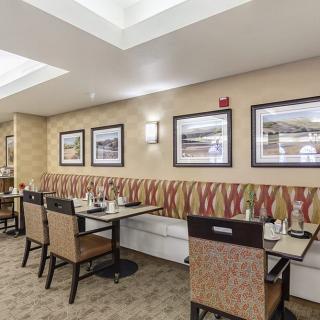
Merrill Gardens At Santa Maria
$2,850 to $3,950 / month0.5 miles away -
from +$300 / mo
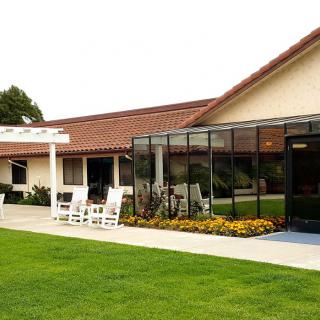
Fountain Square of Lompoc
$2,800 to $4,245 / month21.7 miles away -
from +$419 / mo
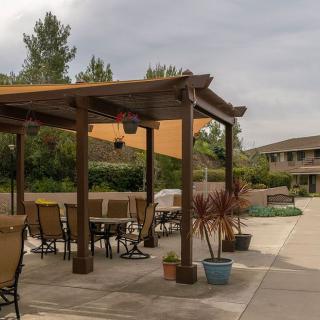
Holiday Las Brisas
$2,919 to $5,528 / month24.1 miles away
Overall Review of Freda's Residential Care Facility for the Elderly Inc #2
Pros
 The caregivers are friendly and helpful.
- Mom seems to like the food and they offer healthy options.
- They keep the home clean.
- Mom enjoys bingo and she receives physical therapy.
- The care home is recommended by reviewers.
- My mother was treated with great kindness, like family.
- My mother felt at home there, something that you cannot buy.
Cons
 The family decided it wasn't a place they could see their dad living or their mom visiting.
Review
This Santa Maria community is best suited for seniors who want a warm, home-like setting, where attentive caregivers form genuine relationships and daily life follows a predictable rhythm. It works well for residents who value personal touch, regular physical therapy, and social activities that feel low-key but meaningful, like bingo and small group gatherings. The footprint is intimate enough for staff to know residents well, yet established enough to keep routines consistent. Families that prioritize kindness, stability, and a sense of belonging will likely feel confident with the care here. Those seeking a highly clinical environment, specialized memory care, or a facility with a large medical footprint should consider other options.
Review summaries emphasize the caregiving team: friendly, helpful staff who treat residents like family, maintaining a clean, well-kept home atmosphere, and offering meals with healthy options. A recurring highlight is the ability for residents to enjoy simple pleasures, bingo, mobility work, and rehab services, that support daily functioning without friction. Long-tenured residents and their families describe a level of warmth that translates into trust and comfort. The anecdotes about a mother who lived there for years and died at 101 underscore a track record of steady, compassionate care in an environment that feels more like a family residence than a hospital ward. These elements collectively form a compelling case for those prioritizing relational quality over formality.
Still, the community may not fit every case. Two families voiced cautious optimism yet ultimately decided it wasn't the right home for their loved ones, indicating that fit extends beyond the general warmth. The tone of the reviews hints at limits common to smaller, residential settings: a lighter medical footprint, fewer specialized units, and a cadence that might not meet higher-acuity needs or complex memory-care requirements. With only six reviews in play, there isn't a broad safety net of negative experiences to weigh, but the pattern suggests potential gaps for residents who demand robust clinical oversight or extensive monitoring.
These pros offset several potential drawbacks because warmth, cleanliness, and accessible rehab translate into tangible daily quality of life. For many seniors, consistent staff presence and easy access to meals they enjoy can reduce anxiety and foster reassurance. Social activities provide meaningful engagement without overwhelming schedules, and the home atmosphere reduces the stress associated with transitions to care. In practice, this means residents can maintain dignity and independence longer, even if medical needs are moderate rather than complex. Those trade-offs make sense for relatively autonomous elders who still require assistance with activities of daily living.
To decide with confidence, prospective families should validate specifics beyond warmth. Inquire about staff-to-resident ratios, licensed nursing coverage, and how quickly the facility can respond when medical needs escalate. Ask about care planning, medication management, and the availability of on-site physical or occupational therapy, as well as transportation for appointments. Probe daily routines, dining options beyond basic menus, and whether cultural or dietary preferences can be accommodated. Seek candid input from current residents' families, request a tour during a typical day, and consider a short-term trial if offered. Finally, clarify costs, contracts, and what services are included or billed separately.
Bottom line: this community is a strong, compassionate fit for seniors who prize a homey setting, consistent caregiver rapport, clean surroundings, and regular rehab support. It shines for residents who want belonging and manageable routines over a high-amenity, hospital-like model. Those needing extensive medical oversight, memory-care specialization, or a highly clinical environment should look elsewhere. Santa Maria families should consider this option as a solid match when warmth, stability, and practical daily living are the priority; for more intensive needs, explore larger assisted-living campuses or dedicated memory-care communities nearby to ensure the required level of medical attention and security.
 Board and Care Home
 Private
 Santa Maria Pub Capt G Allan Hancock (5 miles away)
 Diabetic care
 Compassionate Conversations: How to Comfort Someone Who Is Grieving
 Home Health Care Aides: Understanding Their Role and Supporting Your Family
 Urinary Tract Infections in Older Adults: Comprehensive Insights on Symptoms, Treatment, and Prevention