
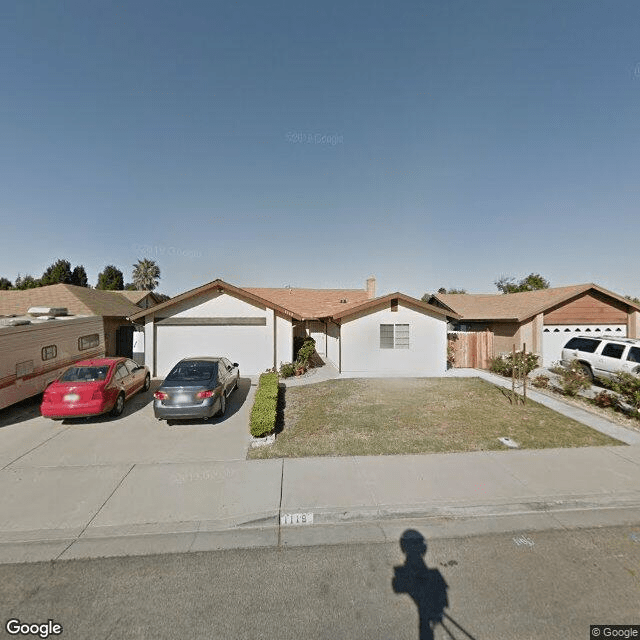
1119 Grapevine Road, Santa Maria, CA 93454
For more information about senior living options: (866) 208-4318
Janelle's Costs & Pricing
At Janelle's, the monthly costs for room types are competitive within the broader context of Santa Barbara County and the state of California. For a private room, Janelle's offers a rate of $3,500, which is slightly above the county average of $3,480 but more affordable than the state average of $3,939. Similarly, for semi-private accommodations, Janelle's pricing aligns closely with local standards at $3,500 - higher than Santa Barbara County's average of $3,007 yet still below California's overall average of $3,333. These pricing strategies reflect Janelle's commitment to providing quality care while remaining mindful of the varying cost dynamics in the region.
| Floor plans | Janelle's | Santa Barbara County | California |
|---|---|---|---|
| Private | $3,500 | $3,480 | $3,939 |
| Semi-Private | $3,500 | $3,007 | $3,333 |
Assisted Living communities with a similar price nearby
-
from -$300 / mo
Oak Park Manor
$3,200 / month16.3 miles away -
from -$300 / mo
Villa Care Home II
$3,200 to $3,500 / month1.7 miles away -
from -$505 / mo
Wyndham Residence
$2,995 to $3,300 / month14.7 miles away -
from +$170 / mo

The Oaks at Nipomo
$3,670 to $6,045 / month6.5 miles away -
from -$300 / mo
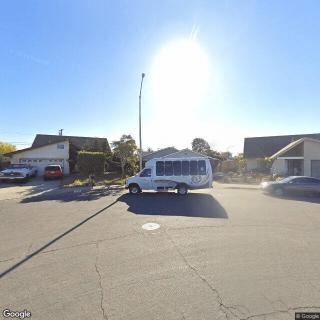
Villa Care Home I
$3,200 to $3,500 / month1.7 miles away
Overall Review of Janelle's
Pros
 The owners, Chris and Ray, are described as the most caring and amazing people who take care of loved ones.
- The staff are kind, gentle, and caring, ensuring residents are up and walking and that their TVs are set to channels they enjoy.
- Chris is knowledgeable and diligent in managing paperwork and staying up to date with home-care laws.
- Chris exudes warmth and joy that is contagious and uplifting.
- Tours are wonderful, and staff answer all questions, making visitors feel welcomed.
- The facility is first-rate, with excellent staff, residents, and a creative ambiance.
- Home cooking is outstanding.
- It is a fortunate place for a loved one to reside.
Cons
 Unfortunately, there was not a space available.
Review
Janelle’s Residential Care Facility in Santa Maria is best suited for families seeking an intimate, owner-operatored home environment for an elderly loved one who thrives on highly personalized attention, steady daily rhythms, and a genuinely family-like atmosphere. The community shines for residents dealing with memory challenges or significant hearing loss, where care can be tailored to individual routines and preferences. The owners, Chris and Ray, are not distant administrators; they are hands-on caregivers who live in the operation, which translates into consistent, responsive oversight and a sense that every resident is cherished as family. For families who value direct access to the people responsible for daily care, this setting delivers a trust-building level of warmth that larger campuses struggle to reproduce.
However, this is not the right fit for every situation. Families needing guaranteed vacancy or a more clinical, programmatic environment may want to consider alternatives. Larger assisted living campuses can offer broader activity calendars, on-site nursing rounds, and predictable admission windows, which matters when scheduling transitions or coordinating ongoing medical needs. If a loved one requires intensive medical supervision, complex therapies, or a highly structured memory-care program, Janelle’s smaller scale may feel limiting. The reviews note that space can be scarce, which compounds planning challenges for those with tight timelines or specific move-in dates. In short, while the care is outstanding, the setting is best-suited for those who can work within its intimate capacity.
Among the most compelling strengths are the demonstrable warmth and attentiveness of the staff and the homelike ambiance that permeates day-to-day life. Residents and families repeatedly recount how the owners greet visitors personally, how caregivers are kind, gentle, and focused on tasks that matter, keeping a loved one mobile, comfortable, and oriented to favorites like television and meals. The emphasis on home-style cooking and shared meals reinforces a sense of belonging and daily joy, which often matters more to memory-impaired seniors than formal programming. The hands-on approach to daily living, help with walking, personalized attention to routines, and proactive response to preferences, translates into higher perceived quality of life and peace of mind for families. The operational strength is further amplified by Chris’s diligence with regulatory paperwork and compliance, which removes a significant family burden and signals a well-run, compliant home care operation.
Caregivers are described as equally capable and supportive, and the living environment feels welcoming from the moment of arrival. One review highlights the owners’ commitment to making residents feel loved and part of a family, not just a client. The personal touch extends to practical details, seeing to it that a resident is up and moving, ensuring devices or TV channels align with preferences, and maintaining an atmosphere where family-style meals are common. That combination of emotional warmth, practical support, and visible dedication helps offset the inherent limitations of a small residential setting. In other words, Janelle’s operates more like a well-run, small home with the advantages and the occasional constraints that come with a family-owned operation rather than a polished campus.
The most frequently cited constraint is space. Availability often dictates timing, and families may need to wait for a vacancy, which can be stressful when a move is pressing. For those who prioritize a bustling calendar of group activities or robust nursing oversight, the setting may feel lean. Yet the same constraints become part of the appeal for those who value quiet, intimate care and deep relationships with caregivers and the owners. The offset is clear: the unparalleled level of attention, tailored routines, and a sense of family can compensate for less formal programming and a smaller asset footprint. When a vacancy exists, the decision often rests on whether the priority is a home-like, deeply personalized experience rather than a campus with broader services.
For families evaluating options, Janelle’s represents a strong match for memory-care and elderly care needs within a warm, intimate, owner-driven framework. If vacancy timing aligns with the transition and the goal is highly personalized care backed by hands-on management, this community deserves serious consideration. If guaranteed placement, larger social programming, or intensive clinical oversight is non-negotiable, alternatives should be pursued first. Prospective residents should tour with the intent to assess how daily routines would be tailored, what meals look like, how staff respond to memory challenges, and how the owners manage care planning and regulatory tasks. Confirm clarity on care plans, costs, and family involvement, then decide whether closeness to home and a true “family” approach outweighs the benefits of bigger, more structured environments.
 6 resident community capacity
 Assisted Living
 Board and Care Home
 Cats allowed
 Dogs allowed
 Cable or satellite TV
 Dining room
 Fully furnished
 Garden
 Housekeeping services
 Move-in coordination
 Outdoor space
 Private
 Telephone
 Wi-Fi/high-speed internet available
 Santa Maria Pub Capt G Allan Hancock (5 miles away)
 24-hour supervision
 Activities of daily living assistance
 Ambulatory care
 Assistance with bathing
 Assistance with dressing
 Assistance with transfers
 Diabetes diet
 Meal preparation and service
 Medication management
 Special dietary restrictions
 Transportation arrangement (medical)
 Transportation to doctors appointments



 Comprehensive Supportive Living Arrangements for Adults with Disabilities
 Funding and Affording Assisted Living: A Thorough Overview
 Assisted Living Expenses and Long-Term Care Insurance: A Comprehensive Exploration