
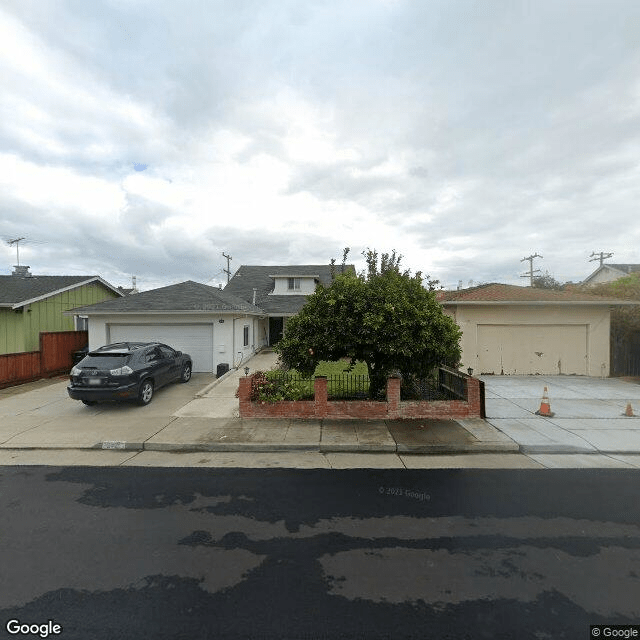
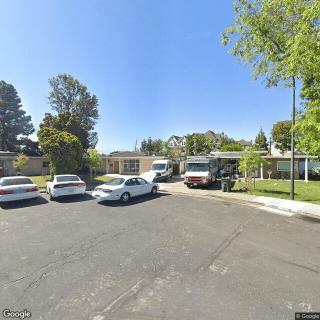
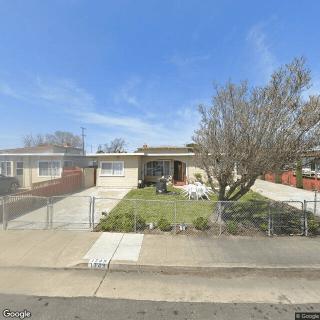
212 Ottawa St, San Mateo, CA 94401
To contact a resident: (650) 344-4993
For more information about senior living options: (866) 208-4318
Reyna's Home Costs & Pricing
Reyna's Home offers a range of accommodations at competitive prices compared to both San Mateo County and the broader state of California. For semi-private rooms, Reyna's Home charges $2,500 per month, significantly lower than the county average of $3,830 and below the state average of $3,333. The cost for a studio apartment at Reyna's Home is $3,500, which still represents a noteworthy savings against the county rate of $5,178 and is also more affordable than the state average of $4,145. Furthermore, private rooms are priced at $3,500 as well; this rate manages to challenge both San Mateo County's figure of $4,281 and California's statewide average of $3,939. Overall, Reyna's Home stands out as an economical choice while maintaining quality care in relation to local competitors.
| Floor plans | Reyna's Home | San Mateo County | California |
|---|---|---|---|
| Semi-Private | $2,500 | $3,830 | $3,333 |
| Studio | $3,500 | $5,178 | $4,145 |
| Private | $3,500 | $4,281 | $3,939 |
Memory care communities with a similar price nearby
-
About the same

San Carlos Elms
$2,500 to $5,880 / month6.0 miles away -
from -$278 / mo
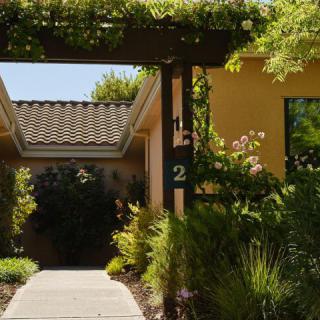
The Forum At Rancho San Antonio
$2,222 / month20.9 miles away -
About the same
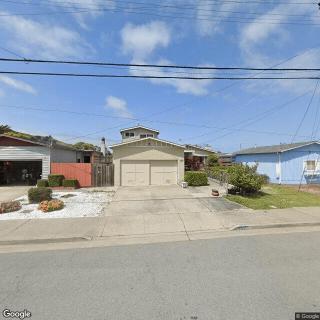
Oceanside Board and Care II
$2,500 to $3,000 / month9.6 miles away -
from +$300 / mo
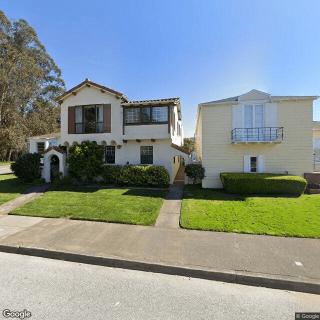
Nobis Care Homes
$2,800 to $3,200 / month14.1 miles away -
from +$300 / mo

Peninsula Reflections
$2,800 to $9,040 / month10.1 miles away
Overall Review of Reyna's Home
Pros
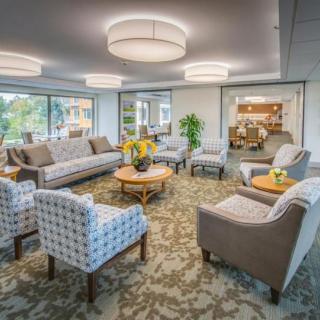
 Reyna's Home is clean and warm.
- It is a small facility that accommodates four clients, each with their own room.
- The staff are friendly and very helpful to both clients and their families.
- Residents are well looked after, as shown by long stays like four and a half years.
- Admissions are thoughtfully considered to ensure new residents fit in with the existing community.
- The San Mateo location is easily accessible from both the north and south.
Review
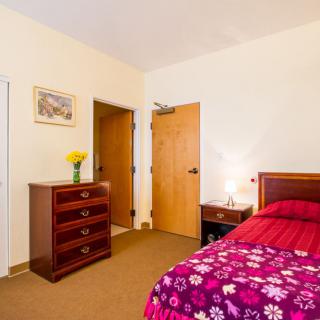
Reyna’s Home is best suited for families seeking a truly intimate, home-like environment where an elderly resident can receive very close supervision and highly individualized attention. The facility operates with a ceiling of four residents, and each resident has their own bedroom, which creates a calm, predictable routine and minimizes the friction that can arise in larger communities. This setting is ideal for someone who values stability, direct staff relationships, and privacy, while still wanting professional oversight and a geared-for-family model of care. The emphasis on a warm, clean, well-kept space reinforces a sense of safety and dignity that many families prioritize when the goal is near-term proximity to relatives and consistent daily rhythms.
Those considering Reyna’s Home should also be aware of who may want alternatives. For seniors who require more extensive medical oversight, frequent assistance with complex daily tasks, or a broader social ecosystem with diverse programming, a larger assisted living or memory-care community will likely deliver more options. If a resident benefits from an expansive activity calendar, regular group outings, or structured memory-care activities, the four-person model can feel limiting. Families addressing advanced mobility challenges, multiple chronic conditions, or the need for on-site nursing 24/7 should evaluate facilities designed to scale care and medical coordination.
The strongest advantages flow from the small, tightly run setting. Cleanliness and warmth are consistently highlighted, and private rooms reduce the friction and sleep disruption common in shared-dorm setups. Staff are described as friendly and helpful to both residents and families, which translates into a level of trust and ease in communication that many families struggle to achieve in larger communities. The selective intake process, where a new resident is carefully evaluated to fit with the existing group, further stabilizes day-to-day living, lowering the risk of personality clashes and mission drift. Accessibility from both the northern and southern corridors of the region makes it practical for families who commute or want regular in-person contact.
Yet, the small size does carry natural trade-offs. With only four residents, opportunities for peer interaction can be limited, and the calendar of activities may not match what larger places offer. Families should consider whether the resident thrives on frequent social stimulation and a busy program, or if a quiet, one-on-one routine better suits their loved one. Additionally, the lean footprint implies that certain services and amenities common in bigger facilities, such as diversified meal programming, on-site therapy options, and a broader pool of care staff, may be more limited or require coordination with outside providers. Those with evolving medical needs should verify the level of on-site medical attention and the responsiveness of the team.
Despite these trade-offs, the pros in Reyna’s Home often offset the cons through unmatched personal attention and a reassuring sense of belonging. The intimate scale allows caregivers to know each resident deeply, respond quickly to changes in condition, and involve family members in daily care decisions with clarity and consistency. The private rooms and the emphasis on fit mean fewer roommate tensions and a more dignified daily experience, which can reduce caregiver turnover churn and stabilize routines. In practice, this translates to a predictable schedule, reliable communication, and a home-like atmosphere that many families find invaluable when balancing independence, safety, and emotional comfort.
In sum, Reyna’s Home should be high on the list for families prioritizing intimacy, consistency, and a close-knit community. It is an excellent match for residents who do not require intensive medical management and who thrive in a calm, orderly setting with strong staff interaction and family access. For those seeking a wide range of social activities, robust medical staffing, or a large peer network, alternatives in larger assisted-living or memory-care environments will likely deliver greater breadth. Prospective families should tour the home, confirm staffing patterns and response times, and speak with current families to gauge whether the quiet, highly personalized approach aligns with their loved one’s needs and personality.
 Board and Care Home
 Memory Care
 Private
 San Francisco International (4 miles away)
 Dementia Behaviors: In-Depth Understanding and Effective Coping Strategies
 5 Early Indicators of Dementia and What You Can Do
 8 Important Indicators That Memory Care May Be Necessary