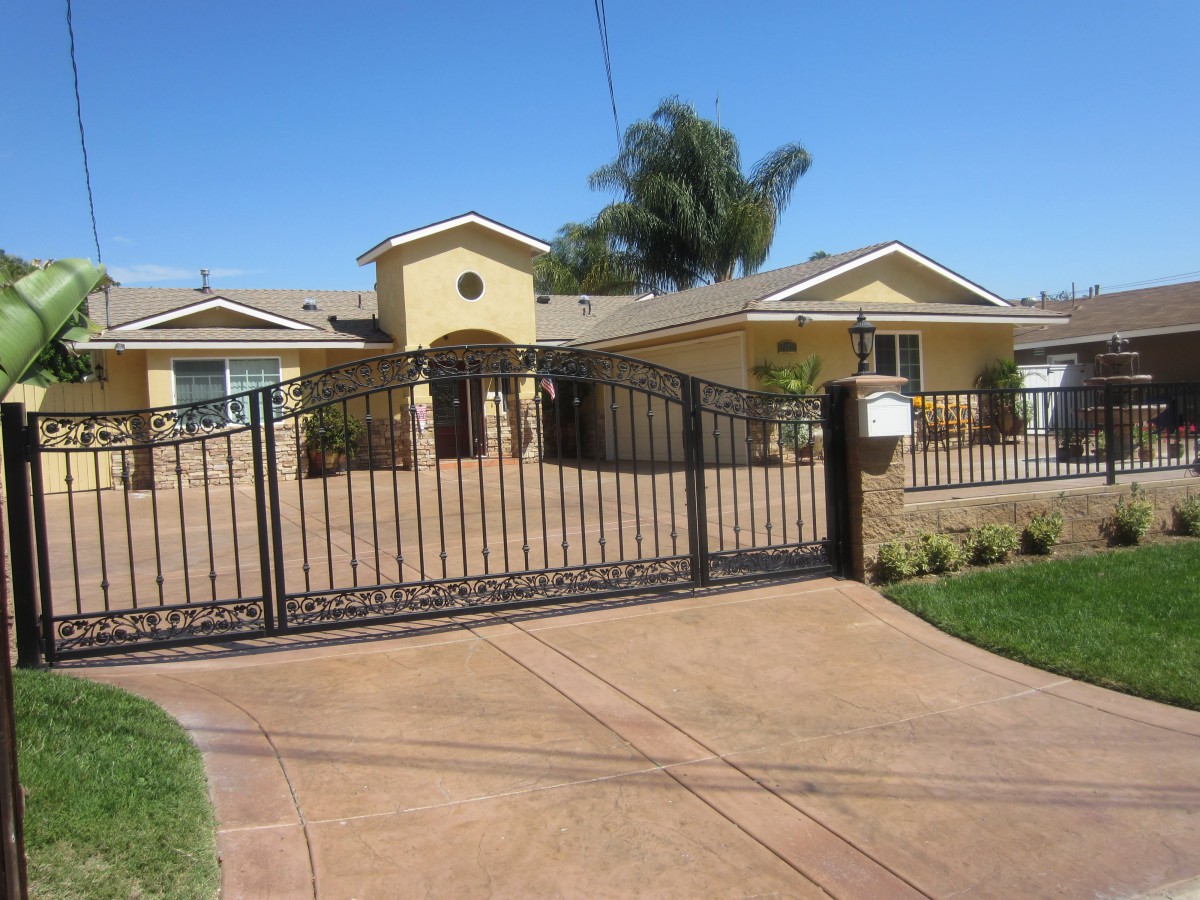
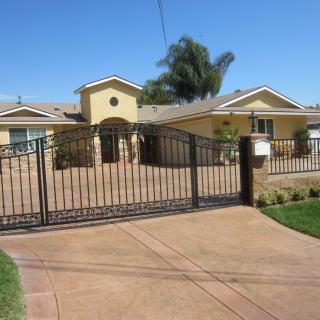
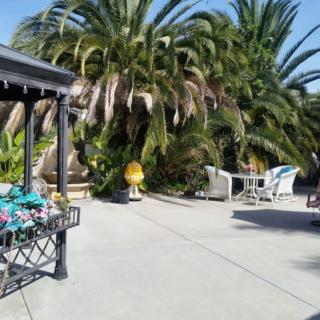
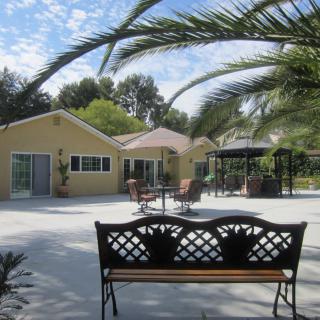
14125 Tarzana Rd, Poway, CA 92064
To contact a resident: (858) 748-2888
For more information about senior living options: (866) 208-4318
New World RCFE Costs & Pricing
At New World RCFE, the pricing structure for room types reflects a thoughtful approach to care and comfort. For a private room, residents can expect to pay $4,500 per month, which is notably higher than both the San Diego County average of $3,939 and the state average of $3,939. Similarly, for those opting for a one-bedroom unit, the monthly cost is set at $5,000, slightly exceeding both the county's average of $4,315 and California's average of $4,340. While these costs may be above regional norms, they correspond with the premium services and personalized care that New World RCFE offers its residents.
| Floor plans | New World RCFE | San Diego County | California |
|---|---|---|---|
| Private | $4,500 | $3,939 | $3,939 |
| 1 Bedroom | $5,000 | $4,315 | $4,340 |
Memory care communities with a similar price nearby
-
About the same
Champine Manor
$4,550 / month12.3 miles away -
About the same

La Costa Elder Care
$4,500 to $5,000 / month14.2 miles away -
from -$700 / mo
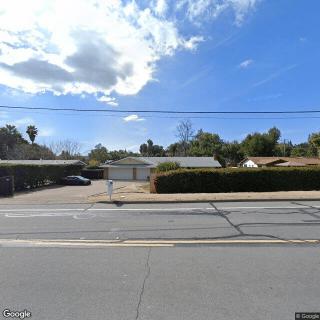
The Rose of Poway
$3,800 to $4,200 / month2.5 miles away -
from -$205 / mo

Summerfield of Encinitas Memory Care
$4,295 to $4,895 / month11.8 miles away -
from +$450 / mo

Stellar Care
$4,950 / month14.7 miles away
Overall Review of New World RCFE
Pros
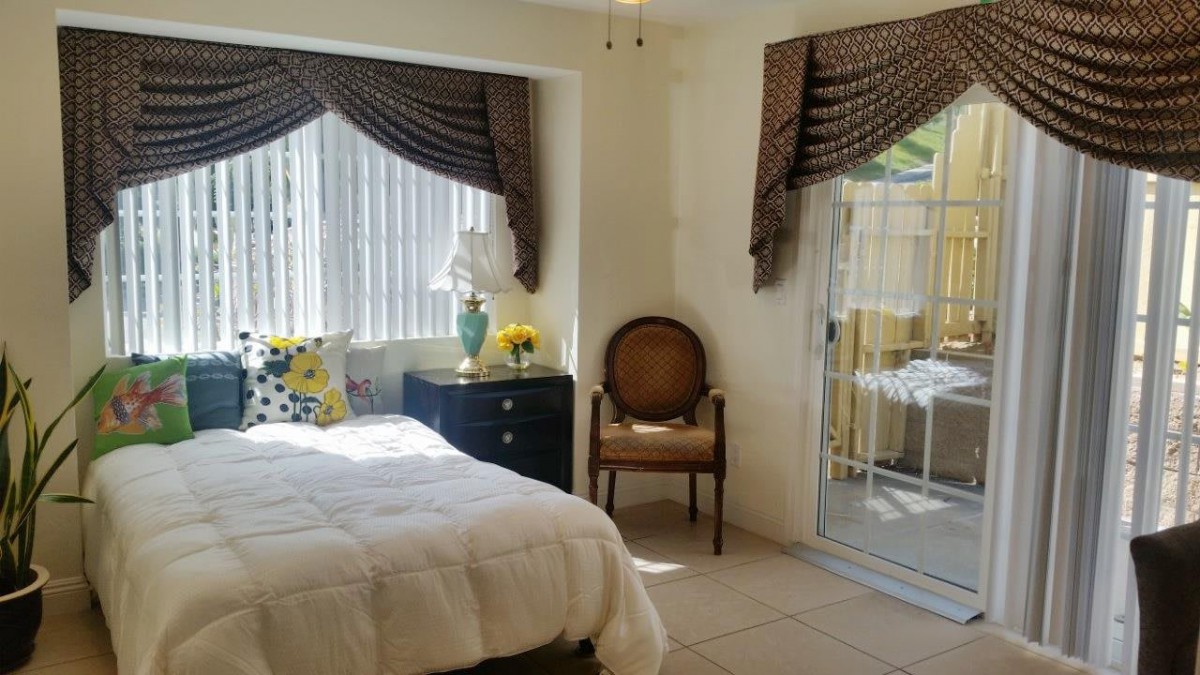
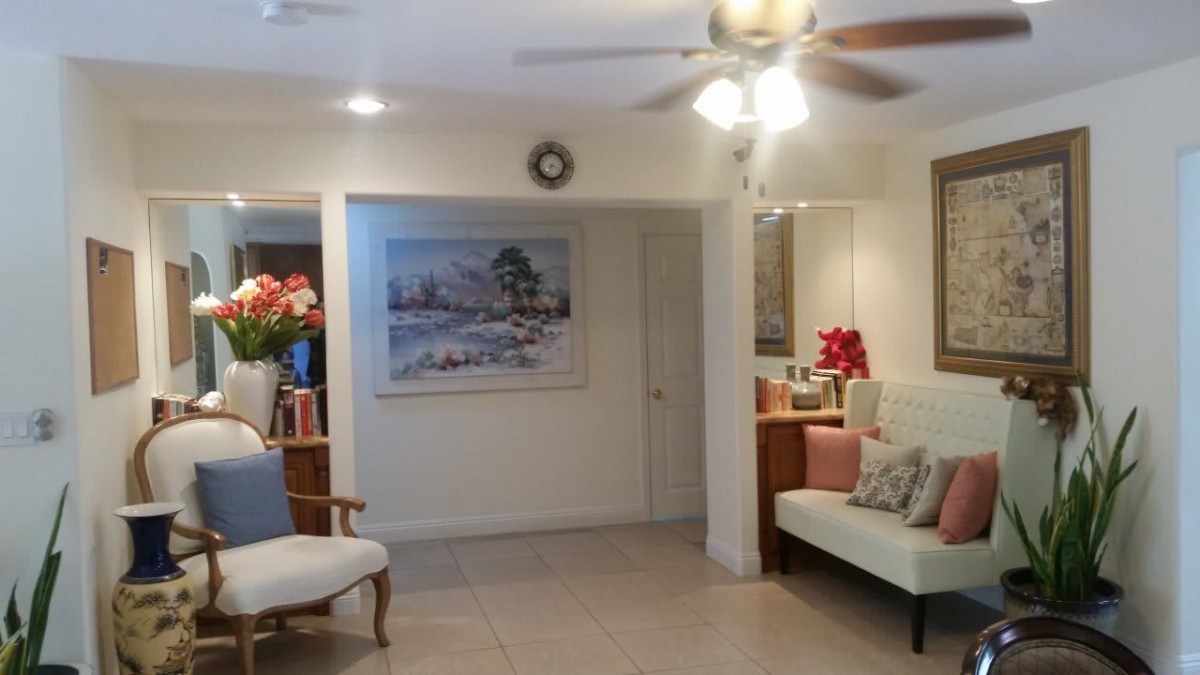
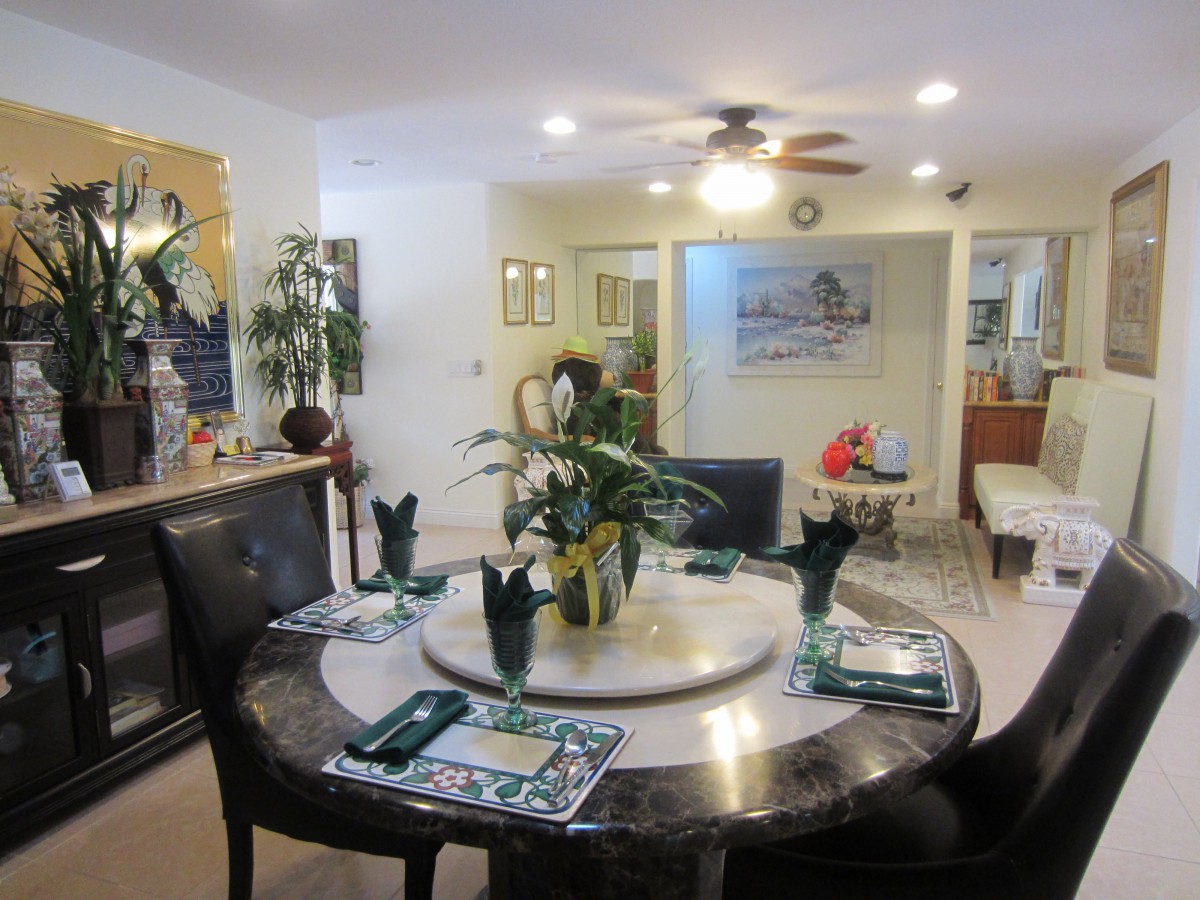
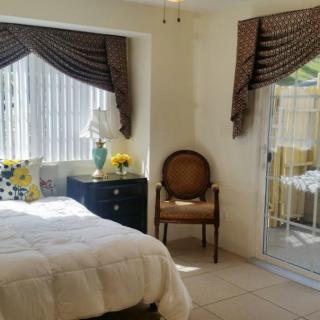
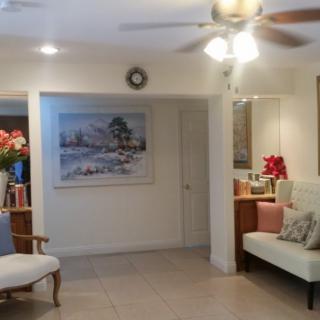
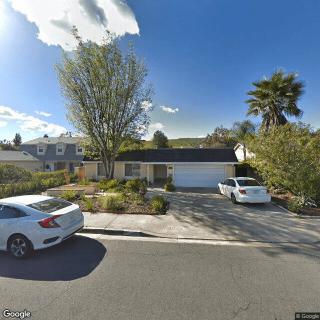
 The house environment was very nice, with a pleasant living room and dining room and well-set-up resident rooms.
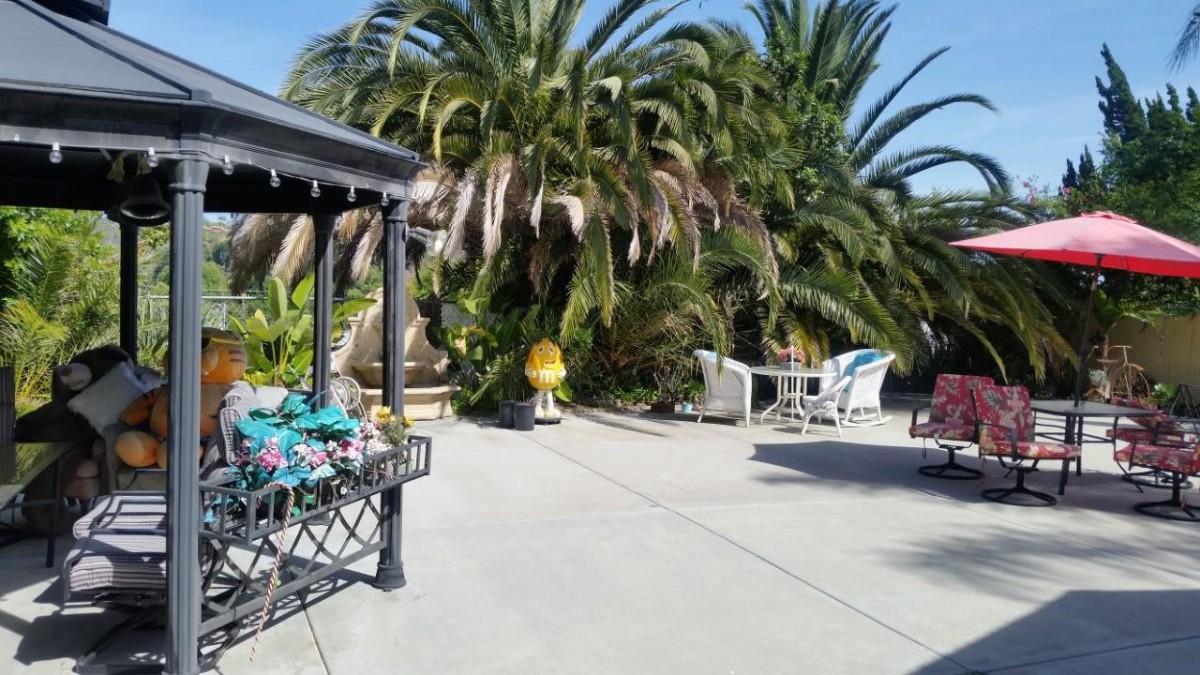
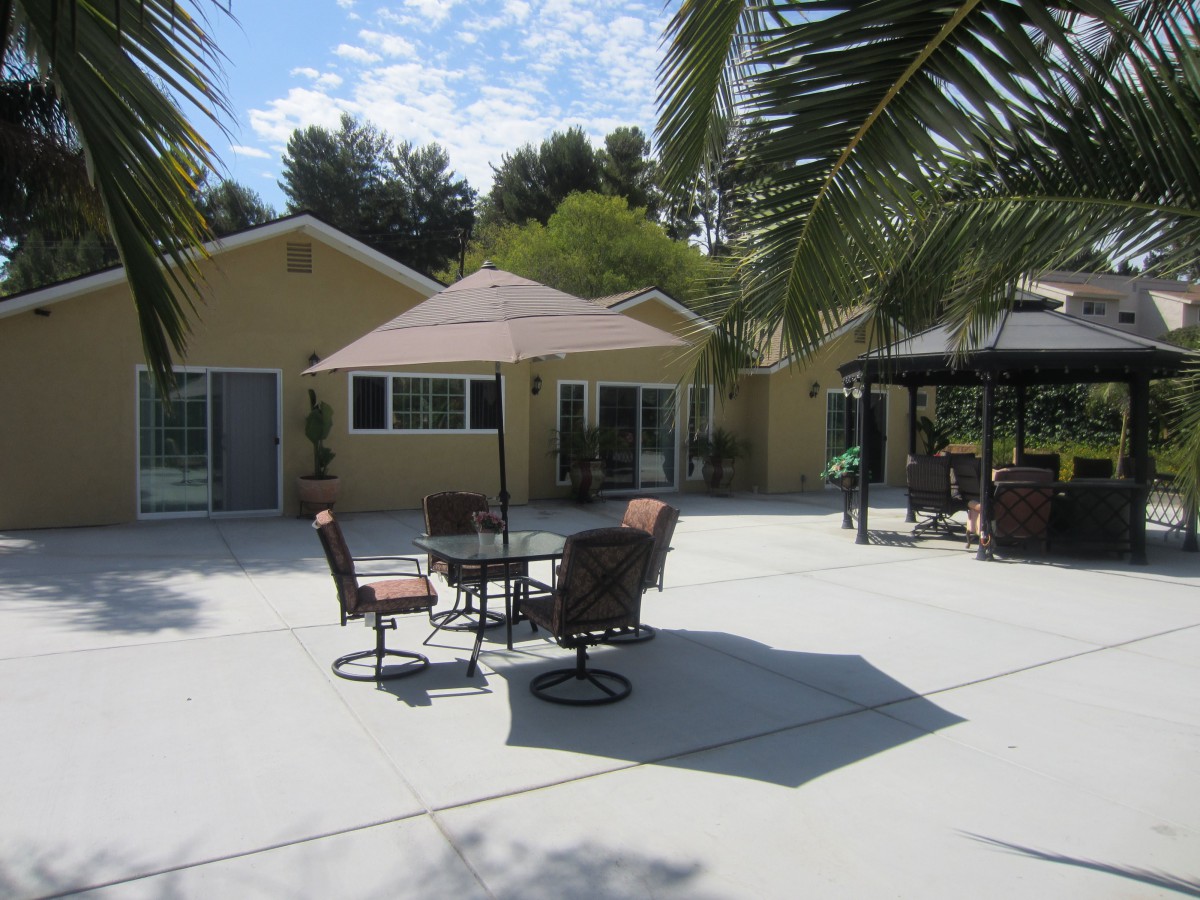
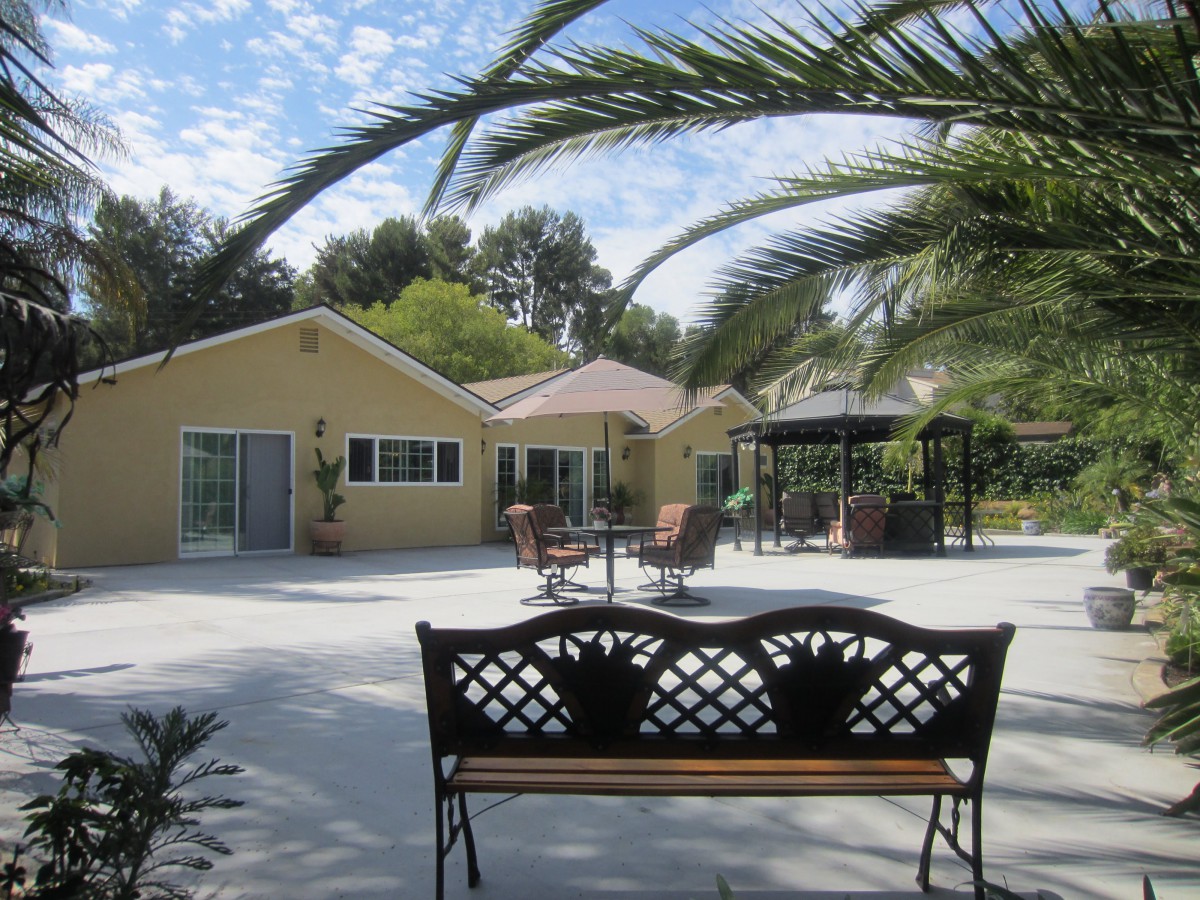
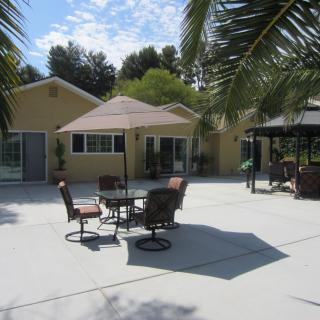
- The outside areas were nice, and every room had access to the side or back yard.
- It was considered a nice place to take a loved one, especially if they are bedridden or on hospice.
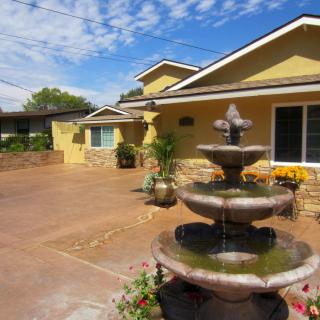
- The house was new and had a nice setup.
- The staff took good care of the loved one.
Cons
 The referrals included two hospices that met zero of the criteria.
- The reviewer felt strong-armed into working with certain hospices.
- The reviewer alleges that one hospice threatened to take away a bed from a sick elderly person if they did not work with them.
- The reviewer alleges the facility tried to hire that hospice again.
- The reviewer notes that most patients were bedridden and there was not much activity.
- The reviewer notes that the person in charge was not very experienced.
Review
New World RCFE in Poway is best suited for families seeking a warm, home-like residential setting with pleasant common spaces and easy outdoor access. The facility’s layout, bright living rooms, inviting dining areas, and resident rooms that open onto side or back yards, appeals to those who want daily life to feel comfortable and non-clinical. It can work particularly well for residents who are largely sedentary or on hospice, where a calm, low-stimulation environment supports dignity and routine without the formality of a hospital-like setting. For families prioritizing atmosphere, privacy, and visible comforts in a cheerful, approachable milieu, this community delivers.
Those evaluating options for medically complex needs will want to consider alternatives. The reviews raise red flags for families expecting robust medical oversight, especially for conditions like diabetes or other chronic issues requiring regular, specialized care. Questions about whether staff are employees or independent contractors, and about who makes hospice referrals, signal governance and accountability uncertainties. If a physician, payer, or family wants transparent, physician-endorsed pathways and clearly delineated medical services, other communities with documented medical capabilities and independent oversight may be preferable.
The strongest positives, a well-appointed house environment, comfortable living areas, and accessible outdoor spaces, can offset some concerns for families prioritizing daily comfort and a steady routine. For residents who are bedridden or near end-of-life, a non-institutional feel paired with attentive, personal care can be meaningful. Yet these benefits do not fully counterbalance the downsides: limited activity for less-mobile residents, questions about leadership experience, and a perception of uneven housekeeping. In practice, the charm of the setting matters, but it only matters if reliable, compassionate care accompanies it.
The most troubling themes across reviews center on management stability, staffing reliability, and safety in everyday operations. Reports of a manager departing amid a significant staff disruption, followed by residents’ deaths, point to potential gaps in crisis planning and continuity of care. Allegations that personal belongings were taken erode trust and signal a risk tolerance that families should not overlook. When combined with the lack of diabetic-specific medical services and concerns about how hospice referrals are made, these issues collectively undermine the predictability families rely on for peace of mind. This is not a minor concern; it’s a question of safeguarding residents’ dignity and security.
To approach this decision with confidence, demand thorough, verifiable information before committing. Investigate ownership status (for-profit versus non-profit), confirm whether caregivers are employees or contractors, and request full disclosure of hospice referral practices and bed-management policies. Look for a clear, written activity plan and evidence of ongoing engagement for residents who are less mobile. During tours, press for transparency about infection-control history and incident reporting, as well as everyday housekeeping standards and theft-prevention measures. Speak with a physician or nurse practitioner who is familiar with the community to gauge medical compatibility, particularly for residents needing diabetes care or other specialized services. A careful comparison with other options will reveal whether the comfort and atmosphere at New World RCFE can be sustained by reliable, ethical care.
In sum, New World RCFE offers a compelling, homey environment that can serve well as a comfortable home for seniors who are largely sedentary or hospice-oriented. However, serious concerns about leadership stability, staffing continuity, safety of belongings, and gaps in medical services create a meaningful risk for families seeking dependable, medically integrated care. For decision-makers, the calculus should weigh the value of a warm, easygoing setting against the need for transparent governance, consistent staffing, and explicit medical and ethical safeguards. Only after confirming solid, documented assurances on these fronts should this community be chosen over alternatives with stronger credentials and clearer care trajectories.
 Board and Care Home
 Memory Care
 Activities on-site
 Air-conditioning
 Cable or satellite TV
 Ground floor units
 Indoor common areas
 Outdoor common areas
 Private
 Respite or short term stays offered
 Wheelchair accessible showers
 Wi-Fi/high-speed internet available
 MC Clellan-Palomar Airport (16 miles away)
 Diabetic care
 High acuity care
 Incontinence care
 Medication management
 Anytime dining


 Illuminating Insights About Alzheimer's Disease: Ten Crucial Realities
 A Thorough Discussion of Medications Potentially Linked to Dementia Risk
 Why Do Dementia Patients Sleep So Much? Understanding Oversleeping, Stages, and Care Approaches