
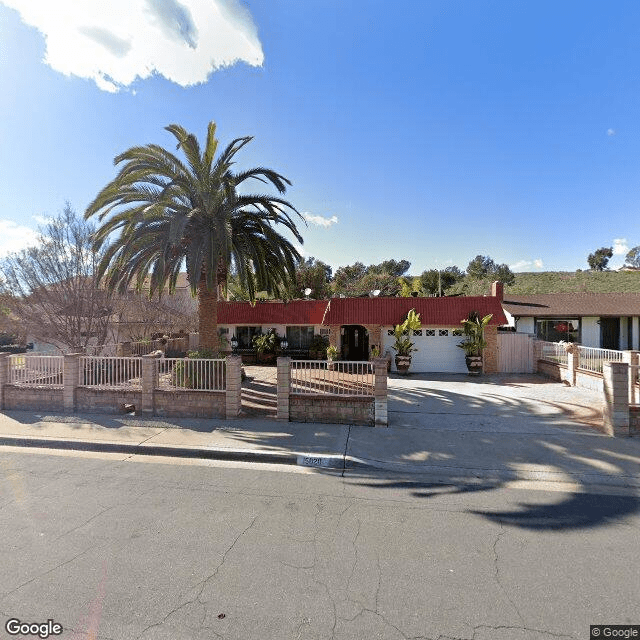
15020 Amso Street, Poway, CA 92064
For more information about senior living options: (866) 208-4318
Golden Ages Costs & Pricing
Golden Ages offers a range of living arrangements, with costs that reflect both the quality of services and amenities provided. For a private room, residents can expect to pay $4,500 per month, which is higher than the San Diego County average of $3,939 and aligns with the overall California rate of $3,939. Semi-private rooms are available at $5,000 per month, surpassing both county and state averages of $3,518 and $3,333 respectively. For those seeking more space, the one-bedroom option at Golden Ages is priced at $6,000 monthly - higher than the county's average of $4,315 but slightly below the state average of $4,340. Overall, while Golden Ages may be on the pricier side compared to local and state benchmarks, it reflects a commitment to providing exceptional care and a superior living experience for its residents.
| Floor plans | Golden Ages | San Diego County | California |
|---|---|---|---|
| Private | $4,500 | $3,939 | $3,939 |
| Semi-Private | $5,000 | $3,518 | $3,333 |
| 1 Bedroom | $6,000 | $4,315 | $4,340 |
Memory care communities with a similar price nearby
-
About the same
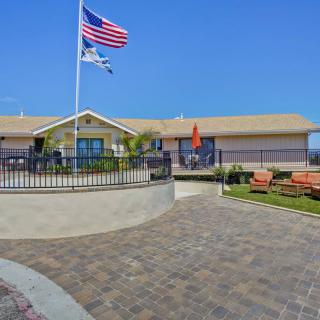
Champine Manor
$4,550 / month11.3 miles away -
About the same

La Costa Elder Care
$4,500 to $5,000 / month13.8 miles away -
from -$700 / mo
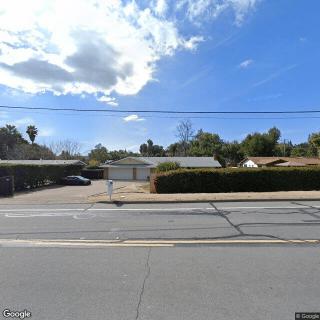
The Rose of Poway
$3,800 to $4,200 / month2.0 miles away -
from -$205 / mo
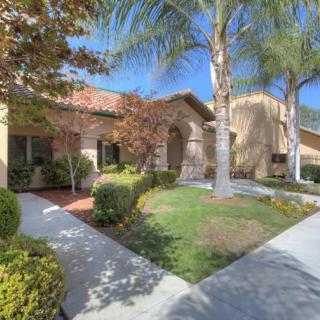
Summerfield of Encinitas Memory Care
$4,295 to $4,895 / month11.8 miles away -
from +$450 / mo

Stellar Care
$4,950 / month15.8 miles away
Overall Review of Golden Ages
Pros
 They are very accommodating and very helpful with everything.
- Their place is really, really good and very clean.
- They have been amazing and take really good care of Alvin.
- The meals cater to each individual, addressing dietary needs and preferences.
- Each person can suggest their own meal.
- They do exercises with the residents and organize activities like movie nights and walks.
- They tailor activities to each individual's needs.
Review
Golden Ages in Poway is best suited for seniors who value a warm, home-like assisted living environment where care feels personal, flexible, and hands-on. This community excels for individuals who want daily life shaped by attentive staff, customized meals, and a dynamic program of social and physical activities. It is especially well-suited for residents who flourish with a sense of routine that still allows for individualized choices, and for families seeking clear evidence of daily engagement, cleanliness, and a welcoming atmosphere. In short, it serves well those who prioritize dignity, companionship, and practical, resident-centered support over a more clinical or institutional setting.
For families evaluating options, it is prudent to consider alternatives if medical complexity or dementia-specific needs demand robust on-site nursing, round-the-clock clinical oversight, or a larger campus with extensive specialized programming. A larger community with dedicated memory care units or a facility that emphasizes intensive medical coordination may be preferable for residents with advanced care requirements. Likewise, if privacy, more formalized care plans, or a broader menu of on-site therapeutic services are non-negotiables, exploring other providers could be wise. Golden Ages doesn’t advertise a big-care-hospital vibe, and that may matter for certain situations.
The strongest, most actionable positives are clear and meaningful. The staff’s accommodation and willingness to help with everything stands out, transforming daily routines into a smooth, low-friction experience for residents and their families. The facility’s environment reinforces trust: the house is clean, well-maintained, and welcoming, which underpins residents’ comfort and ability to settle in quickly. Meals represent a standout feature, with both dietary needs and personal preferences addressed in a thoughtful way. Each resident is encouraged to propose meals, ensuring that eating becomes a reassuring, enjoyable part of every day rather than a rigid routine.
Activity programming emerges as another compelling strength. The community integrates varied options, movies, group exercises, walks, and other outings, so residents can choose engagement that suits their energy and interests on any given day. The programming appears adaptable, shifting to fit who is present and what they enjoy, rather than enforcing a fixed schedule. This approach supports social connection, mobility, and cognitive stimulation, all of which contribute to a sense of normalcy and purpose. In a setting where personal attention and flexible scheduling matter, these elements function as practical anchors that enhance overall quality of life.
Given the absence of explicit drawbacks in the available impressions, the real question becomes alignment with medical expectations and long-term trajectory. The pros, personalized meals, attentive staff, a clean, home-like environment, and adaptive activities, largely offset the potential concern that a smaller, less medically oriented setting might lack exhaustive clinical resources. For families prioritizing everyday comfort, companionship, and a sense of being seen as individuals, Golden Ages delivers exceptional value. However, those needing intensive medical care, complex dementia management, or high-degree clinical supervision should verify on-site capabilities and care coordination before deciding.
In sum, Golden Ages is a strong recommendation for families seeking a warm, adaptable living option in Poway where residents are treated as individuals, not as numbers. It shines for people who want daily warmth, tailored nutrition, and engaging, accessible activities delivered by a responsive staff. For anyone prioritizing a small-scale, people-first environment with a proven track record of accommodating preferences, this community is a practical, commendable fit. Prospective residents should still confirm specifics on medical staffing and care plans, but the overall picture is one of reliable quality, purposeful living, and genuine, practical care.
 6 resident community capacity
 Assisted Living
 Board and Care Home
 Memory Care
 Cats allowed
 Dogs allowed
 Activities off-site
 Cable or satellite TV
 Devotional services off-site
 Dining room
 Fully furnished
 Garden
 Housekeeping services
 Indoor common areas
 Move-in coordination
 Outdoor common areas
 Private
 Respite or short term stays offered
 Telephone
 Wheelchair accessible showers
 Wi-Fi/high-speed internet available
 MC Clellan-Palomar Airport (16 miles away)
 24-hour supervision
 Assistance with bathing
 Assistance with dressing
 Assistance with transfers
 Diabetes diet
 Diabetic care
 High acuity care
 Incontinence care
 Meal preparation and service
 Medication management
 Special dietary restrictions
 Transportation arrangement (medical)
 Transportation to doctors appointments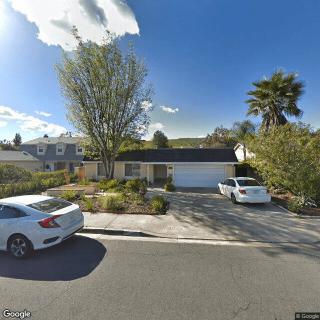





 When Dementia Sparks Anger and Aggression: Understanding the Connection and Ways to Cope
 Dementia Behaviors: In-Depth Understanding and Effective Coping Strategies
 5 Early Indicators of Dementia and What You Can Do