
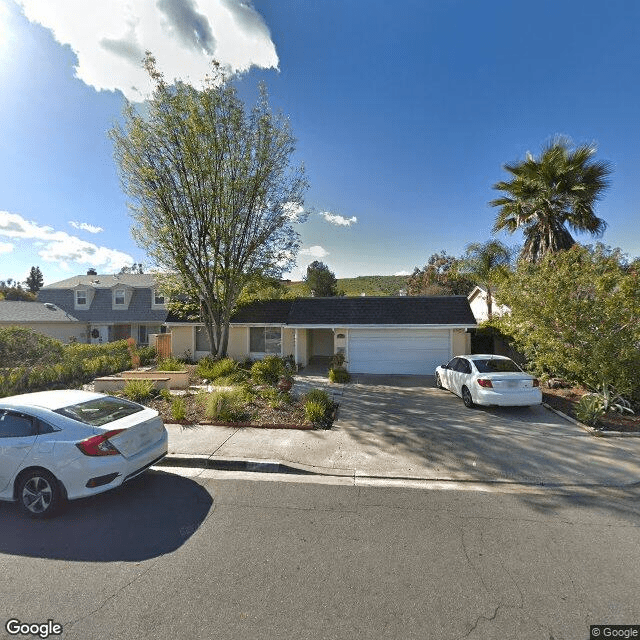
15042 Amso Street, Poway, CA 92064
For more information about senior living options: (866) 208-4318
North County Care Home Costs & Pricing
At North County Care Home, the monthly cost for a private room is $4,500, which notably exceeds both the San Diego County average and the broader California average of $3,939. This pricing reflects the quality of care and personalized services that residents receive at North County Care Home, emphasizing their commitment to providing a supportive and enriching environment. While their rates are higher than comparable facilities in the area, many families find that the exceptional level of attention and resources available justifies this investment in long-term care.
| Floor plans | North County Care Home | San Diego County | California |
|---|---|---|---|
| Private | $4,500 | $3,939 | $3,939 |
Assisted Living communities with a similar price nearby
-
About the same

Champine Manor
$4,550 / month11.3 miles away -
from -$200 / mo
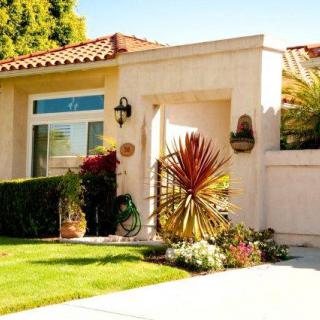
Vintage Residential 1
$4,300 to $5,500 / month22.9 miles away -
About the same
Hidden Meadows Residential Home Care
$4,500 to $4,800 / month15.9 miles away -
from -$700 / mo
Casa Primavera
$3,800 to $4,800 / month19.3 miles away -
About the same

La Costa Elder Care
$4,500 to $5,000 / month13.7 miles away
Overall Review of North County Care Home
Pros
 The facility is a great place.
- They treated the father with care and compassion during his stay.
- The facility is one of the best small facilities, offering special attention and detailed care to residents and their family members.
- The management is friendly and collaborates with caregivers to address residents' needs and concerns.
- The father is doing well since moving into the community, and the staff appear to accommodate higher levels of care as needed.
- The community is clean all the time, and housekeeping keeps the resident's room well maintained.
- They would recommend the home to anyone considering it.
Cons
 The house is really old and they are not doing the deep cleaning that is needed.
- They made a lot of promises not kept.
- There are no activities offered at all.
- There was no stimulation.
- They pulled their loved one out after about a month and a half.
- The owner relies on the women to handle everything.
- They would not recommend this facility at all due to their experience.
Review
North County Care Home in Poway is best suited for families seeking a small, home-like setting where caregivers form close, personalized bonds with residents and where care can be adjusted with real discretion. This community works best for someone who is relatively independent but may need occasional higher levels of assistance, and for families that value responsive, accessible management and a warm, intimate atmosphere over a formal, corporate feel. The strongest appeal lies in the sense of familiarity: residents are known by name, needs are noticed quickly, and the day-to-day environment rewards a hands-on, personal approach.
That said, certain realities warrant careful consideration before choosing this option. If daily structure, robust social programming, and a consistently active calendar are non-negotiables, alternatives with formal activity directors and scheduled programs will likely serve better. For families seeking rigorous deep cleaning, stricter housekeeping protocols, or a facility with more comprehensive on-site amenities, this home may fall short. Likewise, residents who require specialized memory care or a clearly defined clinical program could outgrow the accommodations here. Those who prioritize a larger, more resource-rich setting should look elsewhere.
The strongest positives here are undeniable: compassionate, attentive care; a willingness among management to address residents’ needs and concerns; and the capacity to accommodate rising levels of care without uprooting the resident. Several accounts highlight sincere, hands-on care from staff and a management tone that values family input. Food is consistently described as good, and rooms are kept clean with reliable housekeeping. In a small facility, this combination, trustworthy caregivers, accessible leadership, and clean surroundings, creates a reassuring backbone that can offset some of the uncertainties that accompany other, larger homes.
However, the main drawbacks cannot be ignored. The house itself is aging, and the lack of deep cleaning referenced in some experiences signals a potential maintenance gap that can become more noticeable over time. Most troubling for many families is the absence of organized activities or stimulation; residents who thrive on engagement, social interaction, and structured routines may quickly feel underused. There are also cautions about the owner’s reliance on a limited staffing model, which in practice can translate to uneven coverage or delayed responses if support is stretched thin. Taken together, these factors place a ceiling on how well the home can meet more demanding daily social and cognitive needs.
Ultimately, the decision hinges on weighing intimate, individualized care against the risk of insufficient programming and aging infrastructure. For residents who value a trusted, small-community atmosphere and can supplement with external activities, volunteer outings, community programs, or family-led engagements, the offset is meaningful. The care quality and personal attention can make up for some misses in programming, provided expectations are kept realistic and regular oversight remains in place. Families should anticipate a responsive, neighborly feel rather than a bustling, activity-rich environment, and plan accordingly.
Practical next steps are clear. Schedule a tour and press for specifics on daily activity offerings, staff-to-resident ratios, and who leads programming (and how it’s documented). Ask to see recent housekeeping schedules and the maintenance plan for the building, noting how often deep cleaning is performed and who is responsible. Request time with the director or owner to understand how care plans are developed and updated, and talk with current residents or families about how concerns were resolved. If possible, arrange a short-term stay to observe daily routines and responsiveness. If extended structure, more formal programming, or a larger, more layered care system is non-negotiable, then this community should be crossed off the shortlist in favor of alternatives that match those criteria.
 6 resident community capacity
 Assisted Living
 Board and Care Home
 Activities on-site
 Cable or satellite TV
 Devotional services on-site
 Dining room
 Fully furnished
 Garden
 Housekeeping services
 Indoor common areas
 Move-in coordination
 Outdoor common areas
 Private
 Telephone
 Wi-Fi/high-speed internet available
 MC Clellan-Palomar Airport (16 miles away)
 24-hour supervision
 Assistance with bathing
 Assistance with dressing
 Assistance with transfers
 Diabetes diet
 Diabetic care
 Meal preparation and service
 Medication management
 Special dietary restrictions
 Transportation arrangement (medical)
 Transportation to doctors appointments
 Educational speakers / life long learning
 Forever fit
 Karaoke
 Live dance or theater performances
 Live musical performances
 Live well programs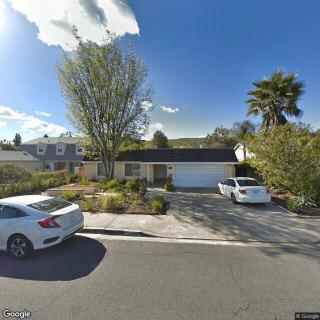





 When to Transition from Assisted Living to Memory Care: Key Indicators, Steps, and Finding the Right Community
 Assisted Living and Memory Care: Understanding Their Core Differences
 Beyond the Bingo Hall: 50+ Enriching Activities for Seniors in Assisted Living