For more information about senior living options: (866) 208-4318
3.4 from 75 reviews
5 stars
36
4 stars
9
3 stars
4
2 stars
3
1 stars
23
Poway Residential Care, LLC Costs & Pricing
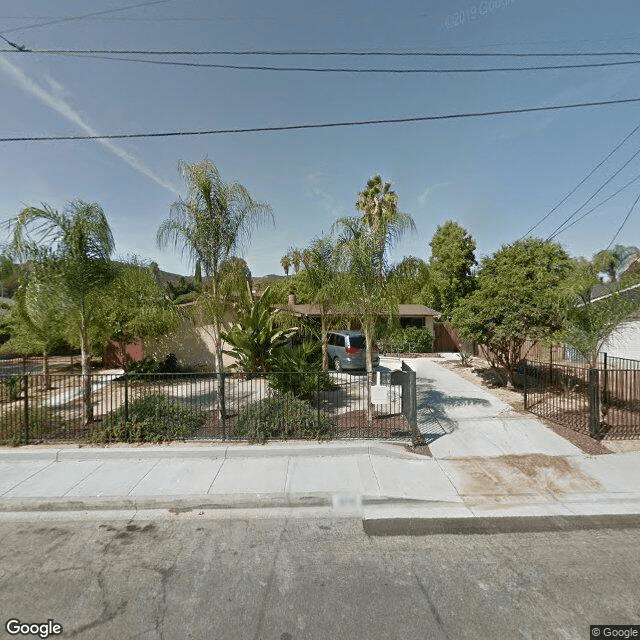
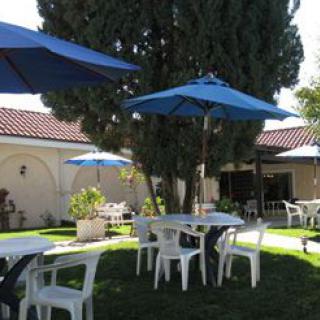
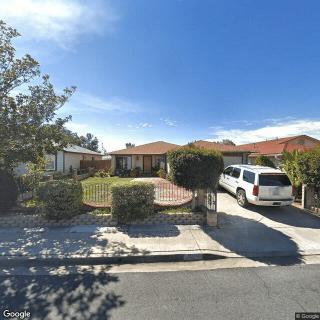
Poway Residential Care, LLC offers competitive pricing for its residential care services, particularly when compared to the averages in San Diego County and across California. For a semi-private room, residents can expect to pay $3,200 per month, which is notably lower than the county average of $3,518 and the state average of $3,333. The facility also provides one-bedroom accommodations at a rate of $4,000, aligning closely with the county's average of $4,315 and remaining slightly below the state average of $4,340. In contrast, private rooms are priced at $4,000 as well; however, they are above the San Diego County and California averages of $3,939. Overall, Poway Residential Care demonstrates a commitment to affordability while maintaining high standards for resident care within an attractive community setting.
Floor plans
Poway Residential Care, LLC
San Diego County
California
Semi-Private
$3,200
$3,518
$3,333
1 Bedroom
$4,000
$4,315
$4,340
Private
$4,000
$3,939
$3,939
Memory care communities with a similar price nearby
Food quality is a recurring point of disappointment in reviews.
Several residents and families describe meals as bland, not flavorful enough, or disappointing. A few comments also tie food to specific needs like blood-sugar management. Other reviews include contrasting praise, but overall dining shows up often enough to be a concern.
common6 reviews mention this
Therapy teams get strong praise
Therapy support is frequently described as knowledgeable and effective.
Many reviews highlight physical and occupational therapy as professional and helpful, including support with mobility goals. Speech therapy is also mentioned as a strong point in evaluations and dietary orders. Overall, the therapy experience comes through more positively than other parts of care.
caveat11 reviews mention this
Nursing quality varies day to day
Day-to-day nursing care is described as inconsistent in multiple reviews.
Some reviews criticize responsiveness and basic care tasks, including delayed diaper changes, missed updates, and concerns about whether charts are read. Others describe falls risk coverage that still led to unsafe situations, and some cite communication problems with families. The strongest positive comments about nursing also exist, but the negative reports about daily attention and follow-through are frequent enough to stand out.
caveat11 reviews mention this
Cleanliness is a mixed theme
Cleanliness is sometimes praised, but residents also report serious lapses.
Several reviews describe the facility as clean and well-maintained, with an overall sense of safety. Other residents report unsettling issues such as mold, roaches, feces left in shared spaces, or general uncleanliness. Because both experiences show up in the reviews, cleanliness appears inconsistent rather than uniformly strong.
How we summarize
Counts show how many written reviews mention each theme; a review can touch several themes, and only frequently mentioned themes are displayed.
Features
Types of Care
Board and Care Home
Memory Care
Amenities
Activities off-site
Activities on-site
Devotional services off-site
Indoor common areas
Outdoor common areas
Private
Wheelchair accessible showers
Transportation
MC Clellan-Palomar Airport (17 miles away)
San Diego International-Lindbergh (18 miles away)
Care Services
Ambulatory care
Diabetic care
High acuity care
Incontinence care
Medication management
Dining
Kosher
Meals provided
Vegetarian
Activities
Activities off-site
Activities on-site
Devotional activities offsite
Nearby Places of Interest
This part of Poway, California offers a convenient and diverse range of amenities for seniors looking to live independently or in a senior living community. With multiple pharmacies nearby, access to healthcare and medication is easily accessible. There are also various dining options including fast food restaurants like McDonald's and Chick-Fil-A, as well as healthier choices such as In-N-Out Burger and Panera Bread. For entertainment, there are theaters like AMC DINE-IN Poway 1 and recreational parks such as Old Poway Park for leisurely strolls. Additionally, there are several medical facilities and physicians in the area, providing quality healthcare services. Places of worship like Our Lady of Mount Carmel Church are also within close proximity for spiritual fulfillment. Overall, this part of Poway offers a comfortable and convenient lifestyle for seniors seeking a vibrant community with essential amenities within reach.
Pharmacies
CVS Pharmacy (0.8 miles)
Walgreens (1.3 miles)
Rite Aid (1.4 miles)
CVS Pharmacy (1.9 miles)
Vons Pharmacy (2.9 miles)
CVS Pharmacy (2.9 miles)
CVS Pharmacy (3.8 miles)
Restaurants
McDonald's (0.8 miles)
Chick-Fil-A (1.4 miles)
McDonald's (1.5 miles)
Taco Bell (1.5 miles)
In-N-Out Burger (1.5 miles)
Grub Burger Bar (1.5 miles)
The Hop Stop (1.6 miles)
Theaters
AMC DINE-IN Poway 1 (1.5 miles)
Regal Edwards Mira Mesa 4DX, IMAX & RPX (4.7 miles)
Parks
Old Poway Park (1.5 miles)
Lucido Park (2.6 miles)
Rolling Hills Park (2.6 miles)
Semillon Boulevard. Mini Park (3.2 miles)
Hilltop Park and Recreation Center (3.3 miles)
Los Peñasquitos Canyon Preserve (4.1 miles)
4S Ranch Sports Park (4.3 miles)
Cafes
Angelika Film Center & Cafe - Carmel Mountain (1.7 miles)
Panera Bread (1.7 miles)
Starbucks (2 miles)
Sharetea (4.5 miles)
Mostra Coffee 4S (4.8 miles)
Starbucks (5.4 miles)
Okavango Outpost (9.8 miles)
Transportation
Sabre Springs Parkway Transit Center (1.7 miles)
MTS Del Lago Station (7.5 miles)
Hospitals
Scripps Clinic Rancho Bernardo (1.9 miles)
Pomerado Hospital (2.3 miles)
Stanford Court Nursing (10 miles)
Physicians
Scripps Hospital Optometry (2 miles)
San Diego Advanced Orthopedic (2.2 miles)
Valle Verde Pediatrics (2.2 miles)
Psycare (2.2 miles)
Tara Brown, MD - North County Eye Center (2.5 miles)
Family Allergy & Immunology Medical Group (2.5 miles)
Pomerado Plastic Surgery Center (2.6 miles)
Places of Worship
Our Lady of Mount Carmel Church (2.4 miles)
Saint Gregory The Great Catholic Church (2.7 miles)
Poway Residential Care, LLC offers competitive pricing for its residential care services, particularly when compared to the averages in San Diego County and across California. For a semi-private room, residents can expect to pay $3,200 per month, which is notably lower than the county average of $3,518 and the state average of $3,333. The facility also provides one-bedroom accommodations at a rate of $4,000, aligning closely with the county's average of $4,315 and remaining slightly below the state average of $4,340. In contrast, private rooms are priced at $4,000 as well; however, they are above the San Diego County and California averages of $3,939. Overall, Poway Residential Care demonstrates a commitment to affordability while maintaining high standards for resident care within an attractive community setting.
Poway Residential Care, LLC's medication management ensures that residents receive their prescribed medications at the correct times and dosages, which is crucial for those with dementia or Alzheimer's disease who may struggle with memory and adherence to treatment regimens. This careful oversight helps to alleviate symptoms and prevent potential health complications that can arise from missed or incorrect medications. Additionally, incontinence care provides compassionate support for residents experiencing this common issue associated with cognitive decline. By addressing incontinence discreetly and effectively, staff members help maintain dignity and comfort, reducing anxiety for both residents and their families. Together, these features create a supportive environment that prioritizes the well-being and quality of life for individuals facing the challenges of memory loss.
Nearby Communities
New World
Poway, CA
Comprehensive on-site care and amenities in a small, cohesive community.
New World RCFE
Poway, CA
3.7 from 6 reviews
$4,500 to $5,000 / month
Well-designed living spaces with outdoor access and attentive staff.
Glen At Scripps Ranch Ccrc
San Diego, CA
4.9 from 75 reviews
Strong emphasis on spiritual well-being with off-site devotional services and active social spaces.
Griswold Home Care
Poway, CA
5 from 4 reviews
$5,700 to $7,050 / month
Vibrant community with extensive nearby amenities and healthcare access.
Sunrise of Sabre Springs
San Diego, CA
4.7 from 79 reviews
$5,280 to $8,280 / month
Compassionate, attentive staff with strong family communication.
Victoria Estates Suites
Poway, CA
Homelike setting with personalized care, diabetes-friendly meals, and transportation to medical appointments.
Cadence At Poway Gardens - The Oaks
Poway, CA
4.4 from 8 reviews
$6,500 / month
Memory care and assisted living with 24-hour supervision, dementia programming, and comprehensive support; fully furnished units, housekeeping, transportation to appointments.
Pacifica Senior Living Rancho Penasquitos
San Diego, CA
4.6 from 125 reviews
$3,495 to $4,495 / month
Friendly, attentive staff in a clean, inviting setting with on-site activities and good dining.
Villa Rancho Bernardo
San Diego, CA
3.6 from 147 reviews
Well-maintained, clean facility with attentive staff and effective rehab services; bright, pleasant dining areas.
The article differentiates between assisted living and memory care, explaining that assisted living supports seniors with daily activities while promoting independence, whereas memory care provides specialized services for individuals with dementia, focusing on secure environments and cognitive support. It also addresses staff training, safety considerations, costs, family involvement, and transition strategies for families navigating these care options.
The article outlines effective communication strategies for interacting with loved ones with dementia, highlighting the need for empathy, patience, and understanding while emphasizing supportive approaches like using simple language, minimizing distractions, and focusing on feelings over facts to maintain dignity and foster connection. It also suggests seeking professional guidance when needed as communication challenges evolve.
VA nursing homes, or Community Living Centers (CLCs), offer tailored long-term care for veterans, featuring medical attention and rehabilitation in a supportive environment. The guide covers facility types, eligibility criteria, financial assistance options, quality of care standards, and alternatives to full-time nursing home placement.
Get PricingAsk A QuestionSchedule A TourContact Senior Advisor
By clicking submit, you agree to our Partner's Terms of Use. You
also consent to receive calls and texts, which may be autodialed, from our Partner. Your consent is not a condition to
using our Partner's service. Please visit our Partner's Privacy Policy for information about their privacy practices.


 Board and Care Home
 Memory Care
 Activities off-site
 Devotional services off-site
 Indoor common areas
 Outdoor common areas
 Private
 Wheelchair accessible showers
 MC Clellan-Palomar Airport (17 miles away)
 Ambulatory care
 Diabetic care
 High acuity care
 Incontinence care
 Medication management
 Kosher
 Comprehensive on-site care and amenities in a small, cohesive community.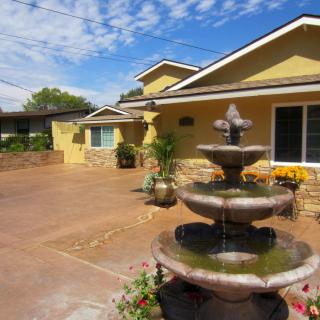



 Understanding the Distinctions: Assisted Living and Memory Care Explained
 How to Communicate with a Loved One Living with Dementia: 10 Supportive Strategies
 Comprehensive Guide to VA Nursing Homes: A Crucial Long-Term Care Resource for Veterans