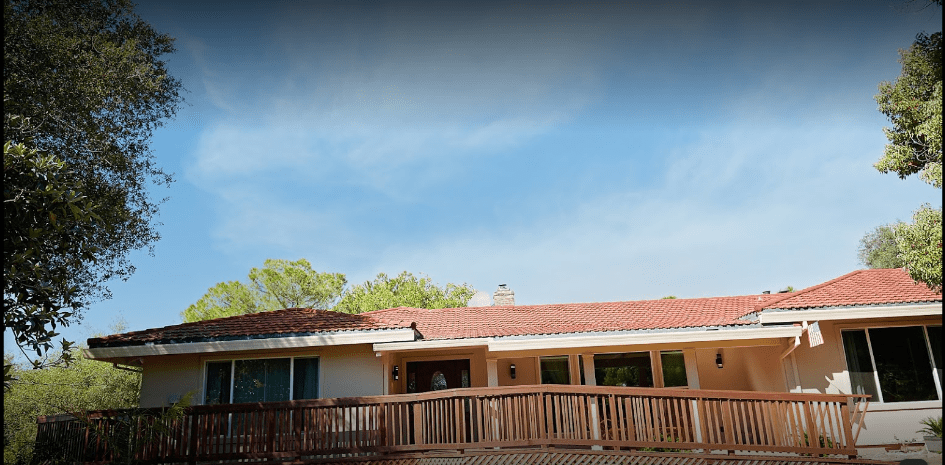
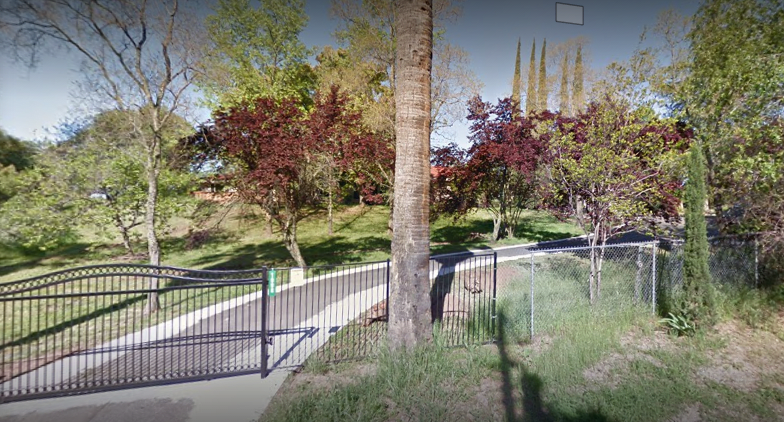
1998 Clark Tunnel Rd, Penryn, CA 95663
To contact a resident: (916) 742-8282
For more information about senior living options: (866) 208-4318
AAA Senior Care Costs & Pricing
AAA Senior Care offers competitive pricing for its private rooms at $4,000 per month, which is slightly lower than the average cost in Placer County at $4,026. Comparatively, this rate is a bit higher than the overall state average for California, standing at $3,939. This positioning highlights AAA Senior Care's commitment to providing quality services and amenities that may justify the slight premium over the state average while still remaining accessible within the local market. Residents can expect not only comfortable accommodations but also a range of senior care services tailored to meet their needs in a supportive environment.
| Floor plans | AAA Senior Care | Placer County | California |
|---|---|---|---|
| Private | $4,000 | $4,026 | $3,939 |
Memory care communities with a similar price nearby
-
About the same
Sungarden Villa II
$4,000 / month12.2 miles away -
from +$500 / mo
Sunriver Senior Care
$4,500 / month16.7 miles away -
from +$150 / mo
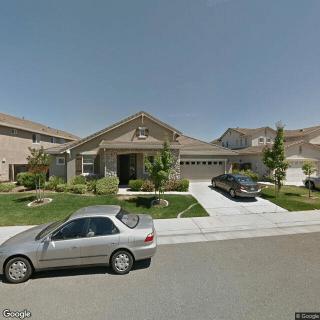
Ferrari
$4,150 to $5,500 / month7.0 miles away -
About the same

Ashley Villa
$4,000 / month16.7 miles away -
About the same
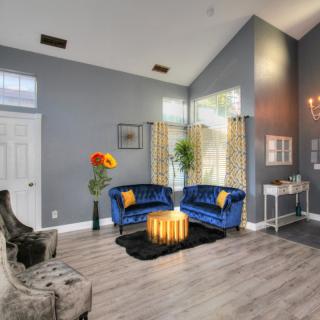
A Bright Future
$4,000 / month13.7 miles away
Overall Review of AAA Senior Care
Pros
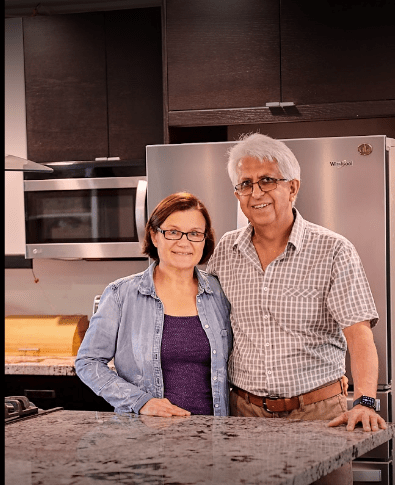
 Dina and Michael provide a comfortable, loving home for residents.
- Visitors are treated like family by Dina and Michael.
- The house is comfortable and well-equipped.
- Meals are delicious and often made from scratch.
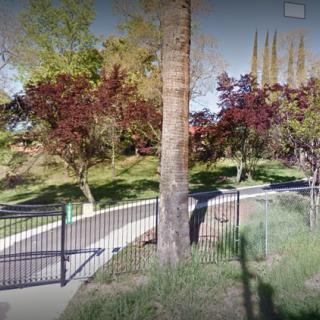
- The surrounding yard is calming and beautiful.
- Residents receive gentle, attentive care and are treated with respect.
- Residents have access to outdoor spaces and are not parked in front of a TV all day.
- Families feel relief knowing their loved ones are in good hands.
Review
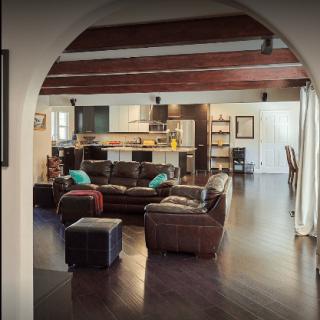
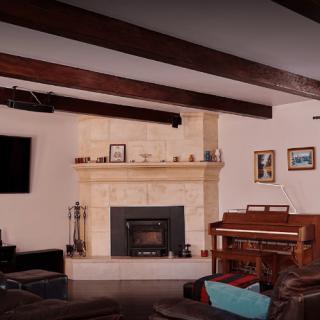
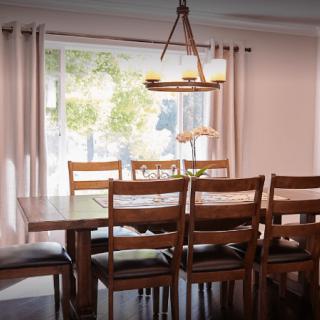
AAA Senior Care in Penryn is best suited for families seeking an intimate, home-like setting where seniors receive exceptionally personal, compassionate care. This is not a generic assisted-living facility but a small residence operated by Dina and Michael that feels more like family than a facility. The environment is warm, comfortable, and clearly designed to minimize institutional distance between caregivers, residents, and visitors. When families tour, they encounter a genuine commitment to dignity, respect, and steady, attentive presence. It is the kind of place where care plans unfold with a personal touch rather than a bureaucratic rhythm.
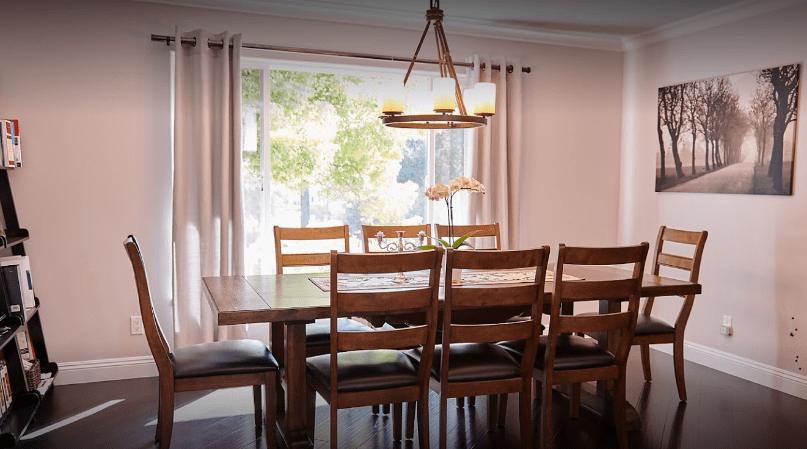
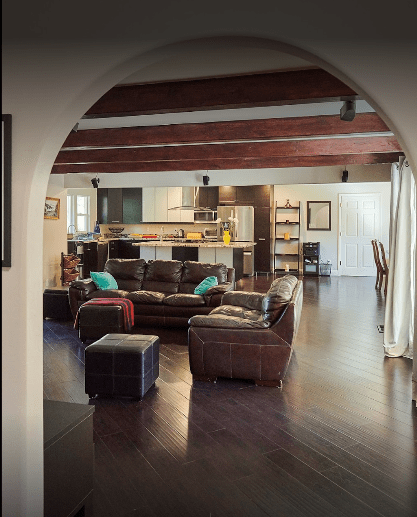
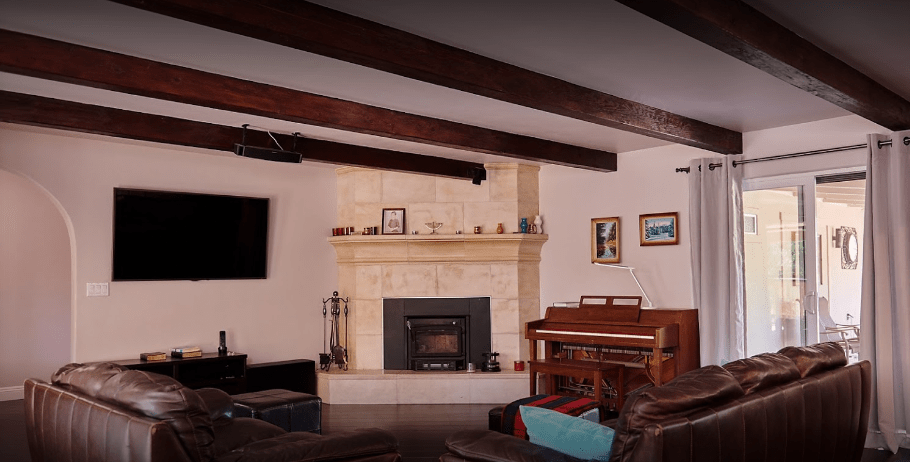
The core strengths lie in atmosphere and daily practice. The home itself is described as spotless, thoughtfully appointed, and comfortable enough to feel like a real home rather than a clinical setting. Meals are a standout, prepared from scratch and consistently of high quality, which matters for residents who spend extended time in one place. Outdoor spaces are accessible and calming, offering a relief from indoor confinement while supporting safe, low-key activity. Most notably, residents are treated with respect and kindness, and visitors are welcomed as part of the extended family. This combination of environment, food, and humane care creates a trustworthy baseline that is important for anyone weighing placement options.
A particularly strong emphasis is placed on end-of-life and long-term care delivered with gentleness and purposeful presence. Reviews repeatedly cite the profound sense of relief families feel knowing their loved ones are in capable, caring hands during fragile chapters. Dina and Michael’s approach centers on warmth, patience, and thoughtful attention to the resident’s comfort and dignity. The care is not about ticking boxes or rushing through routines; it is about sustaining a life lived with meaning in a small, supportive community. The result is a setting where emotional well-being and a calm day-to-day pace often stand alongside attentive physical care.
There are clear reasons to consider alternatives depending on the family’s priorities. If a senior requires 24/7 clinical nursing oversight, complex medical interventions, or a highly structured activity calendar with extensive memory-care programming, a larger, more medically oriented facility may be a better fit. Similarly, if the goal is a more corporate, scale-driven environment with broad social programming or specialized memory-care services, exploring other options is prudent. For those who want extensive on-site therapy options, specialist staff, or a broader range of amenities, a bigger community could better meet those expectations. The intimate nature of AAA Senior Care, while a major strength, naturally carries trade-offs in scale and scope.
When evaluating how the pros balance any potential drawbacks, the answer is clear: the intimate setting and high-touch care overwhelmingly offset the lack of size or formal programming. The personal attention, consistent kindness, and the sense that residents are known and valued make up for what a larger operation might offer in terms of go-go programming or clinical depth. Cleanliness, hospitality, and the daily quality of meals reinforce a standard that is difficult to match in more impersonal environments. For families prioritizing dignity, comfort, and a familial care dynamic, especially when end-of-life planning or gentle aging is central, these advantages are substantial and persuasive.
The bottom line is practical and decisive. AAA Senior Care stands out as a compelling choice for seniors who thrive in a small, compassionate, home-like setting where Dina and Michael lead with genuine care and unwavering warmth. For those who prioritize a clinical, institution-like experience or expansive programming, alternatives should be explored. Prospective families should schedule a visit with prepared questions about staff-to-resident ratios, care planning, and escalation procedures, and should seek references to verify consistency of care over time. In the right match, AAA Senior Care offers peace of mind that a loved one will be cared for with respect, love, and the kind of everyday quality that makes difficult transitions a little easier.
 Board and Care Home
 Memory Care
 Private
 Sacramento International (25 miles away)
 High acuity care
 Medication management



 5 Early Indicators of Dementia and What You Can Do
 8 Important Indicators That Memory Care May Be Necessary
 Delving into the Inner World of Dementia: Insights into Thoughts and Awareness